
No products in the cart.
AI Structured Data: The Complete Guide to Automating Schema Markup for Smarter Search
29
Jul
Jul
What Is AI Structured Data and Why It Matters for Modern SEO
AI structured data is the process of using artificial intelligence to generate, optimize, and manage the structured data markup that helps search engines understand website content. Rather than writing lines of JSON-LD or Microdata by hand, website owners and developers now deploy machine learning models that scan page content, identify entities, product details, FAQs, or article metadata, and automatically output clean, validated schema markup. This approach eliminates repetitive manual work while reducing human error.
The core advantage lies in speed and scale. A news portal with thousands of articles can have every publish date, author, headline, and image marked up without code template editing. E-commerce giants use AI structured data tools to generate product snippets featuring price, availability, and aggregate ratings across millions of SKUs. The technology bridges the gap between raw content and the machine-readable layer that Google, Bing, and other engines rely on to serve rich results.
Search intent around this topic has shifted markedly. SEOs no longer ask simply what schema is; they ask how to automate it without breaking sites. Google’s growing reliance on natural language processing and entity understanding makes accurate structured data a ranking signal modifier. AI structured data becomes the logical next step, connecting content intelligence directly to search engine communication.
The Core Concepts Behind AI Structured Data
Understanding Structured Data and the Knowledge Graph
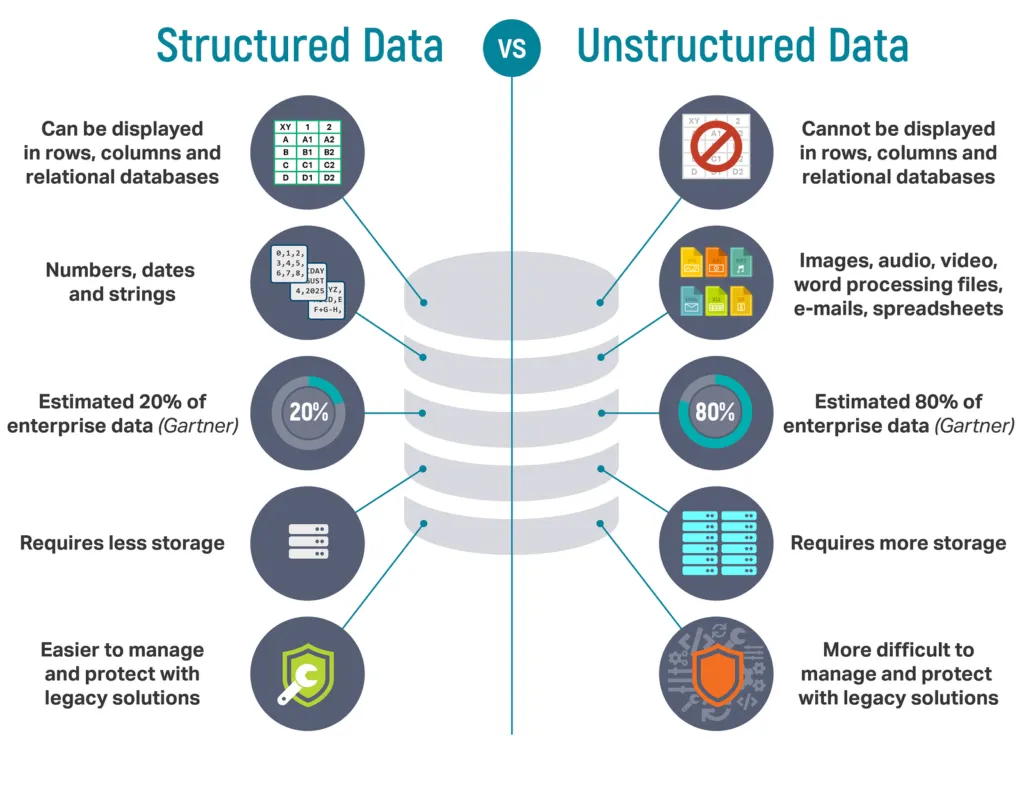
Structured data is a standardized format for providing information about a page and classifying the page content. Using vocabulary from Schema.org, it tells crawlers that a specific string is a product name, a price, an event date, or a review rating. When processed correctly, this markup fuels rich snippets, knowledge panels, and carousels.
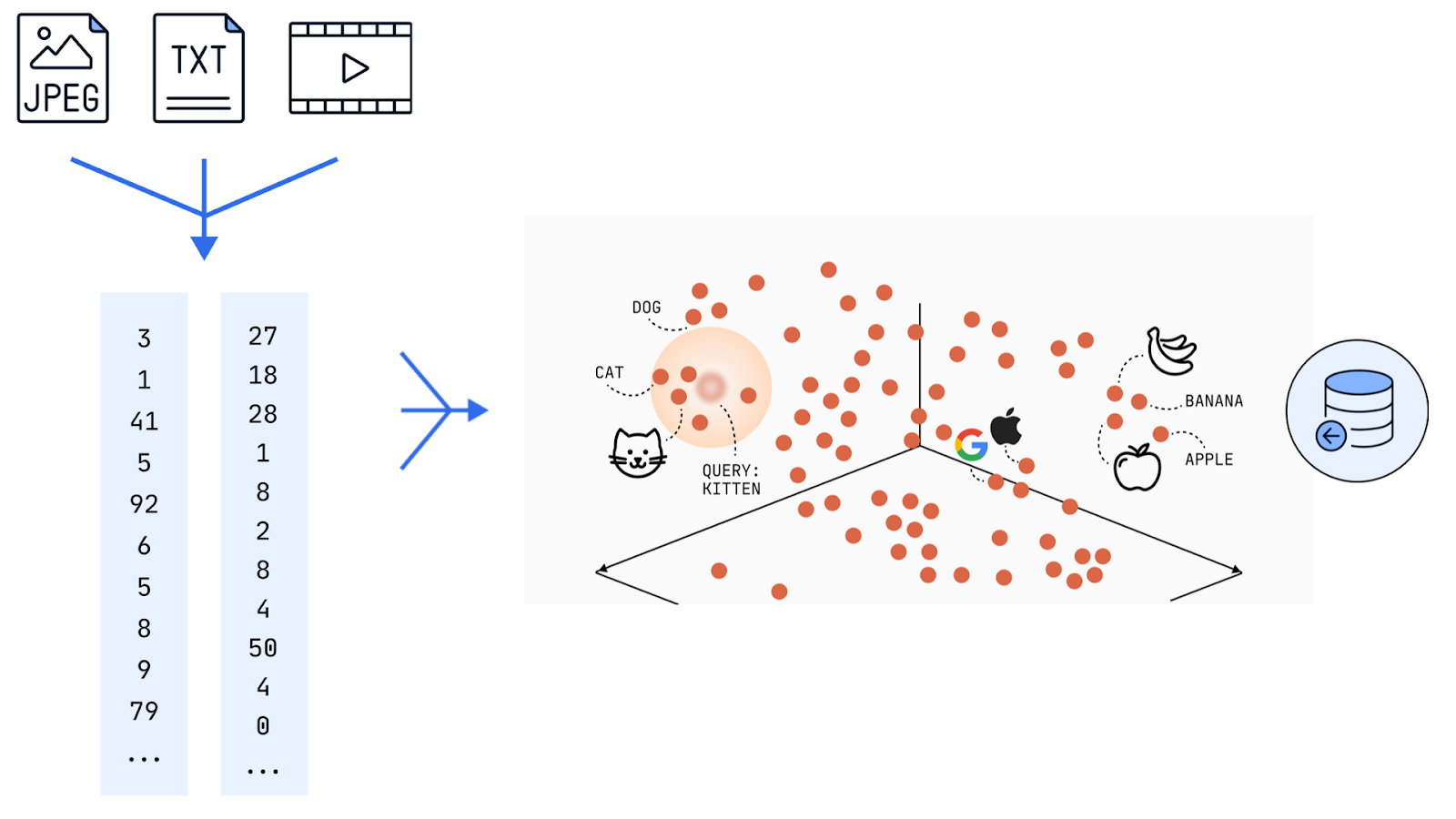
The knowledge graph connection matters because AI structured data doesn’t just replicate fields — it maps relationships. A human-written schema often just copies a template. An AI model trained on entity linking can identify that a person mentioned is the same entity as a Wikipedia entry, linking to a known ID and enriching the overall semantic graph. This deeper linkage is where machine intelligence moves beyond simple regex.
How Machine Learning Enables Automated Markup Generation
Modern AI structured data platforms typically rely on a combination of natural language processing (NLP), computer vision for images, and classification models. A transformer-based model reads the title, H1, body text, and list elements, then predicts the most likely schema type: Article, Product, Recipe, or LocalBusiness. It extracts properties like author (from bylines), price (from currency symbols and numbers), or cooking time (from phrases like “bake for 30 minutes”).
These models are fine-tuned on millions of correctly marked-up pages. They learn patterns such as “the block following the dollar sign and preceded by ‘Price:’ is the offer price” without brittle rules. For visual content, image recognition APIs identify whether the image is a product photo, a logo, or a step in a recipe, then populate the appropriate imageObject property.
The Role of Large Language Models in Schema Validation
Beyond generation, large language models (LLMs) are used to validate and repair structured data. An AI integrity layer checks that required fields like name or price are present, that URL values are accessible, and that date formats conform to ISO 8601. Some tools use LLMs to suggest missing properties — for example, detecting that a product page lacks an aggregateRating when review text is present, then prompting the user to add it.
This validation loop is critical because Google’s Rich Results Test now penalizes incomplete or contradictory markup. AI structured data systems that embed this check prevent the common mistake of publishing schema that looks correct but fails silently.
Types and Components of AI-Powered Structured Data Solutions
AI structured data isn’t a single tool but a category of capabilities. Understanding the different types helps choose the right approach for a technical stack.
| Type | How AI Is Applied | Best For |
|---|---|---|
| Content-aware generators | Scans existing HTML content; classifies the page type; outputs schema JSON-LD snippet | Blogs, news sites, static pages |
| API-based enrichment | Uses entity recognition APIs; links to external knowledge bases (Wikidata, DBpedia) | Company profiles, author entities, brand data |
| Dynamic schema injection | Server-side or CDN edge worker inserts schema based on URL patterns and AI classification | Large-scale e-commerce, marketplaces |
| Image analysis for structured data | Extracts object types, text, logos from images to populate imageObject, logo, or product dimensions | Visual-heavy sites, product photography |
| LLM-based manual assistant | Provides a chat interface where users describe content and get generated JSON-LD code | SEO professionals needing custom, precise markup |
Core Components of a Robust AI Structured Data Pipeline
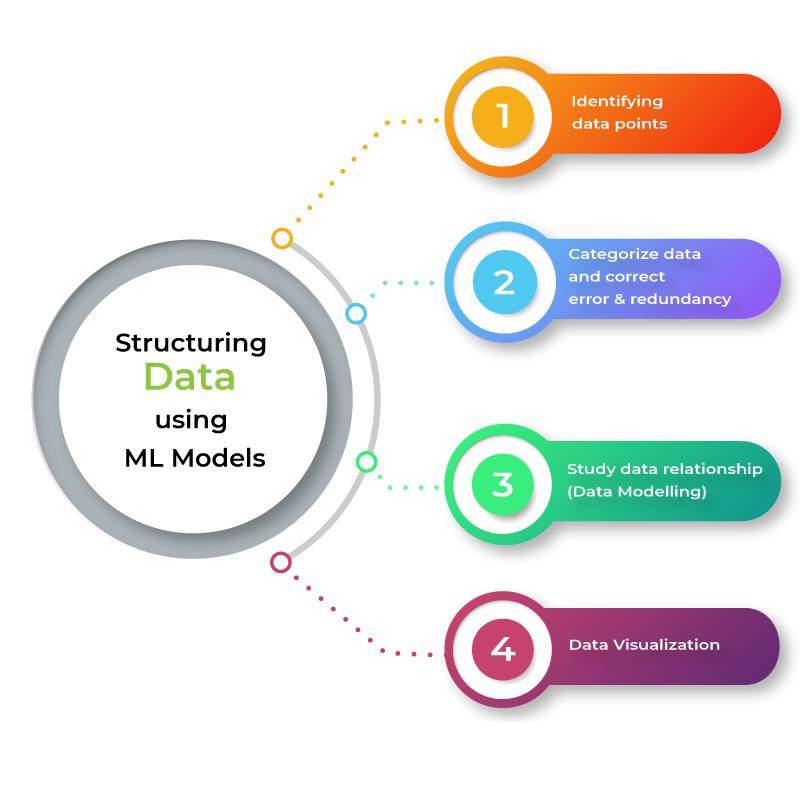
A full pipeline includes ingestion, classification, extraction, enrichment, validation, and deployment. Ingestion may be a CMS plugin, a JavaScript tag, or a server-side hook. The classification model then assigns a primary schema type and optional subtypes (like ItemList combined with Product). Extraction uses a combination of heuristic patterns and ML confidence scores.
Enrichment is where AI adds value: linking a person entity to a sameAs Wikidata URL, or pulling a known brand logo from a CDN. Validation checks against Schema.org specs and Google guidelines. Finally, deployment writes the JSON-LD block into the page head or the body, often with a cache-friendly mechanism that updates only when content changes.
Benefits and Limitations: Why AI Structured Data Changes the Game
Clear Benefits for SEO Teams and Developers
- Massive time savings: Manually writing a product schema for 50,000 SKUs can take months; AI tools can process them in hours with high accuracy.
- Error reduction: Common typos in @type, missing required fields, and URL formatting issues disappear because the AI follows strict output templates.
- Consistency across site: An AI model applies the same logic to all pages, preventing the drift that happens when multiple team members edit templates differently.
- Dynamic adaptation: When Google introduces a new recommended property (like shippingDetails), AI models retrained on updated guidelines can retroactively enrich existing pages.
- Enhanced rich result eligibility: High-quality, complete markup increases the chance of earning product rich results, FAQ snippets, and how-to carousels.
- Contextual misinterpretation: An AI model might misclassify a blog post with product mentions as a Product page, causing incorrect markup. Human oversight remains essential for edge cases.
- Language and nuance: Performance degrades on highly idiomatic or low-resource language content. Models trained primarily on English may miss entity meanings in other languages.
- Dependency on clean input: If the underlying HTML is messy or lacks semantic wrappers, extraction accuracy plummets. AI can’t always fix broken site architecture.
- Cost for custom models: Off-the-shelf tools work well for common schema types, but niche industries may need custom training that adds expense and complexity.
- Google’s strict validation: Automated markup may still contain subtle violations (like listing a price without a valid currency) that trigger manual action warnings if deployed unchecked.
- Blindly trusting the model without testing: All generated markup must pass through the Rich Results Test and Schema Markup Validator. Even a 99% accurate tool will produce errors on outlier pages. Schedule weekly automated validation crawls.
- Using the wrong schema type: AI might confuse a listicle of products with a single Product page. Implement business rules that override the AI for known templates, especially on category pages that should use ItemList.
- Forgetting to update canonical URLs: If the site uses parameter URLs for tracking, the AI might scrape a non-canonical version and produce markup with the wrong URL. Always tie structured data to the canonical link element.
- Overlapping markup: Some plugins inject schema while the AI also outputs it, duplicating nodes and confusing parsers. Audit the page source to ensure only one @graph or top-level script exists.
- Ignoring structured data for non-text content: Video and image schema remain underutilized. AI solutions can extract video duration, thumbnail, and upload date, significantly boosting video rich result eligibility.
Real-World Performance Impact
A mid-size retailer using an AI structured data solution for their product pages saw a 23% increase in click-through rate from search after fixing and expanding markup on 12,000 URLs within two weeks. A news publisher whose articles were automatically marked with NewsArticle schema using AI integration saw 17% more visibility in Top Stories carousels. These numbers align with Google’s emphasis that structured data itself isn’t a direct ranking factor, but rich results dramatically improve SERP real estate and user engagement.
Important Limitations to Acknowledge
Manual vs. AI-Assisted Structured Data: A Functional Comparison
| Factor | Manual Approach | AI-Powered Approach |
|---|---|---|
| Speed for 1000 pages | Weeks to months using templates | Minutes to hours with batch processing |
| Accuracy on standard pages | High if carefully written; prone to copy-paste errors | High and consistent for common types; may need tuning |
| Adaptability to content changes | Must manually update templates or each page | Recrawl and regenerate markup automatically |
| Ability to handle edge cases | Excellent, human can work around complex logic | Limited; may require fallback to custom templates |
| Cost | High in developer hours | Subscription or per-request fees, often lower total cost |
| Integration with entity databases | Manual sameAs linking is tedious | Automated entity resolution against Wikidata, etc. |
Most mature SEO programs now use a hybrid model: AI handles the bulk generation, while human experts review the output, especially for high-value pages or custom schema extensions like MedicalWebPage or Vehicle. This balance delivers scalability without sacrificing precision.
Practical Applications Across Key Industries
E-Commerce: From Product Feeds to Rich Results
The most impactful use case is product structured data. AI structured data tools connect directly to product information management systems or crawl live pages to identify variants, offers, shipping costs, and return policies. They generate full Product and Offer markup, including nested properties like seller and warranty. For large SKU counts, continuous monitoring ensures that sold-out items shift their availability status in schema without manual intervention.
News and Publishing: Automating Article Markup
News organizations rely on AI to mark up articles within seconds of publication. The model extracts headline, datePublished, dateModified, author details, and even the “speakable” property for voice assistants. Some platforms use NLP to identify the most salient paragraph for the description field. The AMP and non-AMP versions stay in sync because the AI applies the same logic to both.
Local Businesses and Multi-Location Brands
LocalBusiness schema, critical for local pack visibility, is notoriously tedious to maintain across hundreds of store pages. AI structured data solutions pull data from location databases, Google Business Profile APIs, and on-page content to populate opening hours, geo-coordinates, and department details. Automatic sameAs links to social profiles and review platforms get added, boosting entity credibility.
Healthcare and YMYL Content
Medical websites and health publishers use AI to mark up conditions, symptoms, and treatments with MedicalEntity and its subtypes. AI models trained on medical ontologies like SNOMED CT or ICD can correctly tag diseases, reducing the risk of misapplied schema that might hurt YMYL (Your Money Your Life) standing. FAQ structured data for health queries also benefits, with AI extracting question-answer pairs from page sections.
Common Mistakes When Implementing AI Structured Data and How to Avoid Them

Relying on AI does not guarantee perfection. These pitfalls frequently appear in audits of automated schema deployments.
Important Notes for Long-Term Success with AI Structured Data
AI structured data implementation is not a set-it-and-forget-it task. Search engines evolve their interpretation of schema. Google regularly deprecates or enhances certain rich result types. A system that worked perfectly six months ago may miss new recommended fields like returnPolicy for products. Subscribe to official schema change logs and retrain or reconfigure the AI pipeline periodically.
Monitoring rich result performance in Google Search Console provides a feedback loop. A sudden drop in “Products” rich results could indicate the AI-generated markup has drifted or a template change on the site broke extraction. Proactive monitoring catches these issues before traffic impact becomes significant.
Data privacy considerations also apply. Some AI tools send page content to external APIs for processing. Ensure that any structured data generation system handling sensitive pages complies with internal data governance policies and that no personally identifiable information leaks into external requests.
Frequently Asked Questions About AI Structured Data
What exactly is AI structured data?
AI structured data is the use of artificial intelligence and machine learning to automatically generate, validate, and maintain Schema.org markup on web pages. It replaces or augments manual coding by analyzing page content and extracting the correct entities and properties to format into JSON-LD, Microdata, or RDFa.
Can AI completely replace manual structured data creation?
For a majority of standard page types like articles, products, and FAQs, AI can handle nearly all generation with high accuracy. However, complex schemas (e.g., MedicalGuideline, LegalDocument) and highly nuanced content still benefit from human review to ensure the output perfectly matches the intended meaning. A hybrid approach works best.
Does Google approve of AI-generated structured data?
Google evaluates structured data based on correctness and adherence to guidelines, not on how it was created. As long as the markup is valid, matches the visible page content, and isn’t used for spammy manipulation, AI-generated schema is perfectly acceptable and often of higher quality than manually copied templates.
Which AI models power these structured data tools?
Most commercial solutions leverage transformer-based language models like BERT or GPT variants fine-tuned on schema extraction tasks. Some use proprietary classifiers trained on massive corpora of marked-up pages. Image-based extraction typically uses convolutional neural networks or vision transformers for object and text recognition.
Is AI structured data only for large websites?
No. Small business owners, bloggers, and solo SEOs benefit just as much. Many WordPress plugins and cloud-based generators use AI to create schema from a single URL without any technical training. The scalability advantage simply becomes more pronounced as site size grows.
How do I verify that AI-generated structured data is error-free?
Use Google’s Rich Results Test and the Schema.org validator on a representative sample of pages. For ongoing monitoring, set up a Screaming Frog or Sitebulb crawl configured to extract and validate JSON-LD blocks. Some AI tools include built-in dashboards that flag pages with markup issues.
Conclusion
AI structured data represents the logical evolution of technical SEO. By shifting from fragile template editing to intelligent, content-aware automation, teams can achieve comprehensive schema coverage at any scale. The technology reduces costly errors, accelerates time-to-rich-results, and frees practitioners to focus on strategy rather than syntax. As search engines continue to deepen their reliance on entity understanding, having accurate, complete, and dynamic structured data will separate top-performing sites from the rest. Implementing a well-monitored AI-driven pipeline today is a forward-looking investment that pays dividends in visibility, click-through rates, and long-term search resilience.
Xem thêm:
- AI Competitor Analysis: Master Market Intelligence With Automated Precision
- AI SEO Skyscraper Technique: The 2025 Guide to Dominating Search Rankings
- AI SEO H1 Optimization: The Complete Guide to Dominating Search Rankings in 2025
- AI SEO for Niche Sites: The 2025 Playbook for Dominating Small Markets
- AI SEO AI Search Monitoring: The Complete Guide to Tracking Your Brand in the Age of Generative Engines
Bài viết cùng chủ đề:

AI SEO SEO Automation with Make: The Complete Workflow Guide

AI SEO SEO Automation with Zapier: The Complete Workflow Guide

AI SEO SEO Automation with n8n: The Complete Workflow Guide
AI SEO SEO Automation with Gemini: The Complete Guide to Scaling Organic Growth

AI SEO SEO Automation with Claude: The Complete Guide to Scaling Content in 2025

AI SEO SEO Automation with ChatGPT: The Complete Playbook for 2025

AI SEO & SEO Automation for Affiliate Sites: The 2025 Playbook for Passive Income Growth
AI SEO & SEO Automation for Bloggers: The Complete Guide to Scaling Your Content

AI SEO & SEO Automation for Agencies: The Complete 2025 Playbook

AI SEO and SEO Automation for Ecommerce: The Complete Playbook for 2025

AI SEO & SEO Automation for WordPress: The Complete Playbook for 2025
AI SEO SEO Automation Strategy: The Complete Playbook for 2025

Mastering the AI SEO SEO Automation Process: A Complete Guide to Scaling Organic Growth
AI SEO SEO Automation System: The Complete Guide to Scaling Organic Growth in 2025
AI SEO SEO Automation Platform: The Complete Guide to Scaling Organic Growth in 2025
AI SEO SEO Automation Software: The Complete Guide to Scaling Organic Growth in 2025















