
No products in the cart.
AI SEO Category Optimization: The Complete Playbook for 2025

31
Jul
Jul
AI SEO category optimization is the process of using machine learning algorithms and natural language processing to refine how e-commerce and content websites structure, label, and rank their category pages. As search engines shift toward understanding semantic intent rather than just matching keywords, category pages have become the battleground for visibility. This guide breaks down the technical, strategic, and practical elements of optimizing category pages with AI, ensuring your site captures high-intent traffic and converts it into revenue.
What Is AI SEO Category Optimization?
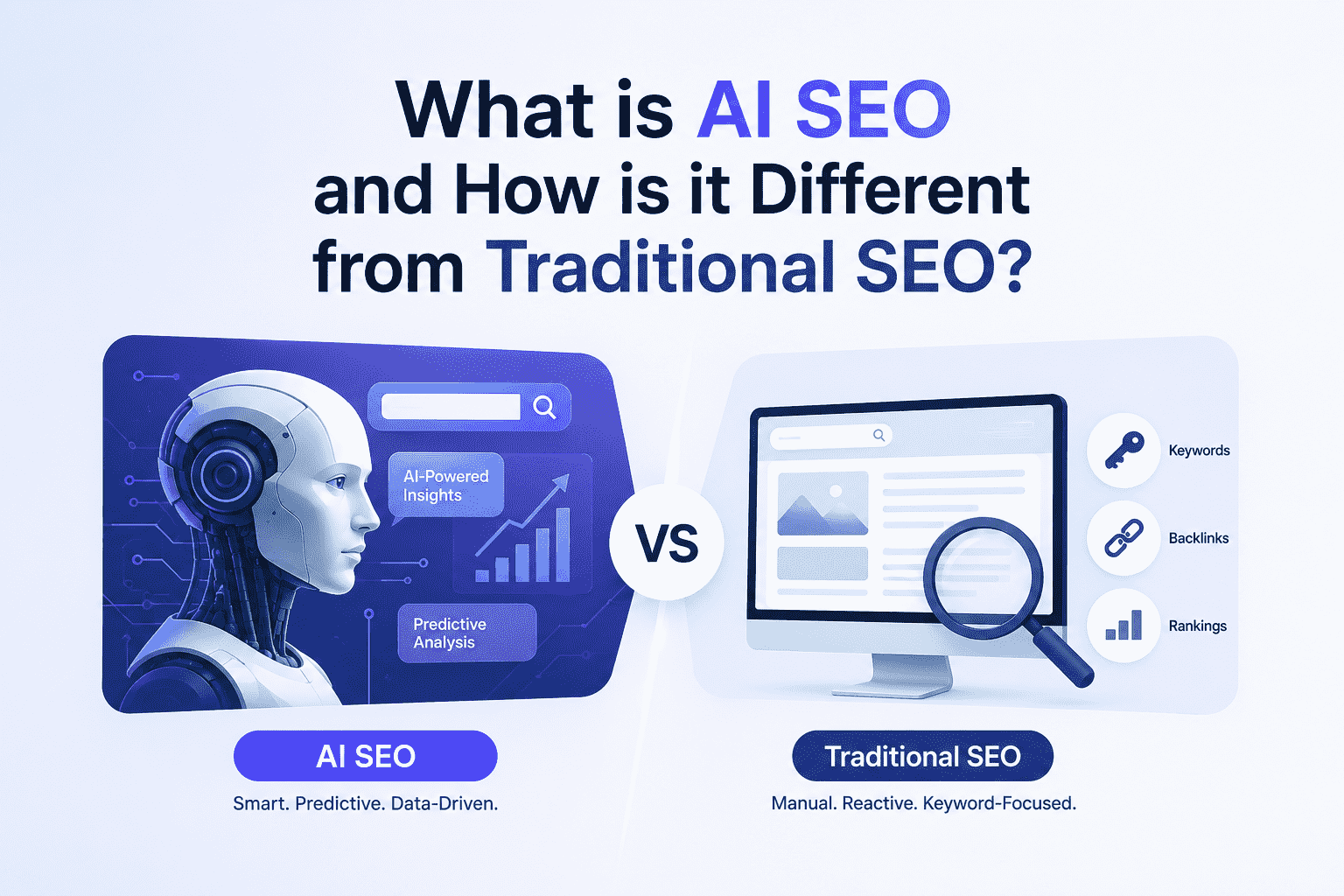
At its core, AI SEO category optimization involves applying artificial intelligence tools to analyze search patterns, user behavior, and content gaps within your site’s taxonomy. Traditional category optimization relied on manual keyword research and static meta tags. AI-driven approaches use predictive analytics to anticipate what users need before they type a query, then dynamically adjust category structure, internal linking, and on-page elements to match those needs.
The process goes beyond simple keyword insertion. It examines the relationship between categories, subcategories, and product pages to create a coherent topical map. Search engines like Google use neural matching to understand how different concepts relate. When your category structure aligns with these semantic relationships, you signal expertise and relevance, which directly impacts rankings.
The Shift from Keyword Matching to Semantic Clustering
Older SEO strategies focused on exact-match keywords. If you sold running shoes, you optimized a category for “men’s running shoes.” AI SEO category optimization looks at the entire cluster: “cushioned running shoes,” “trail running footwear,” “marathon training shoes,” and “overpronation support.” The AI identifies which terms overlap, which have distinct search intents, and how to structure your site to cover the full spectrum without cannibalizing rankings.
This semantic clustering also helps with voice search and conversational queries. People ask, “What are the best shoes for flat feet?” A well-optimized category page can answer that question directly, even if the exact phrase isn’t in the product title. AI tools extract these long-tail variations from search query data and suggest where to place them within your category copy, FAQs, and product descriptions.
Why Category Pages Matter More Than Ever
Category pages are the middle layer of your site architecture. They bridge the gap between your homepage and individual products. For most e-commerce sites, category pages generate more organic traffic than product pages because they target broader, higher-volume keywords. They also pass link equity and crawl priority down to product pages, making them critical for overall site health.
AI SEO category optimization amplifies this importance by ensuring each category page serves a distinct purpose. Without optimization, categories become thin, duplicate, or overly broad. Google’s helpful content system penalizes pages that lack substance. AI helps you build category pages that are genuinely useful, not just keyword-stuffed gateways.
The Role of User Intent in Category Structure
Every category page should answer one primary question: what is the user trying to accomplish? AI tools segment intent into four types: informational, navigational, commercial, and transactional. A category page for “wireless headphones” serves commercial intent—users comparing options. A subcategory for “Sony WH-1000XM5 vs Bose QC45” serves informational intent. AI SEO category optimization ensures you don’t mix these intents on the same page, which confuses both users and search engines.
By analyzing click-through rates, dwell time, and bounce rates, AI can suggest whether a category should be split, merged, or reorganized. For example, if your “outdoor gear” category has a high bounce rate, the AI might detect that users searching for “camping stoves” are not interested in “hiking backpacks.” Splitting the category improves relevance and user satisfaction.
Core Components of AI SEO Category Optimization
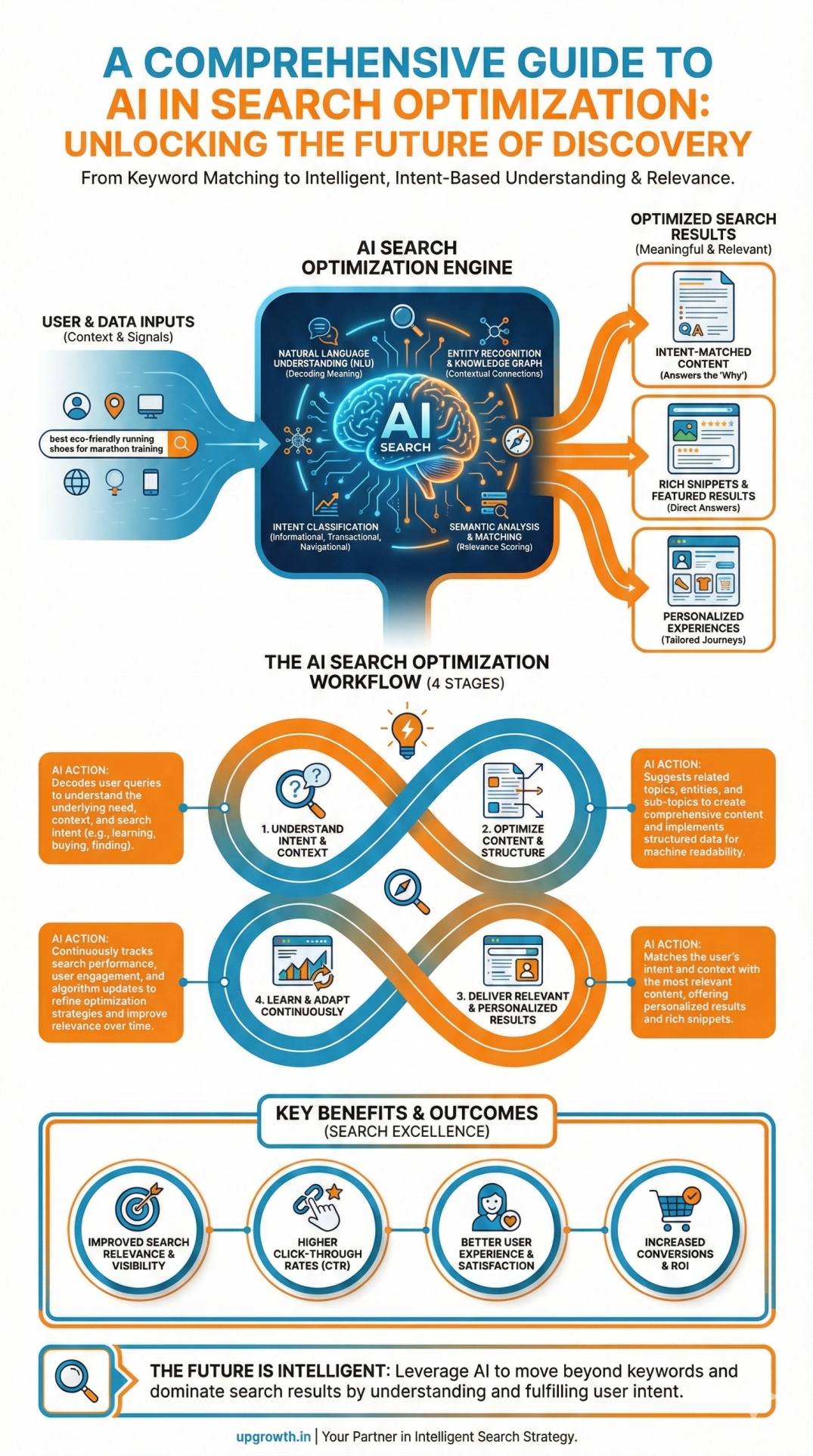
Effective optimization requires a multi-layered approach. Each component works together to create a cohesive, AI-friendly category page that ranks well and converts visitors.
1. Automated Taxonomy Generation
AI can analyze your entire product catalog and generate a hierarchical structure that mirrors how users search. Instead of manually deciding whether “sneakers” should be under “shoes” or “athletic wear,” the algorithm examines search volume, competition, and user behavior to determine the optimal placement. This reduces human bias and ensures your categories align with market demand.
Tools like Shopify‘s AI-powered collections or custom machine learning models can group products by attributes, price points, and customer reviews. This dynamic taxonomy adapts as new products are added, preventing orphaned pages and broken navigation paths.
2. Predictive Content Generation
AI writing assistants can draft category descriptions, buyer’s guides, and comparison tables based on the products within a category. These tools pull data from your inventory, competitor analysis, and search query logs to create unique, informative copy. The key is to use AI as a starting point, then add human expertise for nuance and brand voice.
For example, an AI might generate a paragraph about “durable materials” for a “work boots” category. A human editor then adds specific details about the leather sourcing, waterproofing technology, and safety certifications that your brand offers. This hybrid approach produces content that is both comprehensive and authentic.
3. Dynamic Internal Linking
Internal links distribute page authority and guide users through your site. AI SEO category optimization uses algorithms to identify which products and subcategories should link to each other based on co-occurrence in user sessions. If users who view “yoga mats” also frequently view “yoga blocks,” the AI ensures these categories are cross-linked.
This dynamic linking also helps search engines discover new products faster. When a new product is added to a category, the AI automatically updates related links, ensuring the product gets crawled and indexed quickly. This is especially important for large e-commerce sites with thousands of SKUs.
4. Schema Markup and Structured Data
Structured data tells search engines exactly what your category page contains. AI can generate JSON-LD schema for breadcrumbs, product listings, and FAQ sections. This markup increases the chances of earning rich snippets, which boost click-through rates. For category pages, the most valuable schema includes ItemList, BreadcrumbList, and FAQPage.
AI tools can also monitor schema implementation for errors. Broken or outdated markup can cause search engines to ignore your structured data, losing those enhanced search results. Regular audits, powered by machine learning, catch these issues before they impact rankings.
Benefits of AI SEO Category Optimization
Implementing AI-driven strategies for category pages yields measurable improvements across multiple metrics. The benefits extend beyond rankings to include user experience and operational efficiency.
- Higher Organic Visibility: AI identifies untapped keyword clusters that manual research might miss, allowing you to rank for more terms within your niche.
- Improved Crawl Efficiency: A well-structured category hierarchy ensures search engine bots spend their crawl budget on important pages, not duplicate or thin content.
- Increased Conversion Rates: Category pages that match user intent with relevant products and informative content naturally convert better than generic listings.
- Scalable Content Creation: AI generates baseline content for hundreds of categories in minutes, freeing your team to focus on high-value editorial pieces.
- Real-Time Adaptation: As search trends shift, AI updates your category pages to reflect new queries, keeping your site relevant without constant manual intervention.
- Combine AI with Human Judgment: AI provides data-driven recommendations, but human experts understand brand context, industry nuances, and creative storytelling. Never fully automate content creation.
- Focus on Topical Authority: Build your category pages into comprehensive resources. Include buying guides, size charts, material comparisons, and user-generated content like reviews and Q&A.
- Prioritize Page Speed: Category pages often have many images and filters. Optimize images, use lazy loading, and minimize JavaScript to ensure fast load times. Core Web Vitals are a ranking factor.
- Use AI for Predictive Analysis: Look ahead at emerging trends using tools like Google Trends and AI forecasting. Create categories for upcoming demand before your competitors do.
- Integrate with Other SEO Efforts: Category optimization should align with your blog content, digital PR, and social media strategy. Use internal links to connect informational blog posts to commercial category pages.
Limitations and Challenges
AI SEO category optimization is not a silver bullet. There are significant challenges that require careful management to avoid pitfalls.
Data Quality Issues
AI models are only as good as the data they train on. If your product data is inconsistent—missing attributes, duplicate entries, or incorrect pricing—the A You must invest in data cleansing before implementing AI tools. This is often the most time-consuming part of the process.
Over-Optimization Risks
Relying too heavily on AI can lead to generic, robotic content that lacks brand personality. Search engines are increasingly sophisticated at detecting AI-generated text that offers no unique value. The solution is to use AI for data analysis and drafting, but always have human editors review and enhance the final output.
Algorithm Updates
Search engine algorithms change frequently. An AI model trained on current ranking factors may become outdated after a major update. Continuous monitoring and retraining are necessary to maintain performance. This requires ongoing investment in both technology and expertise.
AI SEO Category Optimization vs. Traditional Methods
Understanding the differences between AI-driven and manual approaches helps you decide where to allocate resources. The table below highlights key contrasts.
| Aspect | Traditional SEO | AI SEO Category Optimization |
|---|---|---|
| Keyword Research | Manual tools, spreadsheets, human analysis | Predictive models, real-time query mining |
| Content Creation | Human writers, slow, expensive | AI drafts, human editing, fast iteration |
| Site Architecture | Static hierarchy, rarely changed | Dynamic taxonomy, adapts to trends |
| Internal Linking | Manual placement, based on intuition | Automated, based on user behavior data |
| Performance Tracking | Monthly reports, lagging indicators | Real-time dashboards, predictive alerts |
| Scalability | Limited by team size | Unlimited, handles thousands of pages |
The table shows that AI methods excel in speed and scale, but traditional methods offer more control and nuance. The best approach is a hybrid model where AI handles data-heavy tasks and humans focus on strategy and creativity.
Step-by-Step Guide to Implementing AI SEO Category Optimization

Step 1: Audit Your Current Category Structure
Use AI-powered crawling tools like Screaming Frog or Sitebulb to map your existing categories. Look for issues such as orphan pages, duplicate titles, thin content, and excessive depth (categories buried more than three clicks from the homepage). Export this data into a structured format for analysis.
Step 2: Analyze Search Intent with AI Tools
Platforms like Clearscope, Surfer SEO, or MarketMuse analyze top-ranking pages for your target keywords. They identify the subtopics, entities, and questions that Google associates with each category. This gives you a blueprint for content that satisfies both users and algorithms.
Step 3: Generate a Semantic Keyword Map
Feed your product data and search query logs into an AI clustering tool. The tool groups keywords by intent and relevance, suggesting which terms belong on which category page. For example, it might separate “budget laptops” from “gaming laptops” into distinct categories because the user intent and product attributes differ significantly.
Step 4: Restructure Your Taxonomy
Based on the semantic map, reorganize your categories and subcategories. Ensure each category has a clear parent-child relationship. Use descriptive, keyword-rich names that match user language. Avoid internal jargon or creative names that don’t align with search queries.
Step 5: Create AI-Assisted Content
Draft category descriptions, buyer’s guides, and FAQ sections using AI writing tools. Input your product specifications, customer reviews, and competitor analysis. Then, have a human editor refine the output to add unique insights, brand voice, and accurate information. Publish content that is at least 500 words for main categories and 300 words for subcategories.
Step 6: Implement Dynamic Internal Linking
Use AI plugins or custom scripts to automatically link related categories and products. Set rules based on product attributes, price ranges, and user co-viewing behavior. Ensure every category page links to at least three relevant subcategories and five featured products.
Step 7: Monitor and Iterate
Track your category page rankings, organic traffic, and conversion rates weekly. Use AI analytics tools to detect anomalies, such as a sudden drop in impressions for a specific category. Investigate the cause—algorithm update, competitor activity, or content decay—and adjust your strategy accordingly.
Common Mistakes in AI SEO Category Optimization
Avoiding these errors will save you from wasted effort and potential penalties.
Ignoring User Experience for Algorithmic Gains
Some marketers stuff categories with keywords and internal links, making the page cluttered and confusing. AI should enhance UX, not degrade it. Always prioritize clear navigation, fast loading times, and mobile responsiveness. A category page that ranks well but frustrates users will hurt your brand in the long run.
Creating Duplicate Content Across Categories
AI tools can generate similar descriptions for overlapping categories, leading to duplicate content issues. Ensure each category has a unique angle, even if the products are similar. For example, “men’s running shoes” and “women’s running shoes” should have distinct copy, not just a swapped gender noun.
Overlooking Product Data Quality
If your product feeds contain missing or incorrect attributes, the A Regularly audit your product data for completeness. Use AI to flag inconsistencies, but have a human verify critical fields like price, availability, and specifications.
Failing to Update AI Models
Search behavior changes seasonally and with cultural trends. An AI model trained on winter data will fail in summer. Schedule quarterly retraining sessions using fresh search query data and analytics. This keeps your category optimization aligned with current demand.
Important Notes for Long-Term Success
AI SEO category optimization requires a strategic mindset. It is not a one-time project but an ongoing process of refinement. The following notes will help you sustain success.
Frequently Asked Questions
What is the difference between AI SEO category optimization and regular category optimization?
Regular category optimization relies on manual keyword research, static content, and human intuition for site structure. AI SEO category optimization uses machine learning to analyze large datasets, predict search trends, automate content generation, and dynamically adjust taxonomy and internal links. The AI approach is faster, more scalable, and better at identifying semantic relationships between topics.
How long does it take to see results from AI SEO category optimization?
Results typically appear within 4 to 8 weeks for existing categories, depending on the competitiveness of your niche and the current state of your site. New categories may take longer, as they need to build crawl authority and backlinks. Continuous monitoring and iteration are essential for sustained improvement.
Can small businesses benefit from AI SEO category optimization?
Yes, small businesses can benefit significantly. Many AI tools offer affordable plans or free tiers. Even basic automation of keyword clustering and content drafting can save hours of manual work. The key is to start with a small set of categories, measure the impact, and scale up as you see positive ROI.
What are the best AI tools for category page optimization?
Popular tools include Clearscope and Surfer SEO for content optimization, MarketMuse for topical analysis, and Screaming Frog for technical audits. For taxonomy generation, custom machine learning models or platforms like Algolia and Constructor.io offer powerful AI-driven site search and merchandising. Choose tools that integrate with your existing tech stack.
Does AI SEO category optimization work for non-e-commerce websites?
Absolutely. News sites, blogs, and SaaS companies use category optimization to organize their content hubs. For example, a tech blog can use AI to cluster articles into categories like “AI Tools,” “Cybersecurity,” and “Cloud Computing,” ensuring each category page targets a distinct set of keywords and user intents. The principles of semantic relevance and internal linking apply universally.
Conclusion
AI SEO category optimization represents a fundamental shift in how websites approach information architecture and content strategy. By leveraging machine learning to understand user intent, generate relevant content, and maintain a dynamic site structure, you can achieve higher rankings, better user engagement, and increased conversions. The technology is accessible to businesses of all sizes, but success requires a thoughtful blend of AI efficiency and human expertise. Start by auditing your current categories, implement AI tools for data analysis and drafting, and commit to continuous refinement based on performance data. The future of search is semantic, and AI is the key to unlocking that potential for your category pages.
Xem thêm:
- AI SEO Research Workflow: The Complete Guide to Scaling Organic Growth
- AI SEO AI Content Audit: The Complete Guide to Automated Content Optimization
- AI SEO Blogging: How to Rank Higher by Combining Artificial Intelligence With Strategic Content Creation
- AI SEO for Automotive: The Complete Guide to Dominating Search in 2025
- AI Keyword Research: The New Standard for Search Intent Discovery and Content Strategy
Bài viết cùng chủ đề:

AI SEO SEO Automation with Make: The Complete Workflow Guide

AI SEO SEO Automation with Zapier: The Complete Workflow Guide

AI SEO SEO Automation with n8n: The Complete Workflow Guide
AI SEO SEO Automation with Gemini: The Complete Guide to Scaling Organic Growth

AI SEO SEO Automation with Claude: The Complete Guide to Scaling Content in 2025

AI SEO SEO Automation with ChatGPT: The Complete Playbook for 2025

AI SEO & SEO Automation for Affiliate Sites: The 2025 Playbook for Passive Income Growth
AI SEO & SEO Automation for Bloggers: The Complete Guide to Scaling Your Content

AI SEO & SEO Automation for Agencies: The Complete 2025 Playbook

AI SEO and SEO Automation for Ecommerce: The Complete Playbook for 2025

AI SEO & SEO Automation for WordPress: The Complete Playbook for 2025
AI SEO SEO Automation Strategy: The Complete Playbook for 2025

Mastering the AI SEO SEO Automation Process: A Complete Guide to Scaling Organic Growth
AI SEO SEO Automation System: The Complete Guide to Scaling Organic Growth in 2025
AI SEO SEO Automation Platform: The Complete Guide to Scaling Organic Growth in 2025
AI SEO SEO Automation Software: The Complete Guide to Scaling Organic Growth in 2025















