
No products in the cart.
AI Search Intent Analysis: The Definitive Guide to Understanding What Users Really Want
29
Jul
Jul
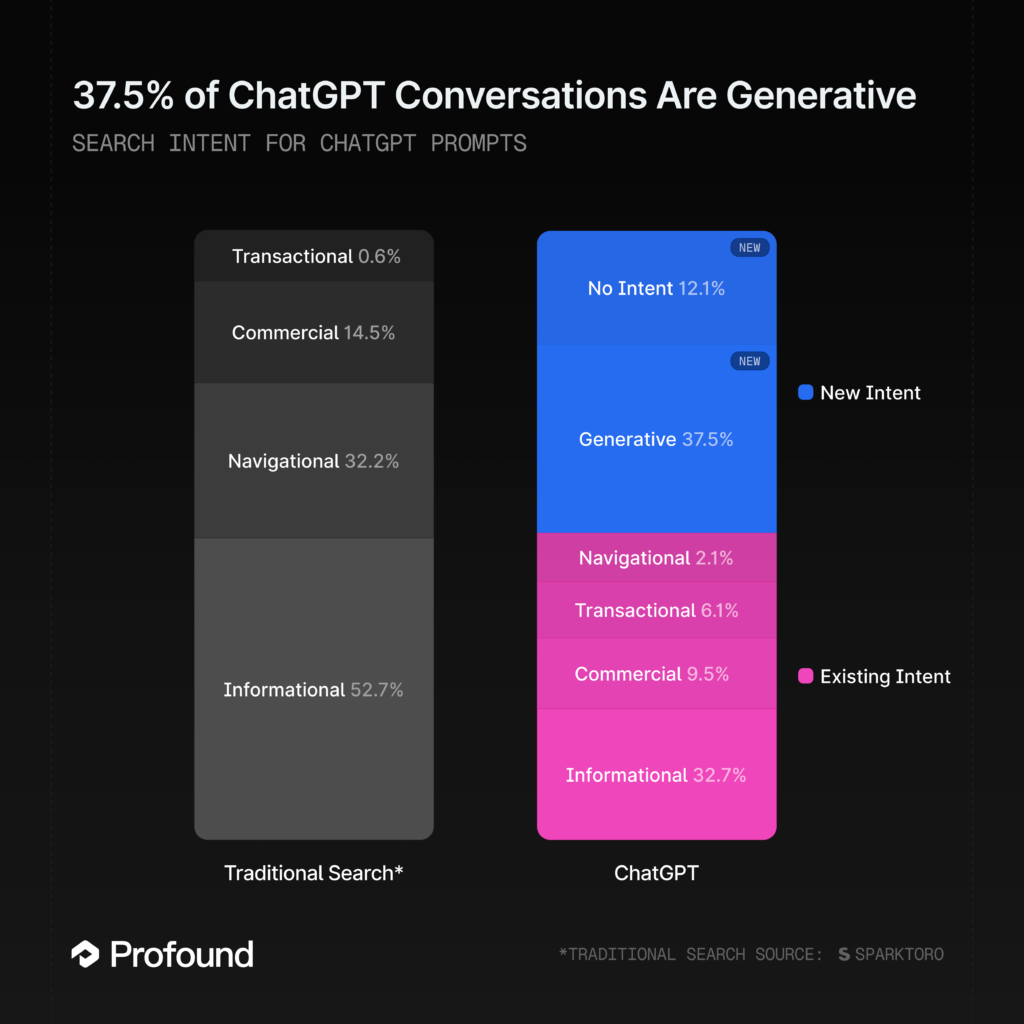
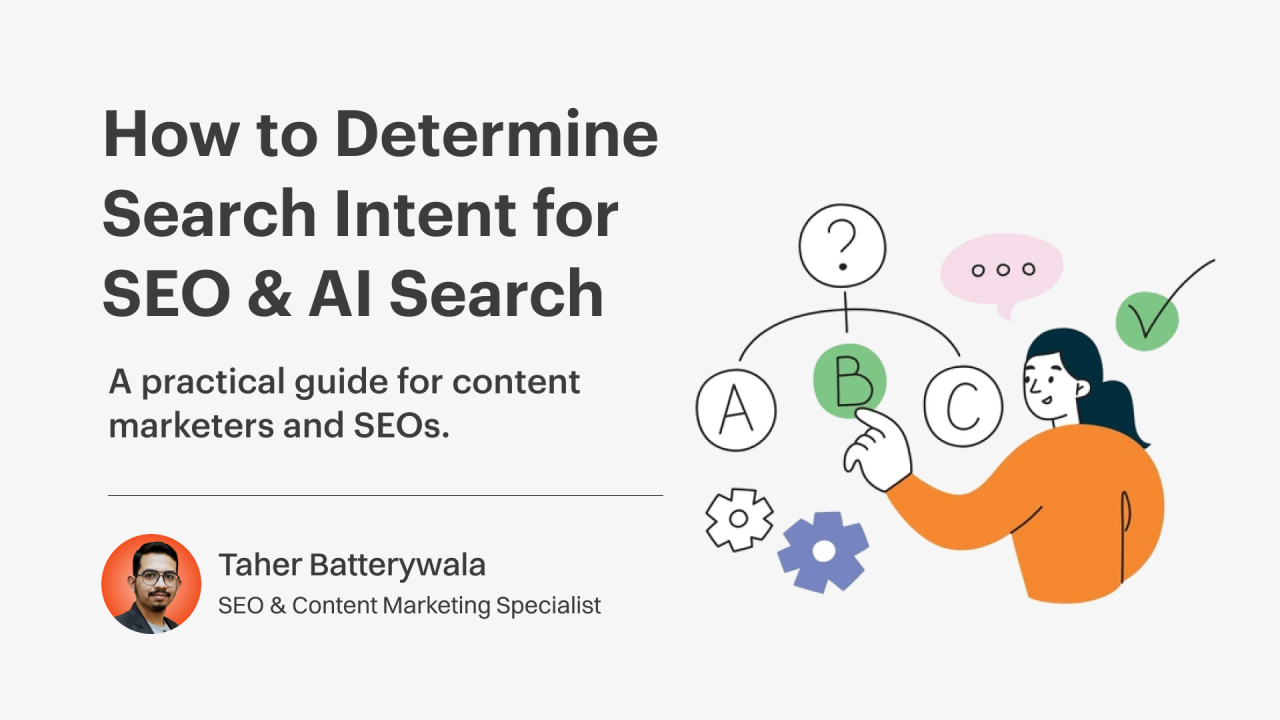
The digital landscape is no longer about matching keywords; it is about decoding human intention. At the core of modern search engine optimization lies a transformative practice: AI Search Intent Analysis. This discipline uses machine learning and natural language processing to peel back the layers of a query, revealing whether a user wants to buy, learn, navigate, or compare. For marketers, content strategists, and SEO professionals, mastering this analysis is the difference between attracting fleeting traffic and building genuine relevance. As search engines like Google evolve with algorithms such as BERT, MUM, and the Search Generative Experience, the ability to classify and optimize for intent at scale has become non-negotiable. This guide dissects the technology, strategy, and practical application of AI-driven intent analysis, equipping you with the deep knowledge required to thrive in a zero-click, answer-engine world.
What Is AI Search Intent Analysis?
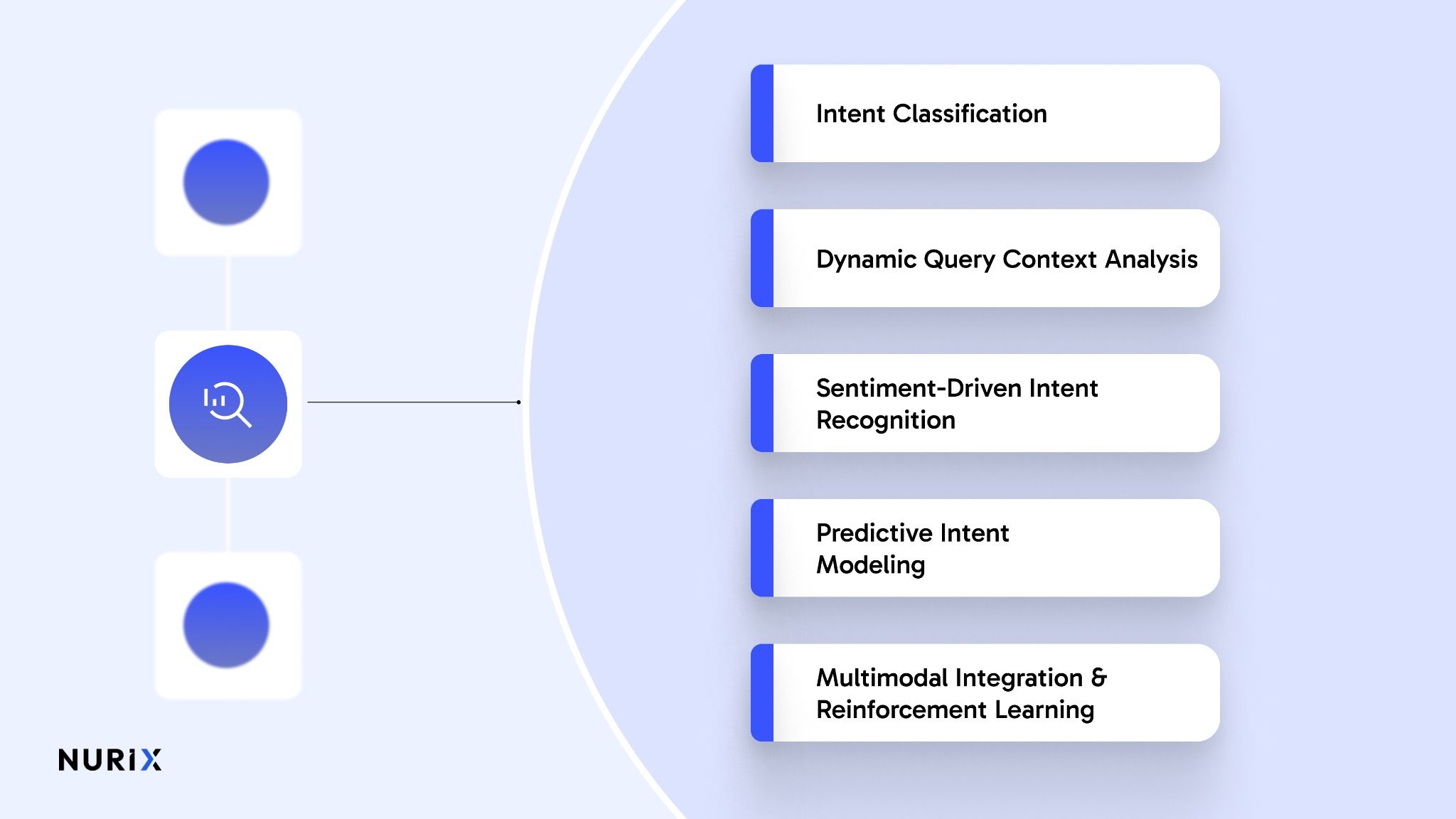
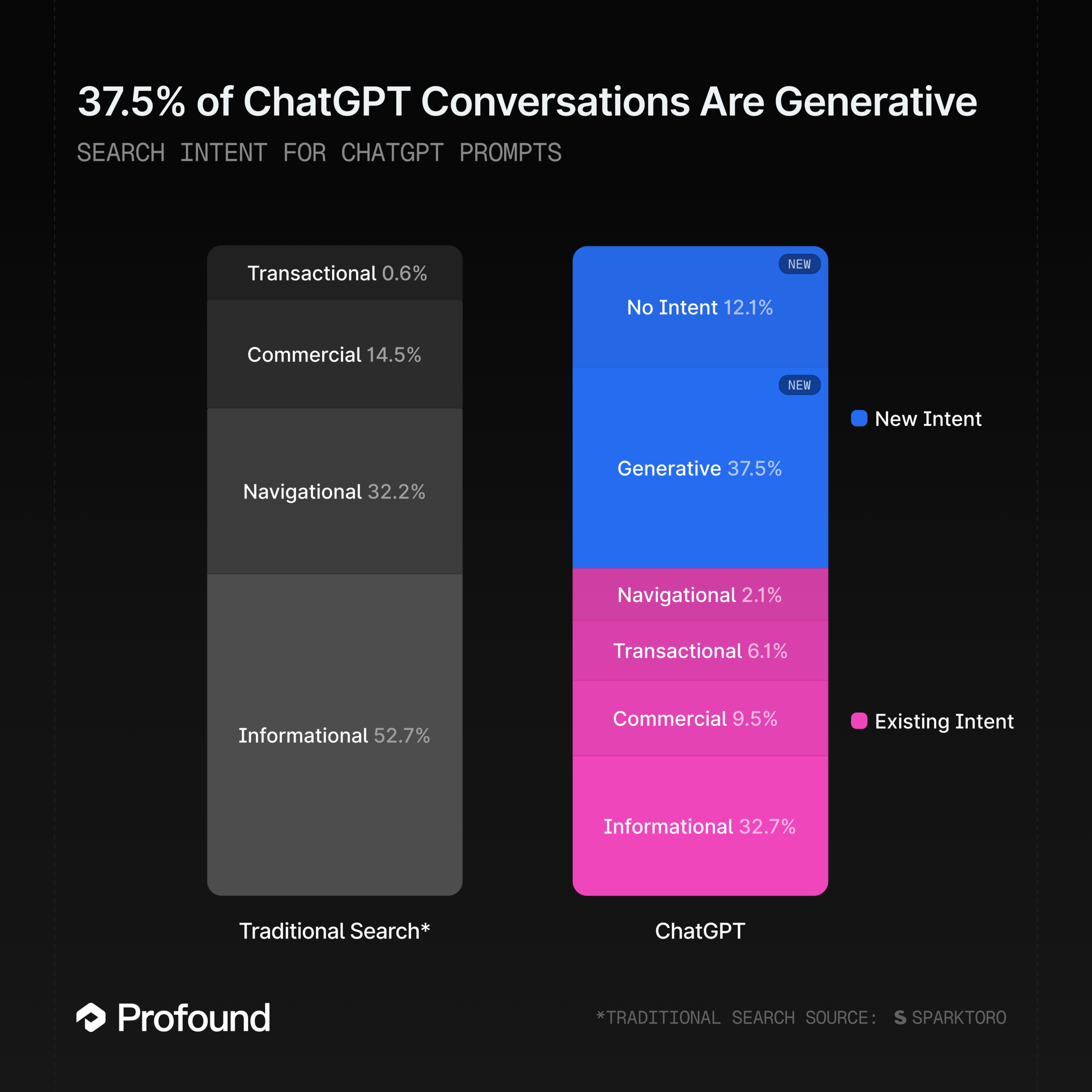
AI Search Intent Analysis is the process of using artificial intelligence to automatically categorize the underlying goal behind a user’s search query. Traditional keyword research assumes a direct link between a word and a need. AI breaks this assumption. The technology analyzes millions of queries simultaneously, studying click patterns, dwell time, scroll depth, and content interaction to infer not just what people type, but why they type it. Through deep learning models trained on vast datasets of search behavior, AI can distinguish a “how to fix a leaky faucet” query (instructional intent) from a “plumber near me” query (transactional intent), even when both share the word “faucet.”
The analysis moves beyond surface-level modifiers like “buy” or “best.” It identifies micro-intents, emotional undertones, and emerging user journeys. For instance, the query “iPhone 15” might be navigational for a current owner, informational for a researcher, or transactional for a ready buyer, depending on contextual signals like device type, location, and prior search history. AI cross-references these signals to assign a probabilistic intent score, enabling dynamic content adaptation.
The Evolution from Keywords to Intent Context
Search behavior has undergone a fundamental shift from rigid, Boolean syntax to conversational, voice-activated, and visual queries. The rise of mobile and voice assistants introduced long-tail phrases like “what’s the best coffee shop open right now near me that has Wi-Fi.” A static keyword density strategy collapses under such complexity. AI Search Intent Analysis emerged as the necessary response. Early search engines relied on lexical matching; modern AI parses semantics, entity relationships, and historical satisfaction signals. Google’s RankBrain in 2015 was the first large-scale deployment of machine learning for query interpretation, but today’s models like PaLM 2 and Gemini can process intent across modalities—text, image, and voice—simultaneously. This evolution means that content optimized purely for “buy running shoes” misses the majority of journeys that start with “how to start jogging” or “shin splints from running,” which AI reveals are top-of-funnel navigations toward the same purchase.
How AI Classifies the Core Types of Search Intent
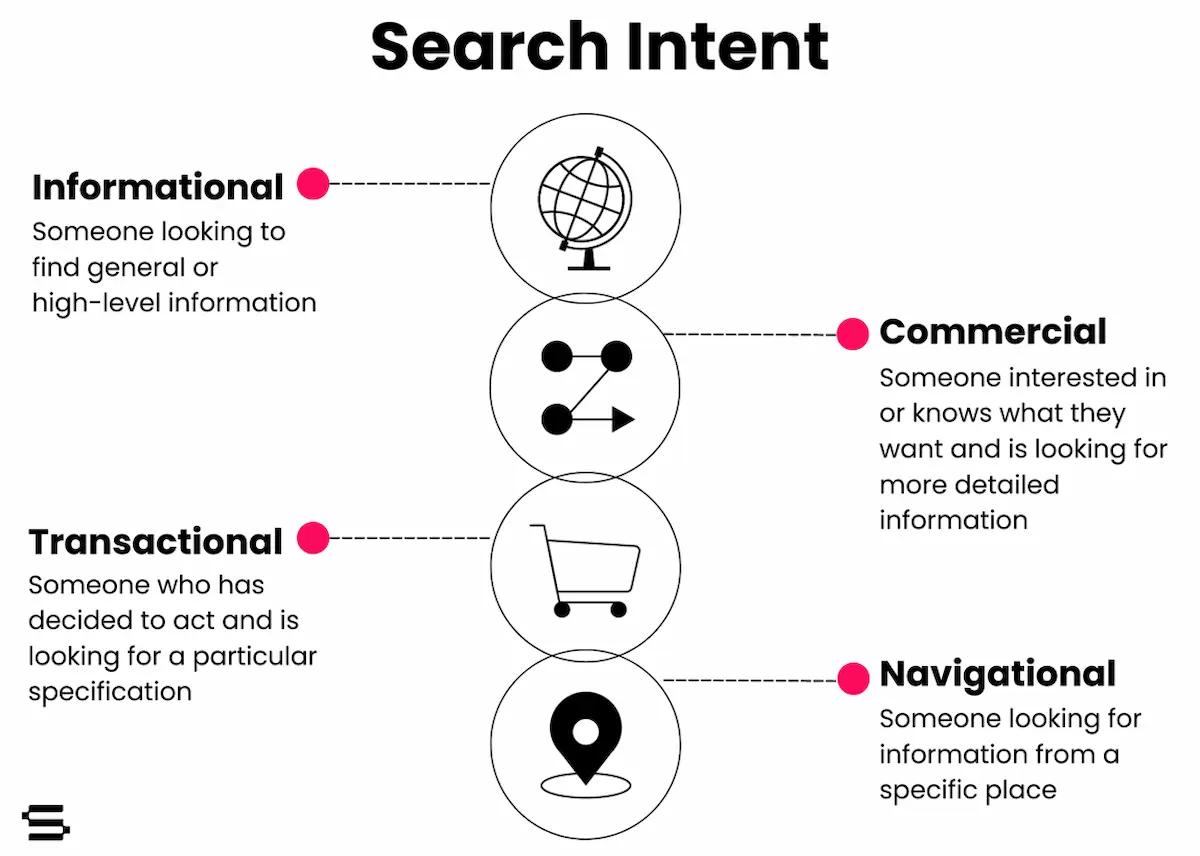
Understanding the taxonomy of intent is foundational. AI models are trained to recognize nuanced versions of the classic categories, often blending them into hybrid intent clusters. The primary types detected by AI analysis include:
- Informational Intent (Know): The user seeks knowledge, answers, or data. Queries often start with “what,” “why,” “how,” or “guide.” AI can sub-classify these into macro-informational (broad understanding) and micro-informational (specific fact, like “current temperature in Paris”).
- Navigational Intent (Go): The user wants to reach a specific website, app, or physical location. AI recognizes brand names, platform names, or URLs, even when misspelled. “Facebook login” is navigational; “social media advertising” is not.
- Transactional Intent (Do): The user intends to complete a conversion, such as a purchase, signup, or download. AI identifies purchase-ready signals through modifiers like “discount,” “coupon,” “price,” or “fast shipping.”
- Commercial Investigation (Compare): The user is researching before a future transaction. This is a mix of informational and transactional. “Best CRM for small business 2024” indicates comparison-driven intent. AI separates this from pure information by analyzing review site engagement and return-to-search behavior.
- Local Intent (Visit): A powerful subtype of transactional intent, often containing “near me” or geographic location names without a city modifier. AI uses device GPS and proximity data to interpret these queries.
- Query Data Aggregation: Gather raw search query data from multiple sources: Google Search Console, Bing Webmaster Tools, internal site search logs, and paid search query reports. Clean the data by removing bot traffic, internal IPs, and nonsensical strings.
- Initial AI Classification: Feed the cleaned query list into an intent analysis API or tool. Platforms like Google Cloud Natural Language API, IBM Watson Discovery, or specialized SEO tools like Semrush’s Intent Analysis module assign a primary and secondary intent tag with confidence scores. At this stage, 70-80% of queries are accurately labeled.
- Confidence Score Filtering: Segment queries by confidence threshold. High-confidence (above 90%) queries move directly to content mapping. Low-confidence and ambiguous queries undergo human review.
- Human-in-the-Loop Review: For ambiguous cases, an SEO strategist examines the SERP landscape. If the top-ranking results for a query are all blog posts, but AI labels it transactional due to a “buy” modifier, the human corrects it based on real search engine feedback. This step trains the model for domain-specific nuance.
- Intent Gap Analysis: Overlay intent classification onto existing content inventory. Identify pages targeting informational intent that are driving transactional traffic but have high bounce rates. These represent intent gaps—missed opportunities to convert or to provide the correct content format.
- Content Template Optimization: Map each intent cluster to a specific content type and page template. Transactional queries get product category pages with purchase CTAs; informational queries get long-form guides with supporting video; commercial investigation queries get comparison tables and testimonial-rich landing pages.
- Continuous Feedback Loop: Monitor the conversion rate, dwell time, and bounce rate for pages after intent realignment. Feed those performance metrics back into the AI to refine its scoring, creating a bespoke intent model trained on your unique audience behavior.
- Scale and Speed: Process millions of keywords in minutes, uncovering intent patterns across entire market segments that would be invisible manually.
- Consistency: Eliminate subjective interpretation. AI applies the same criteria to all queries, ensuring “Nike running shoes” and “Adidas running shoes” receive identical intent classification logic.
- Discovery of Emerging Intents: AI detects shifting intent before it becomes obvious in keyword tools. A sudden rise in informational queries around a product’s safety indicates a pending crisis or trend shift that content teams can address proactively.
- Multi-Language and Cross-Cultural Accuracy: Intent varies culturally. The query “cheap hotels” might be transactional in one region but informational (seeking tips) in another. AI trained on regional click data adapts to these nuances.
- SERP Feature Targeting: Understanding that a query triggers a Featured Snippet or a Local Pack reveals intent. AI integrates SERP feature data to validate classifications; if a query consistently generates a video carousel, the intent is heavily visual/informational, demanding video content.
- Misinterpreting High Volume as High Value: AI may classify a massive keyword cluster as informational, tempting teams to create traffic-only content. Without linking that content to a conversion path, it generates vanity metrics. Always map informational content to a soft conversion (newsletter signup, gated asset) aligned with eventual transactional intent.
- Ignoring Multi-Intent Queries: A query like “best accounting software for freelancers free trial” blends commercial investigation with transactional (free trial). Creating only a blog post ignores the transactional signal. The solution is a hybrid page: a comparison guide with embedded prominent “Start Free Trial” CTAs.
- Static Intent Buckets: Treating intent as a fixed label across time. Seasonal commerce transforms intent: “Christmas tree” is informational in September, transactional in late November. AI models must incorporate temporal weighting to avoid serving outdated content.
- Over-Reliance on Tool Defaults: Generic AI APIs trained on broad web data may misinterpret niche B2B queries. A “sales enablement platform” query might be labeled informational, but in context, the user is a buyer ready for a demo. Custom training on your own conversion data is essential for high stakes.
- Disconnected UX and Intent: Delivering correct content is only half the task. If a mobile transactional query lands on a desktop-optimized form with 20 fields, intent is thwarted. AI intent must drive not just content but the entire UX design—layout, load speed, and checkout flow must match the urgency of the intent.
Advanced AI models now identify emotional intent, like frustration (urgent repair queries) or inspiration (visual discovery queries like “modern living room ideas”), tailoring content recommendations to match the user’s psychological state.
The Technology Stack Behind AI-Driven Intent Analysis
Implementing AI Search Intent Analysis at scale requires a blend of several artificial intelligence disciplines. No single algorithm achieves accuracy; it is an orchestrated pipeline.
Natural Language Processing (NLP) and Semantic Understanding
At the input layer, NLP models tokenize queries, strip stop words, and map words to vector embeddings. Transformer architectures like BERT analyze the bidirectional context, understanding how words relate to each other. This allows the system to grasp that “Java” in “Java for beginners” is a programming language, while “Java in a cold brew” is coffee, purely from surrounding tokens. Semantic role labeling then identifies the predicate and arguments in a query: who, what, to whom, how.
Entity Recognition and Knowledge Graphs
Entities are real-world objects, people, places, or concepts. AI links query entities to a knowledge graph to infer intent. When a user searches “Tesla,” entity recognition determines whether the user is interested in the company (Nikola Tesla, the car brand, or the stock ticker) by examining co-occurring terms and historical search sessions. The knowledge graph provides relational context—knowing that “Model Y” is a product manufactured by Tesla, the intent shifts to commercial investigation or transactional depending on other signals.
Behavioral and Clickstream Modeling
AI models are trained on anonymized clickstream data showing which results users click, how long they dwell before returning to the search results (pogo-sticking), and the sequence of queries in a session. If 80% of users who search “best running shoes” then refine their query with “trail running shoes under $100,” the AI learns a commercial investigation intent with a price sensitivity condition. These patterns become training labels for the classification algorithm.
Real-Time Contextual Signals
Modern analysis factors in temporal, locational, and device contexts. A query for “covid symptoms” in March 2020 had vastly different intent signals than in 2024, where it may indicate ongoing management rather than acute panic. Mobile queries with “open now” modifiers are automatically assigned high transactional-local intent. AI weights these signals dynamically, ensuring that seasonality and trend spikes don’t permanently skew the model.
Step-by-Step Process: How to Implement AI Search Intent Analysis
For practitioners, moving from theory to execution involves a structured workflow. The following process integrates AI tools with human validation for enterprise-level accuracy.
Benefits of AI-Powered Intent Analysis Over Manual Methods
Manual intent analysis is limited by human bias and scale. A person can reasonably classify 100-200 keywords per hour, but an e-commerce site with 500,000 monthly long-tail variations requires automation. The advantages of AI are profound:
Limitations and Challenges to Acknowledge
No AI system is flawless. Over-reliance without human oversight leads to strategic blunders. Key limitations include training data bias, where the model overfits to the majority language (English) and fails on minority dialects. Ambiguous solitary keywords like “apple” remain problematic; if the user’s entire search history is private, the model has insufficient context. Rapid algorithmic shifts, such as Google’s introduction of Perspectives filter or AI overviews, can alter SERP dynamics overnight, requiring retraining. Additionally, intent is not always singular—a user may have mixed intent (e.g., “simple CRM that integrates with Gmail” is simultaneously commercial investigation and feature-specific informational). AI can struggle to weight these hybrid intents correctly, often defaulting to the dominant signal. Therefore, a symbiotic human-AI approach remains the gold standard.
AI Intent Analysis vs. Traditional Keyword Research: A Comparison
| Dimension | Traditional Keyword Research | AI Search Intent Analysis |
|---|---|---|
| Core Metric | Search volume, keyword difficulty | Intent classification, conversion probability, user satisfaction likelihood |
| Query Interpretation | Lexical match (exact string matching) | Semantic and behavioral clustering |
| Grouping Logic | By word overlap (e.g., all containing “best CRM”) | By user goal (evaluation, purchase, setup, troubleshooting) |
| Scalability | Manual, spreadsheet-based, capped by human effort | Automated, capable of handling millions of queries |
| Dynamic Adaptability | Static, updated monthly or quarterly | Real-time adjustment based on SERP change and user signals |
| Content Recommendation | Blog post or page based on volume | Format-specific recommendation (video, comparison widget, location page) driven by intent type |
Practical Applications Across Marketing Functions
AI Search Intent Analysis is not confined to content marketing. Its insights ripple outward into paid media, product development, and customer experience.
Pay-Per-Click (PPC) Campaign Optimization
In Google Ads, intent analysis refines negative keyword lists with surgical precision. By identifying informational intent queries that are wastefully triggering shopping ads, AI can automatically quarantine those terms, drastically reducing wasted spend. Dynamic ad copy can be tailored to intent: an informational seeker sees an educational landing page, while a transactional searcher is directed to a high-converting product page, all through AI-ruled audience segmentation.
E-Commerce Conversion Rate Optimization
For online retailers, intent analysis solves the “category page vs. product page” dilemma. A query like “summer dresses” might appear informational, but analysis reveals high transactional conversion when linked to a curated category page with filter options and visual inspiration. AI uncovers that adding a “Style Quiz” widget to that page satisfies the commercial investigation intent, increasing average order value by guiding exploratory users toward a purchase decision.
Voice Search and Conversational AI
Voice queries are inherently longer and more conversational, often framed as full questions. AI intent analysis parses these questions and triggers micro-responses designed for Google Assistant or Alexa. For a local business, “Which dentist near me accepts emergency appointments and is open on Saturday?” is a transactional-local query. AI ensures the business’s schema markup includes availability, accepted insurances, and emergency services, making it the answer engine’s preferred selection.
Content Gap and Opportunity Discovery
By plotting intent against existing assets, marketing teams identify “orphan intents”—user needs with no dedicated content. A SaaS company might find hundreds of monthly informational queries about data migration from a competitor. AI flags this as pre-switch commercial investigation intent, prompting the creation of a migration guide and a comparison tool, capturing leads at the moment of intent to leave.
Common Mistakes in Applying AI Search Intent Analysis
Even with powerful tools, execution often falters. Understanding these pitfalls is crucial.
Important Notes on Privacy, Ethics, and Future-Proofing
As intent analysis becomes more sophisticated, the ethical handling of user data is paramount. Behavioral models must be constructed from anonymized, aggregated data sets, respecting GDPR and CCPA boundaries. The line between personalization and manipulation is thin; using intent analysis to identify users in distress (e.g., searches for “debt help” or “mental health crisis”) must prioritize genuine assistance over predatory marketing. On the technology front, the integration of multimodal intent—analyzing intent from images taken by a camera phone alongside text—will redefine AI Search Intent Analysis. Investing in schema markup, structured data, and API-accessible content will ensure your brand is ready for AI-generated search interfaces that compile answers rather than lists of blue links.
Frequently Asked Questions
What exactly does AI search intent analysis do?
AI search intent analysis uses machine learning to determine the underlying goal of a search query. It categorizes each query into types like informational, navigational, transactional, or commercial investigation by analyzing language patterns, user behavior data, and contextual signals, enabling more accurate content delivery.
How does AI classify search intent differently from a human?
AI processes massive datasets to find statistical patterns and correlations that humans cannot see. While a human might rely on keyword modifiers like “buy,” AI considers thousands of implicit signals—such as click-through rates, device type, time of day, and search sequence—to assign a probabilistic intent score, reducing subjective bias and increasing consistency at scale.
Can AI handle ambiguous queries like ‘apple’?
Partially. AI uses entity recognition and the searcher’s recent behavior to guess meaning. If the user previously searched for “fruit delivery,” “apple” is likely informational for the fruit. In isolation with no history, the model assigns a confidence score distribution across multiple intents (brand vs. fruit). Full accuracy requires additional context from the session.
What are the best tools for AI-powered search intent analysis?
Specialized SEO platforms like Semrush, Ahrefs, and Moz integrate intent classification. For custom models, Google Cloud Natural Language API and IBM Watson Natural Language Understanding offer programmatic intent categorization. Enterprise solutions often build proprietary models using internal conversion data for higher precision in niche verticals.
Why is intent analysis critical for voice search?
Voice searches are typically longer, question-based, and highly conversational, making keyword matching ineffective. AI intent analysis deciphers the action the user wants, such as “call a plumber” or “explain how to reset a boiler,” and structures the response for the specific answer engine format, directly impacting local business discovery and action-oriented commands.
How often should AI intent models be retrained?
Continuous learning is ideal, but retraining cycles should occur quarterly at minimum. Major algorithm updates, seasonal shifts, and the introduction of new products require immediate evaluation. Monitoring for intent drift—when a previously transactional query starts generating informational results—should trigger ad-hoc retraining.
Conclusion
AI Search Intent Analysis represents the maturation of search strategy from guesswork to predictive science. It dismantles the old wall between keyword research and user psychology, revealing the true purpose of every query. By embedding AI-driven intent classification into your content workflow, you stop chasing volume and start fulfilling genuine user needs, aligning every page, product, and call to action with the precise moment of curiosity, decision, or urgency. The technology demands oversight, ethical care, and continuous refinement, but the competitive advantage it unlocks—increased conversion rates, reduced wasted ad spend, and resilient rankings through algorithm changes—is irreplaceable. The future of search is not about more keywords; it is about deeper understanding. Commit to that understanding, and your digital presence will not just be found—it will be chosen.
Xem thêm:
- AI NLP SEO: The Complete Guide to Optimizing Content for the Age of Intelligent Search
- AI SEO Accessibility: The Complete Guide to Inclusive Search Optimization
- AI SEO GEO Strategy: The Complete Guide to Generative Engine Optimization in 2025
- AI SEO Blog Outline Generator: The Complete Guide to Faster, Smarter Content Planning
- AI SEO Compression: The Complete Guide to Slimming Down Your Content for Higher Rankings
Bài viết cùng chủ đề:

AI SEO SEO Automation with Make: The Complete Workflow Guide

AI SEO SEO Automation with Zapier: The Complete Workflow Guide

AI SEO SEO Automation with n8n: The Complete Workflow Guide
AI SEO SEO Automation with Gemini: The Complete Guide to Scaling Organic Growth

AI SEO SEO Automation with Claude: The Complete Guide to Scaling Content in 2025

AI SEO SEO Automation with ChatGPT: The Complete Playbook for 2025

AI SEO & SEO Automation for Affiliate Sites: The 2025 Playbook for Passive Income Growth
AI SEO & SEO Automation for Bloggers: The Complete Guide to Scaling Your Content

AI SEO & SEO Automation for Agencies: The Complete 2025 Playbook

AI SEO and SEO Automation for Ecommerce: The Complete Playbook for 2025

AI SEO & SEO Automation for WordPress: The Complete Playbook for 2025
AI SEO SEO Automation Strategy: The Complete Playbook for 2025

Mastering the AI SEO SEO Automation Process: A Complete Guide to Scaling Organic Growth
AI SEO SEO Automation System: The Complete Guide to Scaling Organic Growth in 2025
AI SEO SEO Automation Platform: The Complete Guide to Scaling Organic Growth in 2025
AI SEO SEO Automation Software: The Complete Guide to Scaling Organic Growth in 2025















