
No products in the cart.
AI SEO Accessibility: The Complete Guide to Inclusive Search Optimization
31
Jul
Jul
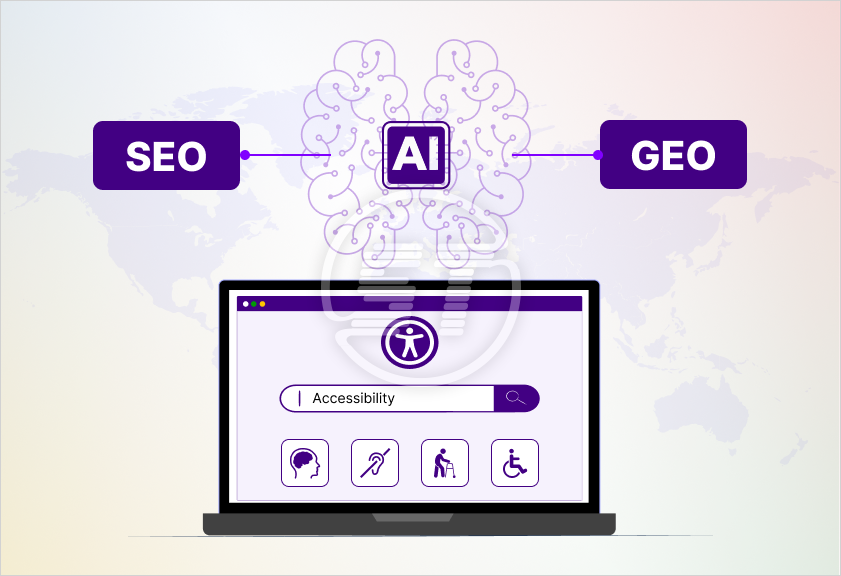
AI SEO accessibility represents the convergence of three critical digital disciplines: artificial intelligence-driven search optimization, technical SEO practices, and web content accessibility. As search engines increasingly rely on machine learning algorithms to evaluate websites, the intersection of these fields has become essential for brands aiming to reach the widest possible audience. This comprehensive guide explores how AI-powered tools can enhance accessibility while simultaneously improving search rankings, creating a virtuous cycle where inclusive design directly contributes to organic visibility.
Understanding AI SEO Accessibility
AI SEO accessibility refers to the practice of using artificial intelligence and machine learning technologies to identify, fix, and optimize website elements that affect both search engine crawlers and users with disabilities. This dual-focused approach recognizes that many accessibility features—such as proper heading structure, descriptive alt text, and logical navigation—are also critical ranking factors for search engines.
The concept emerged from the growing overlap between Web Content Accessibility Guidelines (WCAG) and Google’s quality rater guidelines. Both frameworks reward clear structure, semantic HTML, and user-friendly design. AI tools now automate the detection of accessibility gaps that also harm SEO performance, making it possible to address both issues simultaneously.
The Role of Machine Learning in Accessibility Audits
Traditional accessibility audits required manual testing by human experts, a time-consuming process prone to oversight. AI-powered audit tools now scan entire websites in minutes, identifying issues such as missing form labels, insufficient color contrast, and unreadable font sizes. These same tools flag SEO problems like duplicate meta descriptions, broken internal links, and poor heading hierarchy.
Machine learning models trained on millions of websites can predict which accessibility issues most likely impact user engagement and search rankings. For example, an AI system might detect that a site’s navigation menu fails keyboard-only users, a problem that also confuses search engine crawlers trying to map site structure.
Why AI SEO Accessibility Matters in 2025
Search engines have evolved from simple keyword matchers to sophisticated AI systems that evaluate user experience holistically. Google’s RankBrain and BERT algorithms assess content relevance and readability, while the Core Web Vitals update measures visual stability, loading speed, and interactivity—all factors that disproportionately affect users with disabilities.
Legal requirements also drive adoption. The Americans with Disabilities Act (ADA) and European Accessibility Act mandate digital accessibility for public-facing websites. Non-compliance risks lawsuits, which reached record numbers in recent years. AI SEO accessibility offers a proactive solution that addresses legal obligations while improving search performance.
Statistical Evidence Linking Accessibility and SEO
Research consistently demonstrates that accessible websites rank higher in search results. A study by the Web Accessibility Initiative found that properly structured pages with clear headings and descriptive links achieve better click-through rates. Additionally, sites with accessible forms and error messages see lower bounce rates, a positive signal to search algorithms.
Data from accessibility platform accessiBe indicates that websites implementing AI-driven accessibility fixes experience an average 12% increase in organic traffic within three months. This improvement stems from better crawlability, enhanced user engagement metrics, and reduced page abandonment.
Core Components of AI SEO Accessibility
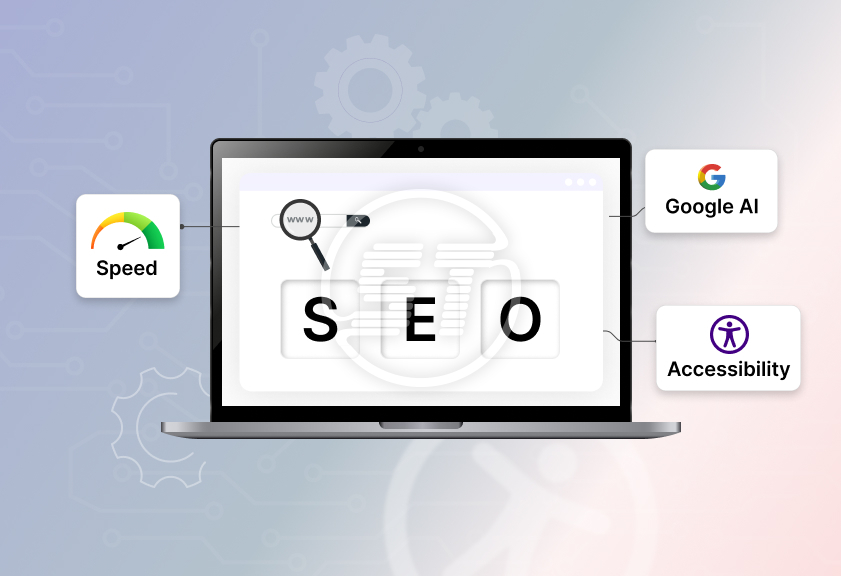
Implementing AI SEO accessibility requires understanding its fundamental building blocks. These components work together to create a website that performs well for all users and search engines alike.
Semantic HTML and Heading Structure
Proper use of HTML5 semantic elements—header, nav, main, article, aside, and footer—provides clear signals to both screen readers and search crawlers. AI tools can automatically analyze heading hierarchy, flagging pages where heading levels skip (e.g., jumping from H1 to H4) or where multiple H1 tags exist. Correcting these issues improves content comprehension for users and keyword relevance for search engines.
Image Optimization with AI-Generated Alt Text
Descriptive alt text serves dual purposes: it helps visually impaired users understand images and provides search engines with contextual information. AI-powered image recognition tools generate accurate alt text automatically, describing objects, actions, and text within images. These tools also detect decorative images that should have empty alt attributes to avoid confusing screen readers.
Advanced AI systems now generate alt text that includes relevant keywords naturally, avoiding the keyword stuffing that triggers spam filters. For e-commerce sites, this means product images gain SEO value while remaining accessible to all users.
Color Contrast and Visual Readability
WCAG requires a contrast ratio of at least 4.5:1 for normal text and 3:1 for large text. AI tools scan every color combination on a website, identifying elements that fail these thresholds. Fixing contrast issues improves readability for users with low vision and reduces bounce rates, which positively impacts search rankings.
AI algorithms also detect font sizes below 16 pixels, line heights that are too tight, and text blocks that are too wide—all factors affecting readability. These adjustments benefit all users, particularly those with dyslexia or attention disorders, while improving dwell time metrics that search engines track.
AI-Powered Tools for SEO Accessibility
Several categories of AI tools address different aspects of SEO accessibility. Understanding their capabilities helps you choose the right solution for your website.
Automated Accessibility Testing Platforms
Tools like axe, Lighthouse, and WAVE use AI to identify accessibility violations across entire websites. These platforms generate prioritized fix lists, distinguishing between critical issues (like missing form labels) and minor problems (like redundant alt text). Many integrate with SEO platforms, providing a unified view of technical health.
These tools now include predictive analytics, estimating how fixing specific issues will impact search rankings and user engagement. This data-driven approach helps teams prioritize fixes based on potential ROI.
AI Content Generation for Accessible Copy
Large language models assist in rewriting content to meet readability standards. AI tools simplify complex sentences, expand abbreviations, and clarify ambiguous pronouns—all improvements that help users with cognitive disabilities and enhance content comprehension for search engines.
These systems also generate descriptive link text, replacing vague phrases like “click here” with meaningful descriptions that benefit screen reader users and improve anchor text relevance for SEO.
Voice Search and Conversational AI
Voice search optimization aligns closely with accessibility. Users with motor impairments often rely on voice commands, and AI systems that understand natural language queries help these users navigate websites. Implementing schema markup for FAQs and how-to content enables voice assistants to extract and read information aloud, improving accessibility and capturing featured snippets.
Benefits of Implementing AI SEO Accessibility
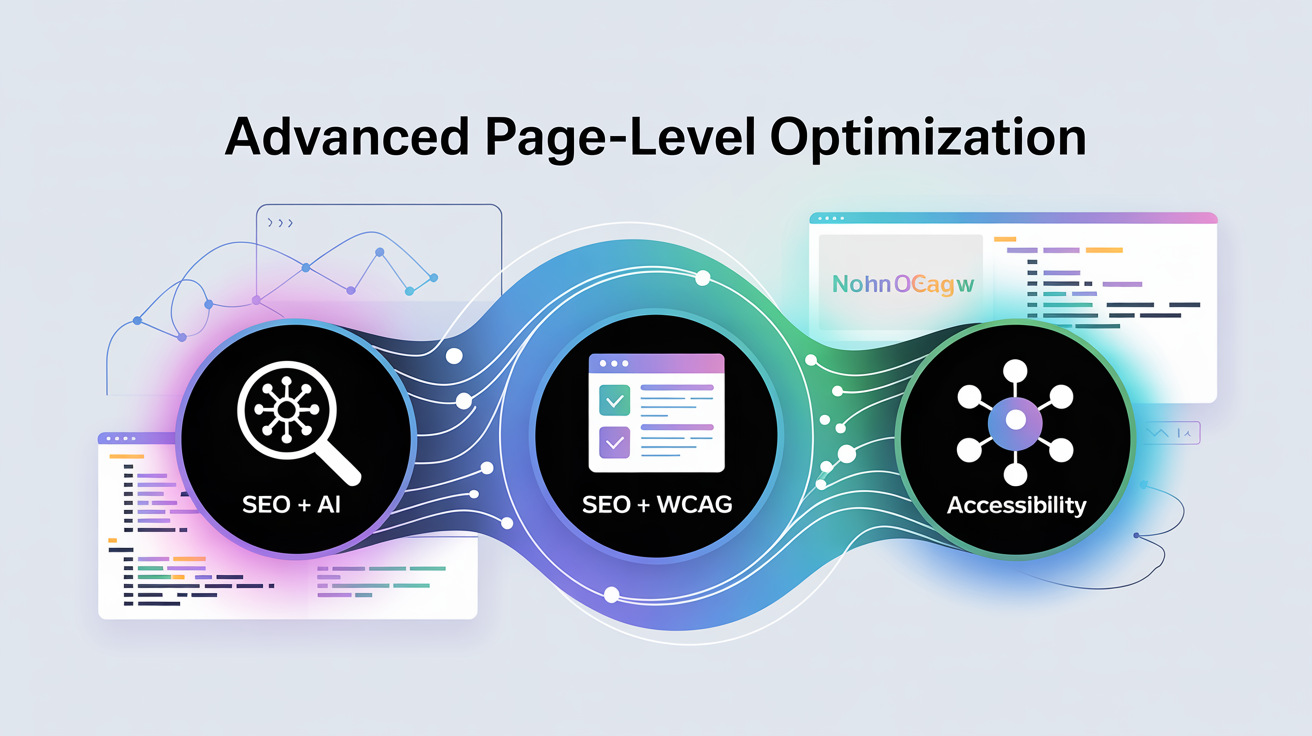
The advantages of combining AI, SEO, and accessibility extend far beyond compliance. Organizations that embrace this approach gain measurable business benefits.
Expanded Audience Reach
Approximately 15% of the global population lives with some form of disability. Accessible websites tap into this underserved market, which controls over $13 trillion in annual disposable income. AI SEO accessibility ensures your content reaches these users effectively, expanding your potential customer base.
Improved Search Rankings
Search engines reward accessible websites with higher rankings. The technical elements that improve accessibility—clean code, descriptive metadata, logical navigation—also enhance crawlability and indexation. AI tools help maintain these standards at scale, ensuring consistent performance across thousands of pages.
Enhanced User Experience for Everyone
Accessibility features benefit all users, not just those with disabilities. Clear headings help skimmers find information quickly. Descriptive links improve navigation for everyone. Proper contrast reduces eye strain during extended reading sessions. These improvements increase time-on-page and reduce bounce rates, both positive ranking signals.
Reduced Legal Risk
ADA-related lawsuits targeting websites have increased dramatically. AI-powered accessibility monitoring provides documented compliance efforts, which courts consider when evaluating claims. Proactive fixes demonstrate good faith and significantly reduce litigation risk.
Challenges and Limitations of AI SEO Accessibility
While AI tools offer powerful solutions, they have limitations that require human oversight.
Contextual Understanding Gaps
AI systems sometimes misinterpret content context. For example, an AI might generate alt text for a chart that fails to capture its key insight, or suggest heading changes that break logical content flow. Human review remains essential for complex content types.
Over-Reliance on Automation
Automated tools catch many issues but miss others. Screen reader testing by actual users with disabilities reveals problems that algorithms cannot detect, such as confusing navigation flows or unexpected focus orders. Combining AI audits with manual testing provides comprehensive coverage.
Implementation Complexity
Integrating AI accessibility tools with existing SEO workflows requires technical expertise. Teams must configure tools correctly, interpret results accurately, and implement fixes without breaking other functionality. This complexity can overwhelm small organizations with limited resources.
AI SEO Accessibility vs. Traditional Accessibility
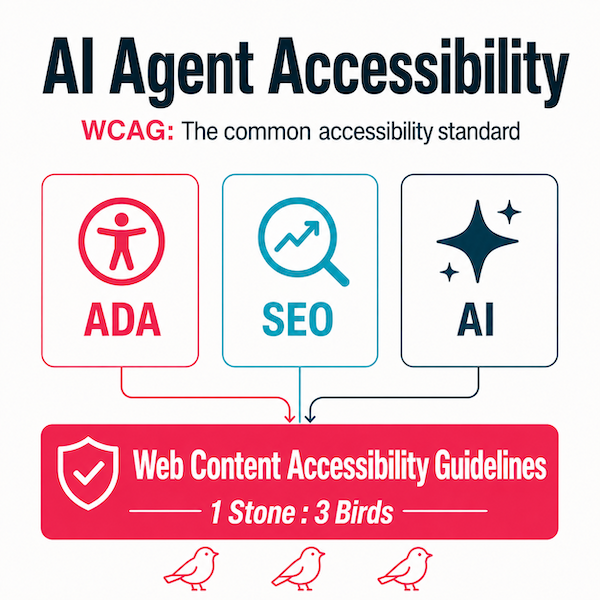
Understanding the differences between AI-driven and traditional approaches helps organizations choose the right strategy.
| Aspect | Traditional Accessibility | AI SEO Accessibility |
|---|---|---|
| Audit Speed | Weeks for manual review | Minutes for full-site scan |
| Cost | High (human experts) | Moderate (software subscriptions) |
| Scalability | Difficult for large sites | Handles thousands of pages |
| SEO Integration | Often separate process | Unified with SEO tools |
| Accuracy | High for complex issues | High for common issues |
| Continuous Monitoring | Manual re-testing required | Automated ongoing scans |
Traditional methods excel at nuanced evaluation but cannot match AI’s speed and scale. The optimal approach combines AI automation for routine audits with human expertise for complex problem-solving.
Practical Implementation Guide
Implementing AI SEO accessibility requires a structured approach. Follow these steps to integrate accessibility into your SEO workflow effectively.
Step 1: Conduct an AI-Powered Baseline Audit
Run an automated accessibility scan across your entire website. Tools like Lighthouse and axe provide comprehensive reports identifying violations categorized by severity. Export these results and cross-reference them with your SEO analytics to identify pages with both accessibility issues and poor search performance.
Step 2: Prioritize Fixes Based on SEO Impact
Not all accessibility issues affect SEO equally. Focus first on problems that directly impact crawlability and user engagement:
- Missing or duplicate title tags and meta descriptions
- Improper heading hierarchy on high-traffic pages
- Images without alt text on product or service pages
- Forms without proper labels on lead generation pages
- Navigation elements that fail keyboard accessibility
Step 3: Implement AI-Generated Fixes
Use AI tools to generate corrected code and content. For example, AI can automatically add descriptive alt text to images, rewrite unclear link text, and suggest heading structure improvements. Review these suggestions before implementation to ensure accuracy and brand voice consistency.
Step 4: Integrate Accessibility into Content Creation
Train your content team to consider accessibility during the writing process. Use AI writing assistants that flag readability issues, suggest simpler alternatives, and ensure proper heading usage. This proactive approach prevents accessibility problems from entering your site in the first place.
Step 5: Monitor Continuously
Set up automated weekly scans that detect new accessibility issues as you publish content. Configure alerts for critical violations that could trigger legal complaints or significant SEO drops. Review monthly reports to track improvement over time.
Common Mistakes in AI SEO Accessibility
Avoiding these pitfalls ensures your accessibility efforts deliver maximum SEO value.
Treating Accessibility as a One-Time Project
Websites constantly change, introducing new accessibility issues with every content update. Organizations that treat accessibility as a checkbox exercise quickly fall out of compliance. Continuous AI monitoring is essential for maintaining standards.
Ignoring Mobile Accessibility
Many accessibility tools focus on desktop experiences, but mobile users face unique challenges. Small touch targets, zoom restrictions, and horizontal scrolling create barriers for users with motor impairments. Ensure your AI tools test mobile-specific accessibility features.
Over-Optimizing Alt Text
While descriptive alt text helps SEO, stuffing keywords into every image description harms both accessibility and rankings. Screen reader users hear alt text read aloud, making keyword-stuffed descriptions confusing and frustrating. Write natural, descriptive alt text that accurately describes the image.
Neglecting PDF and Document Accessibility
Many websites host PDFs and other documents that search engines struggle to index and screen readers cannot parse. Convert important documents to HTML or ensure PDFs have proper tags and reading order. AI tools can automatically detect and flag inaccessible documents.
Important Notes for Implementation
Several considerations ensure successful AI SEO accessibility programs.
First, understand that AI tools provide recommendations, not absolute truths. Always test changes with real users, including those with disabilities, to verify improvements actually help. User testing reveals issues that automated tools miss.
Second, maintain documentation of your accessibility efforts. Record audit dates, identified issues, and implemented fixes. This documentation proves compliance efforts if legal challenges arise and helps track progress over time.
Third, recognize that accessibility is an ongoing commitment, not a destination. New content, design changes, and technology updates introduce new challenges. Build accessibility reviews into your regular maintenance cycles.
Finally, consider accessibility in your overall digital strategy. Accessible websites perform better in search, reach wider audiences, and build stronger brand reputation. Treat accessibility as a core business objective rather than a technical afterthought.
Frequently Asked Questions
What is AI SEO accessibility?
AI SEO accessibility combines artificial intelligence tools with search engine optimization practices to make websites usable for people with disabilities while improving search rankings. It involves using machine learning to identify and fix accessibility issues that also affect SEO performance, such as poor heading structure, missing alt text, and unclear navigation.
How does accessibility affect SEO rankings?
Accessibility directly influences SEO through technical factors like semantic HTML, descriptive link text, and proper heading hierarchy. Additionally, accessible websites typically have lower bounce rates, longer dwell times, and higher engagement—all signals that search engines use to evaluate content quality and relevance.
Can AI tools fully replace manual accessibility testing?
No, AI tools cannot fully replace manual testing. While AI excels at identifying common accessibility violations across large websites, it cannot replicate the experience of actual users with disabilities. Manual testing with screen readers, keyboard-only navigation, and voice control software reveals issues that automated tools miss.
What are the best AI tools for SEO accessibility?
Leading tools include axe for automated testing, Lighthouse for performance and accessibility audits, accessiBe for AI-driven remediation, and WAVE for visual evaluation. Each tool offers unique strengths, and many organizations use multiple tools for comprehensive coverage.
How long does it take to see SEO improvements from accessibility fixes?
Most organizations see measurable improvements within 2-3 months of implementing accessibility fixes. Technical improvements like heading structure and alt text affect crawlability quickly, while user engagement metrics improve as users find the site easier to navigate and read.
Is AI SEO accessibility worth the investment for small businesses?
Yes, AI SEO accessibility offers significant ROI for small businesses. Automated tools cost far less than manual audits, and the combined benefits of expanded audience reach and improved search rankings typically outweigh implementation costs. Many AI tools offer tiered pricing suitable for small budgets.
Conclusion
AI SEO accessibility represents the future of responsible digital marketing. As search engines become more sophisticated and legal requirements tighten, organizations that embrace this integrated approach gain significant competitive advantages. The combination of AI-powered automation and human oversight creates websites that serve all users effectively while achieving strong search performance.
The path forward requires commitment, continuous monitoring, and a willingness to adapt. Start with a comprehensive AI audit, prioritize fixes based on SEO impact, and build accessibility into your content creation workflows. The rewards—expanded audience reach, improved rankings, reduced legal risk, and enhanced brand reputation—make the investment worthwhile.
Remember that accessibility is not a constraint but an opportunity. Every barrier you remove opens your website to more users, more search visibility, and more business success. AI tools make this process efficient and scalable, allowing organizations of any size to create truly inclusive digital experiences.
Xem thêm:
- AI SEO Content Optimization: The Complete Guide to Ranking Higher in 2025
- AI SEO AI Referral Tracking: The Complete Guide to Smarter Attribution
- AI SEO Answer Generator: The Complete Guide to Automated Content Intelligence
- AI SEO Keyword Forecasting: The Complete Guide to Predicting Search Trends
- AI SEO GEO Visibility: The Complete Guide to Winning AI Search in 2025
Bài viết cùng chủ đề:

AI SEO SEO Automation with Make: The Complete Workflow Guide

AI SEO SEO Automation with Zapier: The Complete Workflow Guide

AI SEO SEO Automation with n8n: The Complete Workflow Guide
AI SEO SEO Automation with Gemini: The Complete Guide to Scaling Organic Growth

AI SEO SEO Automation with Claude: The Complete Guide to Scaling Content in 2025

AI SEO SEO Automation with ChatGPT: The Complete Playbook for 2025

AI SEO & SEO Automation for Affiliate Sites: The 2025 Playbook for Passive Income Growth
AI SEO & SEO Automation for Bloggers: The Complete Guide to Scaling Your Content

AI SEO & SEO Automation for Agencies: The Complete 2025 Playbook

AI SEO and SEO Automation for Ecommerce: The Complete Playbook for 2025

AI SEO & SEO Automation for WordPress: The Complete Playbook for 2025
AI SEO SEO Automation Strategy: The Complete Playbook for 2025

Mastering the AI SEO SEO Automation Process: A Complete Guide to Scaling Organic Growth
AI SEO SEO Automation System: The Complete Guide to Scaling Organic Growth in 2025
AI SEO SEO Automation Platform: The Complete Guide to Scaling Organic Growth in 2025
AI SEO SEO Automation Software: The Complete Guide to Scaling Organic Growth in 2025















