
No products in the cart.
AI SEO AI Referral Tracking: The Complete Guide to Smarter Attribution

10
Aug
Aug
AI SEO AI referral tracking is transforming how businesses understand their traffic sources and optimize their digital marketing strategies. This powerful combination of artificial intelligence and referral analytics goes far beyond traditional click tracking, offering predictive insights, automated anomaly detection, and real-time attribution modeling. As search engines evolve and user behavior becomes more complex, relying on manual referral analysis is no longer sufficient. This guide explores how AI-driven referral tracking works, why it matters for SEO, and how to implement it effectively in your marketing stack.
What Is AI Referral Tracking in SEO?
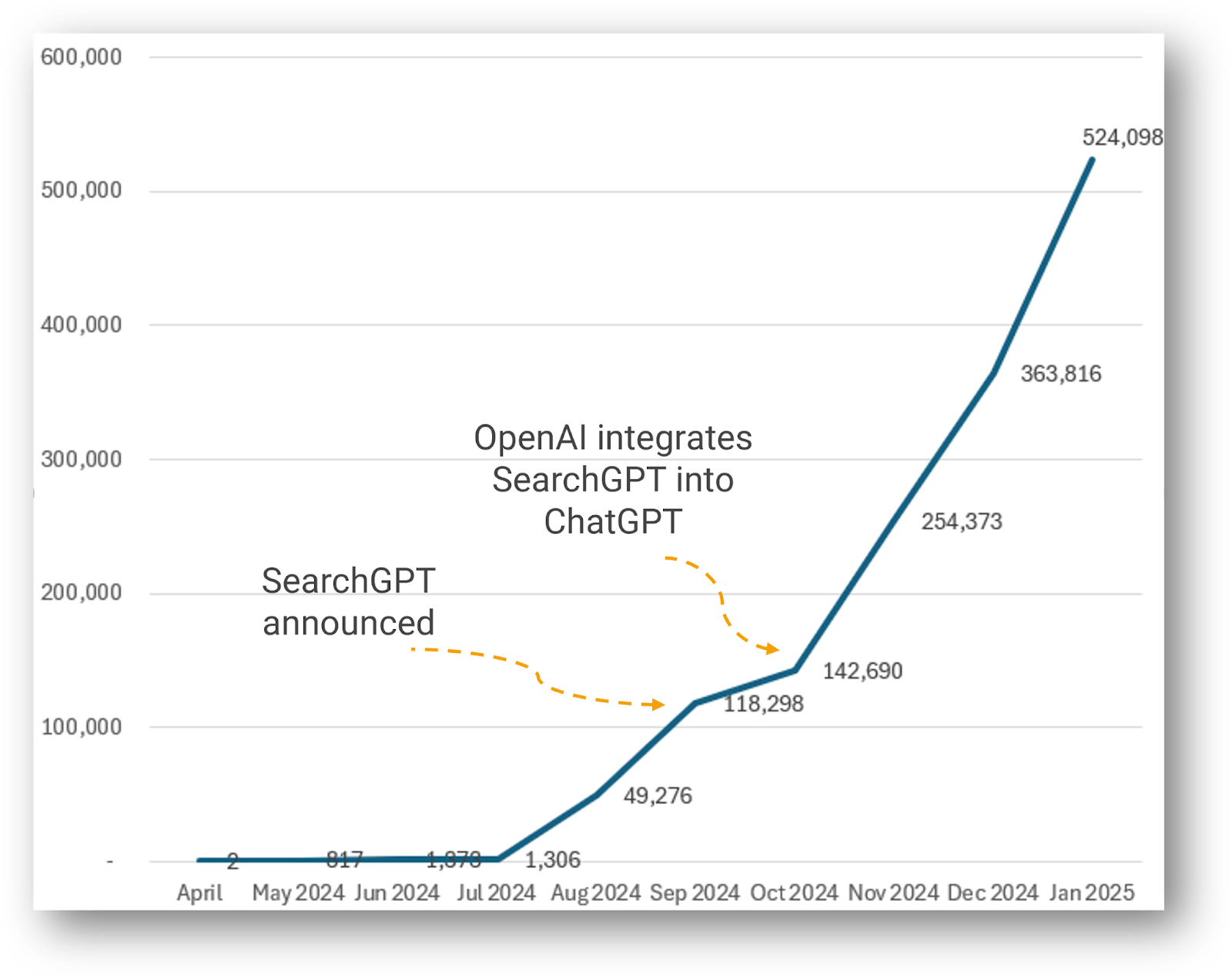
AI referral tracking refers to the use of machine learning algorithms and artificial intelligence to monitor, analyze, and interpret the sources of website traffic. Unlike conventional analytics tools that simply report where visitors come from, AI-powered systems identify patterns, predict future referral behavior, and automatically categorize traffic sources with high accuracy. In the context of SEO, this means understanding not just which links drive traffic, but which referral paths lead to conversions, engagement, and long-term customer value.
Traditional referral tracking relies on UTM parameters, referrer headers, and cookie data. AI enhances this by processing massive datasets to distinguish between genuine referral traffic, spam, bot activity, and dark social shares. It also uncovers hidden relationships between multiple touchpoints, showing how a visitor might discover your site through a blog post, then return via a newsletter, and finally convert after clicking a social media link.
The Core Components of AI-Powered Referral Analytics
AI referral tracking systems typically consist of several integrated components. First, data collection layers capture raw traffic signals from multiple sources, including server logs, JavaScript tags, and API integrations. Second, machine learning models process this data to classify traffic sources, detect anomalies, and score lead quality. Third, predictive engines forecast future referral trends based on historical patterns and seasonal variations. Finally, automated reporting interfaces present these insights in actionable dashboards that marketing teams can use daily.
These components work together to create a feedback loop. As the AI system learns from new data, it refines its models, improving accuracy over time. This continuous learning capability is what sets AI referral tracking apart from static analytics configurations.
Why AI Referral Tracking Matters for Modern SEO Strategies
Search engine optimization has expanded beyond keyword rankings and backlinks. Modern SEO encompasses the entire user journey, including how visitors arrive at your content. AI referral tracking provides the visibility needed to optimize this journey effectively. Without accurate referral data, SEO teams waste resources on channels that generate traffic but no conversions, while ignoring high-value sources that are difficult to identify manually.
One of the biggest challenges in SEO is understanding the true value of referral traffic. A visitor from a high-authority news site might bounce immediately, while a visitor from a niche forum might spend ten minutes reading and eventually subscribe. AI referral tracking assigns meaningful value to each source, enabling data-driven budget allocation and content strategy decisions.
Moving Beyond Last-Click Attribution
Last-click attribution has long been the default method for measuring referral success, but it paints an incomplete picture. AI referral tracking enables multi-touch attribution models that credit every interaction along the customer journey. For example, a user might first find your site through a Google search, then click a LinkedIn post, and finally return directly to make a purchase. Traditional tools would credit the direct visit, while AI-powered systems recognize the combined influence of all three touchpoints.
This deeper understanding allows SEO professionals to invest in content that supports the entire funnel, not just the final conversion point. It also helps identify which referral sources are most effective at introducing new audiences versus nurturing existing ones.
Key Benefits of Implementing AI Referral Tracking
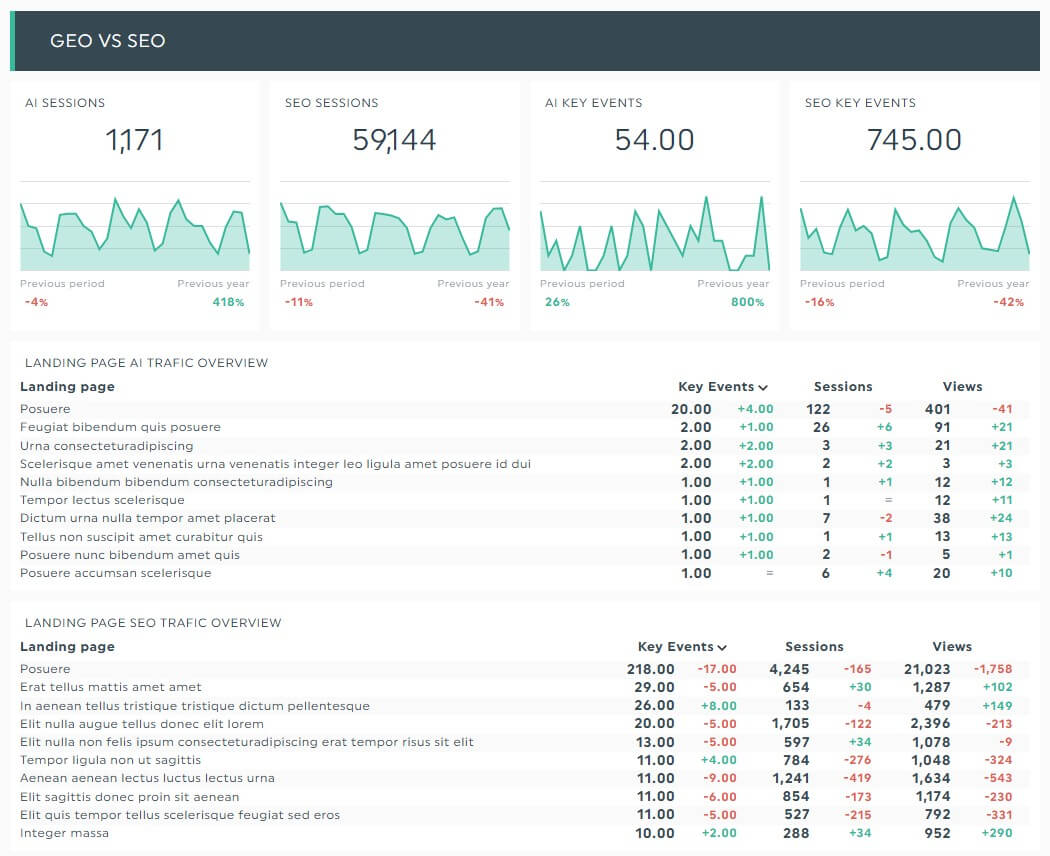
The advantages of integrating AI into referral tracking extend across multiple dimensions of digital marketing. Here are the primary benefits organizations experience after implementation:
- Enhanced accuracy: AI algorithms filter out bot traffic, click fraud, and spam referrals that distort analytics data, providing a cleaner view of genuine human visitors.
- Predictive insights: Machine learning models forecast which referral sources will grow or decline, allowing proactive strategy adjustments rather than reactive responses.
- Automated anomaly detection: AI flags unusual traffic spikes or drops instantly, helping teams identify viral content, broken links, or algorithm updates in real time.
- Improved ROI measurement: By correlating referral sources with revenue data, AI tracking demonstrates the actual return on investment for each marketing channel.
- Scalable analysis: AI processes millions of data points simultaneously, making it feasible to analyze referral patterns across large websites with extensive traffic volumes.
- Better personalization: Understanding referral context allows websites to tailor content and offers based on how visitors arrived, increasing engagement and conversion rates.
- Define your goals: Determine what you want to achieve, whether it is better spam filtering, improved attribution, or predictive traffic forecasting.
- Clean your data: Remove known spam domains and set up proper UTM conventions before feeding data into AI models.
- Configure AI models: Set parameters for anomaly detection sensitivity, attribution windows, and traffic source classification rules.
- Integrate with CRM and sales data: Connect your analytics platform to customer relationship management tools to correlate referrals with actual revenue.
- Train the system: Allow the AI to learn from historical data for at least 30 days to establish baseline patterns.
- Create custom dashboards: Build reports that highlight the metrics most relevant to your SEO and marketing objectives.
- Establish alert protocols: Define response procedures for when the AI detects significant traffic anomalies or referral source changes.
- Review and refine: Conduct monthly reviews of AI recommendations and adjust models based on new business priorities.
Practical Applications for SEO Teams
SEO teams can use AI referral tracking in several concrete ways. Content strategists can identify which external sites drive the most engaged readers, then pitch similar publications for guest posts or digital PR campaigns. Link builders can prioritize outreach to domains that not only provide backlinks but also generate qualified referral traffic. Technical SEO specialists can detect referral spam that wastes crawl budget and harms analytics accuracy.
E-commerce businesses benefit from understanding which referral sources produce high-value customers with strong lifetime value, not just one-time purchases. SaaS companies can track which review sites and comparison platforms generate free trial signups, optimizing their presence on those platforms accordingly.
AI Referral Tracking vs. Traditional Analytics Tools
To appreciate the value of AI referral tracking, it helps to compare it directly with conventional analytics platforms. The differences are significant in terms of data processing, insight generation, and user experience.
| Feature | Traditional Analytics | AI-Powered Referral Tracking |
|---|---|---|
| Data processing | Rule-based, manual configuration | Machine learning, automated pattern recognition |
| Spam detection | Basic filters, frequent false positives | Advanced behavioral analysis, high accuracy |
| Attribution model | Last-click or simple first-click | Multi-touch, algorithmic attribution |
| Predictive capability | None, historical reporting only | Forecasts future trends and traffic shifts |
| Anomaly alerts | Manual threshold setting | Automatic detection of unusual patterns |
| Data volume handling | Limited by sampling and processing power | Handles massive datasets in real time |
| Actionable insights | Raw numbers requiring manual interpretation | Contextual recommendations and prioritization |
While traditional tools remain useful for basic reporting, they lack the sophistication required for competitive SEO in 2024 and beyond. AI referral tracking bridges the gap between raw data and strategic decision-making.
How to Implement AI Referral Tracking in Your SEO Workflow
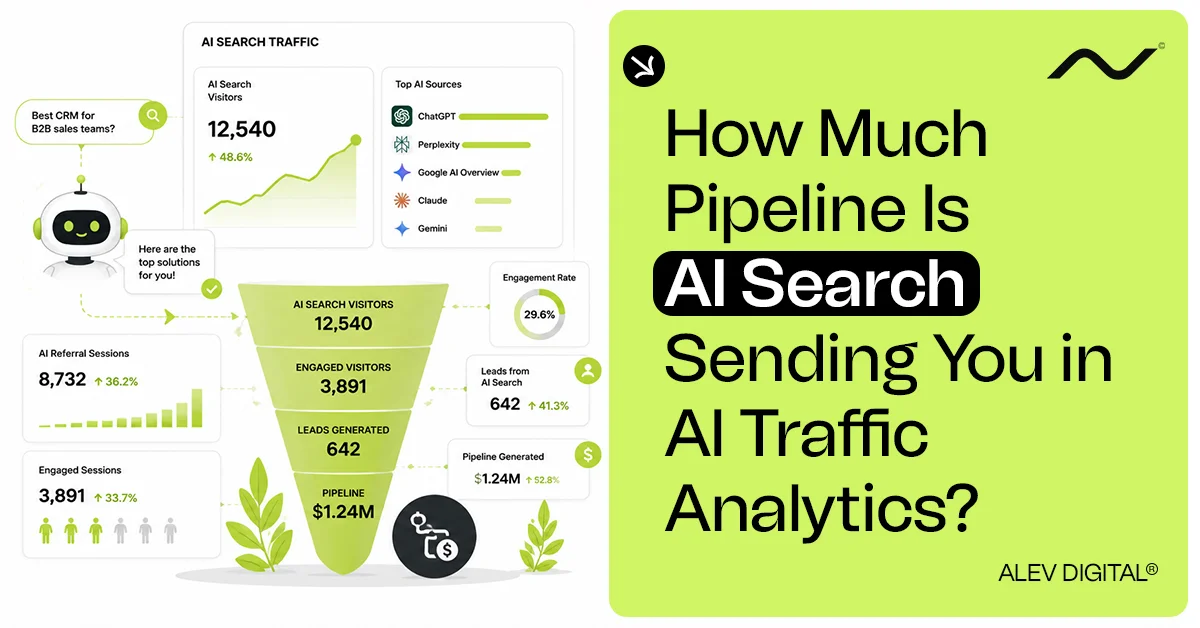
Implementing AI referral tracking requires a structured approach. Start by auditing your current analytics setup to identify gaps in referral data quality. Many organizations discover that a significant portion of their traffic is categorized as “direct” when it actually originates from social media apps, messaging platforms, or email clients that strip referrer information. AI tools can recover this lost data through advanced fingerprinting and pattern analysis.
Next, select an AI-powered analytics platform that integrates with your existing stack. Popular options include solutions like Google Analytics 4 with its machine learning capabilities, specialized tools like Similarweb or SEMrush with AI features, and enterprise platforms such as Adobe Analytics or Mixpanel with predictive analytics modules. Evaluate each based on your traffic volume, budget, and specific use cases.
Step-by-Step Implementation Guide
Follow these steps to successfully deploy AI referral tracking:
Common Mistakes in AI Referral Tracking and How to Avoid Them
Even with advanced AI tools, organizations make predictable errors that undermine the effectiveness of their referral tracking efforts. Being aware of these pitfalls helps ensure successful implementation.
Over-Reliance on Automated Classification
AI models are powerful but not infallible. Some legitimate referral sources may be misclassified as spam, especially new or unusual domains. Avoid the mistake of blindly accepting all AI classifications. Regularly audit a sample of flagged traffic to ensure accuracy, and maintain a whitelist of known legitimate sources that the AI should never filter out.
Ignoring Data Privacy Regulations
AI referral tracking often involves processing personal data, which triggers compliance obligations under GDPR, CCPA, and other privacy laws. Many businesses fail to update their privacy policies or obtain proper consent when implementing AI analytics. Work with legal counsel to ensure your tracking methods comply with all applicable regulations, and consider privacy-preserving AI techniques that minimize data collection.
Focusing Only on Volume Metrics
Traffic volume is a vanity metric when considered in isolation. AI referral tracking provides richer data about engagement quality, conversion rates, and customer lifetime value. Teams that continue to optimize for raw visit counts miss the strategic value of AI insights. Shift your focus to metrics like referral conversion rate, average session duration by source, and revenue per referral channel.
Neglecting Mobile and App Referral Data
Many referral tracking systems focus exclusively on web traffic, ignoring mobile app installs and in-app behavior. With mobile traffic accounting for over half of all web visits, this oversight creates significant blind spots. Ensure your AI tracking solution captures data from all platforms, including iOS and Android apps, to get a complete picture of referral performance.
Important Notes on Data Quality and Integration

The accuracy of AI referral tracking depends heavily on the quality of underlying data. Garbage in, garbage out applies directly to machine learning models. Maintain clean data practices by standardizing URL parameters, regularly auditing referrer lists, and ensuring your tracking code is correctly installed across all pages and subdomains.
Integration with other marketing tools is equally critical. AI referral tracking delivers the most value when combined with SEO platforms, content management systems, email marketing software, and advertising platforms. This integration enables automated actions, such as adjusting ad bids based on referral performance or dynamically personalizing website content based on traffic source.
Frequently Asked Questions
What is the difference between AI referral tracking and standard referral tracking?
Standard referral tracking simply records which external websites send visitors to your site, typically using HTTP referrer data and UTM parameters. AI referral tracking goes further by using machine learning to classify traffic sources automatically, detect spam and bots, predict future referral trends, and attribute conversions across multiple touchpoints. AI systems continuously learn and improve their accuracy, while standard tools require manual configuration and provide only historical data.
Can AI referral tracking work with Google Analytics?
Yes, AI referral tracking can complement Google Analytics. Google Analytics 4 includes built-in machine learning features like predictive metrics and anomaly detection. Additionally, third-party AI tools can connect to GA4 data through APIs to provide enhanced referral analysis, including more sophisticated spam filtering and multi-touch attribution models that go beyond GA4’s default reporting capabilities.
How does AI detect referral spam?
AI detects referral spam by analyzing multiple behavioral signals simultaneously. These include the frequency of visits from a source, the pages visited, session duration, bounce rates, and whether visitors complete meaningful actions. Spam referrals typically exhibit patterns like visiting only one page, extremely short sessions, or coming from domains with no legitimate content. Machine learning models identify these patterns and automatically filter out suspicious traffic, reducing false positives compared to rule-based filters.
Is AI referral tracking suitable for small businesses?
AI referral tracking is accessible to businesses of all sizes. Many affordable tools offer AI-powered analytics features without requiring enterprise-level budgets. Small businesses benefit particularly from automated spam filtering and anomaly detection, which save time and improve data accuracy. Cloud-based AI analytics platforms scale with your traffic volume, so you only pay for what you use, making this technology cost-effective for smaller operations.
What metrics should I track with AI referral analytics?
Focus on metrics that connect referral sources to business outcomes. Key metrics include referral conversion rate, revenue per referral source, customer lifetime value by acquisition channel, engagement metrics like pages per session and average time on site, and referral source growth trends. AI tools also provide predictive metrics like forecasted traffic and probability of conversion, which help with resource allocation and campaign planning.
Conclusion
AI SEO AI referral tracking represents a fundamental shift in how digital marketers understand and leverage their traffic sources. By moving beyond simple click counts and last-click attribution, AI-powered systems deliver actionable intelligence that drives better SEO decisions, more effective content strategies, and higher marketing ROI. The technology addresses the growing complexity of the digital landscape, where users interact with brands across multiple channels and devices before converting.
Implementing AI referral tracking requires thoughtful planning, clean data practices, and a willingness to act on algorithmic insights. The benefits, however, are substantial: accurate spam filtering, predictive forecasting, automated anomaly detection, and a comprehensive understanding of the customer journey. As search engines continue to evolve and competition intensifies, the organizations that embrace AI-driven referral analytics will maintain a significant strategic advantage. Start by evaluating your current tracking capabilities, identify the gaps, and take the first steps toward implementing an AI-powered referral tracking system that supports your long-term SEO success.
Xem thêm:
- AI SEO Content Engagement: The Complete Guide to Boosting Rankings and Reader Retention
- AI SEO Zapier Automation: The Complete Guide to Scaling Your Organic Growth in 2025
- AI SEO Meta Title Generator: The Complete Guide to Higher Click-Through Rates
- AI SEO Content Gaps: The Complete Guide to Finding and Filling What Your Competitors Miss
- WP Trove AI Writer Review: The Ultimate AI Content Tool for WordPress
Bài viết cùng chủ đề:

AI SEO SEO Automation with Make: The Complete Workflow Guide

AI SEO SEO Automation with Zapier: The Complete Workflow Guide

AI SEO SEO Automation with n8n: The Complete Workflow Guide
AI SEO SEO Automation with Gemini: The Complete Guide to Scaling Organic Growth

AI SEO SEO Automation with Claude: The Complete Guide to Scaling Content in 2025

AI SEO SEO Automation with ChatGPT: The Complete Playbook for 2025

AI SEO & SEO Automation for Affiliate Sites: The 2025 Playbook for Passive Income Growth
AI SEO & SEO Automation for Bloggers: The Complete Guide to Scaling Your Content

AI SEO & SEO Automation for Agencies: The Complete 2025 Playbook

AI SEO and SEO Automation for Ecommerce: The Complete Playbook for 2025

AI SEO & SEO Automation for WordPress: The Complete Playbook for 2025
AI SEO SEO Automation Strategy: The Complete Playbook for 2025

Mastering the AI SEO SEO Automation Process: A Complete Guide to Scaling Organic Growth
AI SEO SEO Automation System: The Complete Guide to Scaling Organic Growth in 2025
AI SEO SEO Automation Platform: The Complete Guide to Scaling Organic Growth in 2025
AI SEO SEO Automation Software: The Complete Guide to Scaling Organic Growth in 2025















