
No products in the cart.
AI SEO Content Optimization: The Complete Guide to Ranking Higher in 2025
10
Aug
Aug
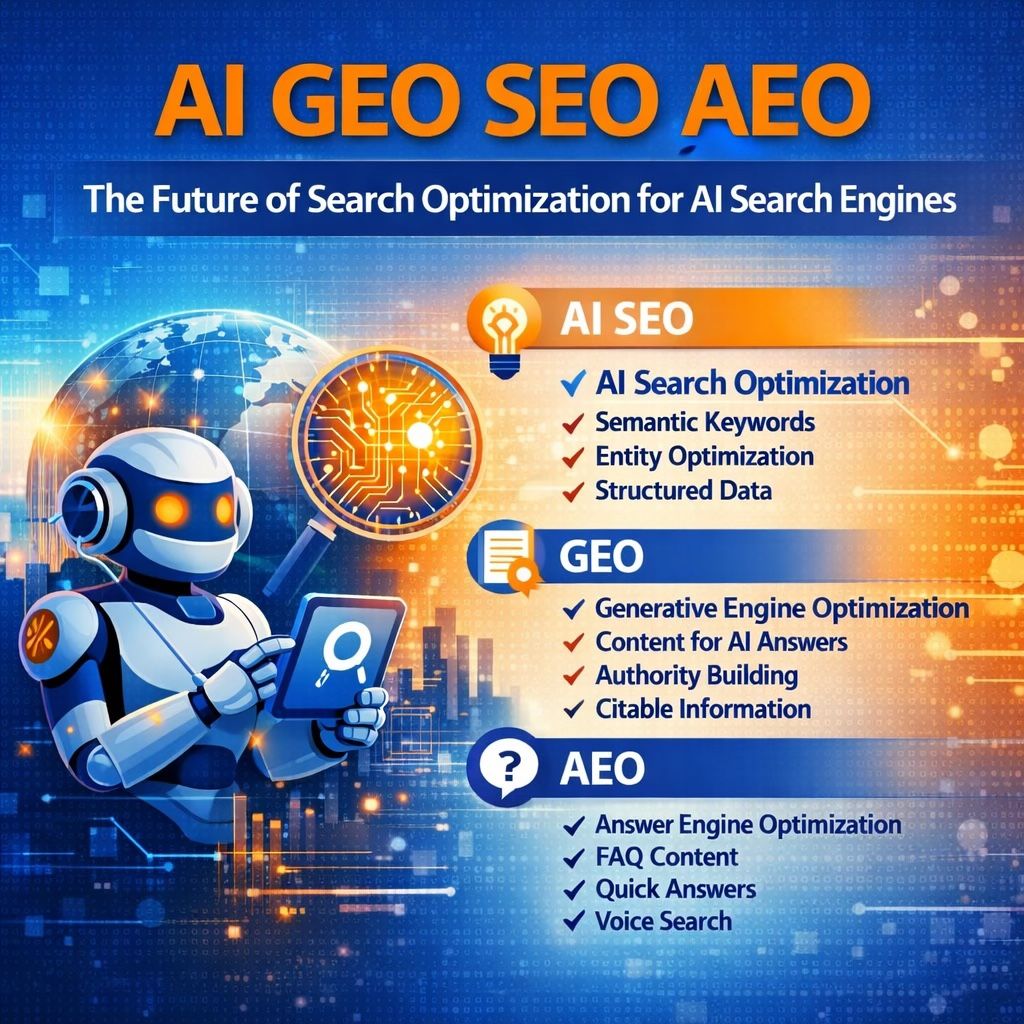
AI SEO content optimization has transformed how websites achieve search engine visibility. This approach combines machine learning algorithms with natural language processing to refine every piece of content for maximum relevance and user engagement. Businesses that leverage AI-powered tools see measurable improvements in organic traffic, keyword rankings, and conversion rates. This comprehensive guide explores the strategies, tools, and practical applications that define modern content optimization.
Understanding AI SEO Content Optimization
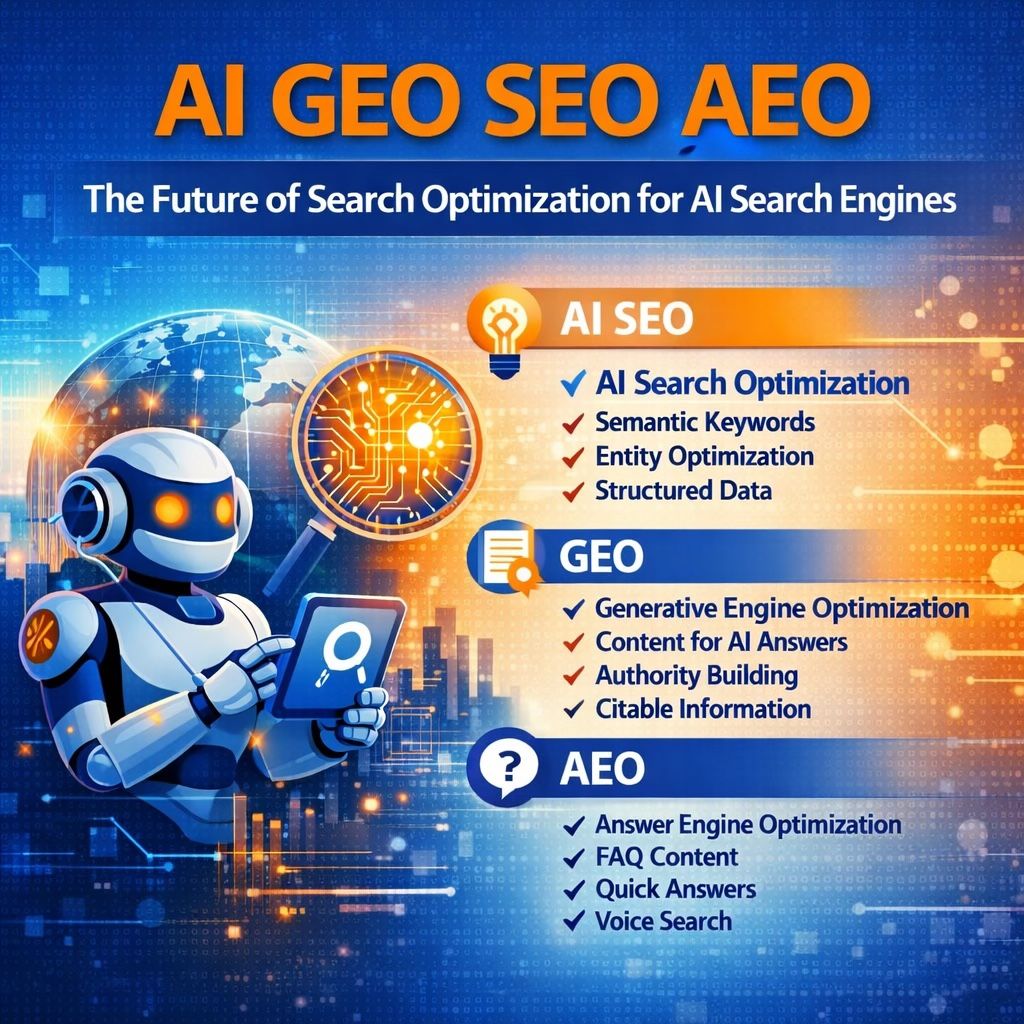
AI SEO content optimization refers to the process of using artificial intelligence technologies to analyze, enhance, and structure web content for better search engine performance. Unlike traditional SEO practices that rely heavily on manual analysis and guesswork, AI systems process vast amounts of data to identify patterns, predict user behavior, and recommend precise adjustments.
The core principle involves training algorithms on millions of top-ranking pages to understand what makes content successful. These systems evaluate factors like semantic relevance, readability, entity usage, and topical authority. The result is content that satisfies both search engine algorithms and human readers simultaneously.
How AI Algorithms Analyze Content
Modern AI content optimization tools use several sophisticated techniques to evaluate and improve web pages. Natural language processing (NLP) breaks down text into components that machines can understand. Semantic analysis examines the relationships between words and concepts, ensuring content covers a topic comprehensively rather than just targeting exact-match keywords.
Machine learning models continuously improve their recommendations based on performance data. When you implement an AI suggestion and the page ranks higher, the system learns from that success and applies similar patterns to future recommendations. This creates a feedback loop that becomes more accurate over time.
Core Components of AI-Driven Content Optimization
Effective AI SEO content optimization involves multiple interconnected elements that work together to improve search visibility. Understanding these components helps you implement a complete strategy rather than relying on isolated tactics.
Semantic Keyword Analysis
Traditional keyword research focused on individual phrases and their search volumes. AI systems go far beyond this by analyzing semantic fields—groups of related concepts that together define a topic. For example, an article about “home workouts” might include related entities like “bodyweight exercises,” “exercise equipment,” “fitness routines,” and “muscle recovery.”
AI tools identify these related terms by analyzing top-ranking pages and understanding how search engines interpret topical relevance. This allows content creators to naturally incorporate a full range of related concepts without keyword stuffing.
Content Structure and Readability Scoring
Search engines favor content that is easy to read and logically organized. AI optimization tools evaluate heading hierarchy, paragraph length, sentence variety, and transition words. They provide specific recommendations such as breaking up long paragraphs, adding subheadings, or simplifying complex sentences.
Readability scores from AI systems correlate strongly with user engagement metrics. Pages that are difficult to read experience higher bounce rates and lower time-on-page, both of which negatively impact rankings. AI tools help you achieve the optimal balance between depth and accessibility.
Entity Optimization and Topical Authority
Search engines now understand entities—people, places, organizations, and concepts—rather than just keywords. AI SEO content optimization tools help you establish topical authority by ensuring your content properly references relevant entities and demonstrates comprehensive coverage of the subject.
When your content consistently addresses related entities and subtopics, search engines recognize your page as an authoritative resource. This can lead to featured snippets, enhanced visibility in knowledge panels, and higher rankings for a broader range of related queries.
Benefits of Implementing AI SEO Content Optimization
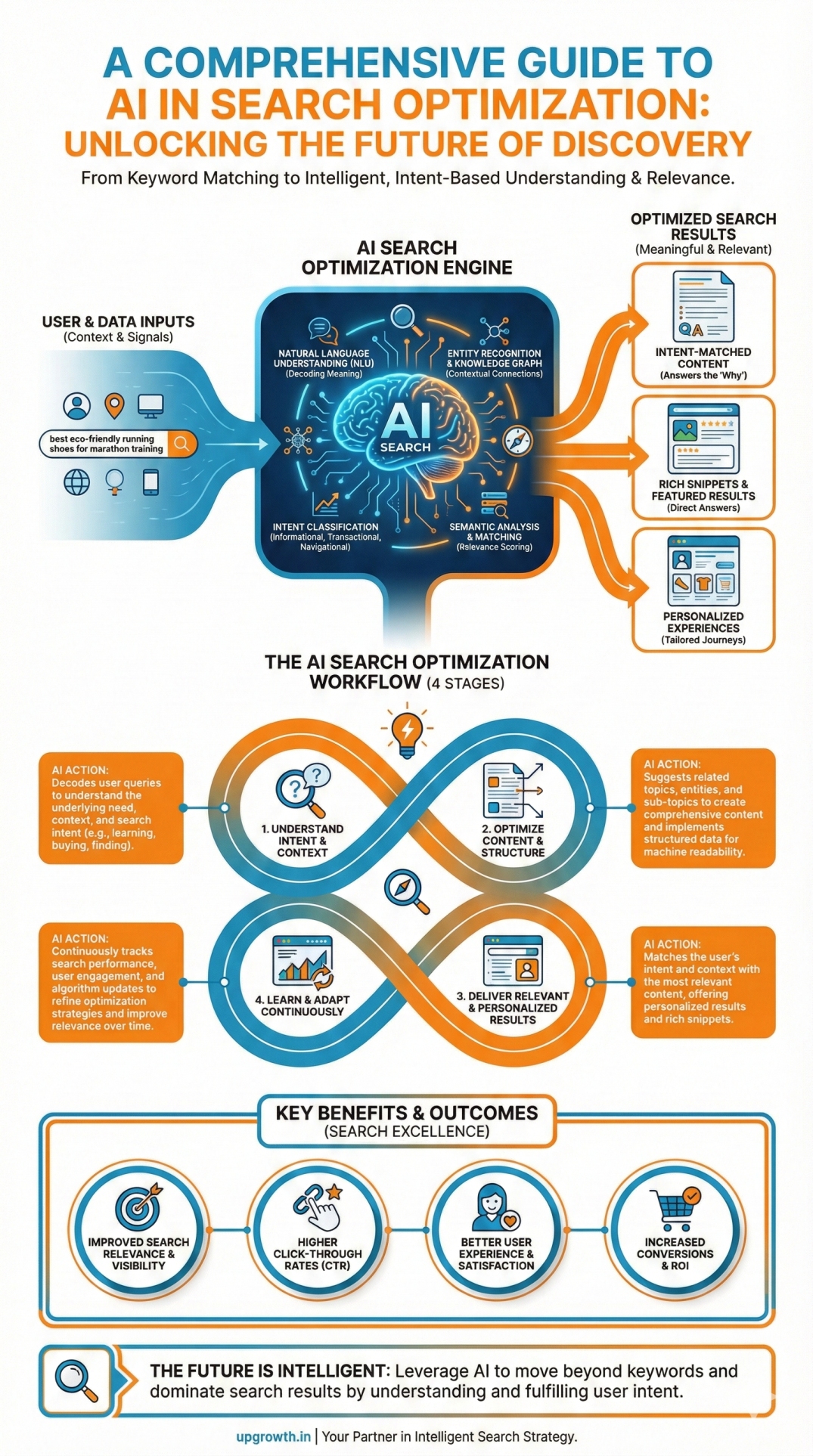
Businesses that adopt AI-powered content optimization gain significant advantages over competitors using traditional methods. These benefits extend beyond simple ranking improvements to affect overall content strategy and business outcomes.
Time and Resource Efficiency
Manual SEO analysis of a single article can take hours. AI tools accomplish the same evaluation in seconds, providing instant recommendations for improvement. This efficiency allows content teams to optimize more pages in less time, scaling their efforts without proportional increases in resources.
For agencies managing multiple client websites, this efficiency translates directly into higher profit margins and the ability to take on more clients without expanding headcount.
Data-Driven Decision Making
AI optimization removes guesswork from content creation. Instead of relying on intuition or outdated best practices, you receive recommendations based on current search engine behavior and competitive analysis. This data-driven approach leads to more consistent results across different topics and industries.
Improved User Experience
Content optimized with AI tools tends to be better organized, more readable, and more comprehensive. These qualities directly improve user experience, leading to longer session durations, lower bounce rates, and higher conversion rates. Search engines recognize these positive signals and reward pages accordingly.
Popular AI SEO Content Optimization Tools
The market offers numerous AI-powered tools designed for different aspects of content optimization. Understanding their capabilities helps you select the right combination for your specific needs.
| Tool | Primary Function | Key Features |
|---|---|---|
| Surfer SEO | On-page optimization | Content scoring, competitor analysis, NLP terms |
| Clearscope | Content briefs and optimization | Semantic keyword suggestions, readability analysis |
| Frase.io | Content research and writing | AI-generated outlines, SERP analysis, content optimization |
| MarketMuse | Topical authority building | Content inventory, opportunity scoring, AI writing assistant |
| NeuronWriter | Content optimization | NLP-based suggestions, SERP analysis, content scoring |
Choosing the Right Tool for Your Needs
Consider your team’s technical expertise, content volume, and budget when selecting AI optimization tools. Some platforms offer comprehensive solutions while others specialize in specific functions. Many tools provide free trials, allowing you to test their effectiveness before committing to a subscription.
Integration capabilities matter as well. Tools that connect with your existing content management system, Google Search Console, or analytics platforms provide more streamlined workflows and better data synchronization.
Step-by-Step Guide to AI SEO Content Optimization
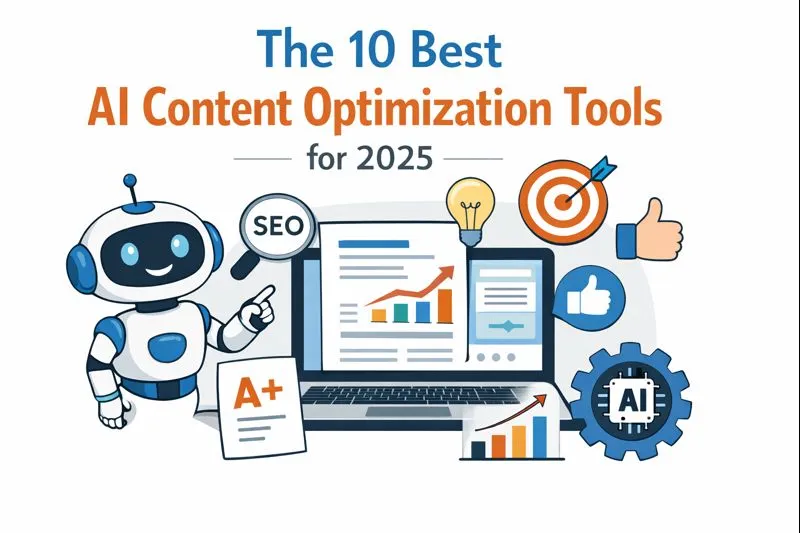
Implementing AI-powered optimization requires a systematic approach. Follow these steps to maximize the effectiveness of your content optimization efforts.
Step 1: Conduct AI-Powered Keyword Research
Begin with comprehensive keyword research using AI tools that analyze search intent, competition levels, and semantic relationships. Look beyond primary keywords to identify secondary terms and related concepts that should appear naturally throughout your content.
AI research tools can also identify content gaps—topics your competitors cover that you haven’t addressed. Filling these gaps positions you as a more complete resource and captures additional organic traffic.
Step 2: Create a Detailed Content Brief
Use AI tools to generate content briefs that outline the structure, key points, and semantic terms your article should include. These briefs serve as roadmaps for writers, ensuring they cover all relevant aspects of the topic without missing important subtopics.
A well-constructed brief includes target word count, suggested headings, related questions to answer, and examples or statistics to include. This preparation reduces revision cycles and produces higher-quality first drafts.
Step 3: Write with AI Assistance
Many AI optimization tools include writing assistants that provide real-time suggestions as you create content. These assistants flag missing semantic terms, suggest improvements to sentence structure, and alert you when your content drifts from the target topic.
Use these suggestions as guidance rather than absolute requirements. The goal is to create natural, engaging content that incorporates AI recommendations organically, not to force keywords into awkward positions.
Step 4: Optimize Existing Content
AI SEO content optimization applies to existing pages as well as new content. Run your current articles through optimization tools to identify improvement opportunities. Common recommendations include adding missing subtopics, improving heading structure, and updating outdated information.
Prioritize optimization efforts based on potential impact. Pages that already rank on page two of search results often see the most significant gains from targeted improvements.
Step 5: Monitor Performance and Iterate
Content optimization is an ongoing process, not a one-time task. Monitor your pages’ performance using search console data and analytics tools. Identify which optimizations produced positive results and apply those learnings to future content.
AI tools continuously update their algorithms based on changing search engine behavior. Regularly re-optimize your most important pages to maintain competitive advantage as ranking factors evolve.
Common Mistakes in AI SEO Content Optimization
Even with powerful AI tools, content creators can make errors that undermine their optimization efforts. Recognizing these mistakes helps you avoid them and achieve better results.
Over-Optimization and Keyword Stuffing
Some content creators interpret AI recommendations as strict requirements and force every suggested term into their content. This results in unnatural language that harms readability and user experience. Search engines detect this manipulation and may penalize the page.
Use AI suggestions as guidelines for topics to cover, not exact phrases to include. Write naturally and let the semantic relationships between concepts emerge organically.
Ignoring User Intent
AI tools analyze search intent, but they cannot fully replace human judgment about what users actually want. A page optimized for the wrong intent—such as targeting informational keywords with commercial content—will struggle regardless of technical optimization quality.
Before creating content, clearly define the target audience and their stage in the buying journey. Ensure your content matches the intent behind the keywords you target.
Neglecting Content Quality
AI optimization improves structure and relevance, but it cannot compensate for weak, inaccurate, or unoriginal content. Search engines prioritize content that demonstrates expertise, experience, authoritativeness, and trustworthiness (E-E-A-T).
Invest in thorough research, include original data and insights, and ensure your content provides genuine value beyond what competitors offer. AI tools enhance good content; they cannot transform poor content into something valuable.
AI Content Optimization vs. Traditional SEO
Understanding the differences between AI-driven and traditional SEO approaches helps you appreciate the advantages of modern methods.
| Aspect | Traditional SEO | AI SEO Content Optimization |
|---|---|---|
| Keyword research | Manual analysis of search volumes | Semantic analysis and intent prediction |
| Content evaluation | Checklist-based review | Machine learning scoring against top competitors |
| Speed | Hours per page | Minutes per page |
| Adaptability | Slow to reflect algorithm changes | Continuous learning and updates |
| Scalability | Limited by team capacity | Virtually unlimited |
Measuring the Success of AI SEO Content Optimization
Tracking the right metrics ensures your optimization efforts produce meaningful business results. Focus on metrics that directly correlate with revenue and business growth, not just vanity metrics.
Organic Traffic Growth
Monitor organic traffic to optimized pages over time. Look for trends that indicate sustained improvement rather than temporary spikes. Compare performance against non-optimized pages to isolate the impact of your AI optimization efforts.
Keyword Ranking Improvements
Track rankings for your target keywords and related terms. AI optimization often produces improvements across a cluster of related keywords rather than just the primary target. Monitor your pages’ visibility for a broad set of relevant queries.
Engagement Metrics
Time on page, bounce rate, and pages per session indicate how well your content satisfies user needs. AI-optimized content typically shows improved engagement metrics because it better matches search intent and provides a more satisfying reading experience.
Conversion Rates
Ultimately, content exists to drive business outcomes. Track how many visitors from organic search complete desired actions—making purchases, filling out forms, or subscribing to newsletters. AI optimization should improve these conversion rates by attracting more qualified traffic and providing better information.
Future Trends in AI SEO Content Optimization
The field of AI content optimization continues to evolve rapidly. Staying informed about emerging trends helps you maintain competitive advantage and prepare for future changes.
Generative AI Integration
Large language models like GPT-4 are increasingly integrated into optimization workflows. These systems can generate complete content drafts, suggest improvements in real-time, and even predict how search engines will evaluate content before publication.
The most effective strategies combine generative AI with human oversight. AI produces drafts and suggestions, while human editors ensure accuracy, brand voice consistency, and strategic alignment.
Voice Search Optimization
As voice search grows, AI tools are adapting to optimize content for conversational queries. This involves targeting longer, more natural language phrases and structuring content to provide direct answers to spoken questions.
Featured snippet optimization becomes increasingly important for voice search, as virtual assistants typically read the featured snippet as their response to user queries.
Predictive Analytics
Advanced AI systems now predict content performance before publication. By analyzing historical data and current trends, these tools estimate likely rankings, traffic, and engagement for proposed content. This allows content teams to prioritize topics with the highest potential return on investment.
Important Notes for Successful Implementation
Several practical considerations affect the success of your AI SEO content optimization initiatives.
- Start with your highest-value pages to demonstrate quick wins and build internal support for the approach
- Combine AI optimization with human editorial judgment for best results
- Document your optimization processes to ensure consistency across your content team
- Regularly audit your content inventory to identify pages that need re-optimization
- Stay updated on search engine algorithm changes and adjust your AI tool settings accordingly
- Invest in training to ensure your team understands how to interpret and apply AI recommendations
Frequently Asked Questions
What is AI SEO content optimization?
AI SEO content optimization uses artificial intelligence technologies to analyze and improve web content for better search engine performance. AI systems evaluate semantic relevance, readability, entity usage, and topical authority to provide data-driven recommendations for content improvement.
How does AI improve SEO content?
AI improves SEO content by analyzing top-ranking pages to identify patterns that contribute to search success. It provides recommendations for keyword usage, content structure, readability, and topical coverage that help pages rank higher and attract more organic traffic.
Is AI content optimization worth the investment?
For most businesses, yes. AI optimization tools save significant time compared to manual analysis, provide more accurate recommendations, and scale across large content inventories. The improved rankings and traffic typically justify the subscription costs.
Can AI replace human SEO experts?
AI cannot fully replace human SEO expertise. While AI excels at data analysis and pattern recognition, human experts provide strategic direction, understand brand context, and make judgment calls that algorithms cannot. The most effective approach combines AI tools with experienced human oversight.
How long does it take to see results from AI content optimization?
Results typically appear within 2-8 weeks after optimization, depending on the competitiveness of your target keywords and the current authority of your domain. Some improvements, particularly for long-tail keywords, may appear sooner.
Conclusion
AI SEO content optimization represents the current standard for achieving and maintaining search engine visibility. The technology’s ability to analyze vast datasets, identify patterns, and provide actionable recommendations gives content creators a significant advantage over those relying on traditional methods alone.
Success requires more than simply purchasing an AI tool. Effective implementation involves integrating AI recommendations into a comprehensive content strategy, maintaining high editorial standards, and continuously monitoring performance to refine your approach. Businesses that master this balance position themselves for sustained organic growth in an increasingly competitive digital landscape.
The future of content optimization belongs to those who embrace AI as a powerful assistant rather than viewing it as a replacement for human creativity and judgment. By combining the analytical power of artificial intelligence with genuine expertise and authentic content, you create pages that satisfy both search algorithms and the real people who read them.
Xem thêm:
- AI SEO AI Citation Optimization: The Complete Guide to Dominating Local Search in 2025
- AI SEO Rendering: The Complete Guide to Modern Search Visibility
- AI SEO & SEO Automation for Affiliate Sites: The 2025 Playbook for Passive Income Growth
- AI SEO vs Surfer SEO: The Complete Guide to AI-Powered Search Optimization
- AI SEO Content Quality: The Complete Guide to Publishing Content That Ranks in 2025
Bài viết cùng chủ đề:

AI SEO SEO Automation with Make: The Complete Workflow Guide

AI SEO SEO Automation with Zapier: The Complete Workflow Guide

AI SEO SEO Automation with n8n: The Complete Workflow Guide
AI SEO SEO Automation with Gemini: The Complete Guide to Scaling Organic Growth

AI SEO SEO Automation with Claude: The Complete Guide to Scaling Content in 2025

AI SEO SEO Automation with ChatGPT: The Complete Playbook for 2025

AI SEO & SEO Automation for Affiliate Sites: The 2025 Playbook for Passive Income Growth
AI SEO & SEO Automation for Bloggers: The Complete Guide to Scaling Your Content

AI SEO & SEO Automation for Agencies: The Complete 2025 Playbook

AI SEO and SEO Automation for Ecommerce: The Complete Playbook for 2025

AI SEO & SEO Automation for WordPress: The Complete Playbook for 2025
AI SEO SEO Automation Strategy: The Complete Playbook for 2025

Mastering the AI SEO SEO Automation Process: A Complete Guide to Scaling Organic Growth
AI SEO SEO Automation System: The Complete Guide to Scaling Organic Growth in 2025
AI SEO SEO Automation Platform: The Complete Guide to Scaling Organic Growth in 2025
AI SEO SEO Automation Software: The Complete Guide to Scaling Organic Growth in 2025















