
No products in the cart.
AI SEO AI Citation Monitoring: The Complete Guide to Protecting Your Digital Authority

10
Aug
Aug
In the rapidly evolving landscape of digital marketing, AI SEO AI Citation Monitoring has emerged as a critical discipline for brands that want to maintain control over their online narrative. As search engines increasingly rely on artificial intelligence to parse and rank content, the way your brand is mentioned across the web—citations—has become a powerful ranking signal. This guide provides a deep dive into how AI-powered citation monitoring works, why it matters for your SEO strategy, and how you can implement it to safeguard your brand’s authority.
What is AI Citation Monitoring in SEO?
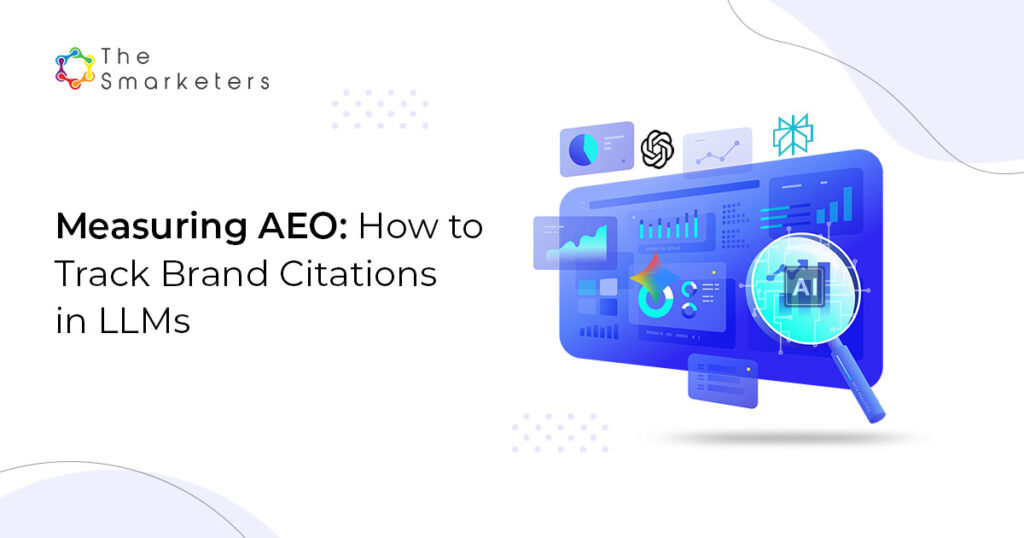
AI citation monitoring refers to the use of artificial intelligence and machine learning algorithms to automatically track, analyze, and manage mentions of your brand across the internet. Unlike traditional citation tracking, which focuses primarily on structured business listings like Yelp or Yellow Pages, AI-driven systems scan the entire digital ecosystem. This includes news articles, blog posts, social media platforms, forums, review sites, and even unstructured data like podcasts or video transcripts.
The core purpose of this technology is to identify where your brand is mentioned, assess the context of that mention, and evaluate its impact on your search engine rankings. By leveraging natural language processing (NLP), these tools can determine whether a citation is positive, negative, or neutral. They can also identify whether the mention includes a link back to your website, which is a crucial factor in off-page SEO.
The Evolution from Manual Tracking to AI-Driven Systems
In the early days of SEO, citation monitoring was a manual, time-consuming process. Marketers would use Google Alerts or simple search queries to find mentions of their brand. This approach was reactive and often missed the vast majority of citations. The volume of data generated online today makes manual tracking virtually impossible.
AI has transformed this process by introducing predictive analytics and real-time alerts. Modern AI citation monitoring tools can process millions of data points per second, identifying patterns that a human would miss. For example, an AI system can detect a sudden spike in negative sentiment across social media and alert you before it impacts your search rankings. This shift from reactive to proactive management is the defining characteristic of modern AI SEO AI Citation Monitoring.
Why AI Citation Monitoring is Crucial for Modern SEO
The connection between citations and search rankings is well-documented. Search engines like Google view citations as a form of digital endorsement. When your brand is consistently mentioned across authoritative and relevant websites, it signals to the algorithm that your business is trustworthy and established. However, not all citations are created equal, and this is where AI becomes indispensable.
Understanding the Impact on Local SEO
For local businesses, citations are the backbone of visibility. A consistent name, address, and phone number (NAP) across directories is a top-ranking factor for local pack results. AI citation monitoring ensures that your business information is consistent across every platform. If a citation contains an incorrect phone number or a misspelled street name, the AI flags it immediately. This prevents the dilution of your local ranking signals, which can happen when search engines encounter conflicting data.
The Role of Unlinked Mentions
One of the most significant advantages of AI citation monitoring is its ability to identify unlinked mentions. These are instances where your brand is mentioned but no hyperlink is attached. In traditional SEO, these were considered missed opportunities. However, with the rise of AI search engines and large language models, unlinked mentions carry substantial weight. They help AI algorithms understand the context and relevance of your brand within a specific industry. AI monitoring tools can now identify these mentions and even automate outreach to request that the publisher add a link, turning a passive mention into a powerful backlink opportunity.
Key Components of an AI Citation Monitoring System
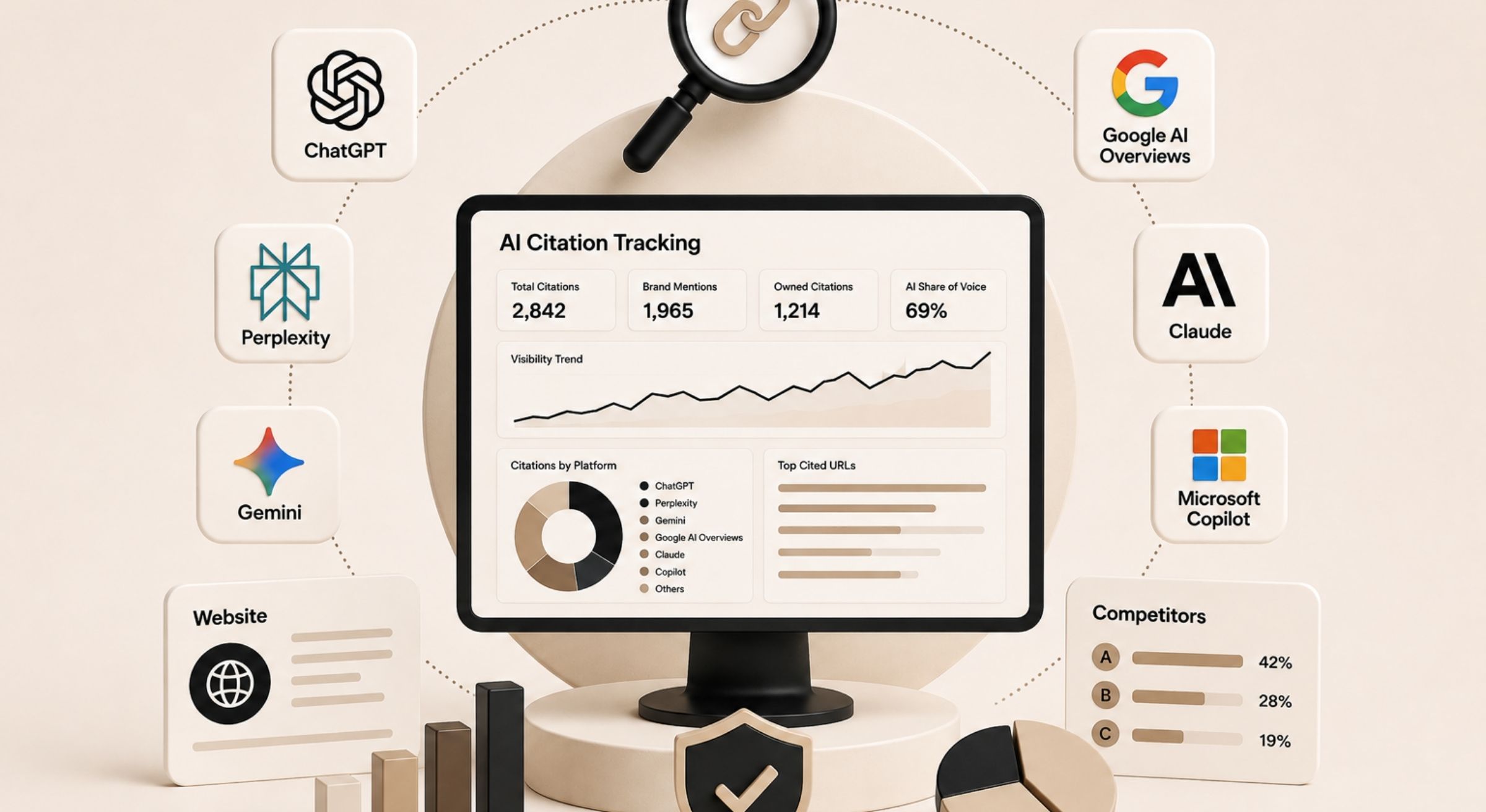
To fully leverage AI SEO AI Citation Monitoring, it is essential to understand the technology stack that powers these systems. A robust platform typically includes several integrated components that work together to provide a comprehensive view of your brand’s digital footprint.
Natural Language Processing (NLP) and Sentiment Analysis
NLP is the engine that allows AI to understand human language. In the context of citation monitoring, NLP algorithms parse the text surrounding your brand mention. They determine if the mention is part of a product review, a news story, or a forum discussion. Sentiment analysis takes this a step further by classifying the tone of the mention as positive, negative, or neutral. This data is invaluable for reputation management, allowing you to address negative feedback quickly and amplify positive sentiment.
Entity Recognition and Disambiguation
AI systems use entity recognition to distinguish between your brand and others with similar names. For example, if your company is called “Delta,” the AI must determine if a citation refers to your business, the airline, or the faucet manufacturer. Disambiguation algorithms analyze the context of the mention to ensure accurate data collection. This prevents false positives that can skew your analytics and lead to misguided SEO decisions.
Real-Time Alerting and Reporting Dashboards
An effective monitoring system provides real-time alerts. When a new citation is detected, the system notifies you immediately, allowing for rapid response. Reporting dashboards aggregate this data into actionable insights. These dashboards typically show trends in citation volume, sentiment scores, and the authority of the domains where mentions occur. This data helps you refine your digital PR strategy and identify which types of content generate the most valuable citations.
Benefits of Implementing AI Citation Monitoring
The advantages of integrating AI into your citation strategy extend far beyond simply saving time. The depth of analysis provided by AI tools offers a competitive edge that is difficult to replicate with manual processes.
- Enhanced Brand Authority: By ensuring that all citations are accurate and consistent, you build a strong, unified brand presence that search engines trust.
- Proactive Reputation Management: AI detects negative sentiment in real-time, allowing you to mitigate potential PR crises before they escalate and affect your rankings.
- Improved Link Building: Identifying unlinked mentions provides a direct pipeline for acquiring high-quality backlinks from relevant sources.
- Competitor Analysis: Advanced tools allow you to monitor your competitors’ citations, giving you insights into their strategies and helping you identify gaps in your own.
- Data-Driven Decision Making: Instead of guessing which platforms drive the most value, you can rely on hard data to allocate your marketing budget effectively.
Limitations and Challenges of AI Citation Monitoring
While the benefits are substantial, it is important to approach AI citation monitoring with a clear understanding of its limitations. No technology is perfect, and AI systems have specific challenges that users must navigate.
Contextual Nuance and Sarcasm
Despite advances in NLP, AI still struggles with certain forms of human communication. Sarcasm, irony, and cultural idioms can be misinterpreted by sentiment analysis algorithms. A review that says “Great, another delayed shipment” might be classified as positive because of the word “great,” when in reality it is highly negative. This is why human oversight remains a critical component of any AI monitoring strategy.
Data Privacy and Compliance
Monitoring the web for brand mentions involves processing vast amounts of data, some of which may be subject to privacy regulations like GDPR. Ensuring that your monitoring practices comply with these laws is essential. AI tools must be configured to handle data ethically, and you must be transparent about how you use the information collected.
The Cost of Advanced Tools
High-end AI citation monitoring platforms can be expensive. For small businesses or startups, the cost may be prohibitive. However, many tools offer tiered pricing, and the ROI from preventing a single negative viral story or acquiring a high-authority backlink often justifies the investment.
AI Citation Monitoring vs. Traditional Citation Tracking
Understanding the difference between traditional and AI-driven approaches is essential for selecting the right strategy for your business. The table below highlights the key distinctions.
| Feature | Traditional Citation Tracking | AI Citation Monitoring |
|---|---|---|
| Data Sources | Structured directories (Yelp, Yellow Pages) | All web sources including social media, news, forums, and audio/video |
| Analysis Speed | Manual or batch processing | Real-time processing and alerts |
| Sentiment Analysis | Not available | Advanced NLP for tone and context |
| Error Detection | Requires manual review | Automated flagging of NAP inconsistencies |
| Actionable Insights | Basic lists of mentions | Predictive analytics and link building opportunities |
| Scalability | Limited by human capacity | Unlimited, scales with data volume |
The table clearly illustrates that while traditional methods are useful for basic local SEO hygiene, they are insufficient for managing a brand’s reputation in the age of AI search. The depth and speed of AI monitoring provide a comprehensive view that is necessary for competitive advantage.
Practical Implementation: How to Set Up AI Citation Monitoring
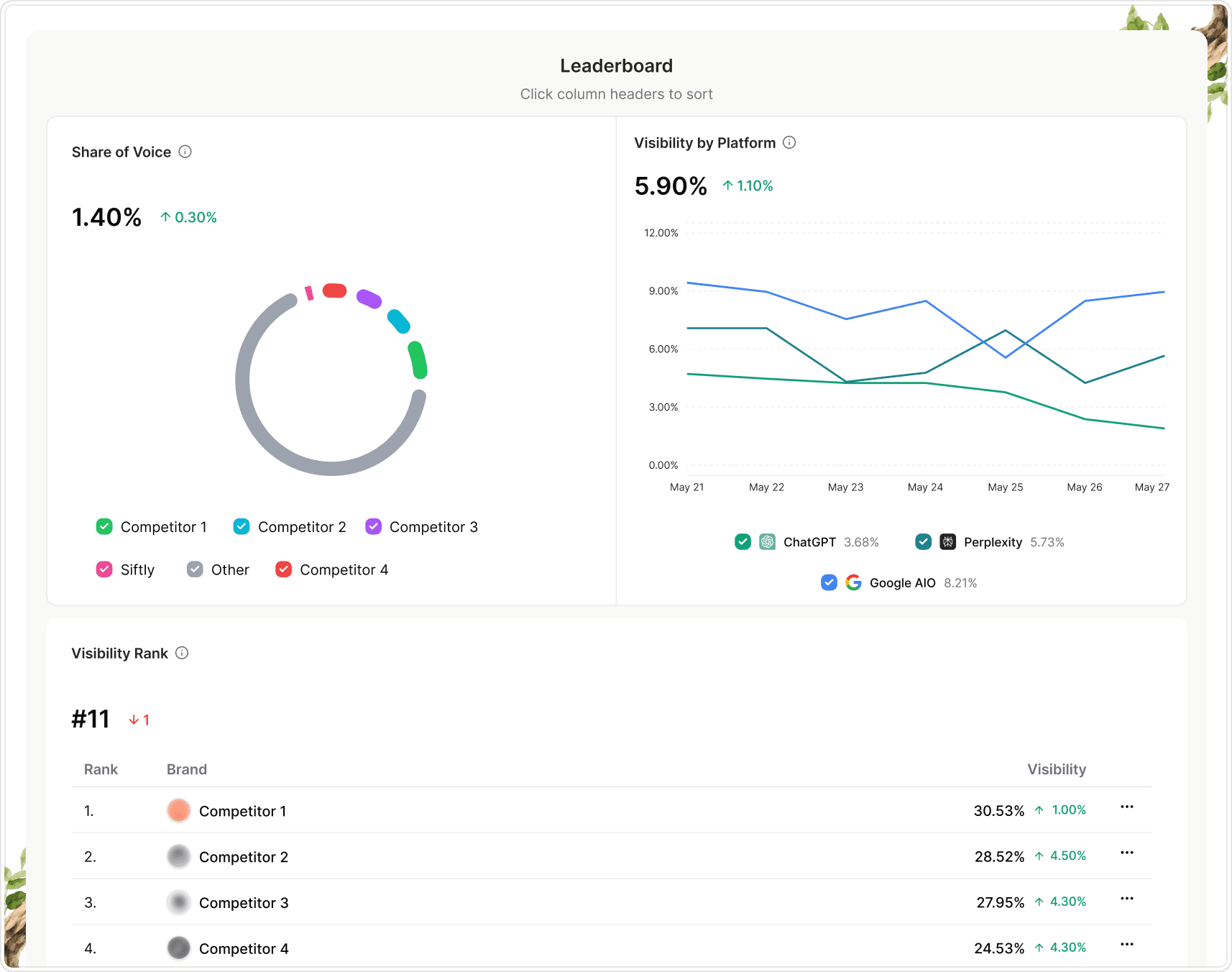
Implementing an AI citation monitoring strategy involves more than just purchasing a software subscription. It requires a structured approach to ensure you are collecting the right data and acting on it effectively.
Step 1: Define Your Brand’s Core Entities
Before you start monitoring, you must define what the AI should look for. This includes your brand name, product names, key personnel, and even common misspellings of your brand. Providing a comprehensive list of entities ensures that the AI can accurately identify all relevant mentions.
Step 2: Select the Right Tool
There are numerous AI citation monitoring tools available, each with its own strengths. Some popular options include Brand24, Mention, and Semrush. When selecting a tool, consider your budget, the size of your brand, and the specific features you need. For example, if you are a local business, you may prioritize tools that specialize in directory consistency. If you are a global brand, you may need tools with robust sentiment analysis and multi-language support.
Step 3: Configure Alerts and Thresholds
To avoid alert fatigue, configure your system to notify you only about significant changes. Set thresholds for sentiment scores and citation volume. For instance, you may want an immediate alert if sentiment drops by 20% in a single day, but only a daily digest for new positive mentions. This ensures that you are responsive to crises without being overwhelmed by noise.
Step 4: Integrate with Your SEO Workflow
Citation monitoring should not exist in a silo. Integrate the data with your broader SEO and content marketing tools. Use the insights to inform your content strategy, identify new link building targets, and adjust your digital PR pitches. The goal is to create a feedback loop where citation data continuously improves your overall SEO performance.
Common Mistakes in AI Citation Monitoring and How to Avoid Them
Even with advanced technology, brands often make critical errors that undermine their citation strategy. Being aware of these pitfalls is the first step to avoiding them.
Ignoring the “Noise” of Irrelevant Mentions
One of the most common mistakes is failing to filter out irrelevant mentions. If your brand name is a common word, you will receive alerts for mentions that have nothing to do with your business. This wastes time and can lead to incorrect data analysis. Use the disambiguation features of your AI tool to filter out irrelevant noise and focus only on mentions that matter.
Focusing Solely on Volume, Not Quality
Many marketers celebrate a high volume of citations, but this is a vanity metric. A hundred mentions on low-authority, spammy websites are far less valuable than five mentions on high-authority industry publications. Your AI monitoring should prioritize the domain authority of the citing source. Focus your efforts on building relationships with high-quality publishers rather than chasing volume.
Neglecting the “Unlinked” Opportunity
As mentioned earlier, unlinked mentions are a goldmine for link building. A common mistake is to ignore these mentions because they do not directly pass link equity. However, with the rise of AI search, these mentions build contextual relevance. Always have a workflow in place to reach out to webmasters and request that they convert an unlinked mention into a hyperlink.
Failing to Act on Negative Sentiment Quickly
The speed of AI monitoring is only useful if you act on it. A negative review or a critical news article can go viral within hours. If you do not respond quickly, the negative sentiment can compound and affect your search rankings. Establish a crisis communication plan that outlines who is responsible for responding to negative citations and what the protocol is.
Important Notes on Data Accuracy and Ethics

When using AI for citation monitoring, it is crucial to maintain a high standard of data ethics. The information you collect about your customers and their opinions is sensitive. Ensure that your monitoring practices are transparent and that you are not using the data to manipulate or deceive consumers. Furthermore, always verify the accuracy of the AI’s findings. AI is a tool to assist human decision-making, not replace it. A final human review of critical citations is essential to ensure that your response is appropriate and empathetic.
Frequently Asked Questions (FAQ)
What is the difference between a citation and a backlink?
A citation is any mention of your business on the web, whether or not it includes a link. A backlink is a specific type of citation that includes a hyperlink pointing to your website. Both are important for SEO, but they serve different purposes. Citations build brand awareness and local relevance, while backlinks directly pass authority and improve page rankings.
How does AI improve the accuracy of citation data?
AI improves accuracy through natural language processing and entity disambiguation. It can understand the context of a mention, distinguish between brands with similar names, and detect inconsistencies in your NAP data across thousands of directories. This reduces false positives and ensures that your analytics reflect the true state of your brand’s online presence.
Can AI citation monitoring help with voice search optimization?
Yes, it can. Voice search relies heavily on AI and natural language understanding. When your brand is consistently cited in a clear, contextual manner across the web, it helps AI assistants like Siri or Google Assistant understand what your brand is and when to recommend it. Monitoring these citations ensures that the data used by voice assistants is accurate and positive.
Is AI citation monitoring suitable for small businesses?
Absolutely. While enterprise-level tools can be expensive, many affordable options are designed specifically for small businesses. These tools focus on local SEO, ensuring that your NAP is consistent across all major directories. This is often the most cost-effective way for a small business to improve its local search visibility and compete with larger brands.
How often should I check my citation monitoring reports?
You should check your real-time alerts immediately, as they are designed for urgent issues like a PR crisis. For comprehensive reports and trend analysis, a weekly or bi-weekly review is generally sufficient. This allows you to spot emerging patterns without becoming overwhelmed by daily fluctuations in data.
Conclusion
AI SEO AI Citation Monitoring is no longer a luxury; it is a necessity for any brand serious about its search engine visibility and online reputation. The shift from manual tracking to AI-driven analysis represents a fundamental change in how we approach digital authority. By leveraging natural language processing, sentiment analysis, and real-time data, brands can move from a reactive stance to a proactive strategy that protects and enhances their digital footprint.
The key to success lies in understanding that AI is a powerful assistant, not a replacement for human judgment. The technology provides the data and insights, but it is up to you to interpret that data, craft appropriate responses, and build meaningful relationships with the publishers and platforms that cite your brand. By integrating AI citation monitoring into your broader SEO strategy, you ensure that your brand is not only seen but also trusted and recommended across the vast, dynamic landscape of the internet.
Xem thêm:
- AI SEO Database Optimization: The Complete Guide to Smarter Data-Driven Rankings
- Mastering the AI SEO SEO Automation Process: A Complete Guide to Scaling Organic Growth
- AI SEO Content Depth: The Complete Guide to Outranking Thin Content
- The Best AI SEO Certification for Future-Proofing Your Digital Marketing Career in 2025
- AI SEO Intent Detection: The Complete Guide to Understanding Search Intent at Scale
Bài viết cùng chủ đề:

AI SEO SEO Automation with Make: The Complete Workflow Guide

AI SEO SEO Automation with Zapier: The Complete Workflow Guide

AI SEO SEO Automation with n8n: The Complete Workflow Guide
AI SEO SEO Automation with Gemini: The Complete Guide to Scaling Organic Growth

AI SEO SEO Automation with Claude: The Complete Guide to Scaling Content in 2025

AI SEO SEO Automation with ChatGPT: The Complete Playbook for 2025

AI SEO & SEO Automation for Affiliate Sites: The 2025 Playbook for Passive Income Growth
AI SEO & SEO Automation for Bloggers: The Complete Guide to Scaling Your Content

AI SEO & SEO Automation for Agencies: The Complete 2025 Playbook

AI SEO and SEO Automation for Ecommerce: The Complete Playbook for 2025

AI SEO & SEO Automation for WordPress: The Complete Playbook for 2025
AI SEO SEO Automation Strategy: The Complete Playbook for 2025

Mastering the AI SEO SEO Automation Process: A Complete Guide to Scaling Organic Growth
AI SEO SEO Automation System: The Complete Guide to Scaling Organic Growth in 2025
AI SEO SEO Automation Platform: The Complete Guide to Scaling Organic Growth in 2025
AI SEO SEO Automation Software: The Complete Guide to Scaling Organic Growth in 2025















