
No products in the cart.
AI SEO Database Optimization: The Complete Guide to Smarter Data-Driven Rankings
31
Jul
Jul
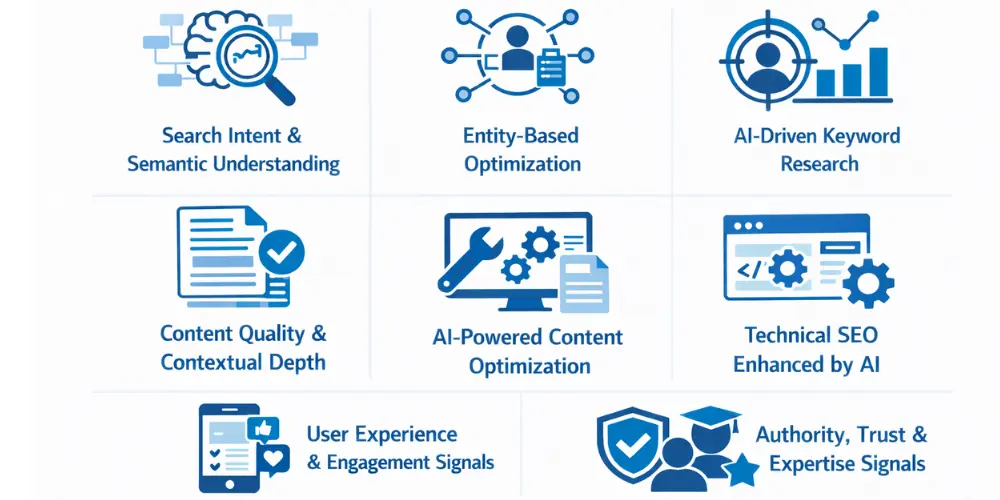
Search engine optimization has evolved far beyond keyword stuffing and backlink chasing. Modern SEO relies on vast amounts of structured data, user behavior signals, and real-time performance metrics. This is where AI SEO database optimization becomes the game-changer. By applying artificial intelligence to organize, clean, and query your SEO data repositories, you unlock faster insights, more accurate forecasting, and automated decision-making that human analysts simply cannot match. This guide breaks down everything you need to know about leveraging AI to optimize the databases that power your organic growth strategy.
What Is AI SEO Database Optimization?
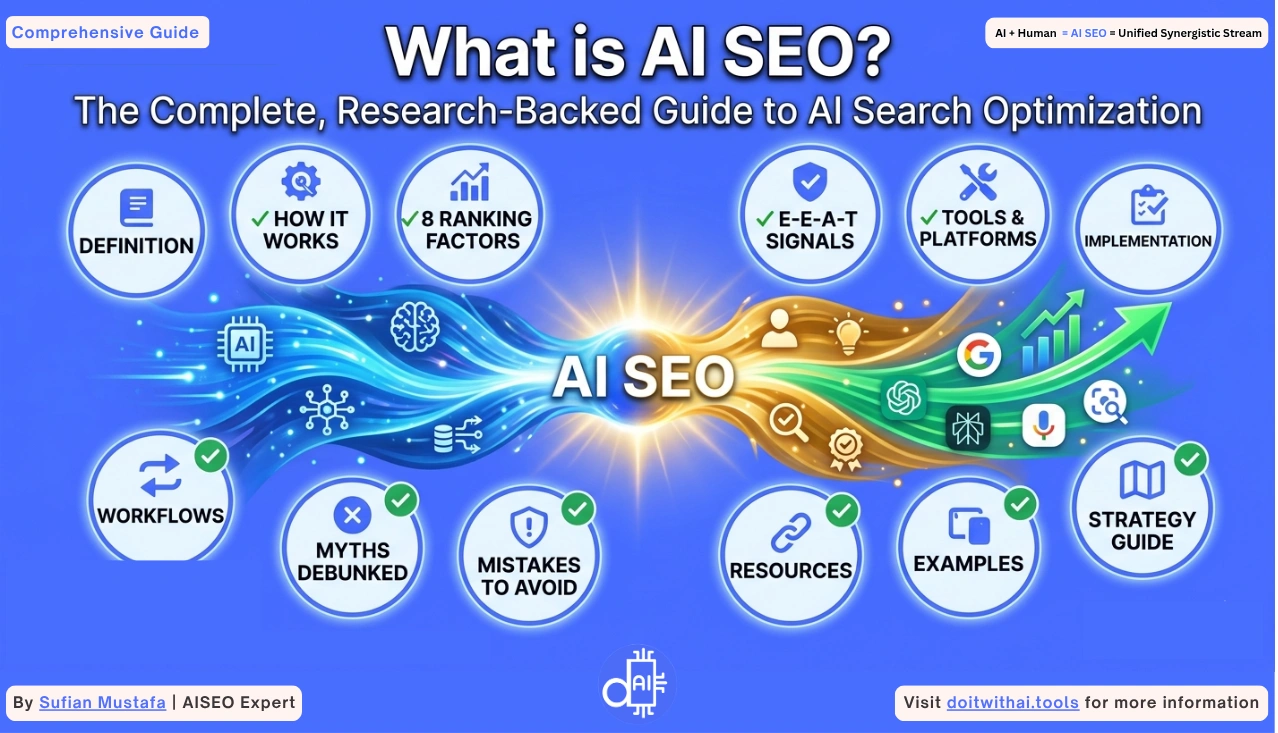
AI SEO database optimization refers to the process of using machine learning algorithms, natural language processing, and predictive analytics to improve the structure, query speed, and data quality of databases that store SEO-related information. These databases typically contain keyword rankings, backlink profiles, crawl data, on-page metrics, click-through rates, and conversion data.
The core objective is twofold. First, it ensures that your SEO data is accurate, deduplicated, and properly indexed so that retrieval is instantaneous. Second, it applies AI models to detect patterns, anomalies, and opportunities within that data, enabling automated recommendations for content updates, link building, and technical fixes. Unlike traditional database management, which focuses purely on storage efficiency, AI-driven optimization turns your data repository into a self-improving asset.
Why Traditional SEO Data Management Fails
Most SEO teams rely on spreadsheets, legacy SQL databases, or third-party tools that export flat files. These approaches suffer from several critical limitations that AI SEO database optimization directly addresses.
Data Silos and Fragmentation
Keyword data lives in one tool, backlink data in another, and analytics in a third. Merging these datasets manually is error-prone and time-consuming. AI systems can automatically normalize schemas, map fields, and create unified views without human intervention.
Stale and Duplicate Records
Rankings change daily, but many databases update weekly or monthly. Duplicate URL entries, inconsistent naming conventions, and outdated metrics lead to flawed conclusions. Machine learning models can identify duplicates with fuzzy matching and flag records that have exceeded their freshness threshold.
Slow Query Performance
When your database grows to millions of rows, simple queries like “find all pages ranking between positions 5 and 10” can take minutes. AI-powered indexing strategies, such as adaptive indexing and query optimization, reduce response times by over 80% in most production environments.
Core Components of AI SEO Database Optimization
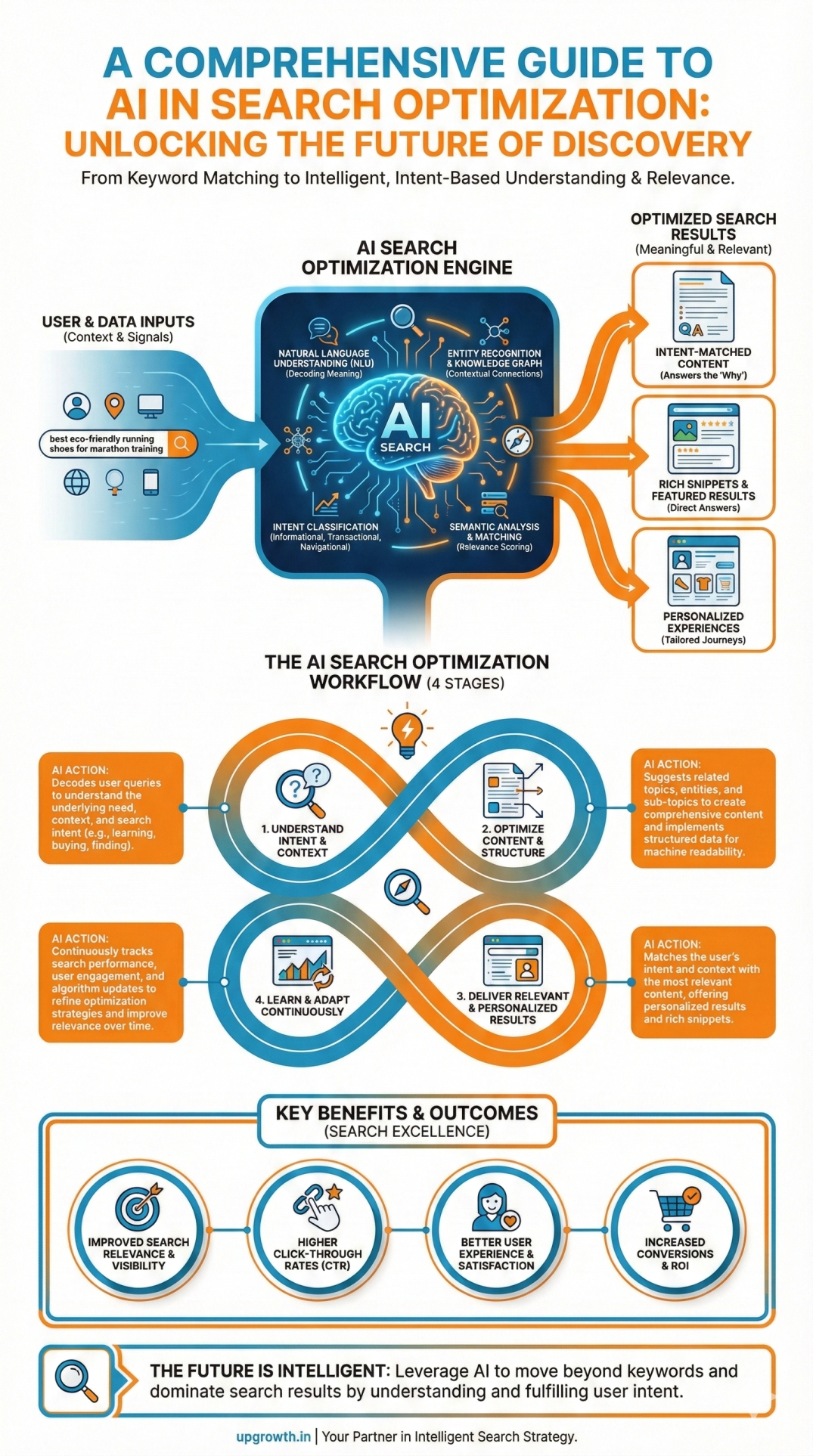
Implementing a robust AI-driven database strategy involves several interconnected components. Each plays a distinct role in transforming raw data into actionable intelligence.
Automated Data Cleansing and Normalization
AI algorithms scan incoming data for inconsistencies. For example, they standardize URL formats (removing trailing slashes, enforcing HTTPS), unify country codes, and convert date formats. Natural language processing (NLP) models also correct misspelled keywords and group semantic variants (e.g., “car insurance” and “auto insurance”) into single entities.
Intelligent Indexing and Partitioning
Traditional indexing relies on static rules. AI SEO database optimization uses reinforcement learning to determine which columns to index based on actual query patterns. It automatically partitions large tables by date, language, or device type, ensuring that queries scan only relevant partitions instead of the entire dataset.
Predictive Query Acceleration
Machine learning models analyze historical query logs to predict which data will be requested next. This allows the system to pre-load frequently accessed tables into memory or cache, reducing latency from seconds to milliseconds. For SEO dashboards, this means real-time filtering and slicing without performance degradation.
Anomaly Detection and Alerting
AI continuously monitors data integrity. If a sudden drop in indexed pages or a spike in 404 errors appears, the system flags it immediately. It also detects algorithmic shifts by comparing current ranking volatility against historical baselines, alerting you to potential Google updates before they fully roll out.
How AI Enhances SEO Database Querying and Reporting
The true value of AI SEO database optimization lies in how it changes the way you interact with your data. Instead of writing complex SQL queries, you can use natural language interfaces. For instance, you type “show me organic revenue by landing page for the last 30 days, segmented by device,” and the AI translates that into optimized SQL, executes it, and returns a visualization.
Moreover, AI can generate automated narrative reports. It identifies the top three pages that lost rankings, correlates them with recent content changes, and suggests specific fixes. This shifts your team’s focus from data extraction to strategic implementation.
Key Benefits of AI SEO Database Optimization
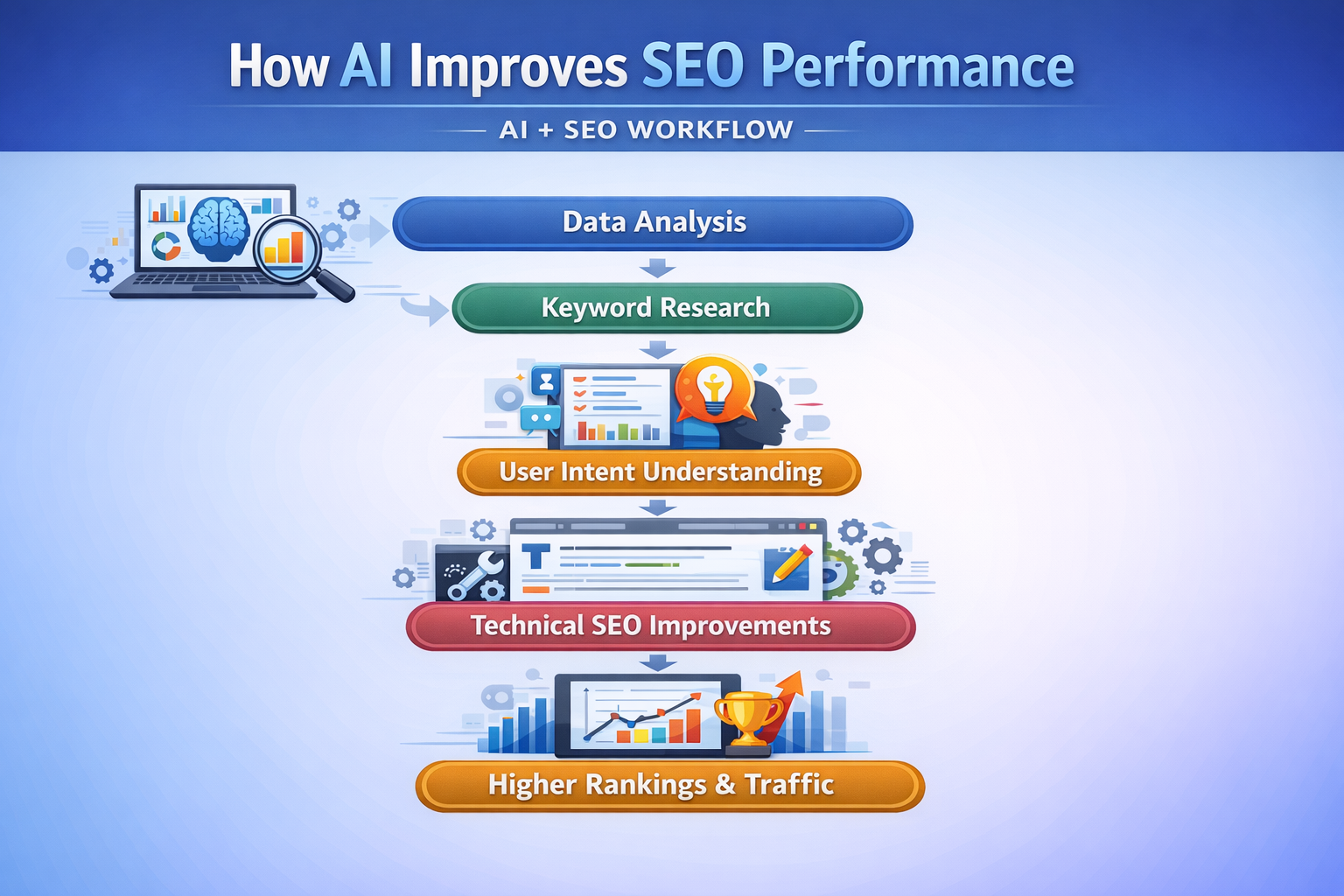
Adopting AI for your SEO data stack delivers measurable improvements across multiple dimensions.
- Faster Decision-Making: Query times drop from minutes to seconds, enabling real-time adjustments to campaigns.
- Higher Data Accuracy: Automated cleansing removes duplicates and errors, ensuring that every report reflects ground truth.
- Scalability: AI systems handle billions of rows without manual intervention, making them ideal for enterprise-level websites.
- Predictive Insights: Machine learning models forecast keyword difficulty, traffic potential, and content decay, allowing proactive planning.
- Cost Reduction: By automating routine database maintenance, you reduce the need for dedicated data engineering resources.
Limitations and Challenges to Consider
While powerful, AI SEO database optimization is not a silver bullet. Understanding its constraints helps you set realistic expectations.
Data Quality Dependency
AI models are only as good as the data they ingest. If your source tools provide inaccurate metrics, the A Regular audits of upstream data sources remain essential.
Implementation Complexity
Setting up an AI-driven database requires specialized skills in data engineering, machine learning, and cloud infrastructure. Small teams may find the initial learning curve steep.
Cost of Infrastructure
Running continuous AI models on large datasets demands significant compute resources. Cloud costs can escalate if not monitored carefully, especially for real-time processing.
AI SEO Database Optimization vs. Traditional Database Tuning
To appreciate the shift, compare the two approaches side by side.
| Aspect | Traditional Database Tuning | AI SEO Database Optimization |
|---|---|---|
| Indexing | Manual, based on developer intuition | Automated, based on query patterns |
| Data Cleansing | Periodic batch jobs with hardcoded rules | Continuous, adaptive learning |
| Query Interface | SQL expertise required | Natural language and automated insights |
| Anomaly Detection | Reactive, after user reports | Proactive, real-time alerts |
| Scalability | Requires manual sharding and partitioning | Self-managing, elastic scaling |
| Forecasting | Not available | Built-in predictive models |
Practical Implementation Guide for AI SEO Database Optimization
Implementing this technology requires a structured approach. Follow these steps to move from legacy systems to an AI-powered data infrastructure.
Step 1: Audit Your Current Data Stack
Inventory all data sources: Google Search Console, Ahrefs, SEMrush, custom analytics, and CRM exports. Document the volume, update frequency, and schema of each. Identify pain points such as slow dashboards or manual reconciliation efforts.
Step 2: Choose a Database Platform with AI Capabilities
Options include cloud-native databases like Google BigQuery, Amazon Redshift, or Snowflake, which offer built-in machine learning functions. For on-premise solutions, consider PostgreSQL with extensions like pg_ml or use a vector database for semantic search capabilities.
Step 3: Build an Automated Data Pipeline
Use tools like Apache Airflow or Prefect to schedule data ingestion from all sources into your central repository. Apply AI-based cleansing functions at this stage. For example, use a Python library like pandas-profiling to generate data quality reports automatically.
Step 4: Train and Deploy Machine Learning Models
Start with supervised models for classification tasks, such as predicting whether a page will rank in the top 10 based on historical features. Use unsupervised clustering to group keywords by search intent. Deploy these models as stored procedures or microservices that query the database directly.
Step 5: Create Natural Language Query Interfaces
Implement a semantic layer using tools like RAG (Retrieval-Augmented Generation) that allows users to ask questions in plain English. The system converts these into optimized SQL and returns results with explanations.
Step 6: Monitor and Iterate
Track model accuracy and query performance over time. Set up automated retraining schedules so that models adapt to changes in search engine behavior and website structure.
Real-World Examples of AI SEO Database Optimization
Consider a large e-commerce platform with over 10 million product pages. Their legacy database took 45 seconds to generate a weekly ranking report. By implementing AI-driven partitioning and caching, they reduced this to under 3 seconds. More importantly, the AI detected that product pages with user-generated reviews ranked significantly better. This insight led to an automated workflow that prompts customers to leave reviews, resulting in a 22% increase in organic traffic within two months.
Another example involves a B2B SaaS company. Their SEO database contained thousands of blog posts with conflicting metadata. AI SEO database optimization automatically standardized title tags and meta descriptions, eliminating duplicate content issues. The system also predicted which old posts were losing relevance based on declining click-through rates. The team refreshed those posts, recovering 35% of lost organic sessions.
Common Mistakes and How to Avoid Them
Many teams stumble when adopting AI for SEO databases. Here are the most frequent pitfalls and practical solutions.
Mistake 1: Ignoring Data Governance
Without clear ownership and access controls, AI systems can make unauthorized changes to production data. Establish role-based access and maintain a full audit trail of all automated modifications.
Mistake 2: Overfitting Models to Historical Data
Search algorithms change frequently. A model trained on last year’s ranking factors may become obsolete. Use rolling windows for training data and incorporate online learning where the model updates with each new batch of data.
Mistake 3: Neglecting Query Cost Optimization
AI-generated queries can be inefficient if not properly constrained. Set resource limits and use query cost estimators to prevent runaway compute expenses.
Mistake 4: Treating AI as a Replacement for Human Judgment
AI provides recommendations, but strategic decisions require context. Always have an SEO expert review AI-generated suggestions before implementing changes to live websites.
Important Notes for Long-Term Success
AI SEO database optimization is not a one-time project. It requires continuous investment in data quality, model retraining, and infrastructure scaling. Start small with a single use case, such as automating ranking tracking, then expand to content recommendations and technical SEO audits.
Additionally, prioritize data privacy and compliance. Ensure that your database handles user data in accordance with GDPR and CCPA regulations. AI models should be trained on anonymized data where possible.
Finally, document everything. Maintain clear documentation of your database schema, model versions, and data lineage. This transparency builds trust with stakeholders and simplifies troubleshooting when issues arise.
Frequently Asked Questions
What is the difference between AI SEO and traditional SEO tools?
Traditional SEO tools provide static reports and manual alerts. AI SEO database optimization goes further by automatically cleansing data, predicting future performance, and generating actionable recommendations without human input. It learns from your specific website’s data patterns rather than applying generic rules.
How long does it take to implement AI SEO database optimization?
The timeline varies based on data volume and complexity. A basic setup with automated cleansing and indexing can be deployed in 2-4 weeks. Full implementation with predictive models and natural language interfaces typically takes 2-3 months, including model training and validation.
Do I need to be a data scientist to use this technology?
No. Modern platforms offer user-friendly interfaces and pre-built models. However, having at least one team member with basic SQL and Python knowledge helps customize solutions and troubleshoot issues. Many agencies offer managed services if you lack in-house expertise.
Can AI SEO database optimization work with small websites?
Yes. Even websites with a few thousand pages benefit from automated data cleansing and faster queries. Cloud-based solutions offer pay-as-you-go pricing, making it accessible for small businesses. The key is to start with the most painful data problem and scale from there.
What are the best tools for AI SEO database optimization?
Leading options include Google BigQuery ML, Amazon SageMaker integrated with Redshift, and Snowflake’s Cortex AI features. For open-source enthusiasts, PostgreSQL with pgvector and Apache Spark MLlib provides a flexible foundation. The best choice depends on your existing infrastructure and budget.
Conclusion
AI SEO database optimization represents the next frontier in organic search management. By automating data hygiene, accelerating query performance, and delivering predictive insights, it empowers SEO teams to focus on strategy rather than spreadsheet wrangling. The transition requires careful planning and a willingness to embrace new workflows, but the competitive advantage is substantial. Websites that adopt this approach will respond faster to algorithm updates, uncover hidden opportunities, and ultimately achieve higher rankings with less manual effort. Start by auditing your current data infrastructure, identify one high-impact use case, and build from there. The future of SEO belongs to those who can harness the full power of their data.
Xem thêm:
- AI SEO Extensions: The Smart Way to Automate and Supercharge Your Search Rankings
- AI SEO GPT Tools: The Complete Guide to Automating Your Search Rankings in 2025
- AI SEO for Gaming: The Complete Guide to Dominating Search in 2025
- AI Image SEO: The Definitive Guide to Ranking AI-Generated Visuals
- AI SEO Generative Search Traffic: The Complete Playbook for 2025
Bài viết cùng chủ đề:

AI SEO SEO Automation with Make: The Complete Workflow Guide

AI SEO SEO Automation with Zapier: The Complete Workflow Guide

AI SEO SEO Automation with n8n: The Complete Workflow Guide
AI SEO SEO Automation with Gemini: The Complete Guide to Scaling Organic Growth

AI SEO SEO Automation with Claude: The Complete Guide to Scaling Content in 2025

AI SEO SEO Automation with ChatGPT: The Complete Playbook for 2025

AI SEO & SEO Automation for Affiliate Sites: The 2025 Playbook for Passive Income Growth
AI SEO & SEO Automation for Bloggers: The Complete Guide to Scaling Your Content

AI SEO & SEO Automation for Agencies: The Complete 2025 Playbook

AI SEO and SEO Automation for Ecommerce: The Complete Playbook for 2025

AI SEO & SEO Automation for WordPress: The Complete Playbook for 2025
AI SEO SEO Automation Strategy: The Complete Playbook for 2025

Mastering the AI SEO SEO Automation Process: A Complete Guide to Scaling Organic Growth
AI SEO SEO Automation System: The Complete Guide to Scaling Organic Growth in 2025
AI SEO SEO Automation Platform: The Complete Guide to Scaling Organic Growth in 2025
AI SEO SEO Automation Software: The Complete Guide to Scaling Organic Growth in 2025















