
No products in the cart.
AI SEO AI Citation Tracking: The Complete Guide to Mastering Digital Visibility in 2025
10
Aug
Aug
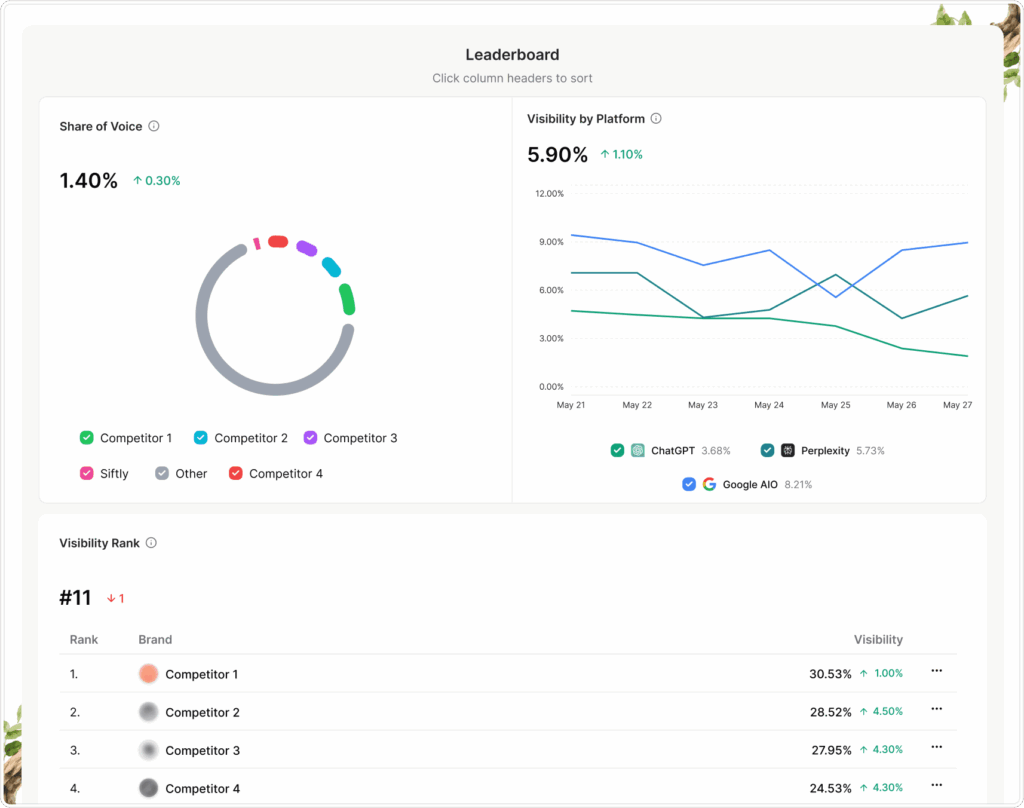
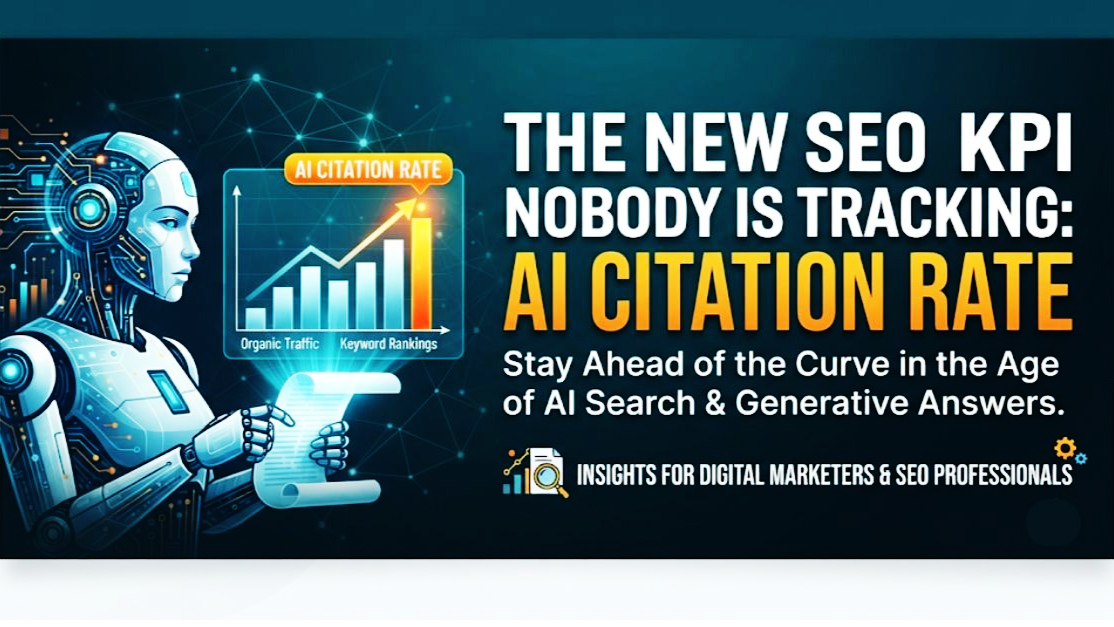
AI SEO AI citation tracking has become the cornerstone of modern digital marketing strategies. As search engines evolve with machine learning algorithms, businesses must adapt their approach to monitoring online mentions, backlinks, and brand references. This comprehensive guide explores how artificial intelligence transforms citation tracking, enabling marketers to gain unprecedented insights into their digital footprint. Understanding these systems is no longer optional for brands seeking competitive advantage in an increasingly automated search landscape.
Understanding AI SEO AI Citation Tracking
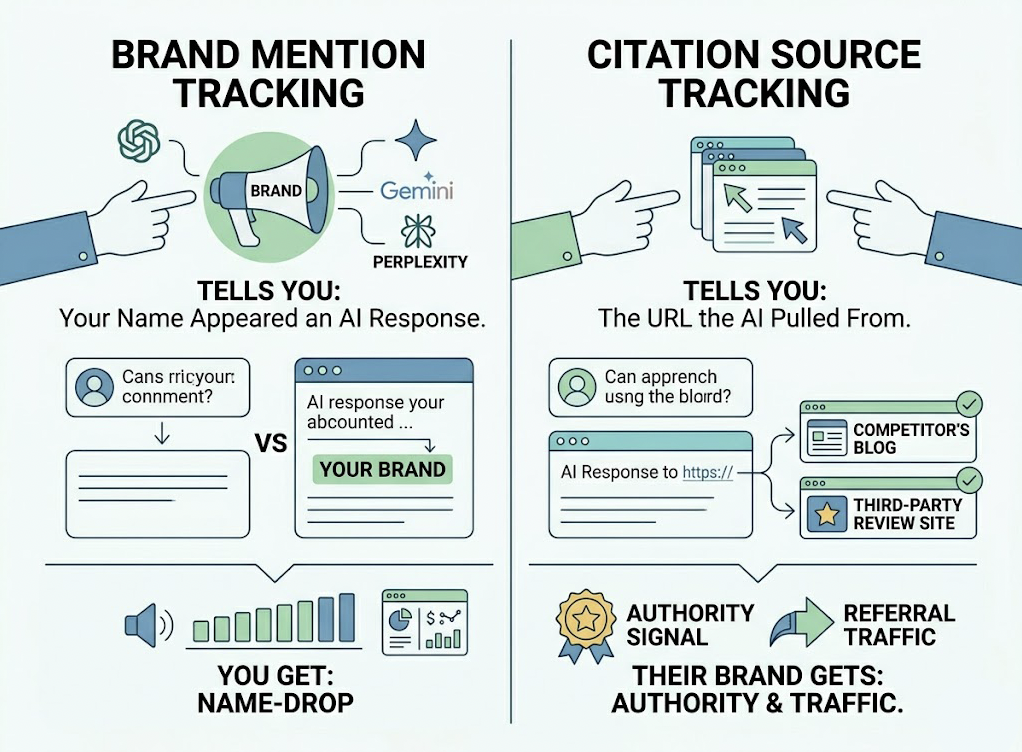
AI SEO AI citation tracking refers to the automated process of monitoring, analyzing, and managing online mentions of a brand, product, or individual across the web. Traditional citation tracking involved manually searching for brand mentions and backlinks. Modern AI-powered systems use natural language processing and machine learning to identify, categorize, and evaluate citations at scale.
The core purpose remains consistent: understanding where your brand appears online and how those appearances influence search rankings. AI enhances this process by detecting patterns, predicting citation impact, and providing actionable recommendations that human analysts might miss.
The Evolution from Manual Tracking to AI-Driven Systems
Early citation tracking relied on simple backlink checkers and manual Google searches. Marketers would spend hours cataloging mentions, checking link quality, and updating spreadsheets. This approach proved unsustainable as web content exploded and search algorithms grew more sophisticated.
Modern AI citation tracking tools process millions of data points in seconds. They identify new citations instantly, assess their authority, and integrate this information into broader SEO strategies. The shift represents a fundamental change in how brands monitor their online presence, moving from reactive reporting to proactive optimization.
How AI Citation Tracking Works
AI-powered citation tracking systems operate through several interconnected processes. Understanding these mechanisms helps marketers appreciate the technology’s capabilities and limitations.
Web Crawling and Data Collection
AI citation trackers deploy sophisticated crawlers that continuously scan websites, social media platforms, forums, news sites, and review platforms. These crawlers go beyond simple keyword matching, using semantic analysis to understand context and intent behind mentions.
The systems collect data on brand name variations, misspellings, partial matches, and even visual mentions in images and videos. This comprehensive approach ensures no citation goes undetected, regardless of format or platform.
Natural Language Processing for Context Analysis
Natural language processing enables AI systems to determine whether a citation is positive, negative, or neutral. Sentiment analysis algorithms evaluate the surrounding text, identifying emotional tone and contextual relevance. This capability transforms raw data into meaningful insights about brand perception.
Advanced systems also detect entity relationships, understanding how your brand connects to competitors, industry trends, and consumer behaviors. This contextual understanding provides strategic value beyond simple mention counting.
Machine Learning for Predictive Analytics
Machine learning algorithms analyze historical citation data to predict future trends and outcomes. These systems identify which types of citations most strongly correlate with ranking improvements, enabling marketers to prioritize high-impact opportunities.
Predictive models also forecast citation decay, alerting teams when mentions lose value or disappear entirely. This proactive approach prevents ranking drops before they occur, maintaining consistent search visibility.
Key Components of Effective AI Citation Tracking Systems
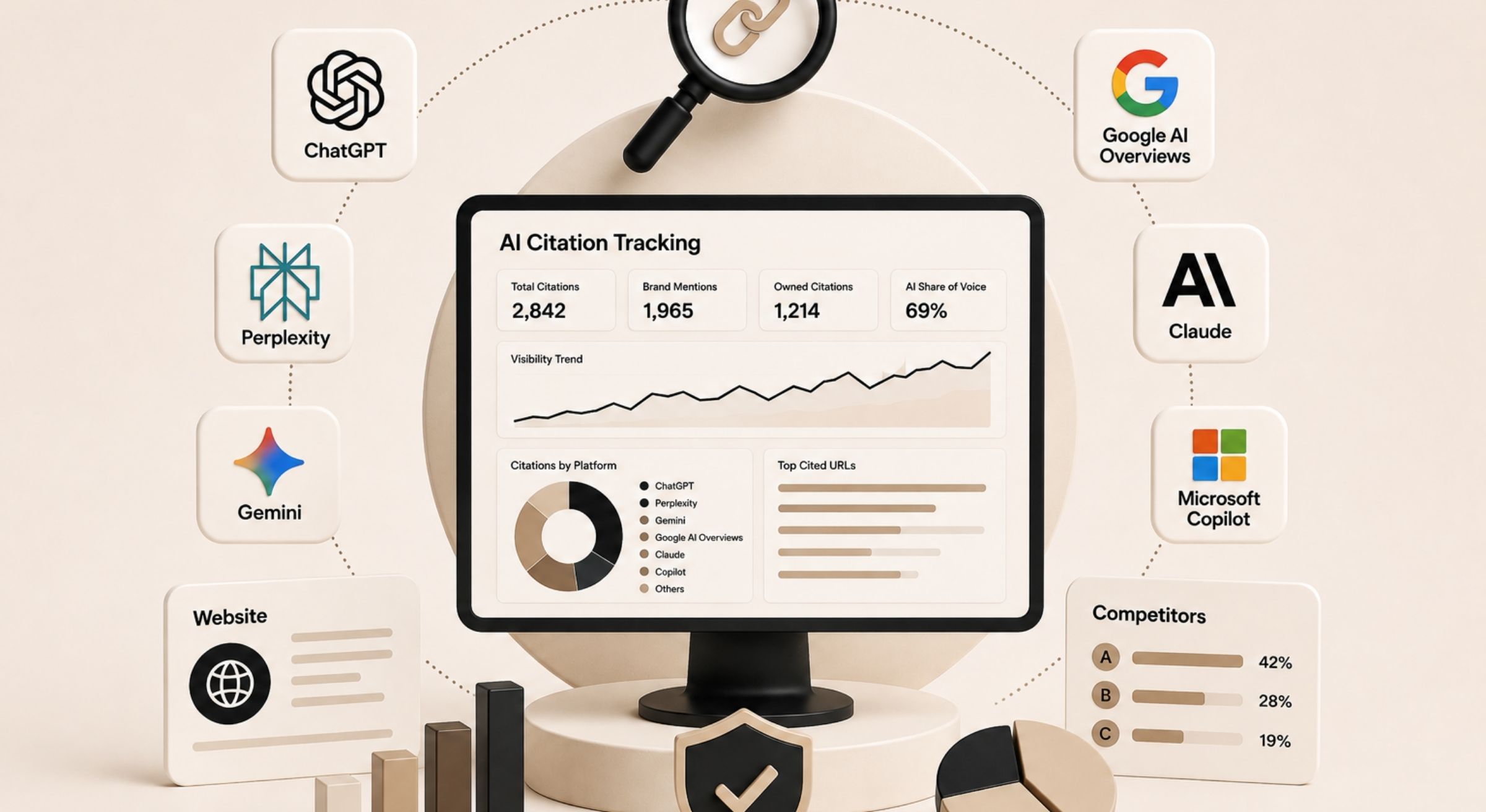
Comprehensive AI citation tracking platforms incorporate multiple features designed to address various aspects of digital visibility. Understanding these components helps organizations select the right tools for their specific needs.
Real-Time Monitoring and Alerts
Real-time monitoring capabilities provide instant notifications when new citations appear. This immediacy enables rapid response to both opportunities and potential reputation threats. Marketers can engage with positive mentions, address negative feedback, and capitalize on emerging trends without delay.
Alert systems can be customized based on citation authority, sentiment, platform, or geographic location. This granularity ensures teams focus their attention on the most impactful mentions rather than drowning in irrelevant data.
Competitor Citation Analysis
Effective AI citation tracking extends beyond monitoring your own brand. Competitive analysis features track competitor mentions, identifying gaps in their coverage and opportunities for your brand to gain visibility.
These systems compare citation volumes, authority scores, and sentiment across brands, providing benchmarks for performance evaluation. Understanding competitive positioning helps marketers allocate resources effectively and identify underserved market segments.
Integration with SEO Platforms
Modern citation tracking tools integrate seamlessly with broader SEO platforms, connecting citation data with keyword rankings, organic traffic, and conversion metrics. This integration provides a holistic view of digital performance, demonstrating the direct impact of citations on business outcomes.
API connections enable custom reporting dashboards, automated workflows, and cross-platform data synchronization. These integrations eliminate data silos and ensure all marketing decisions are informed by comprehensive, up-to-date information.
Benefits of AI-Powered Citation Tracking
Implementing AI citation tracking delivers numerous advantages that directly impact search performance and brand authority. These benefits extend across marketing, sales, and customer service functions.
| Benefit | Traditional Tracking | AI-Powered Tracking |
|---|---|---|
| Data Volume | Limited to manual discovery | Comprehensive web coverage |
| Processing Speed | Hours to days | Real-time analysis |
| Accuracy | Prone to human error | High precision with NLP |
| Insights | Basic metrics only | Predictive and prescriptive |
| Scalability | Difficult to scale | Handles unlimited data |
Improved Search Ranking Accuracy
AI citation tracking provides the data needed to understand exactly which citations influence rankings. This clarity enables marketers to focus link-building efforts on high-value opportunities, avoiding wasted resources on low-authority mentions.
The systems also identify citation gaps, revealing where competitors have coverage that your brand lacks. Filling these gaps strategically improves topical authority and search visibility across relevant queries.
Enhanced Brand Reputation Management
Real-time sentiment analysis enables immediate response to negative mentions before they escalate. AI systems detect emerging issues, allowing brands to address concerns proactively and maintain positive public perception.
Positive citation identification also supports reputation building. Brands can amplify favorable mentions, leverage them in marketing materials, and strengthen relationships with influential sources.
Data-Driven Decision Making
AI citation tracking transforms intuition-based marketing into evidence-based strategy. Comprehensive data on citation performance, competitor positioning, and market trends informs every aspect of digital marketing planning.
These insights extend beyond SEO, influencing content creation, public relations, partnership development, and customer experience initiatives. The result is a more cohesive, effective marketing operation.
Limitations and Challenges of AI Citation Tracking
While AI citation tracking offers substantial benefits, understanding its limitations ensures realistic expectations and appropriate implementation strategies.
Data Privacy and Compliance Concerns
Web scraping and data collection raise privacy concerns, particularly with evolving regulations like GDPR and CCPA. Citation tracking systems must navigate complex legal requirements while maintaining comprehensive coverage.
Organizations must ensure their tracking practices comply with applicable laws and industry standards. This compliance adds complexity and may limit data collection in certain jurisdictions.
Algorithm Accuracy and False Positives
Despite advances in natural language processing, AI systems occasionally misinterpret context or identify false citations. Homonyms, sarcasm, and cultural nuances can confuse sentiment analysis algorithms.
Ongoing human oversight remains necessary to validate AI findings and address edge cases. The most effective systems combine AI efficiency with human judgment for optimal accuracy.
Cost and Resource Requirements
Advanced AI citation tracking platforms require significant financial investment. Subscription costs, implementation expenses, and training requirements may exceed budgets for smaller organizations.
Additionally, deriving maximum value from these systems requires skilled personnel who can interpret data and translate insights into action. This expertise commands premium compensation in the competitive marketing job market.
Practical Implementation Guide for AI Citation Tracking
Successfully implementing AI citation tracking requires careful planning and execution. Following a structured approach maximizes return on investment and minimizes disruption to existing operations.
Step 1: Define Clear Objectives
Begin by identifying specific goals for citation tracking. Common objectives include improving local search rankings, monitoring brand sentiment, identifying link-building opportunities, or tracking competitor activity. Clear objectives guide tool selection and performance evaluation.
Establish baseline metrics before implementation to enable accurate measurement of progress. Document current citation counts, ranking positions, and traffic levels for comparison.
Step 2: Select Appropriate Tools
Evaluate citation tracking platforms based on your specific needs, budget, and technical capabilities. Consider factors such as data coverage, analysis features, integration options, and user interface.
Request demonstrations and trial periods to assess usability and effectiveness. Involve team members who will use the system daily in the evaluation process to ensure practical suitability.
Step 3: Configure Monitoring Parameters
Set up comprehensive monitoring parameters including brand name variations, product names, key personnel, and relevant industry terms. Configure alerts based on citation importance, sentiment, and platform.
Establish geographic and language filters to focus on relevant markets. Adjust settings based on initial results, refining parameters to reduce noise and improve signal quality.
Step 4: Integrate with Existing Systems
Connect citation tracking data with your SEO platform, analytics tools, and CRM systems. This integration enables comprehensive reporting and automated workflows.
Develop custom dashboards that present citation data alongside other performance metrics. Ensure stakeholders at all levels can access and understand the information relevant to their roles.
Step 5: Establish Response Protocols
Create clear procedures for responding to different types of citations. Define who handles positive mentions, negative feedback, misinformation, and partnership opportunities.
Develop templates for common responses while allowing customization for specific situations. Establish escalation paths for critical issues requiring immediate attention.
Common Mistakes in AI Citation Tracking
Avoiding common pitfalls ensures your citation tracking efforts deliver maximum value. Awareness of these mistakes helps organizations implement more effective strategies.
Focusing on Quantity Over Quality
Many marketers celebrate high citation volumes without considering authority and relevance. A single mention on a high-authority industry publication often outweighs dozens of low-quality directory listings.
Prioritize citations from reputable, relevant sources that align with your brand positioning. Evaluate citation quality based on domain authority, topical relevance, and audience alignment.
Ignoring Unlinked Mentions
Brand mentions without hyperlinks still contribute to brand awareness and can influence search algorithms. Modern search engines recognize entity-based relevance beyond traditional backlinks.
Track unlinked mentions and develop strategies to convert valuable ones into linked citations. Outreach to content creators can secure backlinks from existing positive mentions.
Neglecting Local Citation Consistency
For local businesses, consistent Name, Address, Phone number (NAP) information across citations is critical. Inconsistent data confuses search engines and undermines local ranking efforts.
Regularly audit citations for accuracy and consistency. Use citation management tools to update information across multiple platforms simultaneously.
Failing to Act on Insights
Collecting citation data without taking action provides no value. Many organizations invest in sophisticated tracking systems but fail to translate insights into strategic decisions.
Establish regular review processes where citation data informs content strategy, outreach efforts, and reputation management. Assign accountability for acting on identified opportunities and threats.
Important Notes for Maximizing AI Citation Tracking Value
Several considerations enhance the effectiveness of AI citation tracking initiatives. Paying attention to these details differentiates successful programs from mediocre ones.
- Regularly update brand monitoring parameters to reflect new products, campaigns, and terminology
- Combine citation data with other SEO metrics for comprehensive performance analysis
- Train team members on proper interpretation and application of citation insights
- Review and adjust tracking strategies quarterly to align with evolving business objectives
- Document citation-related wins and challenges to build institutional knowledge
Maintaining flexibility in your approach allows adaptation to changing search algorithms and market conditions. The digital landscape evolves rapidly, and citation tracking strategies must evolve accordingly.
Future Trends in AI Citation Tracking
Emerging technologies promise to further transform citation tracking capabilities. Staying informed about these developments positions organizations to leverage new opportunities.
Voice Search and Conversational AI
Voice search growth creates new citation types in audio content and conversational interfaces. AI systems are developing capabilities to identify and analyze brand mentions in podcasts, voice assistants, and video content.
These developments require new tracking methodologies and evaluation criteria. Organizations should prepare for expanded citation monitoring across diverse content formats.
Visual Citation Recognition
Computer vision technology enables identification of brand mentions in images, logos, and video content. This capability extends citation tracking beyond text-based analysis.
Visual citations often carry significant brand exposure value. Tracking these mentions provides a more complete picture of brand visibility across digital channels.
Predictive Citation Modeling
Advanced machine learning models will increasingly predict citation outcomes before implementation. These systems forecast which content types, platforms, and messaging will generate the most valuable citations.
Predictive capabilities enable proactive strategy rather than reactive response. Marketers can optimize campaigns before launch based on predicted citation performance.
Frequently Asked Questions About AI SEO AI Citation Tracking
What is the difference between citations and backlinks?
Citations refer to any mention of your brand online, whether or not they include a hyperlink. Backlinks are specific citations that include a clickable link to your website. Both contribute to SEO, but backlinks directly pass link equity while unlinked citations build brand awareness and entity recognition.
How does AI improve citation tracking accuracy?
AI systems use natural language processing to understand context, sentiment, and entity relationships. This understanding enables more accurate identification of relevant mentions, reduces false positives, and provides deeper insights than simple keyword matching. Machine learning algorithms continuously improve accuracy based on feedback and new data.
What citation tracking metrics matter most?
Key metrics include citation volume, citation authority, sentiment distribution, geographic coverage, and competitor comparisons. More advanced metrics include citation velocity, topical relevance, and conversion attribution. The most important metrics depend on your specific business objectives and industry context.
How often should citation data be reviewed?
Real-time monitoring provides immediate alerts for critical mentions. Comprehensive data review should occur at least weekly, with deeper strategic analysis monthly or quarterly. Regular review ensures timely response to opportunities and threats while enabling trend identification.
Can small businesses benefit from AI citation tracking?
Yes, small businesses benefit significantly from AI citation tracking. These systems identify local citation opportunities, monitor review platforms, and track competitor activity. Many platforms offer scaled pricing suitable for smaller operations, making advanced tracking accessible to organizations of all sizes.
Conclusion
AI SEO AI citation tracking represents a fundamental advancement in how brands understand and manage their digital presence. The integration of artificial intelligence transforms citation monitoring from a tedious manual process into a strategic intelligence function that drives measurable business results.
Organizations that embrace AI-powered citation tracking gain competitive advantages through comprehensive visibility, predictive insights, and rapid response capabilities. The technology continues evolving, promising even greater capabilities in the coming years.
Successful implementation requires clear objectives, appropriate tool selection, and consistent action on insights. Avoiding common mistakes and staying informed about emerging trends ensures sustained value from citation tracking investments.
The digital landscape grows increasingly complex, but AI citation tracking provides the clarity needed to navigate it effectively. Brands that master this discipline position themselves for lasting search visibility and market leadership.
Xem thêm:
- AI SEO SEO Automation with Claude: The Complete Guide to Scaling Content in 2025
- AI SEO Automated SEO Monitoring: The Complete Guide to 24/7 Rank Tracking
- AI SEO No Code Automation: The Complete Guide to Scaling Organic Growth Without Developers
- AI SEO NLP Content Analysis: The Complete Guide to Smarter Content Optimization
- AI SEO Monitoring Workflow: The Complete Guide to Automated Rank Tracking and Performance Analysis
Bài viết cùng chủ đề:

AI SEO SEO Automation with Make: The Complete Workflow Guide

AI SEO SEO Automation with Zapier: The Complete Workflow Guide

AI SEO SEO Automation with n8n: The Complete Workflow Guide
AI SEO SEO Automation with Gemini: The Complete Guide to Scaling Organic Growth

AI SEO SEO Automation with Claude: The Complete Guide to Scaling Content in 2025

AI SEO SEO Automation with ChatGPT: The Complete Playbook for 2025

AI SEO & SEO Automation for Affiliate Sites: The 2025 Playbook for Passive Income Growth
AI SEO & SEO Automation for Bloggers: The Complete Guide to Scaling Your Content

AI SEO & SEO Automation for Agencies: The Complete 2025 Playbook

AI SEO and SEO Automation for Ecommerce: The Complete Playbook for 2025

AI SEO & SEO Automation for WordPress: The Complete Playbook for 2025
AI SEO SEO Automation Strategy: The Complete Playbook for 2025

Mastering the AI SEO SEO Automation Process: A Complete Guide to Scaling Organic Growth
AI SEO SEO Automation System: The Complete Guide to Scaling Organic Growth in 2025
AI SEO SEO Automation Platform: The Complete Guide to Scaling Organic Growth in 2025
AI SEO SEO Automation Software: The Complete Guide to Scaling Organic Growth in 2025















