
No products in the cart.
AI SEO Automated SEO Monitoring: The Complete Guide to 24/7 Rank Tracking
10
Aug
Aug
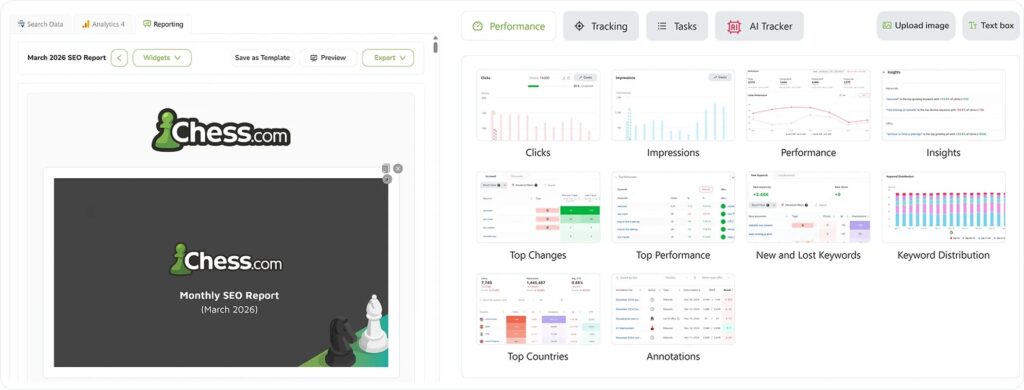
AI SEO automated SEO monitoring has transformed how digital marketing teams track search performance. Instead of manual rank checks and spreadsheet updates, modern systems use machine learning to detect ranking fluctuations, algorithm updates, and competitor movements in real time. This guide explains everything from core concepts to practical implementation, helping you build a monitoring stack that catches issues before they impact revenue.
What Is AI SEO Automated SEO Monitoring?
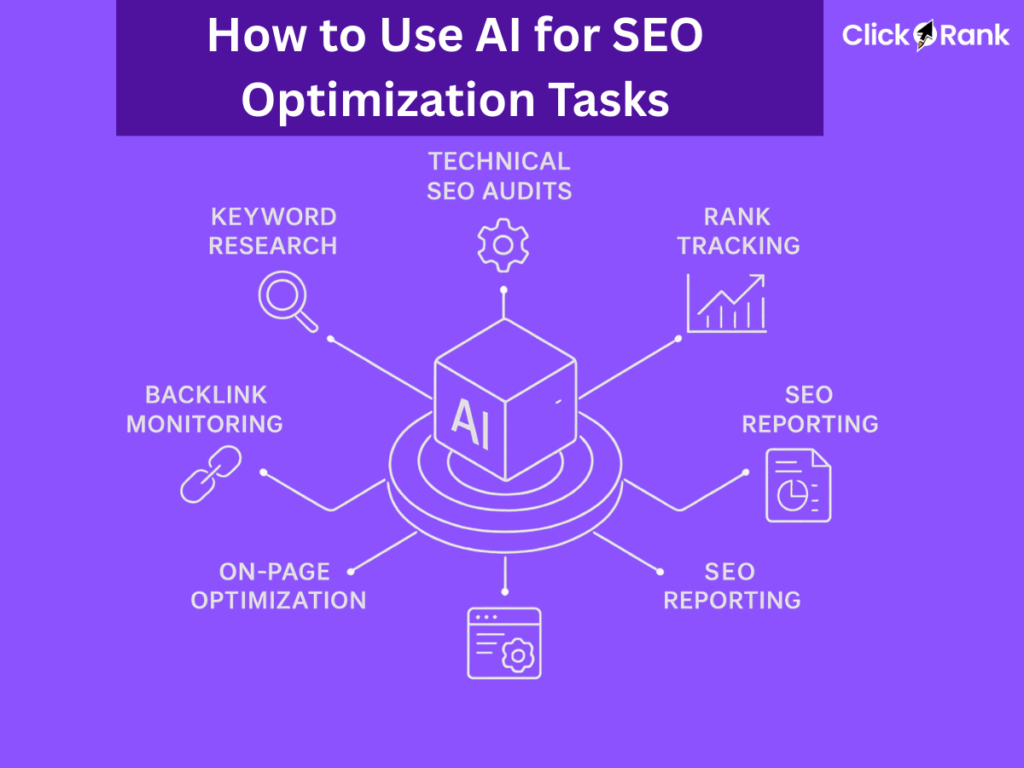
AI SEO automated SEO monitoring refers to software systems that continuously track search engine rankings, website visibility, and organic traffic patterns using artificial intelligence. These platforms replace manual rank checking with automated crawlers, natural language processing, and predictive analytics. The core function is to alert you the moment something changes—whether that is a keyword drop, a technical crawl error, or a competitor gaining ground.
Traditional SEO monitoring involved weekly manual checks of keyword positions. AI-powered systems go further by analyzing search engine results pages (SERPs) across multiple locations, devices, and languages simultaneously. They learn from historical data to distinguish between normal ranking volatility and genuine problems requiring immediate attention.
How AI Enhances Traditional SEO Monitoring
Standard rank trackers simply report where your page appears for a given keyword. AI systems add layers of intelligence that make the data actionable. Here are the key differences:
- Anomaly detection: AI identifies unusual ranking patterns that might indicate a Google algorithm update or a manual penalty
- Predictive insights: Machine learning models forecast traffic based on current ranking trends and seasonality
- Competitor analysis: Automated systems track competitor content changes, backlink acquisition, and SERP feature ownership
- Natural language processing: AI understands search intent shifts by analyzing query patterns and content relevance
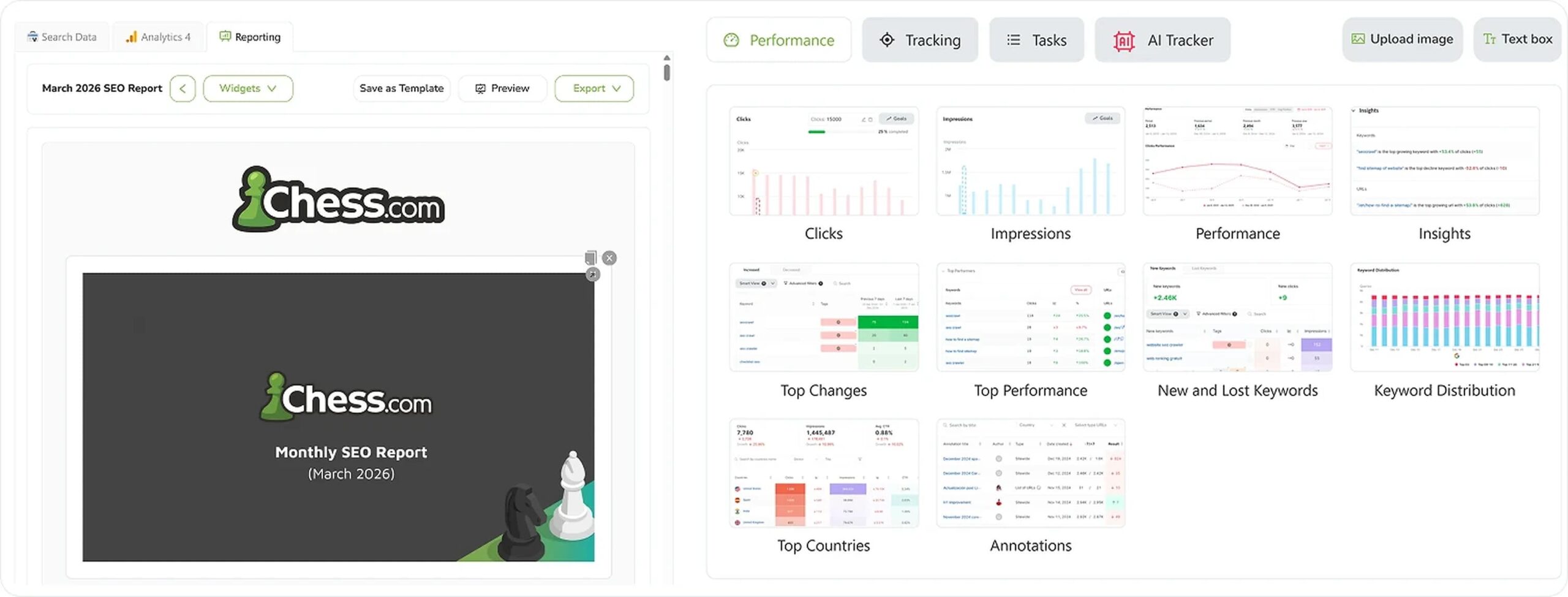
- Automated reporting: Systems generate plain-language summaries explaining what changed and why it matters
- Data privacy: Ensure your monitoring tool complies with GDPR and other data protection regulations
- API limits: Be aware of rate limits when integrating with Google Search Console or other data sources
- Historical context: AI models need historical data to make accurate predictions. The longer you run the system, the better it becomes
- Seasonality: Account for seasonal trends in your industry. A ranking drop during a holiday period might be normal
- Cross-device tracking: Monitor rankings on mobile and desktop separately, as they can differ significantly
- International SEO: If you target multiple countries, track rankings for each location separately
Core Components of an AI SEO Monitoring System
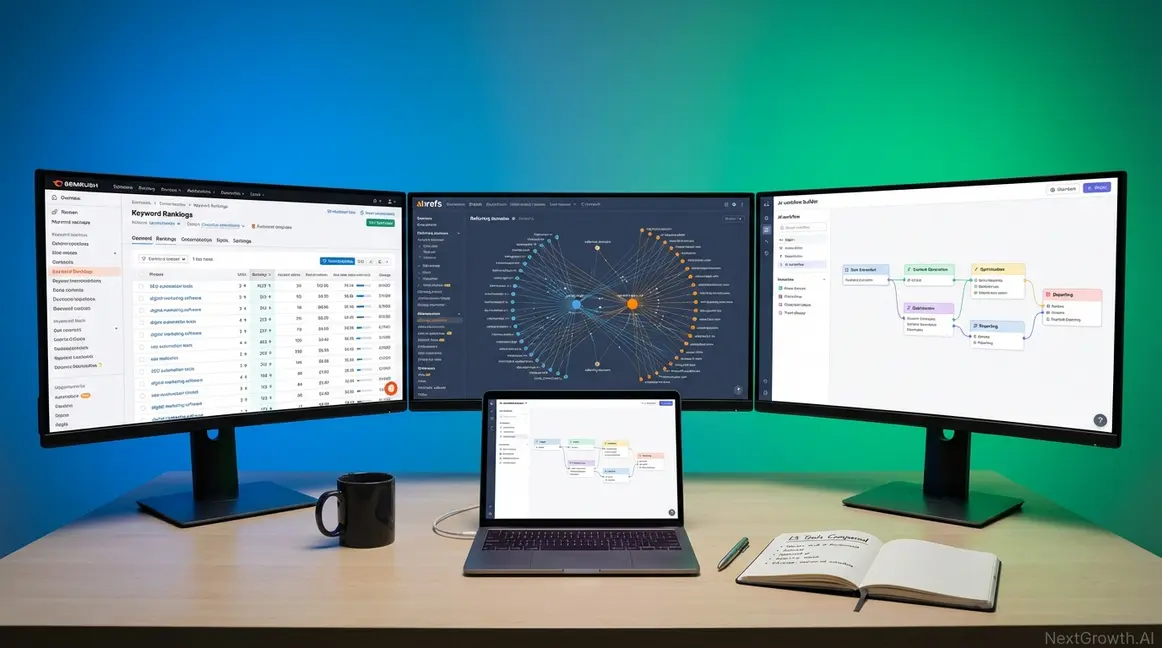
A complete AI SEO automated SEO monitoring setup includes several integrated modules. Each component serves a distinct purpose in maintaining search visibility.
Rank Tracking with Machine Learning
Modern rank trackers use AI to smooth out daily fluctuations. Instead of reporting every minor position change, the system identifies statistically significant movements. This reduces false alarms and helps you focus on real trends. For example, a keyword moving from position 5 to 6 might be noise, but a drop from 5 to 15 signals a deeper issue.
Crawl Monitoring and Log File Analysis
AI systems continuously crawl your website like Googlebot does. They detect broken links, duplicate content, slow pages, and indexing problems. Advanced platforms analyze server log files to see how often Google actually crawls your pages. A sudden drop in crawl frequency often precedes ranking losses.
SERP Feature Tracking
Google constantly changes which elements appear on search results pages. AI monitoring tracks featured snippets, people-also-ask boxes, image packs, video carousels, and local packs. Losing a featured snippet can cost significant traffic even if your organic position stays the same.
Backlink Monitoring with AI
Automated systems track new backlinks, lost links, and the quality of referring domains. AI evaluates link patterns to identify toxic backlinks that could trigger penalties. It also detects negative SEO attacks where competitors build spammy links to your site.
Content Performance Analysis
AI monitors how individual pages perform for multiple keywords. It identifies content that is losing relevance and suggests updates based on current search intent. This goes beyond simple rank tracking to measure engagement metrics like click-through rate and dwell time.
Benefits of AI SEO Automated SEO Monitoring
Implementing an AI-driven monitoring system delivers measurable advantages over manual or basic automated approaches.
Immediate Issue Detection
The biggest benefit is speed. If your site loses rankings overnight due to a technical error or algorithm update, AI monitoring alerts you within hours. Manual checks might take days to notice the same problem. This speed directly impacts revenue because every day of lost rankings means lost organic traffic.
Resource Efficiency
Automated monitoring frees up your SEO team to focus on strategy and content creation instead of repetitive data collection. A system that tracks 10,000 keywords across multiple locations would take a human weeks to check manually. AI does it in minutes.
Data-Driven Decision Making
AI systems provide context around raw data. Instead of just showing that rankings dropped, they explain possible causes based on correlation with algorithm updates, competitor actions, or on-page changes. This helps you prioritize fixes effectively.
Scalability
As your website grows, manual monitoring becomes impossible. AI systems handle thousands of pages and millions of keywords without additional staffing. This scalability is essential for e-commerce sites and large publishers.
Limitations and Challenges
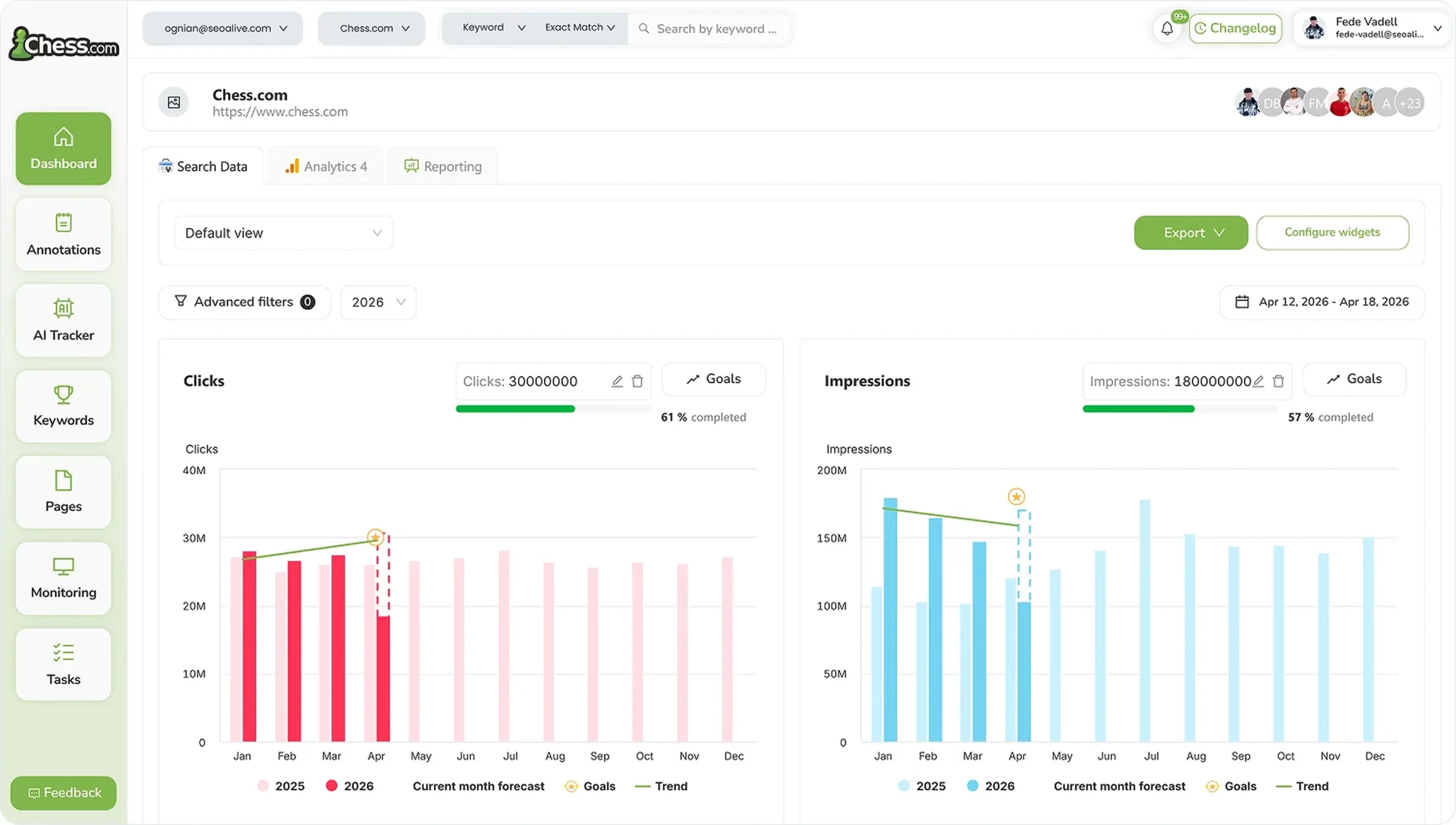
AI SEO automated SEO monitoring is powerful but not perfect. Understanding its limitations helps you set realistic expectations.
| Challenge | Impact | Mitigation |
|---|---|---|
| Data accuracy varies by provider | Different tools report different rankings for the same keyword | Use one consistent tool and compare trends, not absolute positions |
| AI can generate false alerts | Wasted time investigating non-issues | Configure sensitivity thresholds based on historical volatility |
| Cost of advanced platforms | Enterprise tools can be expensive | Start with essential features and scale up as ROI justifies |
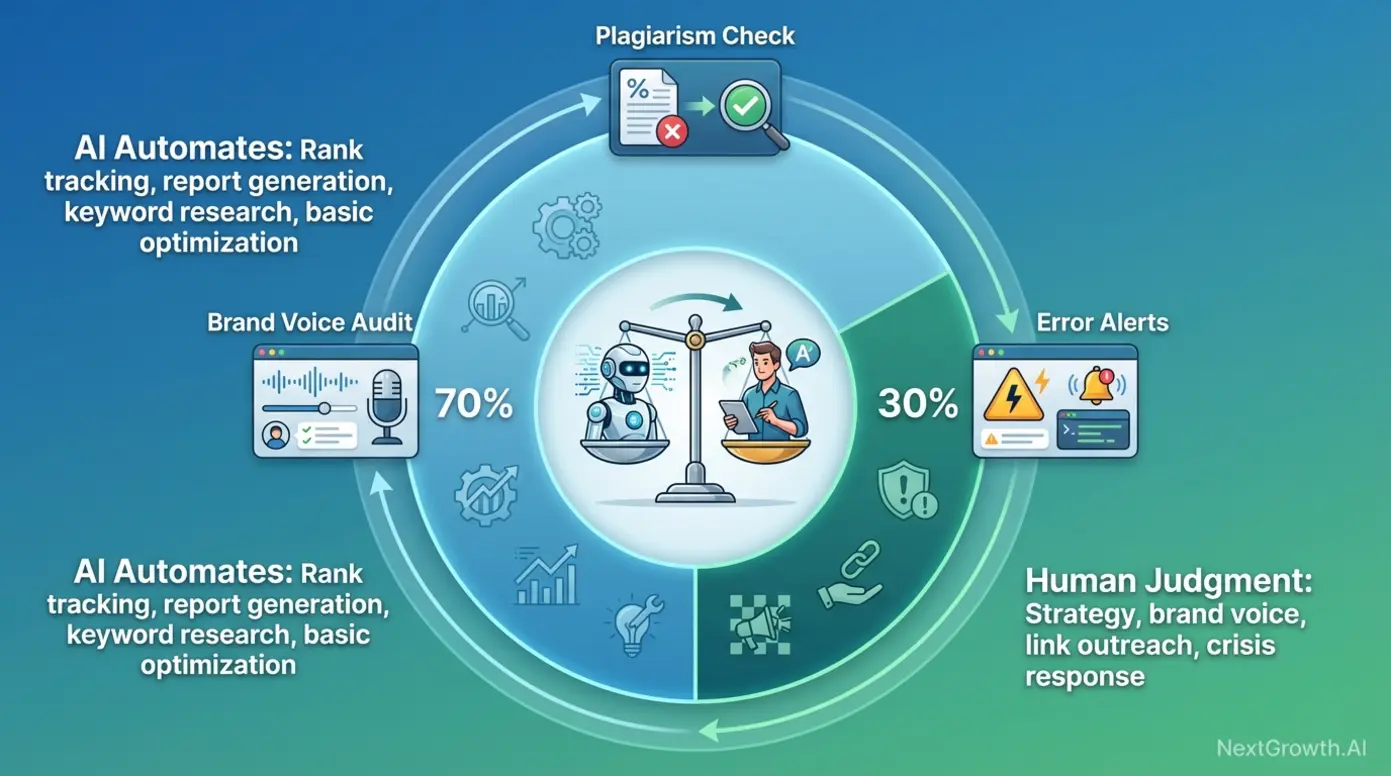
| Over-reliance on automation | Missing context that human analysis provides | Use AI for detection, humans for strategic interpretation |
AI SEO Monitoring vs. Traditional Rank Tracking
Understanding the difference between basic rank tracking and AI-powered monitoring helps you choose the right approach.
| Feature | Traditional Rank Tracking | AI SEO Automated Monitoring |
|---|---|---|
| Data collection frequency | Daily or weekly manual checks | Continuous, real-time crawling |
| Alert system | Email reports on schedule | Instant notifications based on anomaly detection |
| Competitor insights | Limited, manual comparison | Automated tracking of competitor changes |
| Predictive analytics | None | Forecasts traffic and ranking trends |
| Error diagnosis | Requires manual investigation | AI suggests likely causes |
| Scalability | Limited by human capacity | Handles millions of data points |
How to Implement AI SEO Automated SEO Monitoring
Setting up an effective monitoring system requires careful planning. Follow these steps to build a setup that delivers actionable insights.
Step 1: Define Your Key Performance Indicators
Decide what metrics matter most for your business. Common KPIs include organic traffic, keyword rankings for money pages, conversion rates from organic visitors, and visibility score. Your monitoring system should track these metrics at the page level, not just the domain level.
Step 2: Choose the Right Tool
Several platforms offer AI-powered SEO monitoring. Evaluate options based on your budget, technical requirements, and team size. Look for tools that integrate with Google Search Console and Analytics for comprehensive data. Test the alert system to ensure notifications are timely and relevant.
Step 3: Configure Alerts and Thresholds
Set up alerts for significant changes. For example, receive notifications when a keyword drops more than 5 positions, when crawl errors increase by 20%, or when a competitor gains a featured snippet you previously owned. Adjust thresholds over time based on your site’s normal volatility.
Step 4: Integrate with Your Workflow
Connect your monitoring tool with project management platforms like Slack or Jira. This ensures that alerts reach the right team members immediately. Create standard operating procedures for responding to different types of alerts.
Step 5: Review and Refine Regularly
AI systems improve with data. Review your monitoring setup monthly to ensure it still aligns with your SEO goals. Add new keywords, remove irrelevant ones, and adjust alert thresholds based on performance.
Practical Applications of AI SEO Monitoring
Different types of websites use AI SEO automated SEO monitoring in unique ways. Here are real-world scenarios.
E-commerce Sites
Online stores track thousands of product pages. AI monitoring detects when a product page loses rankings for its primary keyword, allowing the team to check for stock issues, price changes, or technical errors. It also tracks competitor pricing pages that might be outranking them.
News and Publishing
Publishers monitor breaking news keywords in real time. AI systems track which articles gain traction and which topics are declining. This helps editorial teams decide where to allocate resources for maximum organic reach.
Local Businesses
Local SEO monitoring tracks Google Business Profile performance, local pack rankings, and review sentiment. AI identifies when a competitor opens a new location or when your business loses visibility in a specific geographic area.
SaaS Companies
Software companies monitor rankings for high-intent keywords like “best project management software.” AI tracks SERP feature ownership and competitor content updates, helping them adjust their content strategy quickly.
Common Mistakes in AI SEO Monitoring
Avoid these pitfalls to get the most value from your monitoring system.
Ignoring Data Quality
Not all ranking data is accurate. Search engines personalize results based on user location, history, and device. Ensure your tool tracks from the right locations and uses incognito-style queries to minimize personalization bias.
Setting Too Many Alerts
If you receive notifications for every minor change, you will start ignoring them. This is called alert fatigue. Focus on alerts that indicate real problems requiring action. Quality over quantity is essential.
Focusing Only on Rankings
Rankings are a means to an end. The ultimate goal is traffic and conversions. Monitor click-through rates and conversion rates alongside rankings. A page can rank well but fail to convert due to poor content or user experience.
Neglecting Competitor Monitoring
AI SEO monitoring is not just about your own site. Track competitor rankings, content updates, and backlink acquisition. This competitive intelligence helps you identify threats and opportunities early.
Not Acting on Insights
Monitoring without action is wasted effort. Create a process for reviewing alerts and implementing fixes. Assign responsibility for different types of issues to specific team members.
Important Notes for Effective Monitoring
Keep these considerations in mind as you build your AI SEO automated SEO monitoring strategy.
Frequently Asked Questions
How often should AI SEO monitoring run?
Most AI-powered tools crawl data continuously or at least daily. For high-traffic sites, real-time monitoring is recommended. Smaller sites can run checks daily or every few days. The key is to detect significant changes quickly without overwhelming your team with data.
Can AI SEO monitoring replace human SEO experts?
No. AI systems excel at data collection, pattern detection, and alerting. However, strategic decisions about content creation, link building, and technical fixes still require human judgment. AI is a tool that enhances the work of SEO professionals, not a replacement for them.
What is the cost of AI SEO monitoring tools?
Pricing varies widely. Basic tools start around $50 per month for limited keywords. Enterprise platforms with advanced AI features can cost $500 to $2,000 per month or more. The right choice depends on your website size, keyword volume, and budget.
How does AI detect Google algorithm updates?
AI systems monitor ranking volatility across thousands of keywords. When a significant number of keywords change position simultaneously across many websites, it indicates a possible algorithm update. The system correlates these changes with known update patterns and alerts you accordingly.
What is the difference between AI SEO monitoring and SEO auditing?
Monitoring is continuous and real-time, tracking changes as they happen. Auditing is a periodic, comprehensive review of your entire SEO health. Both are important. Monitoring catches issues quickly, while auditing provides a deep dive into underlying problems.
Conclusion
AI SEO automated SEO monitoring has become an essential component of modern digital marketing operations. The ability to detect ranking changes, technical errors, and competitor movements in real time provides a significant competitive advantage. While traditional rank tracking reported what happened, AI systems explain why it happened and predict what might happen next.
Implementing an AI-driven monitoring system requires careful planning, the right tools, and a clear process for acting on insights. The benefits—faster issue detection, resource efficiency, and data-driven decision making—far outweigh the costs for most businesses. Start by defining your key metrics, choosing a reliable platform, and configuring alerts that matter. Over time, the A
The search landscape changes constantly. Algorithm updates, competitor actions, and shifting user behavior all impact your organic visibility. AI SEO automated SEO monitoring gives you the visibility and speed needed to adapt quickly. Those who embrace this technology will maintain their search presence more effectively than those relying on manual methods. The future of SEO is automated, intelligent, and continuous.
Xem thêm:
- AI SEO Embeddings: The Complete Guide to Semantic Search Optimization
- AI Page Speed: How Artificial Intelligence Transforms Your Website Into a Lightning-Fast Experience
- AI SEO Semantic Content Analysis: The Complete Guide to Smarter Rankings
- AI SEO Campaigns: The Blueprint for Data-Driven Organic Growth
- AI SEO Automated Content Audit: The Complete Guide to Scaling Content Optimization
Bài viết cùng chủ đề:

AI SEO SEO Automation with Make: The Complete Workflow Guide

AI SEO SEO Automation with Zapier: The Complete Workflow Guide

AI SEO SEO Automation with n8n: The Complete Workflow Guide
AI SEO SEO Automation with Gemini: The Complete Guide to Scaling Organic Growth

AI SEO SEO Automation with Claude: The Complete Guide to Scaling Content in 2025

AI SEO SEO Automation with ChatGPT: The Complete Playbook for 2025

AI SEO & SEO Automation for Affiliate Sites: The 2025 Playbook for Passive Income Growth
AI SEO & SEO Automation for Bloggers: The Complete Guide to Scaling Your Content

AI SEO & SEO Automation for Agencies: The Complete 2025 Playbook

AI SEO and SEO Automation for Ecommerce: The Complete Playbook for 2025

AI SEO & SEO Automation for WordPress: The Complete Playbook for 2025
AI SEO SEO Automation Strategy: The Complete Playbook for 2025

Mastering the AI SEO SEO Automation Process: A Complete Guide to Scaling Organic Growth
AI SEO SEO Automation System: The Complete Guide to Scaling Organic Growth in 2025
AI SEO SEO Automation Platform: The Complete Guide to Scaling Organic Growth in 2025
AI SEO SEO Automation Software: The Complete Guide to Scaling Organic Growth in 2025















