
No products in the cart.
AI SEO No Code Automation: The Complete Guide to Scaling Organic Growth Without Developers
31
Jul
Jul
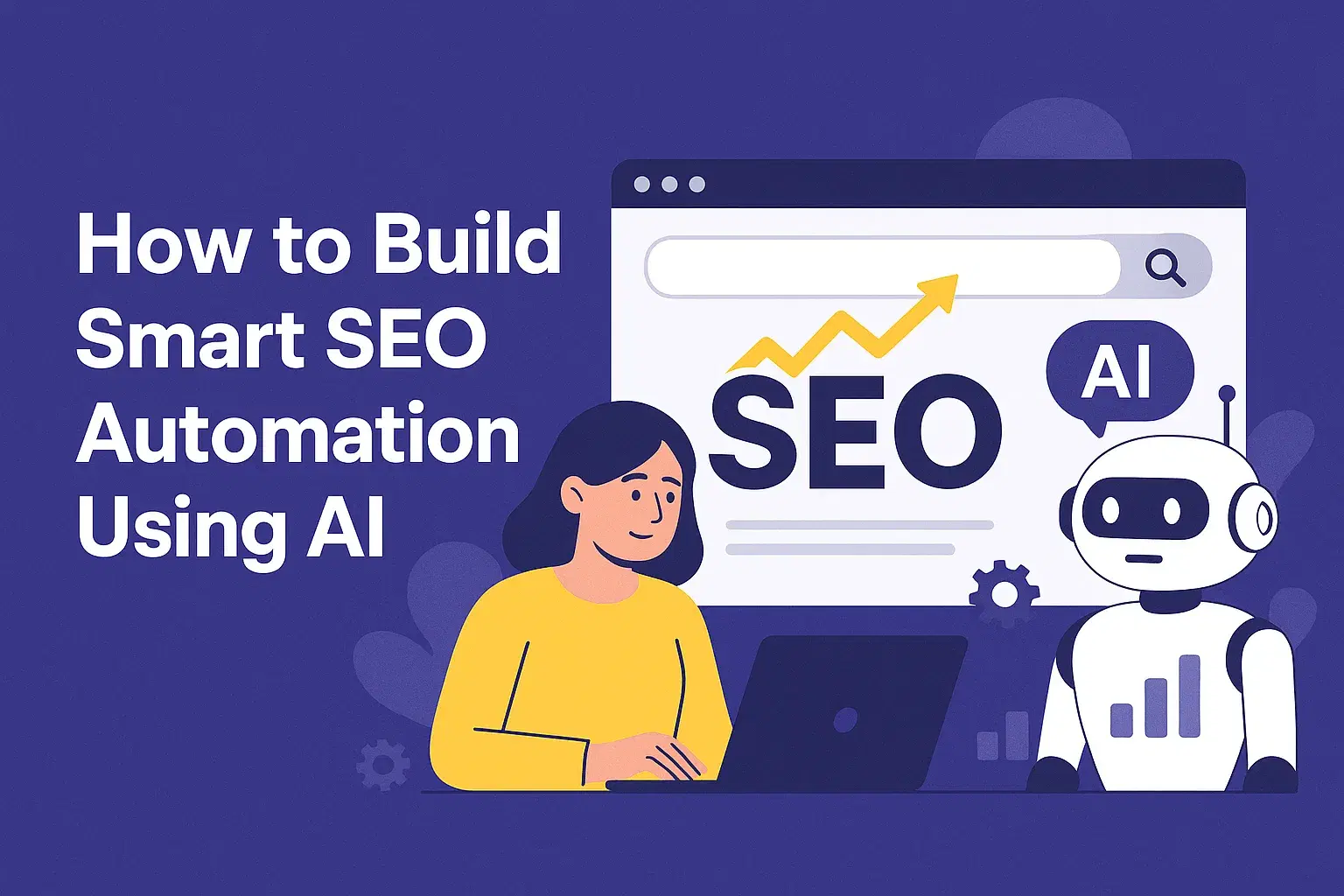
The digital marketing landscape has shifted dramatically. Teams no longer need to wait weeks for engineering sprints to implement SEO changes. AI SEO no code automation has emerged as the bridge between powerful machine learning capabilities and practical, hands-on marketing execution. This approach empowers content managers, SEO specialists, and business owners to deploy sophisticated optimization workflows using visual builders, pre-built integrations, and natural language prompts. The result is faster iteration, reduced operational costs, and a competitive edge that was previously reserved for enterprises with dedicated technical staff.
What Is AI SEO No Code Automation?
AI SEO no code automation refers to the practice of using artificial intelligence tools and platforms that require zero programming knowledge to execute repetitive, data-driven SEO tasks. These systems handle keyword clustering, content brief generation, internal linking suggestions, schema markup creation, and rank tracking through intuitive dashboards and drag-and-drop interfaces. The core value proposition lies in removing the bottleneck of manual analysis and technical implementation.
Instead of writing Python scripts to scrape search engine results pages or using APIs to pull ranking data, marketers now use platforms like Zapier, Make, and specialized AI SEO suites. These tools connect to Google Search Console, Google Analytics, and content management systems, automatically triggering actions based on predefined conditions. For instance, when a page drops below position five for a target keyword, the system can automatically generate a content refresh brief and assign it to a writer.
The Evolution from Manual SEO to Intelligent Workflows
Traditional SEO involved manual spreadsheet tracking, manual outreach, and manual on-page adjustments. As search algorithms grew more complex, the volume of data became overwhelming. The introduction of machine learning models like GPT and BERT allowed software to understand search intent and content semantics. No code automation layers this intelligence on top of workflow triggers, creating a system that not only analyzes but also acts. This evolution marks a shift from reactive optimization to proactive, predictive management of search presence.
Core Components of an AI SEO No Code Stack
Building an effective automation stack requires understanding the distinct layers that work together. Each component addresses a specific part of the SEO lifecycle, from discovery to measurement. The beauty of no code tools is that they integrate seamlessly, allowing data to flow between systems without manual export and import.
Data Collection and Integration Hubs
Platforms like Zapier and Make serve as the central nervous system. They connect your SEO tools (Ahrefs, Semrush, Screaming Frog) with your communication tools (Slack, Email) and storage systems (Google Sheets, Airtable). A typical workflow might involve a daily trigger that pulls new keyword rankings from Semrush and logs them into a Google Sheet, then sends a summary to a project manager.
AI Content Generation and Optimization Engines
Tools such as Surfer SEO, Frase, and Content at Scale use AI to analyze top-ranking pages and generate content briefs. With no code automation, these briefs can be automatically populated with data from your analytics. The AI suggests related questions, semantic keywords, and optimal word count. Some platforms even integrate directly with WordPress, allowing for one-click publication of AI-drafted articles that have been optimized for on-page elements.
Automated Technical SEO Auditors
Technical issues like broken links, missing alt text, and slow page speed can be identified and reported automatically. Tools like Sitebulb and Lumar offer scheduled crawls. When combined with no code automation, the output of these crawls can trigger ticket creation in project management software like Jira or Asana. This ensures that technical debt is addressed systematically rather than discovered during sporadic manual audits.
Key Benefits of Implementing No Code AI Workflows
The advantages of adopting this approach extend beyond simple time savings. Organizations that embrace AI SEO no code automation report improvements in consistency, scalability, and team morale. Marketers are freed from mundane tasks, allowing them to focus on strategy and creative problem-solving.
- Speed to Market: Automated workflows can generate and publish optimized content in hours, not weeks. This is critical for trending topics and breaking news.
- Cost Efficiency: Reducing the need for custom development or expensive agency retainers lowers the total cost of ownership for SEO operations.
- Error Reduction: Manual data entry is prone to mistakes. Automation ensures that data is transferred accurately between systems, leading to better decision-making.
- Scalability: Whether you manage ten pages or ten thousand, the same automated processes apply. Scaling up does not require proportional increases in headcount.
- Consistent Execution: AI does not get tired or forget. Daily tasks like rank tracking and backlink monitoring happen reliably, providing a complete data picture.
- Over-Automation: Trying to automate every single task leads to fragile systems. Focus on automating tasks that are truly repetitive and rule-based. Leave strategic decisions and creative tasks to humans.
- Ignoring Data Privacy: Automations often involve transferring data between third-party tools. Ensure that your workflows comply with GDPR and other regulations. Avoid sending sensitive customer data to unauthorized platforms.
- Neglecting Maintenance: APIs change, and integrations break. Schedule a monthly review of your active automations to ensure they are still functioning correctly. Update any workflows that rely on deprecated features.
- Blindly Trusting AI Output: AI-generated content can contain factual errors or hallucinations. Always have a human editor review AI drafts before publication, especially for YMYL (Your Money or Your Life) topics.
- Lack of Testing: Before deploying a complex workflow, test it with sample data. This prevents errors from propagating through your entire system and corrupting your data.
Limitations and Challenges to Consider
While the benefits are substantial, it is important to approach AI SEO no code automation with realistic expectations. The technology is powerful but not infallible. Understanding these limitations helps in designing workflows that are robust and effective.
Data Quality Dependency
Automation is only as good as the data it consumes. If your Google Analytics tracking is broken or your keyword tool provides inaccurate search volume data, the automated decisions will be flawed. Regular audits of your data sources are essential to maintain integrity.
Lack of Human Nuance
AI models can struggle with brand voice, cultural context, and highly specialized industry jargon. While AI can draft content, human editors are still necessary to ensure authenticity and emotional resonance. The best workflows incorporate human review checkpoints for high-stakes pages.
Integration Complexity
Although no code tools are designed for ease of use, complex workflows with multiple conditional steps can become difficult to manage. Debugging a failed automation can sometimes be more time-consuming than performing the task manually. It is wise to start with simple automations and gradually increase complexity.
AI SEO No Code vs. Traditional SEO Methods: A Comparison
To fully appreciate the value proposition, it helps to compare the two approaches side by side. The differences are stark in terms of time investment, resource allocation, and the ability to react to algorithm updates.
| Aspect | Traditional SEO | AI SEO No Code Automation |
|---|---|---|
| Keyword Research | Manual export from tools, manual clustering in spreadsheets | Automated clustering and intent mapping via AI algorithms |
| Content Creation | Briefs written by hand, reliance on freelance writers | AI-generated briefs and drafts, automated optimization |
| Technical Audits | Quarterly manual crawls, extensive spreadsheet analysis | Continuous monitoring with automated alerting and ticket creation |
| Link Building | Manual prospecting and outreach emails | AI-driven prospect identification and automated email sequences |
| Reporting | Monthly manual compilation of metrics | Real-time dashboards with automated commentary and insights |
| Implementation Speed | Days to weeks for changes | Hours to days for changes |
Practical Applications: How to Implement No Code AI Automation
Moving from theory to practice requires a structured approach. The following guide outlines a proven methodology for implementing AI SEO no code automation in your organization. This process is designed to be iterative, allowing for continuous improvement.
Step 1: Audit Your Current SEO Workflows
Identify tasks that are repetitive, rule-based, and time-consuming. Common candidates include rank tracking, reporting, and internal linking. Document the current process, including the tools used and the time required. This baseline will help you measure the impact of automation.
Step 2: Select the Right Tools
Choose an integration platform (Zapier or Make) and an AI SEO tool that fits your budget and needs. For content, consider Frase or Surfer SEO. For technical audits, use Sitebulb. Ensure that these tools have native integrations with your existing stack, such as WordPress, Shopify, or Google Workspace.
Step 3: Design Simple Automated Workflows
Start with a single, high-impact workflow. For example, create a trigger that monitors Google Search Console for queries with high impressions but low click-through rates. When such a query is detected, the automation can create a task in your project management tool to optimize the title tag and meta description. This is a low-risk, high-reward starting point.
Step 4: Implement AI-Powered Content Briefs
Connect your AI content tool to your keyword research data. Set up an automation where a keyword added to a specific spreadsheet column triggers the generation of a full content brief. The brief should include the target word count, related questions, and semantic keywords. This brief is then automatically sent to your content team for writing.
Step 5: Automate Reporting and Alerts
Set up a weekly automated report that pulls data from Google Analytics, Search Console, and your rank tracker. Use an AI tool to generate a natural language summary of the key changes. This report can be automatically posted to a Slack channel or sent via email, keeping stakeholders informed without manual effort.
Common Mistakes and How to Avoid Them
Many teams make avoidable errors when first adopting AI SEO no code automation. Recognizing these pitfalls early can save significant time and frustration. The following list highlights the most frequent issues and provides practical solutions.
Important Notes for Long-Term Success
Success with AI SEO no code automation is not a one-time project but an ongoing practice. The search landscape is constantly evolving, and your automation stack must evolve with it. Keeping a few key principles in mind will ensure sustained performance.
First, prioritize the quality of your source data. Invest time in ensuring your analytics and search console are correctly configured. Second, maintain a human-in-the-loop approach for critical decisions. AI can suggest, but humans should approve major changes to brand strategy or content direction. Third, document your workflows thoroughly. This makes it easier to onboard new team members and troubleshoot issues when they arise.
Finally, stay updated on new features and tools. The no code space is rapidly innovating. What was impossible six months ago may now be a standard feature. Subscribing to industry newsletters and participating in relevant communities can help you stay ahead of the curve.
Frequently Asked Questions
What is the best AI SEO no code tool for beginners?
For beginners, a combination of Zapier for integrations and a user-friendly AI content tool like Frase is recommended. Frase offers a clean interface for generating briefs and optimizing content. Zapier provides thousands of app integrations, making it easy to connect your SEO data to your daily workflow tools without any coding.
Can AI SEO no code automation replace an SEO specialist?
No, it cannot replace a specialist. The technology automates tasks, not strategy. An experienced SEO professional is still needed to interpret data, set strategic direction, and make judgment calls on complex issues. Automation enhances the specialist’s productivity but does not substitute for their expertise.
How much does it cost to implement no code AI SEO?
Costs vary widely based on the tools chosen. Basic plans for integration platforms start around $20 per month. AI content tools typically range from $50 to $200 per month. Enterprise-level technical SEO platforms can cost several hundred dollars per month. A small business can start with a functional stack for under $200 per month.
Is AI-generated content penalized by Google?
Google’s guidelines state that content quality is the primary ranking factor, regardless of how it is produced. AI-generated content that is helpful, original, and demonstrates E-E-A-T is not penalized. However, mass-produced, spammy AI content that provides no value is against guidelines and can be penalized. Always review and edit AI output to ensure it meets quality standards.
What are the best workflows to automate first?
The best starting points are rank tracking and reporting. These are data-intensive, repetitive tasks that provide immediate time savings. Next, automate internal linking suggestions and content brief generation. These workflows deliver tangible improvements to on-page SEO without requiring significant technical setup.
Conclusion
AI SEO no code automation represents a fundamental shift in how digital marketing teams operate. By leveraging artificial intelligence and visual workflow builders, organizations can achieve levels of efficiency and scalability that were previously unattainable. The key to success lies in thoughtful implementation, continuous monitoring, and a balanced approach that combines machine efficiency with human creativity and judgment. Start small, focus on high-impact workflows, and gradually expand your automation footprint. The future of SEO belongs to those who can harness the power of AI without being constrained by technical barriers. Embracing this technology now positions your brand for sustained organic growth in an increasingly competitive digital environment.
Xem thêm:
- AI SEO Silo Structure: The Complete Guide to Building Topically Authoritative Websites
- AI Affiliate SEO: How Artificial Intelligence Is Reshaping Affiliate Search Rankings
- WP Trove AI Tutorials: The Complete Guide to Mastering AI-Powered WordPress Workflows
- AI SEO Keyword Relationships: The Complete Guide to Semantic Search Optimization
- AI SEO Ecommerce Schema: The Complete Guide to Structured Data That Drives Sales
Bài viết cùng chủ đề:

AI SEO SEO Automation with Make: The Complete Workflow Guide

AI SEO SEO Automation with Zapier: The Complete Workflow Guide

AI SEO SEO Automation with n8n: The Complete Workflow Guide
AI SEO SEO Automation with Gemini: The Complete Guide to Scaling Organic Growth

AI SEO SEO Automation with Claude: The Complete Guide to Scaling Content in 2025

AI SEO SEO Automation with ChatGPT: The Complete Playbook for 2025

AI SEO & SEO Automation for Affiliate Sites: The 2025 Playbook for Passive Income Growth
AI SEO & SEO Automation for Bloggers: The Complete Guide to Scaling Your Content

AI SEO & SEO Automation for Agencies: The Complete 2025 Playbook

AI SEO and SEO Automation for Ecommerce: The Complete Playbook for 2025

AI SEO & SEO Automation for WordPress: The Complete Playbook for 2025
AI SEO SEO Automation Strategy: The Complete Playbook for 2025

Mastering the AI SEO SEO Automation Process: A Complete Guide to Scaling Organic Growth
AI SEO SEO Automation System: The Complete Guide to Scaling Organic Growth in 2025
AI SEO SEO Automation Platform: The Complete Guide to Scaling Organic Growth in 2025
AI SEO SEO Automation Software: The Complete Guide to Scaling Organic Growth in 2025















