
No products in the cart.
AI SEO NLP Content Analysis: The Complete Guide to Smarter Content Optimization
10
Aug
Aug
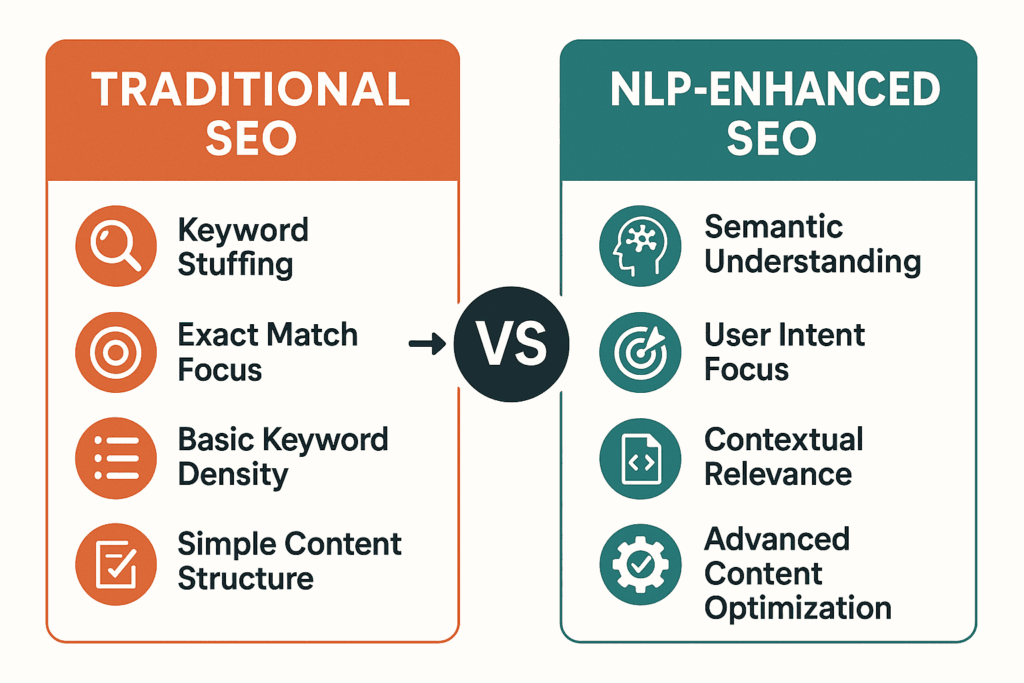
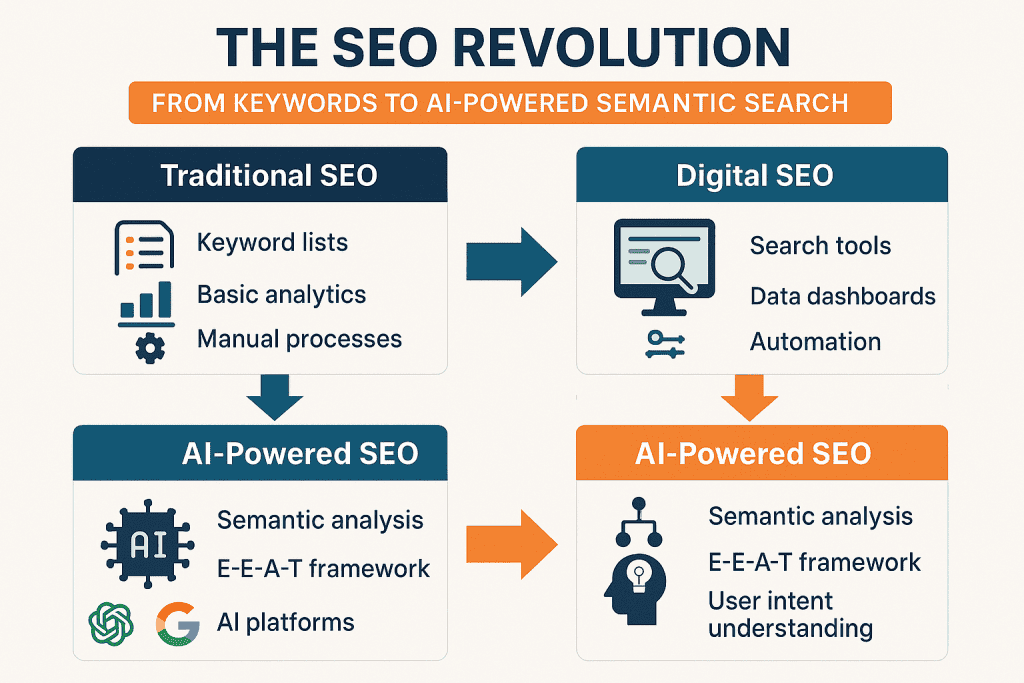
AI SEO NLP content analysis has transformed how digital marketers approach search engine optimization. This technology combines artificial intelligence with natural language processing to evaluate written content against search engine algorithms. Modern SEO professionals use these tools to understand semantic relevance, entity matching, and contextual meaning rather than relying solely on keyword density. The shift from keyword stuffing to semantic search optimization represents a fundamental change in content strategy. This guide explores how AI-powered NLP analysis improves content performance, what metrics matter most, and how to implement these techniques effectively.
Understanding AI SEO NLP Content Analysis
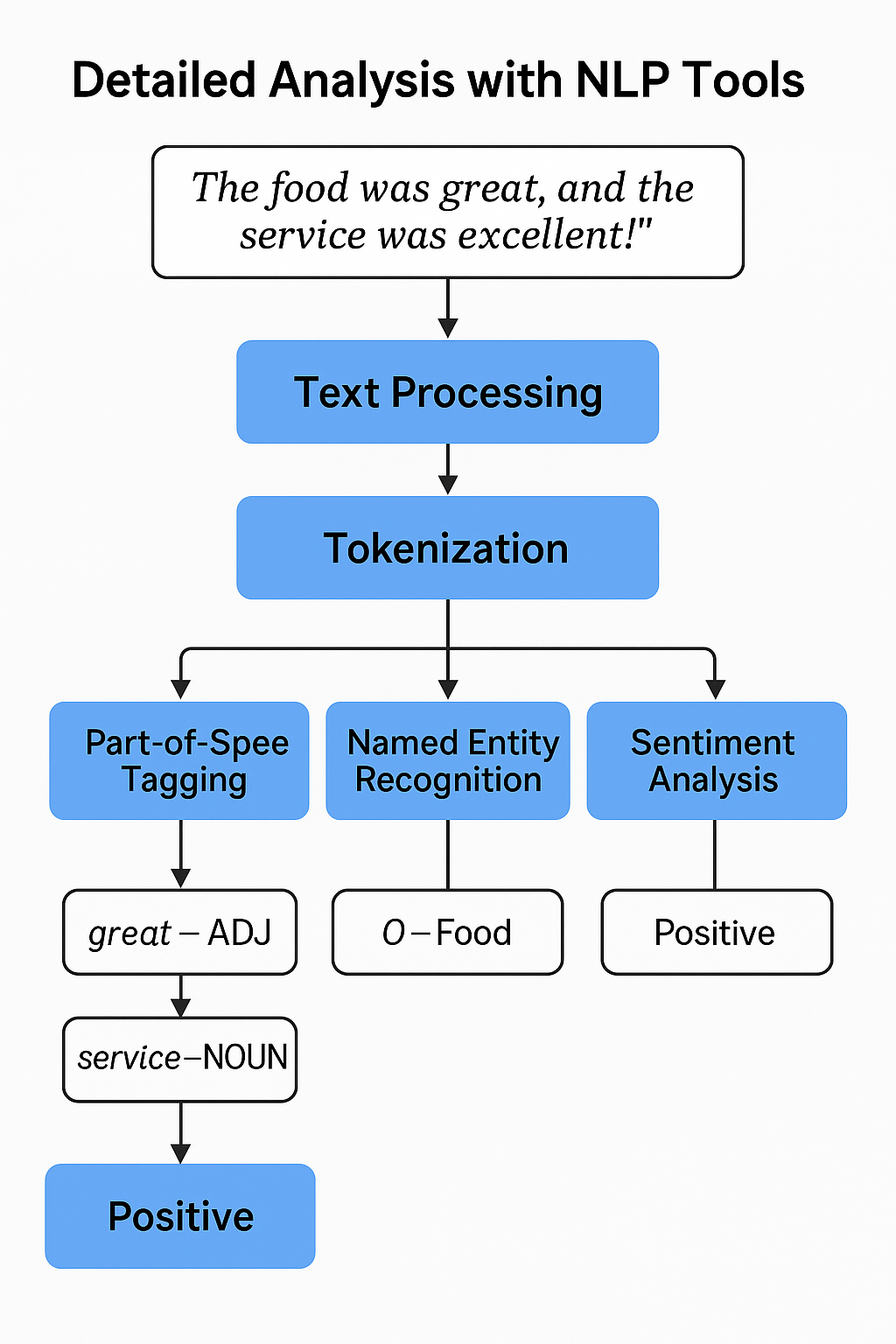
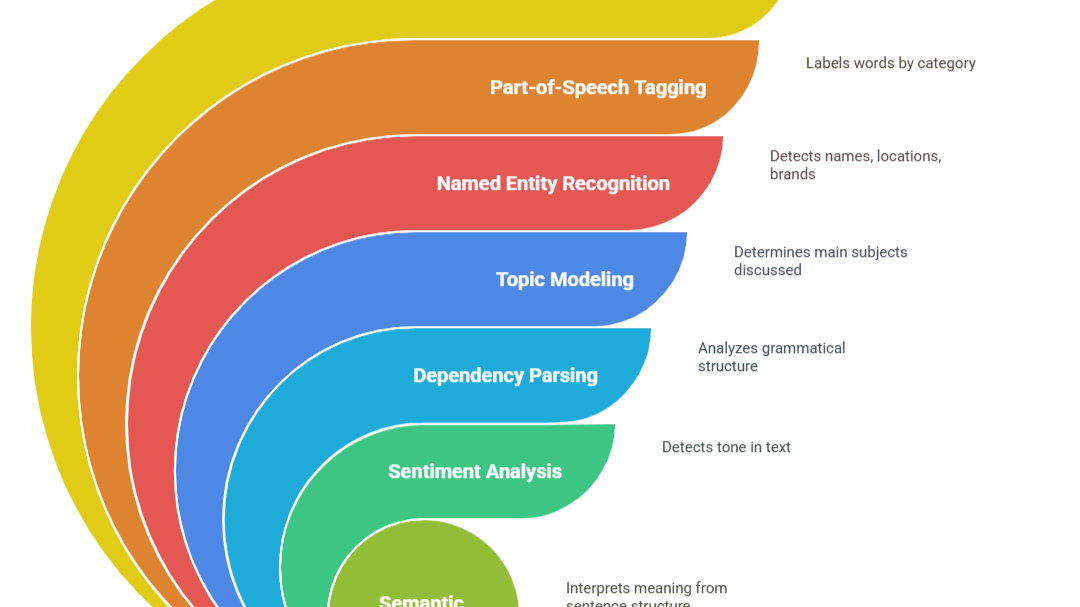
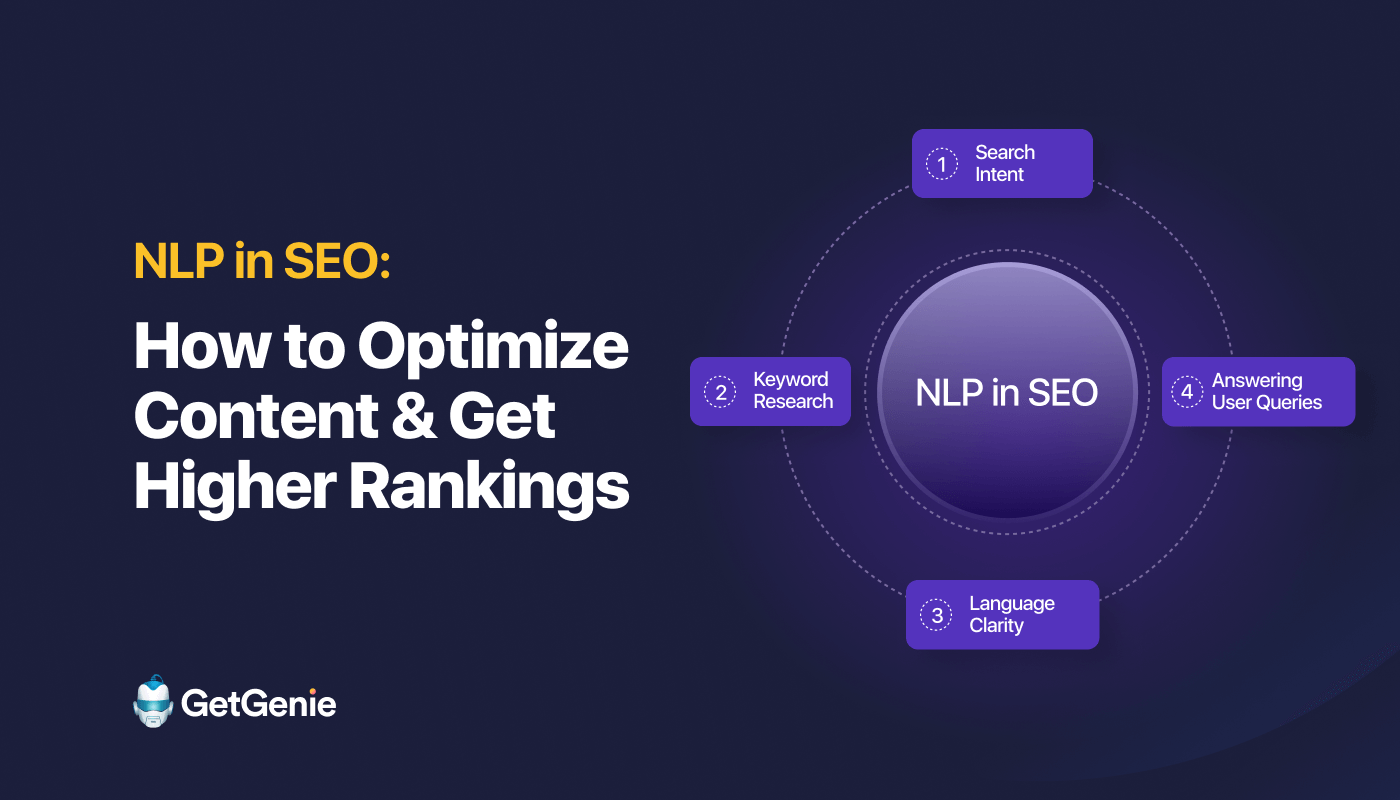
AI SEO NLP content analysis refers to the application of natural language processing algorithms to evaluate and optimize web content for search engines. These systems parse text, identify linguistic patterns, extract entities, and measure semantic similarity between your content and search queries. Unlike traditional SEO tools that count keyword occurrences, NLP analysis understands the meaning behind words, including synonyms, context, and user intent.
Search engines like Google use BERT and MUM algorithms that rely on NLP principles. When you analyze content with AI-powered tools, you align your writing with how these search algorithms process information. The analysis typically examines topic coverage, entity consistency, readability, and semantic depth.
How NLP Differs from Traditional SEO Analysis
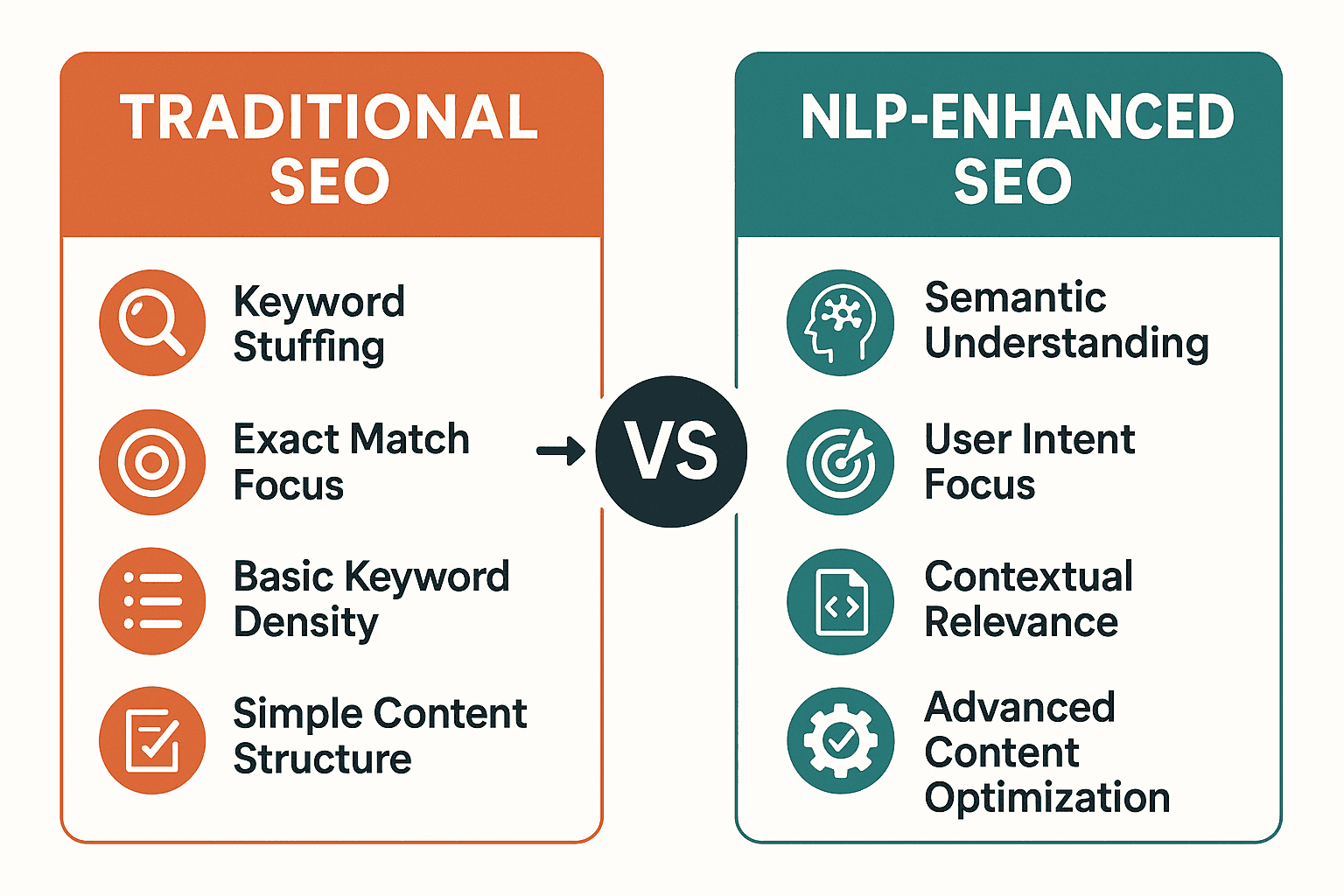
Traditional SEO analysis focuses on quantitative metrics such as keyword density, meta tag optimization, and backlink counts. NLP content analysis examines qualitative aspects of your text. It evaluates whether your content answers the questions users actually ask, whether it covers related subtopics comprehensively, and whether the language matches the sophistication level of your target audience.
For example, a traditional tool might tell you to include the phrase “best running shoes” five times in your article. An NLP tool recognizes that your content should also discuss cushioning, arch support, pronation, and running surface to fully satisfy search intent. This semantic approach produces content that ranks higher and performs better with real readers.
Core Components of NLP Content Analysis Tools
Modern AI SEO NLP content analysis platforms share several core components that work together to provide comprehensive insights.
Entity Recognition and Extraction
NLP systems identify named entities within your content, including people, places, organizations, products, and concepts. For SEO purposes, this helps ensure your content includes the key entities that search engines associate with your topic. If you write about digital marketing, the system checks whether you mention relevant entities like Google Analytics, conversion rates, and customer journey mapping.
Semantic Similarity Scoring
This component measures how closely your content matches the meaning of target search queries. The system compares vector representations of your text against vectors of top-ranking pages and user queries. A high semantic similarity score indicates your content addresses the same concepts and questions as pages that currently rank well.
Topic Modeling and Coverage Analysis
NLP tools break down your content into topics and subtopics, then compare this structure against the topical landscape of your niche. This reveals gaps in your coverage. If competitors cover pricing information but your article omits it, the analysis flags this missing element as an opportunity for improvement.
Readability and Linguistic Quality Metrics
Beyond semantics, these tools evaluate sentence structure, vocabulary complexity, passive voice usage, and transition words. Content that is difficult to read performs poorly in search results because user engagement metrics suffer. NLP analysis provides specific recommendations for improving readability without dumbing down your content.
Benefits of Using AI SEO NLP Content Analysis
Implementing AI SEO NLP content analysis delivers measurable benefits across your content marketing program.
- Improved search rankings: Content optimized for semantic relevance consistently outperforms keyword-stuffed content in search results.
- Better user engagement: NLP-optimized content matches user intent more precisely, leading to longer dwell times and lower bounce rates.
- Comprehensive topic coverage: The analysis identifies related subtopics you might have missed, making your content more authoritative.
- Scalable optimization: AI tools analyze thousands of pages quickly, enabling enterprise-level content optimization programs.
- Competitive intelligence: NLP analysis reveals what topics and entities your competitors cover, helping you identify content gaps.
- Voice search readiness: NLP-optimized content naturally matches conversational queries used in voice search.
Limitations and Considerations
AI SEO NLP content analysis has limitations that professionals should understand. The tools provide recommendations based on statistical patterns, not guaranteed outcomes. Search algorithms change frequently, so today’s optimization standards may shift tomorrow. Additionally, NLP tools sometimes miss cultural nuances or industry-specific jargon that human editors catch. The best approach combines AI analysis with human editorial judgment.
How AI SEO NLP Content Analysis Works
Understanding the technical process behind NLP content analysis helps you interpret the results and apply recommendations effectively.
Text Preprocessing and Tokenization
The system breaks your content into individual tokens, which are words or punctuation marks. It removes stop words like “the” and “and” that carry little semantic weight. The remaining tokens form the basis for further analysis.
Vectorization and Embedding
Tokens are converted into numerical vectors using techniques like Word2Vec, GloVe, or transformer-based models like BERT. These vectors capture the contextual meaning of words. Words used in similar contexts receive similar vector representations, allowing the system to understand synonyms and related concepts.
Contextual Analysis
Modern NLP models process entire sentences and paragraphs to understand context. This allows the system to distinguish between different meanings of the same word. For example, “bank” in a financial context differs from “bank” in a river context. The analysis captures these distinctions accurately.
Comparison Against Target Queries
Your content vectors are compared against vectors for your target keywords and phrases. The system calculates similarity scores that predict how well your content matches search intent for those queries. Higher similarity scores correlate with better ranking potential.
Practical Applications for Content Teams
Content teams use AI SEO NLP content analysis throughout the content lifecycle, from planning to optimization.
Content Brief Generation
Before writing, teams input their target keyword into NLP tools to generate comprehensive content briefs. These briefs include recommended entities, related questions, subtopics, and semantic keywords. Writers use these briefs as outlines, ensuring they cover all relevant aspects of the topic.
On-Page Optimization
After drafting content, editors run NLP analysis to identify gaps and weaknesses. The tool might flag missing entities, suggest additional subtopics, or recommend restructuring paragraphs for better readability. This iterative process refines content before publication.
Content Auditing and Refresh
Existing content benefits from NLP analysis as well. Auditing old posts reveals which ones have outdated semantic coverage or miss new entities that have become relevant. Refreshing these posts with updated NLP insights restores their search visibility.
Internal Linking Optimization
NLP analysis identifies semantic relationships between your pages. This information helps you build internal links based on topical relevance rather than arbitrary navigation structures. Search engines understand these semantic connections, improving your site’s overall authority.
Key Metrics in NLP Content Analysis Reports
When you run AI SEO NLP content analysis, the reports contain several important metrics that require interpretation.
| Metric | What It Measures | Why It Matters |
|---|---|---|
| Semantic Score | Overall relevance to target queries | Predicts ranking potential |
| Entity Coverage | Presence of key named entities | Ensures comprehensive topic treatment |
| Topical Depth | How thoroughly subtopics are explored | Indicates content authority |
| Readability Index | Complexity of language and structure | Affects user engagement metrics |
| Keyword Variation | Use of synonyms and related phrases | Shows natural language usage |
| Intent Match | Alignment with user search intent | Determines relevance to queries |
Common Mistakes in AI SEO NLP Content Analysis
Even experienced marketers make mistakes when applying NLP analysis to their content strategy. Recognizing these pitfalls improves your results.
Over-Optimizing for Semantic Scores
Some teams treat NLP scores as the sole measure of content quality. They force entities and keywords into content regardless of natural flow. This produces awkward, repetitive writing that performs poorly with readers. The semantic score should guide your writing, not dictate it.
Ignoring User Intent Nuances
NLP tools categorize search intent broadly, but real users have specific needs. A query like “best coffee maker” could mean someone wants a budget recommendation, a professional review, or a comparison guide. Relying solely on NLP analysis without understanding your audience leads to mismatched content.
Neglecting Content Structure
NLP analysis evaluates text semantics but does not fully account for visual structure. Headings, bullet points, images, and tables affect user experience and search rankings. Content that reads well semantically but lacks visual organization underperforms.
Using Outdated NLP Models
Natural language processing technology evolves rapidly. Tools using older models may not capture current language patterns or search algorithm updates. Choose platforms that continuously update their underlying models to reflect the latest linguistic and search trends.
Best Practices for Implementing NLP Content Analysis
Successful implementation of AI SEO NLP content analysis requires a strategic approach that balances technology with human judgment.
Combine NLP Insights with Search Data
NLP analysis works best when combined with actual search data from Google Search Console, keyword research tools, and competitor analysis. The semantic insights from NLP tools gain context when paired with real performance data about what users click and engage with.
Train Your Content Team
Writers and editors need training to interpret NLP reports correctly. Without proper training, they might ignore valuable insights or overreact to minor recommendations. Invest in education that helps your team understand the principles behind semantic search optimization.
Maintain a Human Review Process
AI tools provide recommendations, but human editors make final decisions. A skilled editor recognizes when a suggested entity does not fit the content’s purpose or when readability recommendations conflict with brand voice. The human-AI partnership produces the best results.
Monitor Performance Continuously
Content optimization is not a one-time activity. Search algorithms change, competitors publish new content, and user behavior evolves. Regularly re-run NLP analysis on your top pages and update them to maintain competitive positioning.
Tools for AI SEO NLP Content Analysis
Several platforms offer AI SEO NLP content analysis capabilities, each with different strengths and pricing models.
Enterprise-Level Platforms
Tools like MarketMuse and Frase provide comprehensive NLP analysis with content briefs, competitive comparisons, and optimization scores. These platforms suit organizations with significant content budgets and complex content operations.
Integrated SEO Suites
Major SEO platforms like Semrush and Ahrefs have incorporated NLP features into their existing toolsets. These integrations allow users to access semantic analysis alongside traditional SEO metrics without switching between platforms.
Specialized NLP Tools
Some tools focus exclusively on NLP analysis, offering deep linguistic insights that general SEO tools miss. These specialized platforms often provide more granular entity analysis and semantic modeling capabilities.
Custom Solutions
Organizations with technical resources can build custom NLP analysis pipelines using open-source libraries like spaCy, NLTK, or Hugging Face transformers. This approach offers maximum flexibility but requires significant development expertise.
Future Trends in AI SEO NLP Content Analysis
The field of AI SEO NLP content analysis continues to evolve rapidly, with several trends shaping its future direction.
Multimodal Content Analysis
Future NLP tools will analyze not just text but also images, videos, and audio content. Search engines increasingly process multimodal content, and NLP analysis must keep pace with these capabilities.
Real-Time Optimization
Current tools analyze content before publication or during editing. Future systems will provide real-time suggestions as you write, similar to advanced grammar checkers but with semantic optimization capabilities built in.
Predictive Performance Modeling
Advanced NLP models will predict content performance before publication based on semantic patterns that correlate with ranking success. This allows content teams to prioritize efforts on pieces with the highest potential return.
Integration with Generative AI
NLP analysis will increasingly integrate with generative AI tools. The analysis will guide AI content generation, ensuring that machine-written content meets semantic relevance standards from the start.
Important Notes for Practitioners
Several key considerations should guide your use of AI SEO NLP content analysis.
First, remember that NLP analysis measures semantic relevance, not content quality. A piece can score perfectly on semantic metrics yet fail to provide genuine value to readers. Always prioritize substance over optimization.
Second, NLP analysis works best for informational and commercial content. Transactional pages, product descriptions, and local business content may benefit less from deep semantic optimization.
Third, the competitive landscape matters. NLP analysis compares your content against existing pages. In highly competitive niches, you need to exceed the semantic coverage of current top-ranking pages to break through.
Fourth, language matters. NLP models trained primarily on English may perform differently on content in other languages. Verify that your chosen tools support the languages you publish in.
Frequently Asked Questions
What is AI SEO NLP content analysis?
AI SEO NLP content analysis uses artificial intelligence and natural language processing to evaluate written content for search engine optimization. It examines semantic relevance, entity coverage, topic depth, and readability to determine how well content matches search intent and ranking factors.
How does NLP content analysis improve search rankings?
NLP content analysis aligns your writing with how search engine algorithms understand language. By covering related topics, using natural language variations, and including relevant entities, your content becomes more semantically relevant to search queries, which improves ranking potential.
Is NLP content analysis better than traditional keyword analysis?
NLP content analysis complements traditional keyword analysis rather than replacing it. Keyword analysis identifies specific search terms, while NLP analysis ensures your content comprehensively addresses the broader topic. Both approaches together produce the best results.
Can small businesses benefit from AI SEO NLP content analysis?
Yes, small businesses can benefit from NLP content analysis. Many affordable tools offer NLP features, and even free versions provide valuable insights. The key is focusing on the most important pages and implementing recommendations that align with your content strategy.
How often should I run NLP analysis on my content?
Run NLP analysis during content creation, before publication, and periodically after publication. For high-value pages, re-analyze every three to six months to ensure they remain competitive as search algorithms and competitor content evolve.
Does NLP content analysis work for voice search optimization?
Yes, NLP content analysis naturally supports voice search optimization. Voice searches use conversational language, and NLP analysis helps you match that language pattern. Content optimized for semantic relevance tends to perform well for voice queries.
Conclusion
AI SEO NLP content analysis represents a significant advancement in how we optimize content for search engines. The technology moves beyond superficial keyword matching to understand the deeper meaning and context of your writing. By implementing NLP analysis in your content workflow, you create material that satisfies both search algorithms and human readers.
The most successful content teams combine NLP insights with human creativity and editorial judgment. They use AI tools to identify opportunities and gaps, then apply their expertise to create content that genuinely serves their audience. This balanced approach produces sustainable search performance and meaningful user engagement.
Start by running NLP analysis on your top-performing pages to understand what works. Then apply those insights to new content creation. As you build experience with these tools, you will develop intuition for what semantic optimization means in your specific niche. The investment in understanding AI SEO NLP content analysis pays dividends through improved rankings, increased traffic, and better content that resonates with your target audience.
Xem thêm:
- AI SEO Dashboards: The Complete Guide to Data-Driven Search Optimization in 2025
- AI SEO AnswerThePublic: The Complete Guide to Smarter Content Research
- AI SEO URL Generator: The Complete Guide to Automated Link Optimization
- AI SEO Audit: How to Automate Your Website’s Health Check and Boost Search Rankings
- AI Citation SEO: The Complete Guide to Earning and Optimizing AI-Generated Citations in Search
Bài viết cùng chủ đề:

AI SEO SEO Automation with Make: The Complete Workflow Guide

AI SEO SEO Automation with Zapier: The Complete Workflow Guide

AI SEO SEO Automation with n8n: The Complete Workflow Guide
AI SEO SEO Automation with Gemini: The Complete Guide to Scaling Organic Growth

AI SEO SEO Automation with Claude: The Complete Guide to Scaling Content in 2025

AI SEO SEO Automation with ChatGPT: The Complete Playbook for 2025

AI SEO & SEO Automation for Affiliate Sites: The 2025 Playbook for Passive Income Growth
AI SEO & SEO Automation for Bloggers: The Complete Guide to Scaling Your Content

AI SEO & SEO Automation for Agencies: The Complete 2025 Playbook

AI SEO and SEO Automation for Ecommerce: The Complete Playbook for 2025

AI SEO & SEO Automation for WordPress: The Complete Playbook for 2025
AI SEO SEO Automation Strategy: The Complete Playbook for 2025

Mastering the AI SEO SEO Automation Process: A Complete Guide to Scaling Organic Growth
AI SEO SEO Automation System: The Complete Guide to Scaling Organic Growth in 2025
AI SEO SEO Automation Platform: The Complete Guide to Scaling Organic Growth in 2025
AI SEO SEO Automation Software: The Complete Guide to Scaling Organic Growth in 2025















