
No products in the cart.
AI SEO AI Content Audit: The Complete Guide to Automated Content Optimization

10
Aug
Aug
An AI SEO AI content audit represents a fundamental shift in how websites evaluate and improve their digital assets. Traditional content audits relied on manual reviews, spreadsheet tracking, and subjective judgment. Modern AI-powered audits analyze thousands of data points in seconds, providing actionable insights that human teams would take weeks to uncover. This comprehensive guide explores how artificial intelligence transforms content auditing, the specific tools and methodologies involved, and how to implement an AI-driven audit strategy that delivers measurable results.
What Is an AI SEO AI Content Audit?

An AI SEO AI content audit is a systematic evaluation of all published content on a website using artificial intelligence algorithms to assess performance, relevance, quality, and optimization opportunities. Unlike manual audits, AI systems can process entire websites—from small blogs to enterprise-level domains with millions of pages—while identifying patterns, gaps, and issues that would be impossible to detect through human review alone.
The core difference lies in the analytical depth. A manual audit might check meta descriptions, keyword usage, and basic readability scores. An AI audit examines semantic relevance, entity relationships, topical authority, user intent matching, competitor benchmarking, and predictive performance modeling. The AI systems learn from historical data, search engine behavior patterns, and user engagement metrics to provide recommendations that align with current ranking algorithms.
The Evolution from Manual to AI-Powered Audits
Content auditing has progressed through three distinct phases. The first phase involved purely manual reviews where SEO specialists read through content, checked basic on-page elements, and made subjective recommendations. The second phase introduced semi-automated tools that could crawl websites and flag technical issues like missing alt text, duplicate content, or broken links. The third phase, which we are currently in, leverages machine learning and natural language processing to understand content quality at a semantic level.
Modern AI audit systems can evaluate whether content demonstrates E-E-A-T signals, whether it comprehensively covers a topic compared to top-ranking competitors, and whether the language matches user search intent. These systems continuously learn and adapt, meaning the audit recommendations improve over time as the AI processes more data about what performs well in specific niches.
Why AI Content Audits Matter for SEO Performance
Search engines have become significantly more sophisticated in evaluating content quality. Google’s helpful content system and the continuous refinement of ranking algorithms mean that thin, superficial content no longer ranks regardless of keyword optimization. An AI SEO AI content audit helps websites stay ahead of these algorithmic changes by identifying content that fails to meet modern quality standards.
The financial implications are substantial. Content production requires significant investment in time, resources, and sometimes money for professional writers and editors. Without regular audits, websites accumulate underperforming content that not only fails to generate traffic but can also dilute the overall site authority. AI audits help prioritize which content deserves updating, which should be consolidated, and which should be removed entirely.
Key Metrics Analyzed in AI Content Audits
AI systems evaluate content across multiple dimensions simultaneously. The primary metrics include organic traffic trends, keyword rankings, engagement signals like time on page and bounce rate, conversion rates, and backlink profiles. Beyond these standard metrics, AI audits assess content freshness, topical relevance, internal linking structures, and semantic coverage of related subtopics.
The AI also performs competitive analysis, comparing your content against top-ranking pages for target keywords. This comparison reveals content gaps—areas where competitors provide more comprehensive information or address questions that your content misses. The audit then generates specific recommendations for filling these gaps, whether through content expansion, new sections, or entirely new articles.
Core Components of an AI-Driven Content Audit Process
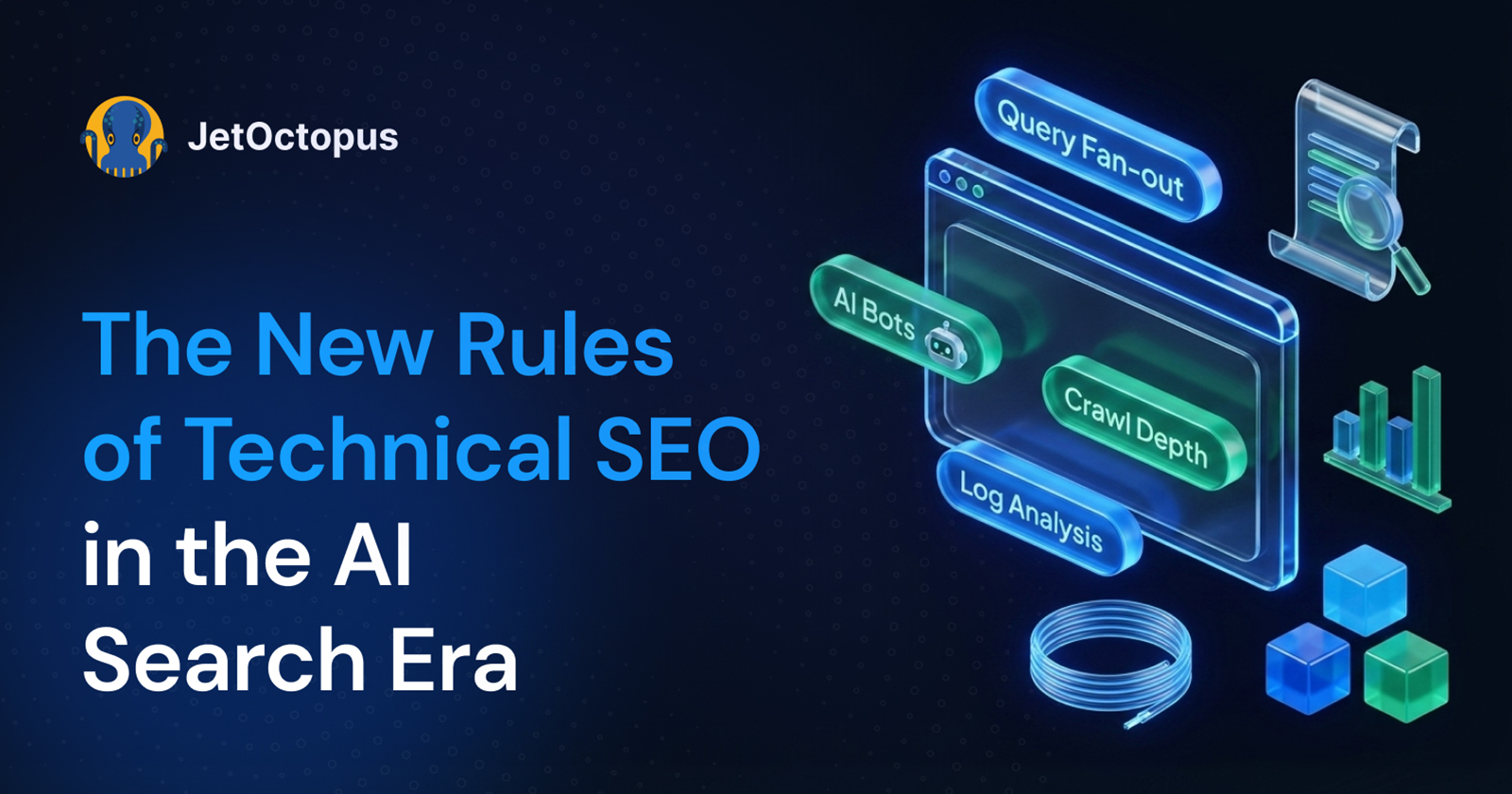
Implementing an AI SEO AI content audit involves several distinct stages, each leveraging different AI capabilities. Understanding these components helps marketing teams maximize the value they extract from audit tools and processes.
Automated Content Crawling and Inventory
The first stage involves AI-powered crawling that maps the entire website content landscape. Unlike traditional crawlers that simply index URLs, AI crawlers analyze each page’s content structure, extract key topics and entities, evaluate readability, and assess technical SEO elements. The system creates a comprehensive inventory that categorizes content by type, topic cluster, publication date, and current performance metrics.
This automated inventory provides the foundation for all subsequent analysis. It identifies orphaned content, duplicate pages, and content cannibalization issues where multiple pages target the same keywords. The AI also flags technical issues that impact content performance, such as slow loading times, mobile responsiveness problems, or indexing barriers.
Semantic Analysis and Natural Language Processing
Natural language processing algorithms evaluate content at a deeper level than simple keyword matching. The AI identifies the main entities discussed, the relationships between concepts, and the overall topical authority demonstrated in the content. It compares the semantic structure against top-ranking pages to determine whether the content adequately covers the topic from all relevant angles.
This analysis reveals whether content addresses user intent effectively. For example, if a page targets the keyword “best running shoes,” the AI checks whether the content includes comparisons, pricing information, sizing guidance, and expert opinions—elements that users expect when searching for this term. Content missing these elements receives lower quality scores and specific recommendations for improvement.
Performance Prediction and Prioritization
One of the most valuable features of AI audits is the ability to predict which content updates will generate the highest return on investment. The AI analyzes historical performance data, current ranking positions, search volume trends, and competitive landscape to score each piece of content on its potential for improvement.
This prioritization helps teams focus their efforts on high-impact updates rather than spreading resources thin across all content. The AI might identify that updating a page ranking on page two of search results for a high-volume keyword will generate more traffic than completely rewriting a page that already ranks well. This data-driven approach ensures maximum efficiency in content optimization efforts.
Benefits of Implementing AI Content Audits
Organizations that adopt AI-powered content auditing experience measurable improvements across multiple performance indicators. The benefits extend beyond simple traffic increases to include better resource allocation, improved content quality standards, and more effective content strategies.
| Benefit | Impact | Timeframe |
|---|---|---|
| Comprehensive Analysis | 100% of content evaluated, not just samples | Immediate |
| Speed of Execution | Audits completed in hours instead of weeks | Immediate |
| Objective Quality Scoring | Consistent evaluation criteria across all content | Ongoing |
| Competitive Intelligence | Real-time comparison with top-ranking competitors | Continuous |
| Resource Optimization | Focus efforts on highest-impact content updates | Within first audit cycle |
| Scalability | Audits work for websites of any size | Immediate |
Improved Content ROI
AI audits directly impact the return on investment from content marketing efforts. By identifying which existing content can be improved for quick wins, which should be consolidated to build stronger topical authority, and which should be retired to avoid diluting site quality, organizations maximize the value of their content libraries. The audit also reveals which new content topics have the highest potential for success based on current gaps and search demand.
Enhanced Topical Authority
Search engines reward websites that demonstrate comprehensive coverage of their subject areas. AI audits help build this topical authority by identifying related subtopics that should be covered, internal linking opportunities between related content, and areas where content depth needs expansion. Over time, this systematic approach to content development establishes the website as an authoritative resource in its niche.
Limitations and Challenges of AI Content Audits
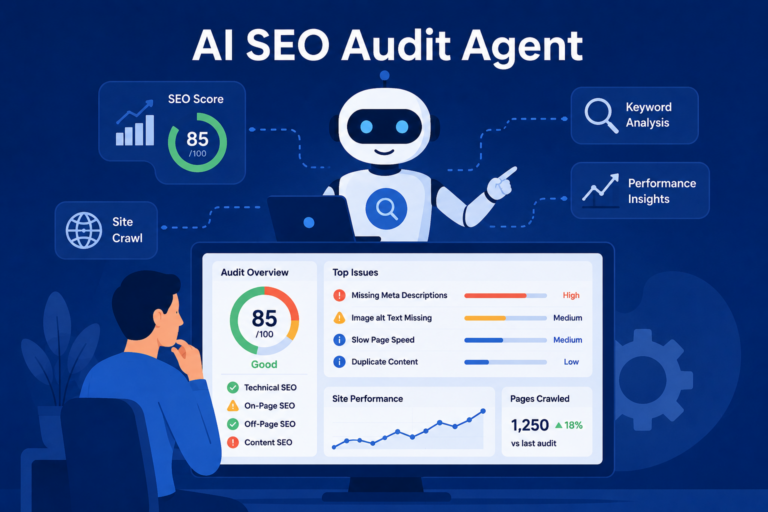
While AI-powered audits offer significant advantages, they also come with limitations that organizations must understand. Being aware of these challenges helps teams set realistic expectations and supplement AI insights with human judgment where necessary.
Data Quality Dependencies
AI audit accuracy depends entirely on the quality of data feeding the system. If analytics tracking is improperly configured, if search console data is incomplete, or if the AI tool lacks access to comprehensive ranking data, the audit recommendations will be flawed. Organizations must ensure their data collection infrastructure is solid before relying on AI audit insights.
Contextual Understanding Gaps
Despite advances in natural language processing, AI systems still struggle with certain types of content. Highly technical content, content with cultural nuances, or content that relies on industry-specific jargon may receive inaccurate quality scores. The AI might flag perfectly good content as underperforming or miss issues that a human expert would immediately recognize.
Over-Reliance on Historical Data
AI systems learn from historical patterns, which means they may not account for sudden shifts in search behavior, new competitors entering the market, or emerging trends. An AI audit conducted during a period of algorithm instability might produce recommendations based on outdated assumptions. Regular audit cycles and human oversight help mitigate this risk.
How to Conduct an AI SEO AI Content Audit: Step-by-Step Guide
Implementing a successful AI content audit requires a structured approach. The following steps outline the process from initial setup through ongoing optimization.
Step 1: Select the Right AI Audit Tools
The market offers numerous AI-powered content audit tools, each with different strengths and capabilities. Popular options include Surfer SEO for on-page optimization analysis, Clearscope for semantic relevance evaluation, MarketMuse for topical authority assessment, and Frase for content gap analysis. Enterprise-level platforms like Semrush and Ahrefs have also integrated AI features into their content audit functionalities.
When selecting tools, consider the size of your website, your budget, the specific features you need, and how well the tool integrates with your existing SEO and analytics stack. Many tools offer free trials, allowing you to test their capabilities before committing.
Step 2: Configure Data Integration
For the AI to provide accurate insights, it needs access to your website’s performance data. Connect your analytics platform, search console, and any other relevant data sources to the audit tool. Ensure that all tracking codes are properly implemented and that data is flowing correctly before running the initial audit.
Step 3: Run the Initial Comprehensive Audit
Execute the full website audit to establish a baseline. The A This initial audit typically takes anywhere from a few hours to a few days depending on website size and tool capabilities.
Step 4: Analyze the Audit Results
Review the audit findings systematically. Start with the highest-priority issues—content that is actively harming site performance or that represents the greatest opportunity for improvement. Most AI audit tools provide dashboards that categorize issues by severity and potential impact.
Step 5: Create an Action Plan
Based on the audit results, develop a prioritized action plan. This plan should include specific content updates, new content creation, content consolidation or removal, and technical fixes. Assign responsibilities and timelines for each action item.
Step 6: Implement Changes and Track Results
Execute the action plan and monitor the impact of changes on search rankings, organic traffic, and engagement metrics. The AI audit tool should show improvement in content scores as you implement recommendations. Track these improvements to validate the audit’s accuracy and refine your approach.
Step 7: Schedule Regular Audit Cycles
Content audits are not one-time events. Schedule regular audits—typically quarterly—to identify new issues, track progress, and adapt to algorithm changes. Each audit cycle builds on the previous one, creating a continuous improvement loop.
Common Mistakes in AI Content Audits and How to Avoid Them
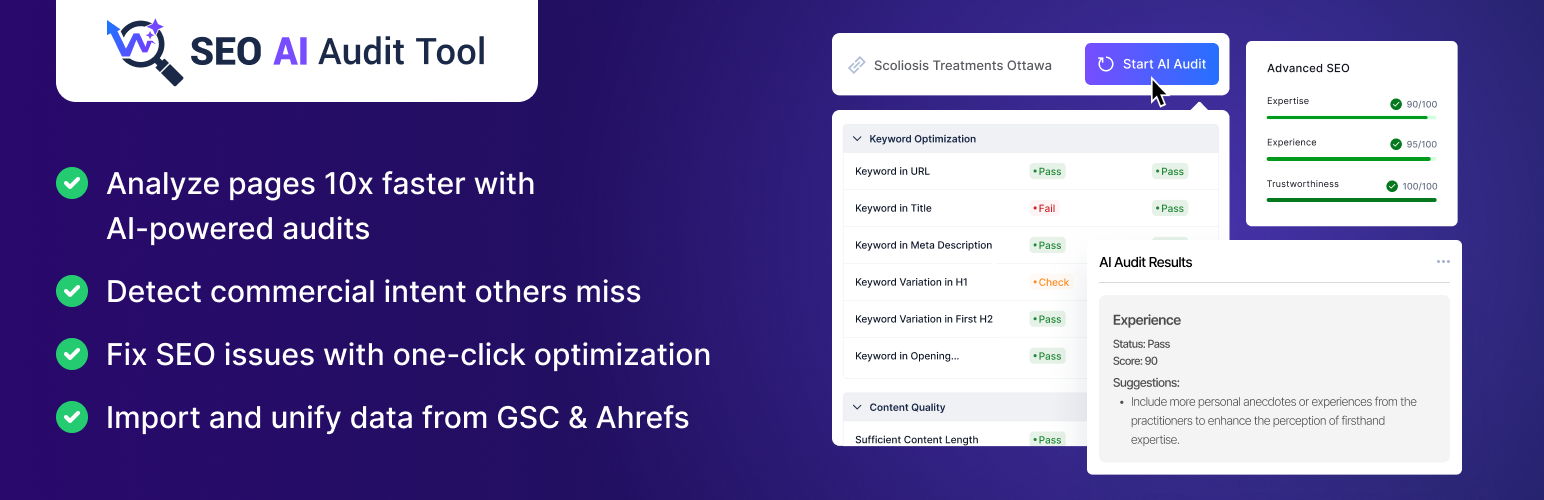
Organizations often make predictable errors when implementing AI content audits. Recognizing these mistakes helps teams avoid wasting time and resources on ineffective audit processes.
Ignoring the Human Element
The most significant mistake is treating AI audit recommendations as absolute truth without human review. AI systems can miss context, misunderstand brand voice requirements, or suggest changes that conflict with business goals. Always have experienced content strategists review AI recommendations before implementation.
Focusing Only on Traffic Metrics
While organic traffic is an important metric, it should not be the sole focus of content audits. Some content serves different purposes—building brand awareness, supporting conversion paths, or establishing expertise—that may not directly correlate with traffic numbers. Evaluate content against its intended purpose, not just its traffic performance.
Neglecting Content Consolidation
Many audits identify multiple pages targeting similar keywords or covering overlapping topics. The correct action is often to consolidate these pages into a single comprehensive resource. However, teams frequently avoid consolidation due to concerns about losing traffic or the effort required. This mistake perpetuates content cannibalization and weakens topical authority.
Failing to Act on Audit Findings
Conducting an audit without implementing recommendations provides no value. Organizations sometimes run audits, review the results, and then fail to allocate resources for the necessary updates. This creates audit fatigue and wastes the investment in audit tools and time.
Important Notes for Maximizing AI Audit Value
Several considerations can significantly enhance the value derived from AI content audits. These notes reflect best practices from organizations that have successfully implemented AI-driven content optimization programs.
First, ensure that your content team understands how to interpret and act on AI audit data. Provide training on the tools and on the principles of content optimization. Teams that understand the why behind audit recommendations are more likely to implement them effectively.
Second, combine AI audit insights with other data sources. User feedback, customer service inquiries, and sales team insights provide qualitative context that AI systems cannot capture. Integrating these sources creates a more complete picture of content performance and improvement opportunities.
Third, maintain realistic expectations about the speed of results. Content optimization takes time to impact search rankings. While some quick wins may appear within weeks, significant improvements typically require several months of consistent effort.
Fourth, document everything. Track the changes made, the reasons for those changes, and the resulting performance impact. This documentation creates a knowledge base that improves future audit interpretation and content strategy decisions.
Frequently Asked Questions
How often should I run an AI SEO AI content audit?
Most experts recommend running a comprehensive content audit quarterly. This frequency allows you to track progress, identify new issues, and adapt to algorithm changes without overwhelming your team with constant analysis. Websites in highly competitive niches or those undergoing significant changes may benefit from more frequent audits, while smaller websites with limited content may only need semi-annual audits.
What is the difference between an AI content audit and a traditional SEO audit?
A traditional SEO audit focuses primarily on technical factors like meta tags, site speed, and backlinks. An AI content audit goes deeper, analyzing the semantic quality of content, topical authority, user intent matching, and competitive positioning. AI audits also process data at a scale and speed that manual audits cannot match, providing more comprehensive and actionable insights.
Can AI content audits replace human content strategists?
No. AI content audits provide data and recommendations, but human strategists are essential for interpreting that data within the context of business goals, brand voice, and audience needs. The most effective approach combines AI analysis with human judgment and creativity. AI identifies what needs attention; humans determine how to address it.
How long does an AI content audit take to complete?
The duration depends on website size and the tools used. A small website with fewer than 100 pages might be audited in a few hours. Enterprise websites with hundreds of thousands of pages may take several days for the initial crawl and analysis. Most AI audit tools provide real-time dashboards that show results as the analysis progresses.
What metrics should I focus on when reviewing audit results?
Prioritize metrics that align with your business objectives. For most organizations, the key metrics include organic traffic trends, keyword ranking positions, engagement signals like time on page and bounce rate, conversion rates, and content quality scores. The audit should also highlight opportunities for improvement, not just current performance.
How much does an AI content audit tool cost?
Pricing varies widely based on features and website size. Basic tools start around $50-100 per month for small websites. Mid-range tools cost $150-500 per month and offer more comprehensive features. Enterprise solutions can cost $1,000 or more per month. Many tools offer tiered pricing based on the number of pages or keywords analyzed.
Conclusion
An AI SEO AI content audit represents an essential practice for any organization serious about search engine performance. The ability to analyze entire content libraries, identify optimization opportunities, and prioritize actions based on predicted impact transforms content marketing from a guessing game into a data-driven discipline. While AI tools cannot replace human judgment, they dramatically enhance the efficiency and effectiveness of content optimization efforts.
The organizations that will succeed in the evolving search landscape are those that embrace AI-powered analysis while maintaining human oversight and creativity. By implementing regular AI content audits, acting on the insights they provide, and continuously refining content strategies based on performance data, websites can build the topical authority and content quality that search engines reward. The investment in AI audit tools and processes pays dividends through improved rankings, increased organic traffic, and better return on content marketing investments.
Start with a baseline audit of your current content, identify the highest-impact opportunities, and commit to a continuous improvement cycle. The competitive advantage gained through systematic AI-driven content optimization will compound over time, establishing your website as a trusted authority in your niche.
Xem thêm:
- Advanced AI SEO: The Complete Guide to Dominating Search in 2025
- AI Featured Snippets: How Artificial Intelligence Is Redefining Position Zero
- WP Trove Keyword Research: The Complete Guide to Finding High-Value WordPress Niche Keywords
- AI Site Audit: The Complete Guide to Smarter, Faster Website Analysis for 2025
- AI Voice Search SEO: The Ultimate Guide to Dominating Spoken Queries in 2025
Bài viết cùng chủ đề:

AI SEO SEO Automation with Make: The Complete Workflow Guide

AI SEO SEO Automation with Zapier: The Complete Workflow Guide

AI SEO SEO Automation with n8n: The Complete Workflow Guide
AI SEO SEO Automation with Gemini: The Complete Guide to Scaling Organic Growth

AI SEO SEO Automation with Claude: The Complete Guide to Scaling Content in 2025

AI SEO SEO Automation with ChatGPT: The Complete Playbook for 2025

AI SEO & SEO Automation for Affiliate Sites: The 2025 Playbook for Passive Income Growth
AI SEO & SEO Automation for Bloggers: The Complete Guide to Scaling Your Content

AI SEO & SEO Automation for Agencies: The Complete 2025 Playbook

AI SEO and SEO Automation for Ecommerce: The Complete Playbook for 2025

AI SEO & SEO Automation for WordPress: The Complete Playbook for 2025
AI SEO SEO Automation Strategy: The Complete Playbook for 2025

Mastering the AI SEO SEO Automation Process: A Complete Guide to Scaling Organic Growth
AI SEO SEO Automation System: The Complete Guide to Scaling Organic Growth in 2025
AI SEO SEO Automation Platform: The Complete Guide to Scaling Organic Growth in 2025
AI SEO SEO Automation Software: The Complete Guide to Scaling Organic Growth in 2025















