
No products in the cart.
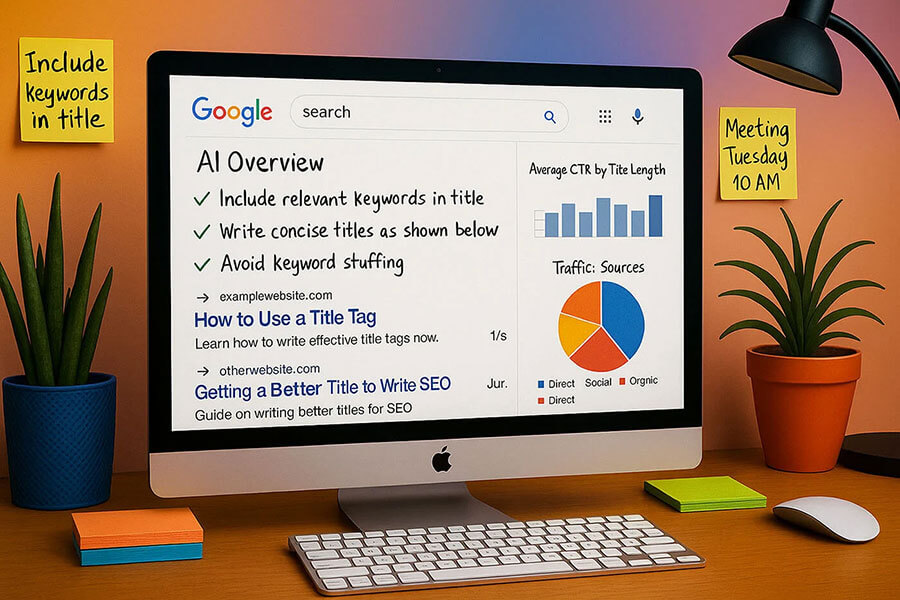
AI SEO AI Overview Traffic: The Complete Guide to Winning Google’s AI Search Results
10
Aug
Aug
The digital marketing landscape has shifted dramatically with the introduction of Google’s AI Overviews. For years, SEO professionals focused on ranking in the traditional blue links. Today, the battleground has moved to the top of the search engine results page (SERP), where AI-generated summaries now capture user attention. Understanding how to optimize for AI SEO AI Overview traffic is no longer optional; it is a critical component of sustainable organic growth. This guide provides a deep dive into the mechanics of AI Overviews, offering actionable strategies to secure visibility and drive clicks in this new era of search.
What is AI Overview Traffic in SEO?
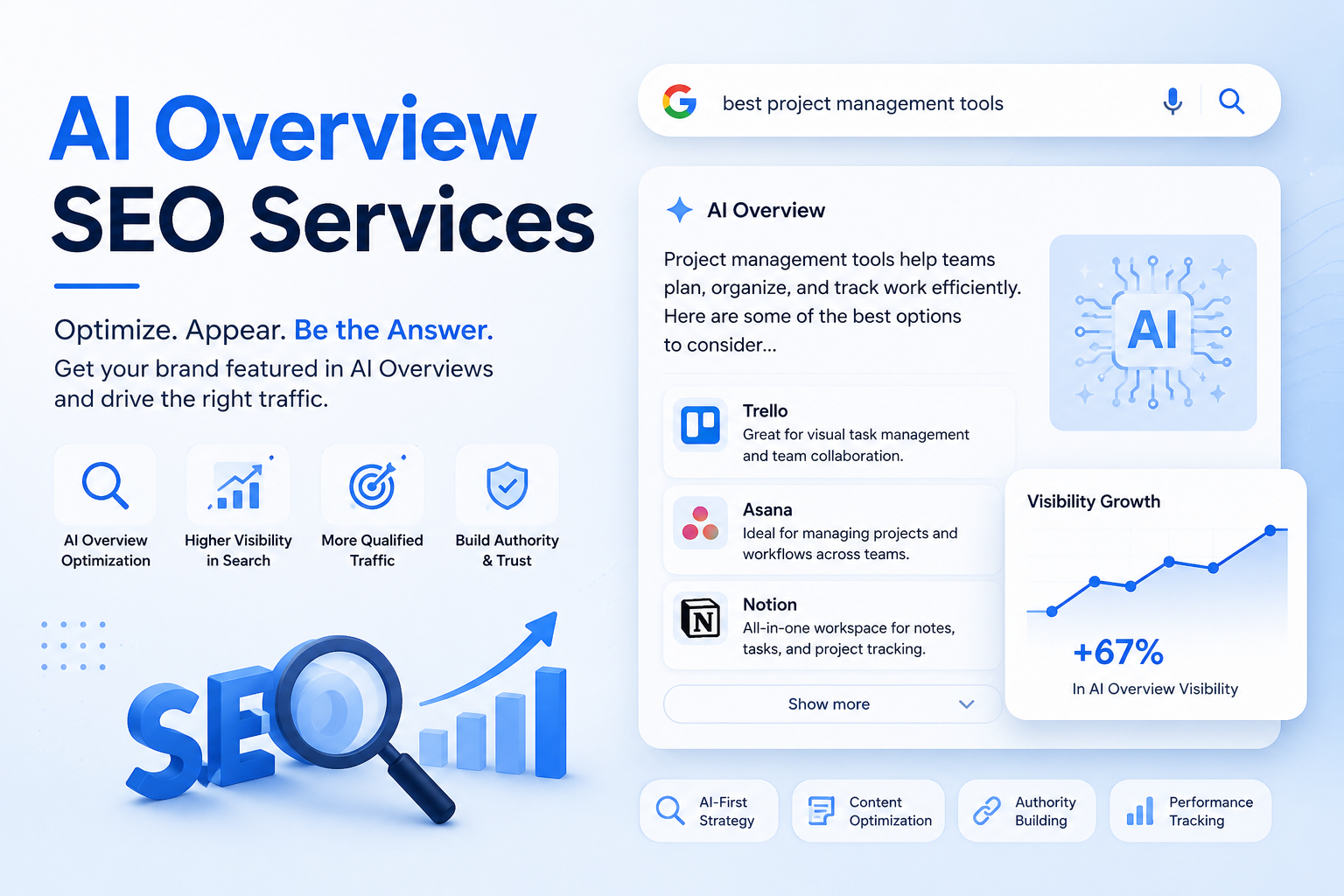
AI Overview traffic refers to the visits and engagement your website receives from users who interact with Google’s AI-generated answers displayed at the top of the search results. Unlike traditional featured snippets, which pull a direct quote from a single page, AI Overviews synthesize information from multiple sources to create a comprehensive, conversational answer. This shift means that ranking first for a keyword no longer guarantees you will be the source cited in the AI summary. The goal is to become one of the primary references used to generate that answer, thereby capturing referral traffic from users who click through for more details.
This new format changes the user journey. A user searching for “best running shoes for flat feet” might see a paragraph summarizing key features, followed by links to several articles. The traffic you receive depends on whether your content is selected as a source and how compelling your link appears within that AI-generated block. It is a distinct traffic stream that requires a different optimization approach than standard organic listings.
How Google AI Overviews Work
To effectively optimize for AI SEO AI Overview traffic, you must first understand the underlying technology. Google’s AI Overviews are powered by a custom large language model (LLM) integrated with the core Search ranking systems. This model is not a simple chatbot; it is designed to ground its responses in high-quality web content. The system performs a multi-step process:
- Query Understanding: The AI parses the user’s search query to determine intent, identifying whether it is informational, transactional, or navigational.
- Information Retrieval: It queries Google’s index to find pages that are highly relevant and authoritative for the topic.
- Synthesis: The model extracts key concepts and data points from these top-ranking pages, cross-referencing them to build a coherent answer.
- Attribution: It selects specific URLs to cite as sources, often using inline links within the text or a carousel of links at the bottom of the overview.
- Original research and survey data.
- Specific numbers, percentages, and metrics.
- Quotes from recognized industry experts.
- Clear, factual explanations of complex topics.
- Use H2 and H3 headings that contain the core question or topic of the section.
- Provide direct answers in the first paragraph of each section.
- Use bullet points and numbered lists for steps, features, and comparisons.
- Include a summary table at the beginning or end of the article to consolidate key data.
- Referral Traffic Analysis: In Google Analytics, analyze your referral traffic. Look for sessions that come from a Google URL but have a very low bounce rate and high pages per session. This often indicates users who clicked from an AI Overview and found your content valuable.
- Manual SERP Checks: Regularly perform manual searches for your target keywords in an incognito window. Note whether an AI Overview appears and if your brand is cited. This provides qualitative data that analytics tools may miss.
This process highlights a crucial point: your content must be easily parseable by the AI. If your page is buried in complex JavaScript or lacks clear semantic structure, the AI may struggle to extract the necessary information, even if your page ranks well traditionally.
Why AI Overview Traffic Matters for Your Business

The importance of AI Overview traffic lies in its prominent placement. These overviews appear at the very top of the mobile and desktop SERPs, pushing traditional organic results further down the page. This has several significant implications for your SEO strategy.
High Visibility and Brand Authority
Being cited in an AI Overview positions your brand as a trusted authority. Users often perceive the sources cited by AI as the most credible information available. Even if the click-through rate (CTR) from the overview is lower than a traditional top ranking, the brand exposure is immense. A user who sees your brand name in the AI summary is more likely to remember you and search for you directly in the future.
Shifting Click-Through Rates
Early data suggests that AI Overviews can reduce the CTR for traditional organic listings. However, they also create a new opportunity. The links within the AI Overview are highly contextual. A user who reads a synthesized answer and clicks your link is often highly engaged and has a clear intent to learn more. This can lead to higher conversion rates, as the traffic is pre-qualified by the AI’s summary.
Long-Tail Keyword Opportunities
AI Overviews are particularly effective for long-tail, conversational queries. These are often questions that users ask in natural language. By optimizing for these specific queries, you can capture traffic that was previously difficult to target with traditional SEO. The AI does the work of matching your detailed content to the user’s specific question, even if the exact keyword phrase is not present on your page.
Key Differences: Traditional SEO vs. AI SEO
While the fundamentals of good content remain, the optimization strategy has evolved. The table below outlines the core differences between traditional SEO and the new AI-focused approach.
| Aspect | Traditional SEO | AI SEO (for Overviews) |
|---|---|---|
| Primary Goal | Rank #1 for a specific keyword. | Become a cited source in the AI-generated answer. |
| Content Focus | Keyword density and exact match phrases. | Entity coverage, semantic relevance, and topical depth. |
| Content Structure | Short paragraphs and clear headings for crawlers. | Structured data, clear definitions, and comparative tables for AI extraction. |
| User Intent | Match the keyword to a page. | Answer the underlying question comprehensively. |
| Success Metric | Impressions and position. | Presence in the overview and referral clicks. |
This comparison shows that AI SEO is less about gaming the algorithm and more about creating the most authoritative and well-structured resource on the internet for a given topic.
Proven Strategies to Increase AI Overview Traffic
Securing a spot in AI Overviews requires a proactive approach. The following strategies are designed to make your content the go-to source for Google’s AI.
1. Optimize for Entity Clarity
Google’s AI relies on understanding entities (people, places, things, concepts) and their relationships. Your content must clearly define these entities. Use consistent terminology throughout your page. If you are writing about “content marketing,” ensure you clearly define what it is, its components, and its benefits. Avoid using ambiguous pronouns or vague references that could confuse the AI’s parsing algorithms.
2. Create Definitive, Data-Rich Content
AI Overviews often cite content that includes specific data points, statistics, and expert opinions. Anecdotal or purely opinion-based content is less likely to be used. To increase your chances, include:
3. Structure Content for Extraction
The AI needs to easily identify the key points of your article. Use a logical structure that facilitates this:
4. Target Question-Based Keywords
AI Overviews are triggered more frequently for questions. Focus your keyword research on “who,” “what,” “when,” “where,” “why,” and “how” queries. Create dedicated sections on your page that directly answer these questions. For example, a section titled “How to measure SEO success” is more likely to be pulled into an AI Overview than a generic section on “SEO metrics.”
5. Build Topical Authority
Google’s AI favors websites that demonstrate deep expertise on a subject. Instead of publishing thin, isolated articles, create comprehensive content clusters. Have a central pillar page that covers a broad topic and link out to detailed cluster pages that cover specific subtopics. This internal linking structure helps the AI understand the full scope of your knowledge.
Common Mistakes That Block AI Overview Visibility
Many websites are inadvertently preventing their content from being used in AI Overviews. Avoiding these common pitfalls is just as important as implementing the right strategies.
Ignoring Technical SEO Fundamentals
If Googlebot cannot crawl and render your page, the AI cannot use it. Ensure your site has a clean, XML sitemap, fast loading times, and is mobile-friendly. Avoid using heavy JavaScript to render critical content, as this can delay or prevent indexing. A technically sound website is the foundation for all AI SEO efforts.
Creating Content That Lacks Depth
AI Overviews are designed to provide comprehensive answers. If your content only scratches the surface of a topic, the A Aim to create the most thorough resource available. This does not mean writing 5,000 words of fluff; it means covering every relevant subtopic with genuine insight and value.
Over-Optimizing for Keywords
Keyword stuffing is a relic of the past. The AI is sophisticated enough to understand synonyms and related concepts. Focus on writing naturally about the topic. Use your target keyword and its variations, but prioritize readability and clarity. Forcing an exact-match keyword into every paragraph makes your content sound robotic and reduces its quality.
Neglecting Content Updates
The world changes, and so does information. An article from 2020 about social media algorithms is likely outdated. Google’s AI prefers fresh, up-to-date content. Regularly audit your top-performing pages and update them with new data, examples, and insights. This signals to the AI that your content is current and reliable.
Measuring the Impact of AI Overview Traffic
Tracking the success of your AI SEO efforts requires a shift in analytics. Standard metrics like impressions and average position are still useful, but you need to look deeper. Look for changes in CTR and position for these specific queries. A drop in position might be offset by an increase in visibility within the overview itself.
Important Notes on AI Overview Limitations
While AI Overviews present a significant opportunity, it is important to maintain a balanced perspective. They are not perfect and have limitations that affect your strategy.
First, AI Overviews are not triggered for all queries. They are more common for informational and complex questions. For transactional queries like “buy Nike shoes,” traditional product listings are still dominant. Second, the AI can sometimes generate inaccurate or “hallucinated” information. If your content is cited in an overview that contains an error, it could reflect poorly on your brand. Finally, the format is still evolving. Google frequently tests different layouts and placements, so what works today may change tomorrow. Flexibility and continuous monitoring are essential.
Practical Guide: Optimizing Your Existing Content
You do not need to start from scratch to benefit from AI Overview traffic.
- Audit Your Top Pages: Identify your pages that already rank on the first page for relevant keywords. These are your best candidates for AI Overview inclusion.
- Identify Gaps: Compare your content to the top-ranking pages and the AI Overviews currently showing. What questions are they answering that you are not? What data are they citing that you lack?
- Add a “Key Takeaways” Box: Create a bulleted list at the top of your article that summarizes the main points. This makes it easy for the AI to extract the core facts.
- Expand on Definitions: Ensure you have a clear, concise definition of the main topic in the first 100 words of your article.
- Update Statistics and Examples: Replace outdated information with current data. Add new examples and case studies to demonstrate your expertise.
- Improve Internal Linking: Link to other relevant pages on your site to help the AI understand the broader context of your content.
Frequently Asked Questions (FAQ)
What is the difference between a featured snippet and an AI Overview?
A featured snippet is a direct quote pulled from a single webpage. It is a specific block of text that matches the search query. An AI Overview is a synthesized answer generated from multiple sources. It is a unique paragraph written by the AI that cites several different websites, providing a more comprehensive and conversational response.
Does ranking #1 on Google guarantee inclusion in an AI Overview?
No. While ranking well is a strong signal of relevance, the AI Overview uses a different synthesis process. It may choose to cite a page that ranks #5 because it contains a specific statistic or a clearer explanation of a subtopic. The AI prioritizes the quality and structure of the information, not just the overall page authority.
How can I check if my website is appearing in AI Overviews?
You can manually check by performing searches for your target keywords in an incognito browser window. For a more data-driven approach, use Google Search Console to monitor your performance for queries that trigger AI Overviews. Look for sudden changes in CTR or impressions that cannot be explained by traditional ranking changes.
Will AI Overviews kill organic traffic?
No, but they will change its nature. The traditional “ten blue links” format is being replaced by a more conversational interface. While the CTR for some organic positions may decrease, AI Overviews create new opportunities for referral traffic. Users who click through from an AI Overview are often highly engaged and have a clear intent to learn more, which can lead to higher quality traffic and better conversion rates.
What type of content is most likely to be cited in an AI Overview?
Content that is well-structured, data-rich, and provides clear, definitive answers is most likely to be cited. This includes listicles, comparison tables, how-to guides, and articles with original research. The content must be easy for the AI to parse and extract key information from, with clear headings and logical flow.
Conclusion
The rise of AI Overviews marks a fundamental shift in how users interact with search engines. The era of simply targeting keywords is over. The new era of AI SEO AI Overview traffic demands a focus on creating comprehensive, authoritative, and well-structured content that serves as a reliable source for Google’s AI. By understanding the mechanics of AI Overviews, implementing the strategies outlined in this guide, and continuously monitoring your performance, you can position your brand at the forefront of this evolution. The opportunity is clear: those who adapt to this new paradigm will capture the attention of users and secure a competitive advantage in the ever-changing world of search.
Xem thêm:
- AI SEO List Generator: The Complete Guide to Automating Content Creation
- AI SEO Broken Link Opportunities: The Complete Guide to Automated Link Recovery
- AI SEO Influencers: The New Architects of Search Visibility in an Era of Machine Intelligence
- LLM SEO: The Ultimate Guide to Optimizing for Large Language Model Search
- AI SEO Planning Workflow: The Complete Guide to Scaling Organic Growth in 2025
Bài viết cùng chủ đề:

AI SEO SEO Automation with Make: The Complete Workflow Guide

AI SEO SEO Automation with Zapier: The Complete Workflow Guide

AI SEO SEO Automation with n8n: The Complete Workflow Guide
AI SEO SEO Automation with Gemini: The Complete Guide to Scaling Organic Growth

AI SEO SEO Automation with Claude: The Complete Guide to Scaling Content in 2025

AI SEO SEO Automation with ChatGPT: The Complete Playbook for 2025

AI SEO & SEO Automation for Affiliate Sites: The 2025 Playbook for Passive Income Growth
AI SEO & SEO Automation for Bloggers: The Complete Guide to Scaling Your Content

AI SEO & SEO Automation for Agencies: The Complete 2025 Playbook

AI SEO and SEO Automation for Ecommerce: The Complete Playbook for 2025

AI SEO & SEO Automation for WordPress: The Complete Playbook for 2025
AI SEO SEO Automation Strategy: The Complete Playbook for 2025

Mastering the AI SEO SEO Automation Process: A Complete Guide to Scaling Organic Growth
AI SEO SEO Automation System: The Complete Guide to Scaling Organic Growth in 2025
AI SEO SEO Automation Platform: The Complete Guide to Scaling Organic Growth in 2025
AI SEO SEO Automation Software: The Complete Guide to Scaling Organic Growth in 2025















