
No products in the cart.
AI SEO AI Search Audit Tool: The Complete Guide to Modern Search Visibility
10
Aug
Aug
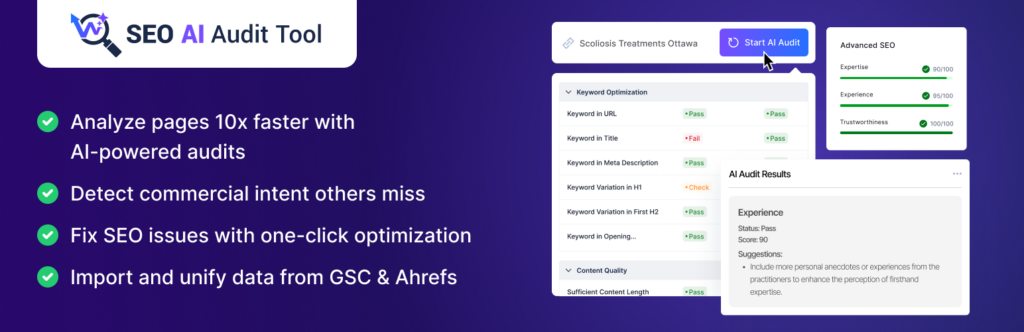
The digital landscape has shifted dramatically. Traditional SEO practices that relied on keyword stuffing and backlink schemes no longer deliver results. Search engines now prioritize user intent, content relevance, and technical excellence. This is where the AI SEO AI Search Audit Tool becomes indispensable. These advanced platforms leverage machine learning to analyze websites against the complex algorithms of Google, Bing, and emerging AI search engines like ChatGPT and Perplexity. This guide explores how these tools work, why they matter, and how to use them for sustainable growth.
What is an AI SEO AI Search Audit Tool?
An AI SEO AI Search Audit Tool is a software platform that uses artificial intelligence to evaluate a website’s health and visibility potential. Unlike traditional audit tools that simply check for broken links or missing meta tags, these systems simulate how AI search engines and ranking algorithms interpret your content. They analyze semantic relevance, entity matching, topical authority, and user experience signals.
The core function involves crawling your site like a search engine bot, but with an added layer of neural network analysis. The tool examines your content structure, internal linking, page speed, mobile usability, and structured data. It then compares your site against top-ranking competitors in your niche. The output is a prioritized list of actionable fixes, often with predictive scoring on how changes will impact rankings.
The Evolution from Traditional SEO Audits
Traditional audits focused on technical errors. They checked for duplicate content, missing alt text, and slow server response times. While these remain important, they represent only a fraction of modern ranking factors. AI-powered audits go deeper. They assess whether your content answers the actual questions users ask in natural language. They evaluate the authority of your entity (your brand) in the context of your industry.
For instance, a standard audit might flag that your page has 1,200 words. An AI audit will tell you that your page lacks coverage of key subtopics that users expect, based on analysis of millions of search queries. It might suggest adding a comparison table, a FAQ section, or specific statistics to match search intent more closely.
Why AI Search Visibility Matters in 2025
The rise of generative AI has changed how people find information. Users now ask ChatGPT for recommendations, use Google’s AI Overviews, and rely on voice assistants. These systems don’t just rank web pages; they synthesize information from multiple sources. To appear in these answers, your content must be structured in a way that AI models can easily parse and cite.
An AI SEO AI Search Audit Tool helps you optimize for this new reality. It checks if your content is written in a clear, declarative style that AI models prefer. It verifies that your facts are consistent across your site, which builds trust with AI crawlers. It also ensures your technical setup allows AI bots (like GPTBot or Google-Extended) to access your content without restrictions.
Key Differences: AI Search vs. Traditional Search
| Feature | Traditional Search (Google) | AI Search (ChatGPT, Perplexity) |
|---|---|---|
| Query Type | Keywords and phrases | Conversational, long-tail questions |
| Result Format | List of blue links | Synthesized paragraph with citations |
| Ranking Factor | Backlinks, domain authority | Content clarity, factual accuracy, source diversity |
| User Behavior | Click and browse | Read summary, ask follow-up questions |
| Optimization Focus | Meta tags, keyword density | Entity relationships, structured data, FAQ schema |
This table illustrates why a standard audit is insufficient. You need AI-driven insights to adapt to these divergent systems simultaneously. The best AI audit tools now provide a unified score that predicts performance across both traditional and generative search platforms.
Core Features of a High-Quality AI SEO AI Search Audit Tool
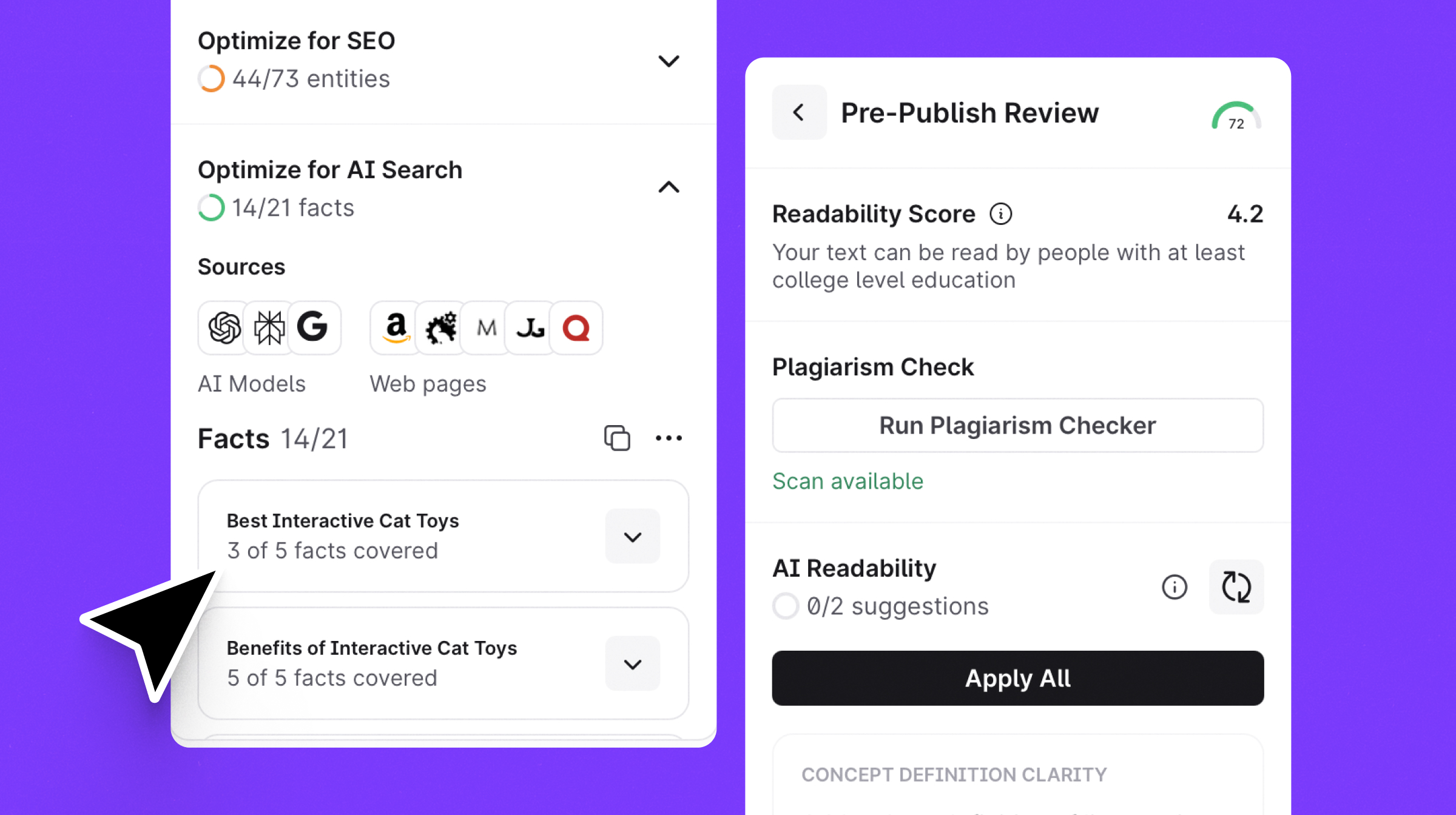
Not all AI audit tools are created equal. The market is flooded with products that slap an “AI” label on basic reporting. A genuine, high-quality tool includes specific capabilities that separate it from legacy software.
1. Semantic Entity Analysis
This feature maps out the entities (people, places, concepts) mentioned on your page and checks if they align with the main topic. For example, if you write about “content marketing,” the tool checks if you also mention “editorial calendar,” “audience persona,” and “ROI measurement.” This helps search engines understand your expertise depth.
2. Predictive SERP Analysis
Instead of showing current rankings, the tool uses historical data and machine learning to predict how your page will rank after you implement changes. This allows you to prioritize fixes that have the highest impact on traffic potential.
3. AI Content Gap Detection
The tool compares your content against the top 10 results for your target keywords. It identifies subtopics that competitors cover but you don’t. This is crucial for building topical authority, which is a major ranking factor for both Google and AI models.
4. Natural Language Processing (NLP) Scoring
This measures how naturally your text reads. AI search engines penalize content that sounds robotic or stuffed with keywords. The NLP score checks for sentence variety, transition words, and logical flow. A high score means your content is likely to be quoted verbatim in AI-generated answers.
5. AI Crawler Accessibility Check
Many websites accidentally block AI crawlers in their robots.txt file. This feature verifies that GPTBot, ClaudeBot, and Google-Extended can access your pages. If they can’t, you are invisible to AI search engines, regardless of your content quality.
How to Perform an AI SEO Audit: Step-by-Step Guide
Using an AI SEO AI Search Audit Tool effectively requires a systematic approach.
Step 1: Crawl and Index Verification
Start by running a full site crawl. The tool will identify pages that are blocked, orphaned, or have thin content. Check that your important pages are indexed by both Google and AI bots. Remove any disallow rules that block AI crawlers unless you have a specific reason to keep them out.
Step 2: Analyze Search Intent Alignment
For your primary pages, the tool will classify the search intent (informational, transactional, navigational). Ensure your content matches this intent. If users are looking for a comparison, provide a table. If they want a tutorial, provide step-by-step instructions. Mismatched intent is the number one cause of high bounce rates.
Step 3: Review Entity and Topical Map
Look at the entity graph generated by the tool. Are you mentioning the right related concepts? If you run a dental clinic, your content should mention “teeth whitening,” “root canal,” “oral hygiene,” and “dental insurance.” The tool will show you which entities are missing and suggest where to add them naturally.
Step 4: Optimize for AI Citation
AI search engines love statistics, quotes from experts, and clear definitions. The audit tool will highlight paragraphs that are well-suited for citation. Ensure these paragraphs are self-contained and make sense when pulled out of context. Add schema markup (like FAQPage or HowTo) to increase the chances of being featured.
Step 5: Implement Technical Fixes
Address any technical issues flagged, such as slow Core Web Vitals, broken internal links, or missing alt text. While these are not new, the AI tool will prioritize them based on their impact on AI readability. For example, a slow page might cause an AI crawler to time out, meaning your content is never analyzed.
Benefits of Using AI-Powered Audits
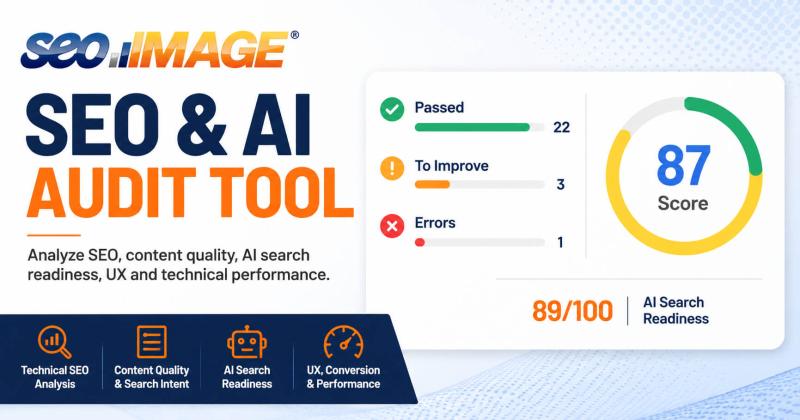
The advantages of adopting this technology extend beyond just better rankings. They provide a strategic edge in a competitive digital environment.
- Time Efficiency: AI processes thousands of data points in minutes, a task that would take a human analyst weeks.
- Accuracy: Machine learning algorithms identify patterns that human eyes miss, such as subtle shifts in keyword co-occurrence.
- Competitive Intelligence: You get a clear view of why competitors outrank you, with specific, actionable differences.
- Future-Proofing: These tools are updated constantly to reflect changes in AI search algorithms, keeping you ahead of the curve.
- Content ROI: By focusing on high-impact changes, you get more traffic from the content you already have, rather than constantly creating new pages.
- Integrate with Analytics: Connect your audit tool to Google Search Console and Google Analytics. This provides a complete picture of how technical changes affect user behavior.
- Train Your Team: Ensure your content writers and developers understand how to read the audit reports. A developer might ignore a content suggestion, while a writer might ignore a technical fix.
- Track Changes: Document every change you make based on the audit. This helps you correlate specific actions with ranking fluctuations.
- Combine with Manual Review: Use the AI tool to identify potential issues, then manually verify them. Sometimes the tool flags a false positive, such as a page that is intentionally thin (like a contact page).
- Stay Updated: The field of AI search is evolving rapidly. Subscribe to the tool’s blog and changelog to understand new features and algorithm updates.
Limitations and Challenges
No tool is perfect. Understanding the limitations of AI audits helps you use them wisely without over-reliance.
Data Interpretation: AI tools provide recommendations, but they don’t understand your business context. A suggestion to shorten a page might be wrong if your audience expects in-depth whitepapers. Human judgment is still required.
Cost: High-quality AI audit tools are subscription-based and can be expensive for small businesses. Free versions often provide limited data and generic recommendations.
Black Box Algorithms: The exact logic behind the AI scoring is proprietary. You might see a score drop without understanding exactly why, which can be frustrating.
Over-Optimization Risk: Following every AI suggestion blindly can lead to content that feels formulaic. AI models are trained on existing content, so they might push you toward generic advice that lacks originality.
Comparing Top AI SEO AI Search Audit Tools
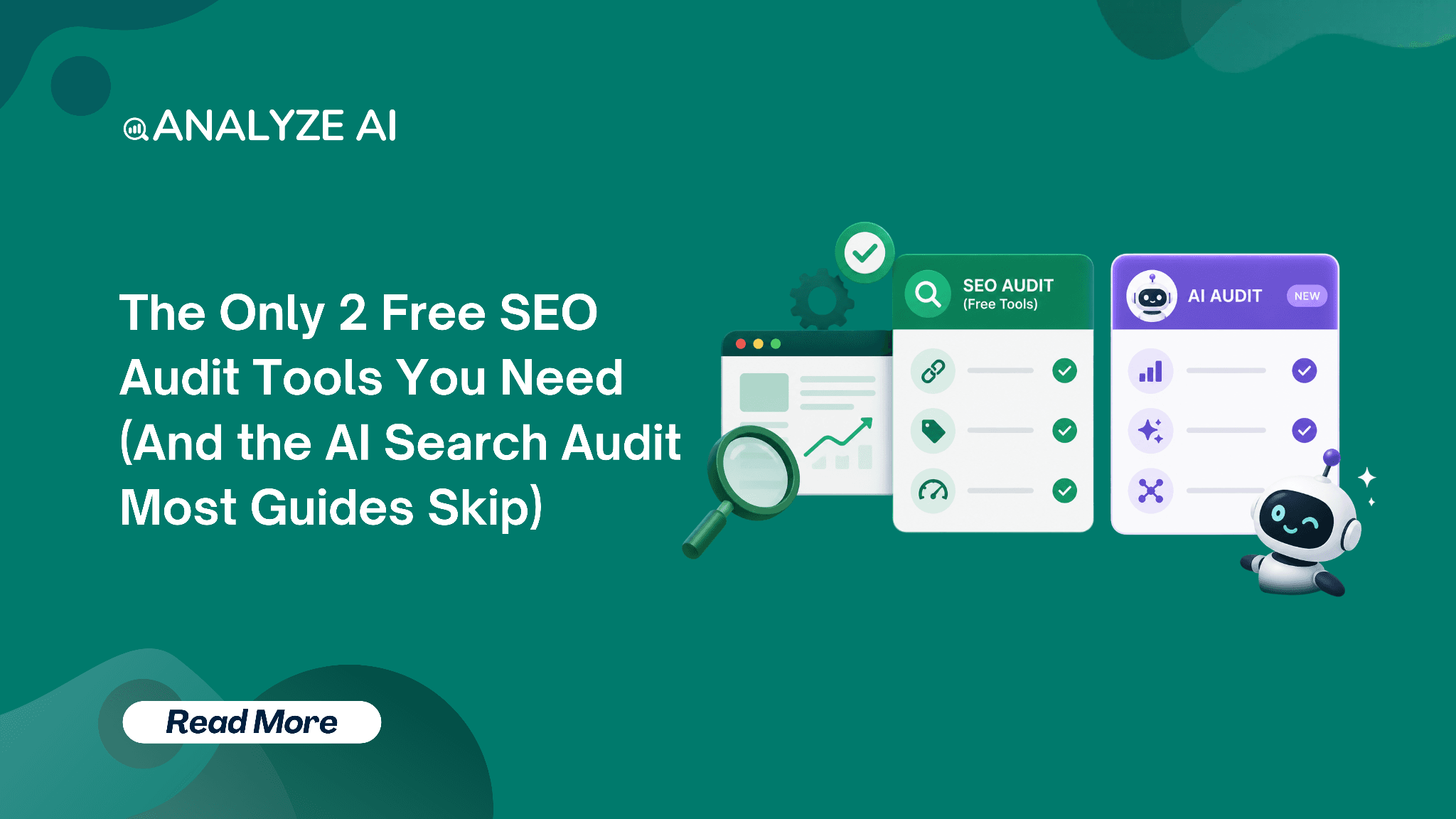
The market offers several robust options.
| Tool | Best For | Unique Feature | Pricing Model |
|---|---|---|---|
| Surfer SEO | Content optimization | Real-time content score against SERP | Subscription |
| Ahrefs (AI features) | Backlink and keyword analysis | AI content gap analysis | Tiered subscription |
| Semrush (Copilot) | All-in-one marketing suite | AI writing assistant and audit combo | Tiered subscription |
| MarketMuse | Topical authority building | Personalized content briefs | Subscription (higher cost) |
| Frase.io | AI search answer optimization | Content generation and optimization for AI answers | Subscription |
When choosing a tool, consider your team’s technical skill level and your specific goals. A solo blogger might benefit most from Surfer SEO’s simplicity. An enterprise e-commerce site might need the comprehensive suite from Semrush. Always take advantage of free trials to test the user interface and report clarity.
Common Mistakes When Using AI Audit Tools
Many website owners make critical errors when integrating these tools into their workflow. Avoiding these pitfalls will save you time and frustration.
Mistake 1: Focusing Only on the Score
The overall score is a summary, not a strategy. Dig into the specific recommendations. A score of 80 might look good, but the tool might be flagging a critical issue on your checkout page that hurts conversions. Prioritize fixes based on business impact, not just score improvement.
Mistake 2: Ignoring the “Why” Behind Suggestions
If the tool suggests adding more internal links, understand why. Is it to distribute page authority? Is it to help AI crawlers discover related content? Blindly adding links without context can create a poor user experience.
Mistake 3: Copying Competitor Content
AI gap analysis shows you what competitors have. It does not mean you should copy their structure verbatim. Use the data to find a unique angle or a better way to present the information. Duplicating structure can lead to duplicate content penalties.
Mistake 4: Neglecting Human Readability
Optimizing for AI search engines is important, but humans are your ultimate audience. If your content reads like it was written by a robot, users will leave. Always read your content aloud after making AI-suggested changes. If it sounds unnatural, revert the change.
Mistake 5: Running an Audit Once
SEO is not a one-time project. Algorithms change, competitors update their content, and your site evolves. Run an AI audit at least quarterly. Set up automated monitoring for critical pages to catch issues before they impact traffic.
Important Notes for Maximizing Tool Effectiveness
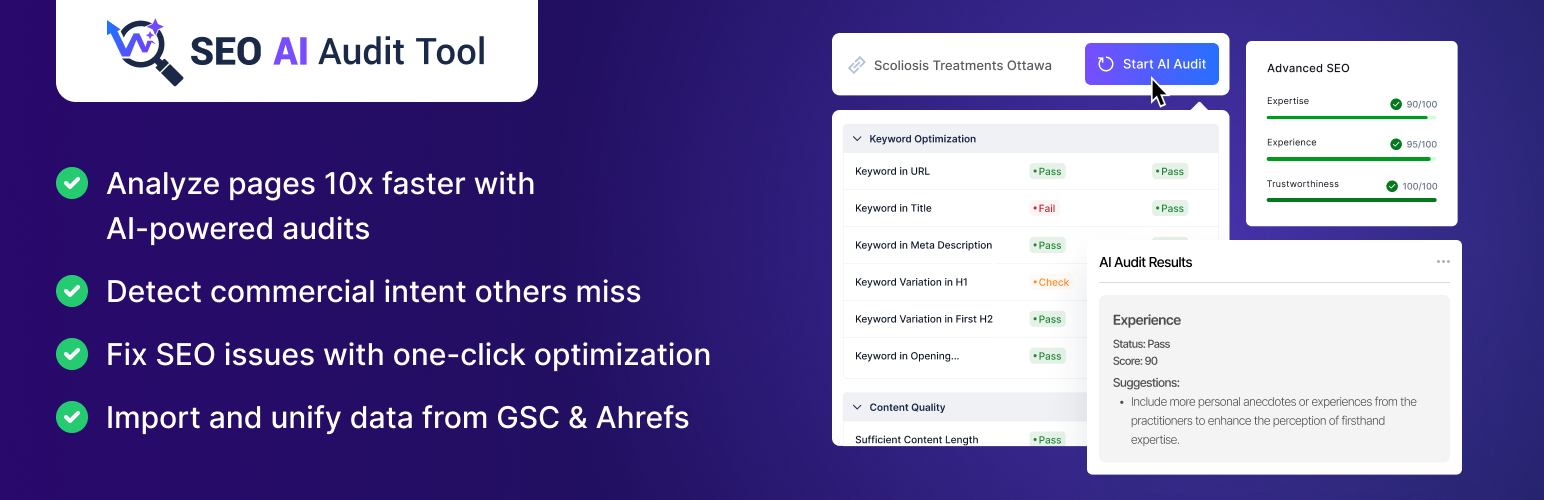
To get the most out of your investment, keep these best practices in mind.
Practical Applications Across Different Business Types
The application of an AI SEO AI Search Audit Tool varies depending on your business model.
E-commerce Stores
For online retailers, the audit tool helps optimize product descriptions for both Google Shopping and AI shopping assistants. It checks if your product schema is correctly implemented so that AI can pull accurate pricing and availability data. It also identifies pages with high exit rates, suggesting improvements to product images or review sections.
B2B SaaS Companies
SaaS companies use these tools to build topical authority in their niche. The audit identifies cluster topics around your core software. For example, if you sell project management software, the tool will suggest creating content on “agile methodology,” “resource allocation,” and “team collaboration tools.” This establishes your brand as a thought leader that AI search engines reference.
Local Service Businesses
Local businesses benefit from the local SEO features. The tool checks the consistency of your Name, Address, and Phone number (NAP) across the web. It also analyzes your Google Business Profile optimization and suggests content that targets “near me” searches, which are heavily used in voice and AI search.
News and Publishing Sites
Publishers use AI audits to improve article freshness and crawl efficiency. The tool flags articles that are outdated and suggests updates based on new information. It also helps optimize headline structures to increase click-through rates from AI-generated answer boxes.
Frequently Asked Questions
What is the difference between a regular SEO audit and an AI SEO audit?
A regular SEO audit checks technical elements like meta tags, broken links, and page speed. An AI SEO audit goes further by analyzing semantic relevance, entity matching, and content structure for AI search engines. It simulates how machine learning models interpret your content, not just how a crawler reads it.
Can an AI SEO AI Search Audit Tool guarantee top rankings?
No tool can guarantee rankings. Search algorithms are complex and constantly changing. However, these tools significantly increase your chances by ensuring your site meets the technical and content standards required for high visibility. They help you avoid penalties and outperform competitors who ignore these factors.
How often should I run an AI search audit?
For most businesses, a comprehensive audit every quarter is sufficient. If you are launching a new website or making major changes to your content strategy, run an audit more frequently. Continuous monitoring of your top 10 money pages is recommended to catch sudden drops in visibility.
Are these tools suitable for beginners?
Many tools offer guided workflows and plain-language explanations. However, a basic understanding of SEO concepts like keywords, backlinks, and crawlability is helpful. Beginners should start with tools that offer a free audit report and focus on the “quick wins” section before diving into advanced analytics.
Will AI search engines replace traditional Google search?
It is unlikely that traditional search will disappear entirely. Users still prefer browsing for certain types of queries, like shopping or local discovery. However, AI search will capture a significant share of informational queries. Optimizing for both is the safest strategy for long-term traffic stability.
Conclusion
The integration of artificial intelligence into search has fundamentally changed the rules of SEO. Relying on outdated audit methods leaves your website invisible to a growing segment of users who rely on AI assistants for answers. An AI SEO AI Search Audit Tool is no longer a luxury; it is a necessity for maintaining competitive visibility.
These tools provide the deep insights needed to optimize for both traditional search engines and emerging AI platforms. They help you create content that is semantically rich, technically sound, and structured for citation. By adopting a systematic audit process, avoiding common mistakes, and staying updated on algorithm changes, you can secure your website’s position in the future of search.
Start by running a baseline audit of your most important pages. Analyze the recommendations, prioritize based on business goals, and implement changes incrementally. Monitor your traffic and rankings to measure the impact. The future of search is intelligent, and your SEO strategy must be too.
Xem thêm:
- The Ultimate Guide to AI SEO Chrome Extensions: Work Smarter, Rank Higher
- AI Page Speed: How Artificial Intelligence Transforms Your Website Into a Lightning-Fast Experience
- AI SEO Internal Link Suggestions: The Complete Guide to Smarter Site Architecture
- AI SEO for Real Estate: The Complete Guide to Dominating Local Search in 2025
- AI Featured Snippets: How Artificial Intelligence Is Redefining Position Zero
Bài viết cùng chủ đề:

AI SEO SEO Automation with Make: The Complete Workflow Guide

AI SEO SEO Automation with Zapier: The Complete Workflow Guide

AI SEO SEO Automation with n8n: The Complete Workflow Guide
AI SEO SEO Automation with Gemini: The Complete Guide to Scaling Organic Growth

AI SEO SEO Automation with Claude: The Complete Guide to Scaling Content in 2025

AI SEO SEO Automation with ChatGPT: The Complete Playbook for 2025

AI SEO & SEO Automation for Affiliate Sites: The 2025 Playbook for Passive Income Growth
AI SEO & SEO Automation for Bloggers: The Complete Guide to Scaling Your Content

AI SEO & SEO Automation for Agencies: The Complete 2025 Playbook

AI SEO and SEO Automation for Ecommerce: The Complete Playbook for 2025

AI SEO & SEO Automation for WordPress: The Complete Playbook for 2025
AI SEO SEO Automation Strategy: The Complete Playbook for 2025

Mastering the AI SEO SEO Automation Process: A Complete Guide to Scaling Organic Growth
AI SEO SEO Automation System: The Complete Guide to Scaling Organic Growth in 2025
AI SEO SEO Automation Platform: The Complete Guide to Scaling Organic Growth in 2025
AI SEO SEO Automation Software: The Complete Guide to Scaling Organic Growth in 2025















