
No products in the cart.
AI SEO Internal Link Suggestions: The Complete Guide to Smarter Site Architecture
10
Aug
Aug
Internal linking remains one of the most underutilized yet powerful levers in search engine optimization. With the rise of machine learning tools, the process of finding the right pages to connect has transformed dramatically. AI SEO internal link suggestions now allow marketers to automate the discovery of contextual relationships between content, saving hours of manual work while improving crawlability and authority distribution. This guide explores how artificial intelligence is reshaping internal linking strategies, what tools are available, and how to implement a data-driven approach that boosts rankings and user experience.
What Are AI SEO Internal Link Suggestions?
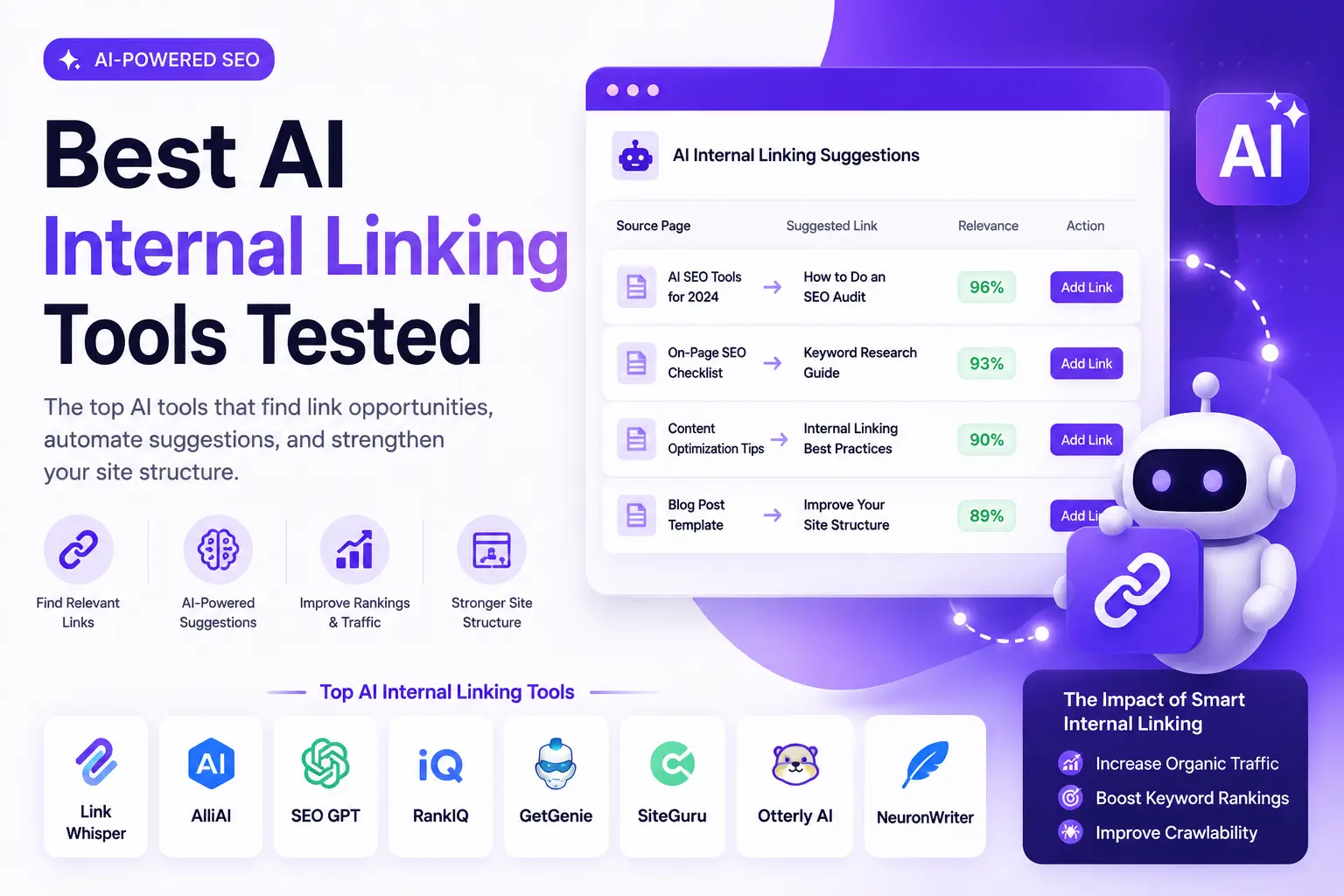
AI SEO internal link suggestions are algorithmic recommendations generated by machine learning models that analyze your website’s content structure, semantic relevance, and user behavior patterns. Unlike traditional plugins that simply match keywords, these systems understand the meaning behind your pages. They evaluate entities, topics, search intent, and even the likelihood of a link improving a page’s ranking potential.
The core difference lies in the depth of analysis. A basic tool might suggest linking a blog post about “coffee brewing” to a product page for “coffee makers.” An AI-powered system recognizes that the blog post mentions “pour-over techniques,” “grind size,” and “water temperature,” and then suggests links to specific guides on each subtopic, creating a more natural and useful web of connections.
How Machine Learning Models Analyze Your Content
Modern AI systems use natural language processing (NLP) and semantic search algorithms to parse your entire website. They build a knowledge graph of your content, identifying primary entities, secondary topics, and the relationships between them. The models are trained on millions of web pages to understand what constitutes a high-quality internal link in the eyes of search engines like Google.
These systems also consider click-depth and crawl budget. They can identify orphan pages that receive no internal links, flag pages with excessive links that dilute authority, and suggest anchor text variations that improve relevance signals. The output is a prioritized list of link opportunities, often with predicted impact scores.
Why Internal Linking Matters for SEO in 2025
Google’s algorithms have evolved to place significant weight on how pages connect within a site. Internal links pass PageRank, help establish information hierarchy, and guide users through conversion funnels. Without a solid internal linking structure, even the best content can remain undiscovered.
Search engines use internal links to discover new pages and understand the context of existing ones. A page with many relevant internal links is often considered more authoritative on a topic. Furthermore, internal links reduce bounce rates by encouraging visitors to explore related content, which sends positive engagement signals back to search engines.
The Shift from Manual Audits to Automated Suggestions
Historically, SEO professionals conducted manual internal link audits using spreadsheets and browser extensions. This process was time-consuming and prone to human error. The introduction of AI SEO internal link suggestions has automated the heavy lifting. Tools now crawl your site, analyze the semantic distance between pages, and generate actionable recommendations in minutes.
This shift allows SEO teams to focus on strategy rather than tedious data collection. Instead of wondering which pages need links, you receive a clear roadmap. The AI also learns from your historical linking patterns, continuously improving its suggestions based on what has worked for your specific domain.
Key Benefits of Using AI for Internal Link Building
Implementing AI-driven internal linking offers several distinct advantages over manual methods. These benefits extend beyond simple time savings and touch on core SEO performance metrics.
- Scalability: AI can analyze thousands of pages simultaneously, making it feasible for large e-commerce sites and content-heavy portals.
- Contextual Accuracy: Semantic analysis ensures links are placed where they genuinely add value, reducing the risk of over-optimization.
- Improved Crawl Efficiency: By linking to orphan pages and deep content, AI helps search engines discover and index more of your site.
- Better Anchor Text Distribution: AI suggests varied, natural anchor text that avoids the pitfalls of exact-match overuse.
- Competitive Edge: Sites using AI can adapt to algorithm updates faster by maintaining a dynamic, relevant link graph.
- Blindly Accepting All Suggestions: AI does not understand your business context. A suggestion might be semantically correct but strategically wrong.
- Over-Optimizing Anchor Text: Using the exact same keyword-rich anchor text for every link to a page looks unnatural to Google.
- Ignoring User Experience: Internal links should help users, not just search engines. Avoid linking to pages that are irrelevant to the reader’s current task.
- Neglecting Mobile Navigation: Ensure that suggested links work well on mobile devices. Too many links in a paragraph can clutter the screen.
- Forgetting to Update Old Content: AI suggestions are often based on your current content. As you publish new posts, revisit old articles to add fresh internal links.
Data-Driven Decision Making
AI tools provide metrics such as link value scores, predicted traffic impact, and opportunity cost. This data allows you to prioritize actions that will yield the highest return on investment. You can see which pages are underperforming due to lack of internal support and fix those issues first.
Moreover, these systems track the performance of your internal links over time. They can alert you when a link becomes broken, when a page’s relevance shifts, or when new content creates fresh linking opportunities. This continuous monitoring keeps your site architecture healthy.
How AI SEO Internal Link Suggestions Work: A Technical Overview
Understanding the underlying technology helps you choose the right tool and set realistic expectations. Most AI internal link tools follow a similar workflow.
Step 1: Crawling and Indexing
The tool first crawls your entire website, similar to how Googlebot operates. It collects data on every URL, including title tags, headings, body text, meta descriptions, and existing internal links. This creates a complete map of your site’s current structure.
Step 2: Semantic Embedding and Vectorization
The content of each page is converted into numerical vectors using models like BERT or GPT. These vectors capture the meaning of the text in a multi-dimensional space. Pages with similar topics will have vectors that are close together, while unrelated pages will be far apart.
Step 3: Relevance Scoring
The AI calculates a relevance score between every pair of pages. This score considers not just topic similarity but also search intent, user journey stage, and potential for link equity transfer. The result is a matrix of potential link opportunities ranked by quality.
Step 4: Recommendation Generation
Finally, the tool generates specific suggestions. It tells you which page should link to which other page, what anchor text to use, and where in the content the link should be placed. Many tools also provide a one-click implementation option or integrate with popular CMS platforms like WordPress.
Top Tools for AI SEO Internal Link Suggestions
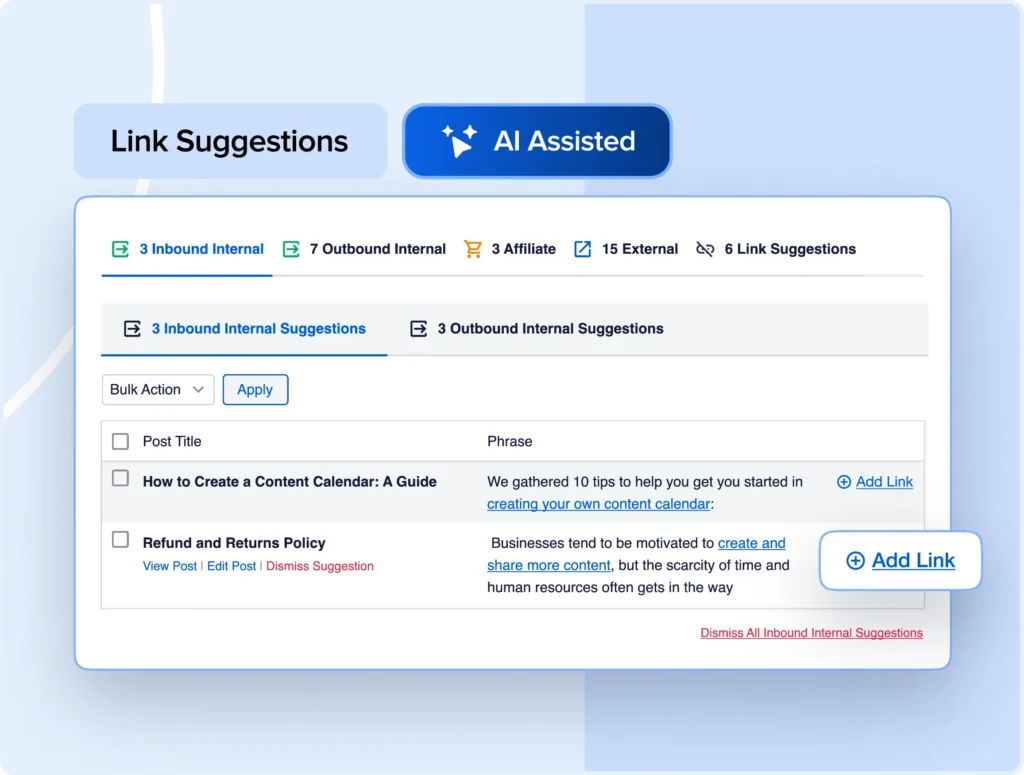
Several platforms have emerged as leaders in this space. Each offers unique features, and the best choice depends on your budget, technical expertise, and site size.
| Tool | Key Features | Best For |
|---|---|---|
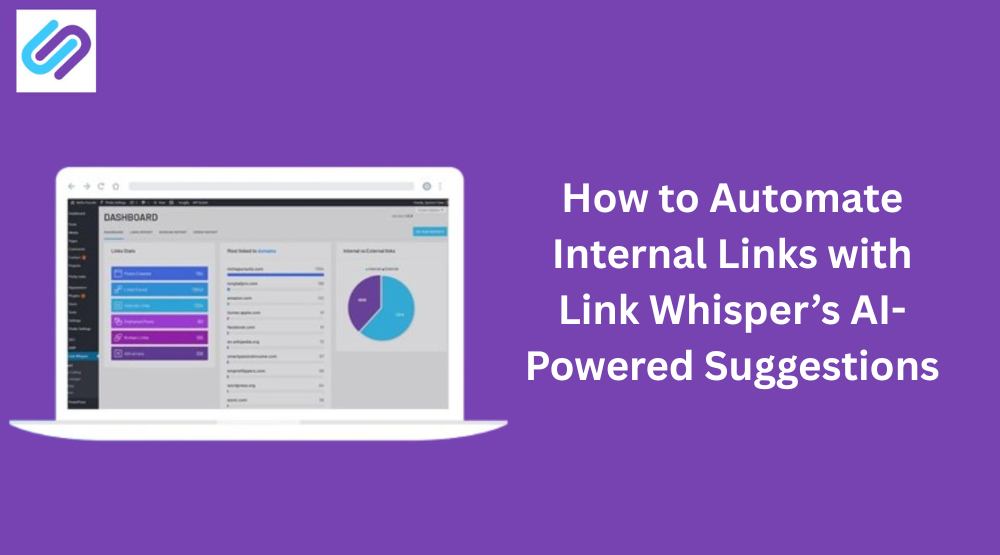
| Link Whisper | WordPress plugin, AI-powered suggestions, internal link reports, anchor text optimization | Bloggers and small to medium sites |
| Surfer AI | Content optimization, internal link suggestions based on SERP analysis, integration with Surfer’s content editor | Content teams focused on on-page SEO |
| Ahrefs | Site audit, internal link opportunities report, link value scoring, competitor analysis | SEO agencies and advanced users |
| MarketMuse | Content intelligence, semantic relevance scoring, internal link recommendations based on topic clusters | Enterprise sites with large content libraries |
| SE Ranking | Internal linking tool, visual site structure, AI-driven suggestions, competitor comparison | Small businesses and in-house SEO teams |
Choosing the Right Tool
When evaluating AI SEO internal link suggestion tools, consider the following criteria: accuracy of semantic analysis, ease of implementation, integration with your CMS, reporting capabilities, and pricing. Most tools offer a free trial or a limited free plan, allowing you to test their suggestions against your own judgment.
It is also wise to check if the tool provides historical data. Some AI models are trained on outdated information, which can lead to irrelevant suggestions. Look for tools that update their algorithms regularly to reflect changes in Google’s ranking factors.
Practical Guide: Implementing AI Internal Link Suggestions
Adopting AI for internal linking requires a structured approach. Simply installing a tool and clicking “apply all” is not recommended. A thoughtful implementation ensures the best results.
Step 1: Audit Your Current Link Profile
Before making changes, run a comprehensive audit. Identify your top-performing pages, your orphan pages, and your pages with the highest bounce rates. This baseline data will help you measure the impact of your AI-driven changes.
Step 2: Set Clear Goals
Define what you want to achieve. Are you trying to boost rankings for specific money pages? Do you want to increase crawl depth for new blog posts? Are you aiming to reduce the number of clicks needed to reach important pages? Your goals will determine which suggestions to prioritize.
Step 3: Review and Curate Suggestions
AI is powerful, but it is not infallible. Review the top suggestions manually. Check that the anchor text reads naturally and that the linked page is genuinely relevant to the user’s context. Reject any suggestion that feels forced or spammy.
Step 4: Implement in Batches
Do not add hundreds of links at once. Implement changes in batches of 20-30 links per week. This allows you to monitor for any negative impact on page speed or user experience. It also makes it easier to revert changes if something goes wrong.
Step 5: Monitor Performance
Use Google Search Console and your analytics platform to track changes in rankings, crawl frequency, and user engagement. Compare the performance of pages that received new internal links against a control group of similar pages that did not.
Common Mistakes to Avoid with AI Internal Linking
Even with advanced AI, there are pitfalls that can undermine your SEO efforts. Being aware of these mistakes helps you use the technology more effectively.
How to Avoid These Pitfalls
Create a clear internal linking policy for your team. Define which pages are considered “pillar” content and deserve more links. Set limits on the number of internal links per page (typically 5-10 is a good range). Regularly review your AI tool’s suggestions against your policy to ensure alignment.
Additionally, use the AI tool’s feedback loop. If you reject a suggestion, the system should learn from that. Many advanced tools allow you to mark suggestions as “not relevant,” which improves future recommendations.
Important Notes on AI and Internal Linking
AI SEO internal link suggestions are a means to an end, not a magic bullet. The quality of your content remains the most important ranking factor. Internal links amplify the value of good content, but they cannot rescue poor-quality pages.
Also, consider the relationship between internal linking and external link building. A page with strong internal support is more likely to attract external backlinks, creating a virtuous cycle. Use AI to strengthen your internal architecture, and you will indirectly improve your off-page SEO.
Finally, stay updated on Google’s guidelines. While internal linking is generally safe, Google has penalized sites that use manipulative linking schemes. AI suggestions should always align with Google’s Webmaster Guidelines, which emphasize user value and natural link placement.
Frequently Asked Questions
What is the ideal number of internal links per page?
T The exact number depends on the length of the content and the number of relevant related pages. The key is to ensure every link serves a purpose and adds value for the reader.
Can AI internal linking replace manual SEO audits?
AI can automate the data collection and initial analysis, but it cannot replace the strategic judgment of an experienced SEO professional. Use AI to generate suggestions and identify patterns, then apply human expertise to make final decisions based on business goals and user needs.
How long does it take to see results from improved internal linking?
Results vary depending on the size of your site and the extent of changes. Some sites see improvements in crawl frequency within days. Ranking changes typically take 2-4 weeks to become visible. Significant improvements in page authority may take several months of consistent internal linking efforts.
Are AI internal link tools expensive?
Pricing varies widely. Basic WordPress plugins like Link Whisper start at around $77 per year. More advanced enterprise tools like MarketMuse can cost several hundred dollars per month. Most tools offer tiered pricing based on the number of pages and features needed.
Do AI suggestions work for e-commerce sites?
Yes, AI is particularly effective for e-commerce sites with thousands of product pages. The AI can identify cross-selling opportunities, link related products, and connect blog content to product categories. This improves both SEO and user experience, often leading to higher conversion rates.
Conclusion
AI SEO internal link suggestions represent a significant advancement in how websites manage their internal architecture. By leveraging machine learning and semantic analysis, these tools provide accurate, scalable, and actionable recommendations that would take humans days or weeks to compile manually. The benefits are clear: improved crawl efficiency, better authority distribution, enhanced user experience, and ultimately higher search rankings.
However, the technology is most effective when combined with human oversight. A successful internal linking strategy requires clear goals, a well-defined linking policy, and continuous monitoring. By integrating AI into your workflow, you free up time to focus on creating exceptional content and building meaningful relationships with other sites, while the AI handles the complex task of connecting your pages in the most logical and beneficial way.
Start by auditing your current site structure, choose a reputable AI tool that fits your needs, and implement changes thoughtfully. Over time, you will see your site’s authority grow, your pages rank higher, and your users navigate your content with greater ease. The future of SEO is data-driven, and AI-powered internal linking is a cornerstone of that future.
Xem thêm:
- The Ultimate AI SEO Framework: How to Dominate Search Rankings With Intelligent Automation
- AI SEO Site Architecture: The Complete Guide to Building Search-Ready Websites
- The Ultimate AI SEO Checklist: 25 Steps to Rank Higher in 2025
- AI Semantic Analysis: Unlocking Human-Like Understanding from Text Data
- AI SEO Templates: Streamline Your Search Strategy with Intelligent Frameworks
Bài viết cùng chủ đề:

AI SEO SEO Automation with Make: The Complete Workflow Guide

AI SEO SEO Automation with Zapier: The Complete Workflow Guide

AI SEO SEO Automation with n8n: The Complete Workflow Guide
AI SEO SEO Automation with Gemini: The Complete Guide to Scaling Organic Growth

AI SEO SEO Automation with Claude: The Complete Guide to Scaling Content in 2025

AI SEO SEO Automation with ChatGPT: The Complete Playbook for 2025

AI SEO & SEO Automation for Affiliate Sites: The 2025 Playbook for Passive Income Growth
AI SEO & SEO Automation for Bloggers: The Complete Guide to Scaling Your Content

AI SEO & SEO Automation for Agencies: The Complete 2025 Playbook

AI SEO and SEO Automation for Ecommerce: The Complete Playbook for 2025

AI SEO & SEO Automation for WordPress: The Complete Playbook for 2025
AI SEO SEO Automation Strategy: The Complete Playbook for 2025

Mastering the AI SEO SEO Automation Process: A Complete Guide to Scaling Organic Growth
AI SEO SEO Automation System: The Complete Guide to Scaling Organic Growth in 2025
AI SEO SEO Automation Platform: The Complete Guide to Scaling Organic Growth in 2025
AI SEO SEO Automation Software: The Complete Guide to Scaling Organic Growth in 2025















