
No products in the cart.
AI SEO AI Search Optimization Strategy: The 2025 Playbook for Dominating Generative Engines
10
Aug
Aug
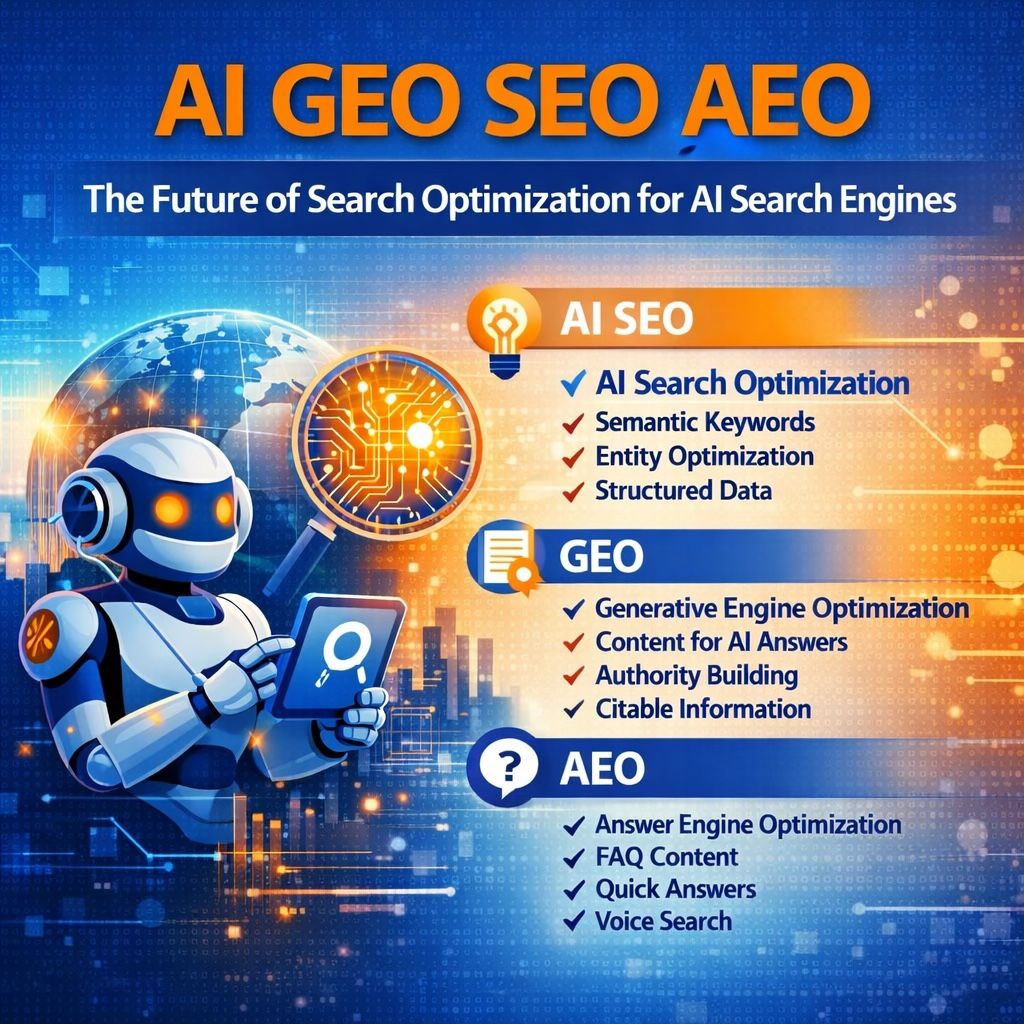
The digital landscape has shifted beneath our feet. Traditional search engine optimization focused on ranking in a list of blue links. Today, the rise of generative AI and large language models (LLMs) has introduced a new battleground: the AI Overview, the chatbot response, and the zero-click answer. To remain visible, brands must pivot to an AI SEO AI Search Optimization Strategy. This is not about abandoning classic SEO; it is about evolving it to ensure your content is the source cited when an AI synthesizes an answer. This comprehensive guide breaks down the mechanics of this new discipline, offering a step-by-step roadmap to secure your digital footprint in the age of machine-driven discovery.
Understanding the Shift: What is AI Search Optimization?
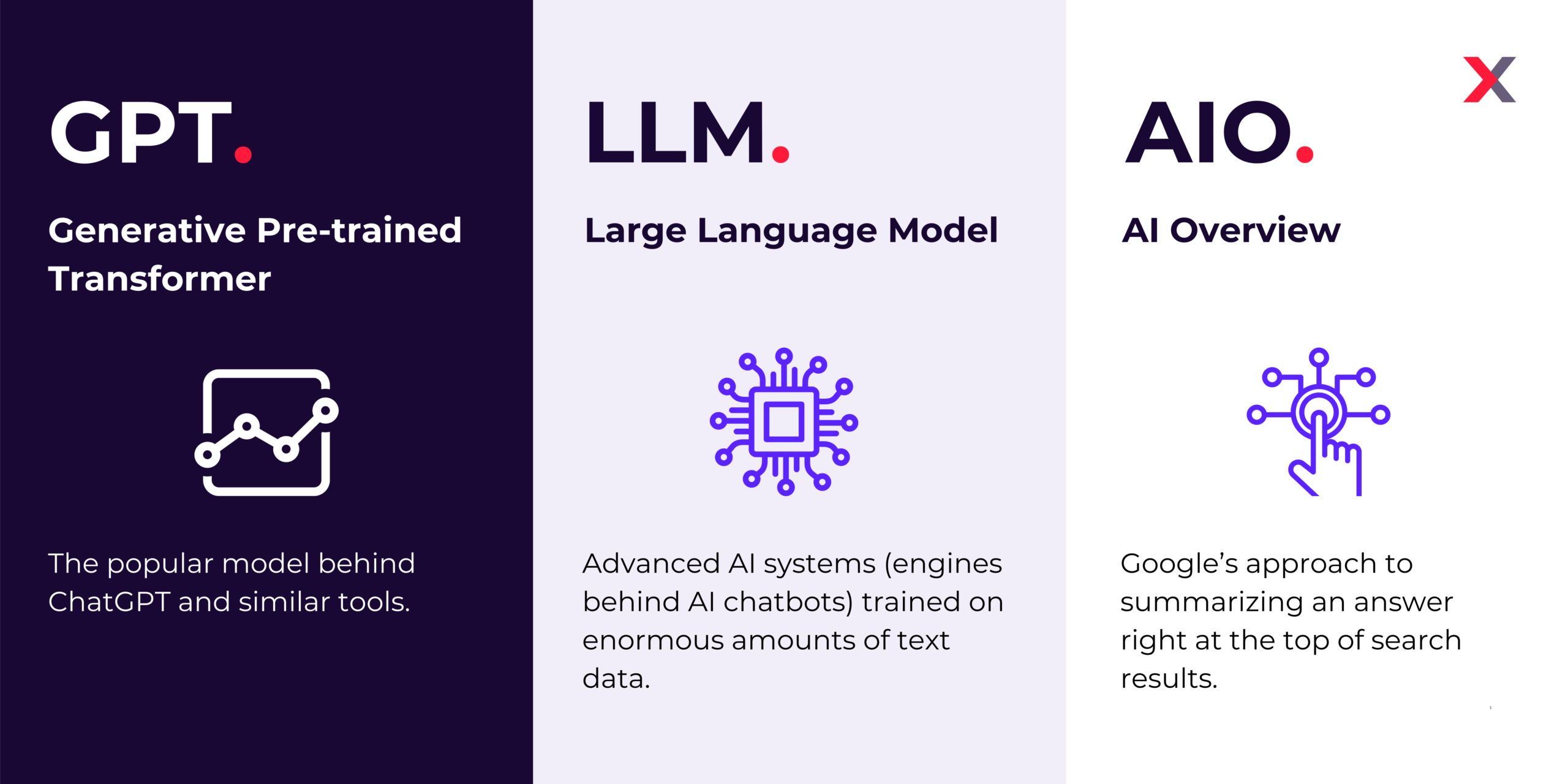
AI Search Optimization is the practice of structuring and writing content so that artificial intelligence systems—like Google’s Gemini, OpenAI’s ChatGPT, or Perplexity—can easily understand, extract, and cite your information. Unlike traditional SEO, which relies on crawling links and matching keywords, AI search relies on semantic understanding and entity recognition. The goal is to become the primary source within an AI-generated summary.
This shift changes the core metric of success. Instead of measuring clicks to a website, you measure brand visibility within the AI answer box. When a user asks “What is the best CRM for a startup?” and the AI responds with a summary that mentions your product, you have won the AI search result. This is the essence of an effective AI SEO AI Search Optimization Strategy.
The Core Difference: Keywords vs. Entities
Traditional SEO treats keywords as the atomic unit of search. AI search treats entities (people, places, concepts, products) and the relationships between them as the core. An AI needs to know not just that “CRM” is on your page, but that “CRM” is a software category, that “startup” is a business stage, and that “pricing” is a relevant attribute. Your content must explicitly define these relationships.
Furthermore, AI models prioritize clarity. They pull information from content that is unambiguous, well-structured, and authoritative. If your content is buried in jargon or lacks clear definitions, the A Therefore, your optimization strategy must focus on clarity, structure, and factual density.
Why an AI SEO AI Search Optimization Strategy is Non-Negotiable
The statistics are clear. Studies indicate that a significant percentage of users no longer click through to websites for simple queries. The “zero-click” search is becoming the norm. If your brand is absent from the AI-generated response, you are invisible to a growing segment of your target audience.
Moreover, the trust factor is shifting. Users are beginning to view AI summaries as curated, unbiased recommendations. Being cited by an AI lends a level of authority that a traditional paid ad cannot replicate. This is why integrating an AI SEO AI Search Optimization Strategy into your digital marketing plan is critical for long-term brand survival.
The Rise of the Answer Engine
We are moving from “Search Engines” to “Answer Engines.” Users type a question and expect a definitive answer, not a list of options. This behavioral change means your content must be formatted to provide the answer directly. The “answer” must be concise, accurate, and placed in a prominent position within your article. This is the foundation of the “answer-first” content model.
Core Components of a Winning AI Search Strategy
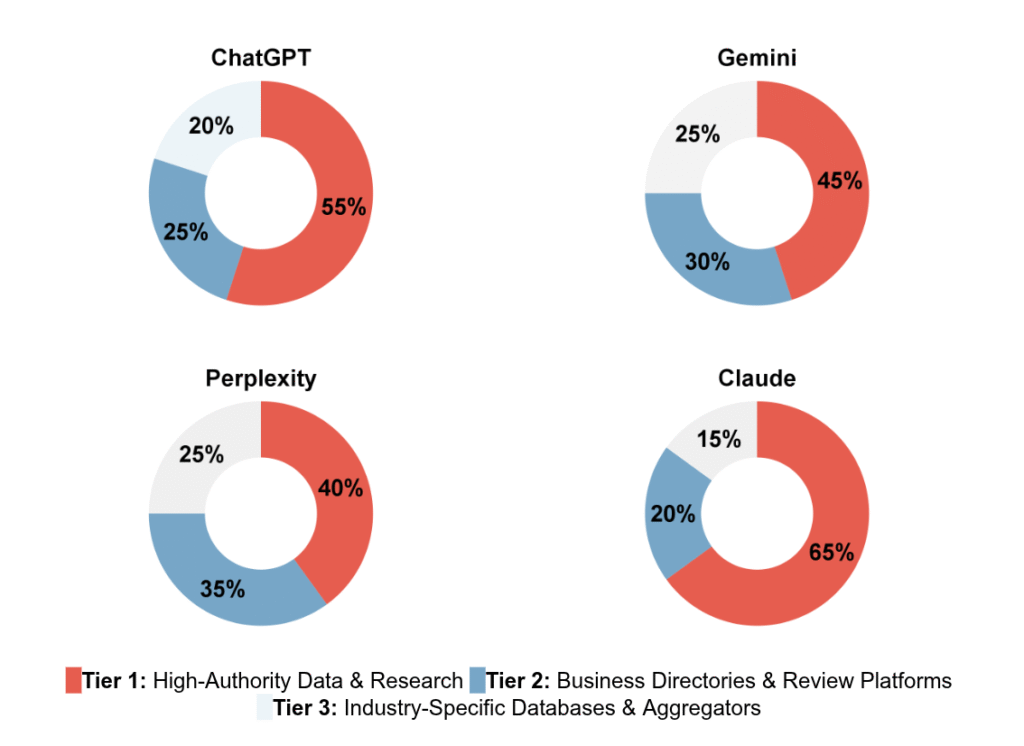
To succeed, you must deconstruct your approach into specific, actionable components. A robust AI SEO AI Search Optimization Strategy relies on technical structure, content depth, and digital authority. Below are the pillars you need to build.
1. Technical Foundation: Schema Markup and Structured Data
Structured data is the language that helps machines understand your content. Implementing Schema.org markup (like Article, FAQPage, HowTo, and Product) is non-negotiable. This code explicitly tells the AI what your content is about, who it is for, and what the key facts are.
- FAQPage Schema: This allows AI to pull direct Q&A pairs from your site.
- Article Schema: This helps the AI identify the author, date, and headline, boosting trust signals.
- Organization Schema: This establishes your brand’s identity and logo, which is crucial for brand recognition in AI responses.
- Brand Visibility: Being cited in an AI answer puts your brand in front of users who are ready to act.
- Trust Transfer: Users view AI citations as objective, boosting your credibility.
- Competitive Edge: Most brands are still optimizing for old-school SEO. Early adoption gives you a significant head start.
- Future-Proofing: As AI becomes the primary interface for the internet, you are already positioned for success.
- Lack of Click-Through: You may get visibility without traffic. The user might not click your link if the AI answer is sufficient.
- Loss of Control: You cannot control how the AI paraphrases your content. It might misquote or take things out of context.
- Data Volatility: AI models are updated frequently. What works today might not work next month.
- Brand Mentions in AI Responses: Manually ask ChatGPT and Perplexity questions about your niche and see if your brand appears.
- Share of Voice: Use tools that track which domains are cited most often in AI answers.
- Referral Traffic from AI Platforms: Monitor your analytics for traffic coming from chat.openai.com or perplexity.ai.
- Zero-Click Conversions: Track if users who see your brand in an AI answer later search for your brand directly.
Without this technical layer, your content is just text. With it, your content becomes a data point that AI can confidently reference.
2. Content Architecture: The “Answer-First” Approach
Your content must be structured to answer the user’s query immediately. The “pyramid” style of writing is ideal. Start with the direct answer in the first paragraph, then expand with supporting details. This is the opposite of the “teaser” style used in traditional blogging.
For example, if your target query is “What is AI Search Optimization?”, the first sentence should be a clear definition. Do not start with a story about the history of the internet. The AI is looking for a direct extraction, and you must provide it in the most accessible format possible.
3. Entity Clarity and Semantic Relevance
You must explicitly define the entities you discuss. If you mention “machine learning,” ensure you briefly define it or link to a page that does. Use synonyms and related terms naturally to build a semantic web around your topic. This helps the AI understand the context and depth of your expertise.
Consider using a table to define key entities within your niche. This provides a quick-reference data point for AI crawlers.
| Entity | Definition | Relevance to AI SEO |
|---|---|---|
| LLM (Large Language Model) | AI trained on massive text data to generate human-like text. | The engine that processes your content. |
| RAG (Retrieval-Augmented Generation) | A technique where AI retrieves external data to answer queries. | This is how AI pulls your content into answers. |
| Zero-Click Search | When a user finds the answer without clicking a website link. | The primary threat and opportunity in AI search. |
Benefits and Limitations of AI Search Optimization
Like any strategy, this approach has distinct advantages and potential drawbacks. Understanding these helps set realistic expectations for your team.
The Benefits: Visibility and Authority
The Limitations: Attribution and Control
Despite the limitations, the benefits far outweigh the risks. The key is to view AI citations as a top-of-funnel awareness metric, not just a traffic metric.
Practical Application: A Step-by-Step Guide to Implementation
Let’s move from theory to practice.
Step 1: Conduct AI-Specific Keyword Research
Stop focusing solely on short-tail keywords. Focus on long-tail, conversational queries. Use tools like “AnswerThePublic” or analyze the “People Also Ask” boxes. More importantly, ask the AI itself. Type your core topic into ChatGPT or Perplexity and see what follow-up questions it suggests. These are the questions your content must answer.
Step 2: Optimize for Direct Answers
Create a dedicated “Definition” section in your articles. Use an H2 heading that matches the query exactly. Then, provide a 40-60 word answer in a simple paragraph. This is the snippet that A Ensure this paragraph is self-contained and does not rely on context from other sections.
Step 3: Build Topical Authority Clusters
AI trusts websites that demonstrate comprehensive knowledge of a subject. Create a “Pillar Page” that covers your main topic broadly, then create “Cluster Pages” that dive into specific subtopics. Interlink them with descriptive anchor text. This creates a web of entities that AI can crawl to understand your expertise.
Step 4: Prioritize E-E-A-T Signals
Experience, Expertise, Authoritativeness, and Trustworthiness are critical for AI. Ensure every article has a clear author bio with credentials. Cite reputable sources (even if they are competitors) to show you are part of a broader conversation. Keep your content updated with the latest data and statistics. AI models prioritize fresh, accurate information.
Step 5: Optimize for Voice Search
Voice search is the bridge between traditional search and AI. People speak in full sentences. Your content should include these natural language patterns. Use a conversational tone in your subheadings. For example, instead of “AI SEO Benefits,” use “Why is AI SEO Important?” This matches the query format used in voice and AI interactions.
Common Mistakes and How to Avoid Them
Many marketers are making critical errors when trying to optimize for AI. Here are the most common pitfalls and the solutions to avoid them.
Mistake 1: Keyword Stuffing in AI Era
Repeating the exact keyword “AI SEO AI Search Optimization Strategy” ten times in a paragraph is a death sentence. AI models detect this as spam and will ignore your content. Solution: Use the keyword naturally in the H1, the first paragraph, and one H2. Use synonyms and related terms throughout the rest of the text.
Mistake 2: Ignoring the “Why” Behind the Query
AI is excellent at understanding user intent. If you write content that is topically relevant but does not answer the specific “why” or “how” of the query, the A Solution: Analyze the search intent. Are users looking for a definition, a comparison, or a tutorial? Tailor your content format to match that intent.
Mistake 3: Neglecting Technical Health
If your site is slow, has broken links, or lacks a sitemap, AI crawlers will struggle to index it. Solution: Run regular technical audits. Ensure your robots.txt file is not blocking AI crawlers like GPTBot or Google-Extended. You must explicitly allow these bots to access your content.
Mistake 4: Writing for “Search Engines” Instead of “Readers”
AI is trained on human writing. If your content reads like a robot wrote it, the A Solution: Write for a smart 10th grader. Use short sentences, active voice, and clear examples. Inject data and statistics to prove your points.
Important Notes on Measuring Success
You cannot measure AI SEO success with traditional metrics alone. You need to track new KPIs.
These metrics provide a clearer picture of your performance in the AI landscape than page views alone.
Frequently Asked Questions (FAQ)
What is the difference between traditional SEO and AI SEO?
Traditional SEO focuses on ranking in a list of search results by optimizing for keywords and backlinks. AI SEO focuses on being cited as a source within an AI-generated summary. It prioritizes entity clarity, structured data, and direct answers over link volume.
How do I get my website into ChatGPT’s training data?
You cannot directly request inclusion in training data. However, you can ensure your content is accessible to crawlers. Allow GPTBot in your robots.txt file and publish high-quality, well-structured content that the bot can easily parse. Being indexed is the first step to being cited.
Is AI SEO a replacement for traditional SEO?
No. Traditional SEO is the foundation. AI SEO is the evolution. You still need backlinks and keyword research to build authority. However, you must now layer AI-specific tactics on top of that foundation to remain visible in the new search landscape.
How long does it take to see results from AI Search Optimization?
It varies. AI models do not update in real-time. It can take several weeks or months for a new piece of content to be crawled, indexed, and referenced. Consistency is key. Publish high-quality content regularly and update existing content to maintain relevance.
What is the role of schema markup in AI search?
Schema markup provides explicit context to AI crawlers. It tells them exactly what a piece of content is (e.g., a FAQ, a Recipe, a Product). This reduces ambiguity and increases the likelihood that the A
Conclusion: The Future is Generative
The era of the “ten blue links” is fading. The future of discovery is conversational, predictive, and generative. Implementing a robust AI SEO AI Search Optimization Strategy is no longer a “nice-to-have” experiment; it is a critical component of digital survival. By focusing on structured data, entity clarity, and answer-first content, you position your brand as the authoritative source that AI trusts.
Start small. Audit your current content for schema markup. Rewrite your top five pages to include direct answers at the top. Monitor your brand mentions in AI tools. This iterative process will build the digital authority needed to thrive in the generative age. The algorithms will continue to change, but the principle remains constant: provide clear, valuable, and verifiable information, and the machines will reward you with visibility.
Xem thêm:
- AI SEO Search Experience: The Complete Guide to Winning in the New Search Era
- AI SEO Link Prospecting: The Complete Guide to Automating High-Quality Backlink Discovery
- AI Topic Clusters: The Smarter Way to Build Authority and Rank Higher With Semantic SEO
- AI SEO DNS Optimization: The Complete Guide to Boosting Search Rankings in 2025
- AI SEO NLP Optimization: The Complete Guide to Ranking in the AI Search Era
Bài viết cùng chủ đề:

AI SEO SEO Automation with Make: The Complete Workflow Guide

AI SEO SEO Automation with Zapier: The Complete Workflow Guide

AI SEO SEO Automation with n8n: The Complete Workflow Guide
AI SEO SEO Automation with Gemini: The Complete Guide to Scaling Organic Growth

AI SEO SEO Automation with Claude: The Complete Guide to Scaling Content in 2025

AI SEO SEO Automation with ChatGPT: The Complete Playbook for 2025

AI SEO & SEO Automation for Affiliate Sites: The 2025 Playbook for Passive Income Growth
AI SEO & SEO Automation for Bloggers: The Complete Guide to Scaling Your Content

AI SEO & SEO Automation for Agencies: The Complete 2025 Playbook

AI SEO and SEO Automation for Ecommerce: The Complete Playbook for 2025

AI SEO & SEO Automation for WordPress: The Complete Playbook for 2025
AI SEO SEO Automation Strategy: The Complete Playbook for 2025

Mastering the AI SEO SEO Automation Process: A Complete Guide to Scaling Organic Growth
AI SEO SEO Automation System: The Complete Guide to Scaling Organic Growth in 2025
AI SEO SEO Automation Platform: The Complete Guide to Scaling Organic Growth in 2025
AI SEO SEO Automation Software: The Complete Guide to Scaling Organic Growth in 2025















