
No products in the cart.
AI SEO Alerts: The Ultimate Guide to Automated Search Monitoring and Real-Time Warnings
29
Jul
Jul
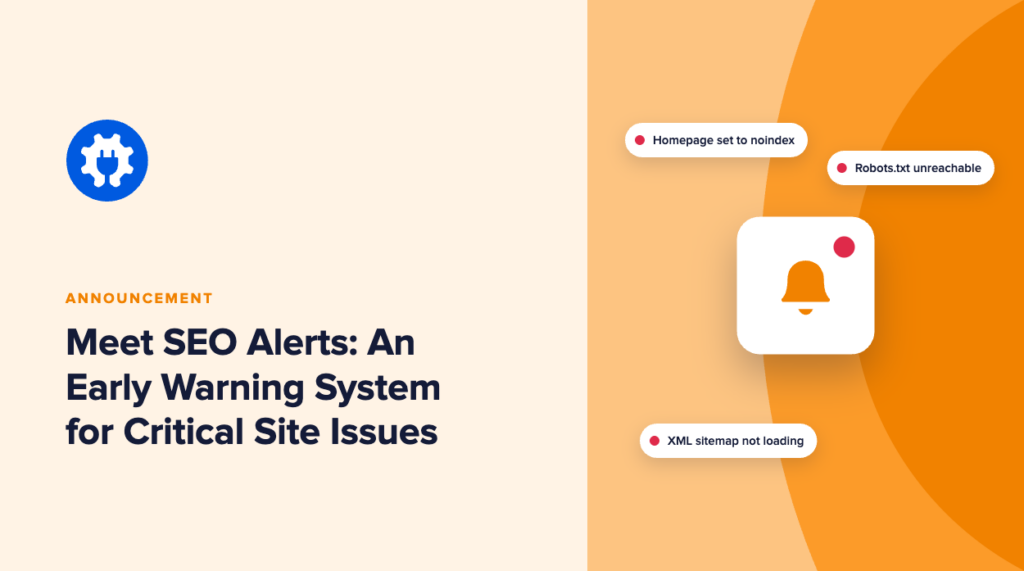
Digital marketing moves at the speed of a Google algorithm update. One unnoticed ranking drop or a silent technical error can erase months of hard work within days. This is exactly where AI SEO alerts enter the picture, transforming how website owners and SEO professionals detect and respond to search performance threats. Instead of checking dashboards obsessively, teams now rely on intelligent monitoring systems that scan data streams, learn from historical patterns, and send hyper-relevant notifications the moment something abnormal happens. These alerts are not simple threshold notifications; they use machine learning to separate genuine emergencies from normal fluctuations, saving both time and revenue.
What Exactly Are AI SEO Alerts?
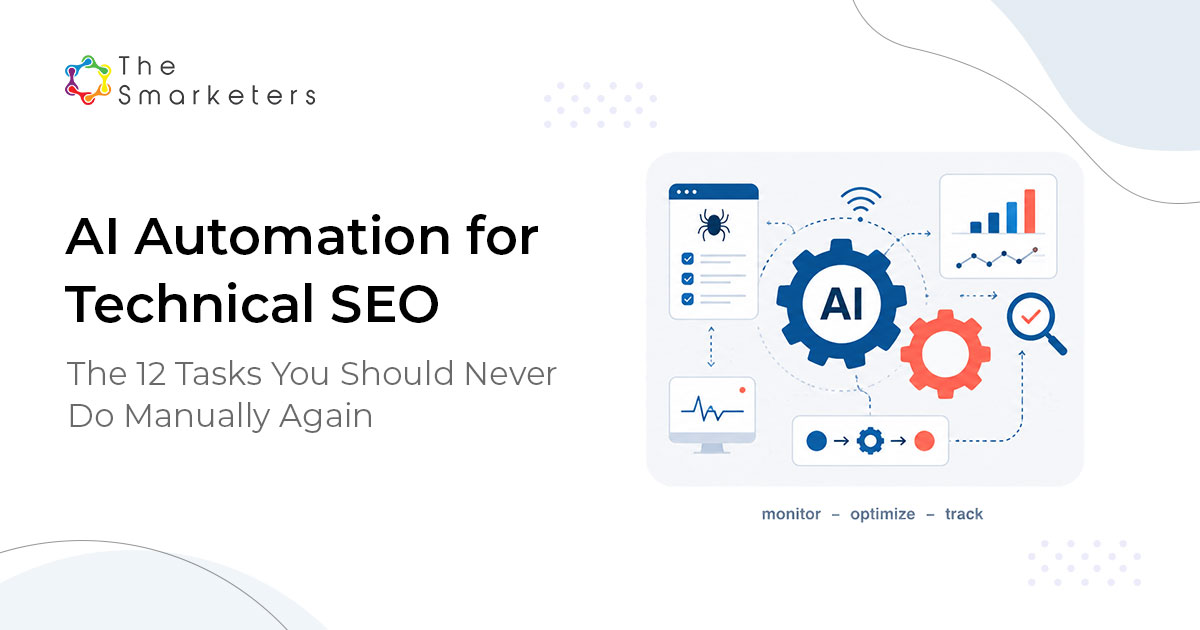
An AI SEO alert is an automated notification generated by a system that applies artificial intelligence to analyze search engine optimization data and detect meaningful changes. Traditional alerts fire when a metric crosses a static boundary—a position drops by five spots, for example. AI-driven alerts go far deeper. They consider seasonality, user behavior patterns, competitive movements, and even the semantic context of ranking shifts before deciding whether a situation demands human attention. The underlying engines often use anomaly detection algorithms, time-series forecasting, and natural language processing to understand the intent behind content changes.
At its core, the technology monitors a wide range of sources: Google Search Console, analytics platforms, crawling tools, backlink databases, and even social signals. The AI layer then correlates events. A sudden traffic spike from a specific region, combined with a backlink from a major publication and a jump in brand searches, might trigger a positive growth alert. A simultaneous increase in 404 errors, a drop in average position, and a manual action notification from Google would trigger a critical red alert, even if each metric looked minor on its own. This contextual awareness makes AI SEO alerts indispensable for large websites that cannot be monitored manually.
How AI SEO Alert Systems Work Under the Hood
To fully grasp the value, it helps to understand the three layers that power a modern AI SEO alert infrastructure. The first layer is data aggregation. APIs pull information from Google Search Console for clicks, impressions, CTR, and average position. Rank trackers provide daily keyword position data. Log file analyzers and site audit tools deliver crawl stats and technical health scores. Backlink monitors track new and lost links. All of this data streams into a centralized data warehouse or lake, often updated every few hours or in real time.
Layer two is the analysis engine, where machine learning models reside. These models are trained on historical performance to understand the normal rhythm of a site. They learn that an e-commerce site’s traffic always drops on weekends and spikes on Mondays, or that a news site sees explosive growth after publishing a trending story. When a deviation occurs, the model calculates its statistical significance. A ranking change on a low-volume keyword that generates five clicks per month will not trigger the same alert as a five-spot drop on a high-converting transactional term. The AI weighs business value, not just raw metrics.
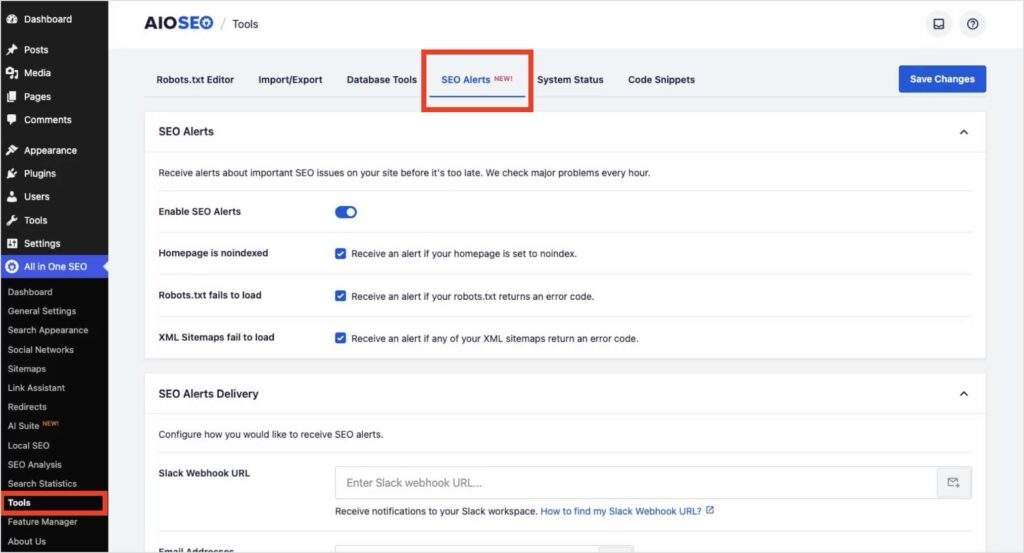
The third layer is notification and workflow integration. Once an anomaly is classified—by severity, category, and probable cause—it is sent through Slack, email, Microsoft Teams, or directly into a project management tool like Jira or Asana. Sophisticated setups include recommended actions. For instance, an alert about a sudden de-indexing of critical pages might automatically attach a recent log file extract and highlight the exact time the pages disappeared, cutting diagnosis time in half.
Types of AI SEO Alerts Every Serious Marketer Needs
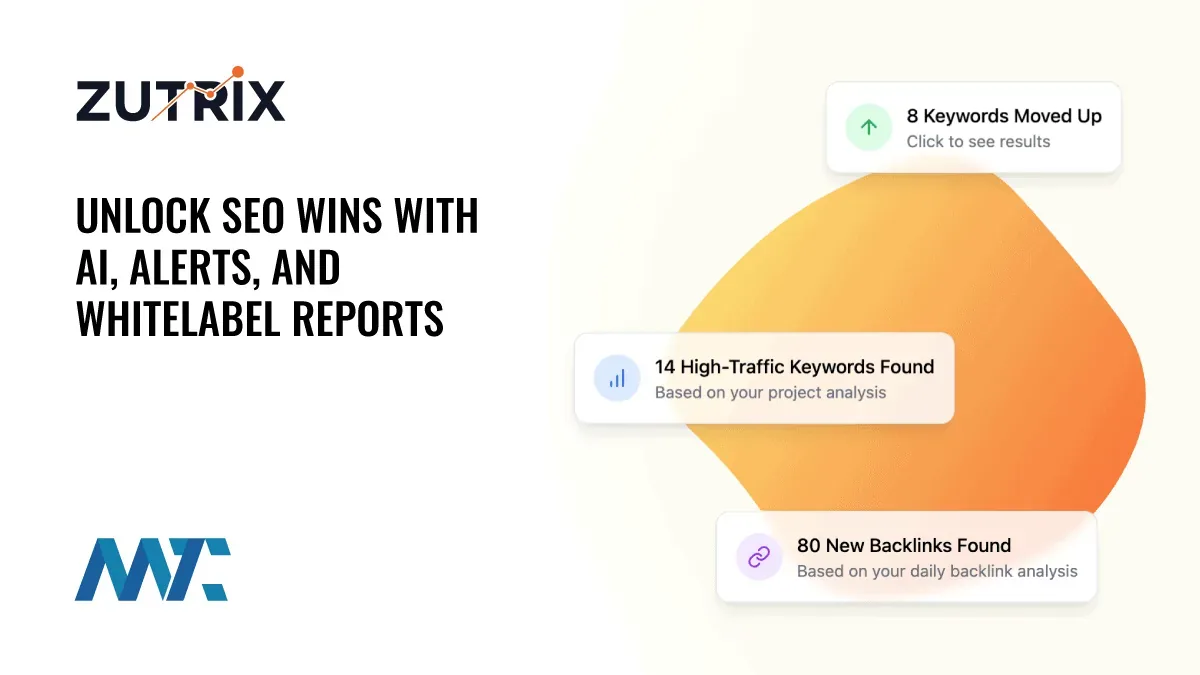
A mature AI SEO alert strategy covers multiple domains of search performance. Treating these categories as disconnected creates blind spots that can undermine entire campaigns.
Ranking and Traffic Anomaly Alerts
These are the most requested alerts, but they often cause alert fatigue when not powered by AI. Instead of triggering on any movement, the system analyzes position changes alongside search volume, device segmentation, and user intent. It might warn you that the blog post driving 40% of your newsletter signups dropped from position 2 to 7 on desktop, while the mobile version remains stable—a pattern hinting at a Core Web Vitals issue specific to desktop layout. AI enriches the alert with trend lines showing whether the decline is accelerating or plateauing.
Technical SEO Health Alerts
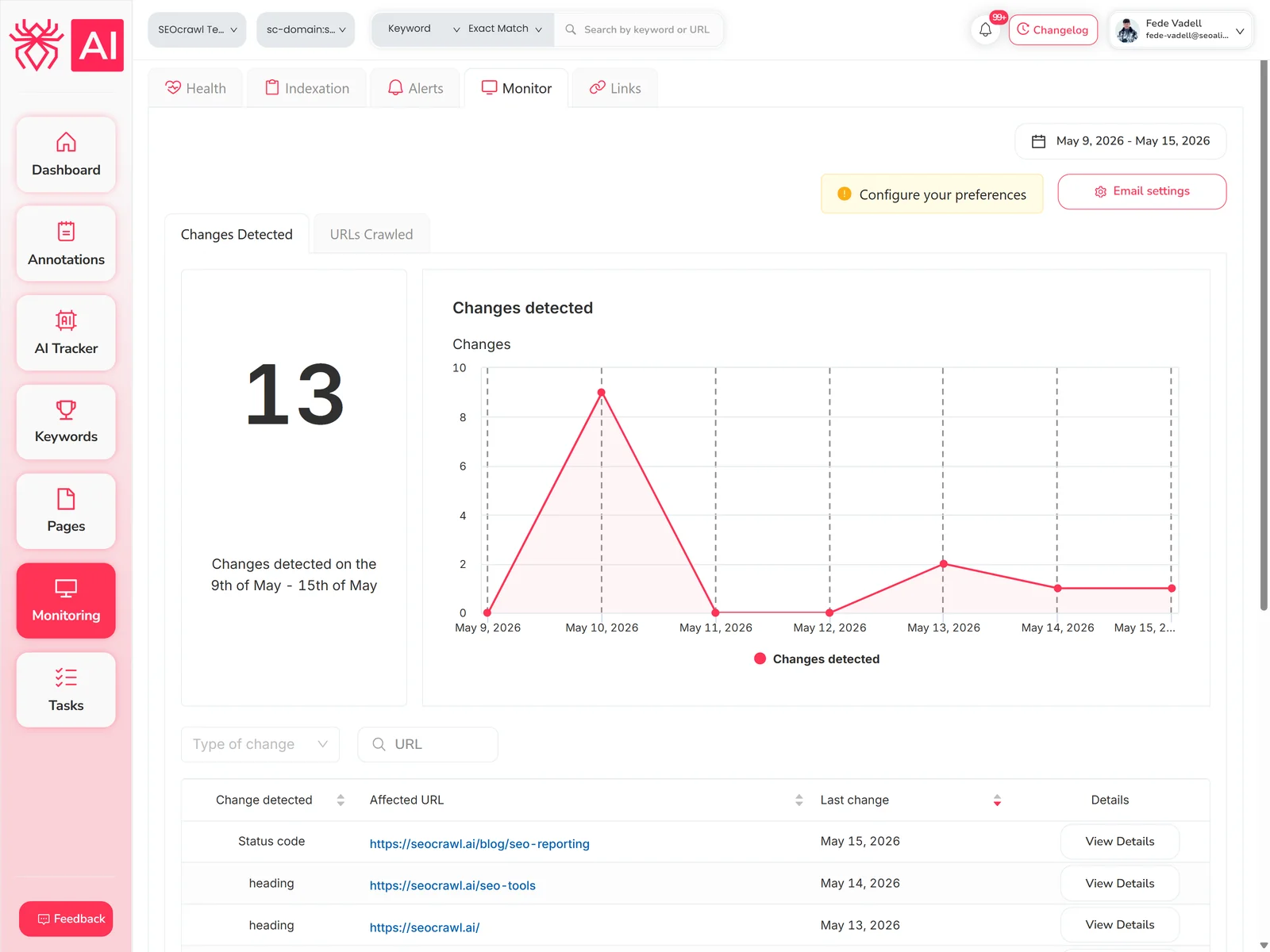
Crawlability and indexability issues can destroy organic visibility overnight. AI monitors crawl frequency, server response codes, page load times, and the ratio of indexed to submitted URLs. If Googlebot suddenly reduces its crawl budget on a key directory, the algorithm checks for correlated signals like increasing 5xx errors or a newly introduced noindex tag via JavaScript. This proactive detection often catches problems before manual action reports appear in Search Console. The alert might read: “Crawl rate on /products/ category dropped 72% in last 6 hours. 23% of URLs in this path now return soft 404. Likely cause: recent CDN configuration change.”
Backlink Profile and Off-Site Alerts
Link-based penalties and lost links are brutal. AI-powered backlink alerts go beyond counting referring domains. They evaluate link quality using predictive models that mimic Google’s own classifiers. When a site receives a sudden influx of links from unrelated, high-spam-score domains, the system flags a potential negative SEO attack. Conversely, when an authoritative.edu link is lost, the alert includes the estimated traffic impact and an automated outreach suggestion. Real-time link velocity monitoring prevents the accumulation of toxic links that later require manual disavowal.
Content Decay and Freshness Alerts
Even evergreen content erodes. AI tracks gradual declines in clicks and impressions for individual pages over weeks, detecting slow decay that humans miss. It considers query shifts: a page ranking for “best smartphones 2023” will naturally lose relevance when the year changes. The alert suggests a content refresh with updated data, images, and internal links, often estimating the potential traffic uplift. Some tools integrate with content management systems to trigger a task directly in the editorial calendar.
Competitor Movement Alerts
Knowing your own metrics is not enough. AI systems monitor competitor domains for keyword gains, new content publication, and structural website changes. If a competitor starts ranking for a set of high-value terms you previously dominated, you receive an alert with a side-by-side SERP analysis showing what they did differently—perhaps they added FAQ schema, enhanced E-E-A-T signals, or secured a featured snippet. This intelligence turns defense into an immediate counter-strategy.
Benefits and Limitations of Relying on AI SEO Alerts
| Benefits | Limitations |
|---|---|
| Real-time detection reduces recovery time from hours to minutes | Over-reliance can atrophy manual analysis skills |
| Contextual intelligence prevents false alarms and alert fatigue | Poor data quality produces misleading alerts |
| Pattern recognition uncovers hidden correlations between metrics | Initial setup and training require significant historical data |
| Predictive warnings give a lead time before visible damage | Black-box algorithms may flag issues without clear explanations |
| Scalable monitoring for thousands of pages and keywords | High cost for enterprise-grade AI alert platforms |
| Automated root cause analysis reduces troubleshooting effort | Cannot replace strategic decision-making and creativity |
The biggest strength of AI SEO alerts is their ability to connect dots that human analysts simply cannot process at speed. A drop in rankings might be linked to a server migration two days ago, a simultaneous content update on a competing page, and a declining click-through rate because a new featured snippet is stealing attention. The AI weaves these threads together. The limitation is that no algorithm understands your business goals the way you do. An alert about declining traffic on a low-margin product page might be irrelevant if you are intentionally pivoting resources toward high-value services. Always layer human judgment on top of machine-delivered insights.
Comparison: Traditional Monitoring vs. AI SEO Alerts
Understanding the difference in capabilities helps businesses decide when to make the leap from spreadsheets and scheduled reports to intelligent alerting systems.
| Aspect | Traditional Alerts | AI SEO Alerts |
|---|---|---|
| Trigger mechanism | Static thresholds (e.g., position shift > 5) | Dynamic baselines using ML, seasonality-aware |
| Context | Isolated metric, no correlation | Multi-signal fusion, pattern recognition |
| Alert volume | High, many false positives | Low, only statistically significant deviations |
| Root cause analysis | Manual investigation required | Automated suggestions with evidence links |
| Predictive capability | Reactive, after-metric change | Forecasts trends, early warning signals |
| Integration | Basic email/RSS | Deep Slack, Teams, PM tool, API workflows |
The shift is comparable to moving from a car with a check-engine light to a vehicle with a full telemetry system that predicts component failure and suggests the nearest service center. For an SEO manager handling multiple brands, AI SEO alerts transform firefighting mode into strategic oversight.
How to Set Up an Effective AI SEO Alert System
Building a robust monitoring framework does not require a PhD in data science. It demands a clear process and the right tool selection. Follow this practical guide to move from zero to a fully operational alerting ecosystem.
Step 1: Define Your Critical SEO Pillars
List the areas where failure would directly hurt revenue or brand visibility. For most sites, these are: primary landing page rankings, organic revenue/orders, index coverage of key directories, site speed for top pages, and toxic backlink influx. Avoid monitoring everything initially. Start with five to eight high-impact pillars and expand as you learn.
Step 2: Choose the Right Platform and Data Sources
Enterprise tools like Botify, Deepcrawl (now Lumar), and Conductor offer built-in AI alerting. For a more hands-on approach, you can layer custom alert rules in Google Looker Studio blended with BigQuery exports of Search Console data, or use SEO-specific logs analysis tools. Many teams combine Ahrefs alerts for backlinks, Semrush Sensor for SERP volatility, and internal scripts that call the Google Search Console API to check index status daily. The AI component often comes from the platform’s anomaly detection features, or from feeding data into a tool like Anodot or Datadog if you have a data engineering team.
Step 3: Establish Intelligent Baselines and Thresholds
Instead of saying “alert me if organic traffic drops 10%,” let the AI establish a dynamic baseline over a 90-day window. It will automatically adapt to seasonal peaks, promotional campaigns, and weekends. Work with the tool to set sensitivity: too aggressive creates noise, too passive misses real problems. The sweet spot is where the system flags a 15% deviation outside the predicted confidence interval, given the day of the week and recent trend.
Step 4: Design Multi-Channel Notification Rules
Not all alerts deserve the same attention. Critical indexation issues and massive traffic drops should push to PagerDuty or trigger a phone call. Mild content decay can appear as a daily digest in Slack. Positive alerts, like a sudden spike in brand searches, can go to a marketing celebration channel. Use the severity and category tags from the AI system to route notifications correctly. This prevents desensitization and ensures that every alert is actionable.
Step 5: Create a Response Playbook
An alert is useless without a predefined action. For each alert type, document the immediate diagnostic steps. An indexation alert: check robots.txt, review recent code deploys, inspect URL in Search Console, verify sitemap status. A toxic link alert: export new links, assess domain authority and anchor text, prepare disavow file if necessary, notify the PR team. Link the playbook directly in the alert message. Over time, the AI can learn which resolution steps were effective and suggest them automatically.
Common Mistakes When Using AI SEO Alerts and How to Sidestep Them
- Setting alerts on too many keywords. Monitoring 10,000 long-tail keywords generates a tsunami of noise. Focus on the 100-200 keywords that drive conversions and represent your brand’s core themes.
- Ignoring the alert training period. AI models need at least 30 days of clean data to understand normal behavior. During this window, expect some false positives. Resist the urge to tweak thresholds daily; let the model stabilize.
- Treating every alert as a crisis. A small dip caused by a temporary SERP test creates unnecessary panic. Always cross-reference with Google volatility tools and your own analytics before acting.
- Failing to connect technical and content alerts. A drop in organic traffic might be caused by a new competitor’s content, not a server issue. Isolated alert streams lead to misdiagnosis. Use a tool that correlates signals.
- Not reviewing and pruning alerts regularly. As your site evolves, old alerts become irrelevant. Schedule a monthly audit to disable alerts on deprecated pages or low-priority segments, keeping the system lean.
- Over-automating without human oversight. AI can auto-generate a meta description fix, but deploying it without editorial review could dilute brand voice. Keep a human in the loop for any content-facing action.
Important Notes for Long-Term Success with AI SEO Alerts
Data fidelity is the foundation. Garbage in, garbage out holds especially true. Verify that your Search Console property is correctly verified, that analytics tracking fires consistently, and that your rank tracker database is not polluted with personalized results. An AI alert built on contaminated data will cry wolf, and trust erodes quickly.
Privacy and compliance cannot be overlooked. When integrating third-party tools, ensure they comply with GDPR, CCPA, and your internal data governance policies. Some AI alert platforms process sensitive performance data on external servers. Understand where your data lives and who has access.
The most effective users of AI SEO alerts blend machine output with editorial intuition. The alert reveals the what and often the why, but the how to respond requires strategic thinking. An alert about declining rankings for a service page might be perfectly timed with a company rebranding that will change the entire keyword strategy. Before rushing to fix, ask whether the current trajectory aligns with business objectives.
Start small and grow organically. One enterprise we worked with began by deploying AI alerts only on their top 20 revenue-driving pages. After two months, they had saved an estimated $120,000 in prevented revenue loss from a de-indexing incident caught within 18 minutes. That success funded expansion to their entire product catalog. Incremental adoption proves ROI and builds organizational confidence.
Frequently Asked Questions About AI SEO Alerts
What is the minimum viable setup for AI SEO alerts?
A minimum viable setup requires connecting Google Search Console and a reliable rank tracker to a tool with anomaly detection, like Google Looker Studio with a designated BigQuery dataset, or a dedicated SEO platform. Set up alerts for a sudden drop in total clicks, a rise in crawl errors, and a spike in 404 pages. This covers 80% of catastrophic scenarios with minimal complexity.
How do AI SEO alerts differ from standard Google Search Console email notifications?
Standard Search Console notifications tell you when Google detects a new issue on your site, such as a manual action or a spike in errors. They are rule-based and not personalized. AI SEO alerts learn your site’s unique traffic patterns, seasonal trends, and business priorities. They correlate multiple data sources to provide early warning before Google even flags an issue, and they filter out normal statistical noise that would otherwise overwhelm your inbox.
Can small businesses benefit from AI SEO alerts, or is it only for enterprise?
Small businesses absolutely benefit, often proportionally more because they lack large teams to manually check dashboards. Many affordable SEO tools now include AI-driven “smart alerts” or “anomaly detection” as part of their subscription, allowing a solo practitioner to monitor critical changes while focusing on other aspects of the business.
What role does natural language processing play in AI SEO alerts?
NLP helps the system understand the meaning behind content changes and search queries. For example, if your page’s ranking for “how to fix a leaky faucet” drops but your content now focuses on “faucet repair cost,” the AI can determine whether the shift is an intended content strategy change or an accidental keyword cannibalization issue. It also powers intent classification, distinguishing between informational and transactional query alerts.
How often should I review and adjust my AI SEO alert configuration?
Conduct a thorough review every quarter. Evaluate alert accuracy: how many generated alerts led to meaningful action? Remove any that consistently produce no actionable outcome. After major site migrations, new product launches, or changes in business focus, recalibrate immediately. The AI model itself typically retrains continuously, but the logic of what deserves your attention must be human-curated.
Do AI SEO alerts work well for multi-language and international websites?
Yes, but the training data must be segmented by country and language. A traffic pattern in one region does not apply to another. Advanced AI alert platforms allow you to set geographic baselines, alerting you when German organic traffic deviates from its normal pattern, even if global traffic looks fine. Without this granularity, alerts become useless for international SEO teams.
The Strategic Advantage of Adopting AI SEO Alerts Now
Search landscapes are becoming more volatile. Google’s continuous stream of core updates, the integration of AI-generated results directly in the SERP, and the rise of zero-click searches mean that historical performance is no longer a reliable predictor. Teams relying solely on monthly reports and periodic health checks will increasingly find themselves reacting to crises rather than preventing them.
AI SEO alerts represent a fundamental shift from periodic monitoring to continuous, intelligent oversight. They amplify the capabilities of small SEO teams, giving them the diagnostic power once reserved for agencies with dedicated data science departments. They protect revenue, safeguard brand reputation, and free up mental bandwidth for creative strategy.
Implementation need not be intimidating. The tools are maturing rapidly, the APIs are documented, and the community knowledge base is expanding. Begin with your most painful blind spot—whether that is toxic links, index bloat, or content decay—and let an AI alert watch over it. The peace of mind and the competitive edge you gain will quickly justify the investment. In a digital world where the difference between a quick recovery and a prolonged slump is often measured in minutes, intelligent alerts are no longer a luxury. They are a core component of modern technical and strategic SEO.
Xem thêm:
- AI SEO Knowledge Panel: The Complete Guide to Dominating Search Visibility
- AI Long Tail Keywords: The Definitive Guide to Capturing High-Intent Traffic with Intelligent Search
- WP Trove AI Tutorials: The Complete Guide to Mastering AI-Powered WordPress Workflows
- GEO SEO: The Definitive Guide to Generative Engine Optimization in 2025
- AI SEO Forums: The Hidden Hubs Where Search Strategy Gets Rewired by Machine Intelligence
Bài viết cùng chủ đề:

AI SEO SEO Automation with Make: The Complete Workflow Guide

AI SEO SEO Automation with Zapier: The Complete Workflow Guide

AI SEO SEO Automation with n8n: The Complete Workflow Guide
AI SEO SEO Automation with Gemini: The Complete Guide to Scaling Organic Growth

AI SEO SEO Automation with Claude: The Complete Guide to Scaling Content in 2025

AI SEO SEO Automation with ChatGPT: The Complete Playbook for 2025

AI SEO & SEO Automation for Affiliate Sites: The 2025 Playbook for Passive Income Growth
AI SEO & SEO Automation for Bloggers: The Complete Guide to Scaling Your Content

AI SEO & SEO Automation for Agencies: The Complete 2025 Playbook

AI SEO and SEO Automation for Ecommerce: The Complete Playbook for 2025

AI SEO & SEO Automation for WordPress: The Complete Playbook for 2025
AI SEO SEO Automation Strategy: The Complete Playbook for 2025

Mastering the AI SEO SEO Automation Process: A Complete Guide to Scaling Organic Growth
AI SEO SEO Automation System: The Complete Guide to Scaling Organic Growth in 2025
AI SEO SEO Automation Platform: The Complete Guide to Scaling Organic Growth in 2025
AI SEO SEO Automation Software: The Complete Guide to Scaling Organic Growth in 2025















