
No products in the cart.
AI SEO Knowledge Panel: The Complete Guide to Dominating Search Visibility
10
Aug
Aug
The digital landscape has shifted dramatically, and the emergence of the AI SEO Knowledge Panel represents a pivotal moment for brands and content creators. This comprehensive guide explores how artificial intelligence is reshaping the way search engines compile, display, and prioritize entity information. Understanding this evolution is no longer optional for businesses aiming to maintain a competitive edge in organic search results.
What Is an AI SEO Knowledge Panel?
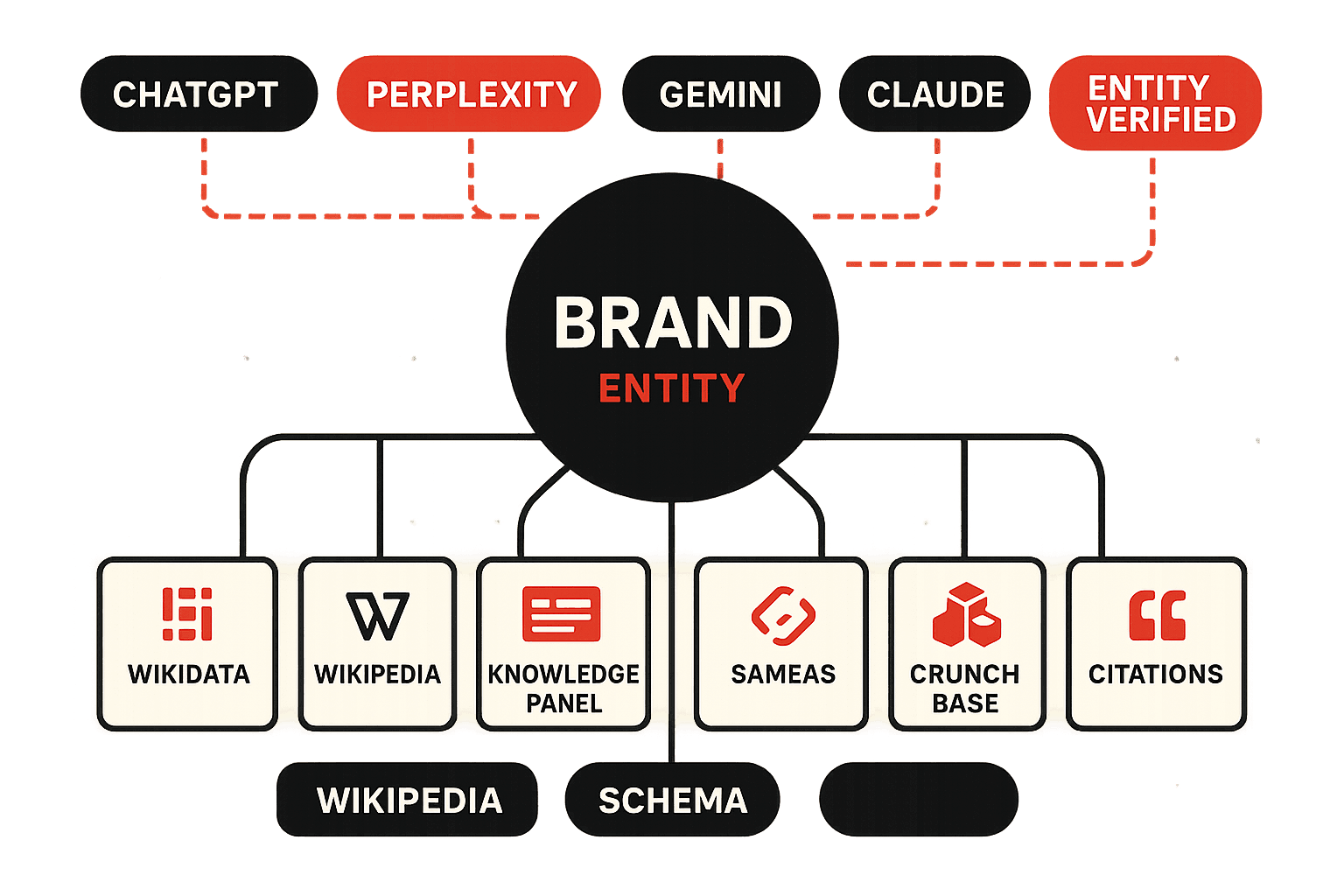
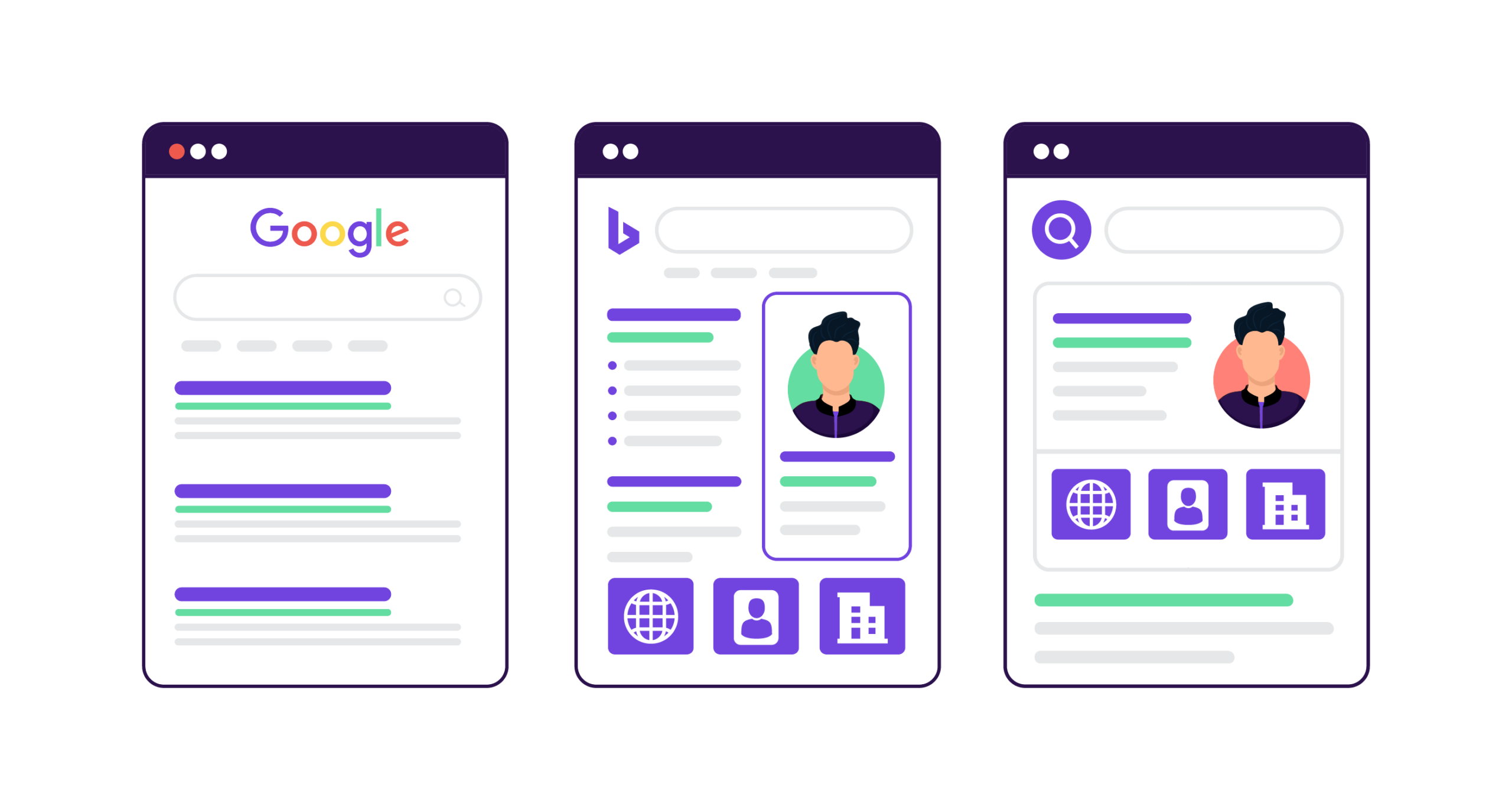
An AI SEO Knowledge Panel is an enhanced, machine-learning-driven version of the traditional Google Knowledge Panel. While standard panels pull static data from sources like Wikidata and Wikipedia, AI-powered panels dynamically synthesize information from a vast array of real-time sources. These panels appear on the right-hand side of search results and provide users with a concise, structured summary of a person, brand, organization, or concept.
The core difference lies in the underlying technology. Traditional panels rely on manually curated databases. AI SEO Knowledge Panels use natural language processing (NLP) and entity resolution algorithms to understand relationships between data points. This allows the panel to answer complex queries, predict user intent, and display information that is contextually relevant to the specific search query, rather than just generic entity data.
How AI Transforms Traditional Knowledge Panels
The integration of AI into knowledge panels has introduced several transformative capabilities that change how information is retrieved and displayed.
Dynamic Entity Resolution
AI algorithms can now disambiguate entities with remarkable accuracy. For instance, if a user searches for “Mercury,” the AI SEO Knowledge Panel can determine whether the intent is about the planet, the element, or the car brand based on search history, location, and query phrasing. This dynamic resolution ensures the panel displays the most relevant information instantly.
Real-Time Data Integration
Traditional panels often lag behind breaking news or rapid developments. AI-powered panels pull live data from news feeds, social media, and financial databases. This is particularly crucial for public figures and publicly traded companies, where stock prices or recent events must be reflected immediately.
Predictive Information Display
AI analyzes user behavior patterns to predict what additional information a user might need. If a user searches for a specific software tool, the AI SEO Knowledge Panel might proactively display pricing tiers, integration partners, or recent security patches—information the user likely needs next, even if not explicitly asked.
Key Components of an AI-Driven Knowledge Panel
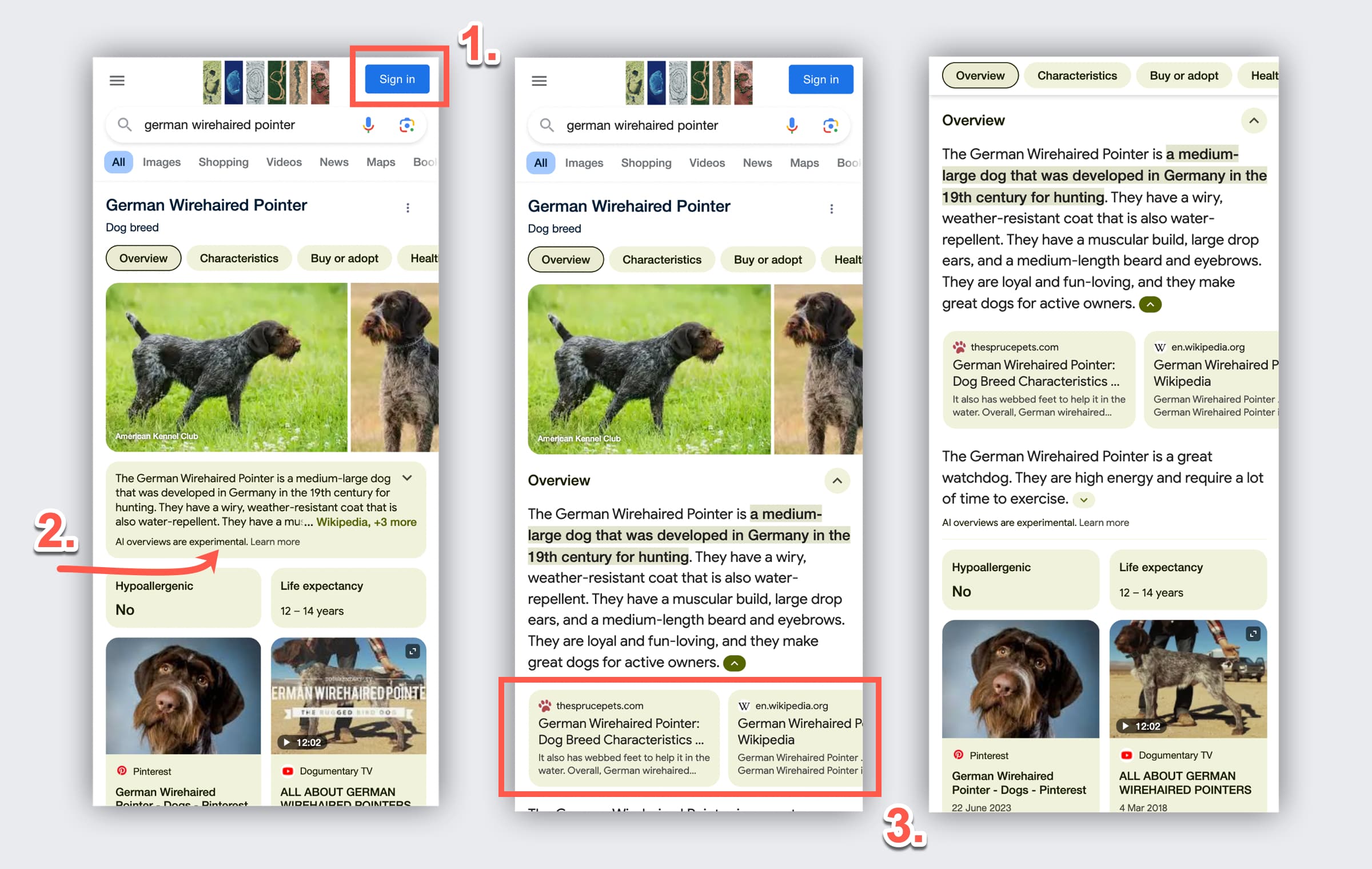
To optimize for these panels, one must understand their structural anatomy. An AI SEO Knowledge Panel typically comprises several distinct modules that work together to provide a holistic view.
- Entity Header: The primary name, logo, and a brief description that is dynamically generated based on the query context.
- Attribute Grid: Structured data points such as founding date, headquarters, key personnel, and contact information. AI ensures these are consistent across the web.
- Media Carousel: Images and videos that are algorithmically selected for relevance and quality, often pulled from official channels.
- Social Links: Verified profiles that the AI has confirmed as authentic, reducing the risk of impersonation.
- Action Buttons: Direct links to “Call,” “Directions,” or “Official Website,” which are generated based on user intent and device type.
- Related Entities: A list of similar or connected entities, which AI curates based on co-occurrence and semantic similarity.
- Data Misinterpretation: AI can occasionally misread context, leading to incorrect attributes being displayed. This requires constant monitoring.
- Lack of User Control: You cannot manually edit the panel directly. You can only suggest changes, and the AI decides whether to accept them.
- Algorithmic Bias: The AI may prioritize certain sources over others, potentially ignoring high-quality content that is not well-indexed.
- Privacy Concerns: For individuals, the aggregation of personal data into a panel can raise privacy issues, even if the data is publicly available.
- Inconsistent NAP (Name, Address, Phone): If your business name is “ABC Tech” on one site and “ABC Technologies” on another, the AI struggles to connect the dots.
- Ignoring Wikipedia: While not strictly mandatory, a Wikipedia article significantly boosts credibility and provides a rich source of structured data for the AI.
- Duplicate Content: Having multiple websites or pages with the same content confuses the AI’s entity resolution algorithms.
- Neglecting Social Profiles: A lack of active, verified social media profiles makes it difficult for the AI to confirm your identity and gather real-time data.
- Using Unstructured Data: Relying solely on HTML text without schema markup forces the AI to guess, increasing the risk of misinterpretation.
The Role of Structured Data in AI SEO Knowledge Panels
Structured data, specifically Schema.org markup, remains the backbone of how AI interprets website content. While the AI can infer some information, explicit markup provides unambiguous signals that accelerate the process of panel generation and updates.
Implementing the Person or Organization schema is the foundational step. However, to fully leverage AI SEO Knowledge Panels, you must go beyond the basics. Use SameAs properties to link your website to your official social profiles and Wikidata entries. This creates a web of trust that AI algorithms use to verify your identity.
Additionally, use FAQPage and HowTo schema to feed the AI with structured answers. This increases the likelihood of your content being used in the “People Also Ask” boxes that often accompany AI-enhanced panels, expanding your digital footprint.
Benefits of Optimizing for AI SEO Knowledge Panels
Securing a prominent position in an AI SEO Knowledge Panel offers tangible benefits that extend beyond simple brand visibility.
Enhanced Brand Authority
When a search engine displays a comprehensive, accurate panel for your brand, it signals to users that you are a legitimate, authoritative entity. This trust transfer can significantly improve click-through rates (CTR) on your organic listings.
Increased Real Estate in SERPs
The panel occupies significant space on the search results page, often pushing competitors down. This visual dominance ensures that users see your information first, even if a competitor ranks higher in the traditional organic list.
Improved Voice Search Performance
Voice assistants like Google Assistant and Siri rely heavily on knowledge graph data to answer queries. If your entity is well-defined in the AI SEO Knowledge Panel, your information is more likely to be read aloud as the definitive answer.
Control Over Narrative
By actively managing the data sources that feed the panel, you can ensure that the most accurate and positive information is displayed. This is crucial for reputation management, as it minimizes the visibility of outdated or incorrect data.
Limitations and Challenges of AI Knowledge Panels
Despite the advantages, there are inherent challenges that come with relying on AI-driven data aggregation.
AI SEO Knowledge Panel vs. Traditional Knowledge Panel
Understanding the distinction between the two is critical for developing an effective optimization strategy. The table below highlights the primary differences.
| Feature | Traditional Knowledge Panel | AI SEO Knowledge Panel |
|---|---|---|
| Data Source | Static databases (Wikidata, Wikipedia) | Real-time web, social media, news APIs |
| Query Handling | Generic entity display | Context-aware, intent-based display |
| Update Frequency | Weekly or monthly | Near real-time |
| Personalization | Minimal | High (based on user history and location) |
| Disambiguation | Manual curation | Automatic via NLP |
The shift towards AI is irreversible. Search engines are moving away from static answers and towards dynamic, conversational responses. Optimizing for the AI version ensures your brand is future-proof.
Practical Guide: How to Get an AI SEO Knowledge Panel
Securing a panel is not an overnight process, but a systematic approach can accelerate the timeline. Follow these steps to increase your chances of being featured.
Step 1: Establish a Strong Digital Footprint
Ensure your brand has a consistent presence across the web. This includes a professional website, active social media profiles, and listings on reputable directories. The AI needs to find consistent signals across multiple domains to validate your existence.
Step 2: Create a Wikidata Entry
Wikidata serves as the central repository for the knowledge graph. Create a detailed entry for your brand or person, including aliases, descriptions, and links to official sources. This is often the first place the AI looks for entity confirmation.
Step 3: Optimize Your Website with Schema
Implement the Organization or Person schema on your homepage. Include your logo, social media URLs, and contact information. Use the sameAs attribute to link to your Wikidata entry and all official profiles.
Step 4: Build High-Quality Mentions
Get mentioned on high-authority websites, news outlets, and industry publications. The AI uses the context of these mentions to understand what your brand is about. Ensure these mentions use consistent naming conventions.
Step 5: Monitor and Suggest Corrections
Once a panel appears, use the “Suggest Edits” or “Feedback” feature to correct any inaccuracies. Provide authoritative sources for the corrections to increase the likelihood of AI acceptance.
Common Mistakes That Prevent Panel Generation
Many brands inadvertently sabotage their chances of getting a panel. Avoiding these pitfalls is just as important as taking positive action.
Important Notes on Maintaining Your Panel
Getting the panel is only half the battle. Maintaining its accuracy and relevance requires ongoing vigilance.
First, conduct a monthly audit of your panel. Check for outdated information, broken links, or incorrect images. Second, keep your website’s schema updated whenever you have significant changes, such as a rebrand or a change in leadership. Third, actively publish fresh content. The AI favors entities that are consistently producing new, relevant information. Finally, monitor your “People Also Ask” data to understand what questions users are asking about your brand, and create content that answers those questions directly.
Frequently Asked Questions
How long does it take to get an AI SEO Knowledge Panel?
T For well-established brands with a strong online presence, it can take a few weeks. For newer entities, it may take several months of consistent effort to build enough trust signals for the AI to recognize you as a distinct entity.
Can I pay Google to get a Knowledge Panel?
No. Knowledge Panels are generated algorithmically and cannot be purchased. Any service that claims to guarantee a panel for a fee is not legitimate. You can only influence the algorithm through organic SEO and data consistency.
Do I need a Wikipedia page to get a panel?
No, but it helps significantly. Wikipedia is a high-authority source that the AI trusts. However, many small businesses and local figures have panels without Wikipedia pages, relying instead on strong local citations and structured data.
What is the difference between a Knowledge Panel and a Knowledge Graph?
The Knowledge Graph is the underlying database of entities and their relationships. The Knowledge Panel is the visual representation of that data displayed in the search results. The AI SEO Knowledge Panel is the dynamic, real-time version of that display.
How do I remove a false AI SEO Knowledge Panel?
If a panel is created for a person or entity that does not exist, or contains defamatory information, you can use the “Feedback” link at the bottom of the panel to report it. For legal issues, you may need to go through a formal legal process, but for general inaccuracies, the feedback tool is the first step.
Conclusion
The AI SEO Knowledge Panel represents the next frontier in search engine visibility. It is a dynamic, intelligent system that rewards entities who maintain a clear, consistent, and authoritative digital presence. By focusing on structured data, high-quality citations, and real-time content generation, you can position your brand to be featured prominently in these AI-driven displays.
The shift from static panels to AI-powered ones is not a trend; it is the foundation of the future search experience. Brands that adapt now will enjoy a significant competitive advantage as search engines continue to evolve towards predictive, conversational, and hyper-personalized results. The time to optimize is now, and the strategies outlined in this guide provide the roadmap to success.
Xem thêm:
- AI SEO ChatGPT Search Optimization: The Complete Guide to Ranking in the AI Era
- AI SEO Smart Search: The Complete Guide to Future-Proofing Your Organic Traffic
- AI Search Optimization: The Ultimate Guide to Ranking in LLMs and Generative Engines
- Unlock the Power of AI Prompt Templates: A Complete Guide to Crafting Perfect Prompts Every Time
- AI SEO Topical Depth: The Complete Guide to Dominating Search Rankings
Bài viết cùng chủ đề:

AI SEO SEO Automation with Make: The Complete Workflow Guide

AI SEO SEO Automation with Zapier: The Complete Workflow Guide

AI SEO SEO Automation with n8n: The Complete Workflow Guide
AI SEO SEO Automation with Gemini: The Complete Guide to Scaling Organic Growth

AI SEO SEO Automation with Claude: The Complete Guide to Scaling Content in 2025

AI SEO SEO Automation with ChatGPT: The Complete Playbook for 2025

AI SEO & SEO Automation for Affiliate Sites: The 2025 Playbook for Passive Income Growth
AI SEO & SEO Automation for Bloggers: The Complete Guide to Scaling Your Content

AI SEO & SEO Automation for Agencies: The Complete 2025 Playbook

AI SEO and SEO Automation for Ecommerce: The Complete Playbook for 2025

AI SEO & SEO Automation for WordPress: The Complete Playbook for 2025
AI SEO SEO Automation Strategy: The Complete Playbook for 2025

Mastering the AI SEO SEO Automation Process: A Complete Guide to Scaling Organic Growth
AI SEO SEO Automation System: The Complete Guide to Scaling Organic Growth in 2025
AI SEO SEO Automation Platform: The Complete Guide to Scaling Organic Growth in 2025
AI SEO SEO Automation Software: The Complete Guide to Scaling Organic Growth in 2025















