
No products in the cart.
AI SEO AlsoAsked: The Complete Guide to Smarter Content Research in 2025
31
Jul
Jul
The landscape of search engine optimization has shifted dramatically. Gone are the days when keyword density and backlink counts ruled the rankings. Today, understanding user intent and answering the exact questions people ask is the cornerstone of visibility. This is where the convergence of AI SEO and AlsoAsked becomes a game-changer. This guide explores how combining artificial intelligence with the powerful question-discovery tool, AlsoAsked, transforms your content strategy from guesswork into a precise science. You will learn how to leverage this synergy to uncover hidden search opportunities, structure content that satisfies both users and algorithms, and ultimately, dominate the featured snippet space.
Understanding the Core: What is AlsoAsked?
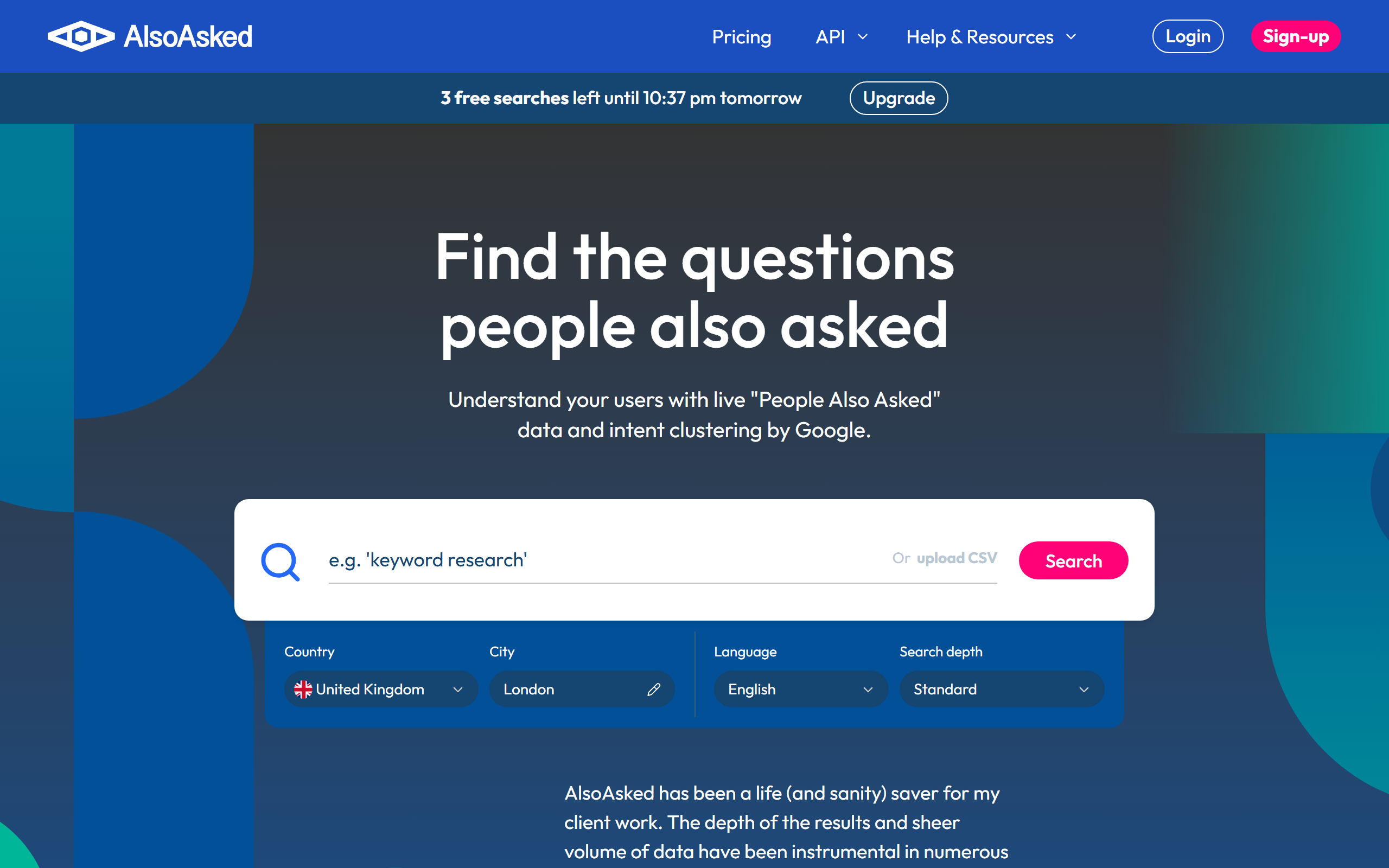
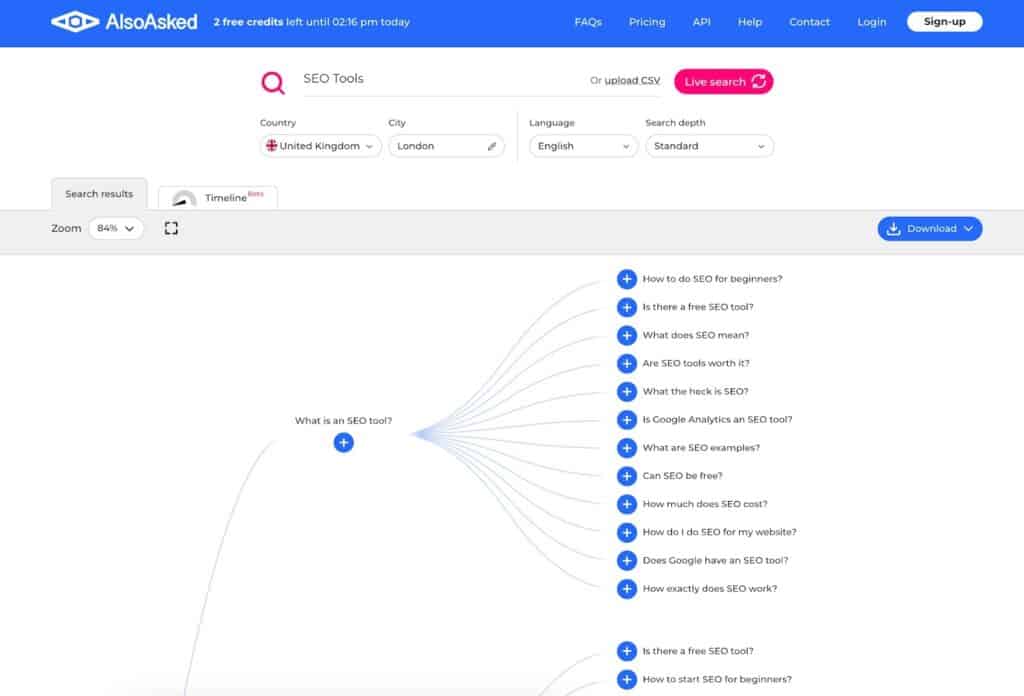
AlsoAsked is a specialized SEO tool that visualizes the “People Also Ask” (PAA) boxes from Google. It aggregates these related questions into a visual, branching mind-map. This tool provides a direct window into the related queries and follow-up questions real users have about a specific seed keyword. Instead of just seeing a flat list of keywords, you see the conversational context and the hierarchical relationship between questions. This data is gold for content creators because it reveals the semantic landscape surrounding a topic.
The tool works by pulling data from Google’s autocomplete and PAA features. It then organizes these questions by relevance and search volume, showing which questions are most commonly asked together. For an SEO professional, this means moving beyond simple keyword matching. It allows you to map out the entire “question ecosystem” for your niche. This foundational understanding is critical before integrating any form of AI into your workflow.
The Rise of AI SEO: How Artificial Intelligence is Changing the Game
AI SEO refers to the use of machine learning and natural language processing (NLP) to automate and enhance search engine optimization tasks. This includes content generation, keyword clustering, topic modeling, and predictive analytics. AI tools can process vast amounts of data at incredible speeds, identifying patterns that a human analyst might miss. They can analyze top-ranking pages, extract entities, and suggest content structures that are statistically more likely to perform well.
The power of AI lies in its ability to understand context and semantics, not just strings of text. Modern AI models, like those powering advanced content tools, can generate outlines, draft paragraphs, and even optimize meta descriptions. However, the most effective use of AI in SEO is not to replace human creativity but to augment it. AI provides the data-driven scaffolding, while humans provide the unique insights, experience, and brand voice. The combination of AI’s analytical power with a tool like AlsoAsked creates a workflow that is both efficient and deeply aligned with user needs.
The Synergy: Why Combine AI SEO with AlsoAsked?
While AlsoAsked provides the “what” (the questions users ask), AI provides the “how” (how to structure and generate the answer). Using them in isolation leaves significant value on the table. AlsoAsked gives you a map of user intent, but you still have to manually analyze that map and decide how to build your content. AI can automate that analysis and execution. This synergy is the core of a modern, data-driven content strategy.
For example, a question like “how to bake a cake” could have different intents—a beginner looking for a simple recipe vs. a professional looking for advanced techniques. AI can analyze the phrasing and related questions from AlsoAsked to determine the dominant intent. This allows you to tailor your content precisely, increasing the likelihood of ranking and satisfying the user.
The Workflow: From Question Data to AI-Generated Content
The practical application of this synergy follows a clear, repeatable process. First, you input your seed keyword into AlsoAsked. You extract the visual map of questions. Next, you feed this list of questions into an AI SEO tool or a large language model (LLM) with a specific prompt. The prompt instructs the AI to create a comprehensive outline that answers all these questions logically. The AI can group related questions, suggest subheadings, and even draft initial content that directly addresses each query.
This process ensures that your content is not just optimized for a single keyword but for a complete cluster of related queries. This is a powerful strategy for targeting featured snippets, as Google often pulls content that directly answers a specific question in a concise format. By using AlsoAsked data to structure your H2s and H3s, you are essentially telling Google, “This page answers all these related questions,” which boosts your relevance and authority.
Key Benefits of Using AI SEO AlsoAsked for Content Strategy
The benefits of integrating these two powerful tools are numerous and impactful. It moves your SEO from a reactive to a proactive stance. You are no longer guessing what your audience wants; you are building content based on verified search behavior data. This leads to higher engagement, lower bounce rates, and improved rankings.
- Enhanced Content Relevance: By targeting real user questions, your content becomes inherently more relevant to the search query. This signals to Google that your page is a high-quality result.
- Improved Content Structure: The question map from AlsoAsked provides a natural, logical structure for your article. This improves readability for users and crawlability for search engine bots.
- Featured Snippet Optimization: Directly answering questions in a clear, concise format (often using lists or tables) increases your chances of winning the coveted position zero.
- Efficient Research Process: AI can process the question data from AlsoAsked in seconds, creating outlines and drafts that would take a human hours to produce. This saves significant time and resources.
- Uncovering Long-Tail Opportunities: AlsoAsked reveals long-tail questions that have lower competition but high intent. AI can help you create content that targets these niche queries effectively.
- Content Gap Analysis: By comparing the questions from AlsoAsked with your existing content, you can identify gaps in your coverage. AI can then suggest new topics or sections to fill those gaps.
- Ignoring User Intent: Simply listing questions and answers without understanding the underlying intent can lead to shallow content. Use AI to analyze the nuance of the questions.
- Over-Optimizing for Questions: Stuffing your content with question-based headings can make it look unnatural and spammy. Use them where they fit logically, not just for the sake of it.
- Blindly Trusting AI Output: AI can produce inaccurate or outdated information. Always fact-check and verify the data provided by AI tools. Your expertise is the final filter.
- Neglecting Content Quality: The goal is not just to answer questions but to provide a comprehensive, valuable resource. Don’t sacrifice depth and quality for the sake of covering every single question.
- Forgetting the Human Element: AI cannot replicate personal experience, storytelling, or unique brand perspective. These elements are crucial for building trust and authority (E-E-A-T).
- Not Updating Content: User questions and search trends change over time. Regularly re-run your AlsoAsked research and update your content to keep it fresh and relevant.
- Start with a Clear Goal: Define what you want to achieve. Are you looking to increase organic traffic, generate leads, or build brand authority? Your goal will influence how you use the question data.
- Use Multiple Seed Keywords: Don’t limit yourself to one seed keyword. Use several related terms to get a broader view of the question landscape in your niche.
- Analyze Competitor Content: Use AlsoAsked on your competitors’ top-ranking pages to see what questions they are answering. This can reveal gaps in their content that you can exploit.
- Integrate with Other SEO Tools: Combine the question data with keyword difficulty and search volume data from tools like Ahrefs or SEMrush to prioritize your content creation efforts.
- Focus on E-E-A-T: Use the AI-generated content as a base, but always add your own experience, expertise, authoritativeness, and trustworthiness. This is what sets your content apart.
- Monitor Performance: After publishing, track your rankings for the targeted questions. Use this data to refine your approach and identify new opportunities.
Practical Guide: How to Use AI SEO AlsoAsked Step-by-Step

Implementing this strategy is straightforward. This process is designed to be efficient and produce high-quality, search-optimized content.
Step 1: Seed Keyword Research
Start with a broad seed keyword relevant to your business. This is the core topic you want to rank for. For example, if you sell running shoes, your seed keyword might be “best running shoes.” This is the starting point for your question discovery. Ensure this keyword has sufficient search volume and is relevant to your target audience.
Step 2: Extract Questions with AlsoAsked
Enter your seed keyword into AlsoAsked. The tool will generate a visual map of related questions. You should export this data. Look for the primary questions and the “sub-questions” that appear when you click on a node. These deeper questions often reveal the most specific user intents. Save this list; it is your content blueprint.
Step 3: Analyze and Cluster Questions with AI
Take your list of questions and input it into an AI tool like ChatGPT, Claude, or a specialized SEO content platform. Use a prompt like: “Analyze these questions and group them into 5-7 main themes. For each theme, suggest a compelling H2 heading and a list of sub-points.” The A This step transforms a chaotic list of questions into a coherent outline.
Step 4: Generate the Content Draft
Using the AI-generated outline, instruct the AI to write the full article. Provide it with your brand guidelines, tone of voice, and any specific data or examples you want to include. The A This draft is your starting point, not the final product.
Step 5: Human Editing and Enhancement
This is the most critical step. You must review, edit, and enhance the AI-generated draft. Add your personal experience, unique insights, and specific examples that AI cannot generate. Verify all facts and data. Ensure the content flows naturally and reflects your brand’s voice. This human touch is what elevates the content from generic to authoritative and trustworthy.
Step 6: On-Page Optimization
Once the content is finalized, apply standard on-page SEO techniques. Use the primary keyword in the title, meta description, and first paragraph. Use the related questions from AlsoAsked as H2 and H3 tags. Optimize images with descriptive alt text. Ensure your URL is clean and descriptive. This final step ensures that search engines can easily understand and index your content.
Common Mistakes to Avoid When Using AI SEO and AlsoAsked
While this strategy is powerful, there are common pitfalls that can undermine your efforts. Being aware of these mistakes is the first step to avoiding them. The goal is to use these tools to enhance your content, not to produce generic, low-value pages.
AI SEO AlsoAsked vs. Traditional Keyword Research
To fully appreciate the value of this approach, it is helpful to compare it with traditional keyword research methods. Traditional methods often focus on metrics like search volume and keyword difficulty, which are important but lack the contextual depth of question-based research. The table below highlights the key differences.
| Feature | Traditional Keyword Research | AI SEO + AlsoAsked |
|---|---|---|
| Data Focus | Individual keywords and search volume | Related questions and user intent |
| Content Structure | Based on keyword grouping | Based on conversational question mapping |
| User Intent | Inferred from keyword type | Directly derived from question phrasing |
| Content Creation | Manual writing based on keyword list | AI-assisted drafting based on question clusters |
| Opportunity Discovery | Limited to keyword databases | Uncovers hidden long-tail questions |
| Featured Snippet Targeting | Difficult to predict | Structured to answer questions directly |
As the table illustrates, the combination of AI and AlsoAsked offers a more holistic and user-centric approach. It moves beyond the limitations of keyword lists and focuses on the actual needs of the searcher. This leads to content that is more likely to rank and convert.
Important Notes for Maximizing Results
To get the most out of this strategy, keep these important notes in mind. They are best practices that will help you refine your process and achieve better outcomes. Consistency and a focus on quality are the keys to long-term success.
Frequently Asked Questions (FAQ)
Is AlsoAsked free to use?
AlsoAsked offers a limited free tier that allows you to perform a small number of searches per month. For extensive research and bulk data extraction, you will need to subscribe to one of their paid plans. The free version is useful for testing the tool and understanding its capabilities.
Can AI SEO tools replace human content writers?
No, AI tools are designed to assist and augment human writers, not replace them. AI can generate drafts, suggest structures, and optimize for keywords, but it lacks the creativity, critical thinking, and personal experience that human writers bring. The best results come from a collaboration between AI and human expertise.
How does AlsoAsked get its data?
AlsoAsked pulls data directly from Google’s “People Also Ask” boxes and autocomplete suggestions. It simulates a user searching for your seed keyword and captures the related questions that Google displays. This data is then organized into a visual map for analysis.
What is the best AI tool to use with AlsoAsked?
T Popular options include ChatGPT, Claude, and Google Bard for general content generation. Specialized SEO platforms like Surfer SEO or Frase also integrate AI and can work well with question data from AlsoAsked.
How often should I update my content based on AlsoAsked data?
It is recommended to review your content and re-run your AlsoAsked research at least every quarter. Search trends and user behavior change over time, and new questions may emerge. Regular updates ensure your content remains relevant and competitive.
Will this strategy guarantee a featured snippet?
No strategy can guarantee a featured snippet, as Google’s algorithms are complex and constantly changing. However, structuring your content to directly answer specific questions in a clear and concise format significantly increases your chances of being selected for position zero.
Conclusion
The integration of AI SEO and AlsoAsked represents a significant evolution in content strategy. It moves the focus from chasing keywords to understanding and answering the real questions of your audience. By using AlsoAsked to map the question landscape and AI to analyze, structure, and draft content, you create a powerful, efficient workflow that produces highly relevant and authoritative pages. This approach not only improves your chances of ranking but also enhances the user experience, building trust and credibility for your brand. The future of SEO is not about tricking algorithms but about genuinely serving the user. This synergy is the most effective way to do exactly that. Start implementing this strategy today to gain a competitive edge and create content that truly resonates with your target audience.
Xem thêm:
- AI SEO for Crypto: The Complete Guide to Dominating Search in 2025
- AI SEO Organic Search: The Complete Playbook for Sustainable Growth in 2025
- AI SEO WCAG: The Complete Guide to Accessible, AI-Optimized Content
- AI SEO HARO Alternatives: 10 Powerful Platforms to Secure High-Authority Backlinks in 2025
- AI SEO Google Search Console: The Complete Guide to Smarter Search Performance
Bài viết cùng chủ đề:

AI SEO SEO Automation with Make: The Complete Workflow Guide

AI SEO SEO Automation with Zapier: The Complete Workflow Guide

AI SEO SEO Automation with n8n: The Complete Workflow Guide
AI SEO SEO Automation with Gemini: The Complete Guide to Scaling Organic Growth

AI SEO SEO Automation with Claude: The Complete Guide to Scaling Content in 2025

AI SEO SEO Automation with ChatGPT: The Complete Playbook for 2025

AI SEO & SEO Automation for Affiliate Sites: The 2025 Playbook for Passive Income Growth
AI SEO & SEO Automation for Bloggers: The Complete Guide to Scaling Your Content

AI SEO & SEO Automation for Agencies: The Complete 2025 Playbook

AI SEO and SEO Automation for Ecommerce: The Complete Playbook for 2025

AI SEO & SEO Automation for WordPress: The Complete Playbook for 2025
AI SEO SEO Automation Strategy: The Complete Playbook for 2025

Mastering the AI SEO SEO Automation Process: A Complete Guide to Scaling Organic Growth
AI SEO SEO Automation System: The Complete Guide to Scaling Organic Growth in 2025
AI SEO SEO Automation Platform: The Complete Guide to Scaling Organic Growth in 2025
AI SEO SEO Automation Software: The Complete Guide to Scaling Organic Growth in 2025















