
No products in the cart.
AI SEO Analytics: Turning Raw Search Data Into Unstoppable Organic Growth
29
Jul
Jul
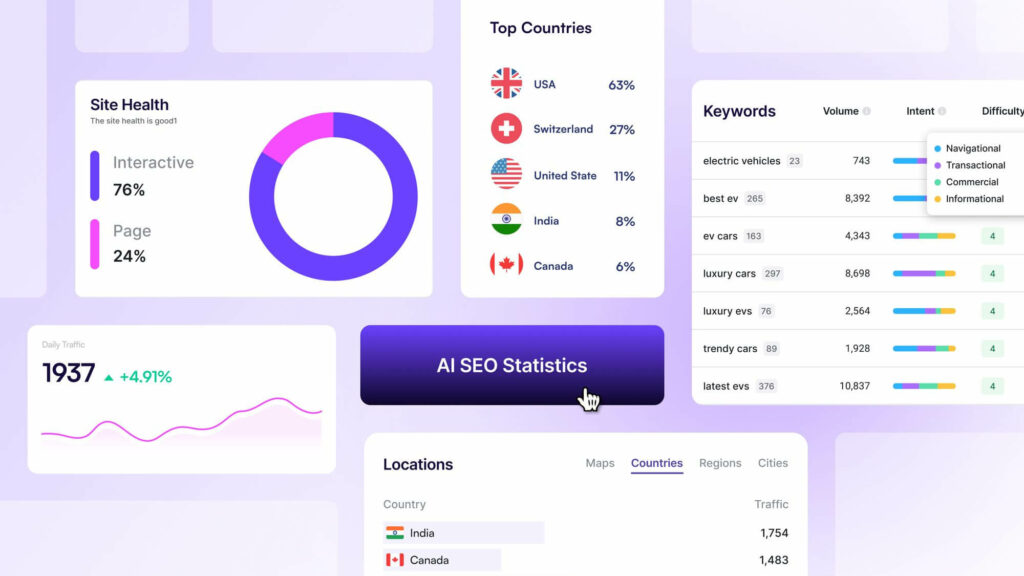
Modern search landscapes shift constantly, and gut feelings no longer cut it. AI SEO analytics represents the fusion of artificial intelligence with traditional search data interpretation—transforming how brands discover opportunities, fix hidden site flaws, and predict ranking movements before they happen. Instead of manually sifting through spreadsheets of keywords and backlinks, marketers now lean on machine learning algorithms that spot patterns invisible to the human eye, then serve actionable recommendations in real time. This approach merges technical data science with creative SEO know‑how, delivering a decisive edge in fiercely competitive SERPs.
What Exactly Is AI SEO Analytics?
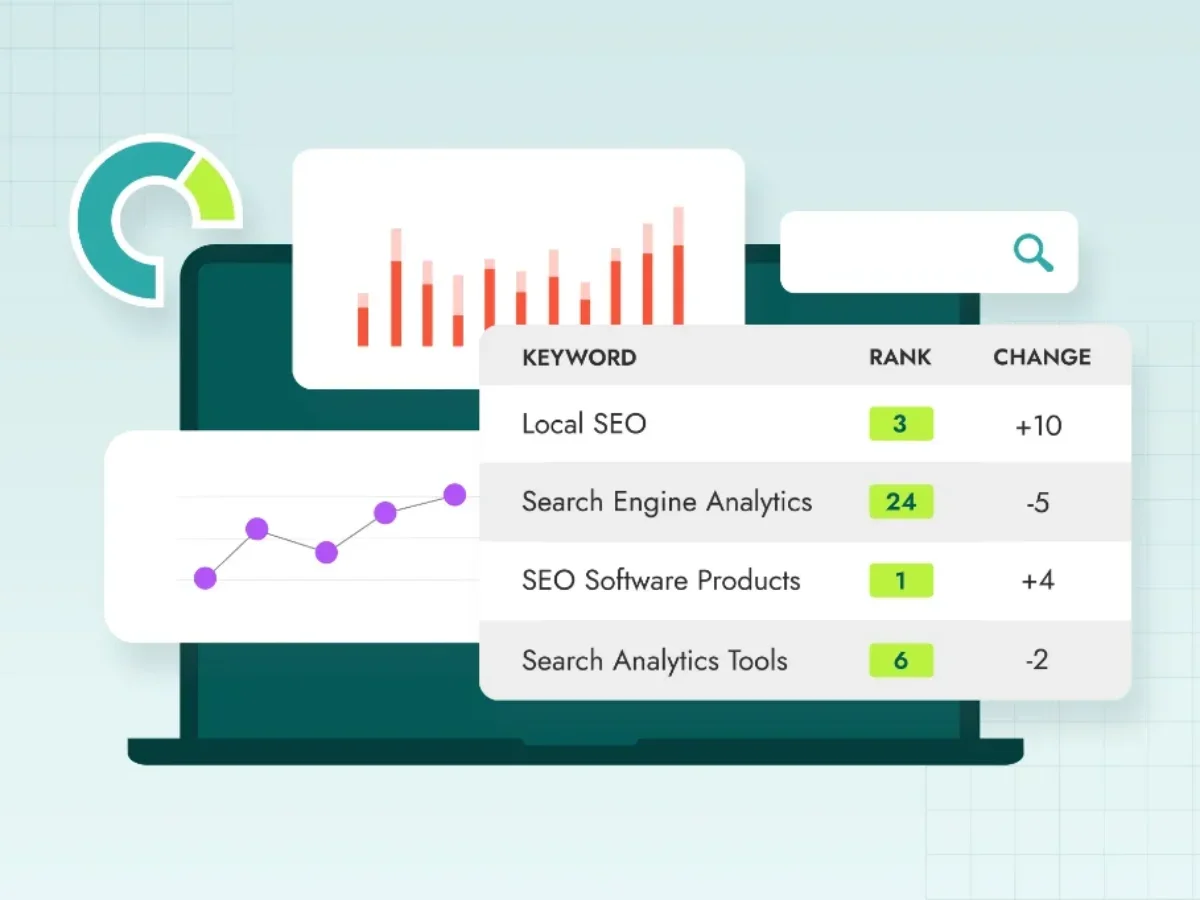
At its core, AI SEO analytics is the systematic use of artificial intelligence—deep learning, natural language processing, and predictive modeling—to collect, process, and interpret SEO data. It moves far beyond basic rank tracking. The system ingests massive streams: click-through rates, bounce signals, core web vitals, content engagement depth, backlink velocity, and shifting user intent. Advanced algorithms then map cause‑and‑effect relationships, helping teams understand why a page dropped or how a subtle content tweak might unlock a featured snippet.
The technology works by training on historical SERP data, user‑behavior logs, and competitive intelligence. Over time, it learns which content signals Google’s ranking systems genuinely reward. This is not a static tool that spits out a list of “fix H1 tags.” It is a dynamic layer of intelligence that connects on‑page optimization with off‑page authority signals and technical health, often surfacing counterintuitive correlations that manual analysis would miss entirely.
Why Traditional SEO Analytics Falls Short
Conventional SEO reporting relies heavily on dashboards that tell what happened, not why it happened or what will happen next. An analyst might notice traffic dropped on a Tuesday, correlate it with a Google update, and then spend hours manually digging through page‑level changes. This reactive cycle leaves money on the table. Standard tools also segment data into silos—keyword rankings in one panel, backlinks in another, content performance isolated—making it difficult to connect the dots across an entire digital ecosystem.
Human analysis alone simply cannot process the velocity of modern SEO data. A single e‑commerce site can generate tens of thousands of keyword variants, daily rank fluctuations, and thousands of new backlinks. By the time an analyst manually uncovers a trend, the window of opportunity may have already closed. AI SEO analytics resolves these gaps by continuously monitoring, correlating, and forecasting, turning a retrospective snapshot into a feed of forward‑looking intelligence.
Core Components That Power AI SEO Analytics
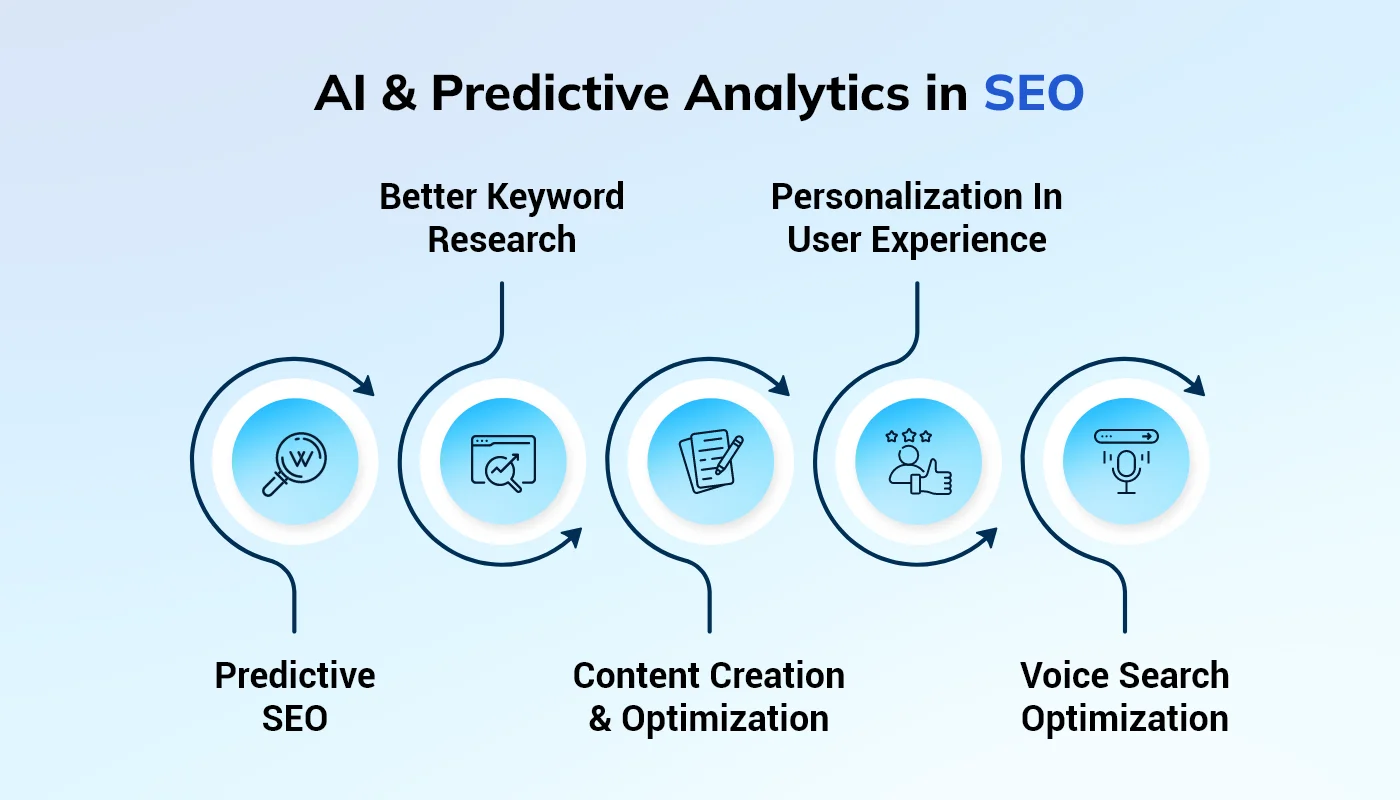
Understanding the building blocks helps teams evaluate tools and build internal capabilities. The most effective systems rest on four pillars.
Data Aggregation and Normalization
AI engines unify feeds from Google Search Console, Bing Webmaster Tools, crawler logs, CRM data, advertising metrics, and social signals. They cleanse and harmonize these disparate streams so that a jump in paid clicks can be cross‑referenced with organic cannibalization within the same dashboard. Without clean, integrated data, even the smartest model will generate noise instead of insight.
Pattern Recognition and Anomaly Detection
Machine learning excels at flagging subtle deviations. A normal Wednesday sees 2.3% click‑through rate for a product category; suddenly it dips to 1.8% with no core update. AI can instantly trace that shift to a new competitor snippet, an image pack intrusion, or a change in navigational query intent—something a human might not spot for weeks.
Predictive Ranking and Traffic Modeling
By ingesting historical volatility, seasonality, and competitor link velocity, predictive models forecast the likely ranking range for target keywords over the next 90 days. Teams stop guessing whether a link‑building campaign will pay off; they receive probability scores tied to specific actions. These models also factor in algorithm update impacts and suggest pre‑emptive content refreshes before decay sets in.
Natural Language Generation and Recommendations
The output side is equally critical. Raw numbers rarely change minds in a meeting. Leading AI analytics platforms automatically generate plain‑language briefs: “Add three semantically related subtopics to page X to capture 12% more informational intent traffic.” This human‑readable layer bridges the gap between data science and content teams, making advanced insights accessible to everyone.
The Technology Stack Behind AI SEO Analytics
It is easy to treat the system as a black box, but a basic grasp of the underlying technology helps marketers ask sharper questions when evaluating vendors. Most solutions layer several AI disciplines:
- Natural Language Processing (NLP): Extracts search intent clusters from query strings, analyzes competitor content depth, and measures topical authority by mapping entity relationships.
- Deep Learning Models: Train on billions of SERP impressions to replicate how Google’s own ranking signals might behave, often using transformer architectures similar to BERT or GPT to understand context.
- Reinforcement Learning Agents: Simulate thousands of content tweaks in a sandbox to determine which variant would likely yield the highest click‑through rate, learning from real‑world feedback loops.
- Graph Databases and Knowledge Graphs: Connect keywords, entities, and domains into a web that reveals which authoritative hubs influence specific topic clusters, guiding strategic link‑building efforts.
- Automated Crawl Analysis: AI‑powered spiders prioritize crawl budget waste, duplicate content issues, and JavaScript rendering problems with severity scoring, not just static lists.
- Speed of Insight: Anomalies surface in minutes, not weeks. During Black Friday prep, an AI system can continuously monitor inventory page index bloat and alert teams before Googlebot wastes crawl budget on stale URLs.
- Deeper SERP Understanding: Models decode the blended nature of modern search results—images, local packs, video carousels—revealing optimization opportunities beyond the classic ten blue links.
- Scalable Content Audits: Instead of manually rating 10,000 blog posts, AI grades each page on E‑E‑A‑T signals, domain authority, and search intent alignment, then generates a prioritized refresh backlog.
- Competitive Espionage at Scale: AI reverse‑engineers competitor content architectures, identifying the exact topical gaps that, once filled, can siphon traffic without direct keyword warfare.
- Resource Efficiency: Junior analysts handle exception‑based workflows, senior strategists concentrate on creative testing, and the whole team operates with a data‑driven mandate.
- Treating AI Output as Infallible: A high confidence score does not eliminate risk. Always spot‑check critical recommendations, especially those involving redirects or URL structure changes that could break existing organic equity.
- Neglecting Data Governance: Feeding the model bot‑infested traffic, internal IP visits, or old panda‑era penalties taints the learning set. Rigorous filtering and tagging are prerequisites.
- Ignoring the Human‑First Strategy Layer: AI can tell you which topics to cover, but only a human can decide whether those topics align with long‑term brand positioning. Using AI to chase every traffic pocket dilutes authority.
- Skipping Model Retraining After Major Updates: When Google rolls out a broad core update, the SERP landscape morphs. Models trained on pre‑update data become inaccurate. Schedule automatic retraining windows following confirmed algorithm shifts.
- Over‑Automating Without Oversight: Some platforms offer auto‑optimization of title tags and meta descriptions. While tempting, unattended automation can produce generic, tone‑deaf text that harms brand perception in the search snippets.
How AI SEO Analytics Changes Daily Workflows
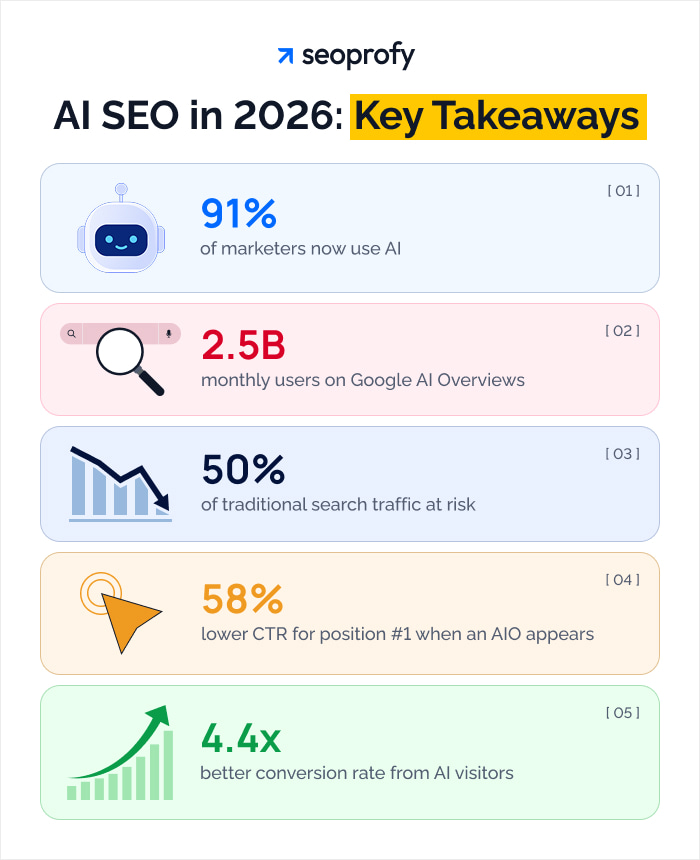
The impact is not theoretical. Teams that adopt intelligent analytics re‑architect their entire SEO process. Mornings no longer start with frantic dashboard checks. Instead, a daily AI briefing drops into Slack or email, highlighting the top three insights: a key page losing internal link equity, a new “People Also Ask” slot worth capturing, and a competitor that just acquired a powerful editorial backlink. The team then focuses on executing, not analyzing.
Content strategists use AI‑powered gap analysis to uncover clusters where the brand has topical authority but missing long‑tail semantically connected articles. Technical SEO leads receive automated alerts that link a spike in 404 errors to a recent CMS plugin update, complete with the exact array of affected URLs and a remediation priority score. This shift from reactive firefighting to proactive optimisation multiplies output without increasing headcount.
Tangible Benefits of Embracing AI in SEO Analytics
The value proposition extends across performance, cost, and strategic agility.
Limitations and Honest Caveats to Keep in Mind
No technology is a silver bullet. AI SEO analytics thrives on input quality. A model trained on sparse or noisy data—like thin affiliate sites—will produce unreliable forecasts. Teams that feed the system only basic rank and traffic metrics without adding conversion data, audience demographic signals, or offline campaign calendars will see misleading recommendations. Garbage in, garbage out remains the cardinal rule.
Algorithm bias also lurks. If the training data disproportionately represents English‑language US results, the tool will underperform for regional or multilingual SEO strategies. Over‑reliance on predictive scores sometimes breeds complacency; a “95% chance of holding position 3” should still be validated with manual sampling, especially after broad core updates. Finally, AI cannot entirely replace creative ideation. It can optimize a title tag for clicks, but it cannot conceive a culturally resonant brand campaign that earns organic citations.
Comparing Traditional SEO Analytics vs. AI‑Driven SEO Analytics
The following table crystallizes the differences that matter most in practice.
| Aspect | Traditional SEO Analytics | AI SEO Analytics |
|---|---|---|
| Data Handling | Manual exports, siloed dashboards | Automated integration from dozens of sources |
| Time to Insight | Days to weeks for root‑cause analysis | Minutes, with real‑time anomaly alerting |
| Forecasting | Static spreadsheet projections | Dynamic traffic and rank probability models |
| Intent Mapping | Keyword grouping by manual rules | NLP‑driven intent clustering with entity extraction |
| Content Gaps | Simple keyword gap tools | Semantic content gap analysis tied to conversion potential |
| Technical Auditing | Periodic crawl, flat prioritization | Continuous crawl, AI‑ranked issue severity |
| Actionable Output | Charts and raw numbers | Natural language briefs and implementation playbooks |
| Scalability | Limited by analyst hours | Virtually unlimited, cloud‑based and parallel processed |
Practical Application: A Step‑by‑Step Implementation Guide
Integrating AI into your SEO analytics engine does not require ripping out everything at once. A phased adoption yields the fastest return and minimizes disruption.
Phase 1: Audit Your Current Data Estate
Before adding AI, map every SEO data source currently in use: Google Search Console, analytics platforms, rank trackers, crawler reports, CRM conversion feeds, and even offline attribution data. Identify gaps. For instance, many businesses track ranking positions but ignore the click‑through rate curve across different positions. An AI model needs both. Verify data freshness—stale performance logs will corrupt predictions.
Phase 2: Select a Core AI SEO Analytics Platform
Choose a solution that aligns with your maturity level. A mid‑market brand might start with a tool that provides automated anomaly detection and content scoring. Enterprise organizations often invest in custom models layered on data warehouses. Look for platforms that offer transparent model logic, not opaque “trust our score” marketing. Prioritize those with robust API access so you can feed outputs into existing BI tools.
Phase 3: Train the Models With Your Unique Context
AI is not plug‑and‑play. Spend time feeding it historical data with labeled outcomes—which pages generated sponsored revenue, which blog posts actually led to demo requests, which technical fixes produced the largest ranking swings. The system learns your site’s specific authority footprint, your audience’s click behavior, and the elasticity of your niche. A sudden traffic dip for a legal services site means something entirely different from the same pattern on a meme aggregator; fine‑tuning encodes these nuances.
Phase 4: Embed AI Insights Into Workflows
Create a weekly “AI insights” slot in team stand‑ups. Assign every recommendation a hypothesis tag and a test owner. For example, if the tool suggests adding five FAQ‑style headings to a product comparison page, implement it, mark the test start date, and later feed the outcome back into the model’s learning loop. Over time, the system improves and the team builds trust in its guidance.
Phase 5: Build a Feedback Flywheel
The real power emerges when human expertise and machine intelligence reinforce one another. SEO strategists validate AI suggestions, annotate why a recommendation was skipped (e.g., brand voice conflict), and that annotation retrains the model. Gradually, the tool internalizes editorial standards, industry regulations, and cultural tone preferences, producing increasingly bespoke advice.
Common Mistakes When Adopting AI SEO Analytics
Even sophisticated teams stumble on predictable pitfalls. Acknowledging them early keeps your initiative on track.
Important Notes for Long‑Term Success
AI SEO analytics works best as a decision‑support system, not an autopilot. The most effective setups maintain a “human in the loop” especially for strategic pivots. Audit your tool’s model drift quarterly—compare its traffic forecasts against actual outcomes and adjust weighting factors. Protect sensitive data; if you use a third‑party platform, ensure that your search console data is not being pooled into industry benchmarks without your consent.
Balance leading indicators with result‑based KPIs. An AI may love a high predicted click‑through rate, but if those clicks bounce because the page fails to deliver on the promise, the net conversion remains zero. Tie recommendations directly to business metrics: revenue per session, qualified demo requests, or email sign‑ups. This anchors the machine’s learning to what really matters.
Frequently Asked Questions About AI SEO Analytics
What is AI SEO analytics?
AI SEO analytics is the application of artificial intelligence technologies—machine learning, NLP, and predictive modeling—to collect, process, and interpret organic search data. It identifies patterns, forecasts ranking changes, and automates insight generation so brands can make faster, more accurate optimization decisions.
How does AI improve traditional SEO analysis?
AI eliminates human bottlenecks. It processes vast datasets in real time, surfaces anomalies instantly, correlates factors across silos, and predicts future performance. Traditional analysis often remains retrospective and manual; AI‑powered analysis is proactive, continuously learning from fresh data to sharpen recommendations.
Can AI SEO analytics replace human SEO experts?
No. The technology augments expertise but cannot replicate strategic creativity, editorial judgment, or deep brand understanding. Human professionals set the vision, interpret context, and make value‑based calls. AI supplies the data‑driven evidence that makes those calls sharper and faster.
Which data sources are most critical for AI SEO analytics?
Google Search Console performance data, crawl logs, conversion‑tracked analytics, backlink profiles, and competitor SERP features form the foundation. Richer models also ingest CRM data, advertising impressions, and social listening feeds to understand the full customer journey’s impact on organic search patterns.
Is AI SEO analytics suitable for small businesses?
Absolutely. Many user‑friendly platforms package AI features—such as content scoring, anomaly alerts, and automated keyword clustering—into affordable subscriptions. Small businesses often gain the most because a lean team can operate with enterprise‑level intelligence without hiring additional headcount.
How often should AI models be retrained?
After any confirmed Google algorithm update and at least quarterly in stable periods. Continuous feedback loops that incorporate human‑validated outcomes allow the system to fine‑tune itself organically, but a periodic full retraining ensures the underlying patterns reflect the most current SERP reality.
What are the biggest risks of relying on AI SEO analytics?
Data quality issues, model drift, and over‑confidence in automated recommendations pose the main risks. Teams that ignore the “why” behind an insight can implement changes that damage site architecture or brand voice. Maintaining rigorous data governance and human oversight keeps the system safe and effective.
Where AI SEO Analytics Is Heading
The discipline sits at the intersection of search engine evolution and broader AI progress. As Google deepens its own use of AI—through systems like MUM and Search Generative Experience—the gap between how search engines evaluate content and how marketers optimize that content continues to shrink. The future belongs to teams that analyze not just keywords but entire knowledge domains, using AI to understand topic authority, source trustworthiness, and user satisfaction signals at a granular level.
The next wave will see generative AI crafting entire optimization roadmaps from a single voice command, while reinforcement learning agents autonomously test content variants and backlink strategies against live SERPs in safe sandboxes. Yet the fundamental principle will remain unchanged: AI SEO analytics is a tool to amplify human strategy, not replace it. The winners will be the professionals who master the conversation between data intelligence and creative market insight.
Wrapping Up
Search ecosystems have grown too complex for manual trial and error. AI SEO analytics provides the missing layer that connects millions of data points into clear, prioritized actions. It speeds up diagnosis, improves forecast accuracy, and helps organizations move from defending their rankings to systematically capturing new organic territory. The key is to treat the technology as a member of the team—one that learns, improves, and delivers immense value when guided by clear human purpose. Start small, clean your data, keep the loop tightly integrated with real‑world results, and watch your SEO program transform from a cost center into a predictable growth engine.
Xem thêm:
- The Ultimate Guide to AI Prompt Optimization: Unlocking Precision in Every AI Interaction
- Unlocking the Power of AI Natural Language Processing: A Deep Dive into Intelligent Text Analysis
- AI SEO Seasonal Content: The Complete Playbook for Year-Round Organic Growth
- AI SEO Web Scraping: The Complete Guide to Automating Search Insights in 2025
- AI SEO Topic Cluster Generator: The Complete Guide to Building Authority Pages That Rank
Bài viết cùng chủ đề:

AI SEO SEO Automation with Make: The Complete Workflow Guide

AI SEO SEO Automation with Zapier: The Complete Workflow Guide

AI SEO SEO Automation with n8n: The Complete Workflow Guide
AI SEO SEO Automation with Gemini: The Complete Guide to Scaling Organic Growth

AI SEO SEO Automation with Claude: The Complete Guide to Scaling Content in 2025

AI SEO SEO Automation with ChatGPT: The Complete Playbook for 2025

AI SEO & SEO Automation for Affiliate Sites: The 2025 Playbook for Passive Income Growth
AI SEO & SEO Automation for Bloggers: The Complete Guide to Scaling Your Content

AI SEO & SEO Automation for Agencies: The Complete 2025 Playbook

AI SEO and SEO Automation for Ecommerce: The Complete Playbook for 2025

AI SEO & SEO Automation for WordPress: The Complete Playbook for 2025
AI SEO SEO Automation Strategy: The Complete Playbook for 2025

Mastering the AI SEO SEO Automation Process: A Complete Guide to Scaling Organic Growth
AI SEO SEO Automation System: The Complete Guide to Scaling Organic Growth in 2025
AI SEO SEO Automation Platform: The Complete Guide to Scaling Organic Growth in 2025
AI SEO SEO Automation Software: The Complete Guide to Scaling Organic Growth in 2025















