
No products in the cart.
AI SEO Anchor Text Optimization: The Complete Guide to Smarter Link Building in 2025
10
Aug
Aug
AI SEO anchor text optimization is transforming how websites build authority and rank in search results. Gone are the days of manually crafting every hyperlink. Modern marketers now leverage machine learning to analyze link profiles, predict ranking impacts, and generate anchor text that feels natural to both users and search engines. This comprehensive guide explores the mechanics, benefits, and practical implementation of AI-driven anchor text strategies, ensuring your link profile remains robust and penalty-free.
What is AI SEO Anchor Text Optimization?
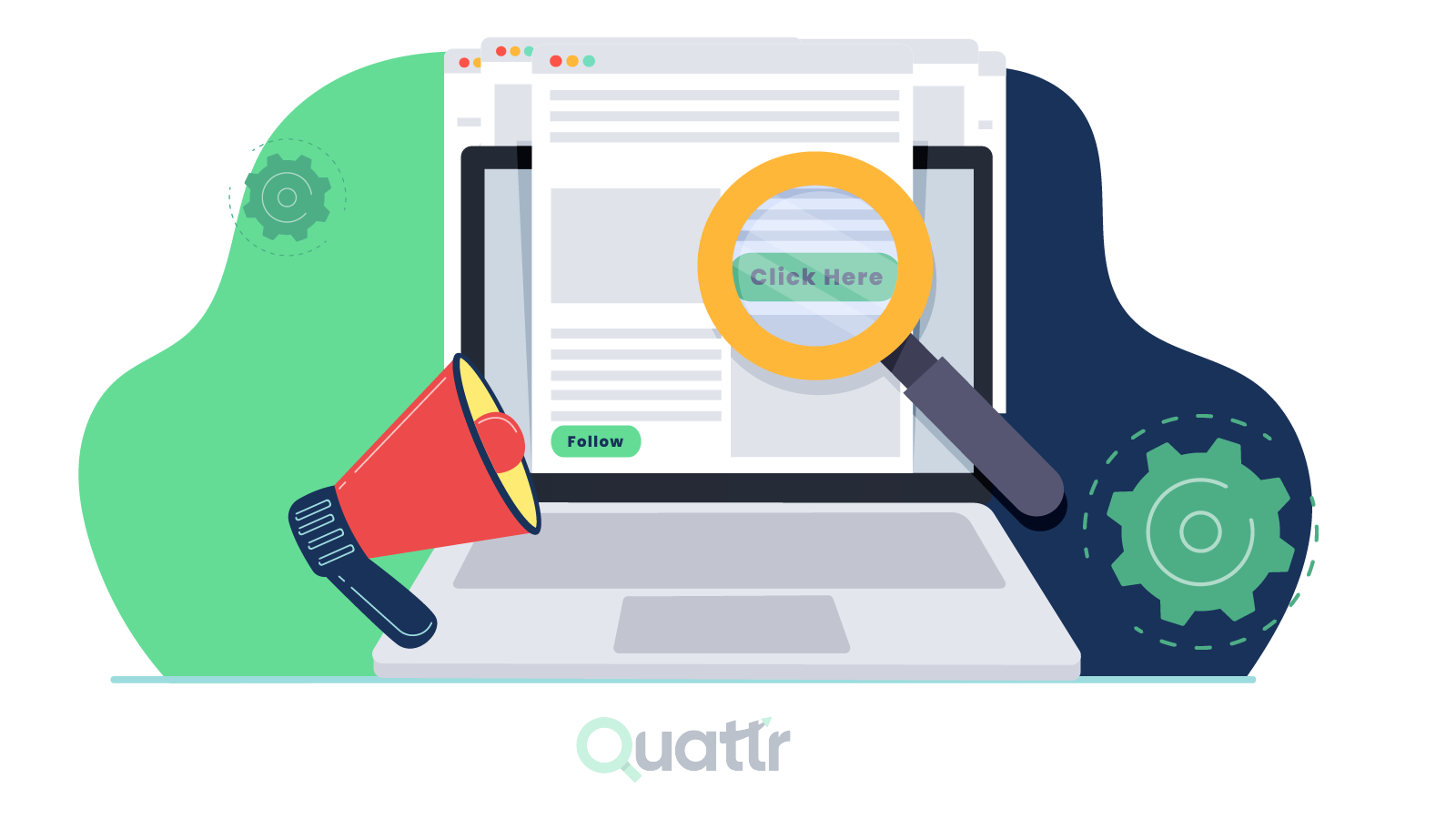
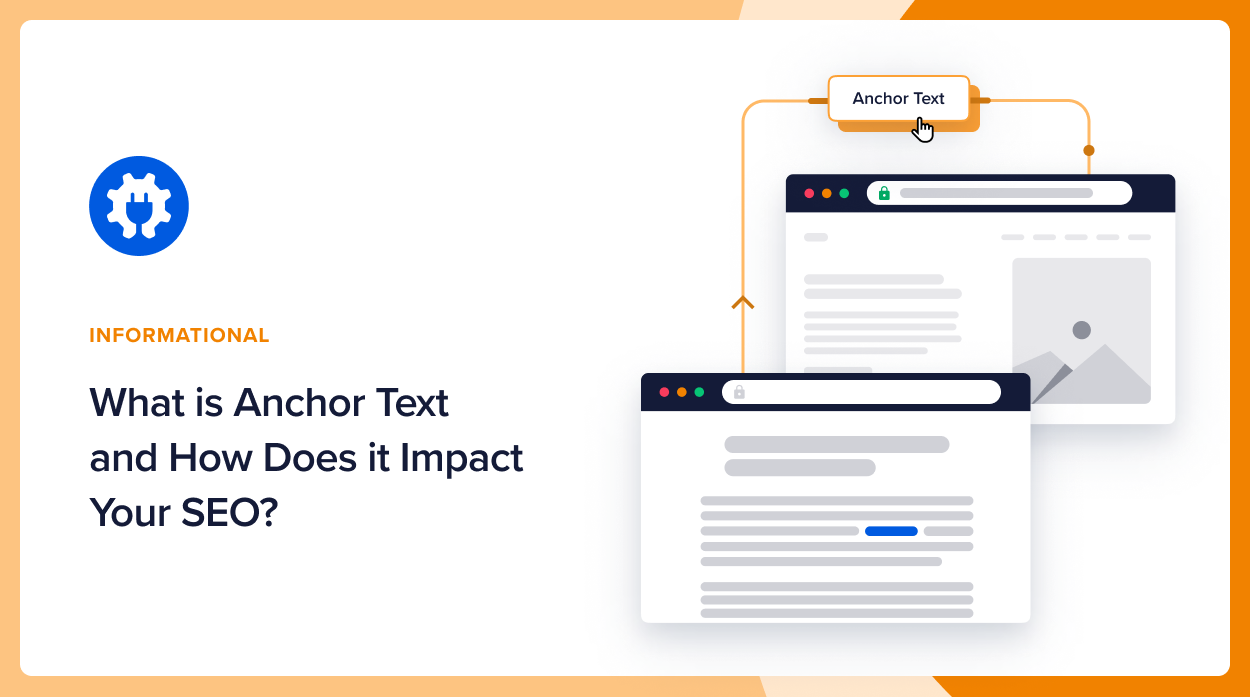
AI SEO anchor text optimization refers to the use of artificial intelligence algorithms to analyze, suggest, and automate the anchor text used in internal and external links. The core objective is to create a diverse, contextually relevant link profile that aligns with search engine guidelines while maximizing topical relevance.
Traditional anchor text strategies relied on manual audits and guesswork. AI systems, however, process thousands of data points—including competitor backlink profiles, semantic relevance, and user engagement metrics—to determine the optimal anchor text ratio for a specific page. This approach reduces the risk of over-optimization, which remains a leading cause of Google penalties.
The Evolution from Manual to Machine-Driven Anchor Text
Search engines have evolved significantly since the days of exact-match dominance. Early SEO relied heavily on keyword-rich anchors to signal relevance. Google’s Penguin update in 2012 changed the landscape permanently, penalizing sites with unnatural anchor text patterns. Since then, the industry has shifted toward semantic relevance and natural language processing.
AI tools now simulate human judgment by evaluating the surrounding content, the authority of linking domains, and the user’s search intent. This evolution allows for scalable link building without sacrificing quality. For example, an AI system might recommend using “best running shoes for flat feet” instead of the exact-match “running shoes” anchor, based on the context of the referring page.
Why Anchor Text Distribution Matters for SEO
Anchor text serves as a trust signal to search engines. When a page receives links with varied, descriptive anchors, it signals authority and organic growth. Conversely, a disproportionate number of exact-match anchors appears manipulative and can trigger algorithmic filters.
AI SEO anchor text optimization ensures that your distribution mirrors natural editorial patterns. A healthy profile typically includes branded anchors, naked URLs, generic phrases like “click here,” and partial-match keywords. AI models analyze your current profile against industry benchmarks to identify gaps and opportunities.
The Role of Contextual Relevance
Context is king in modern link evaluation. A link from a high-authority tech blog using the anchor “latest smartphone reviews” carries more weight than a generic “learn more” from an unrelated directory. AI algorithms excel at parsing the semantic relationship between the linking page’s topic and the target page’s content.
This contextual analysis extends beyond keywords. AI evaluates the sentiment, readability, and topical authority of the surrounding text. The result is a recommendation that feels like a natural editorial mention rather than a forced insertion.
Key Components of an AI-Driven Anchor Text Strategy
Implementing AI SEO anchor text optimization requires understanding its core components. Each element contributes to a cohesive strategy that improves rankings and user experience.
1. Data Collection and Link Profile Analysis
The foundation of any AI strategy is data. Tools like Ahrefs, SEMrush, and Majestic provide raw backlink data, which AI algorithms process to identify patterns. The analysis includes anchor text ratios, referring domain authority, and link velocity.
AI systems can detect anomalies that human auditors might miss. For instance, a sudden spike in exact-match anchors from low-quality directories is a red flag. The AI flags this and recommends diversification tactics.
2. Semantic Keyword Clustering
Instead of focusing on a single keyword, AI groups related terms into semantic clusters. For a page targeting “AI SEO anchor text optimization,” the cluster might include “link building automation,” “natural anchor text,” and “Google penalty recovery.” This clustering informs the creation of anchors that cover the full spectrum of user intent.
3. Predictive Performance Modeling
Advanced AI tools use historical data to predict how specific anchor text changes will impact rankings. They simulate different scenarios, such as adding 10 branded anchors or replacing 5 exact-match anchors with partial-match variations. This predictive capability allows SEO teams to prioritize actions with the highest ROI.
Benefits of Using AI for Anchor Text Optimization
The advantages of integrating AI into this aspect of SEO are substantial. From efficiency gains to improved accuracy, the benefits justify the investment.
- Scalability: AI processes thousands of links in seconds, making it feasible to optimize large enterprise websites.
- Risk Mitigation: Algorithms detect unnatural patterns early, preventing manual penalties.
- Time Savings: Automated suggestions eliminate hours of manual spreadsheet analysis.
- Competitive Insights: AI benchmarks your profile against top-ranking competitors, revealing gaps.
- Continuous Learning: Machine learning models improve over time, adapting to search engine algorithm updates.
Limitations and Challenges
AI is not a silver bullet. The technology has limitations that require human oversight. AI models rely on historical data, which may not account for future algorithm changes. Additionally, AI cannot fully replicate the nuance of human editorial judgment, especially for niche industries with unique terminology.
Another challenge is data quality. If the input backlink data is incomplete or inaccurate, the AI’s recommendations will be flawed. Regular audits and manual spot-checks remain essential to validate AI outputs.
AI SEO Anchor Text Optimization vs. Traditional Methods
Understanding the differences between AI-driven and traditional approaches helps clarify the value proposition.
| Aspect | Traditional Methods | AI-Driven Methods |
|---|---|---|
| Data Processing | Manual sampling of 100-200 links | Full analysis of all backlinks |
| Keyword Research | Manual brainstorming and tools | Semantic clustering and intent mapping |
| Risk Detection | Reactive after penalty | Proactive anomaly detection |
| Scalability | Limited by team capacity | Unlimited with cloud computing |
| Adaptability | Slow to update strategies | Real-time learning from new data |
The table highlights that AI offers a more comprehensive, proactive approach. However, traditional methods still hold value for small websites with minimal link profiles where manual oversight is feasible.
Practical Guide: How to Implement AI Anchor Text Optimization
Implementing this strategy involves a systematic process. Follow these steps to integrate AI into your link building workflow.
Step 1: Audit Your Current Link Profile
Start by exporting your backlink data from Google Search Console and a third-party tool. Use an AI-powered SEO platform like Clearscope, MarketMuse, or specialized link analysis tools to generate a baseline report. This report should include anchor text distribution percentages, referring domain quality, and top competing pages.
Step 2: Define Your Target Anchor Text Ratio
Based on your industry and competitor analysis, set a target ratio. A common benchmark for a healthy profile is 30-40% branded, 20-30% partial-match, 10-20% naked URLs, and 10-20% generic or other variations. AI tools can adjust these ratios based on your specific niche and authority level.
Step 3: Generate AI-Powered Anchor Text Suggestions
Use tools like Frase or Surfer SEO to generate content briefs that include recommended anchor phrases. These tools analyze top-ranking pages and suggest semantically related terms. For outreach, AI writing assistants like Jasper or Copy.ai can draft personalized emails with natural anchor text embedded in the context.
Step 4: Automate Outreach and Placement
Platforms like Pitchbox or BuzzStream integrate with AI to automate outreach. They can suggest anchor text variations based on the target website’s content style. Always review the AI suggestions before sending, as personalization remains key to successful link acquisition.
Step 5: Monitor and Adjust with Machine Learning
After implementing changes, track your rankings and link profile health. AI monitoring tools will alert you to any negative trends, such as a sudden increase in exact-match anchors from new links. Use this feedback to refine your strategy continuously.
Common Mistakes in AI Anchor Text Optimization
Even with advanced technology, errors occur. Awareness of these pitfalls helps you avoid them.
Over-Reliance on Automation
Fully automating anchor text generation without human review leads to generic, unnatural links. AI should assist, not replace, editorial judgment. Always review the context of the linking page to ensure the anchor fits naturally.
Ignoring Link Context
Focusing solely on the anchor text while ignoring the surrounding content is a critical error. A great anchor on a spammy, irrelevant page provides little value and may harm your profile. AI tools that only analyze anchors without context are insufficient.
Neglecting Internal Links
Many strategies focus exclusively on external backlinks. Internal link anchor text is equally important for site architecture and keyword relevance. AI can optimize internal anchors to distribute page authority effectively.
Using Stale Data
Search engine algorithms update frequently. AI models trained on outdated data will provide recommendations that no longer align with current ranking factors. Ensure your AI tools are updated regularly with fresh search data.
Important Notes for Long-Term Success
Sustainable results require a holistic approach. Anchor text optimization is one piece of the larger SEO puzzle.
First, prioritize content quality. The best anchor text in the world cannot save a thin, low-value page. Ensure your target pages offer comprehensive, unique information that deserves links.
Second, diversify your link sources. Relying on the same few domains for all your links creates a fragile profile. AI can help identify new, relevant domains for outreach.
Third, stay informed about Google’s guidelines. While AI provides data-driven insights, understanding the underlying principles of Google’s quality rater guidelines ensures your strategy aligns with the intent of the algorithms.
Frequently Asked Questions
What is the ideal anchor text ratio for SEO?
T A generally safe starting point is 30-40% branded anchors, 20-30% partial-match, 10-20% naked URLs, and 10-20% generic or other variations. AI tools can analyze your specific niche to provide a customized benchmark.
Can AI completely replace human SEO experts?
No. AI excels at data processing and pattern recognition, but it lacks strategic creativity and understanding of nuanced brand voice. Human experts are needed to interpret AI recommendations, make final decisions, and handle relationship-based outreach.
How does Google detect unnatural anchor text?
Google’s algorithms analyze the distribution of anchor text across your entire link profile. If a high percentage of links use exact-match anchors, especially from low-quality or unrelated sites, it triggers a spam signal. The Penguin algorithm specifically targets this pattern.
What tools are best for AI anchor text optimization?
Popular tools include Ahrefs for backlink analysis, Clearscope for content optimization, and Pitchbox for outreach automation. For pure AI-driven suggestions, platforms like MarketMuse and Frase offer advanced semantic analysis. The best choice depends on your budget and specific needs.
Is anchor text optimization still important in 2025?
Yes, but the approach has evolved. Exact-match anchors are less critical, while contextual relevance and natural language are paramount. AI helps achieve this balance by analyzing user intent and semantic relationships, making it an essential tool for modern SEO.
Conclusion
AI SEO anchor text optimization represents a significant advancement in link building strategy. By leveraging machine learning to analyze data, predict outcomes, and automate repetitive tasks, marketers can build stronger, more resilient link profiles. The technology mitigates the risk of penalties while improving efficiency and scalability.
Success requires a balanced approach. Combine AI insights with human editorial oversight, prioritize content quality, and maintain a diverse link profile. As search engines continue to refine their understanding of natural language, the role of AI in crafting contextual, user-friendly anchors will only grow. Implementing these strategies today positions your website for sustained visibility and authority in an increasingly competitive digital landscape.
Xem thêm:
- AI SEO AI Search Tracking: The Complete Guide to Monitoring AI-Driven Discovery
- AI SEO Zapier Automation: The Complete Guide to Scaling Your Organic Growth in 2025
- AI SEO HTTP Status Codes: The Complete Guide to Automated Crawl Management
- How to Get Cited by AI: The Definitive Playbook for Generative Search Visibility
- AI SEO Link Building Strategy: The Complete Guide to Automated Authority in 2025
Bài viết cùng chủ đề:

AI SEO SEO Automation with Make: The Complete Workflow Guide

AI SEO SEO Automation with Zapier: The Complete Workflow Guide

AI SEO SEO Automation with n8n: The Complete Workflow Guide
AI SEO SEO Automation with Gemini: The Complete Guide to Scaling Organic Growth

AI SEO SEO Automation with Claude: The Complete Guide to Scaling Content in 2025

AI SEO SEO Automation with ChatGPT: The Complete Playbook for 2025

AI SEO & SEO Automation for Affiliate Sites: The 2025 Playbook for Passive Income Growth
AI SEO & SEO Automation for Bloggers: The Complete Guide to Scaling Your Content

AI SEO & SEO Automation for Agencies: The Complete 2025 Playbook

AI SEO and SEO Automation for Ecommerce: The Complete Playbook for 2025

AI SEO & SEO Automation for WordPress: The Complete Playbook for 2025
AI SEO SEO Automation Strategy: The Complete Playbook for 2025

Mastering the AI SEO SEO Automation Process: A Complete Guide to Scaling Organic Growth
AI SEO SEO Automation System: The Complete Guide to Scaling Organic Growth in 2025
AI SEO SEO Automation Platform: The Complete Guide to Scaling Organic Growth in 2025
AI SEO SEO Automation Software: The Complete Guide to Scaling Organic Growth in 2025















