
No products in the cart.
AI SEO Anchor Text: The Complete Guide to Smarter Link Building in 2025
10
Aug
Aug
AI SEO anchor text is transforming how websites build internal and external links. Instead of manually crafting every hyperlink phrase, marketers now use machine learning tools to analyze patterns, predict relevance, and generate anchor text that aligns with search engine algorithms. This guide explains what AI SEO anchor text means, how it works, why it matters for rankings, and how to apply it without risking penalties. You will learn practical strategies, common pitfalls, and answers to frequently asked questions about this evolving practice.
What Is AI SEO Anchor Text?
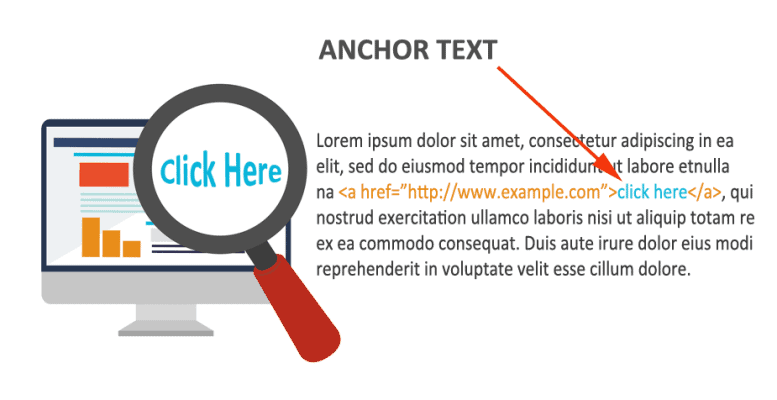
AI SEO anchor text refers to the use of artificial intelligence tools to create, optimize, and manage the clickable words in hyperlinks. Traditional anchor text optimization involves manually choosing phrases like “best running shoes” or “click here.” AI systems analyze thousands of ranking pages, competitor backlink profiles, and user behavior data to suggest anchor text that improves topical relevance and search visibility.
The core idea is automation combined with data-driven insight. AI models process natural language, identify semantic relationships between words, and predict which anchor phrases will perform best for a given target page. This removes guesswork and speeds up link-building campaigns, especially for large websites with hundreds of pages.
How AI Generates Anchor Text
AI tools use natural language processing (NLP) and machine learning algorithms to evaluate existing content. They look at the target page’s topic, the linking page’s context, and the overall domain authority. Then they generate a list of recommended anchor phrases that match the search intent and avoid over-optimization.
For example, if you have a page about “vegan protein powder,” an AI tool might suggest anchors like “plant-based protein supplement,” “best vegan protein,” or “pea protein powder review.” These variations help diversify your link profile, which search engines view as natural.
Why AI SEO Anchor Text Matters for Rankings
Search engines like Google use anchor text as a strong relevance signal. When many high-quality sites link to your page using descriptive anchors, Google better understands what your page is about. This can boost rankings for those specific keywords.
However, over-optimized anchor text—where every link uses the exact match keyword—triggers spam filters. AI helps balance this by suggesting a mix of branded, partial-match, naked URLs, and generic anchors. This natural distribution protects your site from algorithmic penalties while still maximizing SEO value.
The Shift Toward Semantic Search
Modern search engines rely on semantic understanding, not just exact keyword matching. AI SEO anchor text aligns with this shift by focusing on meaning and context. Instead of forcing the same phrase repeatedly, AI tools recommend synonyms and related terms that reinforce topical authority.
This approach matches Google’s BERT and MUM updates, which prioritize user intent over literal keyword usage. A diverse anchor profile signals authenticity and reduces the risk of appearing manipulative.
Types of Anchor Text AI Tools Recommend
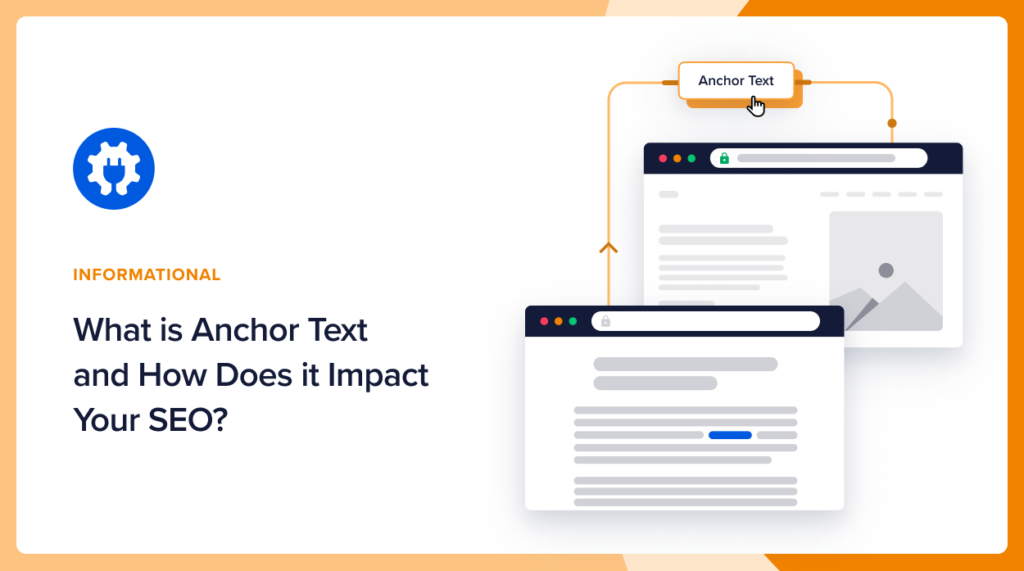
AI systems categorize anchor text into several types. Understanding these categories helps you evaluate tool suggestions and build a balanced profile.
| Anchor Type | Example | SEO Purpose |
|---|---|---|
| Exact Match | “AI SEO anchor text” | Strong relevance signal but risky if overused |
| Partial Match | “guide to AI anchor text optimization” | Balances relevance with natural variation |
| Branded | “YourBrand” | Builds brand recognition and trust |
| Generic | “click here” or “read more” | Looks natural, provides no keyword signal |
| Naked URL | “https://example.com/page” | Transparent and natural in many contexts |
| Image Anchor | Alt text of linked image | Adds variety and accessibility |
AI tools analyze your current profile and recommend a distribution. A healthy profile typically contains 30-40% branded anchors, 20-30% partial match, 10-20% generic, and only 5-10% exact match.
Benefits of Using AI for Anchor Text Optimization
Adopting AI SEO anchor text practices offers several concrete advantages over manual methods.
- Scalability: AI processes thousands of links in minutes, making it ideal for large sites or agencies managing multiple clients.
- Consistency: Algorithms apply the same rules across all pages, reducing human error and bias.
- Data-Driven Decisions: AI uses real ranking data and competitor analysis, not guesswork.
- Risk Reduction: Tools flag over-optimized patterns before you publish, helping avoid Google penalties.
- Time Savings: Marketers can focus on content creation and outreach while AI handles anchor suggestions.
- Use descriptive, keyword-rich anchors for important pages.
- Keep anchor text concise, ideally 2-5 words.
- Avoid using the same anchor for multiple links on one page.
- Link from relevant paragraphs, not just navigation menus.
- Use tools to identify pages with weak internal link profiles.
Limitations and Challenges
AI is not a magic solution. It has limitations that require human oversight.
First, AI tools lack full context about your brand voice or specific audience preferences. A tool might suggest a technically correct anchor that feels unnatural in a sentence. Second, AI models are trained on historical data, so they may miss emerging trends or new slang. Third, over-reliance on AI can lead to generic, robotic link text that fails to engage readers.
Finally, AI cannot replace the relationship-building aspect of link earning. A great anchor text on a low-quality site still provides little value. Human judgment remains essential for choosing where links appear.
How to Implement AI SEO Anchor Text in Your Strategy
Implementing AI-driven anchor text optimization involves a clear process. Follow these steps to integrate it effectively.
Step 1: Audit Your Current Anchor Profile
Use tools like Ahrefs, SEMrush, or Moz to export your existing backlinks. Categorize each anchor type and calculate percentages. Identify any over-optimized patterns, such as too many exact-match anchors pointing to money pages.
Step 2: Choose the Right AI Tool
Several platforms offer AI-powered anchor text suggestions. Popular options include Surfer SEO, Clearscope, and specialized link-building tools like Link Whisper. Evaluate them based on your budget, site size, and integration needs. Many offer free trials, so test two or three before committing.
Step 3: Generate Anchor Suggestions
Input your target URL and primary keywords into the tool. Review the generated anchor phrases. Look for a mix of branded, partial-match, and generic options. Reject any suggestions that sound unnatural or irrelevant to the linking context.
Step 4: Apply Anchors in Content
When writing guest posts, outreach emails, or internal links, use the AI suggestions as a starting point. Adapt them to fit the surrounding sentence flow. For example, if the tool suggests “best CRM software,” you might write “many teams rely on best CRM software to manage pipelines.”
Step 5: Monitor Performance and Adjust
Track your rankings and organic traffic monthly. If a particular anchor phrase correlates with ranking improvements, use similar variations. If rankings drop, review your anchor distribution and reduce exact-match usage.
Internal Linking with AI SEO Anchor Text
Internal links are equally important as external ones. AI tools help optimize internal anchor text to distribute page authority across your site.
Instead of using generic “click here” for internal links, AI suggests descriptive phrases that help search engines understand the linked page’s topic. For instance, a blog post about email marketing might link to a product page using the anchor “automated email campaign software.”
AI also identifies orphan pages—pages with no internal links—and suggests where to add contextual links. This improves crawlability and ensures all pages receive link equity.
Best Practices for Internal Anchors
Common Mistakes with AI SEO Anchor Text
Even with AI assistance, marketers make errors that hurt performance. Recognizing these mistakes helps you avoid them.
Over-Optimizing Exact Match Anchors
Some AI tools default to exact-match suggestions because they correlate with rankings in training data. Using too many of these triggers Google’s Penguin filter. Always review and dilute exact-match anchors with branded and generic alternatives.
Ignoring Contextual Relevance
AI suggests phrases based on keywords, but the surrounding content matters. A link about “weight loss tips” placed in an article about car maintenance looks suspicious. Ensure the anchor and the linking page share topical relevance.
Using AI Output Without Editing
Copy-pasting AI-generated anchors verbatim creates robotic, repetitive text. Edit each anchor to fit the sentence naturally. This improves user experience and reduces pattern detection by search engines.
Neglecting Link Quality
Perfect anchor text on spammy directories or link farms provides no value. Focus on earning links from authoritative, relevant websites. AI can suggest anchors, but it cannot fix poor link sources.
Forgetting to Update Old Content
Your anchor strategy should evolve with your content. Use AI tools to re-analyze old posts and update outdated anchors. This keeps your profile fresh and aligned with current SEO best practices.
AI SEO Anchor Text vs. Traditional Methods
Comparing AI-driven approaches with manual optimization clarifies the value proposition.
| Aspect | Traditional Manual | AI-Powered |
|---|---|---|
| Speed | Slow, time-consuming | Fast, automated |
| Scalability | Limited to small sites | Handles large volumes |
| Data Analysis | Relies on experience | Uses real-time data |
| Consistency | Varies by writer | Uniform rules |
| Creativity | High, human touch | Limited, pattern-based |
| Risk of Error | Higher due to fatigue | Lower, but needs review |
Traditional methods offer more creative freedom, but AI provides efficiency and data-backed decisions. The best approach combines both: use AI for analysis and suggestions, then apply human judgment for final edits.
Practical Applications for Different Business Types
AI SEO anchor text works differently depending on your business model.
E-commerce Sites
Product pages benefit from partial-match anchors like “buy wireless headphones” or “affordable running shoes.” AI tools analyze competitor product pages to suggest anchors that match commercial intent. Avoid using exact-match anchors for every product link, as this looks unnatural.
Blogs and Content Publishers
Publishers use AI to optimize internal links between related articles. Descriptive anchors like “complete guide to keto diet” help search engines index content clusters. AI also suggests anchors for external citations, improving credibility without over-optimization.
Local Businesses
Local SEO relies on branded and location-based anchors. AI tools suggest phrases like “plumber in Austin” or “Austin HVAC repair.” These anchors help Google associate your business with specific geographic areas.
SaaS and B2B Companies
B2B sites use AI to generate anchors for feature pages, case studies, and comparison posts. Anchors like “project management software for teams” target long-tail keywords with high purchase intent.
Important Notes for Long-Term Success
AI SEO anchor text is not a one-time task. Search algorithms change, and your link profile must adapt. Schedule quarterly audits using AI tools to review anchor distribution and remove toxic links.
Also, prioritize user experience. Anchor text should tell readers what to expect when they click. Misleading anchors increase bounce rates and damage trust, regardless of SEO benefits.
Finally, stay updated on Google’s guidelines. While AI tools are useful, they do not guarantee compliance. Read Google’s Webmaster Guidelines regularly and adjust your strategy accordingly.
Frequently Asked Questions
What is the ideal anchor text ratio for SEO?
Most SEO experts recommend a distribution of roughly 30-40% branded anchors, 20-30% partial match, 10-20% generic, and 5-10% exact match. However, the ideal ratio varies by niche and site age. Newer sites should use more branded and generic anchors to build trust, while established sites can use more keyword-rich anchors.
Can AI tools replace human SEO specialists?
No. AI tools handle data analysis, pattern recognition, and repetitive tasks, but they lack strategic thinking, creativity, and understanding of brand voice. Human specialists are still needed to interpret AI suggestions, build relationships with publishers, and make final decisions.
Does Google penalize AI-generated anchor text?
Google does not penalize AI-generated content or anchors directly. It penalizes manipulative link patterns, such as excessive exact-match anchors or links from low-quality sites. If AI-generated anchors follow natural distribution and appear in relevant contexts, they are safe.
How long does it take to see results from anchor text optimization?
Results typically appear within 4-12 weeks, depending on your site’s authority and the quality of new links. Internal link changes may show faster results, while external link building takes longer. Consistent monitoring and adjustments are essential.
What are the best AI tools for anchor text generation?
Popular tools include Surfer SEO for content optimization, Link Whisper for internal links, and Ahrefs for backlink analysis. Each offers unique features. Test free trials to find the tool that fits your workflow and budget.
Should I use exact match anchors for money pages?
Use them sparingly. A few exact-match anchors from high-authority sites can boost rankings, but too many trigger spam filters. Aim for a mix where exact-match anchors represent less than 10% of your total profile.
Conclusion
AI SEO anchor text represents a significant advancement in link building. By leveraging machine learning, marketers can create diverse, relevant, and scalable anchor profiles that align with modern search algorithms. The key is to use AI as a supportive tool, not a replacement for human judgment. Combine AI-generated suggestions with contextual editing, prioritize link quality over quantity, and regularly audit your profile for over-optimization. When executed correctly, AI-driven anchor text optimization improves search visibility, drives organic traffic, and builds a sustainable online presence. Start by auditing your current anchors, selecting a reliable AI tool, and implementing a balanced strategy today.
Xem thêm:
- AI SEO AI Search Discovery: The Complete Guide to Winning Generative Search
- AI Affiliate Content: How to Automate Reviews, Comparisons, and Earn Commissions Faster
- The Ultimate AI SEO Checklist for Beginners: Rank Faster with Smart Automation
- AI SEO Outbound Link Strategy: The Complete Guide to Building Authority in 2025
- WP Trove AI Copywriting: The Complete Guide to Smarter Content Creation
Bài viết cùng chủ đề:

AI SEO SEO Automation with Make: The Complete Workflow Guide

AI SEO SEO Automation with Zapier: The Complete Workflow Guide

AI SEO SEO Automation with n8n: The Complete Workflow Guide
AI SEO SEO Automation with Gemini: The Complete Guide to Scaling Organic Growth

AI SEO SEO Automation with Claude: The Complete Guide to Scaling Content in 2025

AI SEO SEO Automation with ChatGPT: The Complete Playbook for 2025

AI SEO & SEO Automation for Affiliate Sites: The 2025 Playbook for Passive Income Growth
AI SEO & SEO Automation for Bloggers: The Complete Guide to Scaling Your Content

AI SEO & SEO Automation for Agencies: The Complete 2025 Playbook

AI SEO and SEO Automation for Ecommerce: The Complete Playbook for 2025

AI SEO & SEO Automation for WordPress: The Complete Playbook for 2025
AI SEO SEO Automation Strategy: The Complete Playbook for 2025

Mastering the AI SEO SEO Automation Process: A Complete Guide to Scaling Organic Growth
AI SEO SEO Automation System: The Complete Guide to Scaling Organic Growth in 2025
AI SEO SEO Automation Platform: The Complete Guide to Scaling Organic Growth in 2025
AI SEO SEO Automation Software: The Complete Guide to Scaling Organic Growth in 2025















