
No products in the cart.
AI SEO Outbound Link Strategy: The Complete Guide to Building Authority in 2025
10
Aug
Aug
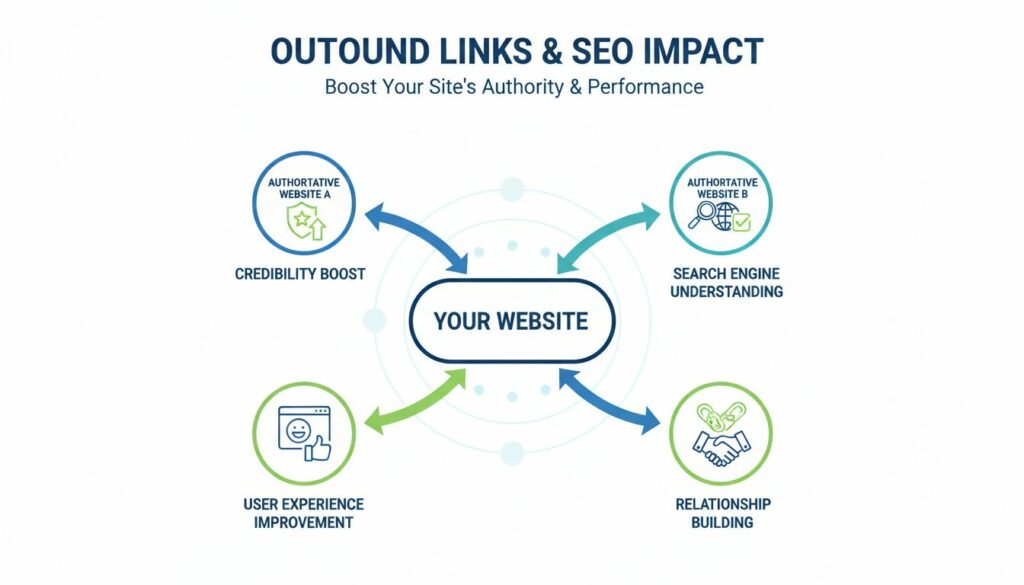
An AI SEO outbound link strategy is no longer a supplementary tactic; it is a core component of modern search engine optimization. As search algorithms evolve to prioritize expertise, authority, and trustworthiness (E-E-A-T), the way you link to external resources signals the quality of your own content. This comprehensive guide explains how to leverage artificial intelligence to build a robust outbound linking framework that improves rankings, enhances user experience, and establishes your site as a credible hub in your niche.
Understanding the Role of Outbound Links in Modern SEO
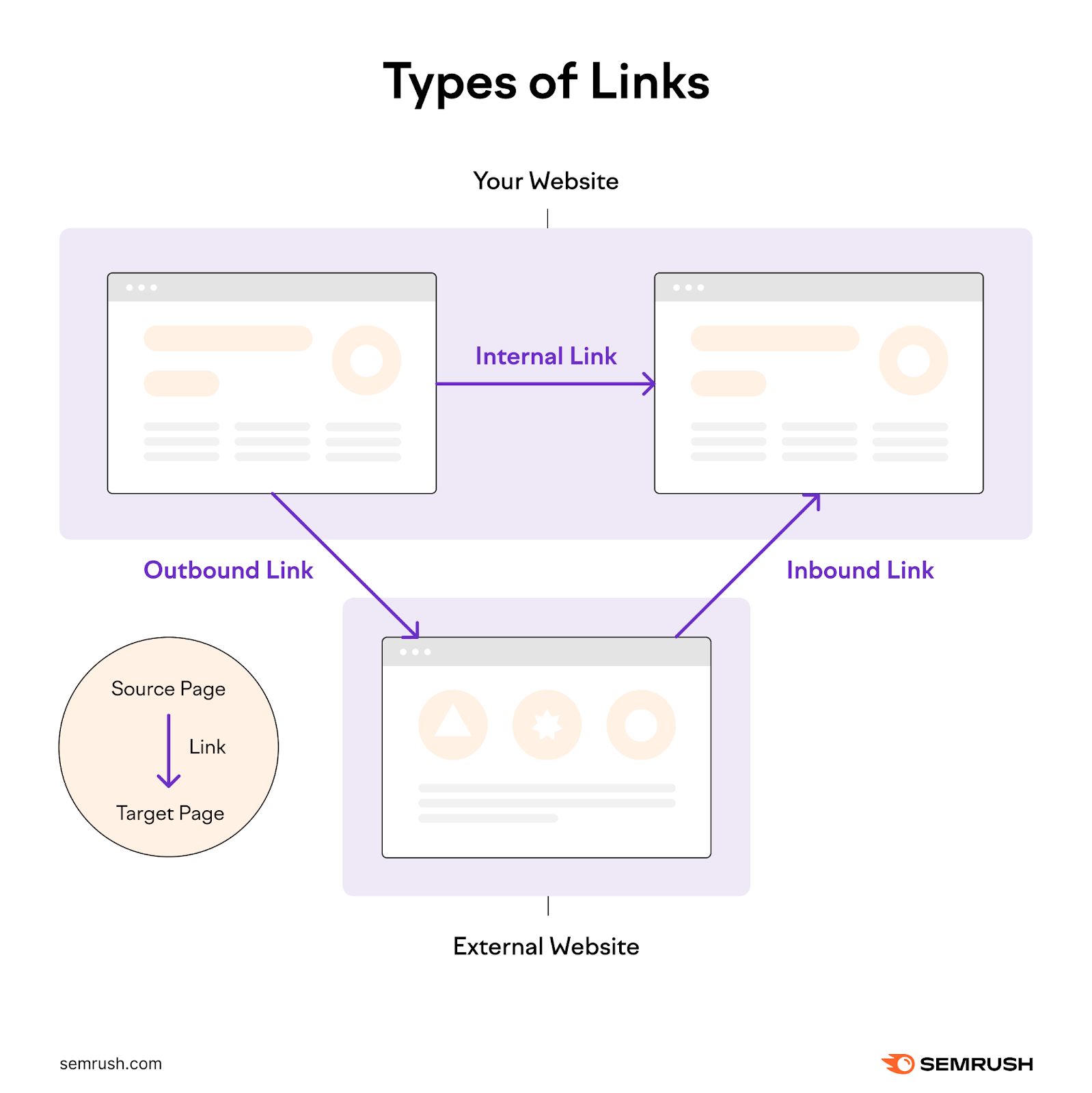
Outbound links, also known as external links, point from your website to another domain. For years, SEO professionals debated their value, but current consensus confirms that outbound links are a ranking factor. Google’s algorithms use these links to understand the context of your content, verify factual claims, and assess the overall quality of your page. A well-crafted outbound link profile tells search engines that your content is well-researched and connected to the broader web ecosystem.
The integration of AI into this process transforms how you select, place, and manage these links. Instead of manually reviewing dozens of potential sources, AI tools can analyze link equity, relevance, and authority in seconds. This allows you to scale your efforts without sacrificing quality, ensuring that every outbound link serves a strategic purpose.
The Shift from Quantity to Contextual Relevance
Older SEO practices encouraged linking out to high-authority sites like Wikipedia or government domains simply for the sake of having external links. Modern algorithms, however, evaluate the semantic relationship between your content and the linked page. An AI SEO outbound link strategy focuses on contextual relevance above all else. If you write about digital marketing, a link to a study on consumer behavior is valuable, while a link to a recipe blog is not. AI helps you identify the exact pages that align with your topic’s intent and user expectations.
How AI Transforms Outbound Link Selection
Artificial intelligence brings predictive analytics and natural language processing (NLP) to link building. These technologies evaluate the content of a potential link source, its domain authority, and its topical authority within your niche. The result is a data-driven approach that removes guesswork from the equation.
AI tools can also monitor the performance of your outbound links over time. They track metrics like click-through rates, bounce rates, and the time users spend on your page after clicking a link. This data reveals which outbound links add value and which ones detract from the user experience. With this information, you can continuously refine your strategy to maintain a high-quality link profile.
Key AI Capabilities for Link Analysis
- Semantic analysis: AI understands the meaning of your content and matches it with sources that share the same context.
- Authority scoring: Machine learning models predict the future authority of a domain based on current trends and backlink patterns.
- Anomaly detection: AI flags broken links, redirects, or pages that have changed their content, preventing your site from linking to low-quality or irrelevant resources.
- Competitor benchmarking: AI analyzes the outbound link profiles of top-ranking competitors to identify gaps and opportunities in your own strategy.
- Prioritize editorial integrity: Never link to a source solely for SEO benefit. The link must genuinely help the reader.
- Diversify your link sources: Link to a mix of government sites, academic institutions, industry publications, and reputable blogs. This creates a natural link profile.
- Combine with internal linking: Outbound links work best when paired with a solid internal linking structure. Use AI to find opportunities to link to your own related content as well.
- Stay updated on AI capabilities: The field of AI is evolving rapidly. New tools and features are released frequently. Regularly review your toolset to ensure you are using the most effective solutions.
Building an Effective AI SEO Outbound Link Strategy
Creating a successful strategy requires a structured approach. The following steps outline how to integrate AI tools into your workflow, from initial research to ongoing maintenance.
Step 1: Define Your Content Pillars and Link Goals
Before using any AI tool, you must clarify what you want your outbound links to achieve. Common goals include supporting factual claims, providing additional resources for readers, and building relationships with authoritative sites. Map out your core content pillars and identify the types of external sources that would enhance each pillar. For example, a pillar on “AI in Healthcare” might require links to medical journals, regulatory bodies, and case studies from hospitals.
Step 2: Use AI for Source Discovery and Vetting
AI-powered SEO platforms like Ahrefs, Semrush, and Clearscope offer features that suggest relevant external links based on your target keywords. These tools analyze the top-ranking pages for your query and extract the domains they link to. You can then review these suggestions through an AI filter that checks for domain rating, organic traffic, and content freshness. This process reduces the time spent on manual research and ensures that you only consider high-quality sources.
Step 3: Implement a Link Placement Framework
Not all outbound links carry the same weight. Links placed within the first 200 words of your article have more contextual value than those buried in a footer. AI tools can analyze your content structure and recommend optimal placement points. Generally, you should place outbound links where they naturally support a claim or provide a deeper dive into a subtopic. Avoid clustering multiple links in one paragraph, as this dilutes their value and confuses readers.
Step 4: Automate Monitoring and Auditing
Outbound links are not a set-and-forget element. Websites change, content gets deleted, and domains expire. AI monitoring tools automatically check your outbound links on a regular schedule. They alert you to 404 errors, changes in anchor text, or shifts in the linked page’s topic. Regular audits, powered by AI, help you maintain a clean link profile that search engines trust.
Benefits of an AI-Driven Outbound Link Approach
Adopting AI for your outbound link strategy offers several distinct advantages over manual methods.
Enhanced Content Credibility
When you link to reputable sources, you borrow their authority. AI ensures that you only link to sources that are currently authoritative and relevant. This boosts your content’s credibility in the eyes of both users and search engine crawlers.
Improved User Experience
AI helps you select links that genuinely help your readers. By analyzing user behavior data, AI can predict which links will be most useful based on the user’s search intent. This leads to longer dwell times and lower bounce rates, which are positive signals for SEO.
Scalability and Efficiency
Manual link research is time-consuming. AI automates the discovery, vetting, and monitoring processes, allowing you to produce more high-quality content with the same resources. This scalability is crucial for large websites that publish multiple articles per day.
Competitive Advantage
Most websites still rely on manual outbound linking. By using AI, you gain a data-driven edge that allows you to identify link opportunities your competitors miss. This can help you outrank them for highly competitive keywords.
Limitations and Risks to Consider
While AI is a powerful tool, it is not without limitations. Understanding these risks is essential for a balanced strategy.
Over-Reliance on Automation
AI can suggest links, but it cannot fully understand the nuance of your brand voice or the specific needs of your audience. A human editor must always review AI suggestions to ensure they align with your editorial standards. Blindly accepting AI recommendations can lead to irrelevant or even harmful links.
Data Privacy and Accuracy
AI models are trained on historical data, which may not reflect current events or emerging trends. A source that was authoritative six months ago might now be outdated. Always verify the freshness and accuracy of the linked content before publishing.
Potential for Spammy Link Patterns
If you use AI to generate outbound links at scale without proper oversight, you risk creating unnatural link patterns. Search engines can detect when a site links out excessively or to irrelevant domains. This can trigger manual penalties. Moderation is key.
Comparing AI Tools for Outbound Link Management
Several AI-powered tools dominate the market. The table below compares their primary features for outbound link analysis.
| Tool | Core AI Feature | Best For | Pricing Model |
|---|---|---|---|
| Ahrefs | Link intersect and content gap analysis | Competitor research and link monitoring | Subscription-based |
| Semrush | Backlink analytics and AI writing assistant | Comprehensive SEO campaigns | Subscription-based |
| Clearscope | Content relevance scoring and link suggestions | Content optimization | Credit-based |
| MarketMuse | NLP-driven content modeling | Topical authority building | Subscription-based |
| Surfer SEO | On-page audit with external link recommendations | Real-time content optimization | Subscription-based |
Each tool has strengths, but the best choice depends on your specific workflow. Many professionals use a combination of tools, leveraging Ahrefs for link research and Clearscope for content optimization.
Practical Application: A Step-by-Step Guide
To illustrate the process, consider a practical example. Suppose you are writing an article about “The Benefits of Renewable Energy.”
Step 1: Keyword and Topic Analysis
Use an AI tool like Surfer SEO to analyze the top 20 ranking pages for your target keyword. The tool will identify common outbound links among these pages. You will likely see links to the International Energy Agency (IEA), the U.S. Energy Information Administration (EIA), and academic journals like Nature Energy.
Step 2: Source Vetting
Run these potential sources through Ahrefs to check their domain rating and organic traffic. Filter out any domains with a rating below 50 or with a history of spammy backlinks. AI can also check the publication date of the linked article to ensure it is recent.
Step 3: Strategic Placement
Draft your article and identify three to five key claims that require external support. For example, when you state that “solar energy reduced carbon emissions by X percent in 2024,” link to the EIA report that contains that statistic. Place the link directly on the relevant phrase, not on generic words like “click here.”
Step 4: Continuous Monitoring
After publishing, set up a monitoring alert in Ahrefs or a similar tool. The tool will notify you if the EIA report is moved or deleted. If that happens, you can quickly replace the link with an alternative source, preserving the integrity of your article.
Common Mistakes in Outbound Linking and How to Avoid Them
Even with AI assistance, many websites make critical errors. Recognizing these mistakes is the first step to avoiding them.
Linking to Low-Quality or Spammy Sites
This is the most damaging mistake. A single link to a spammy domain can undermine your credibility. Always use AI to check the domain’s history and current status. If a site has a high spam score, do not link to it, regardless of its topical relevance.
Using Generic Anchor Text
Anchor text like “click here” or “read more” provides no contextual signal to search engines. Use descriptive anchor text that includes relevant keywords. For example, “according to the IEA’s 2024 report” is far more effective than “this article.”
Over-Linking Within a Single Article
T Exceeding this range can dilute your page’s authority and distract readers. AI tools can help you maintain a healthy link density.
Ignoring Link Maintenance
Broken outbound links harm user experience and signal neglect to search engines. Schedule monthly audits using AI tools that automatically crawl your site and identify broken links. Fix them immediately or remove them if no suitable replacement exists.
Important Notes for Long-Term Success
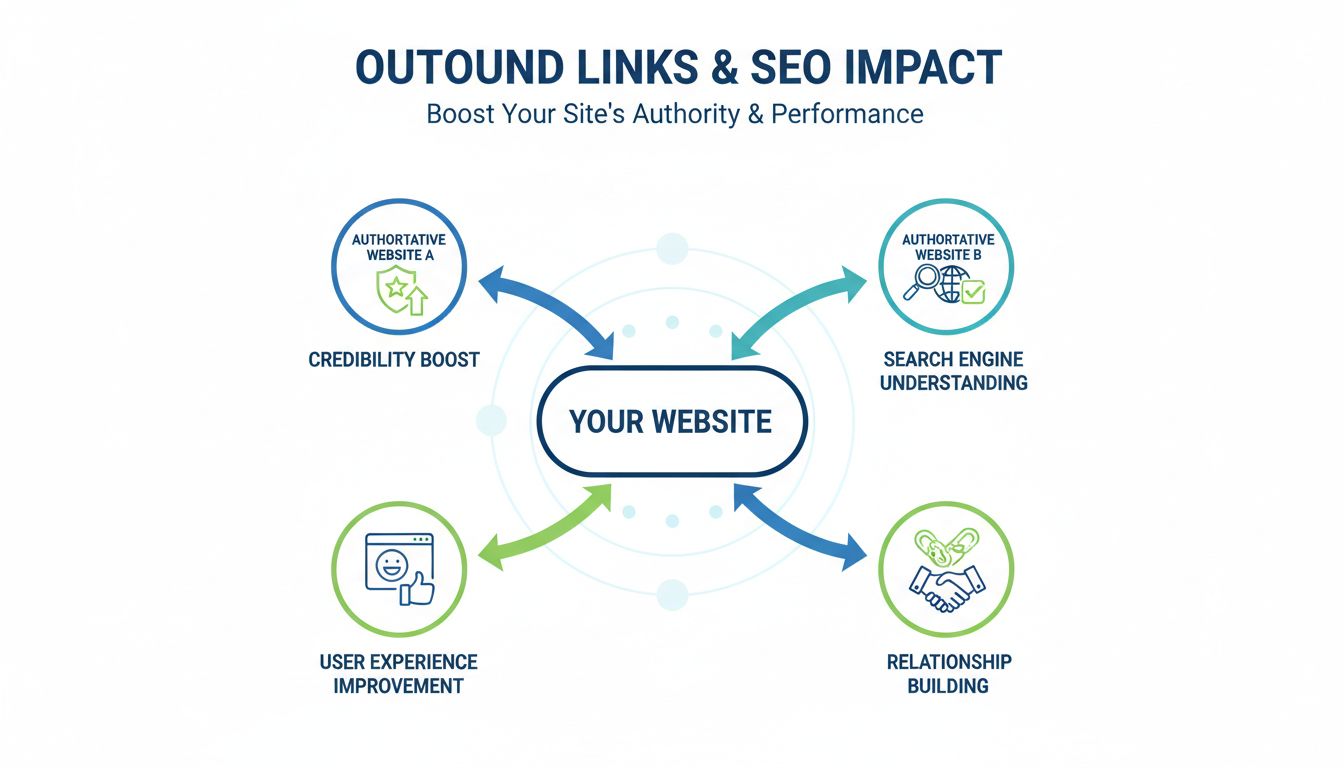
An AI SEO outbound link strategy is not a one-time project. It requires ongoing refinement and adaptation to algorithm updates. Keep the following principles in mind.
Frequently Asked Questions
Do outbound links directly improve search rankings?
Yes, outbound links are a confirmed ranking factor. They help search engines understand your content’s context and verify its accuracy. However, they are a minor factor compared to content quality and backlinks. A few high-quality outbound links are more beneficial than dozens of low-quality ones.
How many outbound links should I include per article?
T Focus on quality and relevance rather than hitting a specific number. If an article does not require external sources, it is acceptable to have zero outbound links.
Should I use nofollow or dofollow for outbound links?
Most outbound links to authoritative sources should be dofollow, as this passes link equity and signals trust. Use nofollow only for user-generated content, sponsored links, or links to sites you do not fully endorse. AI tools can help you determine the appropriate attribute based on the source.
Can AI completely replace human judgment in link building?
No. AI provides data and recommendations, but human judgment is essential for final decisions. AI cannot fully understand brand voice, audience sentiment, or the subtle nuances of a specific industry. The best results come from a collaboration between AI tools and experienced SEO professionals.
How often should I audit my outbound links?
At a minimum, perform a comprehensive audit quarterly. If you publish content frequently or operate in a fast-changing industry, consider monthly audits. AI monitoring tools can automate this process and alert you to issues in real-time.
Conclusion
An AI SEO outbound link strategy represents the evolution of a fundamental SEO practice. By leveraging artificial intelligence for source discovery, vetting, placement, and monitoring, you can build a link profile that enhances your content’s authority, improves user experience, and supports your overall search visibility. The key is to use AI as an enhancement to human expertise, not a replacement. Focus on contextual relevance, maintain editorial integrity, and commit to regular audits. With this approach, your outbound links will become a powerful asset in your SEO arsenal, driving sustainable organic growth and establishing your site as a trusted resource in your industry.
Xem thêm:
- AI Content Pruning: The Complete Strategy to Remove Weak Pages and Skyrocket SEO Performance
- AI SEO Short Form Content: The Complete Playbook for 2025
- AI SEO Masterclass: The Complete Guide to Dominating Search in 2025
- AI SEO Image Alt Text: The Complete Guide to Automated Accessibility and Rankings
- AI SEO External Link Optimization: The Complete Guide to Smarter Link Building in 2025
Bài viết cùng chủ đề:

AI SEO SEO Automation with Make: The Complete Workflow Guide

AI SEO SEO Automation with Zapier: The Complete Workflow Guide

AI SEO SEO Automation with n8n: The Complete Workflow Guide
AI SEO SEO Automation with Gemini: The Complete Guide to Scaling Organic Growth

AI SEO SEO Automation with Claude: The Complete Guide to Scaling Content in 2025

AI SEO SEO Automation with ChatGPT: The Complete Playbook for 2025

AI SEO & SEO Automation for Affiliate Sites: The 2025 Playbook for Passive Income Growth
AI SEO & SEO Automation for Bloggers: The Complete Guide to Scaling Your Content

AI SEO & SEO Automation for Agencies: The Complete 2025 Playbook

AI SEO and SEO Automation for Ecommerce: The Complete Playbook for 2025

AI SEO & SEO Automation for WordPress: The Complete Playbook for 2025
AI SEO SEO Automation Strategy: The Complete Playbook for 2025

Mastering the AI SEO SEO Automation Process: A Complete Guide to Scaling Organic Growth
AI SEO SEO Automation System: The Complete Guide to Scaling Organic Growth in 2025
AI SEO SEO Automation Platform: The Complete Guide to Scaling Organic Growth in 2025
AI SEO SEO Automation Software: The Complete Guide to Scaling Organic Growth in 2025















