
No products in the cart.
AI Affiliate Content: How to Automate Reviews, Comparisons, and Earn Commissions Faster

29
Jul
Jul
The landscape of affiliate marketing has undergone a seismic shift. Where once every product roundup demanded hours of manual research and writing, AI affiliate content now offers a smarter, faster path to building revenue-generating websites. By leveraging large language models and specialized AI writing tools, affiliates can scale their output, target long-tail keywords with precision, and accelerate the journey from content idea to commission. The real promise lies not in replacing human insight but in amplifying it, allowing marketers to focus on strategy, authenticity, and building trust while machines handle the heavy lifting of drafting.
What Is AI Affiliate Content?
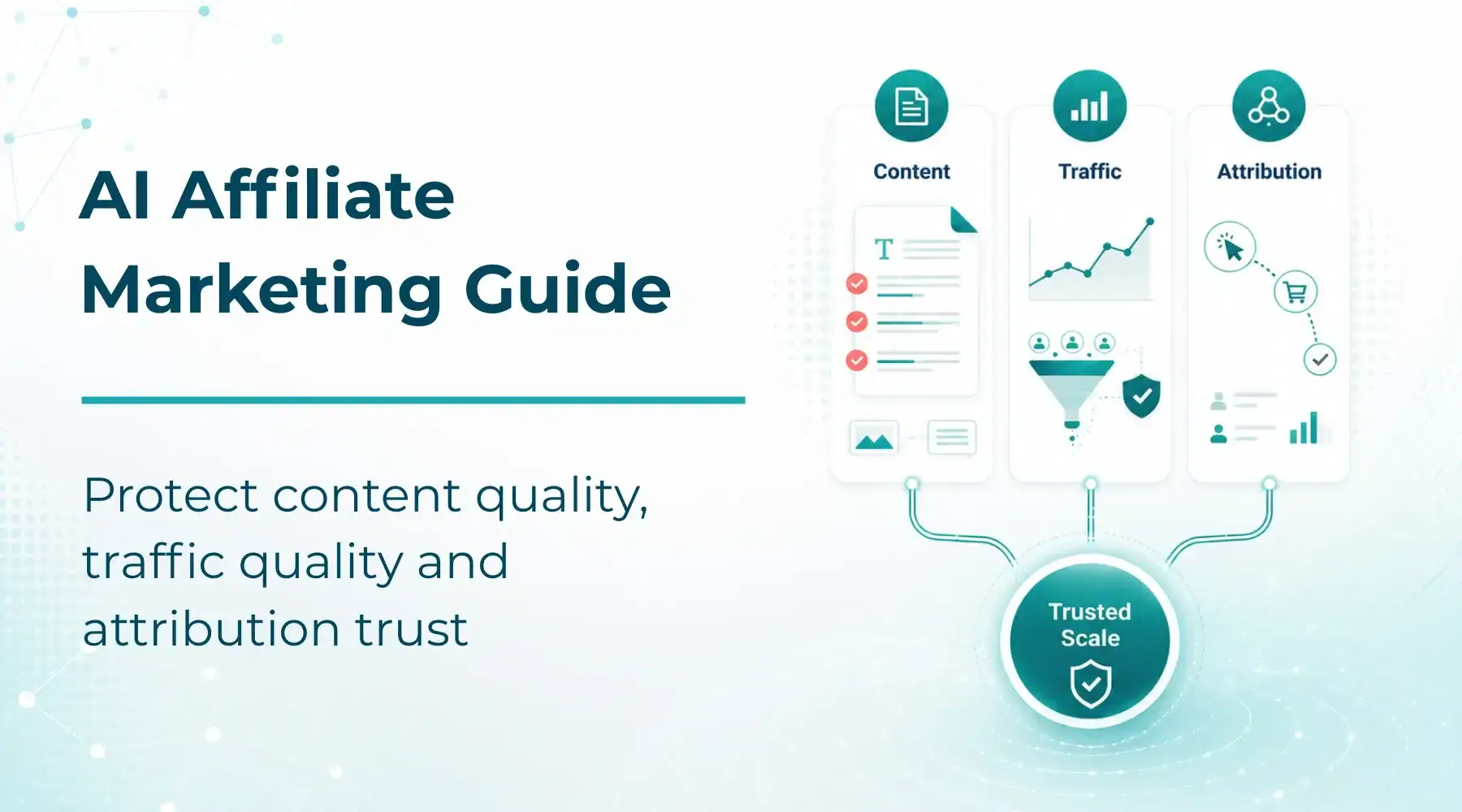
AI affiliate content refers to any promotional material, such as product reviews, buyer’s guides, comparison tables, or listicles, that is fully or partially generated using artificial intelligence. This content is designed to drive reader action, typically a click on an affiliate link that earns a commission. Modern AI tools can research product specifications, compare features, and write persuasive copy that mimics human tone.
The core technology relies on natural language generation (NLG) models trained on vast datasets. Instead of typing every word from scratch, an affiliate marketer provides prompts, product data, or outlines, and the AI produces a coherent draft. This draft can then be refined, fact-checked, and personalized. The approach doesn’t eliminate the human touch; it redirects it toward oversight and ethical storytelling.
Why AI Affiliate Content Is Reshaping the Affiliate Marketing Industry
Speed and scale define the new competitive edge. A niche site that once published three articles a week can now produce ten or more without sacrificing thematic coverage. AI affiliate content breaks the traditional bottleneck of writer fatigue and sky-high freelancer costs.
Beyond speed, AI brings data-driven precision. Tools like Surfer SEO or Frase integrate with AI writers to bake keyword relevance and semantic structure directly into the first draft. Affiliates see faster indexing and stronger rankings because the content naturally answers user queries. Google’s helpful content system rewards pages that genuinely help users, and when AI is used to create thorough, accurate information, it aligns perfectly with that goal.
Monetization cycles also shrink. Rather than waiting weeks for a new product launch review, an affiliate can generate a comprehensive first draft in minutes, fact-check it against manufacturer specs, and push it live within hours. In trending niches like tech gadgets or seasonal deals, that agility translates directly into higher commissions.
Main Types of AI Affiliate Content

- Product Reviews: Single-item deep dives covering specifications, pros, cons, personal experience snippets, and comparison with similar models.
- Comparison Articles: Head-to-head matchups (e.g., “iPhone 15 vs. Samsung Galaxy S24”) that break down features, performance, and value. AI excels at tabular comparisons.
- Best-of Lists and Roundups: Curated lists like “Top 10 Standing Desks for Back Pain,” where each entry gets a mini review. AI can pull stats, ratings, and unique selling points from multiple sources.
- Buyer’s Guides: Educational content that explains what to look for in a product category, often with embedded affiliate links for recommended models.
- Video Scripts and Descriptions: For marketers running YouTube or TikTok affiliate channels, AI drafts engaging scripts and optimized descriptions with affiliate links.
- Email Sequences: Automated follow-up campaigns that nurture leads from review readers into repeat buyers.
- Keyword and Topic Research: Use platforms like Ahrefs or Semrush to identify low-competition buyer-intent keywords. Feed the primary keyword and related terms into an AI brief generator.
- Outline Generation: The AI creates a detailed content structure with H2 and H3 headings, ensuring all search intents are covered. The affiliate reviews and adjusts the outline to add original angles or personal anecdotes.
- Drafting: The AI writes the full article or section by section based on the outline. Prompts include instructions for tone, length, and specific product data. This is where most time is saved.
- Fact-Checking and Editing: Every specification, price, and claim must be verified against official sources. The human editor also rewrites robotic transitions, adds personal experience, and injects brand voice.
- Optimization and Publication: The final draft passes through an on-page SEO tool, receives internal links, and is published with appropriate affiliate disclosures.
- Always add first-hand experience. Even a short anecdote about unboxing, using, or disliking a product changes AI text into genuine recommendation. This aligns with the E-E-A-T (Experience, Expertise, Authoritativeness, Trustworthiness) framework.
- Fact-check relentlessly. AI models may invent specs, pricing, or awards. Cross-reference every claim with the manufacturer’s site or reputable reviews.
- Disclose affiliate relationships clearly. Place a conspicuous disclosure near the top of the page, not buried in the footer. Builds trust and meets FTC requirements.
- Structure for scannability. Use tables, bullet points, and subheadings. Many readers skim before committing; a clean layout improves dwell time.
- Optimize internal linking. AI drafts often neglect this crucial SEO element. Always add links to relevant hub pages and other money content on your site.
- Keep a unique brand voice. Customize AI instructions with your site’s style guide. Inject humor, directness, or storytelling that no other competitor can replicate.
- Hallucinated information: AI sometimes fabricates product features, customer ratings, or even entire products. Publishing such errors erodes credibility and invites refund requests.
- Thin content penalties: A page that merely rephrases manufacturer descriptions without added insight will not rank after a helpful content update. The bar is “people-first content,” not “AI-first filler.”
- Homogeneous tone: If every affiliate in your niche uses the same GPT-4 prompt, the web floods with indistinguishable prose. Users disengage, and Google demotes pages that offer nothing unique.
- Emotional disconnect: Purchase decisions are driven by stories, pain points, and trust. AI-generated text often feels competent but lifeless, failing to convert at the same rate as a passionate expert’s recommendation.
- Compliance risks: Making unsubstantiated health claims or financial promises through AI output can violate affiliate program terms and even lead to legal liability.
- Publishing raw AI output without editing. This is the fastest route to an algorithmic demotion. Always refine and personalize.
- Ignoring search intent. A 3,000-word AI draft on “best running shoes” won’t rank if it lacks real-world testing data, fit advice, and runner-type segmentation that users expect.
- Neglecting local and niche nuances. AI may recommend US-centric products for an Australian audience. Always adjust availability, pricing, and currency.
- Over-optimization of keywords. Some AI SEO tools force in exact-match keywords to the point of unnatural reading. The draft must be relaxed and conversational.
- Skipping image and media sourcing. AI can’t take original product photos. Using stolen images or generic stock harms trust and can result in DMCA takedowns.
- Collect core data: Gather the exact product name, technical specs, price (with date), main competitors, and three unique selling points from the official manufacturer page.
- Prompt for an outline: Use a prompt like: “Create a detailed outline for a 2000-word affiliate product review of [Product Name]. Target buyer intent keywords. Include sections for pros and cons, unboxing experience, performance tests, comparison with [Competitor], and final verdict. Use a personal, trustworthy tone.”
- Review and customize the outline: Remove generic bullet points. Add a “My Three-Week Real-World Test” section and a “Who Should Not Buy This” callout.
- Generate the draft with experience injection: Prompt each section individually, and manually insert your personal observations. For example: “Based on my testing, the hinge is sturdy, but the screen has more glare than the MacBook Pro. I’ll mention that.” The AI can then rewrite around your note.
- Cross-check facts and claims: Verify every numeric figure, awards, and compatibility notes. If the AI wrote “supports 8K video,” confirm on the spec sheet.
- Add comparison table: Use a markdown-to-HTML converter or manual coding to insert a clean feature comparison table with your affiliate links embedded in the model names.
- Optimize for on-page SEO: Ensure the main keyword is in the H1, first 100 words, and a couple of subheadings. Use a tool to check for missing LSI terms like “AI affiliate content example” or “AI product review generator.”
- Insert affiliate disclosure: Place a brief, bold note near the top and a more detailed one in the footer. Example: “Some links in this post are affiliate links; we may earn a commission if you buy through them, at no extra cost to you. This does not affect our ratings.”
- Final read-through: Read the article aloud to catch unnatural phrasing, then schedule or publish.
The AI-Powered Affiliate Content Workflow
A streamlined process ensures quality and consistency. The typical workflow involves five clear stages, each leveraging AI while keeping human judgment at the center.
Top AI Tools for Creating Affiliate Content

Choosing the right assistant depends on your niche, budget, and level of customization needed. Below is a breakdown of the leading solutions.
| Tool | Key Features | Best For | Pricing (Approx.) | Pros | Cons |
|---|---|---|---|---|---|
| ChatGPT (GPT-4) | Advanced reasoning, custom instructions, long-form generation, plugin ecosystem | Versatile drafting, research assistance, data comparison | Free tier; Plus from $20/month | Low cost for high-quality output; can mimic tone on demand | Requires prompt engineering; occasional factual hallucinations |
| Jasper AI | Brand voice customization, campaign workflows, Surfer SEO integration | Teams and serious affiliate site owners who need consistency | From $49/month | Excellent onboarding for affiliate frameworks; reliable templates | Higher price point; less flexible for unique formats |
| Writesonic | AI article writer, product descriptions, bulk content generation | E-commerce affiliates and comparison tables | Free trial; from $19/month | Affordable; fast bulk output; multi-language | Output may feel generic without heavy editing |
| Content at Scale | End-to-end long-form generator, built-in SEO optimization, direct to WordPress | Niche site owners wanting minimal editing | From $250/month for 20 posts | Produces very long, research-backed drafts; huge time saver | Expensive; still needs fact-checking and human touch |
| KoalaWriter | One-click affiliate review posts, Amazon product integration, live SERP analysis | Amazon Associates and roundup-style sites | From $9/month | Directly pulls Amazon product data; very specific to affiliate use case | Limited to product-centric content; output can be formulaic |
Best Practices for High-Converting, Trustworthy AI Affiliate Content
Google does not ban AI-generated content. What it penalizes is content created solely to manipulate rankings, devoid of value. Follow these guardrails to ensure your AI affiliate content remains helpful and profitable.
Limitations and Risks You Must Manage
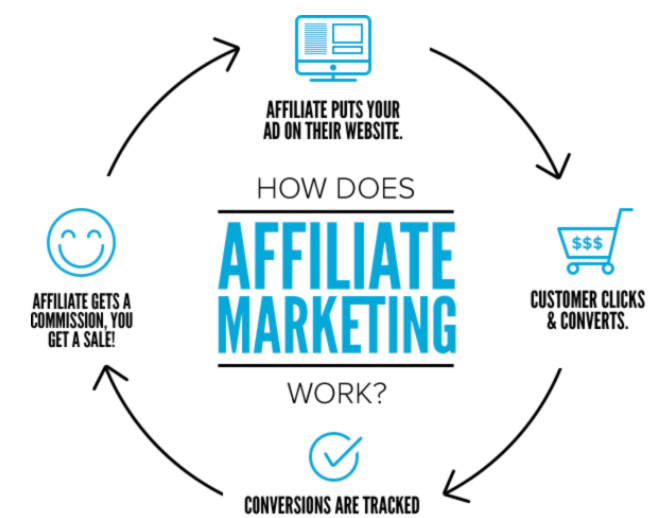
Relying uncritically on AI affiliate content can backfire spectacularly. The biggest pitfalls stem from a lack of human oversight and an overestimation of AI’s judgment.
Common Mistakes When Using AI for Affiliate Content
Many beginners treat AI as a magic button. The road to sustainable income, however, demands a more nuanced approach. Avoid these frequent errors.
Injecting Human Expertise to Transform AI Drafts into Trusted Guides
The difference between a site that earns six figures and one that gets lost in the March 2024 core update often comes down to the layer of human insight. Here’s exactly how to add that layer.
Weave in personal testing results. Even if you haven’t used the product for years, a weekend of hands-on testing generates notes a machine can’t invent. Mention the weight, the button feel, the out-of-box smell, the packaging—details that build real-world authority.
Interview real users. Gather quotes or brief opinions from verified purchasers, forum threads, or social media groups and feature them. This crowdsourced experience adds texture and diverse perspectives, making the review far more comprehensive.
Create unique visual assets. Take your own photos, draw comparison diagrams, or record short video clips. These not only differentiate the content but also build a media library that AI tools alone cannot produce.
Address unspoken objections. An AI might list pros and cons, but a human who deeply understands the audience knows that “this laptop is heavy enough to be a desktop replacement” might be a hidden dealbreaker for commuters. Call it out explicitly.
Step-by-Step: Creating a High-Converting AI-Assisted Product Review
This concrete process blends AI speed with the human elements Google demands. The example uses ChatGPT, but any advanced tool can be substituted.
Important Notes on Ethics and Legal Compliance
FTC guidelines mandate clear and conspicuous disclosure of any material connection to a brand. AI-generated content does not change this requirement. If a product is provided for free, that must be disclosed. Even if the review is AI-assisted, the disclosure obligation remains with the publisher.
Amazon Associates and other major programs have strict terms about claim accuracy and prohibited content. An AI might casually mention “cures back pain” for a standing desk, which would violate policies. Always train your editing eye to catch these risky statements before they go live.
Copyright is another frontier. AI models are trained on publicly available data, but verbatim reproduction of competitors’ content can still lead to DMCA issues. Use AI to generate original phrasings, not to paraphrase an existing review.
Transparency with your audience can also be a differentiator. Many top affiliate sites now include a note like “This article was drafted with AI assistance and then extensively fact-checked and enhanced by our editorial team.” This honesty meets Google’s standard and can build lasting reader loyalty.
FAQ: AI Affiliate Content
Does Google penalize AI-generated affiliate content?
Google does not automatically penalize content simply because it is AI-generated. The ranking systems focus on the quality, helpfulness, and originality of the content. An affiliate page created entirely by AI but loaded with unique experiences, accurate data, and genuine value can rank well. The risk comes from publishing low-value, mass-generated AI text that lacks human insight and exists only to manipulate search results.
Can AI content really earn affiliate commissions?
Absolutely. Countless affiliate sites in niches like home appliances, software, and fitness gear use AI-assisted content to scale traffic and conversions. The key is that commissions come from trust. A well-edited, experience-rich article that helps a reader make a confident purchase decision will generate steady income, regardless of whether AI helped write the first draft. Pure AI spam, on the other hand, rarely earns sustainable commissions.
How much editing does AI affiliate content need?
Plan for at least 30 to 60 minutes of editing per 2,000 words. Editing should cover fact-checking, tone refinement, adding personal anecdotes, improving transitions, and inserting original images or comparisons. Skipping this step almost always results in a generic, untrustworthy page that both readers and search engines reject.
What’s the best AI tool for Amazon affiliate sites?
For Amazon-focused affiliates, tools like KoalaWriter or ChatGPT with carefully crafted product-specific prompts are popular. KoalaWriter integrates directly with Amazon product data, making it easy to generate accurate, feature-rich drafts. ChatGPT offers more flexibility for narrative styling but requires more manual data entry. The best choice depends on your volume and willingness to customize.
Will AI affiliate content become harder to rank in the future?
As AI adoption grows, the baseline for “acceptable” content rises. Pages that merely summarize product data without depth will find it harder to compete. The future belongs to affiliates who treat AI as an accelerator for original research, unique testing, and multimedia integration. Those who invest in human-differentiated content will maintain and even improve rankings.
Is it ethical to use AI for affiliate marketing?
Yes, provided the content is accurate, transparent, and serves the reader’s best interest. The ethical line is crossed when AI is used to mass-produce misleading reviews, fake testimonials, or deceptive comparisons. Ethical AI use means full disclosure, rigorous fact-checking, and a commitment to helping the audience make informed purchases.
Conclusion
AI affiliate content is not a shortcut to overnight riches, but it is a profound amplifier for those willing to put in the human work. The technology strips away the most tedious parts of writing, enabling marketers to produce buyer’s guides, reviews, and comparisons at a scale once reserved for large media houses. The winners in this space will combine the raw efficiency of AI with original testing, honest storytelling, and the kind of genuine helpfulness that turns a one-time visitor into a repeat buyer.
A intelligent approach means never publishing raw output. Every paragraph should carry the fingerprint of human oversight. Fact-checking, personal experience, clear disclosures, and a relentless focus on what the reader actually needs separate high-earning affiliate assets from the noise. When executed with care, AI affiliate content creates a partnership where technology handles the first mile, and human empathy crosses the finish line.
Xem thêm:
- AI SEO Schema Markup Generator: The Complete Guide to Automated Structured Data
- AI SEO Updates: Navigating the New Era of Search Engine Optimization
- AI SEO Content Updates: The Complete Guide to Staying Ahead in 2025
- AI SEO Featured Snippet Optimization: The 2025 Playbook for Position Zero
- AI SEO Metrics: The Definitive Guide to Measuring Success in an AI‑Driven Search World
Bài viết cùng chủ đề:

AI SEO SEO Automation with Make: The Complete Workflow Guide

AI SEO SEO Automation with Zapier: The Complete Workflow Guide

AI SEO SEO Automation with n8n: The Complete Workflow Guide
AI SEO SEO Automation with Gemini: The Complete Guide to Scaling Organic Growth

AI SEO SEO Automation with Claude: The Complete Guide to Scaling Content in 2025

AI SEO SEO Automation with ChatGPT: The Complete Playbook for 2025

AI SEO & SEO Automation for Affiliate Sites: The 2025 Playbook for Passive Income Growth
AI SEO & SEO Automation for Bloggers: The Complete Guide to Scaling Your Content

AI SEO & SEO Automation for Agencies: The Complete 2025 Playbook

AI SEO and SEO Automation for Ecommerce: The Complete Playbook for 2025

AI SEO & SEO Automation for WordPress: The Complete Playbook for 2025
AI SEO SEO Automation Strategy: The Complete Playbook for 2025

Mastering the AI SEO SEO Automation Process: A Complete Guide to Scaling Organic Growth
AI SEO SEO Automation System: The Complete Guide to Scaling Organic Growth in 2025
AI SEO SEO Automation Platform: The Complete Guide to Scaling Organic Growth in 2025
AI SEO SEO Automation Software: The Complete Guide to Scaling Organic Growth in 2025















