
No products in the cart.
AI SEO Content Accuracy: The Complete Guide to Verifying Machine-Generated Copy
10
Aug
Aug
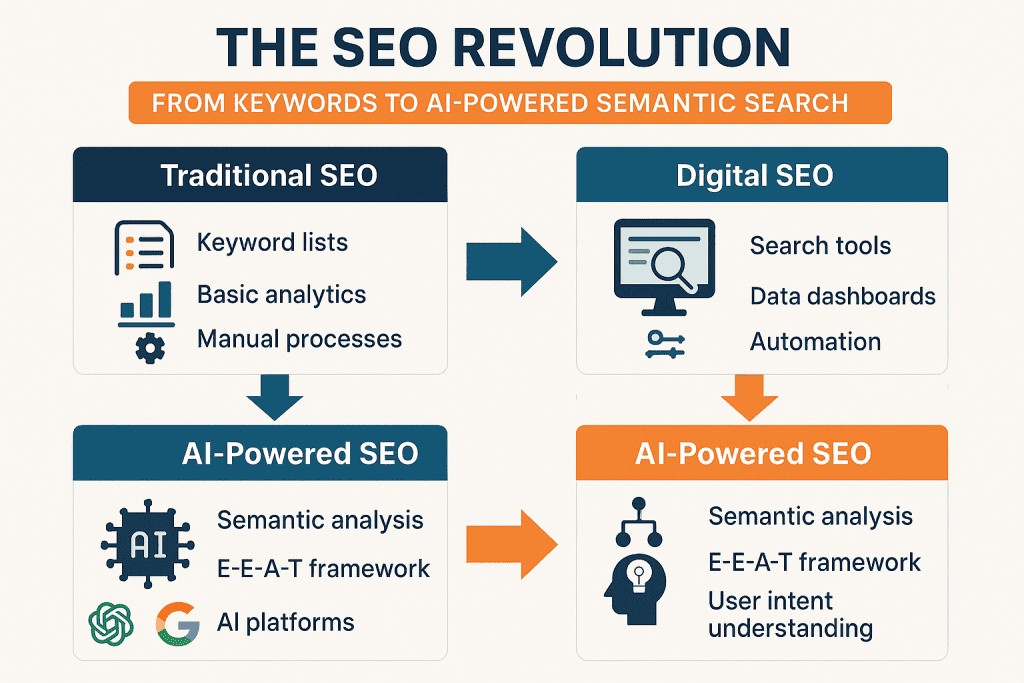
AI SEO content accuracy has become the defining challenge for digital marketers in 2024. As businesses race to adopt generative tools for content production, the gap between what AI produces and what search engines reward continues to widen. This guide examines every facet of accuracy in AI-driven SEO content, from technical verification methods to editorial workflows that maintain factual integrity. Understanding these principles separates sustainable content strategies from those that risk algorithmic penalties and reputational damage.
What Does AI SEO Content Accuracy Actually Mean?
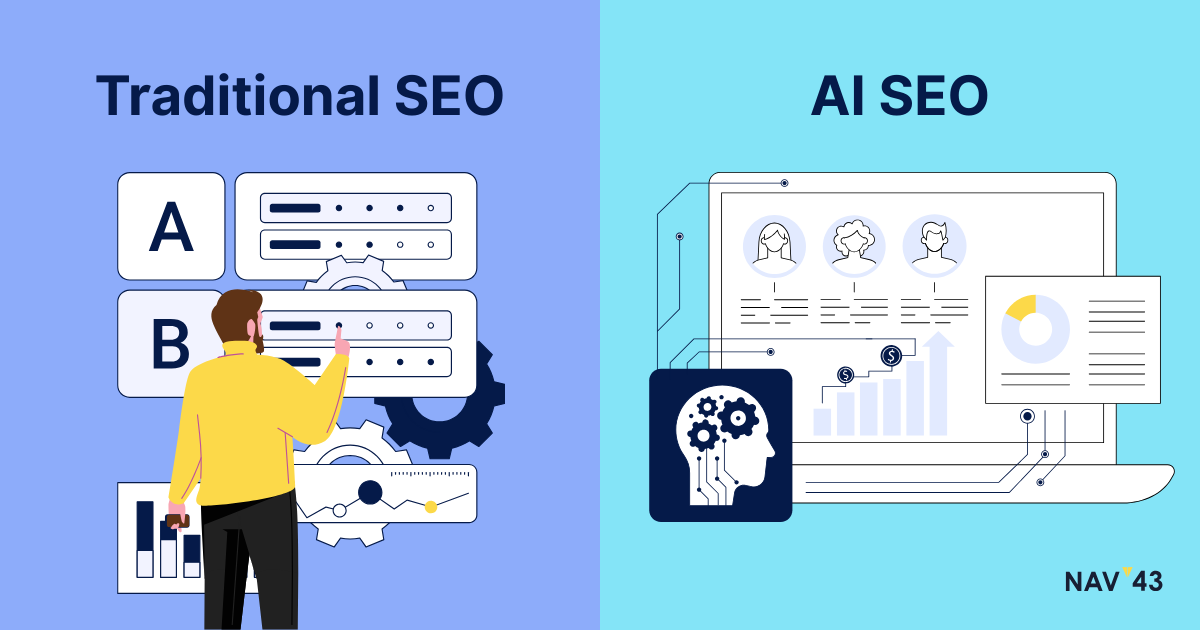
AI SEO content accuracy refers to the degree to which machine-generated text aligns with verifiable facts, user intent, and search engine quality guidelines. It encompasses three distinct dimensions: factual correctness, contextual relevance, and algorithmic compliance. A piece of content can be factually true but contextually irrelevant, or algorithmically optimized but factually flawed. True accuracy requires excellence across all three areas simultaneously.
The rise of large language models has fundamentally altered the content production landscape. These systems generate text based on statistical patterns rather than genuine understanding. This means they can produce grammatically perfect sentences containing completely fabricated statistics, invented quotes, or outdated information presented as current. The accuracy challenge stems from this fundamental architectural limitation.
The Three Pillars of Content Accuracy in AI Systems
Factual accuracy forms the foundation. Every claim, statistic, date, and quotation must trace back to a verifiable source. Contextual accuracy ensures the content actually answers the query a user typed into a search engine. Algorithmic accuracy means the content follows technical SEO requirements like proper heading structure, keyword placement, and schema markup without sacrificing readability.
Search engines have become remarkably sophisticated at detecting inaccuracies. Google’s helpful content system specifically targets content that demonstrates a lack of expertise, experience, authoritativeness, and trustworthiness. AI-generated content that fails accuracy checks triggers these quality filters, resulting in diminished rankings or complete deindexation.
Why Accuracy Matters More Than Ever for AI-Generated SEO Content
The competitive landscape for organic search has never been more intense. Every major industry now faces an avalanche of AI-generated content competing for the same keywords. Search engines respond by prioritizing content that demonstrates genuine value and factual reliability. Inaccurate AI content gets filtered out, while accurate, well-researched content rises to the top.
User trust represents another critical dimension. A single factual error in an article can permanently damage brand credibility. Readers who encounter incorrect information rarely return to that source. They also share negative experiences across social platforms, amplifying the reputational damage. For businesses relying on organic traffic for revenue, this trust erosion directly impacts the bottom line.
Legal and regulatory considerations add another layer of complexity. Industries like healthcare, finance, and law face strict compliance requirements. Publishing inaccurate AI-generated content in these sectors can result in regulatory fines, lawsuits, and professional sanctions. Accuracy verification becomes not just a marketing concern but a legal necessity.
Common Sources of Inaccuracy in AI-Generated SEO Content
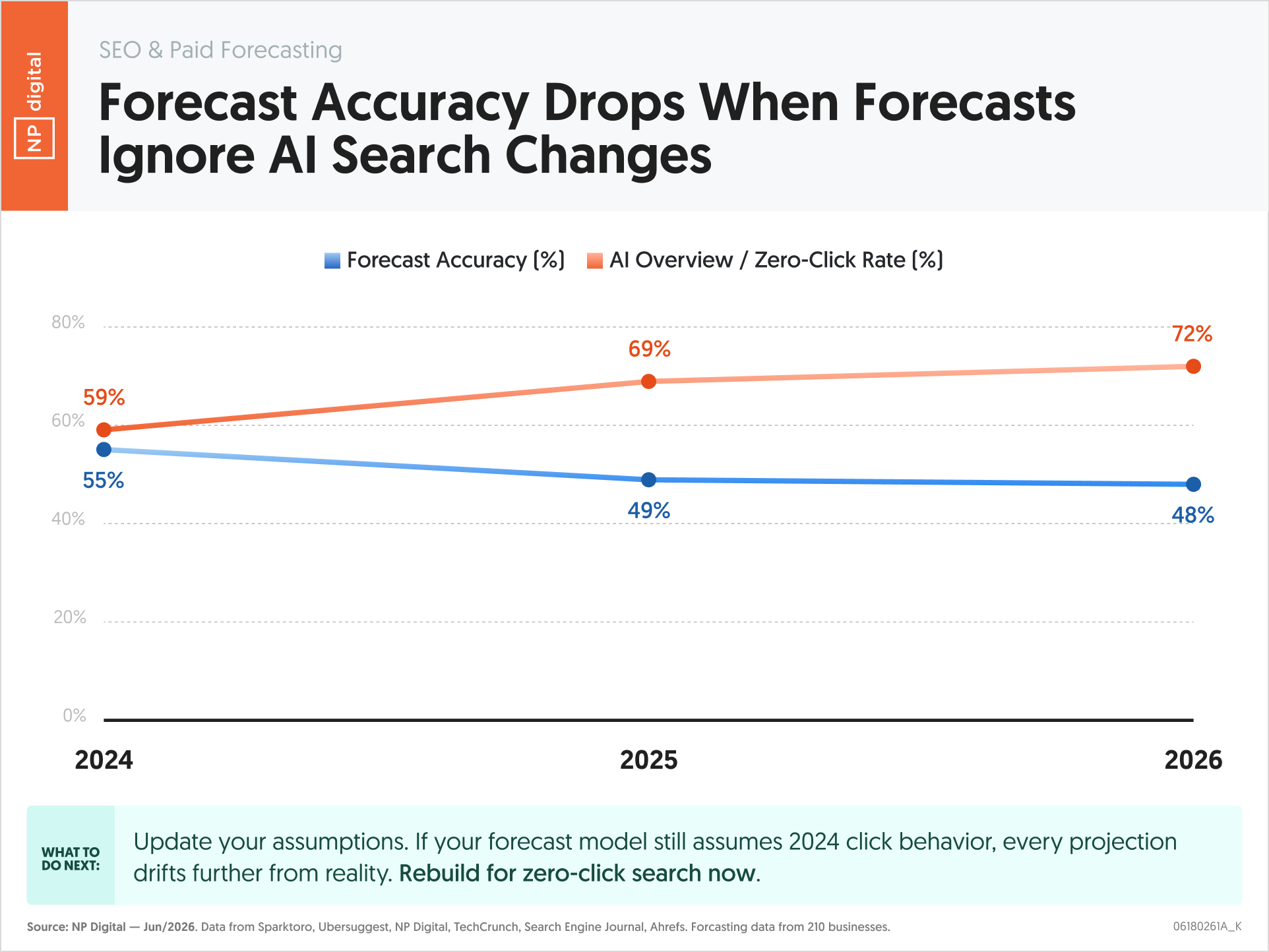
Understanding where AI systems fail helps content teams implement targeted verification strategies. The most prevalent accuracy issues include hallucination, data staleness, context blindness, and source confusion.
Hallucination and Fabricated Information
Large language models frequently generate plausible-sounding but completely fabricated information. They invent statistics, misattribute quotes, and create citations that do not exist. This occurs because the model predicts the most statistically likely sequence of words, not because it has verified the underlying facts. A model might confidently state that a company reported 47% revenue growth when no such report exists.
Training Data Staleness
AI models train on datasets with cutoff dates. Information published after that cutoff remains invisible to the model. This creates particular problems for time-sensitive topics like technology specifications, legal regulations, or current events. An AI system trained on 2022 data will confidently provide outdated information about topics that changed significantly in 2023 or 2024.
Contextual Misunderstanding
AI systems struggle with nuance, cultural context, and industry-specific terminology. They may use words correctly in a general sense but incorrectly within a specialized field. For example, the term “conversion” means something entirely different in e-commerce versus religious studies. Without proper context, AI generates content that confuses rather than clarifies.
Source Blending and Attribution Errors
When trained on massive datasets, AI models blend information from multiple sources. This creates attribution problems where ideas get assigned to the wrong originators. A model might attribute a marketing strategy to Philip Kotler when it actually came from Seth Godin. These attribution errors undermine content credibility and create professional embarrassment.
Methods for Verifying AI SEO Content Accuracy
Content teams need systematic approaches to verify AI-generated text before publication. The following methods represent industry best practices for maintaining accuracy standards.
Cross-Reference Verification Protocol
Every factual claim in AI-generated content requires verification against at least two independent, authoritative sources. This protocol applies to statistics, historical events, scientific findings, and expert quotations. Teams should maintain a verification log documenting each claim and its confirming sources. This documentation proves valuable during content audits and provides evidence of due diligence.
| Claim Type | Verification Method | Acceptable Sources |
|---|---|---|
| Statistical data | Cross-reference with original research reports | Government databases, peer-reviewed journals, official company reports |
| Expert quotes | Search exact quote text in quotation marks | Published interviews, official transcripts, verified social media accounts |
| Historical events | Compare against multiple history texts | Academic publications, museum archives, primary source documents |
| Product specifications | Check manufacturer official documentation | Official product pages, press releases, regulatory filings |
Fact-Checking Tools and Databases
Several specialized tools assist with accuracy verification. Google Fact Check Explorer aggregates fact-checked claims from verified publishers. Snopes, PolitiFact, and similar organizations provide databases of investigated claims. For academic content, Google Scholar and PubMed offer authoritative research databases. These tools dramatically reduce verification time while improving accuracy outcomes.
Human Editorial Review Processes
Automated verification cannot replace human judgment. Subject matter experts must review AI-generated content for contextual accuracy, industry-specific nuances, and logical coherence. These experts identify subtle errors that automated systems miss. The review process should include checking for outdated terminology, incorrect industry conventions, and inappropriate tone for the target audience.
Technical SEO Factors Affecting AI Content Accuracy
Beyond factual correctness, AI content must meet technical accuracy standards that affect search engine interpretation and ranking.
Entity Accuracy and Knowledge Graph Alignment
Search engines build knowledge graphs that connect entities like people, places, organizations, and concepts. AI content must accurately reference these entities with correct names, relationships, and attributes. An article that consistently misspells a company name or confuses two similar organizations signals low quality to search engines. Structured data markup helps clarify entity relationships for search crawlers.
Keyword Placement and Semantic Relevance
AI-generated content often struggles with natural keyword integration. The content may stuff keywords awkwardly or miss semantic variations that search engines expect. Accurate content uses the target keyword naturally while incorporating related terms and concepts that demonstrate topical authority. This semantic richness signals expertise to search algorithms.
Internal Linking and Information Architecture
Accurate content connects logically to other pages within the same domain. Internal links should use descriptive anchor text that accurately reflects the linked page’s content. AI systems frequently generate generic anchor text like “click here” or link to irrelevant pages. These inaccuracies confuse both users and search engine crawlers, diluting the site’s topical authority.
Benefits of Maintaining High AI SEO Content Accuracy
Organizations that prioritize accuracy in their AI-generated content realize substantial competitive advantages that compound over time.
- Higher search rankings through improved quality signals and reduced bounce rates
- Increased organic traffic from featured snippets and position zero opportunities
- Enhanced brand authority as readers recognize reliable, trustworthy information
- Reduced content revision costs through fewer corrections and updates
- Stronger backlink profiles as other sites reference accurate, citable content
- Better conversion rates from content that genuinely addresses user needs
- Protection against algorithm updates targeting low-quality AI content
Limitations and Challenges of AI Content Accuracy
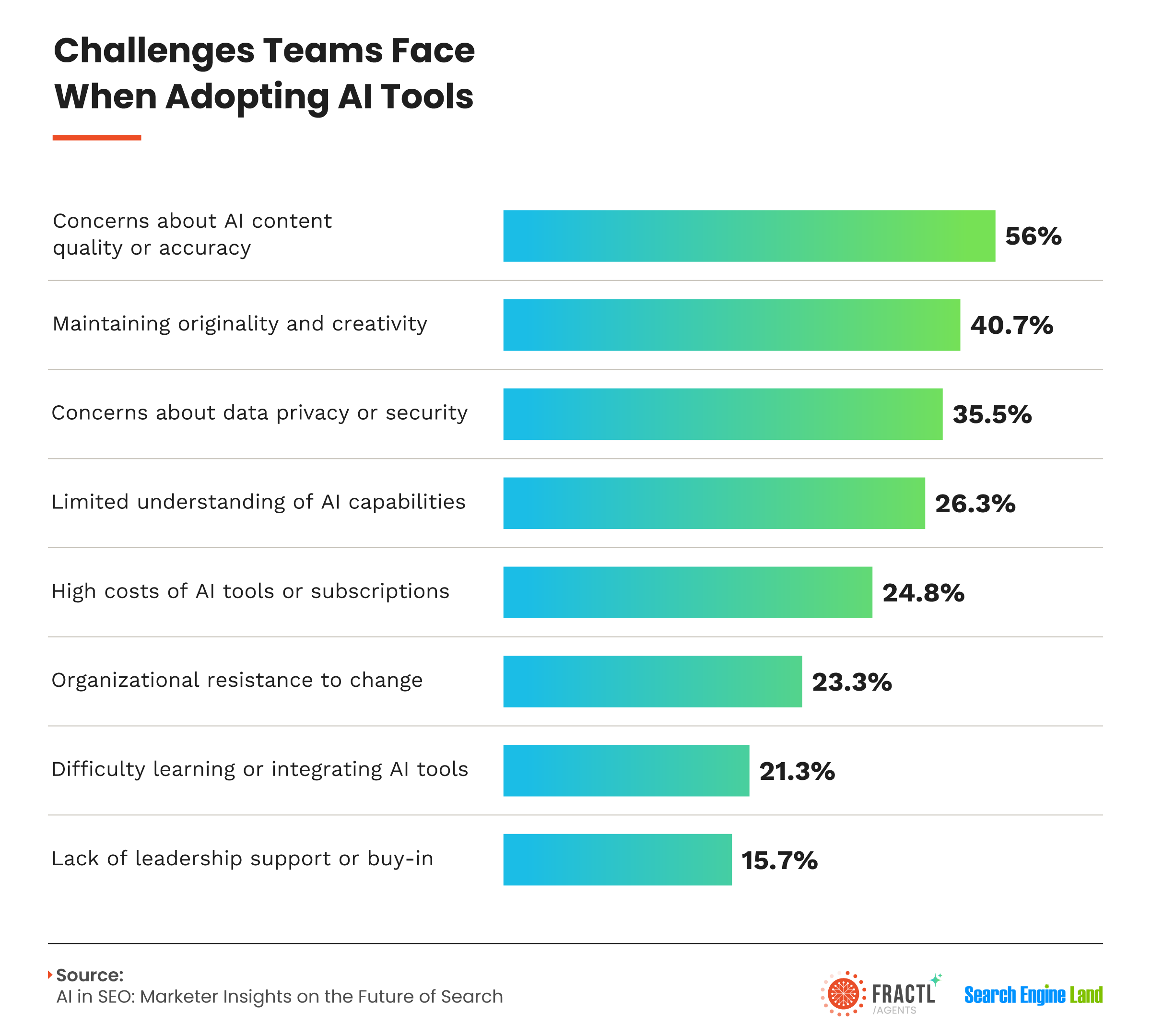
Despite best efforts, achieving perfect accuracy in AI-generated content presents ongoing challenges that teams must acknowledge and manage.
Verification processes consume significant time and resources. Fact-checking a 2000-word article can take several hours, potentially negating the speed advantages of AI content generation. Smaller teams without dedicated editorial staff may struggle to maintain rigorous verification standards while meeting production deadlines.
Some topics resist easy verification. Niche industries with limited published research make cross-referencing difficult. Emerging fields where information changes rapidly require constant monitoring and updates. Content teams must accept that some level of inaccuracy risk remains unavoidable, particularly in fast-moving domains.
Practical Guide: Building an AI Content Accuracy Workflow
Implementing a systematic accuracy workflow ensures consistent quality across all AI-generated content. The following process represents a proven approach used by successful content operations.
Step 1: Pre-Generation Briefing
Before generating content, provide the AI system with detailed briefs containing verified facts, target keywords, intended audience, and content objectives. Include specific statistics, quotes, and sources that must appear in the final piece. This pre-loading reduces hallucination risk by constraining the model to known information.
Step 2: Generation with Guardrails
Configure AI generation parameters to prioritize factual accuracy over creative expression. Lower temperature settings produce more conservative, fact-based output. Instruct the model to flag uncertain information rather than guessing. Some platforms allow custom instructions that explicitly prohibit fabrication.
Step 3: Automated Screening
Run generated content through automated screening tools that flag suspicious claims, unverifiable statistics, and potential hallucinations. Plagiarism checkers identify content that too closely mirrors existing sources. Readability analyzers ensure the content meets accessibility standards for the target audience.
Step 4: Human Expert Review
Subject matter experts review the content for contextual accuracy, industry conventions, and logical flow. They verify that examples make sense, terminology is correct, and the content genuinely addresses the search intent. This review catches errors that automated systems miss.
Step 5: Publication and Monitoring
After publication, monitor content performance and user engagement metrics. High bounce rates or low time-on-page may indicate accuracy problems. Track search rankings for target keywords and investigate sudden drops that might signal quality issues. Regular content audits identify outdated information requiring updates.
Common Mistakes in AI SEO Content Accuracy Management
Organizations frequently make predictable errors when managing AI content accuracy. Recognizing these mistakes helps teams avoid them.
Over-reliance on AI confidence scores represents a significant error. AI systems express confidence based on statistical probability, not factual verification. A model may be highly confident about completely fabricated information. Confidence scores should never substitute for actual fact-checking.
Skipping human review for speed creates long-term problems. The time saved by publishing unverified AI content gets lost when inaccuracies damage rankings and require corrections. The cost of fixing a reputation damaged by false information far exceeds the cost of proper verification.
Failing to update content after publication leads to gradual accuracy decay. Information becomes outdated as industries evolve, regulations change, and new research emerges. Content teams need scheduled review cycles to keep published material current and accurate.
Important Notes for Specific Industries
Certain sectors face unique accuracy requirements that demand specialized attention.
Healthcare content must comply with medical accuracy standards and regulatory requirements. Claims about treatments, medications, or health outcomes require citation from peer-reviewed studies. Publishing inaccurate health information creates serious legal liability and public health risks.
Financial content faces similar scrutiny. Investment advice, tax information, and regulatory compliance guidance must meet professional standards. Inaccurate financial information can lead to significant monetary losses for readers and legal consequences for publishers.
Legal content requires precision in terminology and citation. AI systems frequently misuse legal terms or misstate legal principles. Content in this sector demands review by qualified legal professionals before publication.
Frequently Asked Questions About AI SEO Content Accuracy
How can I check if AI-generated content is accurate?
Verify every factual claim against at least two independent authoritative sources. Use fact-checking databases, cross-reference statistics with original research reports, and have subject matter experts review the content for contextual accuracy. Maintain a verification log documenting each claim and its confirming sources.
What happens if Google detects inaccurate AI content?
Google’s helpful content system may reduce rankings or remove pages entirely from search results. Inaccurate content triggers quality filters that assess expertise, experience, authoritativeness, and trustworthiness. Repeated violations can lead to site-wide penalties affecting all content, not just the inaccurate pages.
Can AI tools ever achieve 100% content accuracy?
No AI system can guarantee perfect accuracy due to fundamental architectural limitations. Large language models generate text based on statistical patterns rather than verified facts. Human verification remains essential for any content that requires factual reliability.
How often should I update AI-generated content to maintain accuracy?
Update frequency depends on the topic’s volatility. Fast-moving fields like technology or finance require quarterly reviews. Stable topics like historical overviews may only need annual checks. Monitor industry changes and set scheduled review cycles appropriate to your content domain.
What are the best tools for verifying AI content accuracy?
Google Fact Check Explorer, Snopes, and PolitiFact verify claims. Google Scholar and PubMed verify academic information. Grammarly and Hemingway Editor check readability and grammar. Plagiarism checkers like Copyscape ensure originality. No single tool provides complete verification, so combine multiple approaches.
Conclusion: Making AI SEO Content Accuracy a Sustainable Practice
AI SEO content accuracy represents the critical differentiator between content that ranks and content that gets filtered. Organizations that implement rigorous verification workflows gain sustainable competitive advantages through higher rankings, stronger user trust, and better conversion rates. The investment in fact-checking, human review, and ongoing monitoring pays dividends through reduced revision costs and protected brand reputation.
The future of SEO content will increasingly reward accuracy as search engines refine their ability to detect machine-generated text. Building accuracy into every stage of the content production process positions organizations for long-term success in organic search. Teams that treat accuracy as a core requirement rather than an optional enhancement will outperform competitors who prioritize speed over reliability.
Start by auditing your current AI content production workflow. Identify where accuracy gaps exist and implement the verification methods outlined in this guide. Train your team on proper fact-checking techniques and establish clear standards for what constitutes acceptable evidence. With consistent effort, accurate AI content becomes a scalable asset that drives sustainable organic growth.
Xem thêm:
- AI SEO Resource Page Links: The Complete Guide to Building High-Quality Backlinks in 2025
- AI SEO Content Strategy: The Complete Blueprint for 2025 and Beyond
- AI SEO Keyword Intent: The Complete Guide to Search Intent Optimization in 2025
- AI SEO Keywords Everywhere: The Complete Guide to Smarter Keyword Research in 2025
- AI SEO Machine Learning: The Complete Guide to Smarter Search Rankings
Bài viết cùng chủ đề:

AI SEO SEO Automation with Make: The Complete Workflow Guide

AI SEO SEO Automation with Zapier: The Complete Workflow Guide

AI SEO SEO Automation with n8n: The Complete Workflow Guide
AI SEO SEO Automation with Gemini: The Complete Guide to Scaling Organic Growth

AI SEO SEO Automation with Claude: The Complete Guide to Scaling Content in 2025

AI SEO SEO Automation with ChatGPT: The Complete Playbook for 2025

AI SEO & SEO Automation for Affiliate Sites: The 2025 Playbook for Passive Income Growth
AI SEO & SEO Automation for Bloggers: The Complete Guide to Scaling Your Content

AI SEO & SEO Automation for Agencies: The Complete 2025 Playbook

AI SEO and SEO Automation for Ecommerce: The Complete Playbook for 2025

AI SEO & SEO Automation for WordPress: The Complete Playbook for 2025
AI SEO SEO Automation Strategy: The Complete Playbook for 2025

Mastering the AI SEO SEO Automation Process: A Complete Guide to Scaling Organic Growth
AI SEO SEO Automation System: The Complete Guide to Scaling Organic Growth in 2025
AI SEO SEO Automation Platform: The Complete Guide to Scaling Organic Growth in 2025
AI SEO SEO Automation Software: The Complete Guide to Scaling Organic Growth in 2025















