
No products in the cart.
AI SEO External Links: The Complete Guide to Smarter Link Building in 2025
10
Aug
Aug
AI SEO external links have transformed how websites build authority and rank in search results. The days of manual outreach and guesswork are fading, replaced by machine learning algorithms that analyze link patterns, predict value, and automate acquisition. For digital marketers and website owners, understanding this shift is no longer optional—it is essential for staying competitive. This guide explores how artificial intelligence reshapes external linking strategies, what tools actually work, and how to implement a system that drives measurable results.
What Are AI SEO External Links?
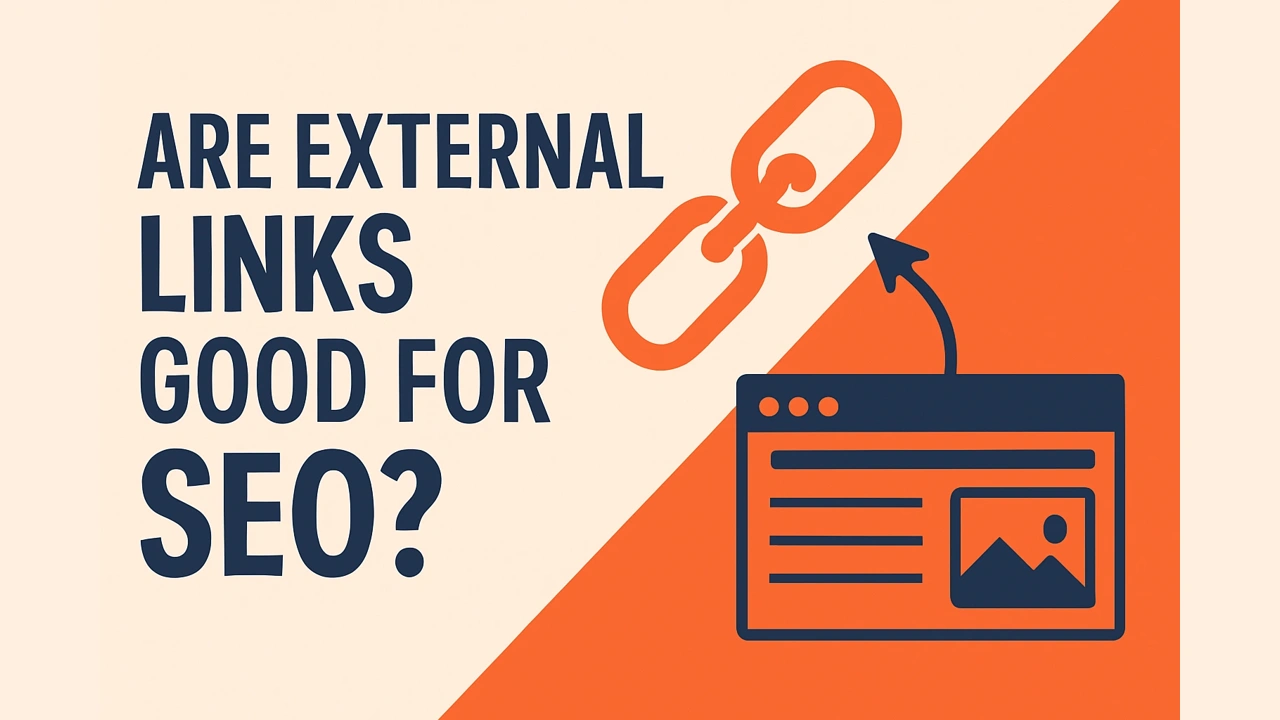
AI SEO external links refer to backlinks acquired, analyzed, or optimized using artificial intelligence technologies. Traditional link building relied on manual research, email outreach, and subjective judgment about which websites carried authority. AI changes this by processing massive datasets to identify link opportunities, predict which links will pass the most value, and even automate the outreach process.
The core difference lies in data processing capability. A human marketer might evaluate 50 potential link sources in a day. An AI system can evaluate 50,000 in the same timeframe, scoring each one based on dozens of factors including domain authority, topical relevance, traffic patterns, and historical link velocity. This scale of analysis simply was not possible before machine learning entered the SEO landscape.
How AI Transforms External Link Analysis
Artificial intelligence does not replace the fundamental principles of good link building. Relevance, authority, and trust still matter. What AI changes is the efficiency and accuracy of identifying these qualities at scale.
Predictive Link Value Scoring
Modern AI tools assign predictive scores to potential link sources. These scores go beyond simple domain authority metrics. They incorporate machine learning models trained on millions of known good and bad links to identify patterns that correlate with ranking improvements. A site with moderate authority but high topical relevance and engaged audiences might score higher than a high-authority site with no topical connection.
Content Gap Analysis for Link Acquisition
AI excels at identifying content gaps in your niche. By analyzing what content earns links for competitors, AI systems can recommend topics that are likely to attract natural backlinks. This shifts the focus from chasing links to creating link-worthy assets, which aligns with Google’s quality guidelines.
Anomaly Detection and Risk Assessment
One of the most valuable applications is identifying toxic or risky links before they harm rankings. AI monitors link profiles for unnatural patterns—sudden spikes in low-quality links, links from penalized domains, or over-optimized anchor text. This proactive approach prevents manual penalties and algorithmic demotions.
Key AI Tools for External Link Building
The market offers several powerful platforms that integrate AI into link building workflows. Each brings unique capabilities to the table.
| Tool | Core AI Feature | Best For |
|---|---|---|
| Ahrefs | Link intersect and content gap analysis | Competitor research and opportunity discovery |
| Semrush | Backlink audit with AI-powered risk scoring | Link profile health monitoring |
| Moz Pro | Spam score and link quality prediction | Quick assessment of link value |
| Pitchbox | Automated outreach personalization | Scaling link prospecting campaigns |
| Linkody | Real-time link monitoring with anomaly alerts | Ongoing link profile management |
These tools do not replace human judgment. They augment it. The best results come from combining AI insights with editorial oversight and relationship building.
Building an AI-Driven External Link Strategy
Implementing AI SEO external links requires a structured approach. Follow these steps to create a system that produces consistent results.
Step 1: Audit Your Current Link Profile
Start by running a comprehensive audit of your existing backlinks. Use AI-powered tools to categorize each link by quality, relevance, and risk level. Identify links that may be dragging down your rankings and plan disavowal or removal strategies. This baseline gives you a clear picture of where you stand.
Step 2: Analyze Competitor Link Patterns
AI tools can reverse-engineer your competitors’ most successful link building campaigns. Look for patterns in the types of sites linking to them, the content that earns links, and the anchor text distribution. This intelligence reveals untapped opportunities in your niche.
Step 3: Generate Link-Worthy Content Assets
Use AI content analysis to identify topics with high link potential. Original research, comprehensive guides, and data visualizations consistently attract backlinks. AI can predict which content formats and topics are likely to earn links based on historical performance data across your industry.
Step 4: Automate Prospecting and Outreach
AI-powered outreach tools personalize email templates at scale. They analyze each prospect’s website, recent content, and social activity to craft messages that feel human and relevant. This dramatically increases response rates compared to generic outreach blasts.
Step 5: Monitor and Adapt
Link building is not a set-and-forget activity. Continuously monitor your link profile for new opportunities and emerging risks. AI systems alert you to lost links, new competitor backlinks, and changes in link value. Use these insights to refine your strategy over time.
Benefits of Using AI for External Links
The advantages of integrating AI into your link building process extend beyond time savings.
- Scalability: AI processes thousands of prospects simultaneously, enabling campaigns that would be impossible manually.
- Accuracy: Machine learning models identify high-quality link opportunities with greater precision than manual evaluation.
- Speed: What takes a human team weeks, AI accomplishes in hours.
- Risk Reduction: Predictive analytics flag potentially harmful links before they impact rankings.
- Data-Driven Decisions: Every recommendation is backed by data, removing guesswork from the process.
- Continuous Learning: AI systems improve over time as they process more data about what works in your specific niche.
Limitations and Challenges
AI is not a magic bullet. Understanding its limitations prevents costly mistakes.
Quality Control Issues: Automated outreach can still produce low-quality placements if not properly supervised. AI identifies opportunities, but human judgment determines whether a link is truly valuable.
Cost Considerations: Advanced AI tools require significant investment. Small businesses may struggle to justify the expense without clear ROI projections.
Over-Reliance on Automation: Google’s algorithms increasingly detect purely automated link building patterns. A balanced approach that combines AI efficiency with genuine relationship building works best.
Data Privacy Concerns: AI tools collect and process large amounts of data. Ensure your chosen platforms comply with GDPR and other privacy regulations.
AI External Links vs. Traditional Link Building
Understanding the differences helps you decide where to allocate resources.
| Aspect | Traditional Link Building | AI-Driven Link Building |
|---|---|---|
| Research Speed | Manual, slow, limited scope | Automated, fast, comprehensive |
| Personalization | High, based on human intuition | Scalable, data-driven personalization |
| Risk Assessment | Subjective, inconsistent | Predictive, consistent scoring |
| Cost | Lower upfront, higher labor costs | Higher upfront, lower ongoing costs |
| Scalability | Limited by team size | Nearly unlimited |
| Adaptability | Slow to adjust to algorithm changes | Rapid learning and adjustment |
Neither approach is inherently superior. The most effective strategies combine the strengths of both—using AI for scale and data processing while relying on human expertise for relationship building and editorial judgment.
Practical Applications Across Industries
AI SEO external links work differently depending on your niche and goals.
E-commerce and Retail
Online stores benefit from AI identifying product review sites, comparison platforms, and influencer opportunities. AI analyzes which types of sites drive actual sales conversions, not just traffic. This focuses link building on revenue-generating placements.
B2B and SaaS
Software companies use AI to find industry publications, thought leadership platforms, and integration partners. The emphasis is on links that build credibility and drive trial signups. AI predicts which placements generate qualified leads based on historical conversion data.
Local Businesses
Local SEO benefits from AI identifying community websites, local news outlets, and regional directories. AI analyzes local search patterns to prioritize links that improve map pack rankings and local pack visibility.
Content Publishers
Media sites use AI to identify syndication opportunities, guest post placements, and citation sources. The goal is maximizing reach while maintaining editorial standards. AI helps publishers find sites that share their audience demographics.
Common Mistakes and How to Avoid Them
Even with advanced AI tools, mistakes happen. Recognizing these pitfalls keeps your strategy on track.
Mistake 1: Ignoring Relevance for Authority
Pursuing high-authority links from irrelevant sites wastes effort and can appear manipulative. AI tools score relevance, so trust those scores. A relevant link from a mid-tier site outperforms an irrelevant link from a top-tier domain.
Mistake 2: Over-Optimizing Anchor Text
Using the same keyword-rich anchor text for every link triggers spam filters. AI tools help diversify anchor text naturally. Mix branded, generic, and partial-match anchors to create a natural profile.
Mistake 3: Neglecting Link Maintenance
Links disappear. Sites go offline, content gets removed, and pages get restructured. AI monitoring tools alert you to lost links so you can recover them or replace them with new opportunities.
Mistake 4: Relying Solely on Automation
Fully automated link building without human oversight leads to low-quality placements and potential penalties. Review AI recommendations before acting. Maintain editorial control over which links you pursue.
Mistake 5: Ignoring Internal Link Context
External links work best when supported by a solid internal linking structure. AI tools can identify pages that need internal link support to maximize the value of external links pointing to them.
Important Notes for Long-Term Success
Several principles guide sustainable AI-powered link building.
Quality Over Quantity Always Wins: One authoritative, relevant link outperforms ten mediocre ones. AI helps identify the best opportunities, but resist the temptation to pursue every flagged prospect.
Diversify Your Link Sources: Relying on one type of link—guest posts, directories, or press releases—creates vulnerability. AI tools help you identify gaps in your link source diversity.
Track More Than Rankings: Measure referral traffic, brand mentions, and conversion rates from your links. AI dashboards provide these insights, showing the true business impact of your efforts.
Stay Updated on Algorithm Changes: Google’s algorithms evolve constantly. AI tools update their models to reflect these changes, but you must also stay informed about major updates that affect link evaluation.
Build Relationships, Not Just Links: The best links come from genuine relationships with site owners, journalists, and influencers. AI facilitates outreach, but human connection seals the deal.
Frequently Asked Questions
Can AI completely replace manual link building?
No. AI excels at data processing, prospect identification, and pattern recognition, but it cannot build genuine relationships or create compelling content. The most effective strategies combine AI efficiency with human creativity and interpersonal skills.
How much does AI link building software cost?
Prices vary widely. Basic tools start around $99 per month, while enterprise solutions can cost thousands. Most reputable platforms offer tiered pricing based on features and usage limits. Start with a mid-tier plan and scale as you see results.
Does Google penalize AI-generated external links?
Google penalizes low-quality links regardless of how they are created. AI-generated links that point to irrelevant or spammy sites will trigger penalties. However, AI-assisted link building that follows Google’s guidelines—focusing on relevance, authority, and natural patterns—does not carry inherent risk.
How long does it take to see results from AI link building?
Results vary based on your niche, competition, and current link profile. Some sites see improvements within weeks, while others take several months. AI accelerates the process by identifying opportunities faster, but Google still takes time to crawl and evaluate new links.
What metrics should I track for AI link building success?
Track domain authority changes, referral traffic, keyword rankings, and conversion rates. Also monitor link acquisition velocity and the diversity of your link sources. AI dashboards consolidate these metrics for easy analysis.
Is AI link building suitable for small websites?
Yes, but with caveats. Small sites benefit from AI’s efficiency, but budget constraints may limit tool access. Many platforms offer entry-level plans suitable for small businesses. Focus on high-impact opportunities rather than volume.
Conclusion
AI SEO external links represent the evolution of link building from a manual craft to a data-driven science. The technology does not replace the fundamental principles of earning quality backlinks—relevance, authority, and trust remain paramount. What AI delivers is the ability to operate at scale, make data-backed decisions, and adapt quickly to changing search algorithms.
Success requires a balanced approach. Leverage AI for research, analysis, and monitoring. Apply human judgment for content creation, relationship building, and final link approval. This combination produces sustainable results that withstand algorithm updates and deliver long-term ranking improvements.
The landscape will continue evolving as AI becomes more sophisticated. Early adopters who integrate these tools into their workflows gain a competitive edge. Those who ignore the shift risk falling behind as competitors scale their link building efforts with machine efficiency. Start by auditing your current link profile, exploring AI tools that fit your budget, and implementing a hybrid strategy that maximizes both technological and human strengths.
Xem thêm:
- AI Proofreading: The Complete Guide to Flawless, Professional Writing at Scale
- AI Introduction Generator: Write Perfect Openings Effortlessly With Smart Technology
- AI SEO Workflow Automation: Streamline Your Search Strategy with Intelligent Automation
- AI Podcast SEO: How to Skyrocket Your Show’s Discoverability Using Artificial Intelligence
- AI SEO Automated Schema Markup: The Complete Guide to Smarter Structured Data
Bài viết cùng chủ đề:

AI SEO SEO Automation with Make: The Complete Workflow Guide

AI SEO SEO Automation with Zapier: The Complete Workflow Guide

AI SEO SEO Automation with n8n: The Complete Workflow Guide
AI SEO SEO Automation with Gemini: The Complete Guide to Scaling Organic Growth

AI SEO SEO Automation with Claude: The Complete Guide to Scaling Content in 2025

AI SEO SEO Automation with ChatGPT: The Complete Playbook for 2025

AI SEO & SEO Automation for Affiliate Sites: The 2025 Playbook for Passive Income Growth
AI SEO & SEO Automation for Bloggers: The Complete Guide to Scaling Your Content

AI SEO & SEO Automation for Agencies: The Complete 2025 Playbook

AI SEO and SEO Automation for Ecommerce: The Complete Playbook for 2025

AI SEO & SEO Automation for WordPress: The Complete Playbook for 2025
AI SEO SEO Automation Strategy: The Complete Playbook for 2025

Mastering the AI SEO SEO Automation Process: A Complete Guide to Scaling Organic Growth
AI SEO SEO Automation System: The Complete Guide to Scaling Organic Growth in 2025
AI SEO SEO Automation Platform: The Complete Guide to Scaling Organic Growth in 2025
AI SEO SEO Automation Software: The Complete Guide to Scaling Organic Growth in 2025















