
No products in the cart.
AI SEO JavaScript SEO: The Complete Guide to Modern Search Optimization
31
Jul
Jul
The intersection of artificial intelligence, search engine optimization, and JavaScript frameworks represents the most significant shift in digital marketing since the introduction of mobile-first indexing. AI SEO JavaScript SEO is no longer a futuristic concept but a practical necessity for websites built with React, Angular, Vue, or Next.js. As search engines increasingly rely on machine learning algorithms to interpret and rank content, understanding how JavaScript renders and how AI processes that rendered output becomes critical for maintaining visibility. This guide explores the technical foundations, strategic implementations, and common pitfalls associated with optimizing JavaScript-heavy websites in an AI-driven search landscape.
Understanding the Core Concepts of AI SEO JavaScript SEO
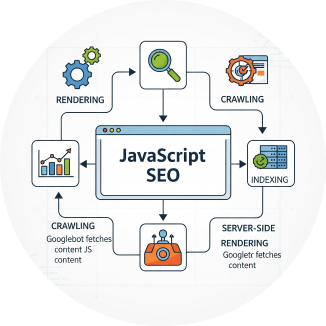
To grasp the full scope of AI SEO JavaScript SEO, one must first separate the three components. AI SEO refers to the use of artificial intelligence tools and algorithms to automate, analyze, and optimize search engine rankings. JavaScript SEO involves ensuring that websites built with JavaScript frameworks are crawlable, renderable, and indexable by search engine bots. When combined, these disciplines address how Google’s AI-powered systems, such as RankBrain and BERT, interact with dynamically rendered content.
Google’s crawler, Googlebot, uses an evergreen Chromium browser to render JavaScript. This means that modern search engines can execute JavaScript and index the resulting DOM. However, the process consumes significant crawl budget and resources. AI algorithms then evaluate the rendered content for relevance, user experience, and authority. The challenge lies in the fact that AI models prioritize content that loads quickly and provides immediate value, which often conflicts with the heavy client-side rendering patterns common in JavaScript applications.
The Evolution of Search Engine Crawling and Rendering
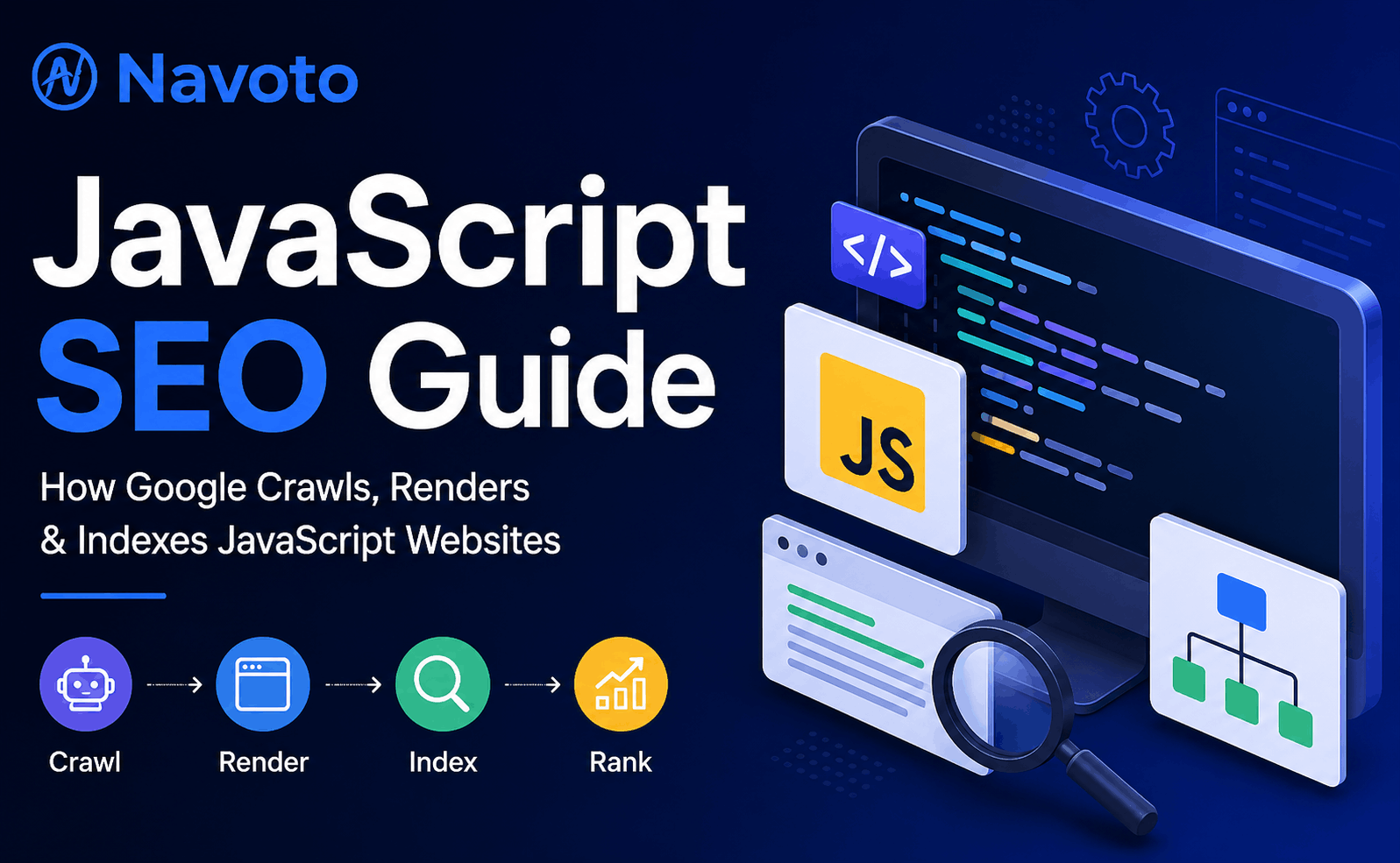
In the early days of SEO, crawlers only read raw HTML. JavaScript content was invisible to search engines. Google’s shift to rendering JavaScript began around 2015 with the introduction of the evergreen Googlebot. By 2019, Google announced that all pages would be rendered with a modern browser. This evolution made JavaScript SEO a mandatory discipline. Today, AI SEO JavaScript SEO focuses on optimizing the rendering process itself, ensuring that critical content appears in the initial HTML response or is efficiently hydrated by client-side scripts.
The rendering process involves two waves. The first wave fetches the raw HTML and discovers links. The second wave executes JavaScript and renders the full page. AI algorithms then assess the rendered page. If the second wave takes too long or fails, the page may be indexed with incomplete content. This is why server-side rendering (SSR) and static site generation (SSG) have become popular solutions for JavaScript frameworks.
Why AI SEO JavaScript SEO Matters for Modern Websites
The importance of AI SEO JavaScript SEO cannot be overstated for businesses relying on single-page applications (SPAs) or progressive web apps (PWAs). These technologies offer superior user experiences but historically suffered from poor search visibility. With AI-driven search algorithms, the stakes are higher. Google’s AI systems evaluate user engagement signals, such as dwell time and bounce rate, which are directly influenced by page load speed and interactivity. A JavaScript-heavy site that loads slowly will be penalized by AI ranking factors regardless of content quality.
Furthermore, AI-powered search features, such as Google’s featured snippets and AI Overviews, extract information from well-structured, crawlable content. If your JavaScript site fails to render properly, AI systems cannot extract data for these rich results. This means losing valuable real estate on search engine results pages (SERPs). The integration of AI SEO JavaScript SEO ensures that your content is not only visible but also eligible for advanced AI-driven search features.
Key Differences Between Traditional SEO and AI SEO JavaScript SEO
| Aspect | Traditional SEO | AI SEO JavaScript SEO |
|---|---|---|
| Content Delivery | Static HTML | Dynamic rendering, client-side hydration |
| Crawling Method | Direct HTML parsing | Headless browser rendering |
| Keyword Strategy | Exact match keywords | Semantic search intent, entity-based |
| Performance Metrics | Page speed basics | Core Web Vitals, LCP, CLS, INP |
| Content Indexing | Immediate after crawl | Delayed until JavaScript execution |
| AI Integration | Minimal | Machine learning ranking, natural language processing |
The table above illustrates the fundamental shifts. Traditional SEO focused on keyword density and meta tags. AI SEO JavaScript SEO requires a holistic approach that considers rendering paths, JavaScript bundle sizes, and how AI models interpret user intent. Search engines now use neural matching to understand synonyms and context, which means your JavaScript-rendered content must be semantically rich and logically structured.
Core Components of an AI SEO JavaScript SEO Strategy
Implementing a successful AI SEO JavaScript SEO strategy involves several interconnected components. Each element must be optimized to ensure that both AI algorithms and human users receive the best possible experience. The following sections break down the essential building blocks.
1. Server-Side Rendering (SSR) and Static Site Generation (SSG)
Server-side rendering is the process of generating the full HTML for a page on the server before sending it to the client. This ensures that search engine crawlers receive complete content in the initial response. Frameworks like Next.js and Nuxt.js offer built-in SSR capabilities. Static site generation takes this a step further by pre-rendering pages at build time, resulting in lightning-fast load times. For AI SEO JavaScript SEO, SSR and SSG are the gold standard because they eliminate the need for crawlers to execute JavaScript to see content.
However, SSR is not without trade-offs. It increases server load and can be complex to implement for highly dynamic applications. A hybrid approach, known as incremental static regeneration (ISR), allows you to update static pages without rebuilding the entire site. This balances performance with freshness, which is crucial for AI algorithms that favor recent, relevant content.
2. Dynamic Rendering as a Fallback
Dynamic rendering is a technique where the server detects crawler requests and serves a pre-rendered HTML version of the page, while regular users receive the standard JavaScript application. Google has stated that dynamic rendering is a workaround, not a long-term solution. However, it remains a viable option for legacy systems that cannot easily adopt SSR. When implementing dynamic rendering, ensure that the pre-rendered version is identical to the client-rendered version to avoid cloaking penalties.
AI algorithms are sophisticated enough to detect inconsistencies between the served content and the rendered content. If discrepancies exist, your site may be flagged for deceptive practices. Therefore, dynamic rendering should be used sparingly and only when SSR is technically impossible.
3. Optimizing JavaScript Bundles and Code Splitting
Large JavaScript bundles are the enemy of AI SEO JavaScript SEO. Every kilobyte of JavaScript increases parsing time and delays rendering. Code splitting allows you to break your JavaScript into smaller chunks that load only when needed. This reduces the initial load time and improves Core Web Vitals scores, which are direct ranking factors. Use tools like Webpack or Vite to implement code splitting and lazy loading for non-critical components.
Additionally, consider using the defer or async attributes for script tags to prevent render-blocking. AI algorithms measure the time to first byte (TTFB) and largest contentful paint (LCP). A well-optimized JavaScript site should aim for an LCP under 2.5 seconds. This requires minimizing main-thread work and eliminating long tasks that block rendering.
4. Structured Data and Semantic HTML
Structured data, implemented via JSON-LD, helps AI systems understand the context of your content. For JavaScript-heavy sites, inject structured data directly into the initial HTML response rather than relying on client-side injection. This ensures that AI crawlers can parse the data without executing JavaScript. Use schema.org vocabulary to mark up articles, products, FAQs, and breadcrumbs. This enhances your chances of appearing in rich snippets and AI-generated answers.
Semantic HTML5 elements, such as article, section, and nav, provide additional context to AI algorithms. Avoid using excessive div tags and ensure that your heading hierarchy is logical. AI models use heading structure to determine the main topics and subtopics of a page. A clear hierarchy improves topical authority and keyword relevance.
Practical Applications of AI in JavaScript SEO
Artificial intelligence is not just a ranking factor; it is also a powerful tool for optimizing JavaScript-heavy websites. AI-powered SEO platforms can analyze rendering behavior, identify crawl anomalies, and suggest improvements. These tools use machine learning to predict which pages are most likely to rank and which technical issues are causing performance degradation.
AI-Powered Crawl Budget Optimization
Crawl budget refers to the number of pages Googlebot will crawl on your site within a given timeframe. JavaScript-heavy sites often waste crawl budget on low-value pages or encounter infinite scroll issues. AI tools can analyze server logs to identify crawl patterns and recommend adjustments to your robots.txt file or internal linking structure. By prioritizing high-value pages, you ensure that AI algorithms index your most important content first.
For example, an e-commerce site built with React might have thousands of product pages. AI analytics can identify which product categories generate the most organic traffic and suggest increasing crawl frequency for those pages. This data-driven approach maximizes the efficiency of your crawl budget and improves overall indexation rates.
Automated Content Optimization with AI
AI writing assistants and content optimization tools can analyze your JavaScript-rendered content and suggest semantic keyword additions. These tools use natural language processing to understand the context of your page and compare it to top-ranking competitors. By integrating AI-generated suggestions, you can enhance the topical depth of your content without keyword stuffing.
However, AI-generated content must be reviewed by human editors. Google’s spam policies penalize mass-produced, unhelpful content. The best approach is to use AI for data analysis and outline generation, then have experienced writers craft the final copy. This combines the efficiency of AI with the nuance of human expertise, aligning with E-E-A-T principles.
Common Mistakes in AI SEO JavaScript SEO and How to Avoid Them
Many website owners make critical errors when optimizing JavaScript sites for AI-driven search. Recognizing these mistakes is the first step toward rectifying them. The following list highlights the most frequent pitfalls and provides actionable solutions.
- Ignoring the No-JavaScript Experience: Some users and crawlers may have JavaScript disabled. Always provide a
- Overusing Client-Side Rendering: Relying entirely on client-side rendering for content that is crucial for SEO is a major mistake. Move critical content to the server or pre-render it. Use client-side rendering only for interactive elements that do not affect indexation.
- Neglecting Mobile Performance: Google uses mobile-first indexing, meaning the mobile version of your site is the primary version for ranking. Ensure that your JavaScript performs well on low-end mobile devices. Use responsive design and test with throttled network conditions.
- Blocking CSS and JavaScript in robots.txt: Blocking these resources prevents Googlebot from rendering your page correctly. Allow access to all CSS and JavaScript files unless absolutely necessary to block them for security reasons.
- Failing to Monitor Rendering in Search Console: Google Search Console provides a URL Inspection tool that shows how Googlebot renders your page. Regularly check this tool to identify rendering errors and fix them promptly.
- Using Hash-Based Routing: URLs with hash fragments (#) are not treated as separate pages by search engines. Use the History API for client-side routing to ensure each route has a unique, crawlable URL.
Avoiding these mistakes requires a proactive approach to testing and monitoring. Implement a continuous integration pipeline that includes automated rendering checks. Use tools like Puppeteer or Playwright to simulate Googlebot’s rendering behavior and catch issues before they impact rankings.
Measuring the Success of Your AI SEO JavaScript SEO Efforts
Tracking the effectiveness of your optimization strategy is essential for continuous improvement. Key performance indicators (KPIs) should include both technical metrics and business outcomes. The following table outlines the most important metrics to monitor.
| Metric | Tool | Target Value |
|---|---|---|
| Largest Contentful Paint (LCP) | Google PageSpeed Insights | Under 2.5 seconds |
| First Input Delay (FID) / Interaction to Next Paint (INP) | Chrome User Experience Report | Under 200 milliseconds |
| Cumulative Layout Shift (CLS) | Google Search Console | Under 0.1 |
| Indexed Pages | Google Search Console | Increase over time |
| Organic Traffic | Google Analytics | Consistent growth |
| Rendering Errors | Google Search Console URL Inspection | Zero errors |
Beyond these technical metrics, monitor your keyword rankings for target terms. AI SEO JavaScript SEO should result in improved visibility for both head terms and long-tail queries. Use rank tracking tools to correlate technical changes with ranking fluctuations. Additionally, analyze user engagement metrics, such as average session duration and pages per session, to ensure that the enhanced technical performance translates into a better user experience.
Important Notes for Long-Term Success
The landscape of AI SEO JavaScript SEO is constantly evolving. Search engines update their algorithms frequently, and new JavaScript frameworks emerge regularly. Staying ahead requires a commitment to continuous learning and adaptation. Subscribe to official Google Search Central blogs and follow industry experts who specialize in technical SEO and JavaScript frameworks.
Another critical note is the importance of collaboration between developers and SEO specialists. JavaScript SEO cannot be implemented in isolation. Developers must understand the SEO implications of their code choices, and SEO specialists must have a working knowledge of JavaScript frameworks. Foster a culture of cross-functional communication to ensure that SEO requirements are considered during the development process, not as an afterthought.
Finally, prioritize user experience above all else. AI algorithms are designed to mimic human behavior. If your site is fast, accessible, and provides valuable content, it will naturally rank well. AI SEO JavaScript SEO is not about tricking search engines but about creating a technically sound foundation that allows your content to shine.
Frequently Asked Questions (FAQ)
What is the difference between client-side rendering and server-side rendering for SEO?
Client-side rendering (CSR) loads a minimal HTML page and uses JavaScript to generate content in the browser. Server-side rendering (SSR) generates the full HTML on the server and sends it to the client. For SEO, SSR is preferred because search engine crawlers receive complete content without needing to execute JavaScript. CSR can lead to delayed indexing and incomplete content if crawlers fail to render the page properly.
Does Google execute JavaScript when crawling websites?
Yes, Googlebot uses an evergreen Chromium browser to render JavaScript. This process happens in two waves. The first wave fetches raw HTML and discovers links. The second wave executes JavaScript and renders the full page. However, rendering is resource-intensive, so Google may delay or skip rendering for pages with heavy JavaScript or poor performance signals.
How does AI impact JavaScript SEO?
AI impacts JavaScript SEO through ranking algorithms that evaluate rendered content, user engagement signals, and semantic relevance. AI systems like RankBrain and BERT understand natural language and context. For JavaScript sites, this means that content must be fully rendered and semantically structured for AI to interpret it correctly. AI also powers tools that help analyze crawl behavior and optimize technical SEO.
What are Core Web Vitals and why are they important for JavaScript sites?
Core Web Vitals are a set of performance metrics that measure user experience, including loading speed (LCP), interactivity (INP), and visual stability (CLS). They are important for JavaScript sites because heavy client-side rendering often negatively impacts these metrics. Google uses Core Web Vitals as ranking signals, so optimizing JavaScript to improve these scores is essential for SEO success.
Is dynamic rendering considered a black-hat SEO technique?
Dynamic rendering is not inherently black-hat, but it can be misused. It involves serving different content to crawlers and users. Google has stated that dynamic rendering is a workaround for JavaScript issues, not a long-term solution. If the pre-rendered content differs significantly from the user-facing content, it may be considered cloaking, which violates Google’s guidelines. Use dynamic rendering only as a temporary fallback while migrating to SSR or SSG.
How can I check if my JavaScript site is being indexed correctly?
Use Google Search Console’s URL Inspection tool. Enter a URL and click “Test Live URL” to see how Googlebot renders the page. The tool shows the rendered HTML and any errors encountered during rendering. Additionally, use the “View Crawled Page” feature to see exactly what content Googlebot sees. Regularly audit your key pages to ensure they are indexed with complete content.
Conclusion
AI SEO JavaScript SEO represents the convergence of three complex disciplines, and mastering it is essential for any website that relies on modern JavaScript frameworks. The key takeaway is that search engines have evolved to understand JavaScript, but they do so with constraints. By implementing server-side rendering, optimizing JavaScript bundles, and leveraging AI tools for analysis, you can ensure that your content is fully accessible to both AI algorithms and human users.
The future of search is undeniably AI-driven, and JavaScript will continue to dominate web development. The strategies outlined in this guide provide a roadmap for navigating this landscape. Focus on technical excellence, prioritize user experience, and remain adaptable to algorithm updates. With a systematic approach to AI SEO JavaScript SEO, your website can achieve sustainable visibility and outperform competitors who neglect these critical technical foundations.
Xem thêm:
- AI Localization: Unlocking Global Markets with Intelligent Language Adaptation
- AI SEO Automation: The Complete Guide to Ranking Smarter, Not Harder
- AI SEO DNS Optimization: The Complete Guide to Boosting Search Rankings in 2025
- AI SEO Keyword Insights: The Complete Guide to Data-Driven Search Optimization
- AI SEO Sales Funnel: The Complete Guide to Automating Leads and Revenue in 2025
Bài viết cùng chủ đề:

AI SEO SEO Automation with Make: The Complete Workflow Guide

AI SEO SEO Automation with Zapier: The Complete Workflow Guide

AI SEO SEO Automation with n8n: The Complete Workflow Guide
AI SEO SEO Automation with Gemini: The Complete Guide to Scaling Organic Growth

AI SEO SEO Automation with Claude: The Complete Guide to Scaling Content in 2025

AI SEO SEO Automation with ChatGPT: The Complete Playbook for 2025

AI SEO & SEO Automation for Affiliate Sites: The 2025 Playbook for Passive Income Growth
AI SEO & SEO Automation for Bloggers: The Complete Guide to Scaling Your Content

AI SEO & SEO Automation for Agencies: The Complete 2025 Playbook

AI SEO and SEO Automation for Ecommerce: The Complete Playbook for 2025

AI SEO & SEO Automation for WordPress: The Complete Playbook for 2025
AI SEO SEO Automation Strategy: The Complete Playbook for 2025

Mastering the AI SEO SEO Automation Process: A Complete Guide to Scaling Organic Growth
AI SEO SEO Automation System: The Complete Guide to Scaling Organic Growth in 2025
AI SEO SEO Automation Platform: The Complete Guide to Scaling Organic Growth in 2025
AI SEO SEO Automation Software: The Complete Guide to Scaling Organic Growth in 2025















