
No products in the cart.
AI SEO Articles: How to Rank With Intelligent Content Creation
29
Jul
Jul
The way search engines evaluate content has changed forever, and so has the game of writing. AI SEO articles are no longer a futuristic concept — they are a daily reality for teams that want to publish fast, scale intelligently, and keep up with the relentless demand for fresh, relevant pages. When built with the right strategy, an AI SEO article can land in Google’s top results, pull in qualified traffic, and support a content ecosystem that feels genuinely helpful. The real question is not whether AI can write; it is how to fuse machine efficiency with the human signals that Google rewards.
Understanding AI SEO Articles: What They Really Are
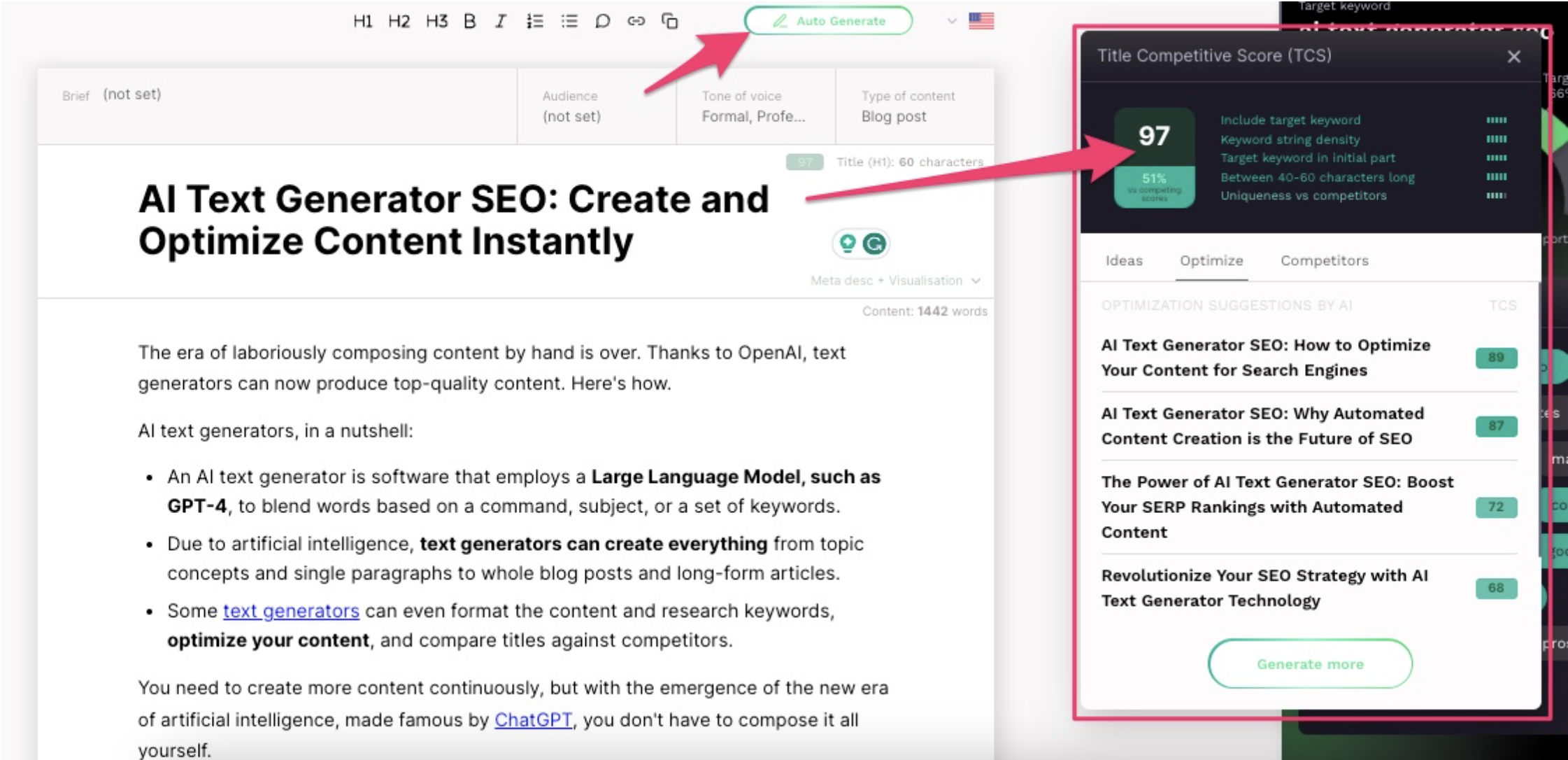
An AI SEO article is a text written or substantially assisted by artificial intelligence with the explicit goal of ranking in search engines. The process typically involves natural language generation models trained on massive web corpora, combined with SEO-specific instructions — target keywords, search intent, content structure, internal linking rules, and on-page formatting. These articles are not random text dumps. The output is shaped by prompts that define tone, expertise level, word count, and semantic coverage.
Modern platforms can produce a 2,000-word article in under two minutes, complete with headings, meta descriptions, and schema-ready markup. Yet the term “AI SEO article” covers a wide spectrum: from lightly edited drafts to fully autonomous publishing pipelines that connect keyword research tools, content briefs, and CMS integration. The common thread is a data-informed, machine-executed drafting process that dramatically reduces the time from topic idea to published page.
Under the hood, these systems rely on large language models that predict the next most probable word based on patterns learned from billions of pages. When prompted with an SEO brief — primary keyword, secondary terms, angle, and audience — the model assembles paragraphs that mirror high-ranking content structures. The result is a coherent first draft that can be refined, fact-checked, and infused with unique insights.
How the Engine Behind AI SEO Articles Works
From Crawled Data to Readable Paragraphs
AI writing tools are not search engine crawlers, but they are trained on publicly available text that includes indexed web pages. Through attention mechanisms and transformer architectures, the model learns relationships between words, concepts, and writing styles. When crafting an AI SEO article, the model does not look up live Google rankings; it generates text based on probabilistic associations that often mimic the phrasing and structure of topically authoritative content.
The magic happens during prompting. A well-crafted prompt instructs the AI to organize information under logical H2 headings, maintain a certain reading level, avoid fluff, and prioritize user intent. Advanced SEO teams feed the model with a content outline, target keyword list, reference URLs, and formatting rules. The AI then produces a draft that already includes the primary keyword in the introduction, naturally distributes LSI keywords, and supports a coherent topical map.
The Role of Semantic Search and Entities
Google no longer relies on exact-match keywords. It understands entities, relationships, and user journey stages. An effective AI SEO article mirrors this by covering related concepts that reinforce topical authority. For instance, an article about “AI SEO articles” should naturally touch upon content optimization, E-E-A-T signals, structured data, and content velocity. AI models, when given the right context, can weave these entities into the narrative, helping the page rank for a cluster of associated queries rather than a single string.
Semantic richness is not an accident. It stems from including subtopics that top-performing competitors discuss. AI can analyze those patterns and incorporate them, ensuring the final piece answers questions users are likely to ask next. This depth signals to search engines that the page is comprehensive, increasing dwell time and reducing the need for additional clicks.
Why AI SEO Articles Are Reshaping Content Marketing
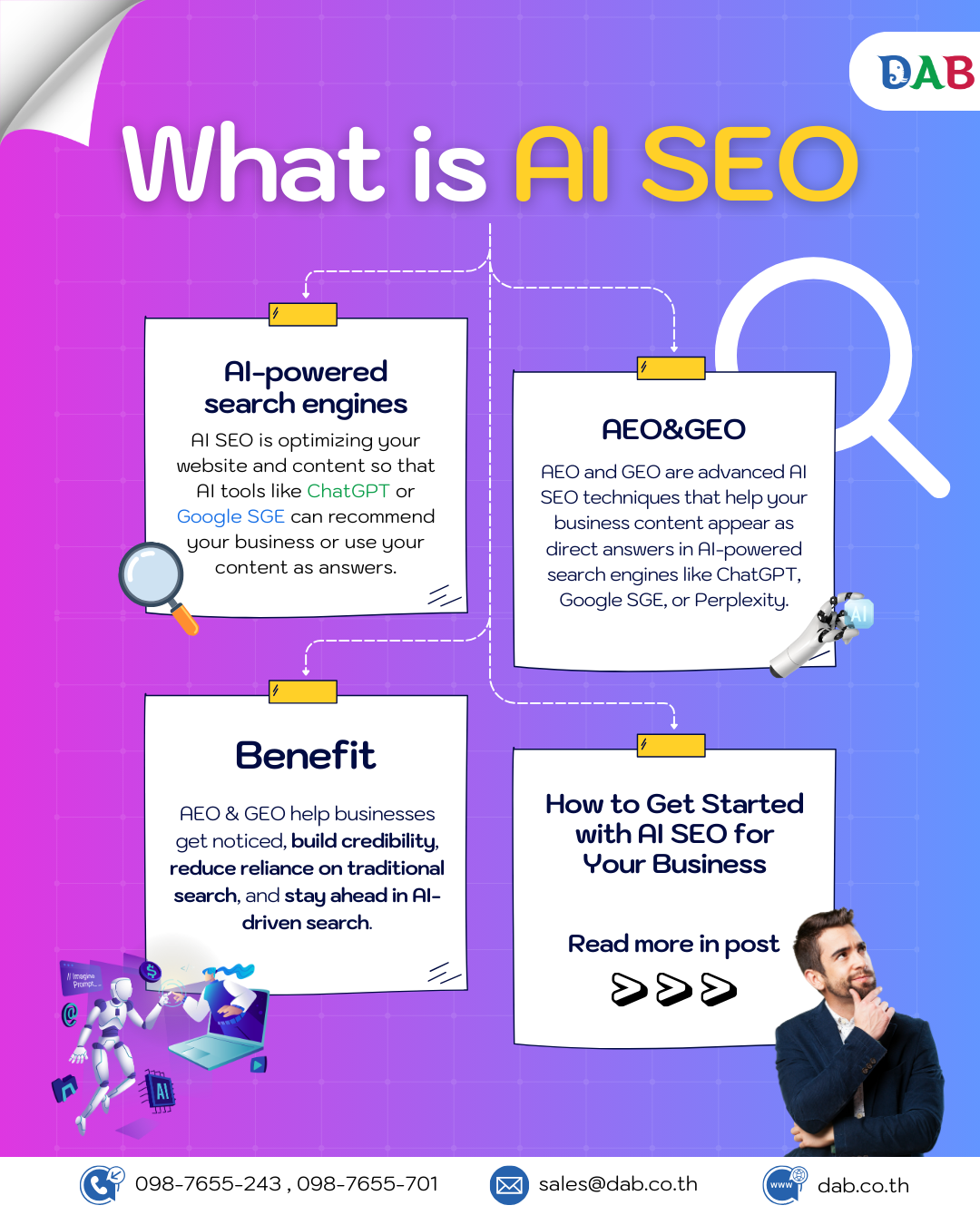
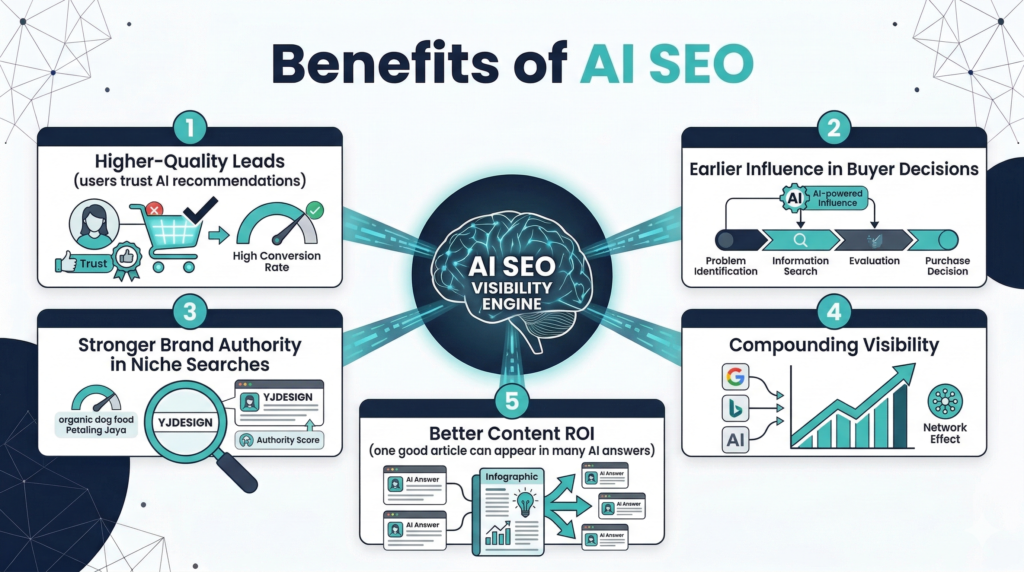
The primary driver is content velocity — the ability to publish high-quality pages at a pace that manual writing simply cannot match. An enterprise site may need to launch hundreds of location pages, product comparisons, or glossary entries in a quarter. AI SEO articles make this output feasible without doubling the writing team. Equally important, they enable rapid response to trending topics, algorithm shifts, and seasonal searches.
Cost efficiency also plays a massive role. Traditional custom content can cost $150–$500 per long-form article, whereas AI-assisted production can bring that down by 60–80% when factoring in editing time. For startups and lean marketing departments, this unlocks content strategies that were previously out of reach.
Moreover, AI SEO articles allow for hyper-personalization at scale. Using dynamic content blocks and user intent signals, a single template can populate variations for different regions, personas, or stages in the funnel. This technical flexibility, paired with SEO-friendly markup, turns static blog posts into dynamic conversion engines.
The Strategic Framework for High-Performing AI SEO Articles
Phase One: Intent-Driven Topic Selection
No amount of AI wizardry can save an article targeting the wrong intent. The first step is clustering queries by intent — informational, commercial, transactional, or navigational — and mapping them to content types. An AI SEO article targeting “best AI writing tools for SEO” requires a comparative format with feature tables, pricing, and use cases. A query like “can AI articles rank on Google” needs an explainer with data and case studies. The AI model will then structure the draft accordingly, but the strategic decision must come from an SEO specialist.
Keyword research tools feed this phase. Secondary keywords, People Also Ask questions, and autocomplete suggestions shape the semantic envelope. Creating a content brief that lists mandatory headings, entities to include, and the target word count per section sets the AI up for success.
Phase Two: Prompt Engineering That Produces Quality
Prompt engineering is the single most underrated skill in AI SEO article creation. A vague prompt yields generic fluff. A precise prompt that specifies tone of voice (“conversational yet authoritative, avoiding jargon”), audience (“marketing managers at mid-size SaaS companies”), and structural elements (“each H3 under 150 words, include a relevant statistic or example”) drastically improves output. The best prompts also include negative instructions — for example, “do not use phrases like ‘in today’s digital age’ or ‘unlock your potential’.”
Many professionals build prompt libraries with reusable templates that evolve as models improve. These libraries often chain prompts: one for the outline, another for body paragraphs, and a third for the introduction. This modular approach keeps the AI focused and reduces hallucinations.
Phase Three: The Human-in-the-Loop Editing Process
Raw AI-generated text is rarely publish-ready. The editing phase verifies factual accuracy, injects original data, and smooths out robotic phrasing. Editors check for contradictory statements, outdated references, and compliance with your brand’s style guide. This is also where unique insights — internal data, expert quotes, original screenshots — are added, which is critical for E-E-A-T signals.
During editing, SEO elements receive a fine-tuning pass. Header tags are checked for logical hierarchy. Meta titles and descriptions are tweaked for click-through rate. Internal links are inserted with contextually rich anchor text. Image alt text is aligned with target keywords. Page speed and mobile usability remain unaffected by the article itself, but the editorial process ensures that any embedded media or structured data is correctly implemented.
Comparing AI SEO Articles to Human-Written Content
| Aspect | AI SEO Articles | Human-Written Content |
|---|---|---|
| Production Speed | 1–5 minutes for a full draft | 4–10 hours per article |
| Scalability | Publish 50+ articles per week possible | Limited by team capacity |
| Cost Efficiency | Low per-article cost, high setup | Higher direct cost per piece |
| Creative Depth | Needs human storytelling and nuance | Natural strength |
| Factual Precision | Prone to hallucination if not verified | Depends on writer’s research rigor |
| SEO Optimization | Excellent keyword distribution, schema-friendly | Variable; requires training and checklists |
Neither column wins outright. The smartest content programs use AI for the heavy lifting of research synthesis and first-draft assembly, then have human editors add proprietary knowledge and brand voice. This hybrid model routinely outperforms purely automated or purely manual workflows.
Benefits and Limitations Nobody Talks About
Advantages Beyond Speed
- Consistent On-Page SEO: AI never forgets a heading structure or keyword placement rule. This consistency lifts the baseline SEO score across hundreds of pages, reducing manual audits.
- Language and Localization Scalability: One brief can generate articles in 20+ languages with proper hreflang setup, making global SEO campaigns feasible for lean teams.
- Data-Driven Content Gaps: AI tools can compare your site against competitors and propose AI SEO articles that fill topical gaps, directly supporting content silos.
- Algorithm Readiness: Models trained on search-friendly patterns naturally produce content that aligns with readability scores, passive voice thresholds, and entity density that Google’s crawlers favor.
- Hallucination Risk: AI invents statistics, quotes, and product features. Every claim needs fact-checking against primary sources before publication.
- Semantic Shallowness: Without nuanced prompts, the AI may repeat the same points using different words, creating long but thin content.
- E-E-A-T Vulnerability: Google places high value on first-hand experience and demonstrated expertise. AI cannot offer personal case studies or industry-specific anecdotes, so the editing step must inject those signals.
- Potential Duplicate Structures: If you generate 100 articles using similar prompts, the structural patterns may become repetitive, which can affect user engagement signals over time.
Critical Limitations You Must Work Around
Common Mistakes When Creating AI SEO Articles
Many teams sabotage their own efforts by treating AI as a complete replacement for SEO strategy. The errors are predictable and avoidable.
1. Blindly Trusting the Output
Publishing an article without human review invites factual inaccuracies and brand reputation damage. Even advanced models will confidently deliver wrong information. An editor must verify every statistic, product claim, and speculative statement. Building a verification checklist that includes source cross-checking and timestamp checks is non-negotiable.
2. Ignoring Search Intent Nuance
Feeding a single keyword into an AI writer without intent analysis often produces a mismatch. An e-commerce query like “buy running shoes” demands product listings, not a 2,000-word guide. Misaligned intent leads to high bounce rates and poor rankings. The solution is a thorough intent mapping phase before any AI drafting begins.
3. Keyword Stuffing Through Prompt Over-Instruction
When the prompt demands a specific keyword density, the AI may insert the phrase unnaturally, damaging readability. Modern Google algorithms penalize over-optimization. Instead, provide a list of related terms and instruct the AI to weave them in where contextually appropriate, without forced repetition.
4. Neglecting Internal Linking and Content Architecture
Even perfect AI SEO articles suffer if they are orphan pages. Building a topical cluster requires strategic internal links. AI drafts should be reviewed to ensure they link to pillar pages and supporting content using varied, descriptive anchor text. Automating a rule like “include two internal links to relevant blog posts” in the prompt helps, but human curation ensures relevance.
5. Forgetting to Refresh Old Content
AI is not just for new pages. Historical optimization — refreshing existing articles with updated data, keywords, and structure — often yields the fastest ranking improvements. Use AI to rewrite outdated sections, expand thin content, and republish with a new timestamp. This tactic preserves existing backlink equity while signaling freshness to crawlers.
Practical Guide: Building an AI SEO Article Workflow Step by Step
Step 1: Set Up Your SEO Intelligence Layer
Connect a keyword research tool (like Ahrefs, Semrush, or a Google Data Studio custom report) to identify content opportunities. Export a list of target queries with monthly search volume, keyword difficulty, and current top-ranking URLs. Prioritize those where you can realistically compete and where the AI can produce a superior resource — longer, better structured, or more up-to-date.
Step 2: Craft a Detailed Content Brief
A content brief turns raw keywords into a strategic map. Include the primary keyword (“AI SEO articles”), secondary entities (e.g., “AI content generator for SEO”, “AI-powered content strategy”, “Google’s helpful content update”), suggested H2s, questions to answer, the target audience persona, and any forbidden language. The brief should also specify the call to action and user journey next step. This document becomes the prompt’s backbone.
Step 3: Engineer the Initial Prompts
Using the brief, create a series of prompts if needed. Start with an outline prompt: “Generate a detailed outline for an article titled ‘AI SEO Articles: [subtitle].’ Include H2 sections covering definition, benefits, risks, workflow, comparison, and FAQ. For each H2, list 2–3 bullet points of what to cover.” Then use the approved outline to generate the body. This two-step approach reduces rambling and keeps the AI on track.
Step 4: Generate and Curate the Draft
Run the prompts through a capable AI writing tool. Review the output immediately for structure, tone, and logical flow. If sections feel repetitive, tweak the prompt with a directive like “use a different angle for each H2 and avoid restating earlier points.” Save the raw draft, then move to human editing.
Step 5: The Human Optimization Layer
This is where the article truly becomes an asset. Fact-check figures, add proprietary data (e.g., internal survey results, client case study stats), insert quotes from in-house experts or external thought leaders, and embed original visuals — charts, annotated screenshots, custom diagrams. Optimize the meta title and description for click-through, ensuring the primary keyword appears early. Apply structured data (Article, FAQ, HowTo) using JSON-LD, making the page eligible for rich results. Test the page’s mobile rendering and Core Web Vitals before publishing.
Step 6: Publish, Monitor, and Iterate
After going live, track rankings, organic clicks, and engagement metrics. If the page underperforms, analyze whether the content matches the updated intent, whether competitors have overtaken with fresher information, or whether user signals suggest a gap. Use AI to suggest improvements based on the current top-10 pages’ coverage, then update the article.
Measuring the True ROI of AI SEO Articles
Success metrics go beyond page views. Track time to first ranking, organic conversion rate, and the cost per published piece compared to fully human production. For e-commerce sites, measure product page traffic driven by AI-written category and comparison articles. For SaaS, measure free trial sign-ups from AI-generated use case pages. Build a dashboard that correlates AI SEO article publication dates with traffic lifts, filtering out seasonal noise.
A critical metric is content freshness score — the percentage of articles updated within the last 12 months. AI makes this refresh process scalable, so sites that adopt AI SEO articles often see improved rankings simply because they can maintain a large, current library without burning out human writers.
E-E-A-T and the Human Trust Factor
Google’s Quality Rater Guidelines emphasize Experience, Expertise, Authoritativeness, and Trust. AI SEO articles can demonstrate expertise by synthesizing well-cited information and structuring it logically. Trust comes from transparent authorship — always attribute articles to a real person or team, provide author bios, and link to social proof. Experience is the hardest for AI to mimic, which is why case studies, original research, and genuine user stories must be added by the human editor.
Sites that publish only raw AI text and hide behind a vague “Team” author often see scrutiny from both users and algorithms. The winning formula is displaying a real byline, perhaps with a note like “content drafted with AI assistance and reviewed by [Expert Name],” which builds transparency without sacrificing efficiency.
Important Considerations Before Scaling AI SEO Articles
Algorithm updates like Google’s Helpful Content Update target unoriginal, low-value content at scale. Heavily AI-generated domains that lack human oversight have been penalized. The safe path is to treat AI as an accelerator, not a replacement. Quality thresholds must be enforced: unique angles, up-to-date examples, and genuine utility. Also, consider indexing strategy — if you generate thousands of AI SEO articles quickly, pace your publication cadence to mimic organic growth, and use sitemap prioritization to signal your most valuable pages.
Another nuance is brand voice consistency. Without a robust editing phase, AI tone may drift, confusing loyal readers. Create a style guide saved as a system prompt that locks in terminology, forbidden phrases, and formatting. Regularly audit your published AI SEO articles for drift and adjust your prompts accordingly.
FAQ: Common Questions About AI SEO Articles
Can AI SEO articles actually rank on the first page of Google?
Yes, many pages written with AI assistance rank on page one. The common factor in successful cases is rigorous human editing that adds original data, expert quotes, and a compelling user experience. AI handles the heavy lifting; humans supply the trust signals and uniqueness that Google values.
How much editing does a typical AI SEO article need?
It varies by niche and model quality, but expect at least 30–45 minutes of editing for a 2,000-word article. This includes fact-checking, injection of proprietary insights, fine-tuning SEO elements, and adding internal links. High-stakes YMYL (Your Money or Your Life) topics require more thorough review.
Which AI tool is best for creating SEO articles?
T Options range from general models like GPT-4 used via API or custom interfaces, to purpose-built SEO writing platforms such as Jasper, Surfer AI, or Frase. The ideal choice depends on your workflow integration, budget, and the level of prompt control you need. Many teams combine a research tool for content briefs with an AI writer and a separate grammar checker.
Will Google penalize my site for using AI SEO articles?
Google does not penalize content simply because it is AI-generated. Penalization occurs when content is low-quality, deceptive, or created primarily to manipulate rankings without providing genuine value. High-quality AI SEO articles that demonstrate E-E-A-T and serve user intent are safe and can perform well.
Should I disclose that an article was written by AI?
Transparency builds trust. A brief note like “drafted with AI and reviewed by our editorial team” can be beneficial, especially for sites that want to signal editorial integrity. However, it is not an SEO requirement. The priority is that the final content accurately reflects human-reviewed expertise.
Conclusion
AI SEO articles represent a fundamental shift in content production, not a shortcut to bypass quality. The technology excels at structuring well-researched information, eliminating writer’s block, and scaling topical coverage. But the rankings and revenue still depend on human judgment — the ability to discern user intent, inject original experience, and uphold a standard that algorithms increasingly demand. When that balance is struck, AI SEO articles become powerful assets that drive sustainable organic growth without sacrificing brand integrity.
Xem thêm:
- AI SEO Content Formatting: The Complete Guide to Higher Rankings in 2025
- AI SEO Machine Learning: The Complete Guide to Smarter Search Rankings
- AI SEO MCP: The Complete Guide to Model Context Protocol for Search Optimization
- AI SEO Data Visualization: Turning Complex Rankings into Actionable Insights
- AI SEO Copywriting in 2025: The Ultimate Guide to Data-Driven Content That Ranks
Bài viết cùng chủ đề:

AI SEO SEO Automation with Make: The Complete Workflow Guide

AI SEO SEO Automation with Zapier: The Complete Workflow Guide

AI SEO SEO Automation with n8n: The Complete Workflow Guide
AI SEO SEO Automation with Gemini: The Complete Guide to Scaling Organic Growth

AI SEO SEO Automation with Claude: The Complete Guide to Scaling Content in 2025

AI SEO SEO Automation with ChatGPT: The Complete Playbook for 2025

AI SEO & SEO Automation for Affiliate Sites: The 2025 Playbook for Passive Income Growth
AI SEO & SEO Automation for Bloggers: The Complete Guide to Scaling Your Content

AI SEO & SEO Automation for Agencies: The Complete 2025 Playbook

AI SEO and SEO Automation for Ecommerce: The Complete Playbook for 2025

AI SEO & SEO Automation for WordPress: The Complete Playbook for 2025
AI SEO SEO Automation Strategy: The Complete Playbook for 2025

Mastering the AI SEO SEO Automation Process: A Complete Guide to Scaling Organic Growth
AI SEO SEO Automation System: The Complete Guide to Scaling Organic Growth in 2025
AI SEO SEO Automation Platform: The Complete Guide to Scaling Organic Growth in 2025
AI SEO SEO Automation Software: The Complete Guide to Scaling Organic Growth in 2025















