
No products in the cart.
AI SEO MCP: The Complete Guide to Model Context Protocol for Search Optimization
31
Jul
Jul
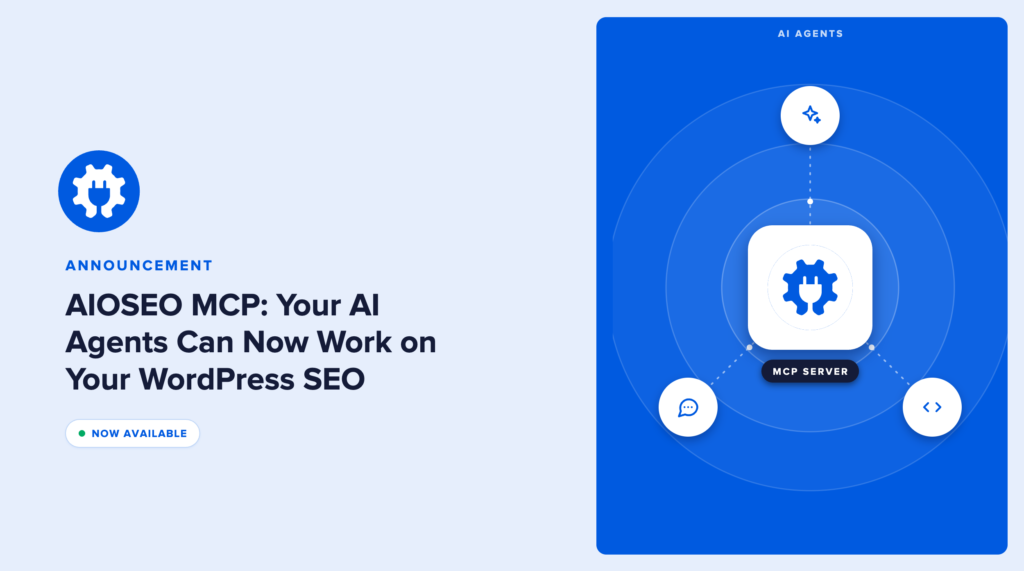
The digital marketing landscape is shifting at an unprecedented pace, and the emergence of AI SEO MCP represents one of the most significant technical developments in recent years. MCP, or Model Context Protocol, is an open standard designed to connect artificial intelligence models with external data sources and tools. When applied to search engine optimization, this protocol creates a bridge between AI-powered assistants and the vast ecosystem of SEO platforms, analytics tools, and content management systems. This guide explores how AI SEO MCP is transforming workflows, enabling real-time data access, and reshaping how professionals approach organic search growth.
What is AI SEO MCP?
AI SEO MCP refers to the integration of the Model Context Protocol with search engine optimization processes. The Model Context Protocol, originally developed by Anthropic, is an open-source standard that allows AI models to access external tools, databases, and APIs in a structured, secure manner. In the context of SEO, this means that AI systems can now directly query Google Search Console, pull data from Semrush or Ahrefs, analyze server logs, and even manage content updates without requiring manual data export or complex custom integrations.
Before MCP, SEO professionals had to rely on fragmented workflows. They would export CSV files from analytics platforms, manually input data into AI chatbots, and then copy the generated recommendations back into their CMS. This process was time-consuming, error-prone, and often resulted in stale data. AI SEO MCP eliminates these bottlenecks by creating a persistent, real-time connection between the AI model and the SEO toolset. The protocol defines how the AI requests data, how the tool responds, and how the results are formatted, ensuring consistency and reliability across different platforms.
How Does the Model Context Protocol Work for SEO?
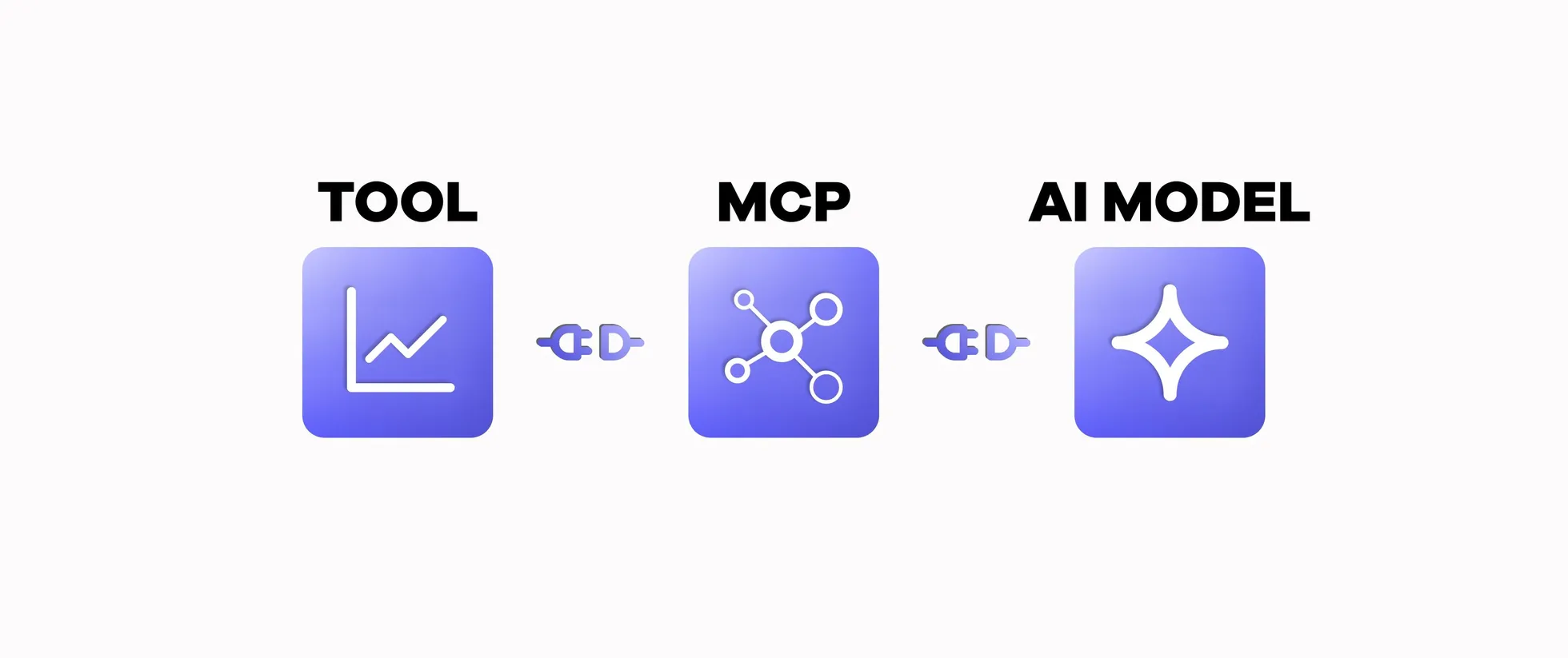
To understand AI SEO MCP, it is essential to grasp the underlying architecture. The protocol operates on a client-server model. The AI model, such as Claude or GPT, acts as the host or client. The SEO tools, like Google Search Console, Screaming Frog, or a custom analytics dashboard, act as servers that expose their data through MCP-compliant endpoints. When a user asks the AI to analyze keyword rankings, the AI sends a structured request to the MCP server, which retrieves the relevant data and returns it in a standardized JSON format.
This architecture supports three primary interaction types: resources, tools, and prompts. Resources are data objects that the AI can read, such as a list of indexed pages or backlink profiles. Tools are executable functions, like triggering a site crawl or fetching real-time SERP data. Prompts are reusable templates that guide the AI on how to perform specific SEO tasks, such as generating a meta description or conducting a competitor gap analysis. Together, these components enable a level of automation and intelligence that was previously impossible.
Key Components of an AI SEO MCP Setup
- MCP Host: The AI application or interface where the user interacts, such as Claude Desktop or a custom GPT wrapper.
- MCP Client: The connector within the host that manages the communication protocol and authentication.
- MCP Server: A lightweight program that exposes specific SEO data or functions from a particular tool.
- Local Data Sources: Files, databases, or spreadsheets that the server can access, such as a sitemap or log file.
- Remote APIs: Cloud-based services like Google Analytics or Moz that the server queries via their official APIs.
- Install the MCP SDK: Begin by installing the official MCP Python SDK using pip. This library provides the necessary classes and functions to create a server.
- Choose a Data Source: Select the SEO tool you want to connect. For this example, use Google Search Console. You will need to create a service account in Google Cloud and enable the Search Console API.
- Write the Server Code: Create a Python script that defines the MCP server. The script should include functions that fetch data from the Search Console API, such as get_search_performance or get_indexed_pages.
- Register Tools: Within the server code, register these functions as MCP tools. Each tool should have a clear name, a description, and a defined input schema.
- Run the Server: Execute the Python script to start the server. It will listen on a local port for incoming requests from the AI host.
- Configure the AI Host: In your AI host application, add a new MCP server connection. Point it to the local URL where your server is running.
- Test the Connection: Ask the AI a simple question, such as “What were my top 10 pages by clicks last week?” If the setup is correct, the A
The beauty of this system lies in its modularity. An SEO agency can run multiple MCP servers simultaneously, each connected to a different tool. For instance, one server might handle Search Console data, another might manage content from WordPress, and a third could pull competitive intelligence from Similarweb. The AI host can then aggregate insights from all these sources in a single conversation, providing a holistic view of a website’s performance.
The Evolution of SEO Automation: From Manual to MCP
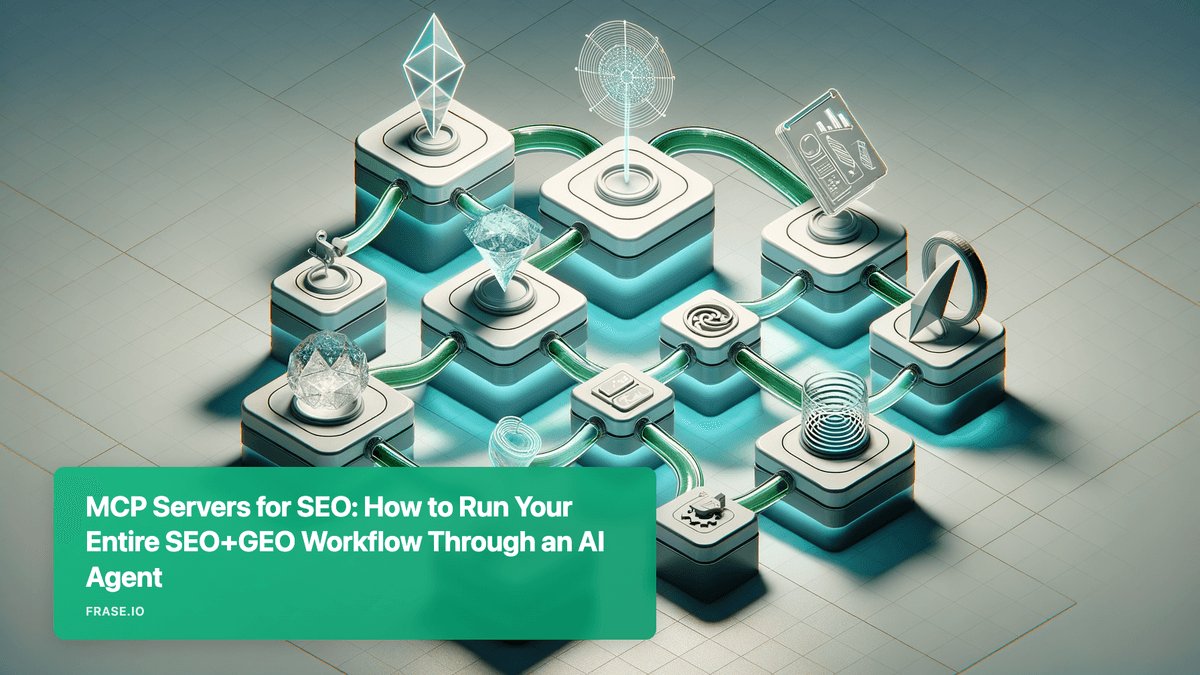
The journey toward AI SEO MCP has been gradual but transformative. In the early 2010s, SEO automation meant using scripts to check rankings or scrape search results. These methods were fragile and often violated search engine terms of service. The next phase brought API-based integrations, where tools like Ahrefs and Moz offered programmatic access to their data. However, these APIs required significant coding knowledge to use effectively, limiting their adoption to technical SEO specialists.
The introduction of large language models (LLMs) in 2022 changed the game. Suddenly, anyone could ask an AI to write a meta description or suggest topic clusters. Yet, these models were trained on historical data and had no access to live information. They could not tell you if a page was currently ranking for a keyword or if a competitor had just published a new article. AI SEO MCP solves this problem by giving the LLM real-time, context-aware access to the tools that hold this information.
This evolution mirrors the broader trend toward agentic AI, where models do not just generate text but take actions. With MCP, an AI can monitor a website’s health, detect a sudden drop in organic traffic, investigate the cause by analyzing server logs, and then draft a corrective action plan, all without human intervention. This represents a fundamental shift from reactive SEO to proactive, AI-driven optimization.
Practical Applications of AI SEO MCP in Daily Workflows
The practical use cases for AI SEO MCP are vast and varied. One of the most immediate applications is in technical SEO auditing. Traditionally, running a comprehensive site audit required configuring Screaming Frog, waiting for the crawl to complete, exporting the results, and then manually analyzing the errors. With an MCP server connected to a crawling tool, an SEO professional can simply ask the AI to identify all pages with duplicate title tags or find broken internal links. The AI triggers the crawl, processes the data, and presents the findings in a clear, prioritized format.
Content optimization is another area where AI SEO MCP shines. Consider a content manager who needs to update a pillar page. They can ask the AI to fetch the current search rankings for the target keyword, analyze the top three competing pages, and then generate an updated outline that incorporates new data points and semantic keywords. The AI can even check the word count and readability scores of the existing content against the competitors, providing specific recommendations for improvement.
Keyword research also becomes more dynamic. Instead of relying on static reports, an AI connected to a keyword tool via MCP can explore long-tail variations, analyze search intent by examining SERP features, and even predict seasonal trends based on historical data. This allows for the creation of content calendars that are responsive to real-time market conditions.
Real-World Example: Automated Rank Tracking and Reporting
Imagine a digital marketing agency managing SEO for a mid-sized e-commerce client. The agency sets up an MCP server that connects to Google Search Console and a rank tracking tool. Every Monday morning, the AI host automatically queries the server for the previous week’s performance data. It calculates the average position for the top 50 keywords, identifies any pages that lost impressions, and compares the client’s visibility against two main competitors.
The AI then generates a weekly report that includes a summary of wins and losses, a list of pages that need immediate attention, and suggested actions for the upcoming week. The report is saved to a shared drive, and a notification is sent to the client’s Slack channel. This entire process, which previously took a junior SEO specialist two hours to complete, now happens in under five minutes with zero manual effort.
Benefits of Implementing AI SEO MCP
The advantages of adopting AI SEO MCP are compelling, particularly for organizations that manage large websites or multiple client accounts. The most obvious benefit is efficiency. Tasks that require pulling data from multiple sources can be completed in a fraction of the time. This frees up SEO professionals to focus on strategy, analysis, and creative problem-solving rather than data wrangling.
Accuracy is another critical benefit. Manual data transfer is prone to human error, whether it is copying the wrong number or misinterpreting a metric. MCP ensures that the AI receives the exact data it requests, in a structured format, directly from the source. This reduces the risk of making decisions based on incorrect information.
Scalability is also enhanced. An AI SEO MCP setup can handle an unlimited number of queries and data requests simultaneously. Whether you are managing ten pages or ten million, the protocol can process the data without degradation in performance. This makes it feasible for enterprise-level SEO teams to conduct granular analysis across every page of their website.
Limitations and Challenges of AI SEO MCP
Despite its many advantages, AI SEO MCP is not without its challenges. The most significant barrier to entry is the technical complexity involved in setting up the infrastructure. While the protocol is open-source and well-documented, it still requires a certain level of programming knowledge to configure servers, manage authentication, and troubleshoot connectivity issues. Non-technical SEO professionals may find the initial setup daunting.
Data privacy and security are also valid concerns. When connecting an AI model to sensitive SEO data, such as proprietary keyword lists or client analytics, t Organizations must ensure that their MCP servers are properly secured, that access is restricted to authorized personnel, and that the AI host complies with relevant data protection regulations like GDPR or CCPA.
Another limitation is the dependency on API quotas and rate limits. Most SEO tools, including Google Search Console and Ahrefs, impose limits on how many API requests can be made per day. An aggressive AI workflow that makes hundreds of calls could quickly exhaust these quotas, leading to service interruptions. Careful planning and caching strategies are necessary to avoid this issue.
AI SEO MCP vs. Traditional SEO Tools: A Comparison
| Feature | Traditional SEO Tools | AI SEO MCP |
|---|---|---|
| Data Access | Requires manual export or dashboard viewing | Real-time, direct API access via protocol |
| Analysis Capability | Limited to pre-built reports and dashboards | Unlimited custom analysis via natural language |
| Automation | Requires third-party automation tools or scripts | Native automation within the AI workflow |
| Learning Curve | Moderate, depends on the tool | High initial setup, low ongoing usage barrier |
| Cost | Subscription fees for each tool | Tool fees plus potential MCP server hosting costs |
| Flexibility | Constrained by tool features | Highly flexible, can connect to any API |
| Data Freshness | Depends on update frequency | Always current, pulled on demand |
This comparison highlights that while traditional tools are still valuable for their user interfaces and built-in reports, AI SEO MCP offers a superior level of integration and customization. The two approaches are not mutually exclusive; many organizations use traditional tools for visual exploration and MCP for automated, AI-driven tasks.
Step-by-Step Guide to Setting Up Your First AI SEO MCP Server
For those ready to dive in, This guide assumes a working knowledge of Python and access to an AI host that supports MCP, such as Claude Desktop.
This basic setup can be extended to include multiple servers, authentication layers, and more complex data processing logic. The key is to start small, verify each step, and gradually expand the capabilities.
Common Mistakes When Implementing AI SEO MCP
As with any new technology, there are pitfalls that early adopters often encounter. One of the most common mistakes is overcomplicating the initial setup. Trying to connect every SEO tool at once can lead to configuration errors and debugging nightmares. It is better to start with a single, high-value integration, such as Search Console, and then add more tools once the workflow is stable.
Another frequent error is ignoring rate limits and API quotas. Developers often write code that makes a request for every single query, without implementing caching or batching. This quickly exhausts the API allowance and results in errors. A better approach is to cache frequently accessed data locally and only make API calls when the data is likely to have changed.
Security oversights are also a concern. Some developers hardcode API keys directly into the MCP server code, which is a significant security risk. Keys should be stored in environment variables or a secure secrets manager. Additionally, the MCP server should be configured to run on localhost only, unless t
Finally, many users fail to define clear prompts and workflows. An AI connected to an MCP server is only as useful as the instructions it receives. Spending time crafting detailed prompts that specify the exact data needed, the desired output format, and the context of the task will yield far better results than vague requests.
Important Considerations for Enterprise Adoption
For larger organizations, the decision to adopt AI SEO MCP requires careful planning. Governance is a critical factor. Who has the authority to create new MCP servers? How are changes to the server code reviewed and deployed? Establishing a clear governance framework prevents chaos and ensures that the infrastructure remains stable and secure.
Integration with existing workflows is another consideration. MCP should not exist in a silo. It needs to work alongside project management tools, reporting dashboards, and content management systems. This may require developing custom connectors or using middleware to bridge the gap between MCP and other enterprise software.
Training is equally important. SEO teams need to understand not just how to use the AI interface, but also how the underlying MCP architecture works. This knowledge enables them to troubleshoot issues, request new features, and contribute to the development of internal MCP servers. Investing in training from the outset pays dividends in the long run.
The Future of AI SEO MCP and Search Optimization
Looking ahead, the role of AI SEO MCP is set to expand significantly. As search engines increasingly rely on AI to generate and rank content, the ability to connect AI models directly to SEO data will become a competitive advantage. We can expect to see MCP servers that integrate with emerging search platforms, such as AI-powered search engines and answer engines, allowing for real-time optimization of content for these new channels.
Another trend is the development of specialized MCP servers for niche SEO tasks. For example, a server that specializes in local SEO could automatically manage Google Business Profile listings, monitor reviews, and suggest local content strategies. Similarly, a server for e-commerce SEO could track product inventory, optimize category pages, and manage structured data markup.
The protocol itself is also evolving. The open-source community is actively developing new features, including improved authentication methods, better error handling, and support for streaming data. These enhancements will make AI SEO MCP even more robust and accessible to a wider audience.
Frequently Asked Questions
What exactly does MCP stand for in SEO?
MCP stands for Model Context Protocol. In the context of SEO, it is an open standard that allows AI models to connect directly to SEO tools and data sources, enabling real-time data retrieval and automated analysis without manual data transfer.
Is AI SEO MCP suitable for small businesses?
Yes, AI SEO MCP can benefit small businesses, but the initial setup requires some technical expertise. For those without coding skills, it may be more practical to wait for managed MCP solutions or use platforms that offer MCP integration out of the box.
Do I need to know how to code to use AI SEO MCP?
Basic usage of an existing MCP server does not require coding. However, setting up a new server or customizing an existing one does require programming knowledge, typically in Python or JavaScript. Many third-party providers are emerging that offer pre-configured MCP servers for popular SEO tools.
Which SEO tools support MCP integration?
The list is growing rapidly. Major tools like Google Search Console, Ahrefs, Semrush, and Screaming Frog have either official MCP servers or community-developed integrations. Additionally, any tool with a REST API can be wrapped in an MCP server with relative ease.
Can AI SEO MCP replace human SEO professionals?
No, AI SEO MCP is a tool that augments human capabilities, not a replacement. It automates data collection and repetitive tasks, but strategic thinking, creative content development, and relationship management still require human expertise. The best results come from a collaboration between AI and experienced SEO professionals.
Conclusion
AI SEO MCP represents a paradigm shift in how search engine optimization is executed. By providing a standardized, secure, and efficient way for AI models to access live SEO data, this protocol unlocks new levels of automation, accuracy, and scalability. While the technical setup can be challenging, the benefits far outweigh the initial investment for organizations serious about organic growth. As the ecosystem of MCP-compatible tools continues to mature, adoption will become easier, and the competitive advantage for early adopters will only widen. The future of SEO is not just about understanding algorithms; it is about leveraging the power of connected AI systems to act on that understanding in real time.
Xem thêm:
- AI SEO Extensions: The Smart Way to Automate and Supercharge Your Search Rankings
- AI Grammar Checker: Transform Your Writing with Intelligent Error Detection
- AI SEO Looker Studio: The Complete Guide to Automated Reporting
- AI SEO Navigational Intent: The Complete Guide to Winning Brand Searches in 2025
- AI SEO for Hotels: The Complete Guide to Dominating Search in 2025
Bài viết cùng chủ đề:

AI SEO SEO Automation with Make: The Complete Workflow Guide

AI SEO SEO Automation with Zapier: The Complete Workflow Guide

AI SEO SEO Automation with n8n: The Complete Workflow Guide
AI SEO SEO Automation with Gemini: The Complete Guide to Scaling Organic Growth

AI SEO SEO Automation with Claude: The Complete Guide to Scaling Content in 2025

AI SEO SEO Automation with ChatGPT: The Complete Playbook for 2025

AI SEO & SEO Automation for Affiliate Sites: The 2025 Playbook for Passive Income Growth
AI SEO & SEO Automation for Bloggers: The Complete Guide to Scaling Your Content

AI SEO & SEO Automation for Agencies: The Complete 2025 Playbook

AI SEO and SEO Automation for Ecommerce: The Complete Playbook for 2025

AI SEO & SEO Automation for WordPress: The Complete Playbook for 2025
AI SEO SEO Automation Strategy: The Complete Playbook for 2025

Mastering the AI SEO SEO Automation Process: A Complete Guide to Scaling Organic Growth
AI SEO SEO Automation System: The Complete Guide to Scaling Organic Growth in 2025
AI SEO SEO Automation Platform: The Complete Guide to Scaling Organic Growth in 2025
AI SEO SEO Automation Software: The Complete Guide to Scaling Organic Growth in 2025















