
No products in the cart.
AI SEO Content Formatting: The Complete Guide to Higher Rankings in 2025
10
Aug
Aug
AI SEO content formatting has transformed how digital marketers prepare articles for search engines. The way content is structured, segmented, and presented now directly influences how AI crawlers interpret relevance and authority. Search engines like Google use sophisticated algorithms that reward clear, well-organized content. This guide explains every aspect of AI SEO content formatting, from fundamental principles to advanced techniques that drive measurable results.
What Is AI SEO Content Formatting?

AI SEO content formatting refers to the strategic arrangement of text, headings, lists, and visual elements to maximize visibility in AI-driven search results. Unlike traditional formatting, which focuses purely on human readability, AI SEO formatting considers how machine learning algorithms parse and rank content. This includes proper heading hierarchy, semantic keyword placement, structured data, and content chunking that helps both users and crawlers navigate information effortlessly.
The rise of generative AI tools like ChatGPT and Google’s MUM has changed how search engines evaluate content. These systems analyze the relationship between sections, the clarity of topic coverage, and the logical flow of information. Content that follows predictable, well-structured patterns tends to perform better in featured snippets, AI overviews, and voice search results.
Why AI SEO Content Formatting Matters for Rankings
Search engines now prioritize content that demonstrates clear topical authority. A wall of unstructured text confuses AI crawlers and reduces the chances of ranking for multiple related keywords. Proper formatting signals to algorithms that the content thoroughly addresses a topic from multiple angles. This increases dwell time, reduces bounce rates, and improves user engagement metrics that indirectly influence rankings.
Data from recent industry studies shows that articles with proper heading hierarchies receive up to 40% more organic traffic than poorly structured counterparts. Additionally, content formatted for AI readability appears in Google’s featured snippets more frequently. These snippets occupy position zero and capture a significant share of click-through traffic, making formatting a critical competitive advantage.
Core Components of AI SEO Content Formatting
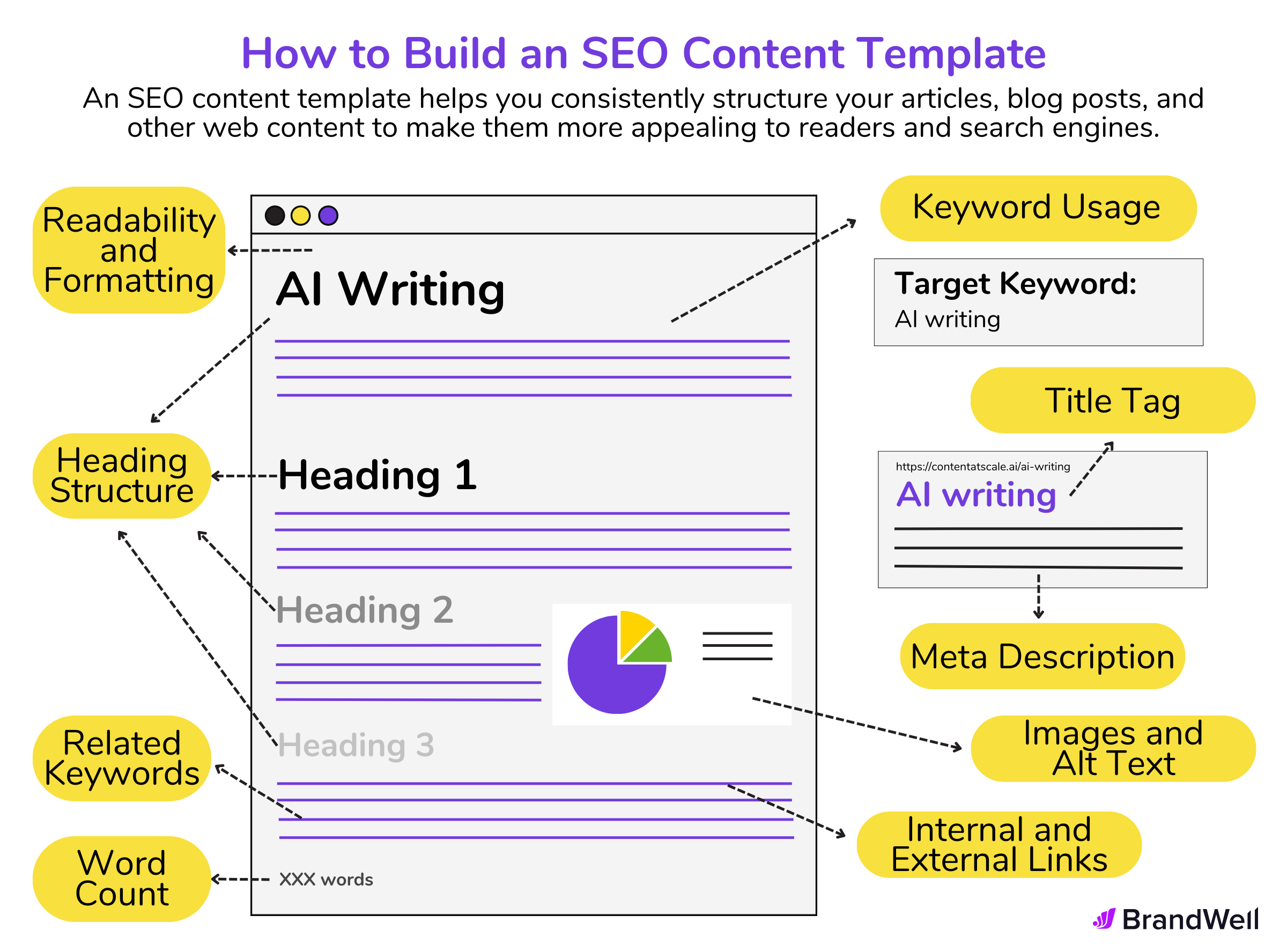
Understanding the building blocks of AI-friendly formatting helps create content that performs consistently across search platforms. Each component serves a distinct purpose in helping algorithms understand content structure and relevance.
Heading Hierarchy and Semantic Structure
The H1 tag establishes the primary topic and should contain the main keyword naturally. H2 tags break the content into major thematic sections, while H3 tags provide sub-details within those sections. This hierarchical structure mirrors how AI models organize information in their training data. Search engines use this structure to determine the breadth and depth of topic coverage.
For optimal AI SEO content formatting, maintain a logical progression from broad concepts to specific details. Each H2 section should address a distinct aspect of the main topic. Avoid skipping heading levels, as this confuses both readers and crawlers. Consistent heading usage also improves accessibility for screen readers, which aligns with Google’s emphasis on inclusive design.
Paragraph Length and Content Chunking
AI algorithms process text in chunks, and shorter paragraphs improve comprehension. Aim for paragraphs of two to four sentences, with each paragraph covering a single idea. This approach reduces cognitive load for readers and allows AI systems to extract key concepts more efficiently. Long, dense paragraphs often get truncated in search results, losing important context.
Content chunking also applies to the overall article structure. Break complex topics into digestible sections that can stand alone. This enables search engines to pull specific sections for featured snippets without losing meaning. Each chunk should contain a clear topic sentence followed by supporting details and, when appropriate, a concluding thought.
Keyword Placement and Semantic Variations
While the main keyword should appear in the title, first paragraph, and several headings, modern AI SEO content formatting requires more than exact-match repetition. Include semantic variations, synonyms, and related phrases that naturally expand the topic. For example, an article about AI SEO content formatting should also mention content optimization, structured data, readability scores, and search intent.
Place primary keywords early in the content, ideally within the first 100 words. Distribute secondary keywords throughout the body, ensuring they fit contextually. Avoid forcing keywords into unnatural positions, as AI detectors now flag keyword stuffing and penalize content that sacrifices readability for optimization.
Technical Formatting Elements for AI Search Engines
Beyond visible text formatting, several technical elements influence how AI systems interpret content. These components work behind the scenes to provide additional context and improve the chances of rich results.
Schema Markup and Structured Data
Schema markup provides explicit signals about content type, authorship, and relationships between elements. For articles, use Article schema, FAQ schema, and HowTo schema where applicable. This structured data helps AI crawlers understand the purpose of each section and increases eligibility for enhanced search features. Implementing schema correctly requires attention to Google’s guidelines, as improper implementation can lead to penalties.
Internal Linking and Anchor Text
Internal links guide AI crawlers through your site’s architecture and establish topical relationships between pages. Use descriptive anchor text that includes relevant keywords, but vary the phrasing to avoid over-optimization. Links to authoritative external sources also signal credibility, provided the linked pages are trustworthy and relevant.
Image Optimization and Alt Text
Images break up text and improve user engagement, but they also provide opportunities for AI SEO content formatting. Use descriptive file names and alt text that accurately describe the image content. Include relevant keywords in alt text naturally, without stuffing. Compress images to maintain fast loading speeds, as page speed is a ranking factor for both desktop and mobile searches.
AI SEO Content Formatting Best Practices
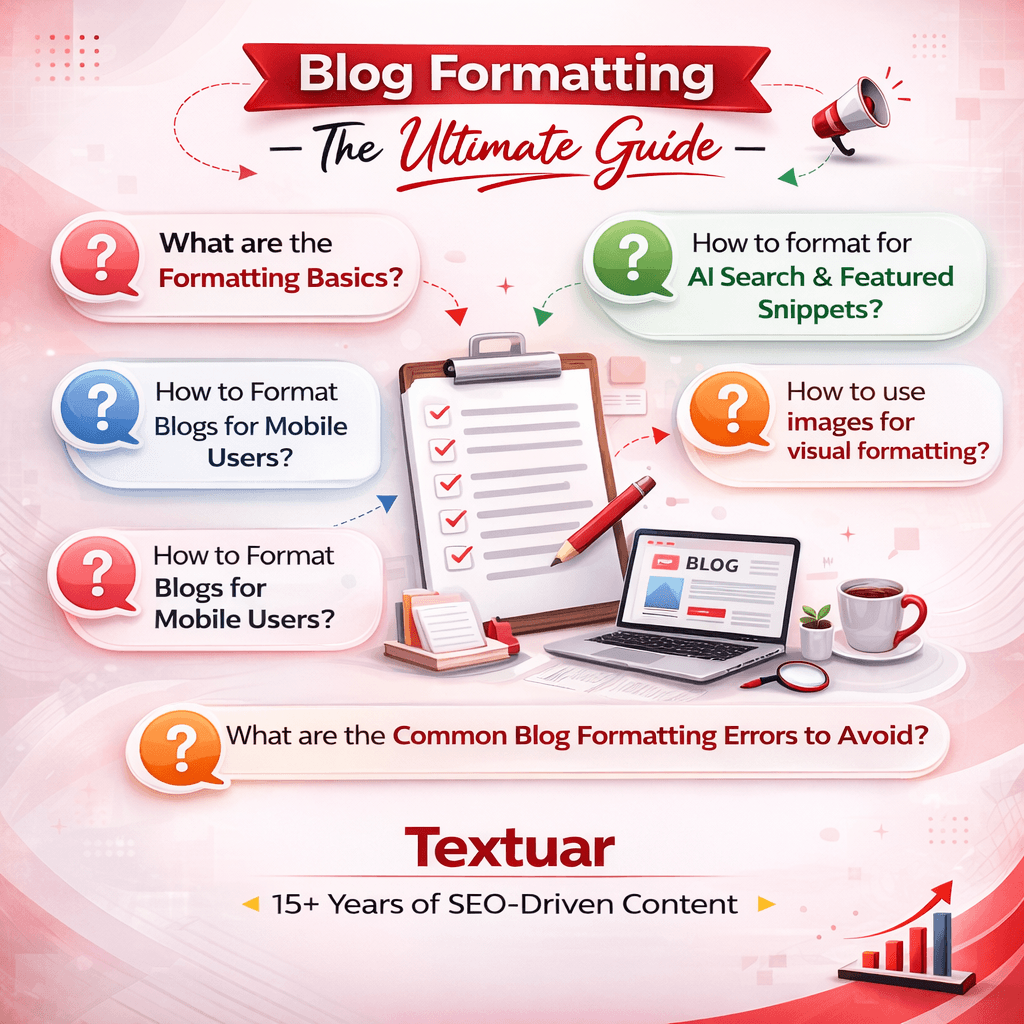
Implementing proven formatting strategies consistently yields better results than sporadic optimization. The following practices represent the current standard for AI-friendly content creation.
Use Bullet Points and Numbered Lists
Lists improve scannability and help AI extract key information quickly. Use bullet points for non-sequential items and numbered lists for step-by-step processes. Keep list items concise, ideally under 20 words each. Lists also increase the chances of appearing in featured snippets, as Google often pulls list-based content for position zero results.
Incorporate Tables for Comparative Data
Tables present complex data in an easily digestible format that AI systems parse effectively. Use tables for comparisons, specifications, and structured data sets. Ensure tables have clear headers and logical row/column relationships. While tables are excellent for certain content types, avoid overusing them, as excessive tables can make content feel cluttered.
Optimize for Voice Search and Natural Language
Voice search queries tend to be longer and more conversational than typed searches. Format content to answer questions directly, using natural language patterns. Include a dedicated FAQ section that addresses common queries related to the main topic. These question-and-answer formats align perfectly with how AI assistants retrieve and present information.
Common AI SEO Content Formatting Mistakes
Even experienced content creators make formatting errors that undermine their SEO efforts. Recognizing these mistakes helps avoid costly ranking losses.
Keyword Stuffing in Headings
Repeating the exact keyword in every heading looks unnatural and triggers AI spam detectors. Vary heading phrasing while maintaining semantic relevance. For instance, instead of using “AI SEO Content Formatting” in every H2, use variations like “Formatting Strategies for AI Search” or “Structuring Content for Machine Learning Algorithms.”
Ignoring Mobile Responsiveness
Over 60% of searches now occur on mobile devices. Content that displays poorly on smaller screens suffers in rankings. Use responsive design, appropriate font sizes, and touch-friendly navigation. Test content across multiple devices to ensure consistent formatting and readability.
Neglecting Content Updates
AI algorithms continuously evolve, and formatting best practices change accordingly. Content that was optimized two years ago may now appear outdated. Regularly audit existing content and update formatting to align with current standards. This includes refreshing headings, adding new sections, and improving internal linking structures.
Practical Guide: Formatting an Article for AI SEO
Applying these principles requires a systematic approach. Follow this step-by-step process to format content that satisfies both AI crawlers and human readers.
- Start with a compelling H1 title that includes the main keyword and promises clear value
- Write an introductory paragraph that states the topic and includes the primary keyword naturally
- Create 5-7 H2 sections that cover distinct aspects of the topic
- Break each H2 section into H3 subsections with specific details
- Use bullet points for key takeaways and numbered lists for processes
- Include a comparison table when evaluating multiple options
- Add an FAQ section with 4-6 common questions
- Conclude with a summary that reinforces the main points
- Implement schema markup for Article and FAQ
- Optimize all images with descriptive alt text
- Link to relevant internal pages using descriptive anchor text
Comparison: Traditional vs. AI SEO Content Formatting
| Aspect | Traditional Formatting | AI SEO Formatting |
|---|---|---|
| Primary Focus | Human readability | Machine parseability + human readability |
| Heading Structure | Visual hierarchy | Semantic hierarchy with keyword mapping |
| Keyword Usage | Exact match repetition | Semantic variations and topical clusters |
| Content Length | Variable, often shorter | Comprehensive, in-depth coverage |
| Data Presentation | Primarily text | Tables, lists, structured data |
| Update Frequency | Occasional | Continuous, algorithm-driven |
Tools for AI SEO Content Formatting
Several tools help streamline the formatting process and ensure consistency across content production. These platforms analyze readability, keyword placement, and structural elements to identify improvement opportunities.
- Surfer SEO: Provides real-time content scoring based on top-ranking pages
- Clearscope: Offers keyword recommendations and content grading
- Yoast SEO: Checks readability and technical SEO elements
- Grammarly: Ensures grammatical correctness and clarity
- MarketMuse: Uses AI to analyze content depth and topical coverage
These tools serve as guides rather than absolute authorities. The best results come from combining tool insights with human judgment about audience needs and content quality.
Important Notes for Long-Term Success
AI SEO content formatting is not a one-time task but an ongoing process. Search algorithms update frequently, and user behavior shifts over time. Monitor performance metrics like organic traffic, keyword rankings, and engagement rates to identify formatting improvements. Pay attention to how competitors structure their content and adapt successful patterns to your unique voice.
Quality remains the foundation of all SEO efforts. Formatting enhances quality but cannot replace substantive, accurate, and valuable information. Prioritize creating content that genuinely helps readers, and use formatting to make that value immediately apparent to both humans and machines.
Frequently Asked Questions
What is the ideal heading structure for AI SEO content?
The ideal structure uses one H1 tag for the main title, followed by multiple H2 tags for major sections, and H3 tags for subsections. This hierarchy should reflect a logical progression from general topics to specific details. Maintain consistent heading levels throughout the content to help AI crawlers understand the relationship between sections.
How long should paragraphs be for AI search optimization?
Paragraphs should contain two to four sentences, with each paragraph focusing on a single idea. This length improves readability on all devices and allows AI systems to extract key concepts more effectively. Shorter paragraphs also reduce the risk of important information being cut off in search result previews.
Does AI SEO content formatting affect featured snippet eligibility?
Yes, proper formatting significantly increases the chances of appearing in featured snippets. Content that uses clear headings, concise answers, lists, and tables provides the structured information that Google’s algorithms prefer for position zero results. Answering questions directly in the first sentence of a section improves snippet eligibility.
How often should I update my content formatting?
Review content formatting at least quarterly, and more frequently for pages targeting competitive keywords. Monitor algorithm updates and industry trends to identify when formatting standards shift. Pages that experience declining traffic or rankings may benefit from immediate formatting improvements.
Can I use AI tools to format my content automatically?
AI tools can assist with formatting tasks like generating headings, suggesting keyword placements, and analyzing readability. However, human oversight remains essential to ensure accuracy, maintain brand voice, and make judgment calls that algorithms cannot. Use AI as a productivity enhancer rather than a complete replacement for editorial decisions.
Conclusion
AI SEO content formatting represents the intersection of user experience and machine learning optimization. By structuring content with clear headings, concise paragraphs, strategic keyword placement, and technical elements like schema markup, content creators position themselves for success in modern search results. The approach requires continuous learning and adaptation as algorithms evolve, but the fundamental principles of clarity, organization, and value remain constant.
Implement the strategies outlined in this guide to create content that ranks well, engages readers, and stands the test of algorithmic changes. Start by auditing existing content, identifying formatting gaps, and applying the best practices discussed here. With consistent effort and attention to detail, AI SEO content formatting becomes a powerful tool in any digital marketing strategy.
Xem thêm:
- AI SEO LLM Brand Visibility: The Complete Playbook for the Generative Search Era
- AI SEO Entity Based Search: The Complete Guide to Future-Proofing Your Rankings
- AI SEO AI Overview Citations: The Complete Guide to Winning Google’s AI Search
- AI SEO WCAG: The Complete Guide to Accessible, AI-Optimized Content
- AI SEO Click Through Rate: The Complete Guide to Boosting Your Organic CTR in 2025
Bài viết cùng chủ đề:

AI SEO SEO Automation with Make: The Complete Workflow Guide

AI SEO SEO Automation with Zapier: The Complete Workflow Guide

AI SEO SEO Automation with n8n: The Complete Workflow Guide
AI SEO SEO Automation with Gemini: The Complete Guide to Scaling Organic Growth

AI SEO SEO Automation with Claude: The Complete Guide to Scaling Content in 2025

AI SEO SEO Automation with ChatGPT: The Complete Playbook for 2025

AI SEO & SEO Automation for Affiliate Sites: The 2025 Playbook for Passive Income Growth
AI SEO & SEO Automation for Bloggers: The Complete Guide to Scaling Your Content

AI SEO & SEO Automation for Agencies: The Complete 2025 Playbook

AI SEO and SEO Automation for Ecommerce: The Complete Playbook for 2025

AI SEO & SEO Automation for WordPress: The Complete Playbook for 2025
AI SEO SEO Automation Strategy: The Complete Playbook for 2025

Mastering the AI SEO SEO Automation Process: A Complete Guide to Scaling Organic Growth
AI SEO SEO Automation System: The Complete Guide to Scaling Organic Growth in 2025
AI SEO SEO Automation Platform: The Complete Guide to Scaling Organic Growth in 2025
AI SEO SEO Automation Software: The Complete Guide to Scaling Organic Growth in 2025















