
No products in the cart.
AI SEO Machine Learning: The Complete Guide to Smarter Search Rankings

31
Jul
Jul
The digital marketing landscape has shifted dramatically. Traditional SEO relied on manual audits, keyword stuffing, and backlink chasing. Today, AI SEO machine learning represents the new frontier, where algorithms analyze billions of data points to understand user intent, content relevance, and search patterns. This technology is not a futuristic concept; it is actively reshaping how Google ranks pages and how businesses optimize their online presence. Understanding this intersection is no longer optional for marketers who want sustainable visibility.
What is AI SEO Machine Learning?
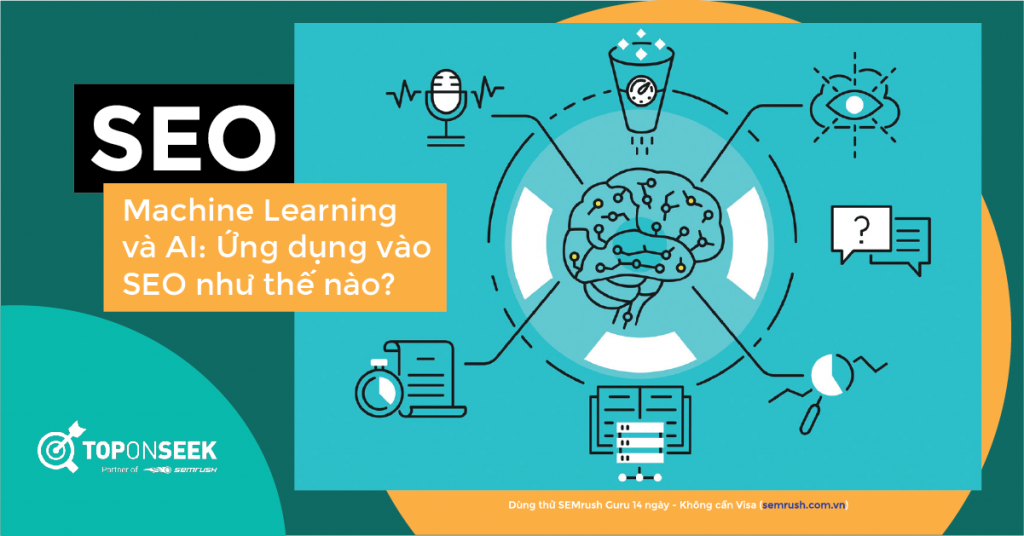
AI SEO machine learning refers to the application of artificial intelligence and statistical models to automate, predict, and enhance search engine optimization processes. Unlike simple automation that follows fixed rules, machine learning algorithms learn from historical data. They identify patterns, make predictions, and improve their accuracy over time without explicit programming for every scenario.
In the context of search, this works on two levels. First, search engines like Google use machine learning (RankBrain, BERT, MUM) to interpret queries and rank content. Second, SEO professionals use AI-powered tools to analyze their own sites, predict ranking fluctuations, and generate content strategies. The synergy between these two levels defines modern search marketing.
The Core Difference Between Traditional SEO and AI-Driven SEO
Traditional SEO was reactive. You published content, waited for crawlers, and checked rankings weeks later. AI-driven SEO is predictive and proactive. It processes real-time search data, user behavior metrics, and competitor movements to suggest immediate adjustments. For instance, a traditional tool might tell you that your page dropped from position 5 to 9. An AI tool will analyze the SERP features, user dwell time, and content gaps to tell you exactly which section to rewrite or which question to add to recover the position.
Furthermore, machine learning models excel at handling unstructured data. They can analyze video transcripts, image alt text patterns, and voice search queries simultaneously. This holistic view is impossible for a human analyst to replicate manually.
How Search Engines Use Machine Learning to Rank Content
Google’s ranking system is no longer a static formula. It is a complex neural network that evaluates hundreds of factors. The most prominent components include RankBrain, which helps process never-before-seen queries, and BERT, which understands the nuance and context of words in a sentence. More recently, MUM (Multitask Unified Model) is 1,000 times more powerful than BERT, capable of understanding information across text, images, and video simultaneously.
These systems learn from user interactions. When a user clicks a result and quickly returns to the search page, the algorithm interprets this as a potential mismatch. Over time, the model adjusts its weighting for similar queries. This means your SEO strategy must focus on satisfying user intent completely, not just matching keywords.
Key Machine Learning Signals in Google’s Algorithm
- Click-Through Rate (CTR) Patterns: Machine learning analyzes CTR across different demographics and devices to determine if your title and meta description are compelling.
- Dwell Time and Pogo-sticking: How long a user stays on your page before returning to results is a strong engagement signal.
- Content Freshness and Entity Matching: Algorithms detect if your content covers all related entities (people, places, concepts) that a comprehensive answer requires.
- Semantic Search Understanding: The model maps your content against a knowledge graph to verify topical authority, not just keyword density.
- Scalability: AI can analyze thousands of pages and backlinks in minutes, a task that would take a team weeks.
- Real-Time Adaptation: Algorithms detect algorithm updates (like core updates) and adjust recommendations immediately.
- Reduced Human Bias: Decisions are based on data patterns, not gut feelings or outdated best practices.
- Improved Content Quality: AI identifies gaps in your content that human writers might overlook, leading to more comprehensive resources.
- Better ROI Tracking: Machine learning models can attribute rankings to specific actions (like a page speed fix) with higher precision.
- Blindly Following AI Content Generation: Using ChatGPT to write entire articles without human editing leads to factual errors and generic prose. Google’s algorithms can detect AI-generated content that lacks E-E-A-T signals.
- Ignoring Historical Data: AI tools need context. If you do not connect them to your Google Search Console and Analytics, they are working with limited information.
- Focusing Only on Rankings, Not Revenue: AI can optimize for traffic, but if that traffic does not convert, it is useless. Ensure your AI strategy includes conversion rate optimization (CRO) data.
- Neglecting User Experience (UX): Machine learning algorithms heavily weigh Core Web Vitals. If your page loads slowly or has intrusive interstitials, no amount of AI content optimization will save your rankings.
- Using Multiple Tools Without Integration: Having separate tools for keywords, content, and technical audits creates data silos. The AI cannot learn from a holistic dataset if the tools do not share information.
Core Components of an AI SEO Machine Learning Strategy
Implementing this technology requires a structured approach. You cannot simply buy a tool and expect miracles. The strategy involves data collection, model training (or using pre-trained models), and continuous optimization loops.
1. Automated Keyword Clustering and Intent Mapping
Old methods grouped keywords by exact match or broad match. AI algorithms cluster keywords based on search intent and semantic similarity. For example, the query “best running shoes” and “shoes for marathon training” might be clustered together because the underlying intent is similar, even though the keywords differ. This allows you to create one comprehensive page that ranks for multiple related terms instead of creating thin, separate pages.
2. Predictive Performance Analytics
Machine learning models can forecast the potential traffic of a piece of content before you publish it. They analyze historical data from your site and competitor sites to estimate ranking difficulty and click potential. This helps prioritize content creation efforts on topics with the highest ROI.
3. Natural Language Processing (NLP) for Content Optimization
NLP tools analyze your draft against top-ranking pages. They check for entity coverage, readability scores, and semantic gaps. For instance, if you are writing about “electric vehicle charging,” the NLP model will flag if you missed crucial subtopics like “charging speed standards” or “home installation costs,” which are frequently discussed in top results.
4. Dynamic SERP Feature Targeting
AI tools monitor which SERP features (featured snippets, people also ask, video carousels) appear for your target keywords. They then suggest content formatting changes, such as adding a definition paragraph or a numbered list, to increase your chances of winning those rich results.
Benefits of Integrating AI into Your SEO Workflow
The advantages go beyond saving time. They fundamentally improve the accuracy and scalability of your optimization efforts.
Limitations and Challenges of AI SEO Machine Learning
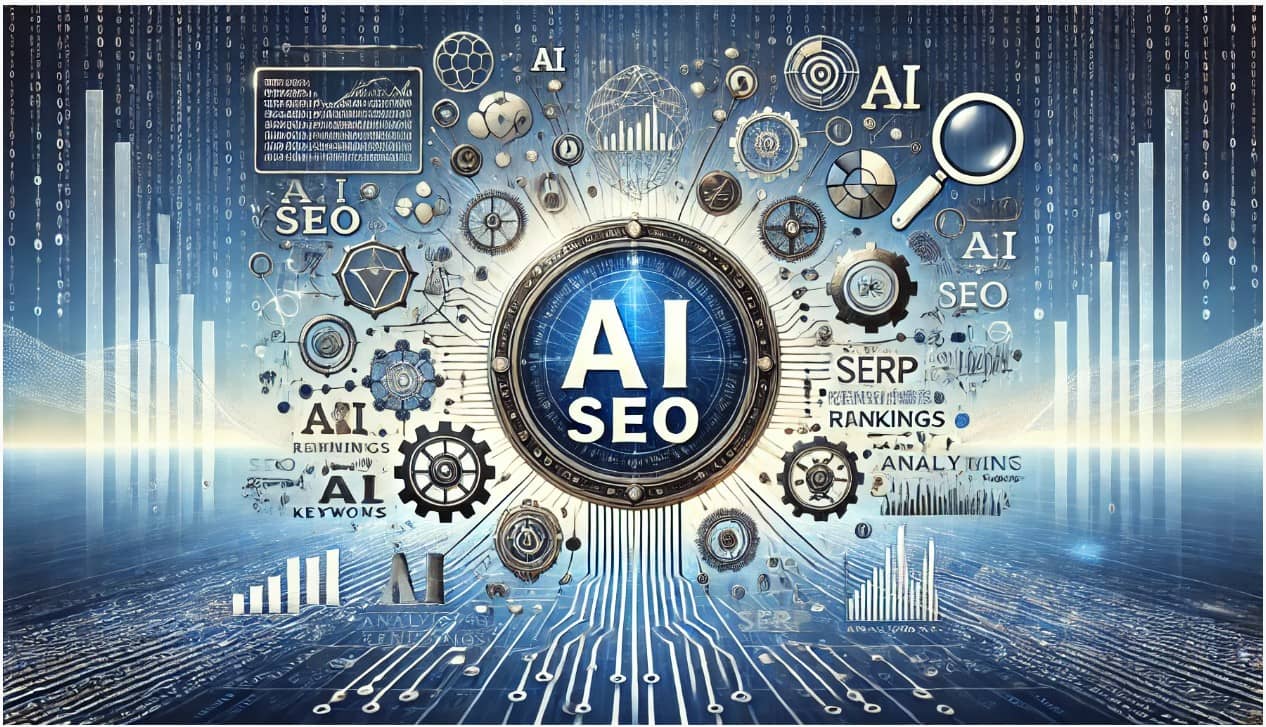
Despite the hype, this technology is not a silver bullet. There are significant constraints that marketers must acknowledge.
| Challenge | Description | Mitigation Strategy |
|---|---|---|
| Data Quality Dependency | AI models are only as good as the data they train on. If your analytics tracking is broken, the predictions will be wrong. | Audit your tracking setup (GA4, Search Console) monthly. |
| Lack of Creativity | Machine learning cannot generate truly novel ideas or emotional storytelling that resonates on a human level. | Use AI for analysis and structure, but keep human writers for voice and narrative. |
| Black Box Problem | Some AI tools do not explain why they made a specific recommendation, making it hard to trust or debug. | Choose tools that offer explainable AI features or transparent reporting. |
| Over-Optimization Risk | Following AI suggestions too literally can lead to generic, templated content that lacks differentiation. | Use AI suggestions as a baseline, then add unique insights and original research. |
Practical Applications: How to Use AI SEO Machine Learning Tools
There are dozens of tools available, each with different strengths. The key is to integrate them into a coherent workflow that covers research, creation, and monitoring.
Step 1: Use AI for Topic Discovery and Gap Analysis
Start with a tool like Clearscope or MarketMuse. Input your primary keyword (e.g., “AI SEO machine learning”). The tool will scrape the top 20 results and generate a list of related terms, questions, and entities that your content should cover. This is not keyword stuffing; it is ensuring your content is topically complete. For example, it might flag that you need to discuss “unsupervised learning” or “reinforcement learning” to match the depth of current ranking pages.
Step 2: Optimize Content Structure with NLP
Before writing, create an outline based on the AI’s recommendations. Use H2 and H3 tags that mirror the questions users are asking. The NLP model will also suggest a target word count based on the average of top-ranking pages. If the average is 2,500 words, writing a 1,000-word piece will likely underperform, regardless of quality.
Step 3: Automate Technical SEO Audits
Tools like Screaming Frog with AI add-ons or Sitebulb can crawl your site and use machine learning to prioritize issues. Instead of a list of 500 errors, the A This includes detecting orphan pages, identifying crawl budget waste, and predicting the impact of page speed issues on mobile devices.
Step 4: Predict and Track Ranking Volatility
Use platforms like Semrush or Ahrefs that have AI-driven rank tracking. These tools can predict when a page is about to lose rankings based on subtle shifts in SERP features or competitor activity. This gives you a head start to refresh content before a significant drop occurs.
Common Mistakes to Avoid When Using AI for SEO
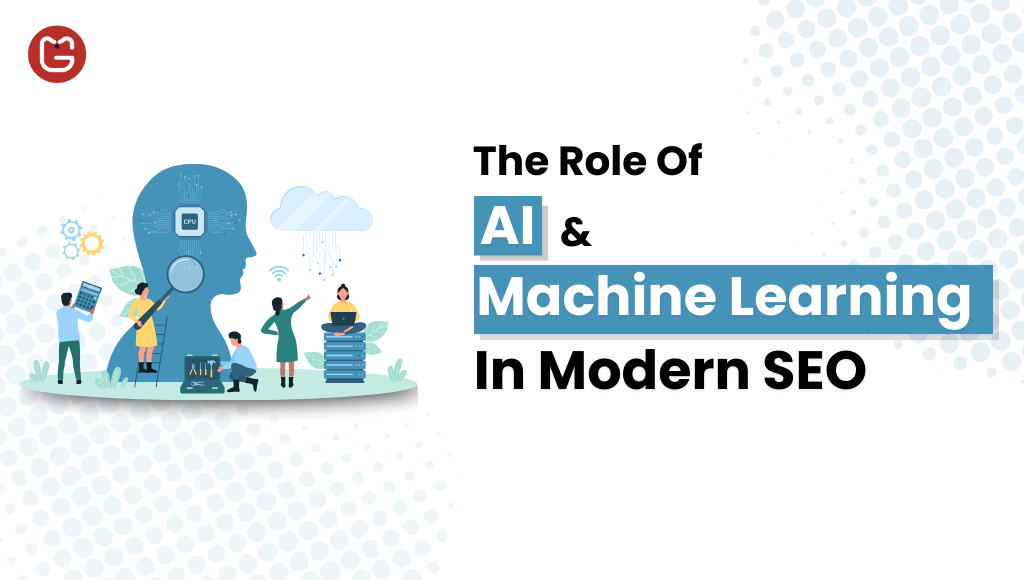
Many businesses fail to see results because they misuse the technology. Here are the most frequent pitfalls.
Important Notes on E-E-A-T and AI-Generated Content
Google’s Quality Rater Guidelines emphasize Experience, Expertise, Authoritativeness, and Trustworthiness. AI SEO machine learning can help you demonstrate these qualities, but it cannot replace them. For example, an AI tool can analyze competitor backlinks, but it cannot write a first-hand review of a product you have personally tested.
When using AI to assist content creation, always disclose it internally and ensure a human expert reviews the final output. Add original data, screenshots, personal anecdotes, and expert quotes to differentiate your content from pure AI output. Google’s spam policies specifically target content that is primarily AI-generated without human oversight, as it often lacks the depth and accuracy required for YMYL (Your Money or Your Life) topics.
Frequently Asked Questions (FAQ)

Will AI SEO machine learning replace human SEO specialists?
No. AI automates repetitive tasks like data analysis, keyword clustering, and technical audits. However, strategic thinking, creative storytelling, relationship building for backlinks, and understanding brand voice remain distinctly human skills. The role of the SEO specialist shifts from manual executor to strategic director who interprets AI outputs and makes judgment calls.
How does Google use machine learning to detect spam?
Google’s SpamBrain is an AI-based system that uses machine learning to detect link spam, cloaking, and hacked content. It analyzes patterns across billions of pages to identify unnatural behavior. This means black-hat tactics that worked a decade ago are now instantly flagged, making white-hat AI-driven optimization the only sustainable path.
What is the best AI SEO tool for beginners?
For beginners, tools that offer guided workflows are best. Semrush and Ahrefs have integrated AI features that explain recommendations in plain English. For content optimization specifically, Surfer SEO provides a user-friendly interface that shows real-time scoring against your target keywords. Start with one tool, learn its features deeply, and then expand.
Can AI predict Google algorithm updates?
AI cannot predict the exact date or content of a Google update, as Google keeps these secret. However, machine learning models can detect early warning signs of an update by monitoring fluctuations in SERP volatility, indexing speed, and crawl rate. Tools like Rank Ranger and Accuranker use AI to track these signals and alert users to potential algorithmic shifts.
How does voice search affect AI SEO machine learning?
Voice search queries are longer and more conversational. Machine learning models process these queries differently, focusing on natural language patterns and local intent. To optimize for voice, AI tools analyze question-based queries and help you structure content in a Q&A format that directly answers spoken requests.
Is it worth investing in custom machine learning models for SEO?
For most small to medium businesses, custom models are overkill. Pre-built tools already have vast datasets and trained models that are more accurate than anything you could build in-house. Custom models are only worth it for enterprise-level sites with millions of pages and unique data sources that require proprietary analysis.
Conclusion
AI SEO machine learning is not a passing trend; it is the fundamental operating system of modern search. From Google’s own algorithms to the tools you use daily, machine learning is embedded in every aspect of ranking and optimization. The businesses that thrive will be those that embrace this technology not as a replacement for human intelligence, but as a powerful amplifier of it. By focusing on data-driven content strategies, predictive analytics, and a commitment to user experience, you can navigate the complexities of search with confidence. The future of SEO belongs to those who understand that the machine learns, but the human decides.
Xem thêm:
- AI SEO AI Search Authority: The Complete Guide to Dominating Generative Search
- AI Cluster Pages: The Ultimate Strategy for Topical Authority in the Age of AI Search
- AI Search vs Google Search: The Complete Guide to How Modern Query Engines Actually Work
- AI SEO Dynamic Content: The Complete Guide to Automated Personalization That Ranks
- AI SEO Semantic Keywords: The Complete Guide to Smarter Content Optimization
Bài viết cùng chủ đề:

AI SEO SEO Automation with Make: The Complete Workflow Guide

AI SEO SEO Automation with Zapier: The Complete Workflow Guide

AI SEO SEO Automation with n8n: The Complete Workflow Guide
AI SEO SEO Automation with Gemini: The Complete Guide to Scaling Organic Growth

AI SEO SEO Automation with Claude: The Complete Guide to Scaling Content in 2025

AI SEO SEO Automation with ChatGPT: The Complete Playbook for 2025

AI SEO & SEO Automation for Affiliate Sites: The 2025 Playbook for Passive Income Growth
AI SEO & SEO Automation for Bloggers: The Complete Guide to Scaling Your Content

AI SEO & SEO Automation for Agencies: The Complete 2025 Playbook

AI SEO and SEO Automation for Ecommerce: The Complete Playbook for 2025

AI SEO & SEO Automation for WordPress: The Complete Playbook for 2025
AI SEO SEO Automation Strategy: The Complete Playbook for 2025

Mastering the AI SEO SEO Automation Process: A Complete Guide to Scaling Organic Growth
AI SEO SEO Automation System: The Complete Guide to Scaling Organic Growth in 2025
AI SEO SEO Automation Platform: The Complete Guide to Scaling Organic Growth in 2025
AI SEO SEO Automation Software: The Complete Guide to Scaling Organic Growth in 2025















