
No products in the cart.
AI SEO Attribution: The Complete Guide to Measuring What Actually Drives Rankings
31
Jul
Jul
AI SEO attribution is the process of using machine learning algorithms to identify which specific SEO actions, content changes, and technical optimizations contribute most directly to organic search performance. Unlike traditional analytics that simply show traffic spikes, AI SEO attribution connects the dots between your efforts and your results with statistical precision. This approach has become essential as search engines grow more sophisticated and marketing budgets face increasing scrutiny. Understanding AI SEO attribution means moving beyond guesswork and into a data-driven framework where every optimization dollar has measurable accountability.
What Is AI SEO Attribution and Why Does It Matter?
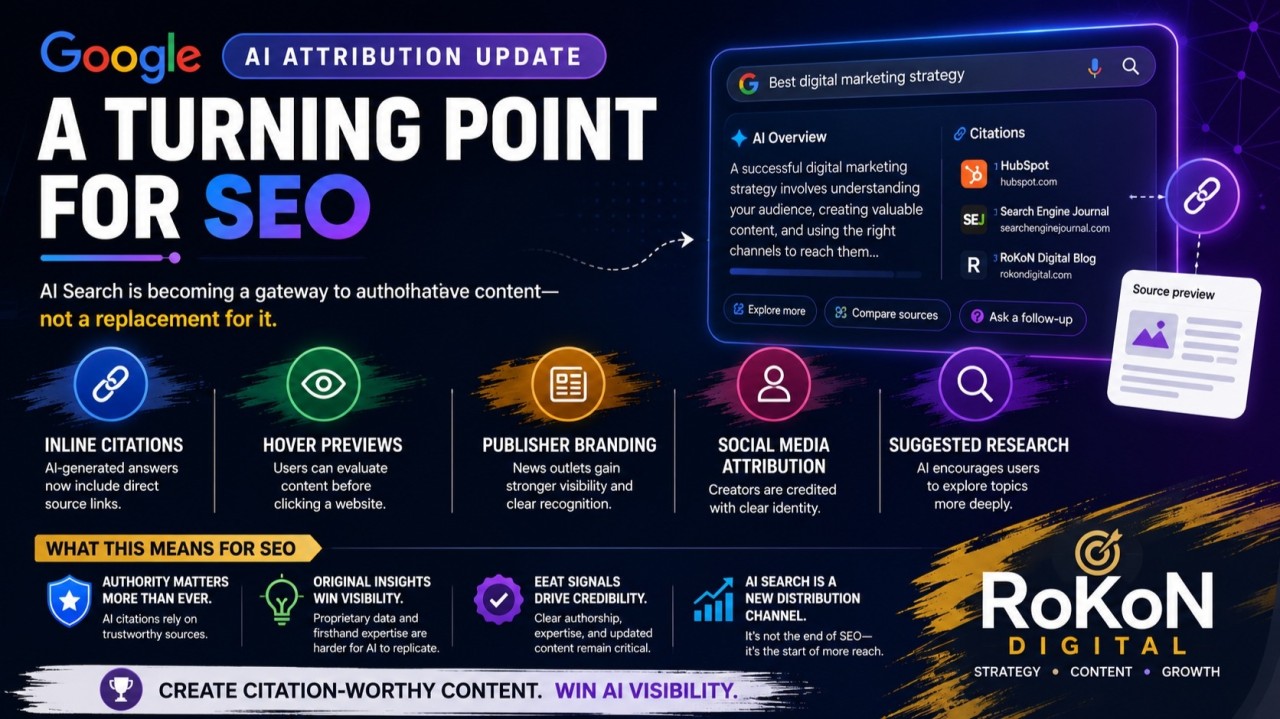
AI SEO attribution refers to the application of artificial intelligence models to assign credit across the various touchpoints and actions that influence organic search visibility. Traditional attribution in marketing focuses on customer journeys and conversions. AI SEO attribution shifts that focus to the search engine itself, analyzing how different on-page elements, backlink profiles, content updates, and technical factors interact to produce rankings.
The core challenge this solves is the multi-causal nature of SEO. A page might rank well because of its content quality, its internal linking structure, its page speed, or a combination of dozens of factors. Without AI, marketers often attribute success to the most recent change they made, which is frequently incorrect. AI models can process hundreds of variables simultaneously, identifying patterns that human analysis would miss. This allows for more accurate forecasting, better resource allocation, and a clear understanding of which optimizations deliver the highest return on investment.
The Evolution from Manual Tracking to AI-Driven Attribution
For years, SEO professionals relied on manual tracking methods. They would make a change, wait for search engine crawlers to index it, and then observe ranking fluctuations in tools like Google Search Console or third-party rank trackers. This approach suffered from significant limitations. Correlation was often mistaken for causation, and the lag time between action and result made it difficult to isolate variables.
The shift toward AI SEO attribution began with the advent of machine learning models capable of handling large datasets. These models can analyze historical ranking data, algorithm update timelines, competitor movements, and on-page changes simultaneously. They use techniques like regression analysis, time-series forecasting, and causal inference to determine the probability that a specific action led to a specific outcome. This represents a fundamental upgrade from reactive observation to proactive, predictive analysis.
Key Differences Between Traditional and AI Attribution
| Aspect | Traditional SEO Tracking | AI SEO Attribution |
|---|---|---|
| Data Processing | Manual or basic spreadsheet analysis | Machine learning on large datasets |
| Variable Isolation | Difficult, often relies on single-variable testing | Handles hundreds of variables simultaneously |
| Time Lag | Weeks to months for observable results | Near real-time predictive insights |
| Accuracy | Prone to confirmation bias | Statistical significance testing |
| Scalability | Limited to small site sections | Applies across entire domains and portfolios |
Core Components of an AI SEO Attribution Model
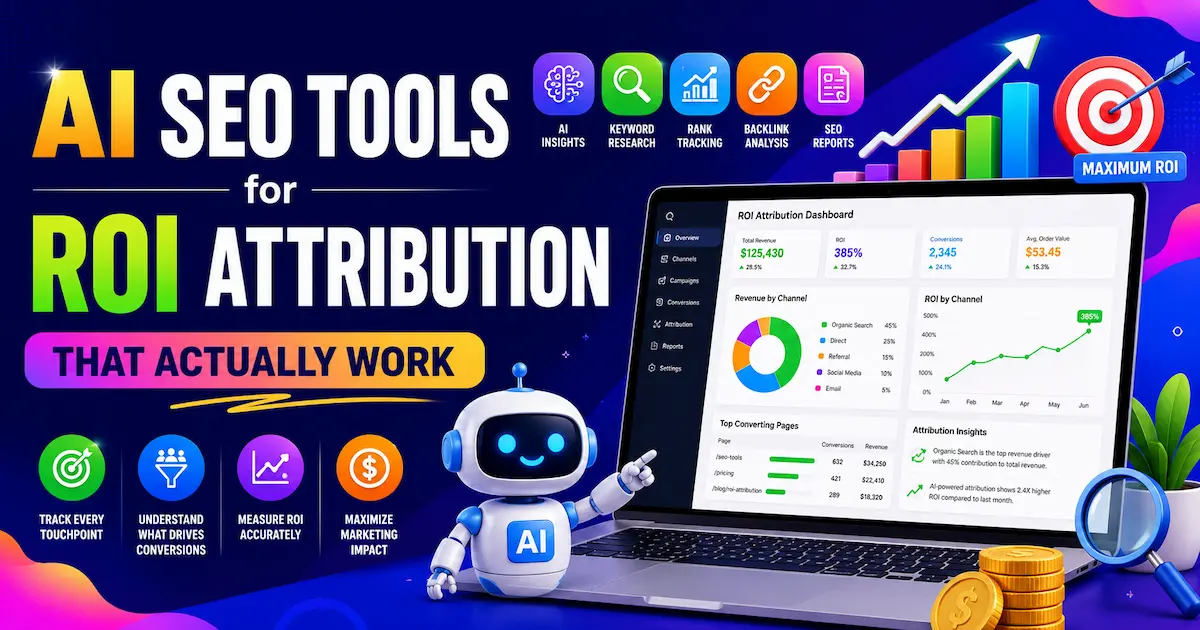
Building a functional AI SEO attribution system requires several interconnected components. Each plays a distinct role in transforming raw data into actionable intelligence. Understanding these components helps you evaluate different software solutions and build internal capabilities if you choose to develop a custom model.
Data Collection and Integration Layer
The foundation of any attribution model is data. This layer involves pulling information from multiple sources, including Google Search Console for query and click data, Google Analytics for user behavior, crawling tools for technical health, and backlink databases for link profiles. AI models require clean, structured data to function effectively. This means implementing proper tracking parameters, ensuring consistent URL structures, and maintaining a historical record of all changes made to the site.
Feature Engineering and Variable Selection
Not all data points are equally important. Feature engineering is the process of selecting and transforming raw data into variables that the AI model can use. For AI SEO attribution, relevant features might include content freshness scores, keyword density metrics, page load times, mobile usability scores, number of internal links, domain authority of referring domains, and historical ranking positions. The quality of feature engineering directly impacts the accuracy of the attribution results.
Machine Learning Algorithms
Several algorithmic approaches are used in AI SEO attribution. Regression models help establish relationships between variables and outcomes. Random forest and gradient boosting algorithms are effective at handling non-linear interactions. Causal inference models, such as propensity score matching or difference-in-differences, attempt to establish true causation rather than mere correlation. The choice of algorithm depends on the complexity of the site and the specific questions being asked.
Attribution Scoring and Output
The final component is the output layer, where the model assigns credit scores to different actions. A typical output might show that a particular content refresh contributed 40% to a ranking improvement, while a new backlink campaign contributed 35%, and technical speed optimizations contributed 25%. These scores allow marketers to prioritize future work based on historical evidence rather than intuition.
How AI SEO Attribution Works in Practice
To understand the practical application, consider a mid-sized e-commerce website that sells outdoor gear. The marketing team has been publishing blog content, building links, and optimizing product pages. They want to know which activity drives the most organic growth. A traditional approach would look at monthly traffic reports and guess. An AI attribution model would analyze daily data over the past year, including every content publish date, every link acquired, every page speed change, and every algorithm update.
The model might discover that product page optimizations have a 60% attribution weight for transactional keywords, while blog content drives 70% of informational traffic. It might also reveal that link building has a delayed effect, taking six weeks to show impact, while content updates show results within ten days. These insights enable the team to adjust their strategy, allocating more resources to product page work for revenue-related queries and maintaining blog output for top-of-funnel visibility.
Real-World Example: Content Refresh Attribution
A B2B software company updated a cornerstone article about project management tools. The update included new statistics, improved formatting, and additional FAQ sections. Within three weeks, the page moved from position 12 to position 3 for its primary keyword. The AI attribution model analyzed this change alongside other concurrent activities, including a social media campaign and a minor site speed improvement. The model attributed 78% of the ranking movement to the content refresh, 15% to the speed improvement, and 7% to other factors. This level of granularity helps the company justify continued investment in content quality.
Benefits of Implementing AI SEO Attribution
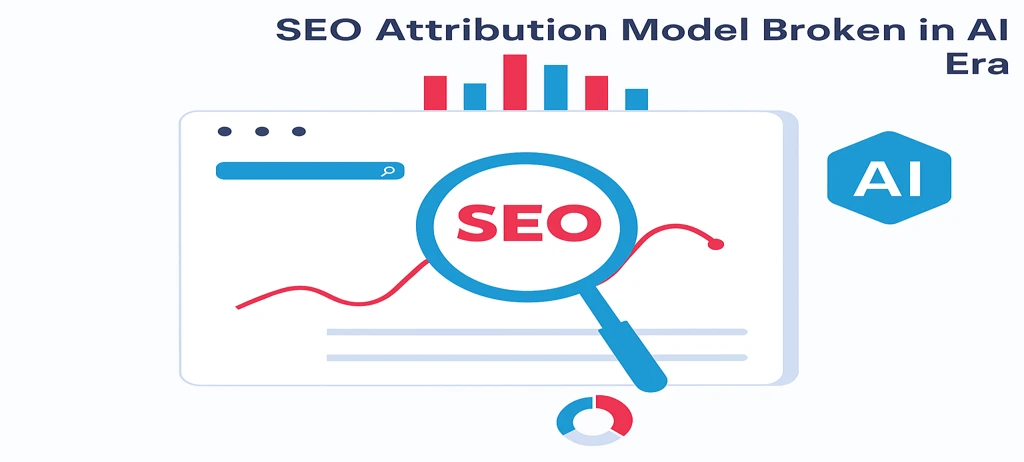
The advantages of adopting AI SEO attribution extend beyond simple measurement. Organizations that implement these systems gain a strategic edge in how they plan, execute, and evaluate their search marketing efforts.
- Improved Budget Allocation: Knowing exactly which tactics produce results allows you to shift spending away from underperforming activities and toward high-impact initiatives.
- Faster Iteration Cycles: AI models provide insights much faster than traditional A/B testing, enabling quicker adjustments to strategy.
- Reduced Guesswork: Eliminates the common problem of attributing success to the wrong action, which often leads to repeating ineffective strategies.
- Better Cross-Team Communication: Attribution data provides a common language for content teams, technical teams, and link builders to discuss what is working.
- Enhanced Forecasting: With historical attribution data, you can predict the likely impact of future changes with greater confidence.
- Competitive Advantage: Most competitors still rely on manual analysis, so implementing AI attribution gives you a data-driven edge.
Limitations and Challenges of AI SEO Attribution
While powerful, AI SEO attribution is not a perfect solution. Understanding its limitations is crucial for setting realistic expectations and avoiding over-reliance on model outputs.
Data Quality Issues
Attribution models are only as good as the data they receive. Inconsistent tracking, missing historical data, or incorrect tagging can lead to misleading conclusions. If you have not been collecting comprehensive data for at least six months, the model will have insufficient information to establish reliable patterns.
External Factors Beyond Control
Search engine algorithm updates, competitor actions, and broader market trends can all influence rankings. AI models can attempt to account for these factors, but they cannot fully isolate them. A sudden ranking drop might be attributed to a site change when it was actually caused by a competitor launching a superior page.
Complexity and Cost
Implementing a robust AI attribution system requires significant technical expertise and financial investment. Custom models require data scientists, while enterprise-level attribution software can be expensive. Smaller businesses may find the cost prohibitive relative to their SEO budgets.
Overfitting Risks
Machine learning models can sometimes overfit to historical data, meaning they identify patterns that are specific to past conditions but do not generalize well to future scenarios. This is particularly relevant in SEO, where search engine behavior changes frequently.
Comparing AI SEO Attribution Tools and Approaches
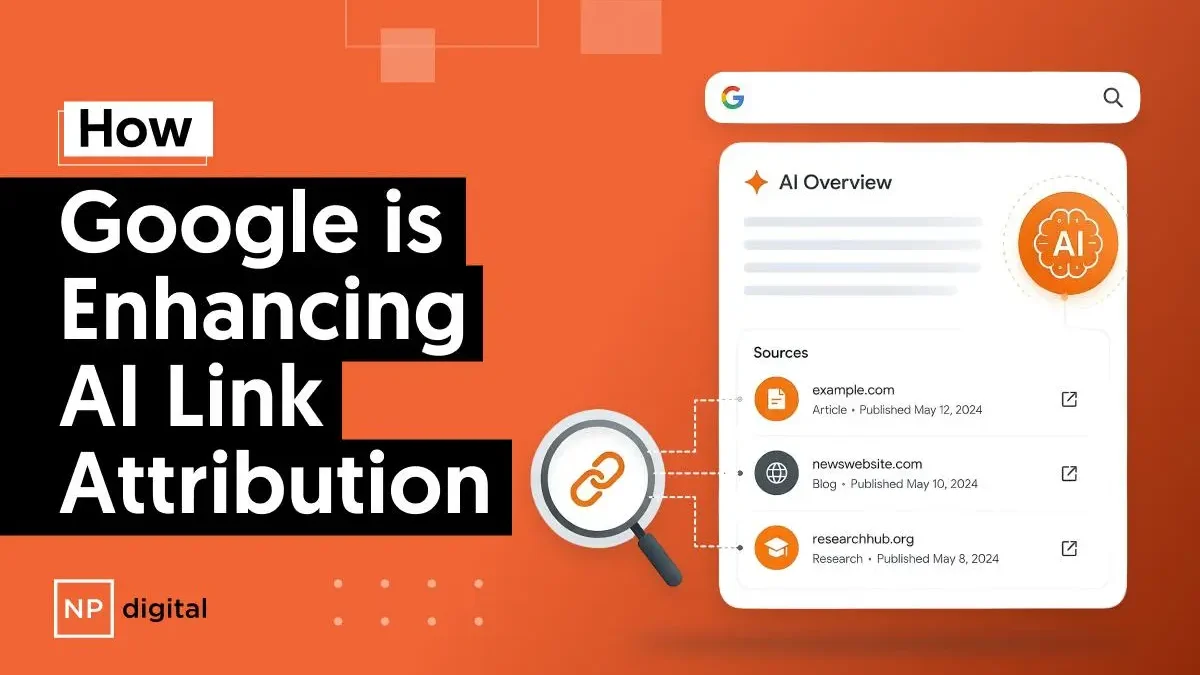
Several categories of tools exist in the market, each with different strengths and weaknesses. Choosing the right approach depends on your team’s technical capacity, budget, and specific needs.
| Approach | Best For | Key Advantages | Key Limitations |
|---|---|---|---|
| Custom In-House Models | Large enterprises with data science teams | Full control, tailored to specific business needs | High cost, requires specialized talent |
| Enterprise SEO Platforms | Mid-to-large companies with dedicated SEO teams | Integrated with existing tools, faster setup | Can be expensive, less customizable |
| Marketing Attribution Software | Teams focused on multi-channel attribution | Holistic view across paid, organic, and social | May not have deep SEO-specific features |
| Open-Source ML Libraries | Technical teams with programming skills | Low cost, high flexibility | Requires significant development time |
Step-by-Step Guide to Implementing AI SEO Attribution
Implementing AI SEO attribution does not have to be an overwhelming process. By following a structured approach, you can build a system that delivers actionable insights without requiring a complete overhaul of your existing workflow.
Step 1: Audit Your Current Data Collection
Start by reviewing what data you currently collect. Ensure that Google Search Console is properly linked, Google Analytics is tracking all relevant user interactions, and you have a system for logging all changes made to your website. If you lack historical data, begin collecting it now. The sooner you start, the sooner you will have enough information for meaningful analysis.
Step 2: Define Your Attribution Goals
What specific questions do you want the model to answer? Common goals include identifying which content types drive the most rankings, determining the ROI of link building campaigns, or understanding the impact of technical migrations. Clear goals will guide your feature selection and model design.
Step 3: Select Your Tools
Based on your budget and technical capacity, choose between custom models, enterprise platforms, or a hybrid approach. If you are just starting, consider using a simpler tool that offers basic attribution features before investing in a more complex system.
Step 4: Build and Train the Model
This step involves feeding historical data into the machine learning algorithm. You will need to split your data into training and validation sets to ensure the model is not overfitting. This is where having a data scientist or a sophisticated platform becomes valuable.
Step 5: Validate and Refine
Once the model produces initial results, validate them against known outcomes. If the model says a certain change had no impact, but you have strong evidence it did, investigate the discrepancy. Refine your features and retrain the model as needed.
Step 6: Integrate into Decision-Making
The final step is embedding attribution insights into your regular SEO workflow. Use the data to prioritize projects, justify budget requests, and set performance expectations. Review the attribution reports monthly to track how the model’s conclusions evolve over time.
Common Mistakes in AI SEO Attribution and How to Avoid Them
Many organizations make avoidable errors when implementing attribution models. Recognizing these pitfalls can save you from drawing incorrect conclusions and making poor strategic decisions.
Mistake 1: Ignoring the Time Lag Effect
SEO changes rarely produce immediate results. Content indexing, link crawling, and algorithm updates all take time. A common mistake is expecting attribution models to show instant correlations. Avoid this by ensuring your model includes appropriate time windows for different types of actions. Backlinks might need a 30-60 day window, while on-page changes might show effects within 7-14 days.
Mistake 2: Focusing Only on Rankings, Not Revenue
Rankings are a means to an end, not the final goal. Attribution models that only track keyword positions miss the bigger picture of whether those rankings lead to conversions and revenue. Integrate revenue data into your model to ensure you are optimizing for business outcomes, not just search visibility.
Mistake 3: Overlooking Seasonal and Cyclical Patterns
Many industries have seasonal demand fluctuations. If your model does not account for these patterns, it may incorrectly attribute traffic changes to your SEO actions when they were actually driven by seasonal buying behavior. Include seasonality variables in your feature set.
Mistake 4: Treating Attribution as a One-Time Project
Search engine behavior changes constantly. A model that was accurate six months ago may no longer be reliable. Treat your attribution system as an ongoing process that requires regular retraining and refinement. Schedule quarterly reviews of your model’s performance and update it with new data.
Mistake 5: Relying on a Single Attribution Model
Different questions may require different models. A model designed to attribute ranking changes may not be suitable for attributing conversion value. Use multiple models or a multi-touch attribution framework to get a complete picture.
Important Notes for Successful AI SEO Attribution
Beyond avoiding mistakes, there are several best practices that will enhance the effectiveness of your attribution efforts. These notes come from practical experience across various industries and site sizes.
First, always maintain a change log. Document every modification you make to your website, no matter how minor. This includes content edits, meta description changes, internal link additions, and technical fixes. This log is the ground truth that your AI model will use to correlate actions with outcomes. Without it, you are essentially asking the model to work blind.
Second, be patient with the process. AI attribution requires a sufficient volume of data to produce statistically significant results. For most sites, this means at least six to twelve months of consistent data collection. Do not expect meaningful insights after just a few weeks.
Third, combine quantitative attribution with qualitative analysis. AI models tell you what happened, but they do not always explain why. Pair your attribution data with user feedback, heatmaps, and session recordings to understand the underlying reasons behind the numbers.
Fourth, ensure stakeholder buy-in from the start. Attribution insights will challenge existing assumptions about what works in SEO. Team members may resist conclusions that contradict their long-held beliefs. Communicate the purpose and methodology clearly to gain acceptance.
Frequently Asked Questions About AI SEO Attribution
What is the difference between AI SEO attribution and traditional SEO reporting?
Traditional SEO reporting typically shows metrics like traffic, rankings, and conversions in isolation. AI SEO attribution goes further by using machine learning to statistically connect specific actions to those metrics. It answers the question of why performance changed, not just what changed. Traditional reporting tells you that rankings dropped; AI attribution tells you which of your recent changes likely caused that drop.
How long does it take to see results from AI SEO attribution?
The timeline depends on the amount of historical data you have and the frequency of your SEO activities. Generally, you need at least six months of consistent data to train a reliable model. Once the model is operational, you can see updated attribution insights on a weekly or monthly basis, depending on how often you refresh the data.
Can small businesses benefit from AI SEO attribution?
Yes, but the approach may differ. Small businesses with limited budgets can start with simpler attribution methods, such as using Google Analytics custom reports combined with manual change logs. As they grow, they can invest in more sophisticated tools. The key is to start collecting structured data early, even if you are not ready for full AI implementation.
What are the most important data sources for AI SEO attribution?
The most critical sources are Google Search Console for query and click data, Google Analytics for user behavior and conversions, a website crawler for technical health metrics, and a backlink analysis tool for link data. Additionally, your internal change log is essential for correlating actions with outcomes.
How accurate is AI SEO attribution compared to human analysis?
AI attribution is generally more accurate because it can process hundreds of variables and identify non-linear relationships that humans cannot easily perceive. However, it is not infallible. The accuracy depends on data quality, model design, and the stability of the search environment. Human oversight is still necessary to interpret results and make final decisions.
Does AI SEO attribution work for local SEO?
Yes, AI attribution can be applied to local SEO efforts. The model would need to include local-specific variables such as Google Business Profile changes, local citation building, review acquisition, and proximity-based ranking factors. The same principles of data collection and statistical analysis apply.
Conclusion: Making AI SEO Attribution a Core Part of Your Strategy
AI SEO attribution represents a significant advancement in how digital marketers understand and optimize their search presence. By moving beyond guesswork and embracing statistical rigor, you can allocate resources more effectively, justify your SEO budget with hard data, and achieve sustainable growth in organic visibility. The implementation requires investment in data collection, tooling, and expertise, but the returns in terms of improved decision-making and competitive advantage are substantial.
The future of SEO is undeniably data-driven. As search algorithms become more complex and competition intensifies, the ability to precisely attribute outcomes to actions will separate successful organizations from those that continue to rely on intuition. Start by auditing your current data practices, define clear attribution goals, and take the first steps toward building a system that works for your specific context. The insights you gain will transform how you approach every aspect of search optimization, from content creation to technical maintenance.
Xem thêm:
- AI SEO Alt Text Generator: The Complete Guide to Automated Image Optimization
- AI SEO for Agencies: The Complete Blueprint to Scale, Automate, and Dominate Search Rankings
- AI SEO Landing Pages: The Complete Guide to Automated Conversion Optimization
- AI SEO Product Descriptions: The Complete Guide to Higher Rankings and More Sales
- AI Rank Tracking: How Artificial Intelligence Revolutionizes SERP Monitoring
Bài viết cùng chủ đề:

AI SEO SEO Automation with Make: The Complete Workflow Guide

AI SEO SEO Automation with Zapier: The Complete Workflow Guide

AI SEO SEO Automation with n8n: The Complete Workflow Guide
AI SEO SEO Automation with Gemini: The Complete Guide to Scaling Organic Growth

AI SEO SEO Automation with Claude: The Complete Guide to Scaling Content in 2025

AI SEO SEO Automation with ChatGPT: The Complete Playbook for 2025

AI SEO & SEO Automation for Affiliate Sites: The 2025 Playbook for Passive Income Growth
AI SEO & SEO Automation for Bloggers: The Complete Guide to Scaling Your Content

AI SEO & SEO Automation for Agencies: The Complete 2025 Playbook

AI SEO and SEO Automation for Ecommerce: The Complete Playbook for 2025

AI SEO & SEO Automation for WordPress: The Complete Playbook for 2025
AI SEO SEO Automation Strategy: The Complete Playbook for 2025

Mastering the AI SEO SEO Automation Process: A Complete Guide to Scaling Organic Growth
AI SEO SEO Automation System: The Complete Guide to Scaling Organic Growth in 2025
AI SEO SEO Automation Platform: The Complete Guide to Scaling Organic Growth in 2025
AI SEO SEO Automation Software: The Complete Guide to Scaling Organic Growth in 2025















