
No products in the cart.
AI SEO Automated Keyword Research: The Complete Guide to Scaling Content Strategy

10
Aug
Aug
AI SEO automated keyword research has transformed how digital marketers discover, prioritize, and target search terms. Traditional manual methods involving spreadsheets and guesswork are giving way to intelligent systems that analyze search intent, predict ranking difficulty, and uncover hidden opportunities in minutes. This guide examines how artificial intelligence reshapes keyword discovery, what tools actually deliver results, and how to integrate automation without losing strategic control. Understanding these systems matters because the competitive landscape rewards speed and precision—qualities that manual processes simply cannot match at scale.
What Is AI SEO Automated Keyword Research?
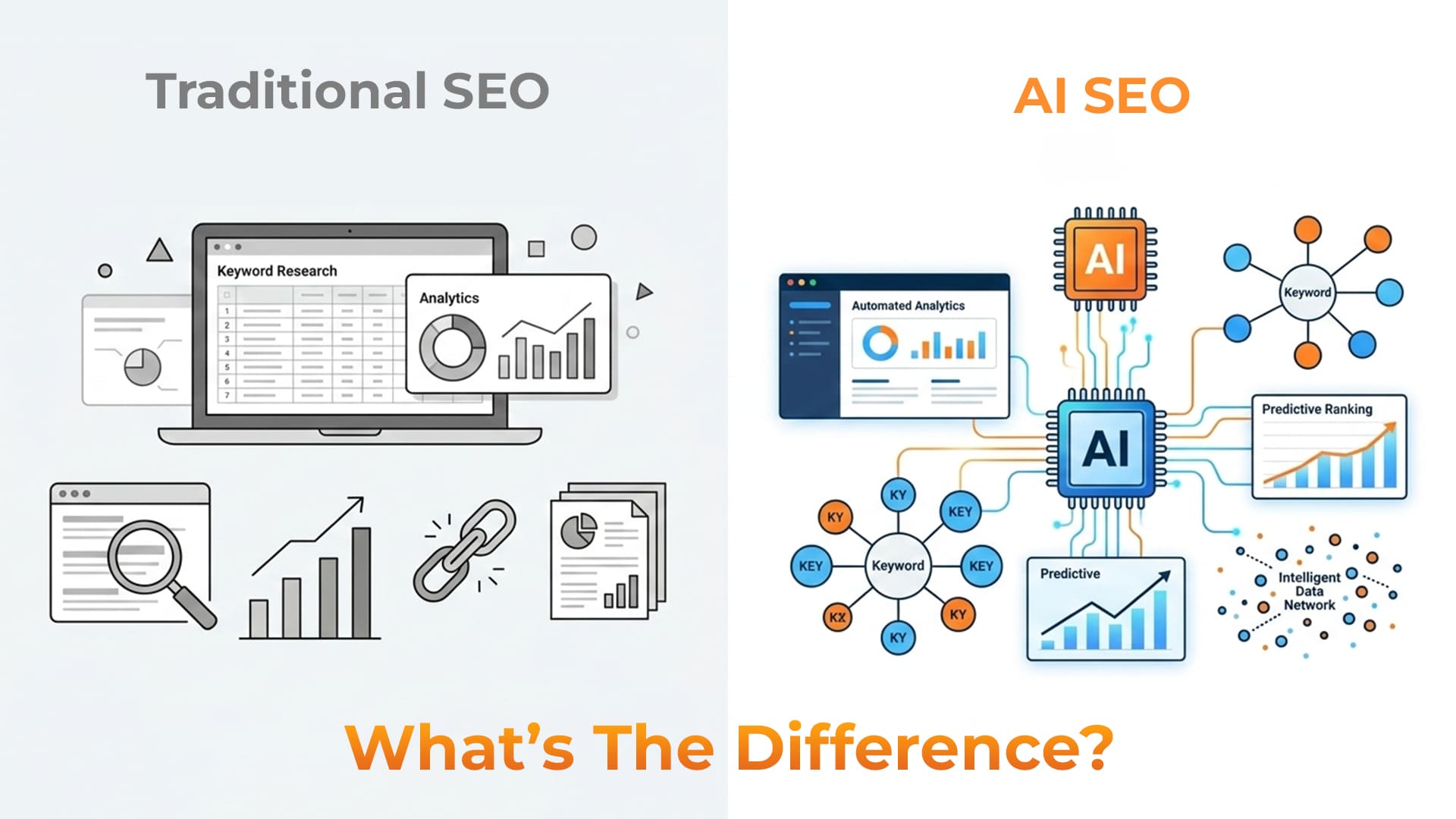
AI SEO automated keyword research refers to using machine learning algorithms and natural language processing to identify, cluster, and evaluate keywords without manual intervention. Unlike traditional tools that merely report search volumes, AI systems analyze patterns across millions of queries to understand semantic relationships, user intent, and content gaps. These platforms continuously learn from search engine result page (SERP) fluctuations, click-through rates, and content performance data to refine their recommendations over time.
The core difference between conventional keyword tools and AI-driven automation lies in the depth of analysis. Standard tools provide raw data—volume, difficulty, cost-per-click. AI systems interpret that data contextually, answering questions like “why do users search this term” and “what content format best satisfies this query.” This shift from data reporting to insight generation marks the fundamental evolution in keyword research methodology.
How Machine Learning Improves Keyword Discovery
Machine learning models process vast datasets of search queries to identify patterns invisible to human analysts. These algorithms detect emerging topics before they peak, recognize synonym clusters that search engines treat as equivalent, and predict which keywords will gain traction based on historical trends. For example, an AI system might identify that “best running shoes for flat feet” and “stability running shoes review” target the same user intent, allowing content teams to consolidate efforts rather than creating separate pieces that compete against each other.
Natural language processing adds another layer by understanding the grammatical structure and context of queries. This enables the categorization of keywords by search intent—informational, navigational, transactional, or commercial investigation. Automated systems can then recommend content formats aligned with each intent category, such as listicles for comparison queries or detailed guides for informational searches.
Core Components of AI Keyword Research Systems
Modern AI SEO automated keyword research platforms share several foundational components that work together to deliver actionable insights. Understanding these elements helps marketers evaluate tools effectively and configure them for maximum benefit.
Semantic Search Analysis
Semantic analysis goes beyond exact-match keywords to understand related concepts and entities. AI systems map out topic clusters by analyzing co-occurrence patterns in top-ranking content. This reveals which subtopics must be covered to rank for a primary keyword, effectively creating content briefs automatically. For instance, ranking for “Mediterranean diet” requires covering components like olive oil, fish consumption, red wine, and portion control—all identified through semantic analysis of existing top performers.
Predictive Volume Forecasting
Traditional tools report historical search volumes, but AI systems project future trends using time-series analysis and external signals. These predictions account for seasonality, industry developments, and even macroeconomic factors. Predictive forecasting enables content teams to create assets ahead of demand spikes, positioning them to capture traffic as interest grows rather than chasing already-established trends.
Competitive Gap Identification
AI algorithms continuously monitor competitor content and keyword portfolios, identifying terms your competitors rank for that you do not. More importantly, these systems detect content gaps within your own site—topics your existing pages should cover but currently miss. This automated gap analysis ensures comprehensive topic coverage without manual audits of hundreds of competing domains.
Intent Classification and Clustering
Automated intent classification sorts thousands of keywords into actionable groups based on user behavior signals. Transactional keywords like “buy” or “price” get separated from informational queries starting with “how to” or “what is.” Clustering then groups semantically related terms into single content pieces, preventing keyword cannibalization and improving topical authority. This process, which might take weeks manually, completes in minutes with AI assistance.
Benefits of Automated Keyword Research

The advantages of implementing AI SEO automated keyword research extend beyond time savings. Organizations that adopt these systems report measurable improvements across multiple performance indicators.
- Scalability: Analyze millions of keywords across multiple markets and languages simultaneously, something impossible with manual approaches.
- Accuracy: Machine learning models reduce human bias in keyword selection, focusing on data-driven opportunities rather than personal preferences.
- Speed: Complete comprehensive keyword research cycles in hours instead of weeks, enabling faster content production and publication.
- Freshness: Continuous monitoring catches trending topics and algorithm updates immediately, keeping content strategies current.
- Resource Optimization: Automatically prioritize keywords with the highest potential ROI, directing content creation efforts toward the most valuable opportunities.
- Consistency: Standardized processes ensure every content piece targets verified, high-potential keywords rather than relying on individual judgment.
- Content Quality Remains Paramount: AI identifies opportunities, but only exceptional content captures rankings. Invest equally in content creation quality as in research sophistication.
- User Experience Signals Matter: Search engines evaluate engagement metrics like bounce rate and dwell time. Ensure content satisfies users, not just algorithms, to maintain rankings over time.
- Technical SEO Foundation: Automated keyword research cannot compensate for technical issues like slow page speed, broken links, or poor mobile experience. Address technical fundamentals before scaling content production.
- Integration with Other Marketing Channels: Keywords identified through AI research inform paid search campaigns, social media content, and email marketing. Share insights across teams for consistent messaging.
- Continuous Learning: The AI landscape evolves rapidly. Stay informed about new capabilities and update your toolset as technology advances to maintain competitive advantage.
Measurable Performance Improvements
Case studies from enterprise SEO teams show that AI-driven keyword research typically increases organic traffic by 30-50% within six months of implementation. The improvement stems from better keyword selection, more comprehensive topic coverage, and alignment with actual user intent. Additionally, content produced from AI-generated briefs tends to rank faster because it addresses the full spectrum of related subtopics that search engines expect.
Limitations and Challenges
Despite its power, AI SEO automated keyword research has limitations that practitioners must acknowledge. Understanding these constraints prevents over-reliance on automation and ensures human oversight where it matters most.
Data Quality Dependence
AI systems learn from existing data, which means they inherit any biases or inaccuracies present in that data. If historical search data reflects outdated user behavior or regional anomalies, the AI recommendations will carry those same flaws. Regular validation against real-world performance metrics helps identify and correct these issues.
Contextual Blind Spots
Algorithms struggle with highly nuanced topics where user intent varies dramatically based on subtle phrasing differences. For example, “apple” could mean the fruit, the technology company, or the record label. While AI systems handle common ambiguities well, niche industries with specialized terminology may require manual refinement of automated suggestions.
Over-Optimization Risks
Following AI recommendations too literally can lead to content that feels formulaic and lacks the unique perspective that differentiates brands. Search engines increasingly reward original insights and genuine expertise, which automated systems cannot generate. The most effective approach combines AI efficiency with human creativity and subject matter expertise.
AI Keyword Research vs. Traditional Methods

Comparing automated systems with conventional approaches clarifies when each method makes sense. The following table highlights key differences across critical dimensions.
| Dimension | Traditional Keyword Research | AI Automated Research |
|---|---|---|
| Time Investment | Days to weeks per project | Minutes to hours |
| Data Sources | Manual tool exports, spreadsheets | Real-time SERP analysis, ML models |
| Keyword Volume | Hundreds to low thousands | Millions across markets |
| Intent Understanding | Manual categorization | Automated semantic classification |
| Trend Detection | Reactive, after trends emerge | Predictive, before peaks |
| Competitor Analysis | Manual review of top pages | Continuous automated monitoring |
| Cost | Low tool costs, high labor | Higher tool costs, lower labor |
| Customization | Fully manual, flexible | Configurable within platform limits |
Traditional methods retain value for highly specialized niches with limited search volume or for validating AI recommendations before major content investments. Most organizations achieve optimal results by combining both approaches—using AI for broad discovery and manual analysis for strategic refinement.
Practical Implementation Guide
Implementing AI SEO automated keyword research requires a structured approach that aligns technology with existing workflows. The following steps outline a proven implementation process.
Step 1: Define Objectives and KPIs
Before selecting tools, clarify what the keyword research must achieve. Are you targeting new market entry, expanding existing topic coverage, or defending against competitor encroachment? Define specific metrics—organic traffic growth, ranking position improvements, conversion rates—that will measure success. These objectives determine which AI features matter most and how to configure the system.
Step 2: Select Appropriate Tools
Evaluate AI keyword research platforms based on your specific needs rather than general popularity. Consider factors like data sources, update frequency, integration capabilities with your existing SEO stack, and pricing models. Request trials from multiple vendors and test with real business data to assess accuracy and usability. Leading platforms include Clearscope, MarketMuse, Frase, and Surfer SEO, each with distinct strengths in different aspects of automated research.
Step 3: Configure Data Inputs
AI systems improve with better input data. Connect your analytics platforms, search console data, and CRM information to provide the system with context about your audience and existing performance. Configure geographic and language targeting to ensure recommendations match your actual market. Set up competitor tracking by specifying domains you want the system to monitor continuously.
Step 4: Establish Validation Workflows
Create processes for reviewing AI recommendations before they reach content teams. Assign subject matter experts to validate keyword clusters and content briefs for accuracy and strategic alignment. Define thresholds for automatic approval versus manual review—for example, automatically accept low-difficulty keywords with clear commercial intent, but require human sign-off for high-investment content pieces targeting competitive terms.
Step 5: Integrate with Content Production
Connect keyword research outputs directly to your content management system and editorial workflow. Automated briefs should flow into your content calendar with assigned owners, deadlines, and performance targets. This integration eliminates the gap between research and production, ensuring insights translate into published content without friction.
Step 6: Monitor and Refine
AI systems improve through feedback loops. Track how content created from automated recommendations performs against projections. Feed performance data back into the system so it learns which types of recommendations produce results in your specific context. Review and adjust configurations quarterly as search landscapes and business priorities evolve.
Common Mistakes and How to Avoid Them

Organizations implementing AI SEO automated keyword research frequently encounter predictable pitfalls. Recognizing these issues early prevents wasted investment and suboptimal outcomes.
Mistake 1: Blind Trust in AI Output
Treating AI recommendations as gospel without validation leads to content that misses the mark. Algorithms lack understanding of your unique value proposition, brand voice, and audience nuances. Always review automated suggestions through the lens of your business context before committing resources.
Solution: Establish a review checklist that includes brand alignment, audience relevance, and competitive positioning. Require at least one human approval for every content brief before production begins.
Mistake 2: Ignoring Search Intent Nuances
AI systems classify intent at scale, but they may miss subtle variations that matter for conversion. A keyword classified as “informational” might actually represent users close to purchase decisions, depending on context. Over-reliance on automated intent labels can misdirect content strategy.
Solution: Spot-check intent classifications for your most important keywords. Review actual SERPs to understand what content currently ranks and whether the AI’s categorization matches reality.
Mistake 3: Neglecting Existing Content
Focusing exclusively on new keyword opportunities ignores the potential of updating and optimizing existing pages. AI research often identifies keywords that your current content could target with minor adjustments, representing faster wins than creating new assets.
Solution: Configure your AI tools to identify optimization opportunities for existing pages alongside new keyword suggestions. Prioritize quick wins that require minimal effort for significant ranking improvements.
Mistake 4: Inconsistent Usage
Using AI keyword research sporadically rather than as an ongoing process yields limited benefits. Search landscapes shift constantly, and one-time research becomes stale quickly. Organizations that treat automated research as a continuous monitoring function outperform those that run periodic projects.
Solution: Schedule regular automated reports and reviews. Set up alerts for significant changes in keyword rankings, competitor movements, or emerging trends in your niche.
Mistake 5: Overlooking Data Privacy and Compliance
Some AI tools process search data in ways that may raise privacy concerns, particularly in regulated industries. Ensure your chosen platforms comply with applicable data protection regulations and that your usage aligns with legal requirements.
Solution: Review vendor compliance documentation and consult legal counsel about data handling practices. Document your tool selection process to demonstrate due diligence.
Important Notes for Maximizing Results
Several considerations significantly impact the effectiveness of AI SEO automated keyword research initiatives. Paying attention to these factors distinguishes successful implementations from disappointing ones.
Frequently Asked Questions

How accurate is AI keyword research compared to manual methods?
AI systems typically demonstrate higher accuracy in identifying search intent and predicting ranking potential because they analyze vastly larger datasets than any human could process. However, accuracy varies by niche and data quality. Most organizations find AI recommendations accurate 70-85% of the time, with manual validation improving that rate further. The key advantage is not just accuracy but comprehensiveness—AI surfaces opportunities that manual methods would miss entirely.
What is the cost of AI SEO automated keyword research tools?
Pricing varies significantly based on features and usage levels. Entry-level tools start around $50-100 per month for basic automated research capabilities. Mid-tier platforms with advanced semantic analysis and competitor monitoring range from $200-500 monthly. Enterprise solutions with custom integrations, API access, and dedicated support can cost $1,000 or more per month. Most platforms offer tiered pricing that scales with keyword volume and team size.
Can AI keyword research replace human SEO specialists?
AI automation replaces repetitive data collection and analysis tasks, but it does not replace strategic thinking, creative content development, or relationship building. Effective SEO teams use AI to handle scale and speed while humans focus on interpretation, strategy, and quality control. Organizations that attempt to fully automate keyword research without human oversight typically see diminishing returns as content becomes generic and fails to differentiate.
How long does it take to see results from AI-driven keyword research?
Initial insights appear immediately, but measurable ranking improvements typically take 2-4 months. This timeline accounts for content production, search engine crawling, and ranking stabilization. Organizations that implement automated research and immediately update existing content often see faster results, sometimes within 3-6 weeks for low-competition keywords. Patience is essential—AI improves targeting, but search engines still require time to evaluate and rank new content.
Which industries benefit most from automated keyword research?
Industries with high content volume and competitive search landscapes benefit most. E-commerce, SaaS, finance, health, and technology sectors see significant advantages due to the sheer number of relevant keywords and rapid market changes. However, any industry with substantial search demand can benefit. Niche industries with limited search volume may find traditional methods sufficient, though AI tools still provide value in identifying long-tail opportunities and content gaps.
Conclusion
AI SEO automated keyword research represents a fundamental shift in how organizations approach search optimization. The ability to analyze millions of queries, predict trends, and generate actionable content briefs at scale provides competitive advantages that manual methods cannot match. Success requires thoughtful implementation that combines AI efficiency with human strategic oversight. Organizations that embrace this technology while maintaining quality standards and brand authenticity will capture significant organic search growth. The future of keyword research lies not in choosing between human and machine intelligence, but in creating systems where both work together—AI handling the heavy lifting of data analysis and humans providing the creativity, judgment, and contextual understanding that algorithms cannot replicate. Start by evaluating your current keyword research processes, identifying where automation adds the most value, and implementing AI tools incrementally to build expertise and confidence. The organizations that master this balance today will define the search landscape of tomorrow.
Xem thêm:
- Best AI Writing Tools in 2025: Streamline Content Creation with Top AI Assistants
- AI SEO BI Reports: The Complete Guide to Data-Driven Search Optimization
- AI SEO Site Structure: The Complete Guide to Building an AI-Ready Website Architecture
- AI SEO Content Hubs: The Complete Guide to Building Automated Topic Clusters
- LLM Optimization: The Complete Guide to Boosting Speed, Accuracy, and Cost Efficiency
Bài viết cùng chủ đề:

AI SEO SEO Automation with Make: The Complete Workflow Guide

AI SEO SEO Automation with Zapier: The Complete Workflow Guide

AI SEO SEO Automation with n8n: The Complete Workflow Guide
AI SEO SEO Automation with Gemini: The Complete Guide to Scaling Organic Growth

AI SEO SEO Automation with Claude: The Complete Guide to Scaling Content in 2025

AI SEO SEO Automation with ChatGPT: The Complete Playbook for 2025

AI SEO & SEO Automation for Affiliate Sites: The 2025 Playbook for Passive Income Growth
AI SEO & SEO Automation for Bloggers: The Complete Guide to Scaling Your Content

AI SEO & SEO Automation for Agencies: The Complete 2025 Playbook

AI SEO and SEO Automation for Ecommerce: The Complete Playbook for 2025

AI SEO & SEO Automation for WordPress: The Complete Playbook for 2025
AI SEO SEO Automation Strategy: The Complete Playbook for 2025

Mastering the AI SEO SEO Automation Process: A Complete Guide to Scaling Organic Growth
AI SEO SEO Automation System: The Complete Guide to Scaling Organic Growth in 2025
AI SEO SEO Automation Platform: The Complete Guide to Scaling Organic Growth in 2025
AI SEO SEO Automation Software: The Complete Guide to Scaling Organic Growth in 2025















