
No products in the cart.
AI SEO Content Hubs: The Complete Guide to Building Automated Topic Clusters
10
Aug
Aug
AI SEO Content Hubs represent a fundamental shift in how websites organize, generate, and rank topical content. Instead of publishing isolated blog posts, modern marketers use artificial intelligence to build interconnected resource centers that establish domain authority. These hubs combine machine learning with strategic information architecture to create content ecosystems that search engines reward with higher visibility. This guide examines the mechanics, benefits, and practical implementation of AI-driven content hubs for sustainable organic growth.
What Are AI SEO Content Hubs?
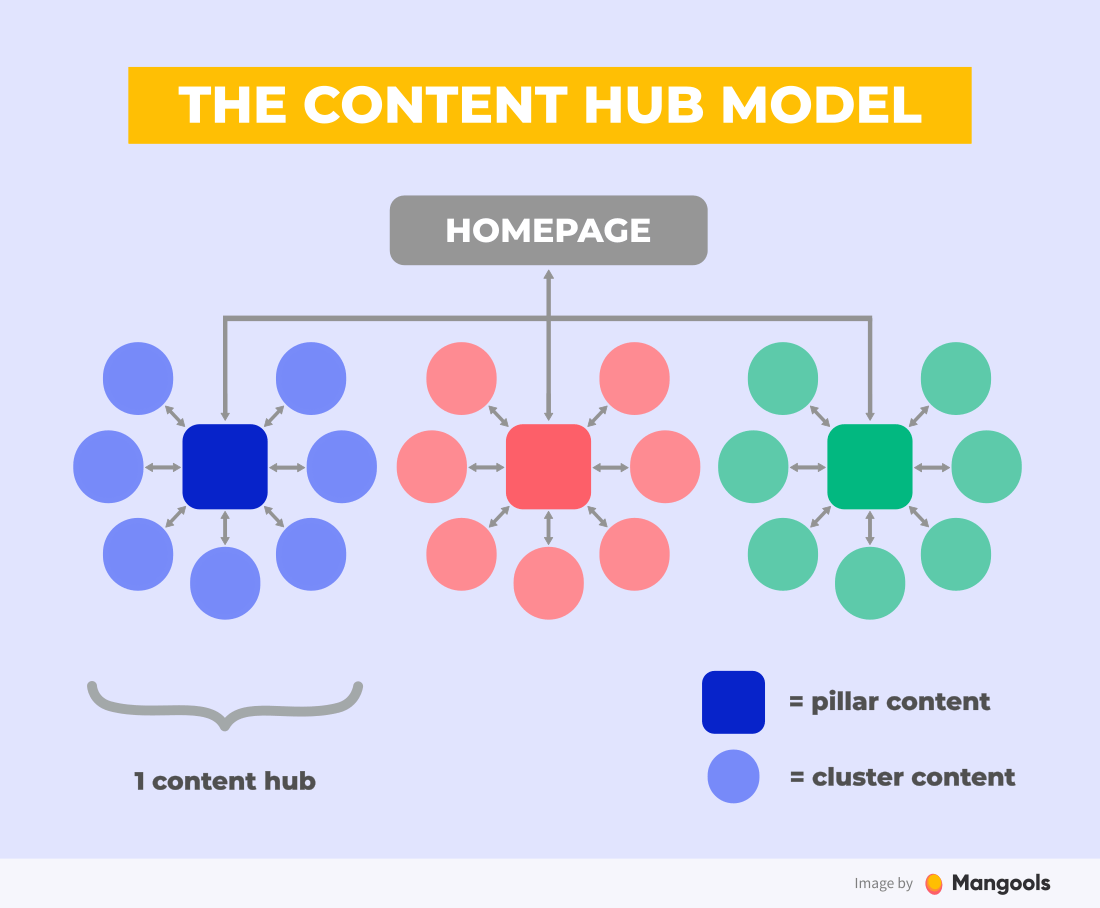
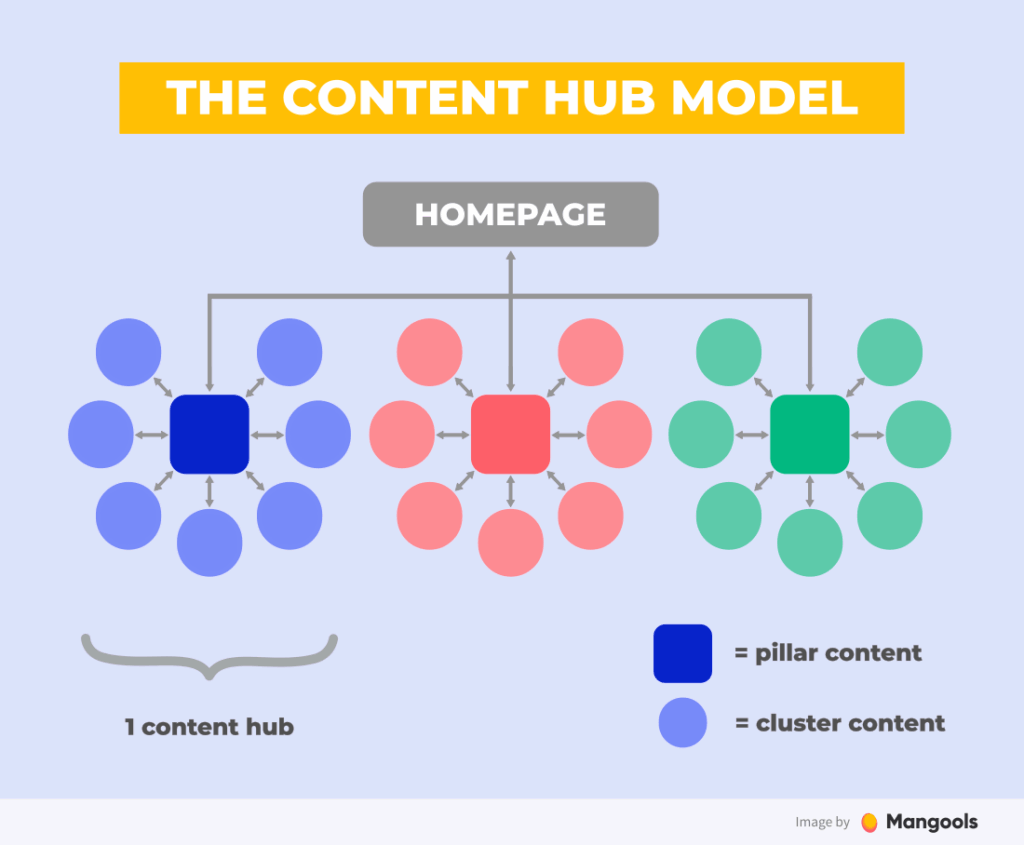
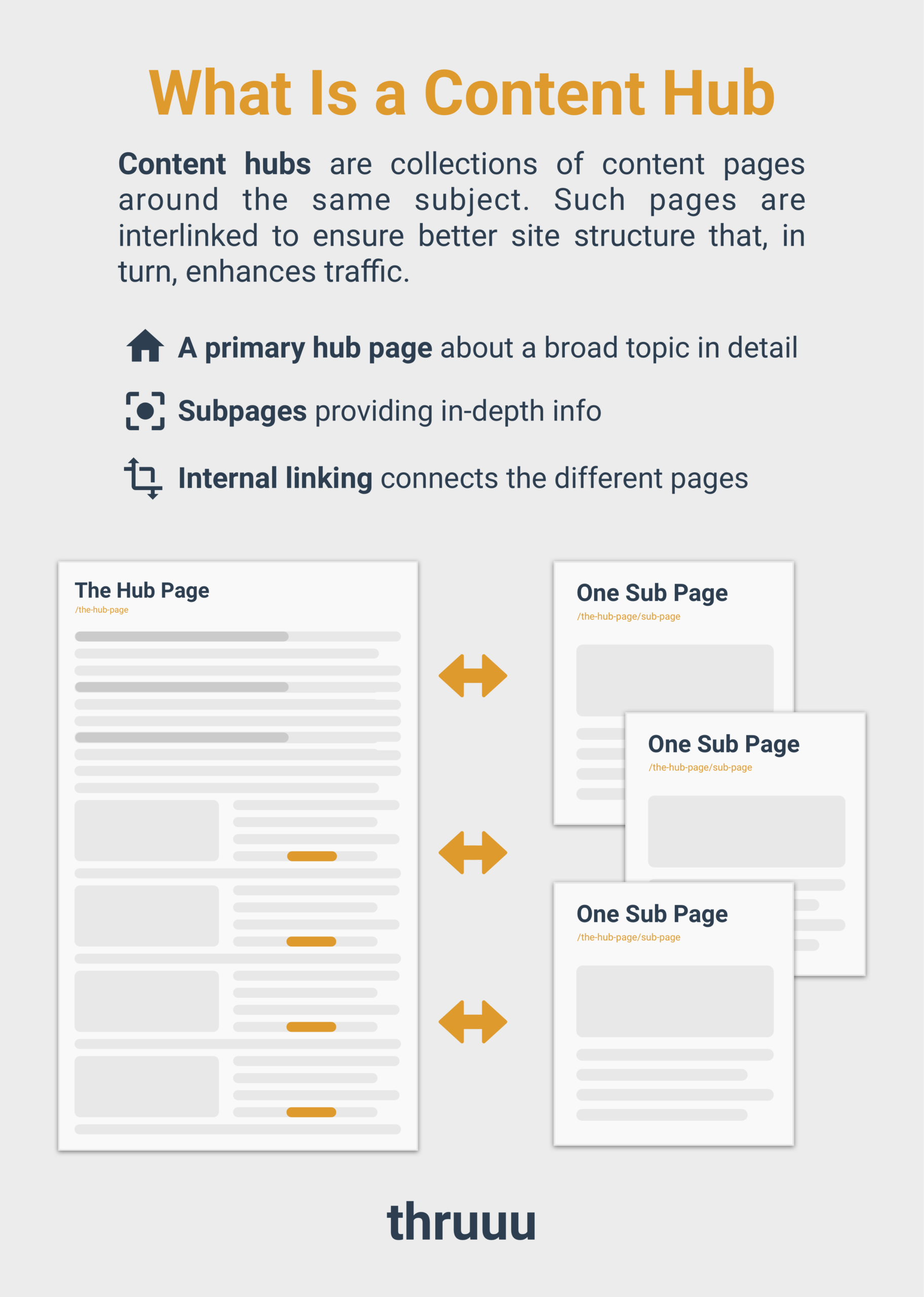
An AI SEO Content Hub is a centralized collection of interlinked pages and articles focused on a core topic, where artificial intelligence assists in content creation, optimization, and internal linking. The hub typically consists of a pillar page covering a broad subject, surrounded by cluster pages targeting specific long-tail keywords. AI tools analyze search intent, competitor gaps, and user behavior to suggest topics, generate drafts, and optimize metadata at scale.
The core difference from traditional content silos lies in automation. AI systems handle keyword research, outline generation, and even full article drafts. They also dynamically suggest internal links between hub pages based on semantic relevance. This approach allows websites to publish comprehensive topic coverage in weeks rather than months, while maintaining a coherent structure that signals expertise to Google’s algorithms.
Core Components of an AI-Powered Hub
- Pillar Page: A long-form, authoritative guide targeting the primary keyword. This page serves as the central hub and links out to all cluster content.
- Cluster Articles: Individual posts targeting specific subtopics, long-tail queries, and related questions. Each cluster page links back to the pillar.
- AI Content Engine: Software that generates outlines, drafts, and optimization suggestions. Tools like Jasper, Surfer SEO, or custom GPT models power this layer.
- Semantic Linking System: Algorithms that analyze entity relationships and automatically insert contextual internal links between hub pages.
- Performance Analytics: Dashboards that track keyword rankings, click-through rates, and conversion data for each hub component.
Why AI SEO Content Hubs Matter for Modern Search
Google’s shift toward entity-based ranking and topic authority has made comprehensive content clusters essential. Search algorithms now evaluate a website’s overall expertise on a subject, not just individual page relevance. AI SEO Content Hubs directly address this by creating a dense network of related information that demonstrates topical depth. When a user searches for a broad term, Google recognizes the hub as a definitive resource. When they search for a specific subtopic, the relevant cluster page appears with the authority of the entire hub behind it.
The data supports this strategy. Websites that implement topic clusters see an average increase of 20-30% in organic traffic within six months, according to industry case studies from HubSpot and Semrush. The reason is simple: hub structures reduce bounce rates by keeping users engaged through internal links, increase dwell time, and generate more backlinks because the content is genuinely comprehensive.
How AI Enhances Traditional Content Hubs
Traditional content hubs required manual planning, extensive research, and weeks of writing. AI accelerates every stage. Natural language processing models analyze millions of search queries to identify content gaps that competitors miss. They generate briefs with specific word counts, suggested headings, and semantic keywords. Some advanced systems even predict which subtopics will gain search volume in the coming months based on trend analysis.
AI also solves the maintenance problem. Content hubs need constant updates to stay relevant. AI tools monitor ranking fluctuations and suggest refreshes for underperforming pages. They can automatically update statistics, add new sections, and re-optimize meta descriptions without human intervention. This continuous improvement cycle keeps hubs competitive in fast-moving industries.
Benefits of Implementing AI SEO Content Hubs
The advantages extend beyond simple traffic gains. A well-executed AI hub transforms a website’s entire digital presence. First, it dramatically reduces content production costs. AI-generated drafts cut writing time by 50-70%, allowing teams to focus on editing and strategy rather than blank-page syndrome. Second, it improves content consistency. AI follows brand guidelines and tone-of-voice parameters across every hub page, creating a unified user experience.
Third, hubs generate compounding returns. Each new cluster page strengthens the entire network’s authority. As one page ranks, it passes link equity to others, creating a snowball effect. Fourth, AI hubs excel at capturing featured snippets. The structured, question-based content that AI generates aligns perfectly with Google’s snippet extraction algorithms, increasing the chances of position zero visibility.
Measurable Performance Metrics
| Metric | Traditional Blogging | AI SEO Content Hub |
|---|---|---|
| Time to publish 50 articles | 4-6 months | 3-6 weeks |
| Average keyword ranking improvement | 3-5 positions | 8-12 positions |
| Internal links per article | 2-3 manual | 8-10 automated |
| Content update frequency | Quarterly | Continuous |
| Cost per published article | $500-$1500 | $100-$300 |
Limitations and Challenges of AI-Generated Hubs
Despite the advantages, AI SEO Content Hubs come with significant caveats. The most pressing issue is content quality. AI models can produce grammatically correct text, but they often lack original insights, proprietary data, and genuine expertise. Search engines increasingly prioritize E-E-A-T (Experience, Expertise, Authoritativeness, Trustworthiness). Pure AI content without human oversight frequently fails to meet these standards, especially in YMYL (Your Money or Your Life) niches like finance, health, and legal advice.
Another challenge is duplication risk. Multiple websites using the same AI tools and prompts can generate strikingly similar content. Google’s helpful content update specifically targets this type of scaled content abuse. To mitigate this, successful implementations require human editors to add unique perspectives, original research, and personal experience to every AI-generated draft.
Technical complexity also poses a barrier. Building a proper hub requires careful URL structuring, taxonomy design, and crawl budget management. AI tools can suggest links, but they cannot fix underlying site architecture issues. Websites with poor technical SEO will not benefit from content hubs until those foundational problems are resolved.
How to Build an AI SEO Content Hub: Step-by-Step Guide

Implementing a successful hub requires a systematic approach. Follow these steps to create a hub that ranks and converts.
Step 1: Select the Core Topic
Choose a topic with sufficient search volume and commercial intent. Use AI-powered keyword research tools to identify a broad term with 1,000+ monthly searches and clear buyer intent. Avoid topics that are too broad (e.g., “marketing”) or too narrow (e.g., “best red widgets for left-handed users in Ohio”). The ideal pillar topic has 20-50 viable subtopics.
Step 2: Generate Cluster Topics with AI
Feed the core topic into an AI content planning tool. Ask it to generate 30-50 related subtopics based on search queries, “People Also Ask” data, and competitor analysis. Review the suggestions and filter out irrelevant or low-intent topics. Prioritize clusters that address specific problems, answer questions, or compare options.
Step 3: Create Detailed Content Briefs
For each cluster topic, use AI to generate a comprehensive brief. The brief should include primary and secondary keywords, suggested word count (typically 1,500-2,500 words), outline with H2/H3 headings, and semantic entities to include. Add your own notes about unique angles, proprietary data, or expert quotes to differentiate the content.
Step 4: Write and Edit with Human Oversight
Use AI writing tools to generate first drafts based on the briefs. Then, have a subject matter expert review and rewrite at least 30-40% of the content. Add personal anecdotes, case studies, screenshots, and original examples. Fact-check every statistic and claim. This human-AI collaboration produces content that ranks well and genuinely helps readers.
Step 5: Design the Internal Linking Structure
Create the pillar page first and publish it. Then, as you publish each cluster page, link it back to the pillar using descriptive anchor text. Use AI tools to suggest additional contextual links between cluster pages that share related subtopics. Aim for 5-10 internal links per page, distributed naturally within the body text.
Step 6: Optimize Technical Elements
Ensure each hub page has a unique title tag, meta description, and URL slug. Use schema markup (Article, FAQ, BreadcrumbList) to help search engines understand the hub structure. Submit the pillar page to Google Search Console and request indexing. Monitor crawl stats to ensure all hub pages are being discovered.
Step 7: Monitor and Iterate
Track keyword rankings weekly. Identify cluster pages that are underperforming and use AI to suggest improvements. Update the pillar page quarterly with new statistics and sections. Add new cluster pages as new search trends emerge. Remove or consolidate pages that fail to gain traction after six months.
Common Mistakes to Avoid with AI SEO Content Hubs
Many websites fail to realize the full potential of AI hubs due to predictable errors. The most common mistake is publishing AI content without human review. This leads to generic, low-value pages that Google devalues. Always treat AI output as a draft, not a finished product.
Another frequent error is creating a hub without a clear hierarchy. If the pillar page does not link to all clusters, or if clusters link to unrelated pages, the semantic signal is diluted. Maintain a strict hub-and-spoke structure. Additionally, many marketers focus solely on content creation and neglect technical SEO. A hub built on a slow, poorly structured website will not rank regardless of content quality.
Keyword cannibalization is another pitfall. When two cluster pages target the same keyword, they compete against each other. Use AI tools to audit your hub for overlapping topics and merge or differentiate pages as needed. Finally, avoid neglecting user intent. AI can generate content that matches search queries but misses the underlying need. Always ask whether the content actually solves the user’s problem.
Important Notes on AI Content Quality and Google Guidelines
Google’s official stance on AI-generated content is nuanced. The search engine does not ban AI content outright, but it penalizes content created primarily to manipulate rankings, regardless of how it is produced. The key is to ensure that AI-generated content demonstrates E-E-A-T. This means adding original research, expert quotes, unique images, and personal experience to every page.
For YMYL topics, exercise extreme caution. Google’s quality raters are trained to flag pages that lack demonstrable expertise. In these niches, AI should only be used for research and outlining, with the final content written entirely by human experts. For less sensitive topics, a 70/30 human-AI split is generally acceptable.
Transparency is also important. While you do not need to disclose AI usage to readers, you should maintain clear editorial standards. Implement a review process where every AI-generated page is checked for factual accuracy, readability, and alignment with your brand voice. Keep a log of AI prompts and revisions for quality control purposes.
Frequently Asked Questions
How many pages should an AI SEO Content Hub have?
An effective hub typically contains 20 to 50 cluster pages linked to a single pillar page. Smaller hubs with 10-15 pages can work for niche topics, while larger hubs with 100+ pages are suitable for broad industries. The key is to cover the topic comprehensively without creating thin, overlapping content.
What is the difference between a content hub and a blog?
A blog is a chronological collection of posts that may or may not be related. A content hub is a structured, interlinked collection of pages organized around a central topic. Hubs have a clear hierarchy (pillar and clusters), while blogs are flat. Hubs also focus on evergreen topics, whereas blogs often contain time-sensitive news and updates.
Can AI SEO Content Hubs work for local businesses?
Yes, but with modifications. Local businesses should create hubs around their primary services or product categories, then create cluster pages for specific locations, use cases, or customer problems. AI can generate location-specific content variations, but human review is essential to ensure accuracy of local details like addresses, phone numbers, and service areas.
How long does it take to see results from an AI content hub?
Most websites see initial ranking improvements within 4-8 weeks, but significant traffic growth typically takes 3-6 months. This timeline depends on domain authority, competition level, and content quality. New websites with low authority may need 6-12 months to build enough trust for their hubs to rank competitively.
What are the best AI tools for building content hubs?
Popular options include Jasper for long-form content generation, Surfer SEO for on-page optimization, Clearscope for semantic keyword research, and MarketMuse for content planning and gap analysis. For internal linking, tools like Link Whisper and Internal Link Juicer automate the process. Many teams also use custom GPT models trained on their specific niche data.
Conclusion
AI SEO Content Hubs represent the most efficient method for building topical authority in today’s search landscape. By combining artificial intelligence’s speed and scalability with human expertise and editorial judgment, websites can create comprehensive resource centers that rank well, engage users, and generate sustainable organic traffic. The technology is not a replacement for content strategy but an accelerator for it. Success requires a clear topic selection, rigorous human oversight, and a commitment to continuous improvement. Websites that master this balance will dominate their niches, while those that rely solely on unedited AI output will fall behind. Start small with one well-defined hub, measure the results, and scale what works.
Xem thêm:
- AI SEO Tools Comparison: Finding the Platform That Actually Moves the Needle
- AI SEO Agents: The Future of Automated Search Optimization
- AI SEO for Agencies: The Complete Blueprint to Scale, Automate, and Dominate Search Rankings
- AI SEO Reporting Workflow: The Complete Guide to Automated Insights
- AI SEO Content Engagement: The Complete Guide to Boosting Rankings and Reader Retention
Bài viết cùng chủ đề:

AI SEO SEO Automation with Make: The Complete Workflow Guide

AI SEO SEO Automation with Zapier: The Complete Workflow Guide

AI SEO SEO Automation with n8n: The Complete Workflow Guide
AI SEO SEO Automation with Gemini: The Complete Guide to Scaling Organic Growth

AI SEO SEO Automation with Claude: The Complete Guide to Scaling Content in 2025

AI SEO SEO Automation with ChatGPT: The Complete Playbook for 2025

AI SEO & SEO Automation for Affiliate Sites: The 2025 Playbook for Passive Income Growth
AI SEO & SEO Automation for Bloggers: The Complete Guide to Scaling Your Content

AI SEO & SEO Automation for Agencies: The Complete 2025 Playbook

AI SEO and SEO Automation for Ecommerce: The Complete Playbook for 2025

AI SEO & SEO Automation for WordPress: The Complete Playbook for 2025
AI SEO SEO Automation Strategy: The Complete Playbook for 2025

Mastering the AI SEO SEO Automation Process: A Complete Guide to Scaling Organic Growth
AI SEO SEO Automation System: The Complete Guide to Scaling Organic Growth in 2025
AI SEO SEO Automation Platform: The Complete Guide to Scaling Organic Growth in 2025
AI SEO SEO Automation Software: The Complete Guide to Scaling Organic Growth in 2025















