
No products in the cart.
AI SEO Automated SEO Tasks: The Complete Guide to Scaling Your Rankings in 2025
10
Aug
Aug
The digital marketing landscape has shifted dramatically. What once required a team of specialists and weeks of manual effort can now be accomplished in hours. This transformation is driven by the rise of AI SEO automated SEO tasks, which are fundamentally changing how businesses approach search engine optimization. From keyword research to technical audits, artificial intelligence is streamlining workflows, reducing human error, and unlocking insights that were previously impossible to gather. This guide explores the full spectrum of automated SEO capabilities, offering a practical roadmap for integrating these tools into your daily operations.
Understanding AI SEO and Automated SEO Tasks
AI SEO refers to the application of artificial intelligence and machine learning algorithms to improve a website’s visibility in search engine results. Automated SEO tasks are the specific processes that these AI systems handle without direct human intervention. This is not about replacing the SEO professional; rather, it is about augmenting their capabilities. The core value proposition is efficiency. By delegating repetitive, data-heavy jobs to software, marketers can focus on strategy, creativity, and analysis.
The evolution from manual to automated SEO is significant. In the past, checking rankings meant logging into multiple tools or manually searching. Now, AI aggregates data from thousands of sources in real-time. This shift allows for continuous optimization rather than periodic audits. The goal is to create a self-improving system where the website adapts to search engine algorithm updates and user behavior changes automatically.
The Core Components of an Automated SEO Workflow
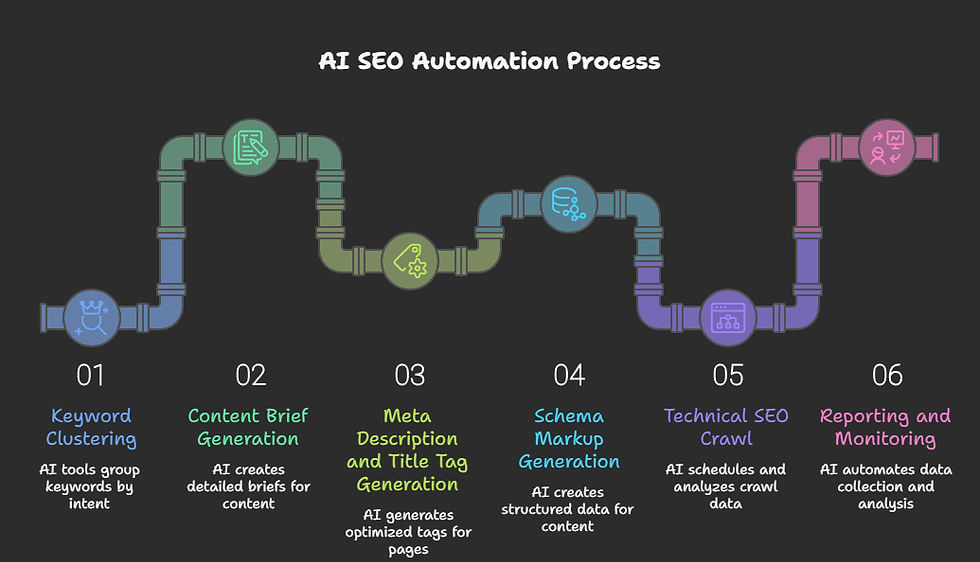
To fully grasp the potential of AI SEO automated SEO tasks, it is essential to break down the workflow into its core components. Each area addresses a specific pain point in the traditional SEO process.
- Data Aggregation: AI tools pull data from Google Search Console, Analytics, and server logs to create a unified view of performance.
- Pattern Recognition: Machine learning identifies correlations between on-page elements and ranking fluctuations that humans might miss.
- Predictive Analysis: Algorithms forecast the potential impact of changes before they are implemented, reducing the risk of negative outcomes.
- Content Generation: NLP (Natural Language Processing) models draft outlines, meta descriptions, and even full articles based on search intent.
- Technical Monitoring: Bots continuously crawl websites to detect broken links, crawl errors, and schema markup issues.
Key Areas Where AI Automates SEO Tasks
The application of AI is not uniform across all SEO disciplines. Some areas benefit more than others. Understanding where automation provides the highest ROI is crucial for resource allocation. The following sections detail the primary domains where AI SEO automated SEO tasks are making the biggest impact.
Automated Keyword Research and Clustering
Keyword research is the foundation of SEO, but it is also one of the most time-consuming tasks. AI has revolutionized this process by moving beyond simple volume metrics. Modern tools use machine learning to understand semantic relationships between queries. They can group thousands of keywords into topical clusters, identifying which pages should target which sets of terms.
This automation goes beyond basic grouping. AI can analyze the search engine results page (SERP) for a given keyword to determine the dominant intent—whether it is informational, transactional, or navigational. This allows for the creation of content that precisely matches what the user expects to find. The result is a more efficient content strategy that targets clusters of related terms rather than individual keywords in isolation.
Content Generation and Optimization
Perhaps the most debated application of AI SEO automated SEO tasks is in content creation. While AI cannot replace the nuance of a human expert, it excels at generating drafts, headlines, and meta tags. The technology uses GPT models to produce text that is coherent and contextually relevant. For SEO purposes, this is particularly useful for creating product descriptions, FAQ sections, and supporting paragraphs for pillar pages.
Beyond generation, AI is a powerful optimization tool. It can analyze existing content against top-ranking competitors and provide specific recommendations. These suggestions include keyword density adjustments, readability improvements, and the addition of related terms (LSI keywords). AI can also automate the process of internal linking by suggesting relevant anchor text and linking opportunities based on the content’s context.
Technical SEO Audits and Monitoring
Technical SEO is a prime candidate for automation due to its rule-based nature. AI-powered crawlers can simulate Googlebot and identify issues such as JavaScript rendering problems, slow page speeds, and duplicate content. Unlike manual audits that happen quarterly, AI tools run continuously. They alert webmasters to issues the moment they arise, preventing small problems from becoming ranking penalties.
Automated monitoring also extends to Core Web Vitals. AI tracks metrics like Largest Contentful Paint (LCP) and Cumulative Layout Shift (CLS) across all pages. When a regression is detected, the system can isolate the cause—whether it is a new plugin, a large image, or a server issue—and flag it for immediate action. This proactive approach maintains site health without constant human oversight.
Rank Tracking and Reporting
Traditional rank tracking involved checking positions for a handful of keywords daily. AI SEO automated SEO tasks have expanded this capability to track thousands of keywords across multiple locations and devices. The data is not just a list of positions; it is an analysis of volatility and trends. AI can correlate ranking changes with algorithm updates or site changes, providing a clear narrative for why performance shifted.
Reporting is another area where automation saves significant time. AI tools generate comprehensive reports that translate raw data into actionable insights. These reports can be scheduled to send automatically to stakeholders. They highlight wins, flag losses, and suggest next steps, eliminating the need for manual data compilation and chart creation.
Benefits of Implementing AI SEO Automation
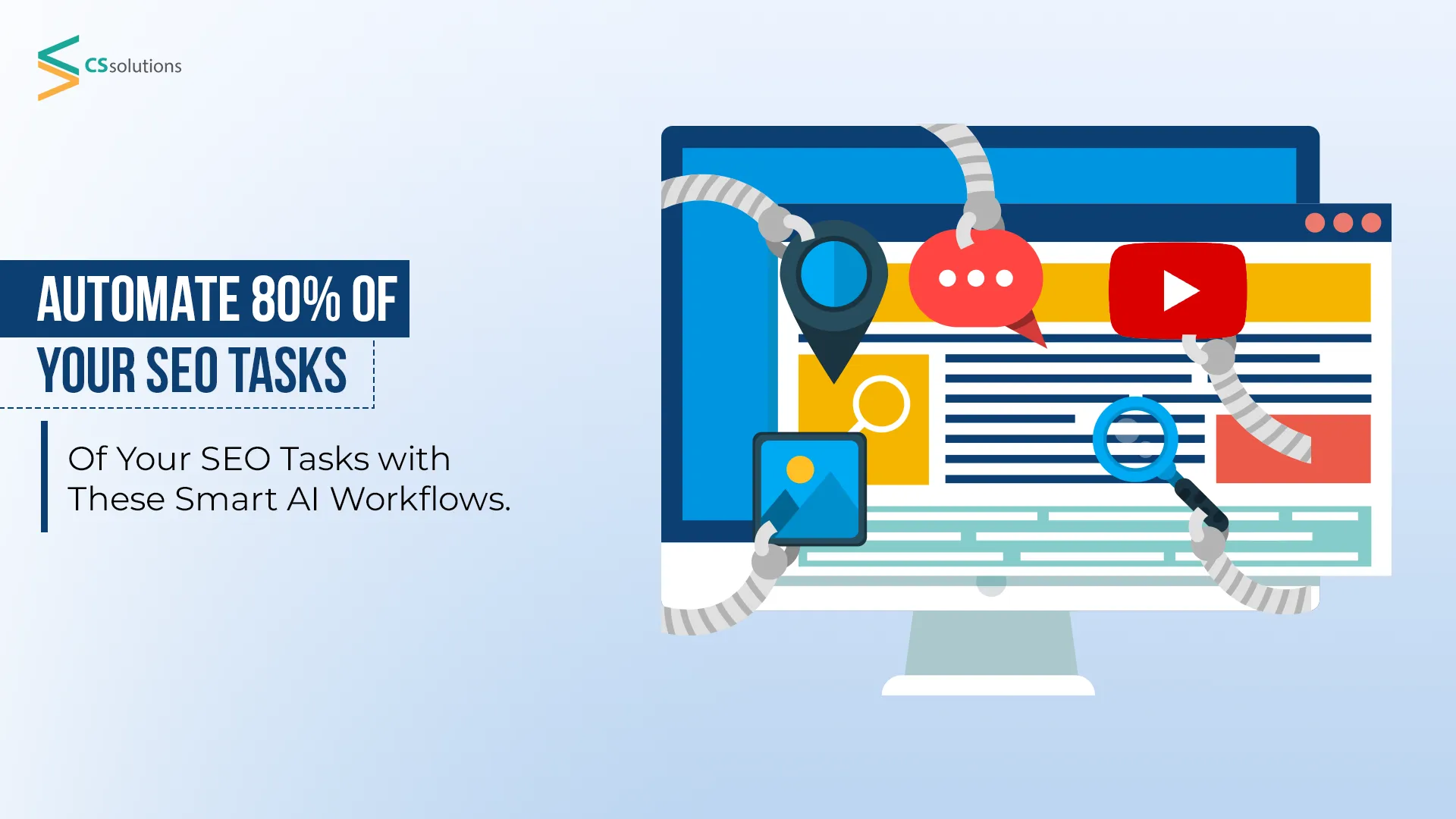
The adoption of AI SEO automated SEO tasks is not just a trend; it is a strategic advantage. The benefits extend beyond simple time savings, impacting the quality and scalability of your SEO efforts.
Scalability and Efficiency
Manual SEO processes do not scale well. A human can optimize ten pages effectively, but managing a thousand pages requires a different approach. AI handles this scale effortlessly. It can analyze every page on a large e-commerce site, generate unique meta descriptions for each, and identify optimization opportunities across the entire domain. This scalability allows businesses to grow their content footprint without proportionally increasing their SEO team size.
Data-Driven Decision Making
Human intuition is valuable, but it is often biased. AI makes decisions based on data patterns. This reduces the risk of implementing changes based on gut feeling. For example, when deciding which page to update, AI can analyze user engagement metrics, conversion rates, and current rankings to prioritize pages with the highest potential for ROI. This objective approach ensures that resources are allocated to the most impactful tasks.
Real-Time Adaptation
Search engine algorithms change frequently. Manual adaptation to these changes can take weeks. AI systems can adjust strategies in real-time. If a new algorithm update favors longer, more comprehensive content, AI tools can immediately flag short, thin pages for revision. This agility keeps websites competitive even during volatile periods in the search landscape.
Limitations and Challenges of AI in SEO
Despite the numerous advantages, relying solely on AI SEO automated SEO tasks has significant limitations. Understanding these constraints is vital to avoid costly mistakes and to set realistic expectations.
The Lack of Human Nuance and Creativity
AI operates based on patterns in existing data. It cannot generate truly novel ideas or understand cultural nuances in the way a human expert can. In content creation, this often results in text that is grammatically correct but lacks personality, humor, or emotional depth. For brands that rely on a unique voice, fully automated content can feel generic and fail to resonate with the audience.
Furthermore, AI cannot replicate the “E-E-A-T” (Experience, Expertise, Authoritativeness, Trustworthiness) signals that Google values. A human expert can draw on personal experience, cite specific case studies, and provide first-hand insights that AI simply cannot fabricate. Therefore, automation must be paired with human oversight for high-stakes content like medical, financial, or legal advice.
Dependency on Data Quality
AI models are only as good as the data they are trained on. If the input data is flawed, the output will be flawed. This is often referred to as “garbage in, garbage out.” For SEO, this means that if your analytics tracking is broken or your keyword data is outdated, the AI’s recommendations will be inaccurate. Regular audits of your data sources are necessary to ensure the automation is working with reliable information.
Risk of Over-Optimization
AI is excellent at following rules, but it can sometimes follow them too rigidly. This can lead to over-optimization, where content is stuffed with keywords or structured in a way that looks unnatural to human readers. Search engines are sophisticated enough to detect these patterns and may penalize sites that engage in them. It is crucial to configure AI tools with guidelines that prioritize user experience over algorithmic manipulation.
Comparing Manual SEO vs. AI Automated SEO
To make an informed decision about your workflow, it is helpful to compare the two approaches directly. The following table outlines the key differences between manual SEO processes and AI-driven automation.
| Aspect | Manual SEO | AI Automated SEO |
|---|---|---|
| Speed | Slow; requires significant human hours for analysis and implementation. | Fast; processes large datasets and implements changes in near real-time. |
| Scalability | Limited by team size and bandwidth. | Unlimited; handles thousands of pages and keywords simultaneously. |
| Accuracy | Prone to human error and oversight. | High consistency; reduces errors in data analysis and reporting. |
| Creativity | High; capable of original ideas and unique brand voice. | Low; relies on existing data patterns and can produce generic output. |
| Cost | High labor costs; expensive to scale. | Subscription-based tools; cost-effective for large operations. |
| Adaptability | Slow to react to algorithm updates. | Quick to adjust strategies based on new data. |
Practical Guide: How to Implement AI SEO Automation
Transitioning to an automated workflow requires a strategic approach. It is not about turning on a tool and walking away. The following steps provide a practical roadmap for integrating AI SEO automated SEO tasks into your existing operations.
Step 1: Audit Your Current Workflow
Before introducing new tools, map out your current SEO processes. Identify the tasks that are repetitive, time-consuming, and rule-based. These are the prime candidates for automation. Common examples include weekly rank tracking, meta tag generation, and broken link checks. Prioritize these tasks for your initial automation efforts.
Step 2: Select the Right Tools
The market is saturated with AI SEO tools, each with different strengths. Choose tools that integrate well with your existing tech stack. Look for platforms that offer APIs, allowing you to connect your CRM, CMS, and analytics tools. Consider starting with an all-in-one platform that covers keyword research, content optimization, and technical audits before investing in specialized point solutions.
Step 3: Train the AI with Your Brand Guidelines
AI tools are not plug-and-play. They require configuration to align with your brand voice and SEO goals. Provide the AI with examples of your best-performing content. Set parameters for tone, style, and prohibited phrases. For content generation, create a feedback loop where human editors review AI output and provide corrections. This training improves the AI’s accuracy over time.
Step 4: Establish a Human Review Process
Automation does not eliminate the need for human oversight. Establish a review process for critical outputs. For example, AI-generated content should always be reviewed by a subject matter expert before publication. Technical changes suggested by AI should be tested in a staging environment before going live. This hybrid approach ensures quality control while maximizing efficiency.
Step 5: Monitor Performance and Iterate
Automation is not a set-and-forget solution. Regularly review the performance of your automated tasks. Are the AI-generated meta descriptions improving click-through rates? Are the automated internal links helping with crawlability? Use this data to refine your AI settings and prompts. The goal is continuous improvement of both the automation process and the SEO outcomes.
Common Mistakes and How to Avoid Them
Many businesses fail to see results from AI SEO automation due to common implementation errors. Being aware of these pitfalls can save you time and resources.
Mistake 1: Ignoring Search Intent
AI can generate content, but if the prompts do not specify the correct search intent, the output will miss the mark. For example, generating a product page for a keyword that actually has informational intent will result in poor rankings. Always verify the SERP features and user intent before using AI to generate or optimize content.
Mistake 2: Publishing Unedited AI Content
Publishing raw AI output without human editing is a fast track to losing credibility. AI text often contains factual errors, awkward phrasing, and a lack of original insight. Google’s algorithms are designed to detect unhelpful content, regardless of whether it is written by a human or a machine. Always add unique value, data, and personal experience to AI drafts.
Mistake 3: Overlooking Technical Integration
AI tools are only useful if they can access your data. Failing to properly integrate your SEO tools with Google Search Console or your CMS can lead to incomplete analysis. Ensure that all necessary permissions are granted and that data pipelines are functioning correctly. A disconnected tool is just an expensive standalone application.
Mistake 4: Relying Solely on Automation for Link Building
Some AI tools promise automated link building, but this is a dangerous area. Automated link outreach often results in spammy, low-quality backlinks that can trigger penalties. Link building requires relationship building and genuine outreach. Use AI to identify prospects and personalize emails, but never automate the actual acquisition of links.
Important Notes on AI and Search Engine Guidelines
Google has been clear about its stance on AI-generated content. The official guidance states that the quality of content is more important than how it is produced. However, this does not mean that all AI content is acceptable. Google’s spam policies specifically target “scaled content abuse,” which includes using automation to produce large volumes of unhelpful content that aims to manipulate search rankings.
To stay compliant, focus on creating content that demonstrates first-hand expertise and provides genuine value. Use AI to assist with research, drafting, and optimization, but ensure that the final product is reviewed and enhanced by humans. The goal is to use AI to improve efficiency without sacrificing the quality and originality that search engines reward.
Additionally, be transparent with your audience. While you do not need to label every AI-assisted piece, you should maintain editorial standards that ensure accuracy. If you use AI to generate facts or statistics, verify them against authoritative sources. Trust is a critical ranking factor, and it is built through consistent, reliable information.
Frequently Asked Questions (FAQ)
What are the best AI SEO automated SEO tasks to start with?
The easiest tasks to automate are those that are repetitive and data-driven. Start with rank tracking, technical site audits, and meta tag generation. These tasks require minimal creative input and provide immediate time savings. Once these are running smoothly, you can move on to more complex tasks like content optimization and keyword clustering.
Will AI replace SEO professionals?
A The focus will shift from manual execution to strategy, analysis, and creative direction. Professionals who learn to leverage AI tools will be more valuable than those who do not. The human element remains crucial for understanding brand voice, building relationships, and interpreting nuanced data.
How much does AI SEO software cost?
The cost varies widely depending on the features and scale. Basic tools with limited queries can start around $50 per month. Enterprise-level platforms with advanced AI capabilities and API access can cost several thousand dollars per month. Most providers offer tiered pricing, allowing you to scale up as your needs grow.
Can AI help with local SEO automation?
Yes, AI is highly effective for local SEO. It can automate the management of business listings across multiple directories, ensuring consistency of Name, Address, and Phone number (NAP) data. AI can also generate location-specific content and manage customer reviews by flagging negative sentiment for immediate human attention.
Is AI-generated content penalized by Google?
Google does not penalize AI-generated content simply because it is AI-generated. However, it does penalize content that is unhelpful or spammy, regardless of the author. If AI content is well-researched, edited by humans, and provides value, it can rank well. The key is to focus on quality and user experience rather than the method of production.
Conclusion
The integration of AI SEO automated SEO tasks is no longer a competitive advantage; it is becoming a necessity for businesses that want to maintain visibility in a crowded digital landscape. The ability to automate mundane tasks, analyze vast datasets, and adapt to algorithm changes in real-time provides a significant edge. However, the technology is a tool, not a replacement for strategic thinking.
The most successful SEO strategies will be those that combine the computational power of AI with the creativity, empathy, and ethical judgment of human experts. By automating the “what” and the “how,” you free up time to focus on the “why.” This balanced approach ensures that your SEO efforts are not only efficient but also effective and sustainable in the long term. Start small, measure your results, and gradually expand your automation footprint to build a robust, self-improving SEO engine.
Xem thêm:
- AI SEO Make Automation: The Complete Guide to Scaling Organic Growth in 2025
- AI SEO vs Traditional SEO: How Automation Is Rewriting the Rules of Search Visibility
- AI Copywriting Tools: The Complete Guide to Automating High-Converting Content in 2025
- AI SEO Content Planning: The Complete Guide to Smarter Content Strategies
- The Ultimate AI SEO Workflow for Freelancers: Boost Efficiency and Rankings
Bài viết cùng chủ đề:

AI SEO SEO Automation with Make: The Complete Workflow Guide

AI SEO SEO Automation with Zapier: The Complete Workflow Guide

AI SEO SEO Automation with n8n: The Complete Workflow Guide
AI SEO SEO Automation with Gemini: The Complete Guide to Scaling Organic Growth

AI SEO SEO Automation with Claude: The Complete Guide to Scaling Content in 2025

AI SEO SEO Automation with ChatGPT: The Complete Playbook for 2025

AI SEO & SEO Automation for Affiliate Sites: The 2025 Playbook for Passive Income Growth
AI SEO & SEO Automation for Bloggers: The Complete Guide to Scaling Your Content

AI SEO & SEO Automation for Agencies: The Complete 2025 Playbook

AI SEO and SEO Automation for Ecommerce: The Complete Playbook for 2025

AI SEO & SEO Automation for WordPress: The Complete Playbook for 2025
AI SEO SEO Automation Strategy: The Complete Playbook for 2025

Mastering the AI SEO SEO Automation Process: A Complete Guide to Scaling Organic Growth
AI SEO SEO Automation System: The Complete Guide to Scaling Organic Growth in 2025
AI SEO SEO Automation Platform: The Complete Guide to Scaling Organic Growth in 2025
AI SEO SEO Automation Software: The Complete Guide to Scaling Organic Growth in 2025















