
No products in the cart.
AI SEO Make Automation: The Complete Guide to Scaling Organic Growth in 2025
31
Jul
Jul
The digital marketing landscape has shifted dramatically. What once required a team of specialists working around the clock can now be accomplished with intelligent software and machine learning algorithms. AI SEO make automation is no longer a futuristic concept; it is the operational standard for brands that want to maintain a competitive edge. This comprehensive guide explores how artificial intelligence transforms search engine optimization workflows, from keyword research to content production and technical audits, providing a clear roadmap for implementation.
Understanding AI SEO Make Automation: Definition and Core Principles
AI SEO make automation refers to the strategic use of artificial intelligence technologies—including natural language processing (NLP), machine learning (ML), and predictive analytics—to execute, manage, and optimize search engine optimization tasks with minimal human intervention. This is not about replacing human judgment entirely. Instead, it is about augmenting human capabilities to handle repetitive, data-heavy processes at scale.
The core principle involves feeding large datasets into algorithms that learn patterns from search engine result pages (SERPs), user behavior, and content performance. These systems then make recommendations or take direct actions, such as adjusting meta tags, generating content briefs, or restructuring internal links. The ultimate goal is to improve organic visibility, increase qualified traffic, and reduce the time-to-value for SEO campaigns.
The Evolution from Manual SEO to Intelligent Automation
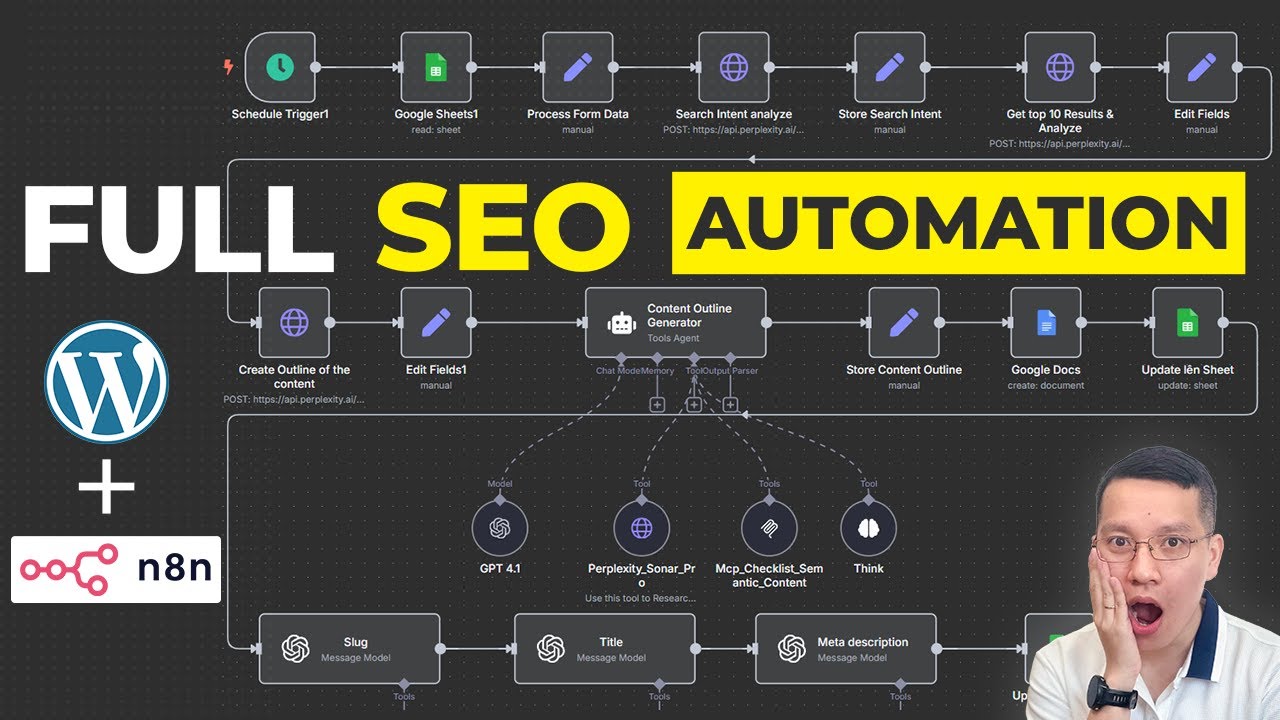
Traditional SEO relied heavily on manual processes: checking rankings, analyzing backlinks, and manually optimizing pages. This approach is unsustainable in an environment where Google processes billions of searches daily. The shift toward AI-driven systems began with rank tracking tools and evolved into sophisticated platforms that can simulate user intent, predict content performance, and automatically generate schema markup. Today, AI SEO make automation encompasses the entire lifecycle of organic search management.
Key Components of an AI-Powered SEO Automation Stack
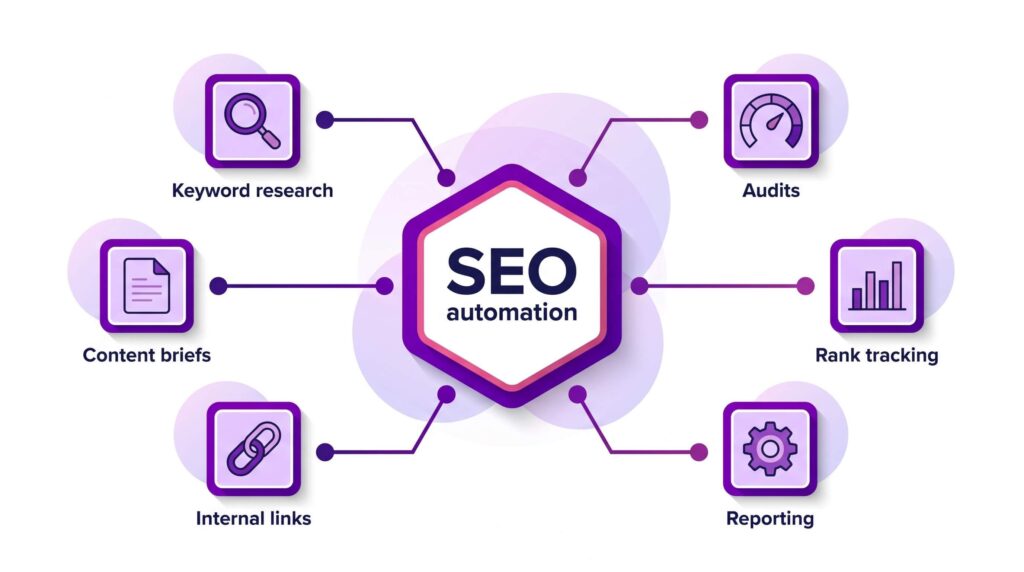
To build a robust automation framework, you need to understand the distinct components that work together. Each element addresses a specific pain point in the SEO workflow, creating a synergistic system that operates continuously.
Automated Keyword Research and Clustering
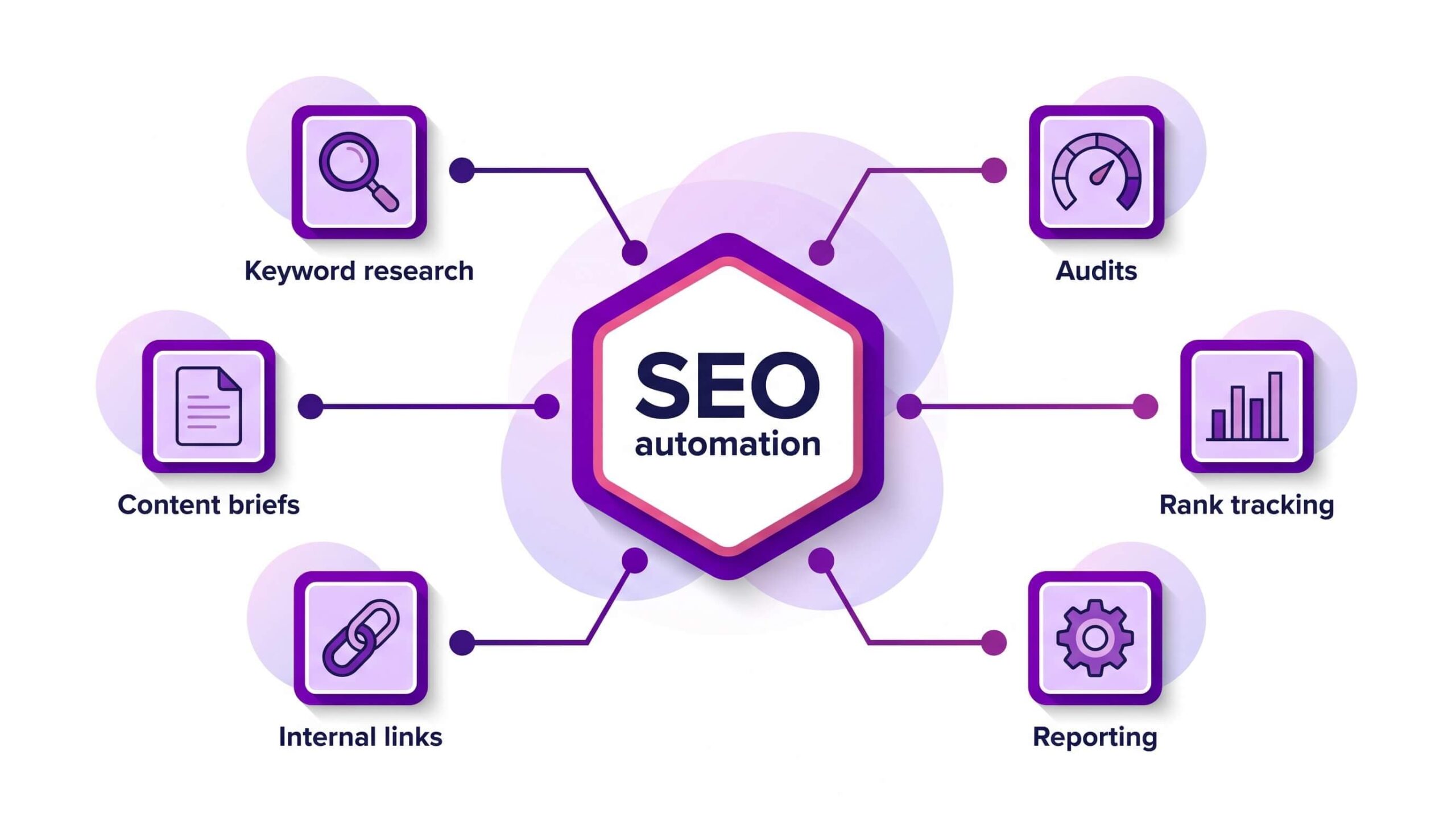
Keyword research is the foundation of any SEO strategy. AI tools like Clearscope, Surfer SEO, and MarketMuse analyze millions of search queries to identify semantic relationships and user intent. Instead of manually compiling lists, these platforms automatically cluster keywords into topical groups based on search engine understanding. For example, an AI system can identify that “best running shoes” and “durable running footwear” target the same user need, allowing you to create one comprehensive page instead of two thin ones.
AI-Driven Content Generation and Optimization
Content creation is where AI SEO make automation delivers the most visible impact. Large language models (LLMs) can draft outlines, write initial drafts, and generate meta descriptions. However, the true power lies in optimization. Real-time tools analyze your draft against top-ranking competitors, suggesting specific terms to include, readability improvements, and structural changes. This ensures your content is not just written but engineered to satisfy both users and search engine algorithms.
Technical SEO Auditing and Error Resolution
Crawling and indexing issues can silently kill your organic traffic. Automated crawlers simulate Googlebot to identify broken links, duplicate content, missing alt text, and slow-loading pages. Advanced systems go a step further by automatically generating fix tickets or directly implementing corrections through API integrations with content management systems (CMS). This proactive approach prevents small issues from escalating into ranking penalties.
Automated Link Building and Digital PR
While link building requires a human touch, AI can streamline the process. Automation tools analyze competitor backlink profiles to identify high-authority prospects. They can draft personalized outreach emails, track responses, and manage follow-ups. Some platforms even use predictive analytics to assess the likelihood of a link being placed, allowing you to prioritize high-value opportunities.
Real-Time Rank Tracking and Reporting
Manual rank checking is obsolete. AI-powered rank trackers provide real-time data on keyword positions across different devices and locations. More importantly, they correlate ranking fluctuations with algorithm updates, competitor actions, and on-page changes. Automated reporting tools compile this data into executive summaries, highlighting wins, losses, and actionable insights without manual spreadsheet work.
Benefits of Implementing AI SEO Make Automation
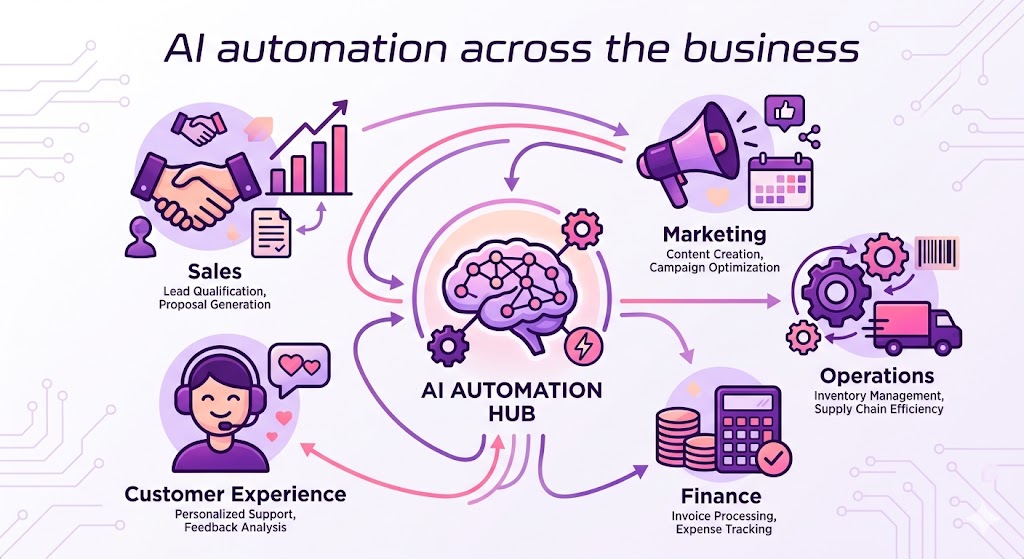
The adoption of AI in SEO is not a trend; it is a response to the increasing complexity of search algorithms. The benefits are tangible and measurable across multiple dimensions of your digital strategy.
Unprecedented Efficiency and Scalability
Consider the time required to manually optimize a single blog post. You might spend hours on keyword placement, internal linking, and meta data. With AI, this process takes minutes. This efficiency allows you to scale content production from 10 posts per month to 100 without proportionally increasing your headcount. For e-commerce sites with thousands of product pages, automation is the only viable path to comprehensive optimization.
Data-Driven Decision Making
Human intuition has limits. AI systems process vast amounts of data to uncover patterns that are invisible to the naked eye. For instance, an algorithm might discover that pages with a specific word count and image ratio consistently outperform others in your niche. By applying these insights automatically, you eliminate guesswork and base every decision on empirical evidence.
Improved Accuracy and Consistency
Repetitive tasks are prone to human error. Missing a closing tag, forgetting to update a title, or using inconsistent naming conventions can harm your SEO efforts. Automation ensures that every page adheres to your predefined standards. This consistency builds trust with search engines, which reward sites that demonstrate technical excellence.
Competitive Advantage Through Speed
In the fast-paced digital world, being first matters. When a trending topic emerges, AI can generate a fully optimized article within minutes, allowing you to publish while the topic is still hot. This speed is impossible with manual workflows. Moreover, automated monitoring alerts you to competitor changes instantly, enabling rapid counter-strategies.
Limitations and Challenges of AI in SEO
While the benefits are compelling, it is crucial to approach AI SEO make automation with a clear understanding of its limitations. Blindly trusting algorithms can lead to suboptimal outcomes.
The Risk of Generic Content
AI models trained on public data can produce content that sounds generic and lacks unique insights. Search engines are increasingly sophisticated at detecting low-value, AI-generated text. If your automation strategy focuses solely on volume without adding human expertise, you risk losing rankings to more authentic competitors. The solution is a hybrid approach: AI handles the heavy lifting, while human editors inject personal experience and original research.
Dependence on Data Quality
Garbage in, garbage out. AI algorithms are only as good as the data they are trained on. If your analytics tracking is broken or your keyword data is outdated, the automation will make poor decisions. Regular data audits are essential to ensure your AI systems are working with accurate information.
Lack of Contextual Understanding
AI struggles with nuance, cultural context, and brand voice. A tool might suggest a keyword that is technically relevant but off-brand for your company. Similarly, automated content might miss the emotional resonance that connects with your audience. Human oversight is necessary to maintain brand integrity and ensure that automation serves your broader marketing goals.
AI SEO Make Automation vs. Traditional SEO: A Comparative Analysis
To fully appreciate the value of automation, it helps to compare it directly with traditional methods. The table below highlights the key differences across critical SEO functions.
| SEO Function | Traditional Manual Approach | AI-Driven Automation |
|---|---|---|
| Keyword Research | Manual brainstorming, spreadsheet analysis, limited data sets | Real-time analysis of millions of queries, semantic clustering, intent prediction |
| Content Creation | Writer researches and writes from scratch, taking days | AI generates outlines and drafts in minutes, optimized for NLP and readability |
| Technical Audits | Periodic manual crawls using desktop software | Continuous cloud-based crawling with automatic issue detection and fix suggestions |
| Link Building | Manual prospecting, personalized emails, slow follow-up | Automated prospect identification, templated outreach, and predictive scoring |
| Reporting | Monthly manual data pulls and chart creation | Real-time dashboards with automated insights and anomaly detection |
| Adaptability | Slow reaction to algorithm updates | Immediate adjustment based on algorithmic change detection |
This comparison clearly shows that while traditional methods offer control, they lack the speed and scale required for modern SEO. Automation does not eliminate the need for strategy; it amplifies the execution of that strategy.
Practical Implementation: How to Automate Your SEO Workflow
Transitioning to an automated workflow requires careful planning. A haphazard approach can lead to tool sprawl and fragmented data.
Step 1: Audit Your Current SEO Processes
Before introducing new tools, map out your existing workflows. Identify tasks that are repetitive, time-consuming, and rule-based. These are prime candidates for automation. Common examples include generating meta descriptions, resizing images, and checking for broken links. Prioritize these tasks based on the time they consume and their impact on performance.
Step 2: Select an Integrated Platform
Instead of using ten different point solutions, consider an all-in-one platform that offers content optimization, rank tracking, and technical audits. Tools like Semrush, Ahrefs, and Moz have integrated AI features. For content-specific needs, platforms like Surfer SEO or Frase offer deep integration with Google Docs and WordPress. Choose tools that offer APIs so you can connect them to your existing tech stack.
Step 3: Define Your Automation Rules
Automation requires clear parameters. For example, you might set a rule that automatically updates a page title if the click-through rate drops below 2% for 30 days. Or you might configure your system to generate an internal link whenever a new blog post is published. Document these rules to ensure consistency and to avoid unintended consequences.
Step 4: Train Your Team on Human-in-the-Loop Practices
Your team needs to understand that AI is a tool, not a replacement. Establish a review process where AI-generated content is edited for brand voice and factual accuracy. For technical tasks, set up alerts that require human approval before major changes are implemented. This hybrid model ensures quality while maximizing efficiency.
Step 5: Monitor, Measure, and Iterate
Automation is not a set-and-forget solution. Track the performance of your automated tasks against your baseline metrics. Are automated meta descriptions generating higher click-through rates? Is AI-assisted content ranking faster? Use this data to refine your rules and improve your models. Continuous iteration is the key to long-term success.
Common Mistakes to Avoid When Using AI for SEO
Many businesses fail to realize the full potential of AI SEO make automation due to common pitfalls. Being aware of these mistakes can save you time, money, and lost rankings.
Over-Reliance on AI for Content Creation
Publishing hundreds of AI-generated articles without human review is a recipe for disaster. Google’s helpful content system specifically targets content that lacks first-hand expertise. If your articles are generic summaries of other articles, they will not rank. Always add original data, personal anecdotes, or expert commentary to AI drafts.
Ignoring User Intent in Favor of Keywords
AI tools can identify keywords, but they cannot always understand the subtle differences in user intent. For example, the query “best laptop” could mean the user wants a review, a buying guide, or a comparison. If your automation targets the wrong intent, your bounce rate will skyrocket. Regularly review your keyword clusters to ensure they align with your content strategy.
Neglecting to Update AI Models
Search algorithms change constantly. Your AI tools need to be updated with the latest data to remain effective. This includes refreshing your keyword lists, updating your competitor analysis, and retraining your content models. Stale data leads to stale strategies.
Failing to Integrate Automation with Other Marketing Channels
SEO does not exist in a vacuum. Your automated SEO efforts should feed into your social media, email marketing, and paid advertising strategies. For example, an AI tool that identifies high-performing content can automatically suggest it for your email newsletter. Siloed automation creates missed opportunities.
Important Notes for Long-Term Success
As you integrate AI into your SEO strategy, keep these critical considerations in mind to ensure sustainable growth.
- Focus on E-E-A-T: Experience, Expertise, Authoritativeness, and Trustworthiness remain the cornerstones of Google’s quality rater guidelines. Use AI to enhance these signals, not dilute them. Ensure your content cites credible sources and showcases real-world experience.
- Prioritize Technical Health: Automation can fix technical issues, but it cannot replace a solid site architecture. Ensure your site is crawlable, has a clear hierarchy, and loads quickly. Automation amplifies the effects of a good foundation.
- Balance Automation with Human Creativity: The best SEO strategies combine data-driven insights with creative storytelling. Use AI to handle the data, but let your human team craft the narrative that differentiates your brand.
- Stay Updated on AI Regulations: As governments introduce regulations around AI-generated content, ensure your practices are transparent. Disclose AI usage where required and maintain ethical standards in your automation.
Frequently Asked Questions (FAQ)
What is the best AI tool for SEO automation?
The best tool depends on your specific needs. For comprehensive SEO suites, Semrush and Ahrefs offer robust AI features for keyword research and auditing. For content optimization, Surfer SEO and Clearscope are industry leaders. For technical automation, consider using Screaming Frog with custom AI scripts. Evaluate your workflow and budget to choose the right fit.
Can AI fully replace human SEO specialists?
No, AI cannot fully replace human specialists. While AI excels at data processing, pattern recognition, and repetitive tasks, it lacks strategic thinking, creative problem-solving, and the ability to build relationships. The most effective approach is a partnership where AI handles execution and humans focus on strategy and oversight.
How does AI SEO automation handle Google algorithm updates?
AI tools monitor SERP fluctuations and can detect algorithm updates in real-time. They analyze the impact on your rankings and suggest adjustments to your content and technical setup. However, they cannot predict future updates. Staying informed through industry news and adapting your strategy remains a human responsibility.
Is AI-generated content penalized by Google?
Google does not penalize AI-generated content per se. It penalizes low-quality content that fails to provide value, regardless of whether it is written by a human or a machine. If AI content is well-researched, factually accurate, and adds unique value, it can rank well. Always review and edit AI output to ensure it meets your quality standards.
What is the cost of implementing AI SEO automation?
Costs vary widely. Basic AI-powered rank tracking tools start at around $50 per month. Comprehensive platforms with content optimization and technical audits can cost $200 to $500 per month. Enterprise-level custom automation solutions can run into the thousands. Consider the ROI in terms of time saved and traffic growth to justify the investment.
Conclusion: Embracing the Future of SEO
AI SEO make automation is transforming the way businesses approach organic search. It offers unprecedented speed, scalability, and data-driven precision that manual methods cannot match. However, success requires a balanced approach. The technology is a powerful amplifier, but it is not a substitute for strategic thinking, brand authenticity, and human expertise. By integrating AI into your workflows thoughtfully, avoiding common pitfalls, and maintaining a focus on delivering genuine value to users, you can build a sustainable organic growth engine that thrives in the evolving search landscape. The future belongs to those who can harness the power of AI while keeping the human element at the core of their digital strategy.
Xem thêm:
- AI SEO Intent Optimization: The Complete Guide to Ranking in the Modern Search Era
- Perplexity SEO: How to Rank in AI‑Powered Search Engines and Get Cited
- AI SEO Topical Relevance: The Complete Guide to Dominating Search in 2025
- AI SEO for Digital Agencies: The Complete Playbook for Scaling Client Results
- AI SEO Meta Title Generator: The Complete Guide to Higher Click-Through Rates
Bài viết cùng chủ đề:

AI SEO SEO Automation with Make: The Complete Workflow Guide

AI SEO SEO Automation with Zapier: The Complete Workflow Guide

AI SEO SEO Automation with n8n: The Complete Workflow Guide
AI SEO SEO Automation with Gemini: The Complete Guide to Scaling Organic Growth

AI SEO SEO Automation with Claude: The Complete Guide to Scaling Content in 2025

AI SEO SEO Automation with ChatGPT: The Complete Playbook for 2025

AI SEO & SEO Automation for Affiliate Sites: The 2025 Playbook for Passive Income Growth
AI SEO & SEO Automation for Bloggers: The Complete Guide to Scaling Your Content

AI SEO & SEO Automation for Agencies: The Complete 2025 Playbook

AI SEO and SEO Automation for Ecommerce: The Complete Playbook for 2025

AI SEO & SEO Automation for WordPress: The Complete Playbook for 2025
AI SEO SEO Automation Strategy: The Complete Playbook for 2025

Mastering the AI SEO SEO Automation Process: A Complete Guide to Scaling Organic Growth
AI SEO SEO Automation System: The Complete Guide to Scaling Organic Growth in 2025
AI SEO SEO Automation Platform: The Complete Guide to Scaling Organic Growth in 2025
AI SEO SEO Automation Software: The Complete Guide to Scaling Organic Growth in 2025















