
No products in the cart.
AI SEO Best Practices: The Complete Guide to Smarter Search Optimization
29
Jul
Jul
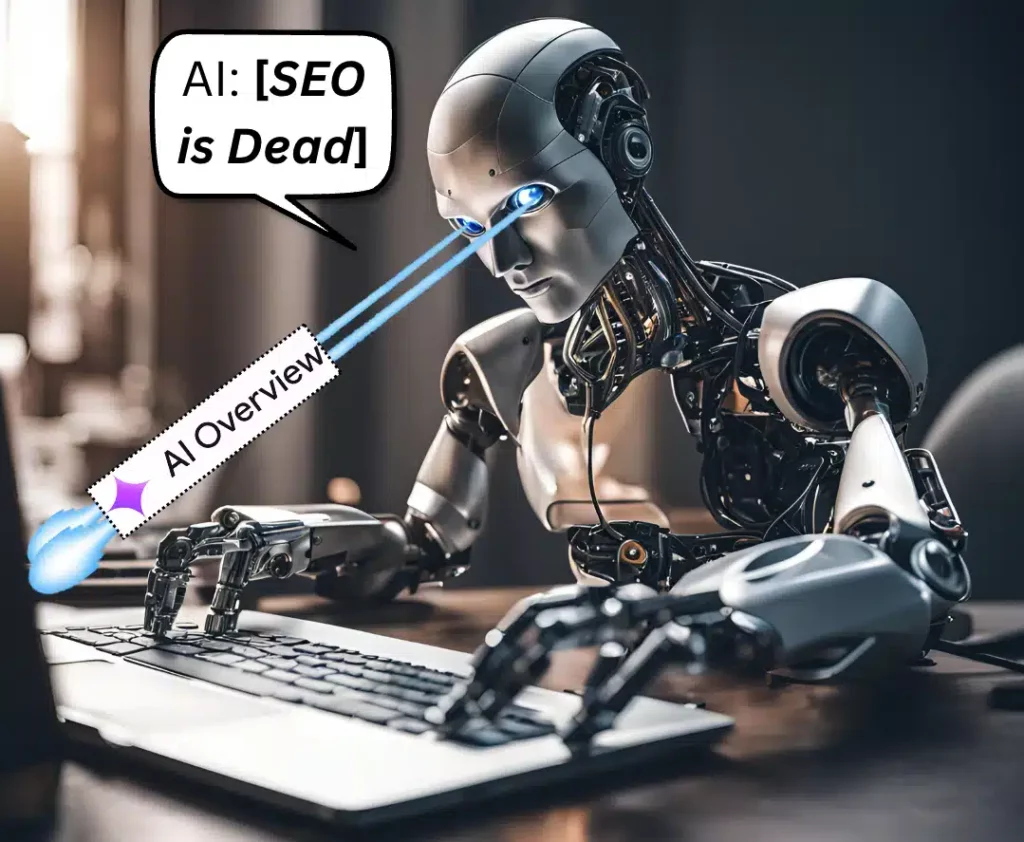
The digital landscape has shifted irreversibly. Search engines now rely on advanced artificial intelligence to understand, rank, and deliver content, making AI SEO best practices a necessity rather than a competitive advantage. Gone are the days when simple keyword density could secure top positions. Today, algorithms like Google’s RankBrain, BERT, and the multitask unified model MUM interpret nuance, context, and user intent with unsettling precision. This guide dives deep into how modern professionals can align their strategies with machine learning frameworks, automate routine tasks, and create genuinely helpful content that satisfies both synthetic crawlers and human readers. From entity-based optimization to the ethical limits of generative text, these practices reshape the entire search ecosystem.
Understanding AI SEO Best Practices
AI SEO best practices represent a fusion of traditional search engine optimization and data science. They involve leveraging machine learning models not just to execute tasks faster but to uncover patterns invisible to manual analysis. Core components include predictive keyword research, automated content gap analysis, and real-time ranking factor adjustments. These methods move beyond static optimization toward dynamic, self-improving strategies that respond to algorithm updates proactively.
The backbone of this approach lies in natural language processing and semantic understanding. Search engines no longer match strings of text; they map relationships between entities, concepts, and user journeys. Applying AI SEO best practices means constructing topic clusters where each piece of content reinforces a central pillar, creating a knowledge graph that signals authority to crawlers. Tools powered by transformers can scan thousands of SERPs to identify the exact subtopics, questions, and media types required to earn a featured snippet or a knowledge panel.
Another crucial element is behavioral modeling. AI can simulate how different audience segments interact with a website, predicting bounce rates, dwell time, and click-through patterns before publishing. This allows SEO practitioners to refine page layouts, internal linking structures, and content depth based on probabilistic data, not guesswork. The result is a hyper-optimized ecosystem where every element works in concert to reduce fatigue and increase conversions.
Data hygiene and structured markup form the foundation. Without clean, machine-readable schema, even the most advanced AI cannot communicate effectively with search engines. Thus, best practices always circle back to technical excellence: fast loading speeds, mobile-first architecture, and error-free JSON-LD that defines your entity type, relationships, and attributes without ambiguity.
The Pillars of AI-Driven SEO
Automated Content Intelligence
Content creation is the most visible application, but true AI-driven content intelligence goes far beyond text generation. It starts with topic modeling where algorithms analyze top-ranking pages to extract the vector space of a subject. This reveals the latent semantic indexing keywords, the questions being answered, and the content format that performs best. AI SEO best practices then dictate structuring new content to fill exactly those informational gaps while maintaining a unique, experience-based voice that cannot be replicated.
Content optimization becomes a continuous feedback loop. After publication, AI monitors engagement metrics, scroll depth, and conversion events. It then suggests incremental improvements: adding a video at a specific timestamp where users drop off, reformatting a comparison table for better mobile rendering, or expanding a definition that triggers a People Also Ask cluster. This level of granular attention was impossible at scale before machine learning integration.
Intent Classification and Predictive Search Behavior
Understanding why a user types a query is the new battleground. AI classifies intent into informational, navigational, commercial investigation, and transactional with far greater accuracy than manual keyword grouping. By analyzing search session sequences and micro-moments, it predicts the next logical query a user will make. SEO strategies built on these classifications can create content pathways that shepherd users from broad awareness to specific purchase decisions seamlessly.
Predictive analytics also inform seasonality and trend spotting. Models trained on historical search data, social signals, and news cycles can forecast demand spikes weeks in advance. This enables the preemptive creation and indexing of relevant material, capturing traffic exactly when interest surges. Such timing precision manually would be a guessing game, but it is a standard component of AI SEO best practices.
Technical Auditing at Machine Speed
Crawling a massive website for broken links, orphan pages, duplicate meta descriptions, or slow-loading resources traditionally consumed days. AI-powered crawlers now perform these audits in minutes, but more importantly, they prioritize fixes based on revenue impact. They correlate technical errors with traffic drops, calculate the potential uplift from repair, and even auto-generate developer tickets with the exact code changes needed. This shifts technical SEO from a reactive cleanup to a strategic revenue protection activity.
Core Web Vitals optimization benefits immensely. AI simulates real user experiences across device types and network conditions, pinpointing exactly which elements violate crucial thresholds. It can then propose design alterations, lazy-loading adjustments, or CDN configuration changes that will pass Google’s page experience assessment without adversely affecting visual storytelling.
Why AI SEO Matters: Benefits and Limitations
The benefits of integrating AI into search optimization are transformative. Scalability leaps as routine tasks disappear, freeing human strategists to focus on creative differentiation and brand storytelling. Personalization reaches new heights; AI can dynamically adjust meta titles, headings, and even on-page recommendations based on a visitor’s geography, device, or past behavior, all while maintaining a canonical base. Competitive intelligence becomes deeper, with AI tracking not just competitors’ keywords but the sentiment, entity gaps, and content velocity that define their entire SEO footprint.
However, limitations persist, and ignoring them leads to disaster. AI models are only as good as their training data; biases from outdated or narrow datasets can produce recommendations that alienate diverse audiences or push strategies that worked in the past but have become obsolete. Over-reliance on automation erodes the human touch that builds genuine E-E-A-T signals. AI-generated content, if not meticulously edited and fact-checked, can contain hallucinated statistics, legal inaccuracies, or bland prose that fails to demonstrate real-world experience. Search engines explicitly reward content created by people, for people, with demonstrable expertise, so AI must augment, never replace, authentic authorship.
Cost can be prohibitive. Enterprise-grade AI SEO tools require substantial investment, and the learning curve to interpret their output correctly stumps many teams. Misreading confidence intervals or acting on spurious correlations leads to wasted resources. Thus, a core AI SEO best practice is maintaining a healthy skepticism and always validating algorithmic suggestions against human judgment and direct industry knowledge.
AI SEO vs Traditional SEO: A Comparative Analysis
| Dimension | Traditional SEO | AI SEO Best Practices |
|---|---|---|
| Keyword Research | Manual seed lists, volume estimates, static difficulty scores | Semantic clustering, intent prediction, real-time trend detection, entity gap extraction |
| Content Creation | Human-written drafts, periodic updates, subjective optimization | Human-led, AI-augmented briefs, automated content refreshing, data-driven formatting |
| Technical Audits | Scheduled crawls, manual log analysis, generic prioritization | Continuous monitoring, revenue-impact scoring, auto-generated fix implementation |
| Link Building | Manual outreach, guest posting, directory submissions | Predictive prospecting, sentiment analysis, digital PR amplification, link graph modeling |
| Performance Tracking | Weekly rank checks, basic traffic dashboards | Anomaly detection, causal impact analysis, multi-touch attribution forecasting |
The shift is not about replacing traditional principles but about enhancing them with precision and scale. Traditional SEO built the foundation of relevance; AI SEO best practices add a layer of intelligence that adapts to the fluid nature of search algorithms. The most successful campaigns today fuse both: human creativity and strategic direction empowered by machine-level data processing.
Step-by-Step Guide: Implementing AI SEO Best Practices
1. Establish a Clean Data Architecture
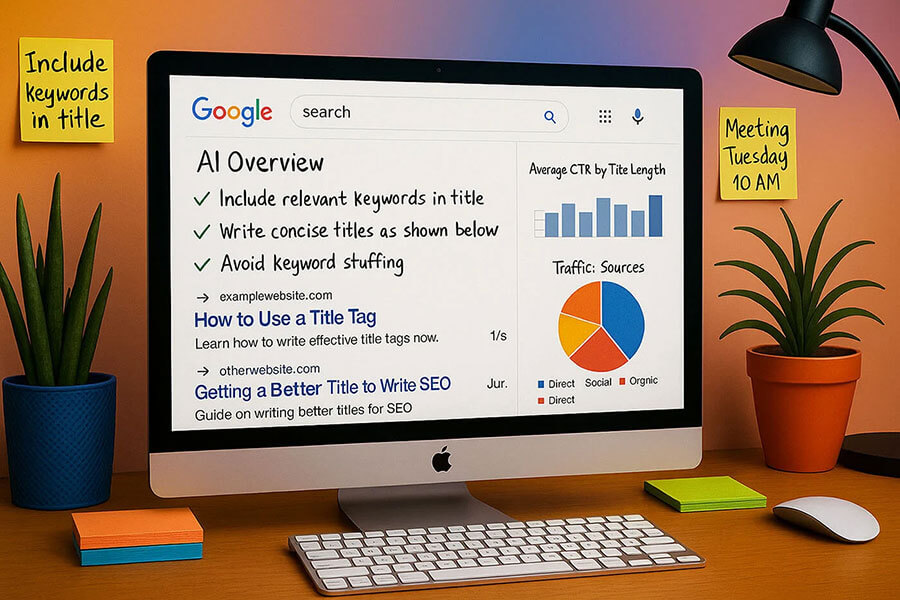
Begin with a comprehensive technical audit using AI-driven crawlers like Lumar or Botify. Ensure all pages render correctly, have unique, descriptive title tags, and carry complete schema markup for Article, Product, FAQ, or LocalBusiness types. Implement a content delivery network and optimize images for next-gen formats. This baseline ensures that the AI signals you send later are not lost due to technical debt.
2. Map Your Entity and Topic Universe
Use an NLP-based topic research tool, such as MarketMuse or Clearscope, to identify the core entities that define your niche. Build a pillar page for each main entity, then cluster supporting content around it, interlinking heavily. Each cluster article should address a specific subtopic, question, or user scenario. AI can then suggest how to expand thin clusters with new content that covers adjacent entity relationships.
3. Develop a Human-First, AI-Informed Content Strategy
Never let AI write final drafts unsupervised. Use generative models to create outlines, suggest alternative angles, or rephrase complex paragraphs for clarity. The actual writing must be infused with first-hand experience, case studies, and expert quotes that AI cannot fabricate. After publishing, set up an AI monitoring system to track ranking movements and user engagement, feeding insights back to the editorial team for iterative updates within days, not months.
4. Automate Repetitive On-Page Optimization
Deploy automated A/B testing for meta descriptions and title tags using tools that predict click-through rate improvements. AI can generate dozens of variants, test them on a subset of pages, and roll out the winners across the site. Similarly, use programmed internal link recommendations that update anchor text distributions as your site’s content grows, maintaining an optimal link graph.
5. Focus on User Experience Signals
Analyze user behavior data with machine learning to identify friction points. Heatmaps, session recordings, and rage click detection combined with algorithm analysis reveal exactly where the page experience fails. AI can then recommend layout changes, simplify forms, or insert interactive elements that reduce bounce rates and increase dwell time—two metrics heavily correlated with higher rankings.
6. Build Topical Authority with Predictive Content
Use search trend APIs and predictive analytics to become the first mover on emerging subtopics. When an event or new technology begins to surface, AI can alert your team, draft a skeleton brief, and even prepopulate data points from reliable sources. This speed-to-publish, when combined with genuine expert commentary, often captures the featured snippet and locks in authority before competitors react.
Common Mistakes When Using AI for SEO and How to Avoid Them
- Mistake: Publishing raw AI-generated content without heavy editing. Avoidance: Treat AI output as a first draft only. Every sentence must be verified for accuracy, enriched with original insights, and rewritten to reflect a unique brand tone.
- Mistake: Ignoring keyword cannibalization across AI-suggested briefs. Avoidance: Maintain a content inventory and use clustering tools to ensure each new piece targets a distinct intent cluster, not competing with existing pages.
- Mistake: Over-optimizing for machine metrics at the expense of readability. Avoidance: Write for humans first. AI can alert you to missing entities, but the narrative flow, storytelling, and emotional resonance must remain priority number one.
- Mistake: Setting and forgetting automated processes. Avoidance: AI models degrade as search patterns change. Schedule monthly audits to recalibrate algorithms, update training data, and review anomaly reports for false positives.
- Mistake: Treating all SERP features identically. Avoidance: Use AI to segment optimization strategies per feature type—featured snippets demand concise definitions in p tags, while knowledge panels rely on disambiguated entity schemas.
Important Considerations for AI SEO Success

The ethical dimension of AI SEO best practices cannot be overstated. Deploying AI to create deceptive, manipulative, or shallow content violates search engine guidelines and erodes user trust permanently. Always align with Google’s E-E-A-T framework: demonstrate Experience by sharing real-world examples, Expertise by citing verifiable sources, Authoritativeness by earning recognition from peers, and Trustworthiness through transparent business practices. AI is a tool to amplify these signals, not a shortcut to bypass them.
Diversity in data sources remains critical. Feeding your AI models only from a single search engine’s API or a limited pool of competitor sites creates an echo chamber. Integrate data from social listening, customer support logs, and industry forums to capture the full spectrum of user language. This enriches your keyword ontology with the colloquial phrases and pain points that formal research often misses.
Keep a close watch on the legal landscape. AI-generated images, code, or text can raise copyright and intellectual property issues. Always use models that respect original creators and disclose any automated processes where required. For instance, if personalization algorithms infer sensitive user attributes, privacy regulations like GDPR and CCPA demand careful data handling and user consent mechanisms.
Finally, invest in continuous learning for your team. The tools evolve monthly—from large language model updates to new algorithm crawling capabilities. Regularly upskill your staff on prompt engineering, data interpretation, and ethical AI use so that your internal culture supports innovation without outsourcing critical thinking to a black box.
Frequently Asked Questions
What are the core AI technologies behind modern SEO?
Modern search relies on RankBrain for query interpretation, BERT for understanding context and nuance, and MUM for multimodal analysis across text, images, and video. On the practitioner side, natural language processing, transformer models, and predictive analytics form the foundation of AI SEO best practices, enabling deeper insights and automation.
Can AI content rank well on Google?
AI-generated content can rank, but only when it is substantially edited, fact-checked, and infused with human expertise. Google prioritizes helpful content created for people. AI used to scale spammy, unoriginal articles will likely be demoted by the helpful content system. The key is using AI as an assistant, not a replacement.
How do I start incorporating AI into my existing SEO workflow?
Start small: adopt one AI-powered keyword research or content optimization tool. Overhaul your technical SEO with an intelligent crawler. Then, introduce generative AI for briefs and outlines while maintaining strict editorial oversight. Gradual integration with clear human checkpoints prevents overwhelming your team and ensures quality remains high.
Which AI SEO tools are most reliable for enterprise sites?
Enterprise sites benefit from comprehensive suites like BrightEdge, seoClarity, or Botify that combine data pipelines, predictive analytics, and real-time monitoring. For content intelligence, MarketMuse and Clearscope lead. The most reliable approach layers multiple tools, cross-referencing their data against internal analytics to avoid single-point biases.
Will AI replace SEO professionals entirely?
No. AI automates data processing and pattern recognition but cannot replicate strategic vision, brand empathy, creative campaign direction, or the genuine relationship building needed for high-authority link acquisition. SEO professionals who master AI become more valuable, not less, because they can execute at a strategic level while delegating tactical execution to machines.
How important is schema markup in AI-driven SEO?
Critically important. Schema provides the explicit signals that AI models need to understand your content’s entities, attributes, and relationships. Without precise structured data, even the best-written article may be misinterpreted or overlooked for rich results. Implementing JSON-LD for articles, products, events, and FAQ is a foundational AI SEO best practice.
Conclusion

AI SEO best practices represent the evolution from guesswork to data-driven certainty. They empower teams to decode the complex signals of modern search engines, build content that resonates with both algorithms and human curiosity, and maintain technical excellence at a scale previously unimaginable. Yet the heart of SEO remains unchanged: delivering exceptional value to the user. AI is the engine that sharpens that value, refines delivery, and measures impact, but human ingenuity, experience, and ethical judgment form the steering wheel. Embrace the technology with a critical eye, keep learning, and let your authentic expertise shine through every automated recommendation. That balance is the true future of search optimization.
Xem thêm:
- AI SEO Geo Targeting: The Complete Guide to Local Search Dominance in 2025
- AI SEO Podcasts: Master the Future of Search With Every Episode
- WP Trove Keyword Research: The Complete Guide to Finding High-Value WordPress Niche Keywords
- AI SEO Traffic Prediction: The Complete Guide to Forecasting Organic Growth
- AI SEO CDN Setup: The Complete Guide to Boosting Search Rankings and Site Speed
Bài viết cùng chủ đề:

AI SEO SEO Automation with Make: The Complete Workflow Guide

AI SEO SEO Automation with Zapier: The Complete Workflow Guide

AI SEO SEO Automation with n8n: The Complete Workflow Guide
AI SEO SEO Automation with Gemini: The Complete Guide to Scaling Organic Growth

AI SEO SEO Automation with Claude: The Complete Guide to Scaling Content in 2025

AI SEO SEO Automation with ChatGPT: The Complete Playbook for 2025

AI SEO & SEO Automation for Affiliate Sites: The 2025 Playbook for Passive Income Growth
AI SEO & SEO Automation for Bloggers: The Complete Guide to Scaling Your Content

AI SEO & SEO Automation for Agencies: The Complete 2025 Playbook

AI SEO and SEO Automation for Ecommerce: The Complete Playbook for 2025

AI SEO & SEO Automation for WordPress: The Complete Playbook for 2025
AI SEO SEO Automation Strategy: The Complete Playbook for 2025

Mastering the AI SEO SEO Automation Process: A Complete Guide to Scaling Organic Growth
AI SEO SEO Automation System: The Complete Guide to Scaling Organic Growth in 2025
AI SEO SEO Automation Platform: The Complete Guide to Scaling Organic Growth in 2025
AI SEO SEO Automation Software: The Complete Guide to Scaling Organic Growth in 2025















