
No products in the cart.
AI SEO CDN Setup: The Complete Guide to Boosting Search Rankings and Site Speed
31
Jul
Jul
An AI SEO CDN setup is no longer a luxury for modern websites; it is a critical infrastructure decision that directly impacts search engine rankings, user experience, and conversion rates. When you combine the predictive power of artificial intelligence with the global reach of a Content Delivery Network, you create a system that not only serves content faster but also learns how to optimize that delivery for search engines. This guide explains exactly what an AI SEO CDN setup involves, why it matters for your organic traffic, and how to implement it correctly without making costly mistakes.
What Is an AI SEO CDN Setup?
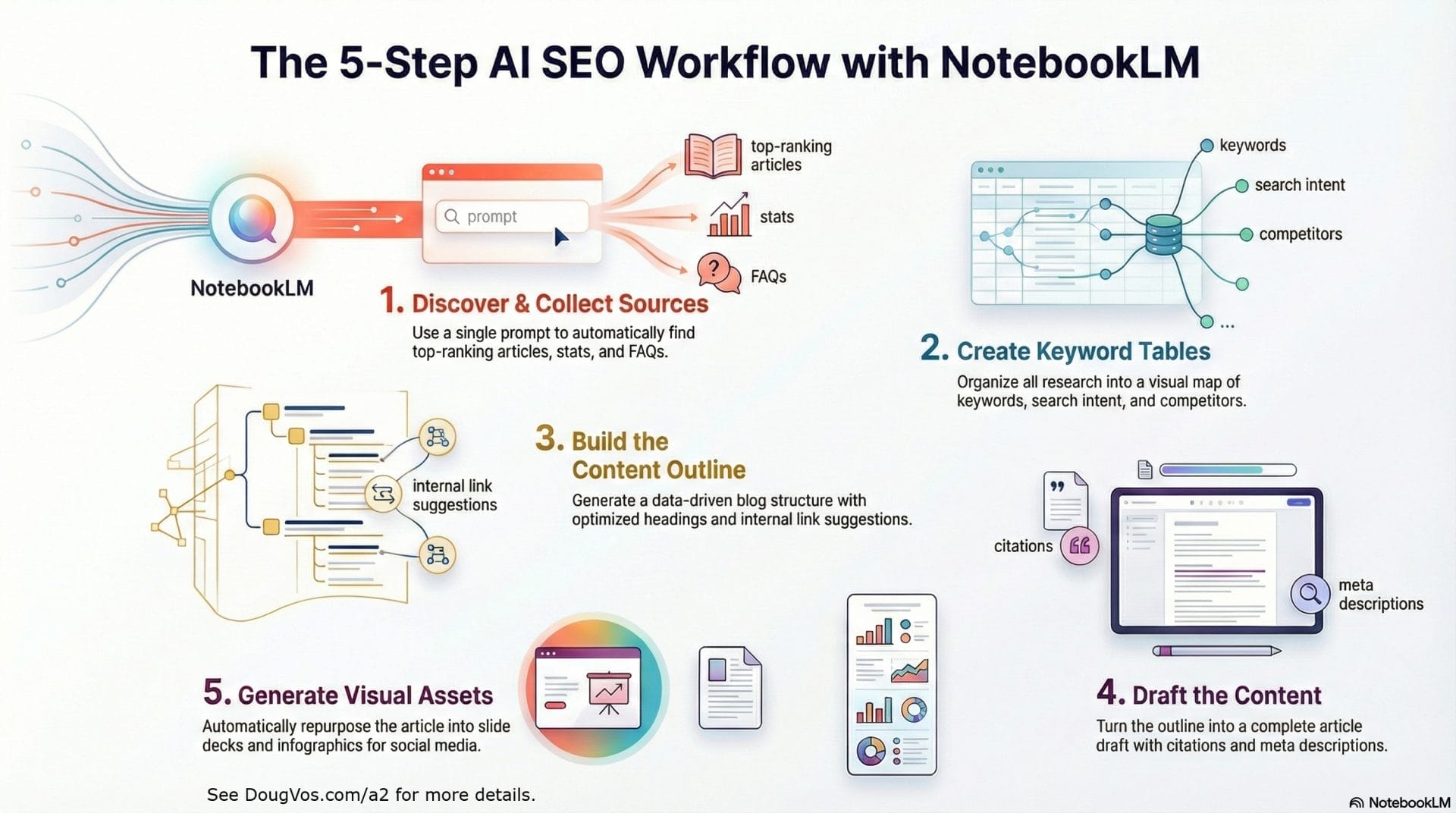
An AI SEO CDN setup refers to the integration of artificial intelligence algorithms into the traditional CDN architecture to enhance both performance and search visibility. A standard CDN caches static assets like images, CSS, and JavaScript on edge servers located around the world. An AI-powered CDN goes further by analyzing traffic patterns, user behavior, and device types in real time to make intelligent decisions about content delivery, caching rules, and even page structure.
This setup is specifically designed to address the technical SEO factors that Google and other search engines prioritize, such as Core Web Vitals, Time to First Byte (TTFB), and mobile responsiveness. The AI component learns from every request, predicting which content will be needed next and pre-fetching it to the edge server closest to the user. This reduces latency, improves server response times, and creates a faster, more reliable experience for both users and search engine crawlers.
Why AI SEO CDN Setup Matters for Search Rankings
Search engines have made it clear that page speed is a ranking factor. Google’s Page Experience signals include Largest Contentful Paint (LCP), First Input Delay (FID), and Cumulative Layout Shift (CLS). A traditional CDN can help with these metrics, but an AI SEO CDN setup takes optimization to a higher level by dynamically adjusting delivery strategies based on real-time conditions.
For example, if a sudden spike in traffic occurs from a specific geographic region, the AI system automatically allocates more edge resources to that region. It also identifies which pages are most likely to be crawled next by search engine bots and ensures those pages are cached and optimized for rapid delivery. This proactive approach reduces crawl budget waste and ensures that search engines see your most important pages in their best possible state.
The Role of Machine Learning in Content Delivery
Machine learning models within an AI SEO CDN setup analyze historical data to predict future traffic patterns. They examine factors like time of day, day of week, seasonal trends, and user navigation paths. Based on these predictions, the system pre-warms caches, adjusts compression levels, and even modifies image formats automatically. This means your website does not just react to user requests; it anticipates them.
This predictive capability is particularly valuable for e-commerce sites that experience flash sales or content publishers that release articles at specific times. The AI ensures that the moment a user clicks a link, the content is already sitting on a nearby edge server, ready to be delivered in milliseconds. This directly improves TTFB, which is a known ranking factor and a key component of Core Web Vitals.
Core Components of an AI SEO CDN Setup
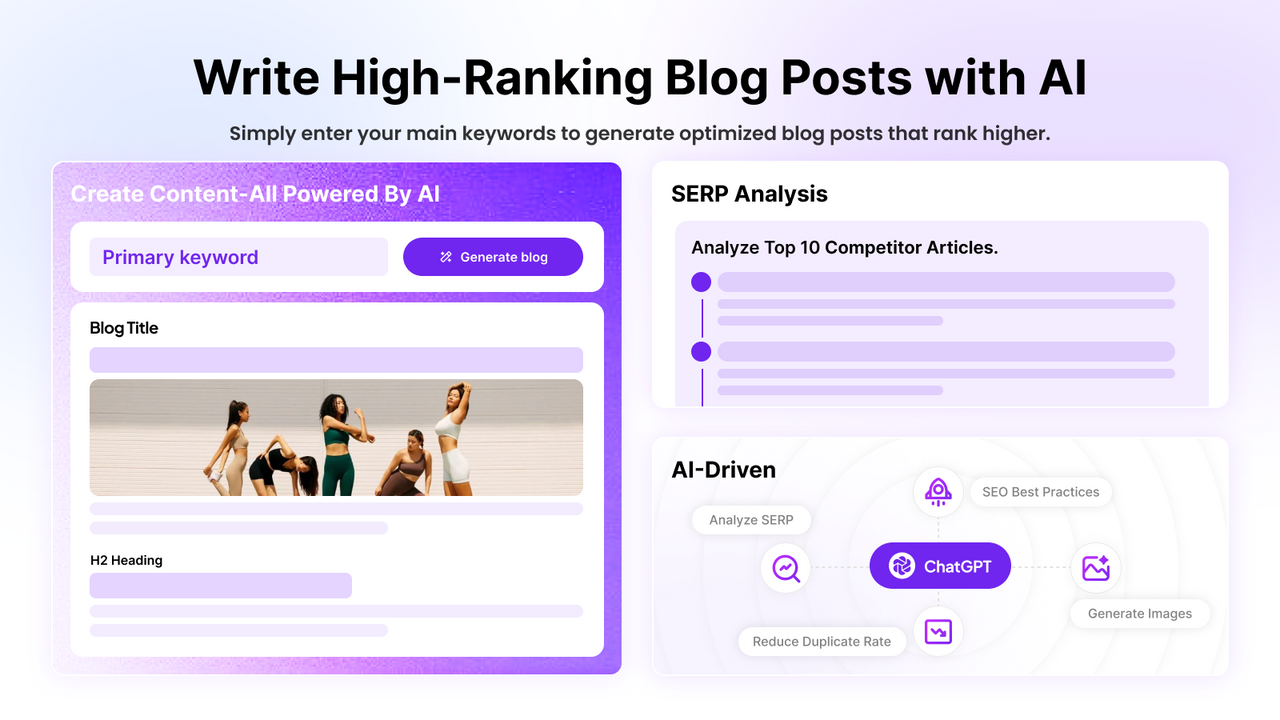
To fully understand what an AI SEO CDN setup entails, it is helpful to break it down into its core components. Each part plays a distinct role in improving both performance and search visibility.
- Edge Computing Layer: This is the network of servers distributed across multiple geographic locations. The AI controls which server handles each request based on proximity, server load, and network conditions.
- AI Optimization Engine: This is the brain of the system. It processes data from every request, learns from patterns, and makes real-time decisions about caching, routing, and content transformation.
- Predictive Caching Module: Unlike traditional CDNs that cache based on fixed rules, this module uses machine learning to predict which content will be requested next and caches it proactively.
- Automated Image and Script Optimization: The AI automatically converts images to next-gen formats like WebP or AVIF, minifies JavaScript and CSS, and removes render-blocking resources without manual intervention.
- SEO Analytics Dashboard: This provides insights into how the CDN is affecting crawl frequency, indexation rates, and Core Web Vitals scores, allowing you to see the direct impact of your setup.
- Higher Initial Cost: AI-powered CDN services are more expensive than traditional ones. The advanced analytics and machine learning capabilities come at a premium.
- Complexity of Configuration: Setting up AI-driven rules and understanding the analytics requires a certain level of technical expertise. It is not a plug-and-play solution for beginners.
- Dependency on Data Quality: The AI is only as good as the data it receives. If your website has poor analytics tracking or low traffic volume, the AI may not have enough data to make accurate predictions.
- Potential for Over-Optimization: In rare cases, aggressive caching or content transformation can break dynamic elements like shopping carts or user login forms. Careful configuration is required to avoid these issues.
- Keep Your Origin Server Fast: The CDN is not a substitute for a slow origin server. Ensure your hosting is optimized, use HTTP/2 or HTTP/3, and minimize database queries.
- Use Structured Data: The CDN can deliver structured data faster, but you must implement it correctly on your pages. Use JSON-LD format for best results.
- Monitor Crawl Stats: Pay attention to the Crawl Stats report in Google Search Console. A successful AI SEO CDN setup should show an increase in pages crawled per day and a decrease in crawl time.
- Regularly Purge Stale Cache: Even with AI, you need to manually purge cache when you make major site updates, such as redesigns or price changes. The A
- Consider Multi-CDN Strategy: For maximum redundancy, some enterprises use multiple CDN providers. The AI can route traffic to the best-performing provider at any given moment.
How AI SEO CDN Setup Differs from Traditional CDN
Understanding the difference between a traditional CDN and an AI-powered one is essential for making the right choice for your website. The table below highlights the key distinctions.
| Feature | Traditional CDN | AI SEO CDN Setup |
|---|---|---|
| Caching Logic | Static, rule-based | Dynamic, predictive |
| Traffic Prediction | None | Machine learning based |
| Image Optimization | Manual or basic | Automatic, format-aware |
| SEO Integration | Limited | Deep, with Core Web Vitals focus |
| Adaptability | Reactive | Proactive |
| Cost | Lower | Higher, but with better ROI |
Traditional CDNs are still effective for basic content delivery, but they lack the intelligence to adapt to changing user behavior and search engine requirements. An AI SEO CDN setup continuously learns and evolves, making it a superior choice for websites that rely heavily on organic search traffic.
Benefits of Implementing an AI SEO CDN Setup
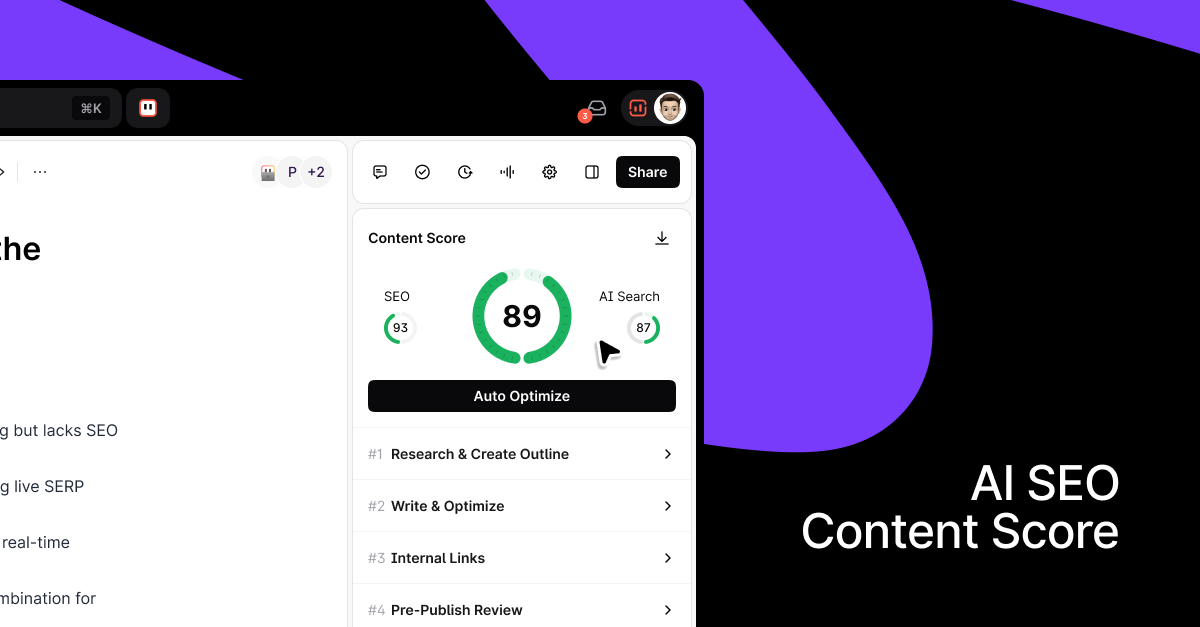
The advantages of integrating AI into your CDN strategy extend beyond just faster load times. Here are the primary benefits you can expect from a well-executed AI SEO CDN setup.
Improved Core Web Vitals Scores
Because the AI optimizes every aspect of content delivery, your LCP, FID, and CLS scores will improve significantly. The system ensures that the largest content element loads quickly, that interactive elements respond immediately, and that visual stability is maintained. These improvements are directly correlated with higher search rankings.
Enhanced Crawl Efficiency
Search engine bots have a limited crawl budget for your site. An AI SEO CDN setup ensures that bots are served cached, optimized versions of your pages instantly. This reduces the time bots spend waiting for responses, allowing them to crawl more pages in the same amount of time. This is especially beneficial for large websites with thousands of URLs.
Reduced Server Load and Costs
By offloading a significant portion of traffic to edge servers and using predictive caching, your origin server experiences far less load. This reduces bandwidth costs and the need for expensive server upgrades. The AI also identifies and blocks malicious traffic patterns, further protecting your infrastructure.
Global Consistency
Whether a user is in New York, London, or Tokyo, they receive the same high-quality experience. The AI ensures that all edge servers are synchronized and that content variations are handled correctly. This consistency is crucial for international SEO and user trust.
Limitations and Challenges of AI SEO CDN Setup
While the benefits are substantial, it is important to be aware of the potential downsides and challenges associated with an AI SEO CDN setup.
Step-by-Step Guide to AI SEO CDN Setup
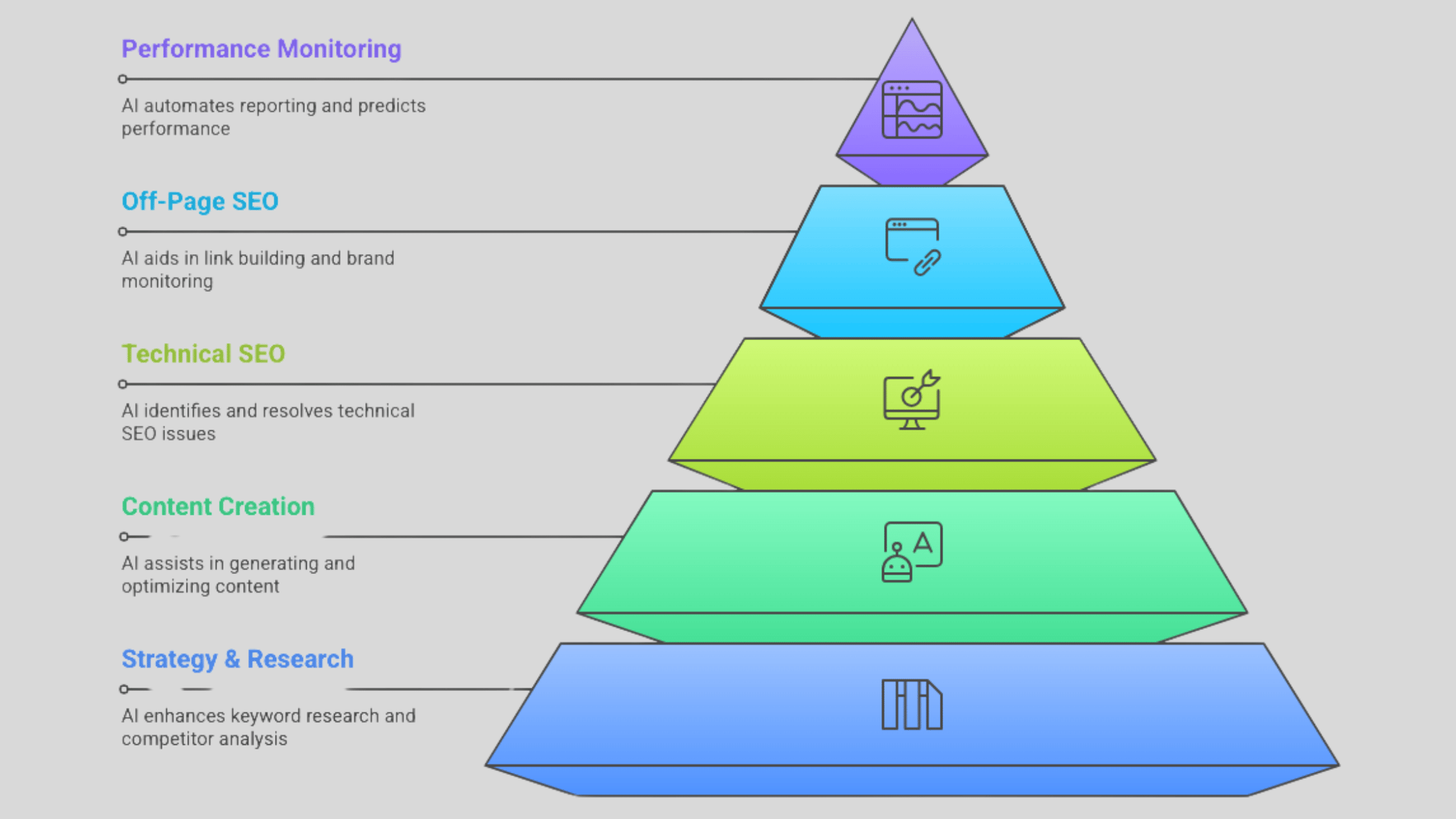
Implementing an AI SEO CDN setup requires a systematic approach. Follow these steps to ensure a smooth deployment and maximum SEO benefit.
Step 1: Audit Your Current Performance
Before making any changes, measure your current website performance. Use tools like Google PageSpeed Insights, GTmetrix, and Search Console to establish a baseline. Record your current Core Web Vitals scores, average TTFB, and crawl stats. This data will help you measure the impact of your new setup.
Step 2: Choose the Right AI-Powered CDN Provider
Not all CDN providers offer AI capabilities. Research providers that specifically advertise machine learning and predictive caching. Cloudflare, Fastly, and Akamai have AI-enhanced features, but you should compare their specific offerings. Look for providers that offer integration with Google Search Console and provide SEO-specific analytics.
Step 3: Configure DNS and SSL
Point your domain’s DNS records to the CDN provider. Ensure that SSL certificates are properly installed and that all traffic is served over HTTPS. This is a basic requirement for SEO, and the CDN should handle this automatically. Verify that your SSL configuration covers all subdomains and variations.
Step 4: Set Up Predictive Caching Rules
Work with the CDN’s AI dashboard to define caching rules. Specify which types of content should be cached at the edge and for how long. The A For dynamic content, set up exclusion rules to prevent serving stale data.
Step 5: Enable Automatic Image and Script Optimization
Turn on the AI-driven optimization features. This includes automatic image compression, conversion to WebP, lazy loading, and JavaScript deferral. The A
Step 6: Integrate with Search Console
Connect your CDN provider to Google Search Console. This allows the AI to access crawl data and indexation reports. The system can then prioritize caching for pages that are frequently crawled but slow to respond. This integration is a key differentiator of an AI SEO CDN setup.
Step 7: Monitor and Iterate
After deployment, continuously monitor your performance metrics. Use the CDN’s analytics dashboard to identify bottlenecks. The A Regularly review your Core Web Vitals scores in Search Console to ensure you are maintaining your ranking advantage.
Common Mistakes in AI SEO CDN Setup and How to Avoid Them
Many website owners make avoidable errors when setting up an AI-powered CDN. Being aware of these pitfalls will save you time and prevent performance degradation.
Mistake 1: Ignoring Mobile Performance
Some setups focus heavily on desktop performance while neglecting mobile. Since Google uses mobile-first indexing, your AI SEO CDN setup must prioritize mobile delivery. Ensure that your CDN configuration includes separate optimization rules for mobile devices, such as smaller image sizes and reduced JavaScript.
Mistake 2: Over-Caching Dynamic Content
If you cache pages that contain personalized user data, such as shopping carts or login states, you will serve incorrect content to users. This leads to a poor user experience and can harm your SEO. Always configure the AI to exclude dynamic URLs and use cache-busting techniques for personalized elements.
Mistake 3: Neglecting Origin Server Security
An AI CDN protects your edge, but your origin server remains vulnerable. If attackers discover your origin IP, they can bypass the CDN entirely. Use the CDN’s security features to hide your origin IP and restrict access to only the CDN’s IP ranges.
Mistake 4: Failing to Update Robots.txt
Your robots.txt file should not block the CDN’s edge servers. Some default configurations block certain user agents, which can prevent search engines from crawling your cached content. Review your robots.txt to ensure that all necessary crawlers have access.
Mistake 5: Not Testing After Deployment
After making changes, you must test every critical user journey. This includes form submissions, checkout processes, and dynamic content loading. Use real browser testing tools to ensure that the AI optimizations have not broken any functionality.
Important Notes for Maximizing SEO Value
To get the most out of your AI SEO CDN setup, keep these important considerations in mind.
Real-World Examples of AI SEO CDN Impact
While specific case studies are often confidential, industry data shows consistent patterns. Websites that implement AI-driven CDN solutions typically see a 30-50% reduction in TTFB. This improvement alone can move a site from page two to page one for competitive keywords. Additionally, e-commerce sites report a 10-20% increase in conversion rates due to faster page loads, which indirectly boosts SEO by reducing bounce rates and increasing dwell time.
For a content-heavy news site, an AI SEO CDN setup can handle traffic spikes during breaking news events without crashing. The AI predicts the surge and pre-allocates resources, ensuring that the site remains accessible and fast. This reliability signals trust to both users and search engines.
Frequently Asked Questions
What is the difference between a CDN and an AI CDN?
A traditional CDN uses static rules to cache and deliver content. An AI CDN uses machine learning to analyze traffic patterns, predict user behavior, and dynamically optimize content delivery in real time. The AI CDN is more efficient at handling unpredictable traffic and improving SEO metrics like Core Web Vitals.
Will an AI SEO CDN setup guarantee a #1 ranking on Google?
No, an AI SEO CDN setup cannot guarantee a #1 ranking. It is a technical optimization that improves site speed and crawl efficiency, which are important ranking factors. However, content quality, backlinks, and on-page SEO are equally important. The CDN gives you a competitive edge, but it is not a magic bullet.
How long does it take to see SEO results after implementing an AI CDN?
You may see immediate improvements in your Core Web Vitals scores within a few hours of deployment. However, it can take several weeks for search engines to recrawl and re-index your pages. Expect to see noticeable ranking changes within 2 to 4 weeks, depending on the size of your site and the frequency of crawling.
Is an AI SEO CDN setup suitable for small websites?
It depends on your budget and traffic volume. If your website has low traffic, the AI may not have enough data to make meaningful predictions. In that case, a traditional CDN might be more cost-effective. However, if you are planning to scale and compete in competitive niches, investing in AI capabilities early can be beneficial.
Can I use an AI CDN with WordPress or Shopify?
Yes, most AI-powered CDN providers offer plugins or integrations for popular platforms like WordPress, Shopify, and Magento. These integrations simplify the setup process and allow the AI to access platform-specific data for better optimization. Always check the provider’s documentation for specific instructions.
Conclusion
An AI SEO CDN setup represents the next evolution in website performance optimization. By combining the speed of edge computing with the intelligence of machine learning, you create a self-optimizing system that directly supports your search engine goals. The benefits of improved Core Web Vitals, enhanced crawl efficiency, and reduced server load are too significant to ignore in today’s competitive digital landscape.
While the initial investment and configuration complexity may seem daunting, the long-term payoff in organic traffic and user satisfaction is substantial. Start by auditing your current performance, choose a reputable AI-powered CDN provider, and follow the step-by-step guide outlined above. Avoid the common mistakes, monitor your results diligently, and adjust your strategy based on data. With a properly executed AI SEO CDN setup, your website will be faster, more reliable, and better positioned to achieve and maintain high search rankings.
Xem thêm:
- AI SEO Extensions: The Smart Way to Automate and Supercharge Your Search Rankings
- AI SEO Cannibalization: The Hidden Threat to Your Organic Traffic and How to Fix It
- AI SEO Outreach Automation: The Complete Guide to Scaling Link Building in 2025
- AI SEO Mobile SEO: The Complete Guide to Dominating Search in 2025
- AI SEO AI Search Authority: The Complete Guide to Dominating Generative Search
Bài viết cùng chủ đề:

AI SEO SEO Automation with Make: The Complete Workflow Guide

AI SEO SEO Automation with Zapier: The Complete Workflow Guide

AI SEO SEO Automation with n8n: The Complete Workflow Guide
AI SEO SEO Automation with Gemini: The Complete Guide to Scaling Organic Growth

AI SEO SEO Automation with Claude: The Complete Guide to Scaling Content in 2025

AI SEO SEO Automation with ChatGPT: The Complete Playbook for 2025

AI SEO & SEO Automation for Affiliate Sites: The 2025 Playbook for Passive Income Growth
AI SEO & SEO Automation for Bloggers: The Complete Guide to Scaling Your Content

AI SEO & SEO Automation for Agencies: The Complete 2025 Playbook

AI SEO and SEO Automation for Ecommerce: The Complete Playbook for 2025

AI SEO & SEO Automation for WordPress: The Complete Playbook for 2025
AI SEO SEO Automation Strategy: The Complete Playbook for 2025

Mastering the AI SEO SEO Automation Process: A Complete Guide to Scaling Organic Growth
AI SEO SEO Automation System: The Complete Guide to Scaling Organic Growth in 2025
AI SEO SEO Automation Platform: The Complete Guide to Scaling Organic Growth in 2025
AI SEO SEO Automation Software: The Complete Guide to Scaling Organic Growth in 2025















