
No products in the cart.
AI SEO Outreach Automation: The Complete Guide to Scaling Link Building in 2025
10
Aug
Aug
AI SEO outreach automation is transforming how digital marketers build backlinks, secure digital PR placements, and grow organic authority. For years, link building was a manual grind of finding prospects, writing personalized emails, and following up. Today, artificial intelligence handles the heavy lifting, from prospect identification to email personalization at scale. This guide breaks down everything you need to know about leveraging AI for outreach, including the best tools, workflows, and strategies that actually move rankings.
What is AI SEO Outreach Automation?
AI SEO outreach automation refers to the use of artificial intelligence and machine learning algorithms to streamline, personalize, and scale the process of contacting website owners, bloggers, journalists, and influencers for the purpose of earning backlinks. It combines natural language processing (NLP) to understand content context, predictive analytics to score prospect quality, and generative AI to craft human-like email sequences.
Unlike traditional outreach tools that simply automate sending emails, AI-powered systems analyze vast datasets to determine which websites are most likely to link to you. They evaluate domain authority, content relevance, traffic trends, and even the likelihood of a positive response. This shifts the focus from volume-based outreach to precision-based relationship building.
The Core Components of an AI Outreach System
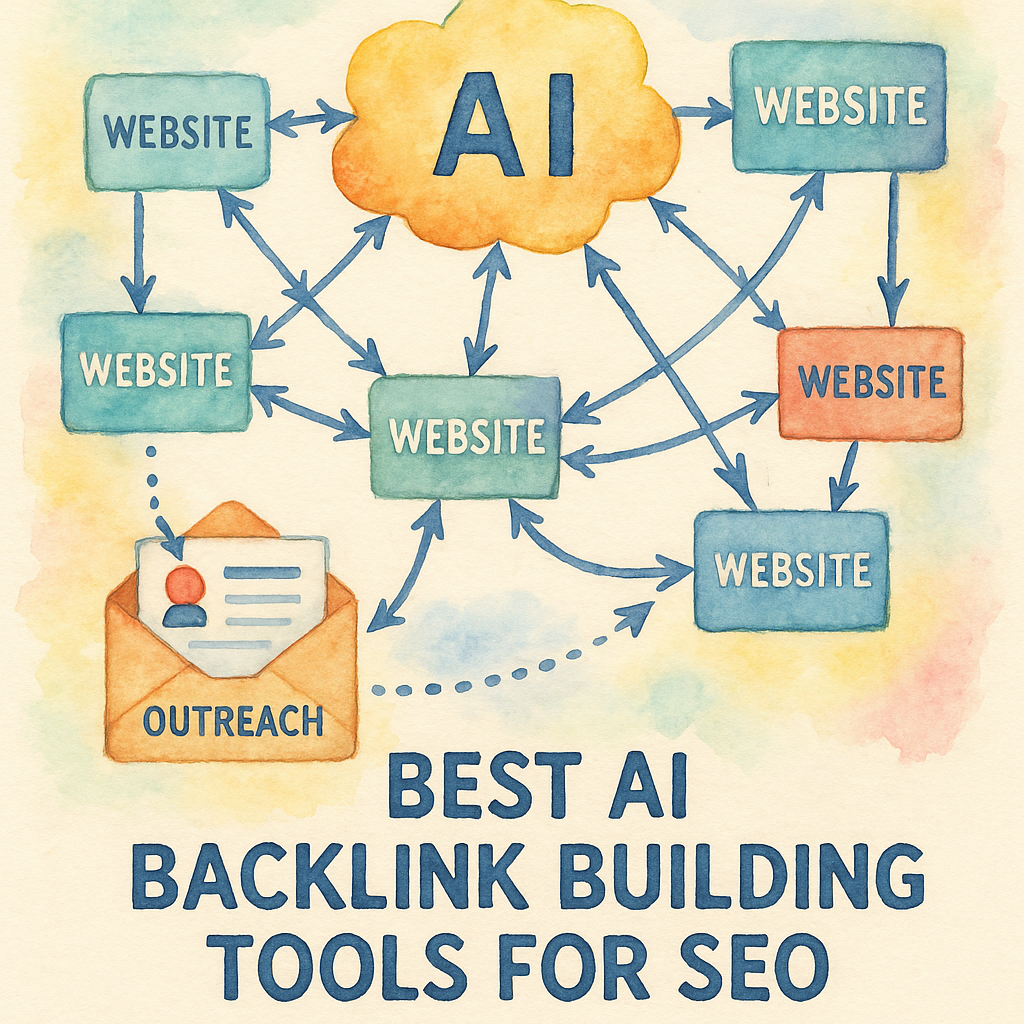
Modern AI outreach platforms operate on a multi-layered architecture. The first layer is data aggregation, where the AI crawls millions of web pages to build a prospect database. The second layer is scoring and filtering, where algorithms rank prospects based on topical authority and link potential. The third layer is content generation, where large language models (LLMs) create personalized icebreakers and value propositions. The final layer is campaign management, which handles scheduling, follow-ups, and performance tracking.
These systems learn from every interaction. If a particular email subject line gets a high open rate, the AI replicates that pattern. If a certain type of prospect never responds, the AI deprioritizes similar profiles. This continuous learning loop is what separates true AI automation from simple email blasting software.
Why Traditional Outreach Fails Without AI
Manual outreach has hit a wall of diminishing returns. The average response rate for cold outreach emails hovers around 1% to 5%. With thousands of SEO professionals sending similar pitches, inboxes are flooded. Generic templates are instantly deleted, and personalized emails take 30 to 60 minutes each to research and write properly. Scaling that to 100 prospects per day is nearly impossible without sacrificing quality.
Another critical failure point is data decay. Contact information changes, websites get redesigned, and content becomes outdated. A list built six months ago may have a 30% bounce rate today. AI continuously verifies and updates contact data in real-time, ensuring that your campaigns reach valid inboxes.
Furthermore, traditional tools lack contextual understanding. They cannot tell the difference between a high-traffic blog that accepts guest posts and a corporate site that never links out. AI evaluates on-page signals, anchor text patterns, and competitor backlink profiles to identify true link opportunities.
Key Benefits of Using AI for SEO Outreach
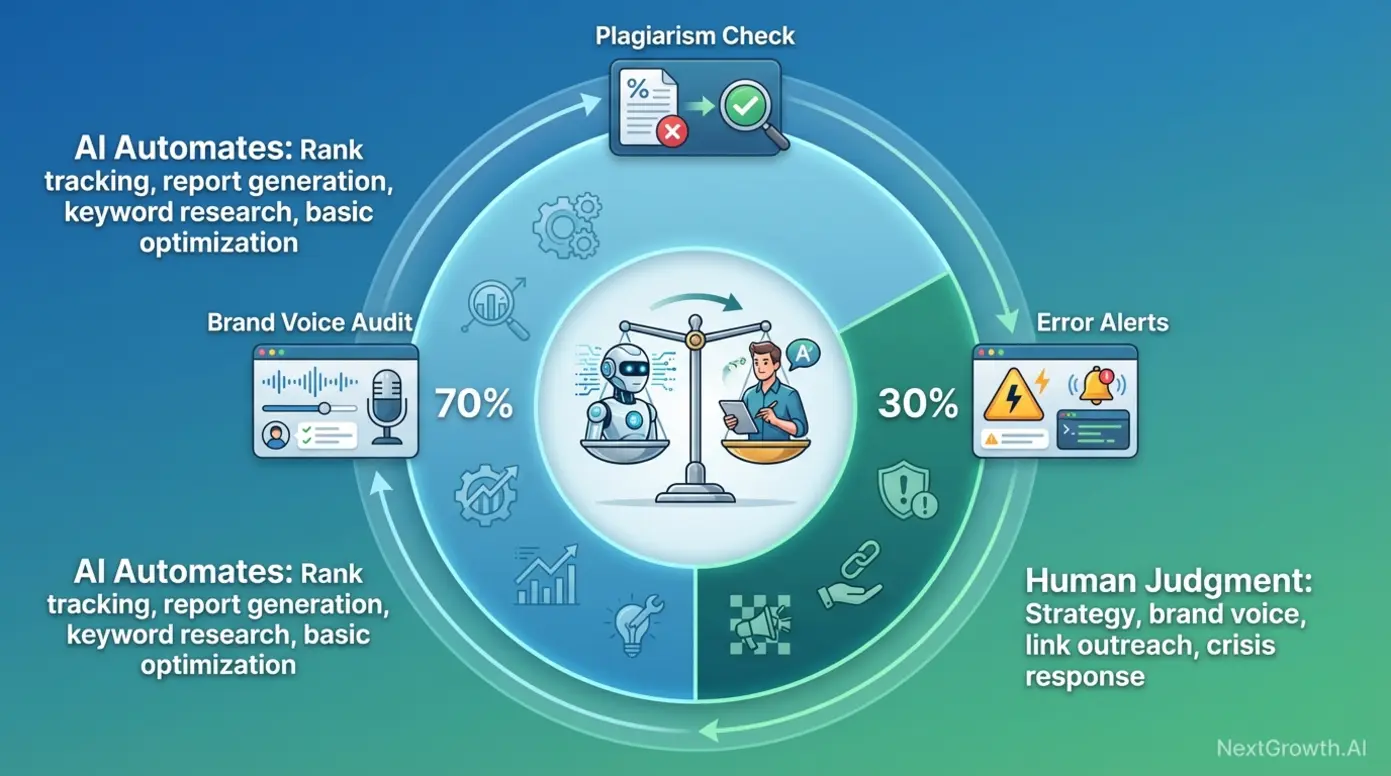
The advantages of integrating AI into your outreach workflow extend beyond just saving time. Here are the primary benefits backed by industry data and case studies.
1. Hyper-Personalization at Scale
AI can analyze a prospect’s recent articles, social media activity, and website updates to generate personalized icebreakers. Instead of “I loved your post about X,” the AI writes “Your analysis of Google’s March core update was spot on, especially the section on helpful content. I applied your tip about removing AI-generated FAQs and saw a 15% traffic lift.” This level of specificity is impossible to achieve manually at scale.
2. Improved Response and Conversion Rates
Campaigns using AI-driven personalization report response rates between 10% and 25%, compared to the 1% to 5% industry average. The AI tests different subject lines, email lengths, and calls-to-action to optimize for conversions. It also determines the best time to send emails based on the recipient’s time zone and historical engagement patterns.
3. Predictive Prospect Scoring
Not all backlinks are equal. A link from a relevant, high-authority site is worth ten links from low-quality directories. AI scores prospects based on dozens of factors, including domain rating, organic traffic, spam score, and topical relevance. This ensures your team focuses only on prospects that will move the needle for your search rankings.
4. Automated Follow-Up Sequences
Persistence is key in outreach, but manual follow-ups are tedious. AI handles multi-touch sequences automatically. If a prospect opens an email but doesn’t reply, the AI sends a tailored follow-up three days later. If they click a link but don’t respond, it sends a different message. This intelligent nurturing increases reply rates without adding to your workload.
5. Real-Time Performance Analytics
AI dashboards provide granular insights into every campaign. You can see which emails got replies, which prospects converted to links, and which subject lines performed best. This data feeds back into the AI model, continuously improving future campaigns.
Limitations and Challenges of AI Outreach
While AI is powerful, it is not a magic bullet. Understanding its limitations helps you set realistic expectations and avoid costly mistakes.
Lack of True Human Empathy
AI can mimic human writing, but it cannot replicate genuine emotional intelligence. In niche industries where relationships matter, a purely automated approach can feel robotic. The best results come from a hybrid model where AI handles research and drafting, but a human reviews and adds a personal touch before sending.
Risk of Spam Filters
Aggressive automation can trigger spam filters. If your sending domain has poor reputation or your email content contains too many links, your messages may land in the promotions tab or spam folder. AI tools mitigate this by warming up domains and rotating sending addresses, but the risk remains if you push volume too fast.
Data Privacy and Compliance
GDPR and CAN-SPAM regulations apply to AI-generated outreach. You must have a legitimate interest or consent to contact prospects. AI tools help with compliance by managing opt-out lists and adding physical addresses to emails, but the legal responsibility rests on your business.
AI SEO Outreach Automation vs. Manual Outreach
To understand the value proposition, consider a side-by-side comparison of the two approaches.
| Factor | Manual Outreach | AI SEO Outreach Automation |
|---|---|---|
| Prospect Research | 2-5 minutes per prospect | Instant, automated filtering |
| Email Personalization | High quality, but slow | High quality, scalable |
| Daily Volume | 10-20 emails | 100-500 emails |
| Follow-Up Management | Manual tracking required | Fully automated sequences |
| Response Rate | 1-5% | 10-25% |
| Cost | High labor cost | Subscription fee, lower labor |
| Scalability | Limited by team size | Unlimited with infrastructure |
The table clearly shows that while manual outreach offers maximum control, it cannot compete with AI on scale or efficiency. For agencies and in-house teams managing multiple clients, AI automation is no longer optional—it is a competitive necessity.
How to Implement AI SEO Outreach Automation: A Step-by-Step Guide
Implementing an AI-driven outreach system requires careful planning.
Step 1: Define Your Link Building Goals
Determine what you want to achieve. Are you looking for guest post placements, digital PR mentions, or resource page links? Your goal dictates the type of prospects you target and the pitch angle you use. Set clear KPIs, such as 20 new backlinks per month or a 10% increase in domain authority.
Step 2: Choose the Right AI Outreach Platform
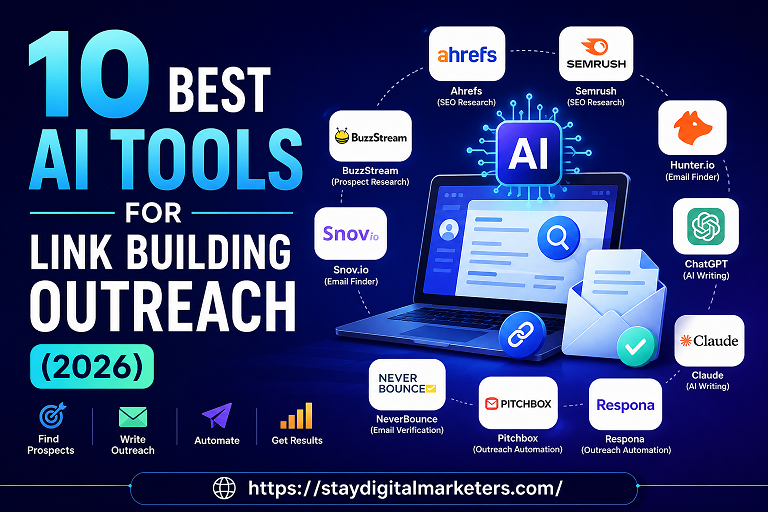
Several tools dominate the market. Platforms like Pitchbox, BuzzStream, and NinjaOutreach have integrated AI features. Newer tools like Respona and Quickmail use AI for personalization and follow-ups. Evaluate each based on your budget, team size, and integration needs with your existing SEO stack.
Step 3: Build and Segment Your Prospect List
Use your AI tool to import prospects from competitor backlink analysis, Google searches, or content aggregators. Segment the list by niche, domain authority, and link type. For example, create a segment for “tech blogs with DA 50+” and another for “news sites covering industry updates.” Segmentation allows for tailored messaging.
Step 4: Craft Your AI-Generated Email Templates
Provide your AI tool with your unique value proposition, tone of voice, and key differentiators. The A Always review and edit these templates to ensure they align with your brand. Include dynamic fields for the prospect’s name, website, and a specific detail about their content.
Step 5: Set Up Automated Follow-Up Sequences
Create a sequence of 3 to 5 emails. The first email introduces your value proposition. The second email, sent 3 days later, adds a new piece of information or a case study. The third email, sent 5 days after that, breaks the pattern by asking a question or offering a different angle. The A
Step 6: Monitor, Analyze, and Optimize
Launch your campaign and monitor the analytics dashboard. Pay attention to open rates, reply rates, and positive response rates. If a particular email variant has a low open rate, instruct the AI to generate new subject lines. If a prospect segment is underperforming, refine your targeting criteria.
Common Mistakes to Avoid with AI Outreach
Even with advanced technology, mistakes happen. Here are the most common pitfalls and how to avoid them.
1. Over-Reliance on Generic AI Text
AI-generated emails can sound bland if not properly configured. Avoid using the default templates provided by the software. Spend time training the AI on your brand voice. Include specific examples of past successful emails to guide the model.
2. Ignoring Prospect Relevance
Just because a site has high authority does not mean it is a good fit. A link from a cooking blog to a B2B SaaS article looks unnatural and may be ignored by search engines. Always prioritize topical relevance over raw metrics.
3. Sending Too Many Emails Too Fast
Scaling too quickly can burn your domain reputation. Start with a low volume, around 20 emails per day, and gradually increase. Monitor your bounce rate and spam complaints closely. If your domain is new, warm it up for at least two weeks before launching a large campaign.
4. Neglecting the Human Review Process
AI is a tool, not a replacement for human judgment. Review every email before it goes out. Check for factual errors, awkward phrasing, or overly promotional language. A quick human edit can significantly improve response rates.
5. Failing to Track Link Placements
Getting a positive reply is only half the battle. You need to track whether the link was actually placed. Use your SEO tool to monitor new backlinks and verify that the anchor text and URL are correct. Follow up with prospects who agreed to link but have not yet done so.
Important Notes on Ethics and Best Practices
Google’s guidelines explicitly prohibit link schemes that manipulate PageRank. AI outreach must adhere to the same ethical standards as manual outreach. Focus on earning links through genuine value, not buying links or participating in private blog networks.
Transparency is also crucial. Disclose when you are using AI in your communication if asked. Many prospects appreciate the efficiency, but some prefer human interaction. Offer an option to speak with a real person if they have questions.
Finally, keep your data clean. Regularly update your prospect lists and remove invalid addresses. A high bounce rate not only wastes resources but also damages your sender reputation, making future campaigns less effective.
Frequently Asked Questions
What is the best AI tool for SEO outreach automation?
The best tool depends on your specific needs. Respona excels at personalization and multi-channel outreach. Pitchbox is strong for agency workflows and CRM integration. BuzzStream offers excellent relationship management features. For budget-conscious users, Quickmail provides solid AI features at a lower price point. Evaluate free trials to find the best fit.
Can AI outreach replace human link builders?
AI cannot fully replace humans, but it changes the role. Link builders shift from doing repetitive tasks to strategizing, building relationships, and handling high-value negotiations. The most successful teams use AI to handle the grunt work while humans focus on creative campaigns and partnership building.
How long does it take to see results from AI outreach?
Results vary based on your niche and the quality of your offer. Typically, you can expect the first positive replies within 1 to 2 weeks. The first backlinks may take 3 to 6 weeks to appear, as prospects need time to review your content and add the link. Consistent campaigns yield compounding results over 3 to 6 months.
Is AI outreach considered a black hat SEO tactic?
No, AI outreach is not inherently black hat. The tactic is white hat when you are earning links through genuine value and transparent communication. It becomes black hat if you use AI to spam low-quality sites, buy links, or create fake personas. Always follow Google’s Webmaster Guidelines.
What metrics should I track for AI outreach campaigns?
Track email open rate, reply rate, positive response rate, and conversion rate (prospect to placed link). Also monitor your domain authority growth, number of referring domains, and organic traffic trends. These metrics provide a complete picture of campaign effectiveness.
Conclusion
AI SEO outreach automation is a game-changer for digital marketers who want to scale their link building without sacrificing quality. By leveraging machine learning for prospect research, personalization, and follow-up management, you can achieve response rates that were previously unattainable. The key to success lies in a balanced approach: use AI for efficiency, but maintain human oversight for authenticity and strategic direction.
The landscape of SEO is constantly evolving, and those who adapt to AI-powered workflows will gain a significant competitive edge. Start small, measure your results, and refine your process. With the right tools and a commitment to ethical practices, AI outreach can become the backbone of your organic growth strategy.
Xem thêm:
- AI Keyword Generator: Transform Your SEO Strategy with Smart Automation
- AI SEO Search Performance: The Complete Guide to Ranking in the Age of Machine Learning
- AI SEO Semantic Search Optimization: The Complete Guide to Ranking in the Age of Machine Learning
- How to Use AI for SEO: A Complete Guide to Smarter Rankings
- AI SEO for Automotive: The Complete Guide to Dominating Search in 2025
Bài viết cùng chủ đề:

AI SEO SEO Automation with Make: The Complete Workflow Guide

AI SEO SEO Automation with Zapier: The Complete Workflow Guide

AI SEO SEO Automation with n8n: The Complete Workflow Guide
AI SEO SEO Automation with Gemini: The Complete Guide to Scaling Organic Growth

AI SEO SEO Automation with Claude: The Complete Guide to Scaling Content in 2025

AI SEO SEO Automation with ChatGPT: The Complete Playbook for 2025

AI SEO & SEO Automation for Affiliate Sites: The 2025 Playbook for Passive Income Growth
AI SEO & SEO Automation for Bloggers: The Complete Guide to Scaling Your Content

AI SEO & SEO Automation for Agencies: The Complete 2025 Playbook

AI SEO and SEO Automation for Ecommerce: The Complete Playbook for 2025

AI SEO & SEO Automation for WordPress: The Complete Playbook for 2025
AI SEO SEO Automation Strategy: The Complete Playbook for 2025

Mastering the AI SEO SEO Automation Process: A Complete Guide to Scaling Organic Growth
AI SEO SEO Automation System: The Complete Guide to Scaling Organic Growth in 2025
AI SEO SEO Automation Platform: The Complete Guide to Scaling Organic Growth in 2025
AI SEO SEO Automation Software: The Complete Guide to Scaling Organic Growth in 2025















