
No products in the cart.
AI SEO ChatGPT Search Optimization: The Complete Guide to Ranking in the AI Era
10
Aug
Aug
The digital landscape has shifted dramatically with the rise of generative AI. Traditional search engine optimization focused on Google’s algorithm, but the emergence of ChatGPT and other large language models has created a new frontier. AI SEO ChatGPT Search Optimization is now the process of ensuring your brand and content are visible not just in traditional search results, but also within AI-generated answers. This guide provides a deep dive into how to adapt your strategy to capture traffic from both conventional search engines and AI chatbots.
Understanding AI SEO ChatGPT Search Optimization
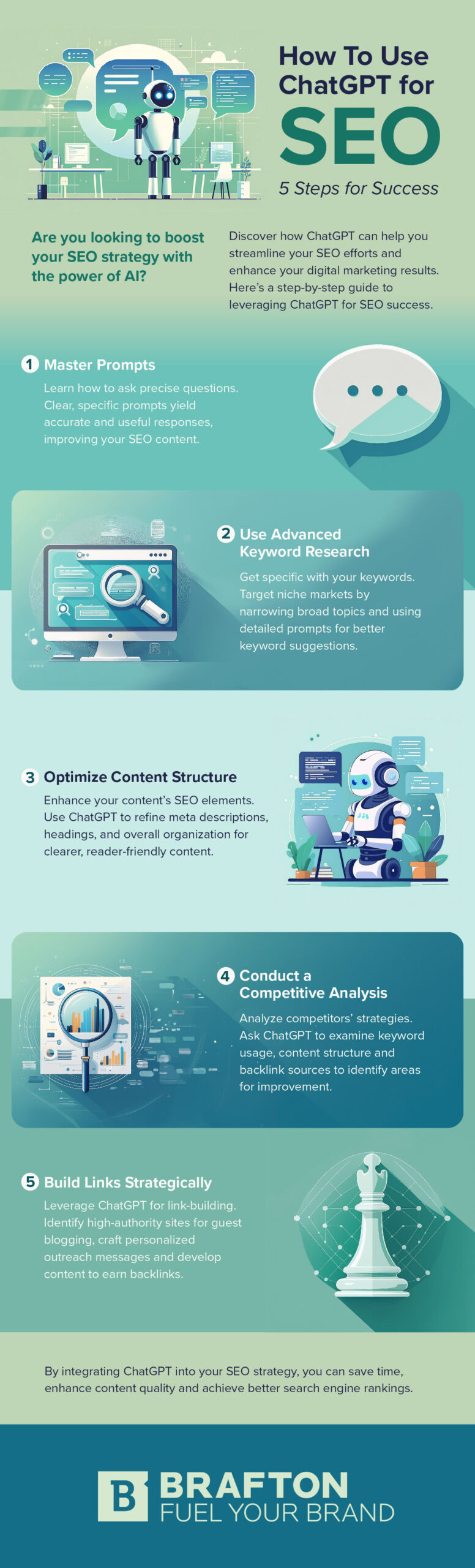
AI SEO ChatGPT Search Optimization refers to the practice of tailoring your digital content to be recognized, cited, and recommended by AI models like ChatGPT, Google’s Bard (Gemini), and Perplexity. Unlike traditional SEO, which relies on crawling and indexing, AI models use natural language processing to synthesize information from vast datasets. The goal is to become a primary source that these models trust and reference when generating responses to user queries.
This new discipline combines technical SEO fundamentals with content authority and structured data. It is not about “gaming” the AI, but rather about creating content so clear, authoritative, and well-structured that AI systems naturally use it to answer questions. The shift requires marketers to think about “answer engines” rather than just “search engines.”
The Difference Between Traditional SEO and AI Search Optimization
Traditional SEO focuses on ranking in a list of blue links. It involves keyword density, backlinks, and meta tags. AI SEO focuses on being the source of the answer itself. When a user asks ChatGPT a question, the model does not show a list of links; it provides a synthesized paragraph. Your goal is to be the “source” of that paragraph.
| Aspect | Traditional SEO | AI SEO (ChatGPT Optimization) |
|---|---|---|
| Primary Goal | Rank #1 in SERPs | Be cited in AI responses |
| User Intent | Click-through to website | Immediate answer consumption |
| Content Format | Short paragraphs, lists | Comprehensive, context-rich |
| Data Source | Crawlers and indexers | LLM training data and real-time retrieval |
| Authority Signal | Backlinks | Entity recognition and consistency |
How ChatGPT Sources Information
To optimize for ChatGPT, you must understand how it retrieves data. ChatGPT has a knowledge cutoff date, but with browsing enabled (via Bing), it can access real-time information. When browsing, it looks for high-authority domains, clear factual data, and content that directly matches the query’s intent. The model prioritizes sources that are well-cited, structured logically, and free of ambiguity.
ChatGPT also relies heavily on the concept of “entities.” It understands people, places, and things as distinct entities. Your content must clearly define these entities and their relationships. For example, if you write about “digital marketing,” the AI needs to understand that “SEO” is a subset of that entity. Clear taxonomy and categorization in your content help the model map these connections.
Core Strategies for AI SEO ChatGPT Search Optimization
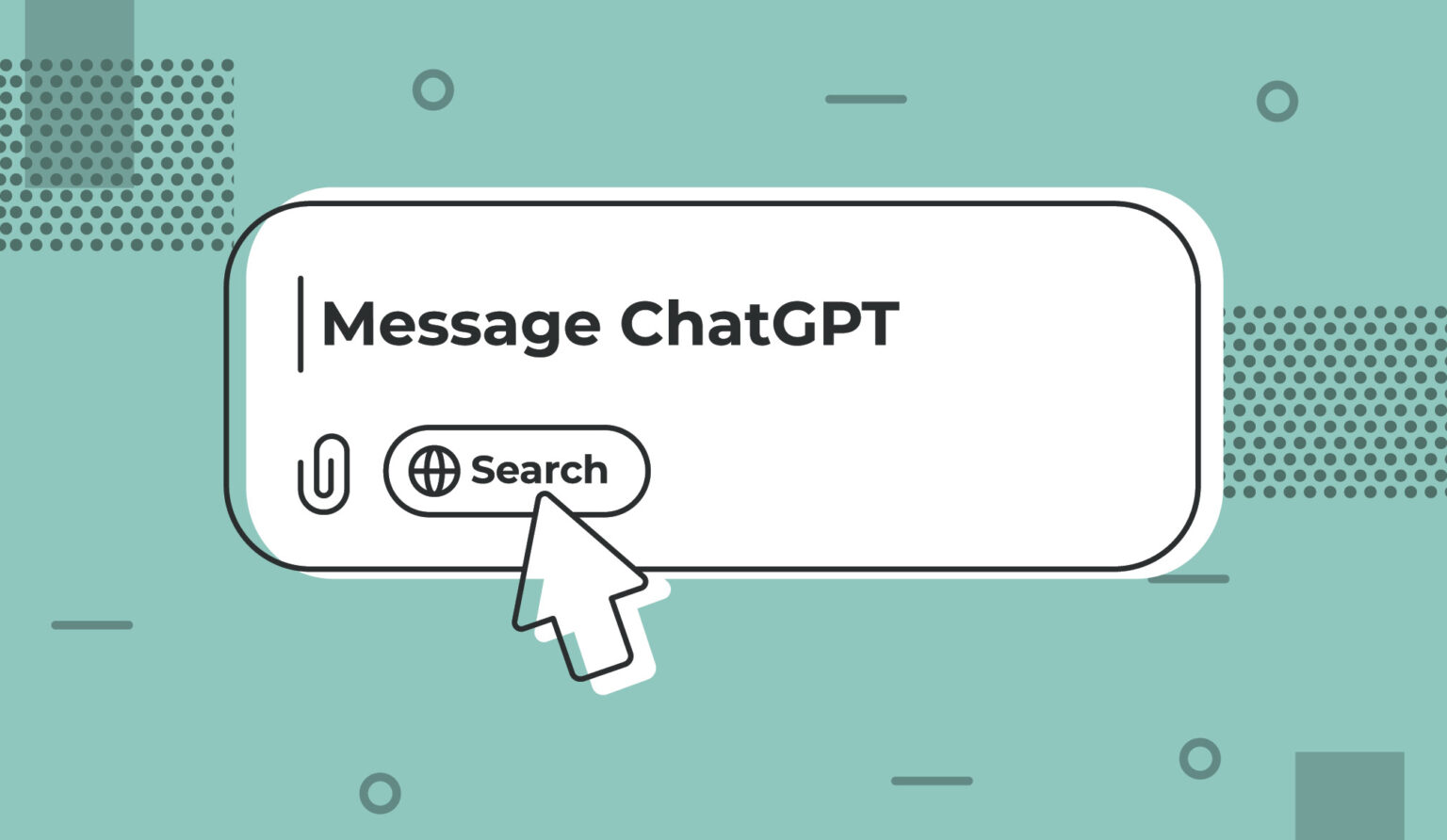
Implementing a successful strategy requires a multi-faceted approach. You cannot simply stuff keywords and hope to be picked up. The following strategies are essential for building visibility in AI search results.
1. Optimize for Natural Language Queries
Users interact with ChatGPT using conversational language. They ask full questions, not fragmented keywords. Your content must mirror this style. Include long-tail keywords and question-based headings. For instance, instead of targeting “best CRM software,” target “What is the best CRM software for small businesses in 2024?” This aligns your content with the phrasing of the query.
2. Build Topical Authority with Pillar Pages
AI models favor sources that demonstrate deep knowledge on a subject. Create comprehensive pillar pages that cover a topic from every angle. Then, link out to cluster content that dives into specific subtopics. This creates a web of information that AI can crawl to understand the full scope of your expertise. A single 500-word article is rarely enough; you need a 2,000-word definitive guide.
3. Leverage Structured Data (Schema Markup)
While ChatGPT does not use schema markup in the same way Google does, it helps the underlying retrieval systems (like Bing) understand your content. Use JSON-LD schema for articles, FAQs, and How-To guides. This structured data helps search engines feed cleaner, more accurate information to AI models. It clarifies the context of your content, making it easier for AI to extract the right answer.
4. Focus on E-E-A-T Signals
Experience, Expertise, Authoritativeness, and Trustworthiness are critical. AI models are trained to avoid low-quality or misleading information. To be cited, you must prove your credentials. Include author bios with credentials, cite official statistics, and link to reputable sources. Content that lacks factual backing is often ignored by AI in favor of more reliable sources.
5. Optimize for “Zero-Click” Answers
AI responses are the ultimate zero-click result. To win here, your content must contain direct, concise answers at the top of the page, followed by deeper explanations. Use the “inverted pyramid” style. Put the conclusion first, then the supporting details. This makes it easy for AI to extract the core answer without parsing through fluff.
Technical SEO for AI Visibility
Technical health is the foundation of all optimization. If a crawler cannot access your site, neither can an AI. Ensure your site is fast, mobile-friendly, and free of broken links. Pay special attention to your robots.txt file. You must allow GPTBot and other AI crawlers to access your content. Blocking these crawlers will completely remove you from AI search results.
Allowing AI Crawlers
OpenAI uses the GPTBot user agent to crawl the web. You can check your robots.txt file to ensure you are not inadvertently blocking it. The code to allow it is simple: User-agent: GPTBot and Allow: /. Similarly, you should allow Google-Extended, which controls Gemini training and retrieval. Blocking these is a common mistake that kills AI visibility.
Site Architecture and Internal Linking
AI models struggle with orphan pages. Ensure every page is reachable through a clear hierarchy of internal links. Use descriptive anchor text that tells the AI what the linked page is about. A logical site structure helps the model understand the relationship between different pieces of content on your domain.
Content Creation for AI Search Optimization
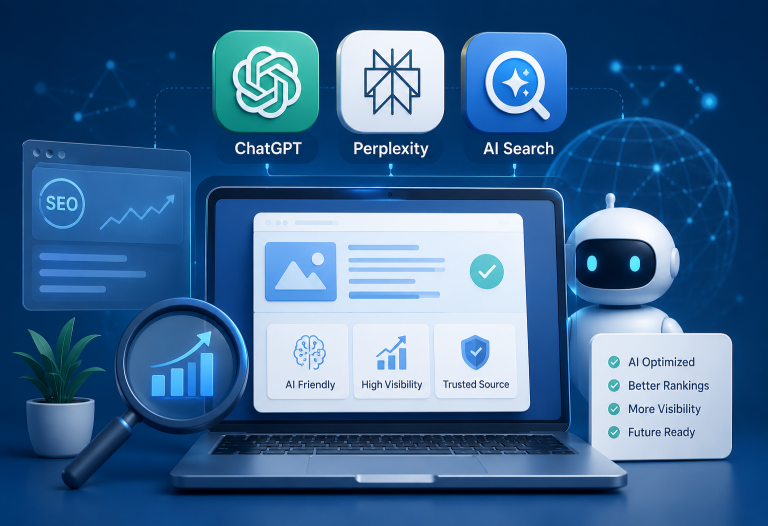
The type of content you create matters more than the quantity. AI models are drawn to specific formats that are easy to parse. Lists, tables, and clear definitions are highly favored. Avoid vague language and marketing fluff. The AI is looking for facts, data, and actionable insights.
The Importance of Unique Data and Statistics
If you have proprietary data or original research, you have a massive advantage. AI models love citing unique statistics because they add credibility to the response. Conduct surveys, analyze your internal data, and publish the results. This gives the AI a reason to cite you over a competitor who is just regurgitating common knowledge.
Updating Content for Freshness
AI models with browsing capabilities prioritize fresh content. A page that was last updated in 2021 is less likely to be cited for a query about 2024 trends. Implement a content refresh schedule. Update statistics, add new sections, and revise outdated information. This signals to the AI that your content is current and relevant.
Measuring Success in AI SEO
Measuring visibility in ChatGPT is more complex than checking Google Analytics. You cannot see “impressions” in the same way. You must use a combination of tools and manual checks. Monitor brand mentions in AI responses. Use tools like ChatGPT itself to query your target keywords and see if your brand appears in the generated answer.
Tracking Brand Visibility in AI Responses
Create a list of your top 50 target keywords. Manually ask ChatGPT (with browsing enabled) to answer those queries. Document whether your brand is mentioned, and if so, in what context. Do this weekly to track trends. There are also emerging third-party tools that automate this process, providing a “Share of Voice” metric for AI search.
Analyzing Referral Traffic
When ChatGPT cites your content, it often provides a link. Monitor your referral traffic in Google Analytics. Look for traffic coming from chat.openai.com or chatgpt.com. An increase in this traffic indicates that your AI SEO strategy is working. This is the most direct measure of success.
Common Mistakes in AI SEO ChatGPT Search Optimization
Many marketers are making critical errors that prevent them from appearing in AI results. Avoiding these pitfalls is just as important as implementing the right strategies.
- Blocking AI Crawlers: Many sites block GPTBot out of fear of content scraping, effectively removing themselves from the AI ecosystem.
- Ignoring Conversational Keywords: Still targeting “best price” instead of “what is the best price for X in 2024?”
- Thin Content: AI models rarely cite short, superficial articles. They prefer in-depth analysis.
- Keyword Stuffing: AI detects unnatural language patterns. Write for humans, not bots.
- Neglecting Entity Clarity: Failing to clearly define who you are, what you sell, and how it relates to the broader industry.
- Audit Your Robots.txt: Ensure GPTBot and Google-Extended are allowed.
- Identify “Answerable” Queries: Use tools like AnswerThePublic to find questions your audience asks.
- Rewrite Your Top 10 Pages: Update them to include direct answers at the top, followed by detailed explanations.
- Add FAQ Schema: Implement structured data to help search engines parse your Q&A content.
- Build Authoritative Backlinks: AI models still rely on link graphs to determine authority. Continue your digital PR efforts.
- Monitor ChatGPT Responses: Manually check your target queries monthly to see if you are being cited.
Benefits and Limitations of AI Search Optimization
Understanding the pros and cons helps set realistic expectations for your strategy.
Benefits
The primary benefit is massive brand exposure. Being cited by ChatGPT positions you as a thought leader. It also drives high-quality referral traffic. Users who click through from an AI answer are often highly engaged and ready to convert. Additionally, it future-proofs your business against the decline of traditional click-through rates.
Limitations
The main limitation is the lack of control. You cannot “optimize” a prompt in the same way you optimize a meta description. The AI decides what to cite based on its training. T It is difficult to measure the exact ROI of a citation. Finally, the landscape changes rapidly as models update, requiring constant adaptation.
Practical Application: A Step-by-Step Guide
To implement this strategy today, follow these actionable steps. This process will help you align your existing content with the needs of AI models.
Important Notes on Data Privacy and Ethics
As you optimize for AI, consider the ethical implications. Do not try to manipulate AI into recommending your product if it is not the best fit for the user. This can backfire and damage your brand reputation. Focus on providing genuine value. Additionally, be transparent about your data usage. If you are using AI to generate content, ensure it is fact-checked and edited by humans to maintain quality and trust.
Frequently Asked Questions (FAQ)
What is the difference between SEO and AI SEO?
Traditional SEO focuses on ranking in search engine results pages (SERPs) to drive clicks. AI SEO focuses on being cited as a source within AI-generated answers, where t It prioritizes content clarity, entity authority, and data accuracy over link building and meta tags.
Does ChatGPT use SEO to rank content?
ChatGPT does not “rank” content in the traditional sense. It generates answers based on patterns learned from training data and real-time web retrieval. It prioritizes sources that are authoritative, relevant, and well-structured. It does not use a keyword ranking algorithm like Google.
How do I get my website cited by ChatGPT?
To get cited, you must create high-authority, in-depth content that directly answers specific questions. Ensure your site is technically accessible to GPTBot. Publish original research and statistics. Use clear headings and structured data to help the AI parse your content effectively.
Is AI SEO a replacement for traditional SEO?
No, it is an extension. Traditional SEO is still necessary for visibility in Google and Bing. AI SEO builds upon that foundation. You still need backlinks and technical health. However, you must adapt your content strategy to also serve the “answer engine” format of AI chatbots.
What are the best tools for AI SEO optimization?
T You need a combination of traditional SEO tools (Ahrefs, Semrush) for keyword research and technical audits, and AI-specific tools for monitoring brand mentions in ChatGPT responses. Emerging platforms like “ChatGPT Analytics” are starting to offer specific tracking for AI visibility.
Conclusion
AI SEO ChatGPT Search Optimization is not a passing trend; it is the evolution of digital discovery. As users increasingly turn to AI for answers, your brand must be present in those conversations. The strategies outlined here—focusing on conversational content, technical accessibility, and authoritative data—are essential for staying competitive. The shift requires a move from optimizing for clicks to optimizing for citations. By embracing this change, you position your brand at the forefront of the next generation of search, ensuring that when users ask AI for advice, your expertise is the answer they receive.
Xem thêm:
- How to Optimize Internal Links with AI: Transform Your Site Architecture and Rankings
- The Ultimate Guide to AI SEO Conferences: Where Search Meets Artificial Intelligence
- AI SEO Outreach Automation: The Complete Guide to Scaling Link Building in 2025
- AI SEO SEO Automation with Claude: The Complete Guide to Scaling Content in 2025
- AI SEO Generative Engine Optimization Tools: The Complete Guide to Ranking in the Age of Answer Engines
Bài viết cùng chủ đề:

AI SEO SEO Automation with Make: The Complete Workflow Guide

AI SEO SEO Automation with Zapier: The Complete Workflow Guide

AI SEO SEO Automation with n8n: The Complete Workflow Guide
AI SEO SEO Automation with Gemini: The Complete Guide to Scaling Organic Growth

AI SEO SEO Automation with Claude: The Complete Guide to Scaling Content in 2025

AI SEO SEO Automation with ChatGPT: The Complete Playbook for 2025

AI SEO & SEO Automation for Affiliate Sites: The 2025 Playbook for Passive Income Growth
AI SEO & SEO Automation for Bloggers: The Complete Guide to Scaling Your Content

AI SEO & SEO Automation for Agencies: The Complete 2025 Playbook

AI SEO and SEO Automation for Ecommerce: The Complete Playbook for 2025

AI SEO & SEO Automation for WordPress: The Complete Playbook for 2025
AI SEO SEO Automation Strategy: The Complete Playbook for 2025

Mastering the AI SEO SEO Automation Process: A Complete Guide to Scaling Organic Growth
AI SEO SEO Automation System: The Complete Guide to Scaling Organic Growth in 2025
AI SEO SEO Automation Platform: The Complete Guide to Scaling Organic Growth in 2025
AI SEO SEO Automation Software: The Complete Guide to Scaling Organic Growth in 2025















