
No products in the cart.
AI SEO Commercial Intent: The Complete Guide to Converting Search Traffic
10
Aug
Aug
AI SEO commercial intent represents the intersection of artificial intelligence-driven search optimization and the strategic targeting of users who are ready to make a purchase. In today’s digital landscape, understanding how AI interprets and ranks content for commercial queries has become essential for businesses seeking sustainable revenue growth. This comprehensive guide explores how AI-powered search algorithms identify, prioritize, and serve content that matches commercial intent, and how you can leverage these systems to drive qualified traffic and conversions.
Understanding AI SEO Commercial Intent
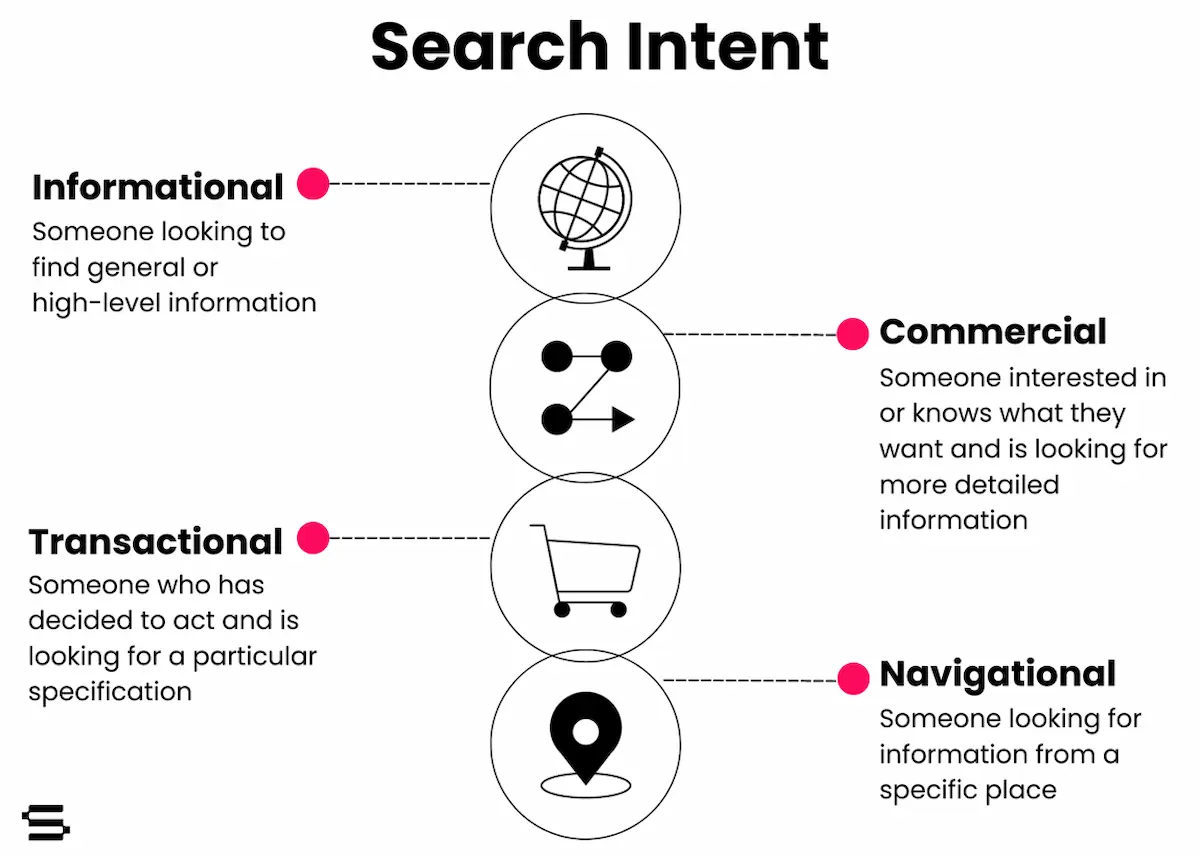
Commercial intent refers to search queries where users demonstrate a clear intention to buy a product or service in the near future. These searches typically include terms like “best,” “review,” “compare,” “price,” “discount,” or “buy.” AI SEO commercial intent combines this understanding with machine learning algorithms that analyze user behavior, search patterns, and content relevance to deliver the most appropriate results.
Search engines like Google have evolved significantly from simple keyword matching to sophisticated AI systems that understand context, user experience, and semantic relationships. The BERT algorithm, MUM (Multitask Unified Model), and RankBrain work together to interpret the nuances of commercial queries and match them with content that genuinely helps users make informed purchase decisions.
How AI Detects Commercial Intent in Search Queries
AI systems analyze multiple signals to determine whether a search query carries commercial intent. These signals include the specific words used, the structure of the query, user search history, and behavioral patterns. For instance, a query like “best running shoes for flat feet” signals commercial intent because the user is actively researching products with the intention to purchase.
Machine learning models classify queries into distinct categories: informational, navigational, transactional, and commercial investigation. Commercial investigation queries are particularly valuable because they represent users who have moved past the awareness stage and are now evaluating specific products or services. AI systems track micro-moments and user engagement patterns to refine their understanding of what constitutes commercial intent for different industries.
Key AI Technologies Powering Commercial Intent Detection
Natural Language Processing (NLP) enables search engines to understand the meaning behind words rather than just matching exact phrases. This technology recognizes that “affordable laptops under 500” and “cheap laptops for students” express similar commercial needs despite using different vocabulary. Sentiment analysis further helps AI determine whether users are expressing positive or negative attitudes toward products, which influences how search results are ranked.
Predictive analytics plays a crucial role in anticipating user needs based on historical data. When a user consistently searches for specific product categories and visits comparison websites, AI systems learn to prioritize commercial content in future searches. This creates a personalized search experience that becomes more accurate over time.
The Role of AI in Optimizing Content for Commercial Queries
Content optimization for AI SEO commercial intent requires a fundamental shift from traditional keyword stuffing to creating comprehensive, user-focused content that answers specific purchase-related questions. AI algorithms now evaluate content based on topical authority, entity coverage, and the ability to satisfy user needs comprehensively.
Structured data markup helps AI systems understand the commercial elements of your content, such as product specifications, pricing, availability, and customer reviews. Implementing schema markup for products, reviews, and FAQs enables search engines to display rich snippets that attract clicks from users with commercial intent.
Creating Content That Matches Commercial Search Patterns
Successful commercial content addresses the specific concerns and questions that arise during the evaluation phase of the buyer’s journey. This includes detailed product comparisons, honest reviews, pricing breakdowns, and practical buying guides. AI systems favor content that demonstrates expertise, authority, and trustworthiness (E-E-A-T) because these qualities correlate with user satisfaction and positive purchase experiences.
Content structure matters significantly for AI SEO commercial intent. Using clear headings, bullet points, and tables helps AI systems parse your content and understand its relevance to specific commercial queries. Including multiple product options with balanced pros and cons signals to AI that your content provides genuine value rather than simply pushing a single product.
Benefits of Targeting AI SEO Commercial Intent
Focusing on commercial intent through AI-driven SEO delivers measurable business outcomes. Traffic from commercial queries converts at significantly higher rates compared to informational traffic because users have already decided they need a solution and are actively comparing options. This means your marketing budget generates more revenue per visitor.
AI SEO commercial intent also improves brand visibility among high-value prospects. When your content consistently appears for commercial queries, you build authority and trust with users who are close to making purchase decisions. This positions your brand as a reliable resource, increasing the likelihood that users will choose your products or services when they are ready to buy.
Higher Conversion Rates and ROI
Data from various industries shows that commercial intent keywords typically convert at rates between 2% and 5%, compared to less than 0.5% for purely informational keywords. This dramatic difference in conversion potential makes commercial intent targeting one of the most efficient strategies for digital marketing. AI optimization amplifies these results by ensuring your content reaches the right users at the right time.
Additionally, content optimized for commercial intent tends to attract backlinks naturally because other websites reference comprehensive buying guides and product comparisons. These backlinks further strengthen your domain authority, creating a positive cycle that improves rankings for both commercial and non-commercial queries.
Limitations and Challenges of AI SEO Commercial Intent

Despite its advantages, targeting AI SEO commercial intent presents several challenges. The competition for commercial keywords is intense because every business recognizes their value. Large brands with substantial marketing budgets often dominate the top positions, making it difficult for smaller companies to compete without strategic differentiation.
AI algorithms are constantly evolving, requiring continuous adaptation of your SEO strategy. What works today may become less effective tomorrow as search engines refine their understanding of commercial intent. Staying current with algorithm updates and industry trends demands ongoing effort and resources.
Balancing Commercial and Informational Content
Another challenge involves maintaining the right balance between commercial and informational content on your website. Overly aggressive commercial content can trigger AI algorithms to flag your site as low-quality, while too much informational content may fail to capture commercial traffic. The optimal approach typically involves creating a content ecosystem that addresses users at every stage of the buyer’s journey.
Privacy regulations and the phasing out of third-party cookies also impact how AI systems track user behavior for commercial intent detection. As these changes continue, businesses must rely more on first-party data and contextual signals to understand what their audience wants.
AI SEO Commercial Intent vs Traditional SEO
Traditional SEO focused primarily on keyword optimization, backlink building, and technical website improvements. While these elements remain important, AI SEO commercial intent adds layers of complexity that require a more sophisticated approach. The table below highlights the key differences:
| Aspect | Traditional SEO | AI SEO Commercial Intent |
|---|---|---|
| Keyword Approach | Exact match keywords | Semantic and contextual understanding |
| Content Focus | Volume and density | User intent and comprehensive coverage |
| User Signals | Click-through rate | Engagement, dwell time, conversion behavior |
| Personalization | Limited | Highly personalized based on user history |
| Measurement | Rankings and traffic | Revenue and customer lifetime value |
Traditional SEO strategies often produced content that satisfied search engine algorithms but failed to address genuine user needs. AI SEO commercial intent flips this dynamic by prioritizing content that demonstrates real value to users at the moment they are making purchase decisions. This user-centric approach aligns with search engines’ ultimate goal of delivering the most helpful results.
Practical Guide to Implementing AI SEO Commercial Intent
Implementing an effective AI SEO commercial intent strategy requires a systematic approach that combines data analysis, content creation, and continuous optimization. The following steps provide a practical framework for businesses looking to capture commercial search traffic.
Step 1: Identify High-Value Commercial Keywords
Start by conducting comprehensive keyword research that focuses on identifying queries with commercial intent. Use tools like Google Keyword Planner, Ahrefs, or SEMrush to filter for keywords containing commercial modifiers such as “best,” “top,” “review,” “compare,” “vs,” “price,” “buy,” and “discount.” Analyze search volume, competition level, and estimated conversion potential for each keyword.
Pay attention to long-tail commercial keywords that may have lower search volume but higher conversion rates. For example, “best noise-cancelling headphones for travel” indicates stronger purchase intent than the broader “noise-cancelling headphones.” These specific queries often face less competition and attract users who are further along in the buying process.
Step 2: Analyze Search Intent and User Behavior
Examine the current search results for your target commercial keywords to understand what type of content AI algorithms currently favor. Look at the featured snippets, people also ask sections, and top-ranking pages to identify patterns in content structure, length, and format. This analysis reveals what search engines consider the most helpful response to each query.
Use Google Search Console and analytics tools to study how users interact with your existing content. Identify pages that attract commercial traffic and analyze their bounce rates, time on page, and conversion metrics. This data helps you understand what resonates with users who have commercial intent.
Step 3: Create Comprehensive Commercial Content
Develop content that thoroughly addresses the commercial intent behind your target keywords. Each piece should provide genuine value by comparing multiple options, presenting balanced perspectives, and offering actionable recommendations. Include specific data points, real-world examples, and practical insights that demonstrate your expertise.
Structure your content to maximize AI comprehension. Use descriptive headings that mirror natural language queries, incorporate relevant entities and synonyms, and organize information in a logical flow that guides users from problem identification to solution selection. Include comparison tables, pros and cons lists, and clear calls-to-action that move users toward conversion.
Step 4: Optimize Technical Elements for AI Systems
Implement structured data markup to help AI systems understand the commercial elements of your content. Use Product schema for product pages, Review schema for testimonials, and FAQ schema for common questions. These markup elements enable rich results that increase visibility and click-through rates for commercial queries.
Ensure your website loads quickly and provides an excellent mobile experience. AI algorithms consider page speed and mobile usability as ranking factors because these elements directly impact user satisfaction. A slow or poorly designed website undermines your commercial content regardless of its quality.
Step 5: Monitor Performance and Iterate
Track your rankings, traffic, and conversions for commercial keywords on a regular basis. Use analytics to identify which content pieces generate the most revenue and which underperform. This data guides your content updates and new content creation efforts.
Pay attention to changes in AI algorithm behavior. When search results shift, analyze what changed and adapt your strategy accordingly. Continuous testing and refinement are essential for maintaining competitive advantage in AI SEO commercial intent.
Common Mistakes in AI SEO Commercial Intent Optimization
Many businesses make avoidable errors when attempting to target commercial intent through AI-driven SEO. Recognizing these mistakes helps you avoid wasting resources and missing opportunities.
Ignoring User Intent Nuances
One of the most common mistakes involves treating all commercial keywords the same. The intent behind “best laptop for programming” differs significantly from “buy MacBook Pro M3.” The first query indicates a user in the research phase, while the second suggests readiness to purchase. Content that fails to match the specific intent level will not perform well regardless of its quality.
Another frequent error involves creating content that focuses too heavily on product promotion rather than providing genuine value. AI algorithms detect overly promotional content and may demote it in favor of more balanced, informative resources. Users also quickly abandon content that feels like a sales pitch, increasing bounce rates and signaling low quality to AI systems.
Neglecting Content Freshness and Updates
Commercial intent content requires regular updates to remain relevant. Product specifications change, prices fluctuate, and new competitors enter the market. AI systems favor fresh content that reflects current information. Stale content loses rankings and fails to convert users who need accurate, up-to-date details for their purchase decisions.
Set a schedule for reviewing and updating your commercial content. At minimum, conduct quarterly audits of your highest-performing commercial pages and refresh them with new data, updated product information, and current market insights.
Important Notes for Long-Term Success
Building a sustainable AI SEO commercial intent strategy requires patience and consistency. Results rarely appear overnight, and the competitive landscape continues to evolve. Focus on creating genuinely helpful content that serves your audience’s needs, and the rankings and conversions will follow.
Diversify your approach by targeting commercial intent across multiple channels. While organic search remains the primary focus, integrate your commercial content with social media, email marketing, and paid advertising to maximize reach and reinforce your brand’s authority.
Invest in understanding your customers deeply. Conduct surveys, analyze customer service interactions, and study purchase patterns to gain insights that inform your content strategy. The more you understand your audience’s commercial needs, the better you can create content that AI systems recognize as valuable.
Frequently Asked Questions
What is the difference between commercial intent and transactional intent?
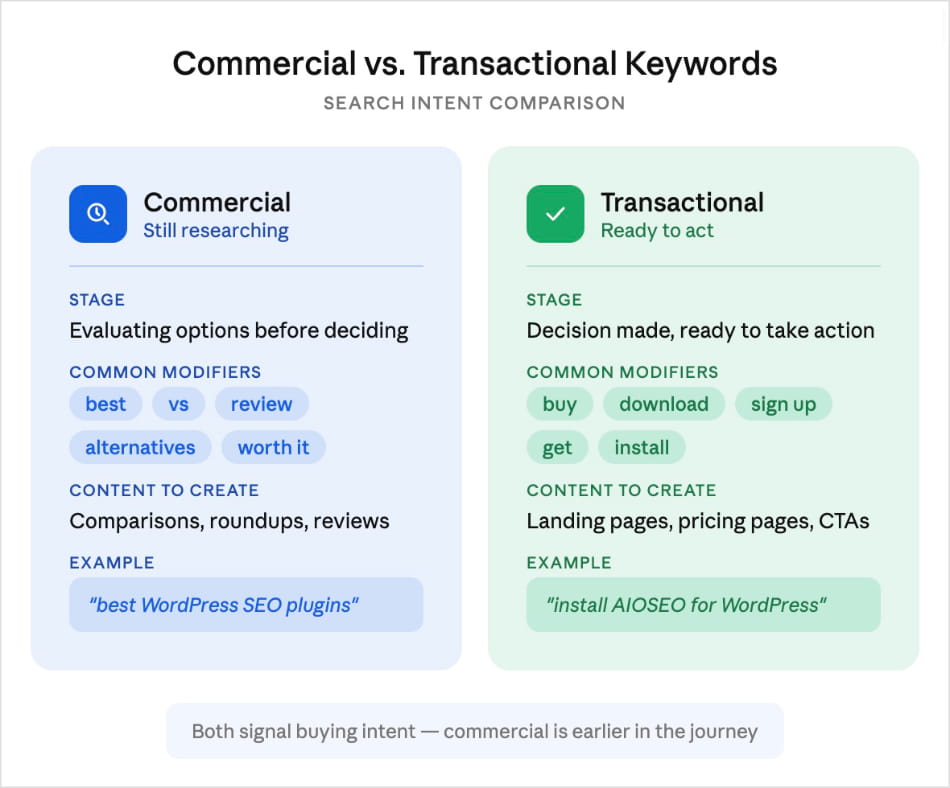
Commercial intent refers to searches where users are researching products or services with the intention to purchase in the future. These queries typically involve comparisons, reviews, and evaluations. Transactional intent represents searches where users are ready to complete a purchase immediately, such as “buy iPhone 15 Pro” or “order pizza delivery.” Commercial intent captures users earlier in the buying process, while transactional intent captures users at the point of conversion.
How does AI determine commercial intent in search queries?
AI systems use machine learning algorithms that analyze multiple signals to classify search intent. These signals include the specific words used in the query, the structure and length of the query, user search history, click patterns, and engagement metrics. Natural language processing helps AI understand the meaning behind words, while behavioral data provides context about user readiness to purchase.
What types of content work best for AI SEO commercial intent?
Content that provides comprehensive, balanced information about products or services performs best for commercial intent queries. This includes detailed buying guides, product comparisons, honest reviews, pricing breakdowns, and expert recommendations. Content that demonstrates genuine expertise and helps users make informed decisions aligns with what AI algorithms consider valuable for commercial searches.
How long does it take to see results from AI SEO commercial intent optimization?
Timelines vary depending on your industry, competition level, and current domain authority. Some businesses see improvements within a few weeks, while others require several months of consistent effort. The key is maintaining a steady publishing schedule, regularly updating existing content, and continuously monitoring performance to make data-driven adjustments.
Can small businesses compete for commercial intent keywords?
Yes, small businesses can compete effectively by focusing on long-tail commercial keywords with lower competition. These specific queries often have less search volume but higher conversion rates and face fewer established competitors. Creating exceptional, niche-focused content and building genuine authority through customer reviews and industry expertise enables smaller brands to capture valuable commercial traffic.
Conclusion
AI SEO commercial intent represents the future of search-driven revenue generation. By understanding how artificial intelligence interprets and ranks content for purchase-oriented queries, businesses can create strategies that attract high-quality traffic and convert visitors into customers. The key lies in creating genuinely helpful content that addresses user needs at the moment of evaluation, implementing technical elements that help AI systems understand your value, and continuously refining your approach based on performance data.
The landscape of search continues to evolve, but the fundamental principle remains constant: provide exceptional value to users, and search engines will reward you with visibility. By embracing AI SEO commercial intent as a core component of your digital strategy, you position your business to capture the attention of motivated buyers and achieve sustainable growth in an increasingly competitive online marketplace.
Xem thêm:
- Generative Engine Optimization: The Ultimate Guide to Winning AI-Powered Search
- How to Improve EEAT with AI: A Strategic Roadmap for Lasting Search Visibility
- 10 Best AI Research Tools Revolutionizing Academic Discovery in 2025
- AI SEO Link Building Automation: The Complete 2025 Playbook for Scalable Growth
- AI WooCommerce SEO: The Complete Guide to Automating Your Store’s Search Rankings
Bài viết cùng chủ đề:

AI SEO SEO Automation with Make: The Complete Workflow Guide

AI SEO SEO Automation with Zapier: The Complete Workflow Guide

AI SEO SEO Automation with n8n: The Complete Workflow Guide
AI SEO SEO Automation with Gemini: The Complete Guide to Scaling Organic Growth

AI SEO SEO Automation with Claude: The Complete Guide to Scaling Content in 2025

AI SEO SEO Automation with ChatGPT: The Complete Playbook for 2025

AI SEO & SEO Automation for Affiliate Sites: The 2025 Playbook for Passive Income Growth
AI SEO & SEO Automation for Bloggers: The Complete Guide to Scaling Your Content

AI SEO & SEO Automation for Agencies: The Complete 2025 Playbook

AI SEO and SEO Automation for Ecommerce: The Complete Playbook for 2025

AI SEO & SEO Automation for WordPress: The Complete Playbook for 2025
AI SEO SEO Automation Strategy: The Complete Playbook for 2025

Mastering the AI SEO SEO Automation Process: A Complete Guide to Scaling Organic Growth
AI SEO SEO Automation System: The Complete Guide to Scaling Organic Growth in 2025
AI SEO SEO Automation Platform: The Complete Guide to Scaling Organic Growth in 2025
AI SEO SEO Automation Software: The Complete Guide to Scaling Organic Growth in 2025















