
No products in the cart.
AI SEO Link Building Automation: The Complete 2025 Playbook for Scalable Growth

10
Aug
Aug
AI SEO link building automation has transformed how digital marketers approach off-page optimization. Gone are the days of manually pitching hundreds of bloggers or spending hours hunting for broken links. Modern teams leverage machine learning algorithms to identify prospects, personalize outreach, and track digital PR campaigns at scale. This comprehensive guide explores the tools, strategies, and ethical considerations behind automated link acquisition, helping you build authority without sacrificing quality or risking penalties.
What Is AI SEO Link Building Automation?
AI SEO link building automation refers to the use of artificial intelligence and machine learning algorithms to streamline, scale, and optimize the process of acquiring backlinks. This technology handles repetitive tasks such as prospect discovery, contact information extraction, email personalization, and performance tracking. The core value proposition lies in its ability to process massive datasets—millions of web pages—in seconds, identifying patterns that human researchers would miss.
Traditional link building relies on manual research, guesswork, and time-consuming outreach. Automation flips this model by using natural language processing to understand content context, domain authority metrics, and topical relevance. The result is a data-driven approach that prioritizes quality over quantity, reducing the risk of toxic backlinks while increasing the efficiency of your digital PR efforts.
The Evolution from Manual Outreach to Intelligent Automation
The link building industry has undergone three distinct phases. The first phase involved directory submissions and comment spam—practices that are now heavily penalized. The second phase introduced content marketing and manual outreach, which required significant human effort but yielded better results. The current phase, powered by AI, combines the scalability of automation with the nuance of human judgment. Modern systems learn from historical campaign data, continuously improving their prospect selection and messaging strategies.
Machine learning models analyze thousands of successful link placements to identify common characteristics. These include page authority, content freshness, audience overlap, and even the tone of existing outbound links. This predictive capability allows marketers to focus their efforts on prospects with the highest probability of conversion, dramatically improving return on investment.
Core Components of an AI-Driven Link Building System
Understanding the architecture of AI SEO link building automation helps you evaluate tools and build effective workflows. A complete system typically consists of four interconnected modules, each handling a specific stage of the link acquisition funnel.
Prospect Discovery and Scoring
The discovery engine crawls the web, indexing pages relevant to your niche. It uses semantic analysis to understand topic clusters, not just keyword matching. For example, if your website sells organic pet food, the system identifies blogs about pet health, veterinary resources, and sustainable living publications. Each prospect receives a score based on domain authority, traffic estimates, spam score, and content relevance.
Advanced systems also analyze competitor backlink profiles. By examining where your rivals earn links, the AI identifies untapped opportunities and industry-specific resource pages. This competitive intelligence provides a roadmap for your own outreach campaigns, highlighting gaps in your current link portfolio.
Content Gap Analysis and Asset Creation
Automation extends beyond prospecting into content strategy. AI tools analyze the type of content that attracts links in your industry—original research, infographics, interactive tools, or comprehensive guides. The system identifies topics with high link potential but low competition, guiding your editorial calendar. Some platforms even generate draft outlines or suggest data points to include, accelerating the content production process.
Personalized Outreach at Scale
This is where AI truly shines. Natural language generation (NLG) models craft personalized emails that reference specific details about the prospect’s website, recent articles, or social media activity. The system tests multiple subject lines, email lengths, and call-to-action variations to optimize open and response rates. It also handles follow-up sequences automatically, adjusting timing based on recipient behavior.
Personalization goes beyond inserting the prospect’s name. Advanced algorithms analyze the tone of the target website, the author’s writing style, and their preferred communication channels. This ensures your pitch aligns with their expectations, significantly increasing the likelihood of a positive response.
Relationship Management and Performance Tracking
Once a link is secured, the system monitors its status continuously. It tracks anchor text distribution, link placement (in-content vs. sidebar), and the page’s crawl frequency. If a link is removed or a page goes offline, the AI alerts you immediately, allowing for quick recovery. The platform also integrates with Google Search Console and analytics tools to measure the impact of acquired links on organic rankings and referral traffic.
Key Benefits of Implementing AI Link Building Automation
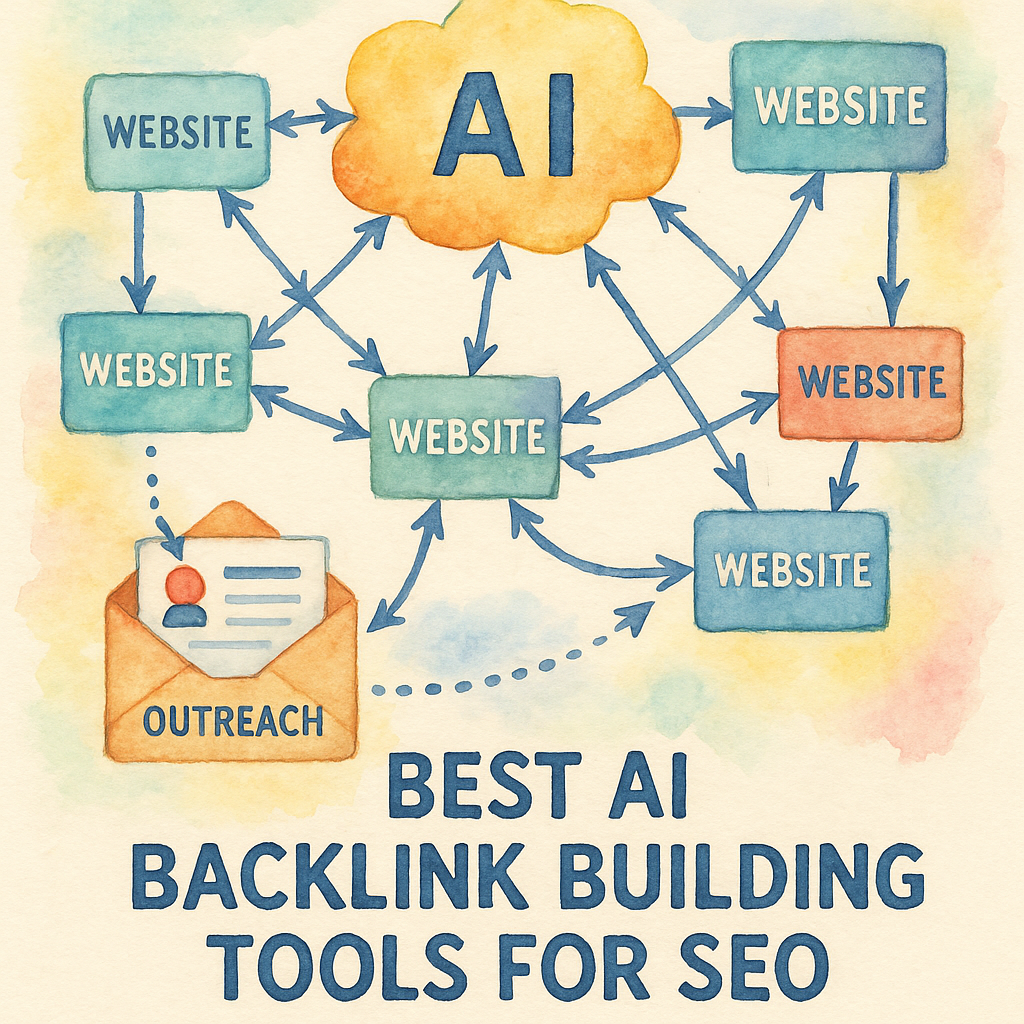
Adopting AI SEO link building automation offers tangible advantages that go beyond simple time savings. These benefits compound over time, creating a sustainable competitive edge in search rankings.
Unprecedented Scalability
A single marketer using traditional methods can manage outreach to perhaps 20-30 prospects per week. With automation, that same person can oversee campaigns targeting 500-1000 prospects simultaneously. The AI handles the repetitive tasks, freeing humans to focus on high-value interactions, such as building relationships with top-tier publications or negotiating partnership opportunities.
Data-Driven Decision Making
Automation generates vast amounts of data about what works and what doesn’t. You can analyze response rates by industry, email subject line performance, and the types of content that attract the most links. This empirical approach eliminates guesswork, allowing you to allocate resources to strategies with proven effectiveness.
Improved Link Quality and Relevance
AI algorithms are designed to prioritize relevance over raw authority. A link from a moderately popular niche blog with engaged readers often outperforms a link from a high-authority but unrelated site. Automation ensures your link portfolio remains topically coherent, which search engines interpret as a strong signal of expertise and trustworthiness.
Reduced Risk of Penalties
Manual link building often results in inconsistent anchor text and unnatural link velocity. AI systems monitor these metrics, ensuring your link growth appears organic. They also filter out spammy directories, link farms, and other toxic sources before they damage your site’s reputation.
Limitations and Ethical Considerations
While powerful, AI SEO link building automation is not a silver bullet. Understanding its limitations helps you set realistic expectations and avoid common pitfalls.
The Human Element Remains Critical
AI can identify prospects and draft emails, but it cannot build genuine relationships. High-authority editors and journalists receive thousands of pitches daily. They can easily spot automated outreach, even with personalization. Successful campaigns still require human intervention for building rapport, offering exclusive insights, and nurturing long-term partnerships.
Quality Control Challenges
Automated systems sometimes flag low-quality sites as good prospects. Domain authority metrics can be manipulated, and a site with high traffic might have poor engagement. Regular manual audits of your link portfolio are essential to maintain quality standards. You must review the AI’s selections, especially when targeting new niches or geographic regions.
Compliance with Search Engine Guidelines
Google’s Webmaster Guidelines explicitly prohibit link schemes and mass-produced outreach. While automation itself is not against the rules, using it to create unnatural patterns is. Ensure your campaigns focus on earning links through valuable content and genuine relationships. Avoid buying links, participating in link exchanges, or using private blog networks, regardless of what the AI recommends.
AI SEO Link Building Automation vs. Traditional Methods
Comparing these approaches clarifies when to use each strategy. The table below highlights key differences across critical dimensions.
| Dimension | Traditional Link Building | AI-Powered Automation |
|---|---|---|
| Prospect Research | Manual searches, competitor analysis | Automated crawling, semantic analysis |
| Outreach Volume | 10-30 emails per week | 100-1000+ emails per week |
| Personalization | High, based on human judgment | Moderate to high, data-driven |
| Cost Efficiency | High labor cost per link | Lower cost per link at scale |
| Speed of Results | Slow, gradual growth | Rapid scaling possible |
| Risk of Penalties | Moderate, depends on skill | Low if configured correctly |
| Data Insights | Limited, anecdotal | Comprehensive, actionable |
The choice depends on your goals. For small niche sites with limited budgets, manual outreach might suffice. For e-commerce platforms or SaaS companies aiming for aggressive growth, automation provides the necessary leverage.
Practical Implementation: A Step-by-Step Guide
Implementing AI SEO link building automation requires careful planning and execution. Follow this structured approach to maximize your chances of success.
Step 1: Define Your Goals and KPIs
Start with clear objectives. Are you aiming to increase domain authority, drive referral traffic, or rank for specific keywords? Establish baseline metrics for your current domain rating, organic traffic, and keyword positions. Set realistic targets for the next 6-12 months, considering your industry’s competitiveness.
Step 2: Choose the Right Tools
Several platforms offer AI-powered link building features. Evaluate them based on your budget, technical expertise, and specific needs. Look for tools that integrate with your existing SEO stack, offer transparent pricing, and provide robust reporting. Many platforms offer free trials, allowing you to test their capabilities before committing.
Step 3: Build Your Content Assets
Automation amplifies your content strategy but cannot replace it. Create high-value assets that naturally attract links. Original research with unique data points, comprehensive industry reports, and interactive tools tend to perform best. Ensure your content is genuinely useful and shareable, not just optimized for search engines.
Step 4: Configure Your Campaign Settings
Set your target keywords, geographic focus, and content type preferences. Define your disallowed domains to avoid spammy sites. Configure your email templates, including personalization variables. Set your follow-up sequences and response handling rules. Test your setup with a small batch of prospects before scaling up.
Step 5: Launch and Monitor
Start your campaign and monitor performance closely for the first few weeks. Pay attention to response rates, link placement quality, and any patterns in rejections. Adjust your messaging or prospect criteria based on initial feedback. Use the data to refine your approach continuously.
Step 6: Measure and Iterate
Track your results against your initial KPIs. Analyze which types of content attract the best links, which outreach messages resonate, and which prospect segments convert. Use these insights to optimize your campaigns. Remember that link building is a long-term strategy; consistent effort yields compounding results.
Common Mistakes and How to Avoid Them
Even with advanced AI tools, marketers make predictable errors. Recognizing these pitfalls helps you navigate the learning curve more smoothly.
Over-Reliance on Automation
The biggest mistake is assuming AI can operate without human oversight. Algorithms make mistakes, and automated outreach can damage your brand if not carefully monitored. Always review the AI’s prospect selections, especially for high-authority targets. Maintain a human touch in your communications, particularly with influential contacts.
Ignoring Content Quality
Automation cannot compensate for mediocre content. If your website lacks genuinely valuable resources, no amount of outreach will earn quality links. Invest in creating exceptional content that serves your audience’s needs. The best link building strategy is to create something worth linking to.
Neglecting Link Diversity
Focusing exclusively on one type of link or one source creates an unnatural profile. Diversify your link sources across blogs, news sites, directories, forums, and social platforms. Vary your anchor text naturally, using branded, naked URLs, and partial-match phrases. A diverse portfolio signals authenticity to search engines.
Failing to Track Results
Without proper tracking, you cannot know what works. Use tools to monitor your backlink profile, referral traffic, and keyword rankings. Set up alerts for lost links or negative SEO attacks. Regularly audit your link portfolio to remove toxic links that could harm your rankings.
Important Notes for Long-Term Success
AI SEO link building automation is a powerful tool, but it requires strategic thinking and ongoing refinement. Keep these principles in mind as you scale your efforts.
First, prioritize relationship building over transactional link acquisition. A link from a genuine partner is worth more than a dozen from random blogs. Nurture your network of contacts, engage with your industry community, and provide value beyond link requests. Second, stay updated on search engine algorithm changes. What works today might not work tomorrow. Follow reputable SEO news sources and adapt your strategies accordingly.
Third, integrate your link building efforts with your overall marketing strategy. Coordinate with your content team, social media managers, and PR professionals. A unified approach amplifies your results and creates a consistent brand presence across channels. Finally, be patient. Building authority takes time. Focus on consistent, ethical practices that yield sustainable growth.
Frequently Asked Questions
Is AI link building automation safe for SEO?
Yes, when implemented correctly. The key is to use AI to enhance your outreach and prospecting, not to spam or manipulate search engines. Focus on earning links through valuable content and genuine relationships. Avoid automated link buying, private blog networks, or mass directory submissions. Regular monitoring and manual oversight ensure your campaigns remain compliant with search engine guidelines.
How much does AI link building automation cost?
Pricing varies widely depending on the platform and features. Basic tools start around $50-100 per month, while enterprise solutions can cost $500-1000 or more. Most platforms offer tiered pricing based on the number of prospects, email volume, and advanced features. Consider your budget and expected return on investment when choosing a solution.
Can AI replace human link builders?
No, AI cannot fully replace human expertise. While automation handles repetitive tasks and data analysis, human judgment is essential for building relationships, crafting compelling narratives, and making strategic decisions. The most successful teams combine AI efficiency with human creativity and emotional intelligence.
What types of websites benefit most from AI link building?
Websites with substantial content assets and clear topical authority benefit most. E-commerce sites, SaaS companies, and content publishers with regular output see significant gains. New websites with low domain authority can also benefit, as automation helps them compete with established players. However, websites with thin content or spammy histories should focus on fixing foundational issues first.
How quickly will I see results from automated link building?
Results vary based on your niche, content quality, and campaign strategy. Some websites see improvements within 4-8 weeks, while others require 3-6 months to notice significant changes. Link building is a long-term investment. Focus on consistent effort and continuous optimization rather than expecting overnight success.
Conclusion
AI SEO link building automation represents a paradigm shift in off-page optimization. It empowers marketers to scale their efforts, make data-driven decisions, and focus on high-value activities that drive meaningful results. However, technology alone does not guarantee success. The most effective strategies combine AI’s analytical power with human creativity, relationship building, and ethical practices.
As search engines evolve, the importance of quality backlinks remains constant. By embracing automation responsibly, you position your website for sustainable growth in an increasingly competitive digital landscape. Start small, measure your results, and scale what works. The future of link building is intelligent, efficient, and data-driven—and it is available to those who adapt.
Xem thêm:
- AI SEO Content Outlines: The Complete Guide to Smarter Content Planning
- AI SEO Topical Relevance: The Complete Guide to Dominating Search in 2025
- How to Use Perplexity for SEO: The Ultimate Guide to AI-Powered Search Insights
- AI SEO LLM Referral Traffic: The Complete Guide to Winning AI Search Visibility
- AI SEO Trends 2026: The Strategies That Will Define Search Next Year
Bài viết cùng chủ đề:

AI SEO SEO Automation with Make: The Complete Workflow Guide

AI SEO SEO Automation with Zapier: The Complete Workflow Guide

AI SEO SEO Automation with n8n: The Complete Workflow Guide
AI SEO SEO Automation with Gemini: The Complete Guide to Scaling Organic Growth

AI SEO SEO Automation with Claude: The Complete Guide to Scaling Content in 2025

AI SEO SEO Automation with ChatGPT: The Complete Playbook for 2025

AI SEO & SEO Automation for Affiliate Sites: The 2025 Playbook for Passive Income Growth
AI SEO & SEO Automation for Bloggers: The Complete Guide to Scaling Your Content

AI SEO & SEO Automation for Agencies: The Complete 2025 Playbook

AI SEO and SEO Automation for Ecommerce: The Complete Playbook for 2025

AI SEO & SEO Automation for WordPress: The Complete Playbook for 2025
AI SEO SEO Automation Strategy: The Complete Playbook for 2025

Mastering the AI SEO SEO Automation Process: A Complete Guide to Scaling Organic Growth
AI SEO SEO Automation System: The Complete Guide to Scaling Organic Growth in 2025
AI SEO SEO Automation Platform: The Complete Guide to Scaling Organic Growth in 2025
AI SEO SEO Automation Software: The Complete Guide to Scaling Organic Growth in 2025















