
No products in the cart.
AI WooCommerce SEO: The Complete Guide to Automating Your Store’s Search Rankings
29
Jul
Jul
In the crowded world of online retail, simply launching a WooCommerce store is not enough. Without strategic visibility, products can remain hidden on page ten of Google. This is where AI WooCommerce SEO enters the picture—a powerful fusion of artificial intelligence and search engine optimization tailored specifically for WooCommerce. By automating keyword research, content generation, technical audits, and product page optimization, store owners can now scale organic traffic faster than ever. This guide explores every facet of AI-driven SEO for WooCommerce, from core concepts and tools to step-by-step implementation and common pitfalls, ensuring you can harness this technology to dominate search results.
What Is AI WooCommerce SEO?
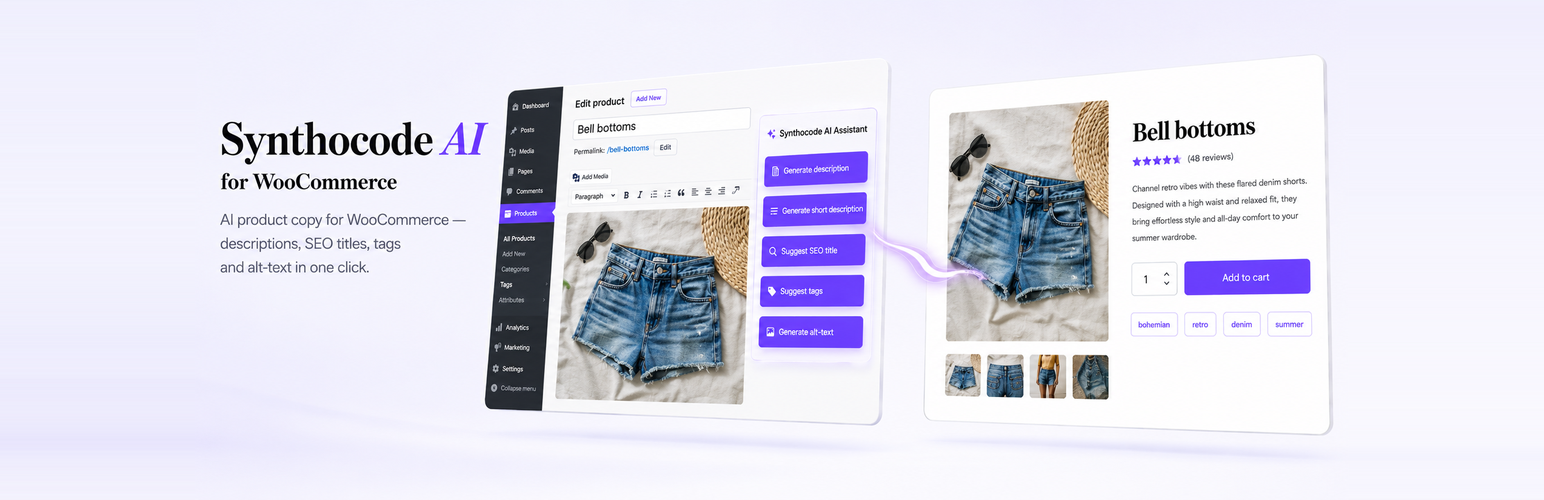
AI WooCommerce SEO refers to the use of machine learning algorithms, natural language processing, and data analytics to automate and enhance search engine optimization tasks for WooCommerce-powered online stores. Unlike traditional manual SEO, which relies on human effort for every task—from writing meta descriptions to fixing broken links—AI tools can scan thousands of product pages, identify patterns, and make real-time adjustments. The AI interprets search engine ranking factors, user intent, and competitor data to generate optimized content, internal linking structures, and technical fixes that improve a store’s organic visibility.
At its core, this approach treats SEO as a continuous, data-driven cycle. For instance, an AI system can analyze which long-tail queries are driving traffic to competitors, then automatically suggest or create category descriptions targeting those phrases. It can test different title tag variations and learn which ones yield higher click-through rates. For WooCommerce stores with massive inventories, this becomes indispensable—human marketers simply cannot manually optimize tens of thousands of SKUs.
The term also encompasses AI-powered SEO plugins and cloud platforms that integrate directly with WooCommerce. These tools pull product data, sales trends, and user behavior to prioritize which products to optimize first. They monitor core web vitals, schema markup, and mobile usability, then offer one-click fixes. The result is a store that not only ranks higher but also converts better because the AI aligns on-page elements with actual purchase intent.
How AI Transforms Traditional WooCommerce SEO
1. Automated Keyword Discovery and Clustering
AI tools process vast amounts of search query data to identify high-volume, low-competition keywords specific to your niche. More importantly, they group related terms into clusters, enabling you to build topic authority rather than chasing isolated keywords. For example, an AI might detect that “organic cotton baby blankets,” “breathable infant swaddles,” and “hypoallergenic nursery bedding” share the same buyer intent, and suggest a single authoritative category page that covers all three.
2. Dynamic Product Description Generation
Writing unique product descriptions for hundreds of items is tedious. AI WooCommerce SEO systems can generate compelling, SEO-friendly descriptions that incorporate primary and LSI keywords naturally. They analyze your brand voice, product attributes, and even customer reviews to craft text that both search engines and shoppers appreciate. Some advanced platforms regenerate descriptions when trends shift, ensuring content stays fresh without manual intervention.
3. Intelligent Internal Linking
Internal links distribute link equity and guide crawlers through your site. AI tools examine your entire product catalog, category hierarchy, and blog content to suggest or auto-create relevant cross-links. They can identify orphan pages, connect complementary products, and build silo structures that reinforce topical relevance—tasks that would take weeks to execute manually across a large WooCommerce store.
4. Real-Time Technical SEO Monitoring
AI engines crawl your store daily, detecting issues like slow-loading pages, duplicate content, missing alt text, or broken canonical tags. Instead of waiting for a scheduled audit, they flag problems immediately and often provide a one-click resolution. This proactive stance prevents ranking drops that occur from unnoticed technical debt, a common headache for store owners running frequent plugin updates or theme changes.
5. Content Gap Analysis and SERP Intelligence
By analyzing the top-ranking pages for your target queries, AI identifies content gaps—topics your store hasn’t covered yet. It might reveal that a “size guide for running shoes” page or a “care instructions” section could capture additional traffic and improve dwell time. AI can then draft these supporting assets, keeping your store comprehensive in the eyes of search engines.
Key Components of an AI WooCommerce SEO Strategy
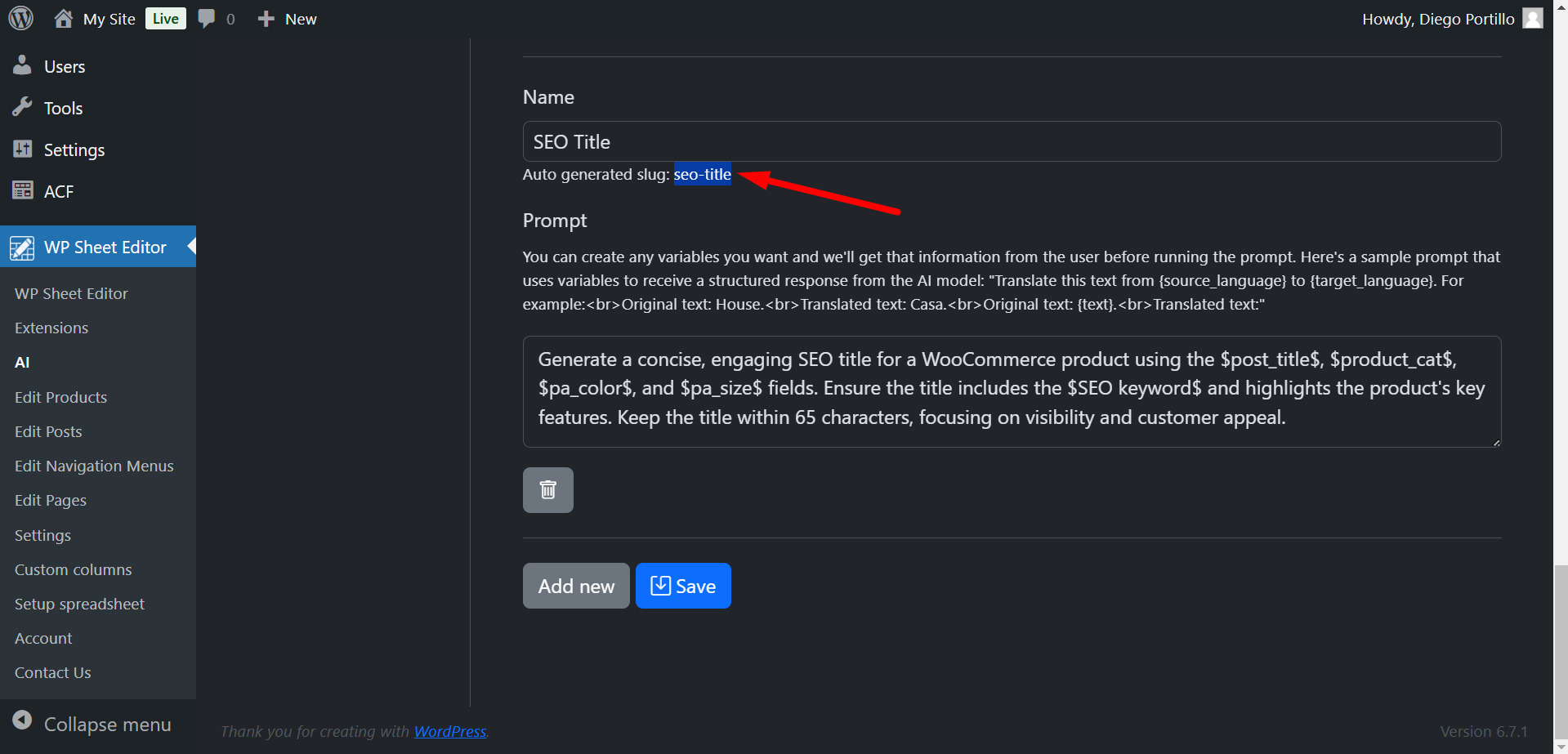
Building a successful AI-driven SEO strategy for WooCommerce involves layering multiple components. Each one addresses a different aspect of the optimization puzzle, working together to lift the entire domain authority.
- Data Integration Layer: Connects your WooCommerce product feed, Google Search Console, analytics, and inventory data to AI models, giving them a complete picture of performance and stock availability.
- Natural Language Generation (NLG) Engine: Produces meta titles, descriptions, product copy, and even blog posts that read naturally while targeting keyword clusters.
- Competitive Intelligence Module: Monitors competitor rank, backlink growth, and content changes, then adjusts your strategy to counter or leapfrog them.
- Automated Structured Data Markup: Dynamically adds JSON-LD schema for products, reviews, breadcrumbs, and FAQ, helping search engines display rich snippets without manual coding.
- Performance and Core Web Vitals Optimizer: Uses AI to compress images, lazy-load assets, and tweak caching rules, ensuring fast loading times that satisfy Google’s page experience signals.
- Personalization and Behavioral Signals: AI can tailor SEO elements like title tags and CTAs based on user segments, increasing click-through rates from different demographics.
- Massive Scalability: A medium-sized store with 5,000 products can achieve full on-page optimization in days rather than months. The AI never gets tired, ensuring consistent quality across every category and tag page.
- Higher Precision in Targeting: AI-driven keyword analysis considers seasonality, search volume trends, and conversion probability, not just raw search numbers. This leads to traffic that actually buys, not just visits.
- Continuous Adaptation: Google’s algorithms are updated hundreds of times a year. AI systems can detect ranking fluctuations and adjust title tags, headings, and internal links in near real time, something a human team cannot match.
- Reduced Human Error: Misspelled metadata, duplicate canonical URLs, or inadvertently noindexing a bestseller are common mistakes. AI tools double-check every action against best practices before implementation.
- Deeper User Intent Matching: By analyzing on-site search queries and exit pages, AI can reveal mismatches between what users expect and what your pages deliver. It then optimizes content to bridge that gap, lowering bounce rates and improving conversions.
- Cost Efficiency: While enterprise AI SEO platforms have a subscription cost, they often replace multiple freelancers or an in-house team member, yielding a net reduction in SEO spending for growing stores.
- Brand Voice Dilution: AI-generated content can sometimes feel generic or lack the unique storytelling that builds brand loyalty. Over-reliance may homogenize your store in a sea of competitors using the same tools.
- Data Dependency: AI models require sufficient historical data to function accurately. A brand-new store with zero traffic and no search console history will provide limited signals, reducing the AI’s predictive accuracy for a few months.
- Initial Setup Complexity: Integrating AI tools with WooCommerce, configuring data feeds, and calibrating the system to your industry jargon demands technical know-how. Some store owners underestimate the onboarding effort.
- Cost Barriers for Small Inventories: For a boutique store with 50 products, the cost of premium AI SEO software may outweigh the incremental gains, making manual SEO with a free plugin more pragmatic.
- False Positives in Technical Audits: AI crawlers sometimes flag issues that are not actual problems, such as dynamic parameters in faceted navigation, leading to wasted time if not manually reviewed.
- Compliance and Originality Risks: Auto-generated product descriptions need human review to avoid duplicate content penalties or accidentally copying competitor phrasing. Google’s stance on AI content requires that it be helpful and original, not spammy.
- Blindly Trusting Autopilot: Allowing the AI to rewrite all title tags and descriptions without review can lead to keyword stuffing or unnatural phrasing. Always sample-check outputs, especially for top 20% pages that drive most revenue.
- Ignoring Indexing Control: AI tools might accidentally noindex thin category pages that, although low on content, still serve a user purpose. Manually verify robots.txt and meta robots settings after any bulk AI action.
- Neglecting Mobile-First Design: AI can optimize content but cannot redesign a theme. If your WooCommerce theme has a poor mobile experience, no amount of smart meta data will fix the bounce rate. Ensure technical foundations are solid first.
- Copying Competitor Structure Exactly: AI competitive analysis is useful, but blindly replicating a competitor’s site architecture ignores your unique inventory and customer base. Use insights as inspiration, not a blueprint.
- Over-Optimizing Anchor Text: Automated internal linking may overuse exact-match anchor text, which can appear manipulative. Set the AI to use diverse, natural anchor phrases and limit the number of links per page.
- Skipping the “Shop” Schema Markup: While many tools generate product schema, they sometimes omit the broader “WebSite” or “Organization” schema that establish brand identity in the Knowledge Graph. Verify all recommended schema types are activated.
Benefits of AI WooCommerce SEO
The advantages extend far beyond saving time. When deployed correctly, AI WooCommerce SEO can reshape your entire digital marketing ROI. Here’s a detailed breakdown:
Limitations and Challenges to Consider
Despite its power, AI WooCommerce SEO is not a magic wand. Understanding its boundaries prevents misaligned expectations.
AI WooCommerce SEO vs. Traditional WooCommerce SEO: A Comparison
Understanding the practical differences helps store owners decide when to transition from manual processes to AI-assisted workflows. The table below highlights key contrasts.
| Aspect | Traditional WooCommerce SEO | AI WooCommerce SEO |
|---|---|---|
| Keyword Research | Manual spreadsheet analysis using tools like Ahrefs; time-consuming. | Automated clustering, trend prediction, and competitor gap analysis in minutes. |
| Product Page Optimization | One-by-one editing of meta fields and descriptions; inconsistent across large catalogs. | Bulk generation of unique, keyword-rich content with variant handling. |
| Technical Audits | Periodic monthly crawls, often missing new issues between cycles. | Continuous real-time monitoring with instant alerts and auto-fixes. |
| Internal Linking | Manual placement, prone to oversight; often treats blog and shop sections separately. | Automated, contextual linking across all content types based on semantic relevance. |
| Schema Markup | Relies on static plugin templates or manual coding; rarely updated. | Dynamic generation with real-time product availability, price, and review stars. |
| Speed of Adaptation | Reacting to a Google update takes days of manual analysis and implementation. | AI models detect signal shifts and adjust titles/meta within hours. |
| Cost Structure | High labor cost for staff or agencies; fixed monthly retainers. | Software subscription plus smaller human oversight; economies of scale. |
Step-by-Step Guide to Implementing AI WooCommerce SEO

Transitioning to an AI-enhanced SEO workflow requires a structured approach. Follow these steps to ensure a smooth rollout that maximizes results.
Step 1: Audit Your Current SEO Baseline
Before introducing AI, run a full site crawl using a tool like Screaming Frog or your existing SEO plugin. Document indexing status, page load speeds, current keyword rankings, and top-selling products. Connect Google Search Console and Google Analytics. This baseline will later prove the AI’s impact.
Step 2: Choose the Right AI SEO Tool for WooCommerce
Select a solution that offers deep WooCommerce integration. Look for features like automatic product feed syncing, dynamic schema insertion, and bulk meta generation. Popular options include Rank Math PRO’s Content AI, All In One SEO’s smart features, or dedicated platforms like MarketBrew and BrightEdge for larger enterprises. Verify the tool can handle variable products, out-of-stock handling, and multilingual stores if needed.
Step 3: Connect Data Sources
Grant the AI access to your WooCommerce product API, Google Search Console, and any existing CRM. This allows the system to understand which products have the highest margins, which ones drive organic traffic, and which categories are underperforming. The richer the data, the smarter the AI’s prioritization.
Step 4: Configure Brand Voice and Keyword Targets
Spend time training the AI on your tone of voice, prohibited terms, and unique selling propositions. Upload a seed list of high-priority keywords and competitor URLs. Define content templates that mirror your brand style—for example, always include a “sustainability note” for eco-friendly products. This calibration prevents the “robotic content” pitfall.
Step 5: Start with High-Impact Pages
Rather than optimizing everything at once, instruct the AI to focus on category pages that rank on page two or product pages with high impressions but low clicks. The A
Step 6: Enable Automated Technical Fixes
Activate AI-driven technical modules: broken link repair, image compression, mobile layout tweaks, and lazy loading. Review the first batch of suggested changes manually to ensure no false positives, then allow auto-approval for low-risk fixes. This builds trust in the system gradually.
Step 7: Ramp Up Content Generation
Once confidence grows, let the AI draft supporting blog posts, buying guides, and FAQ sections. Schedule a weekly human review of generated content to refine phrasing and inject the latest product insights. Over time, you’ll find the editing burden decreases as the model learns your preferences.
Step 8: Monitor, Iterate, and Expand
Use the AI’s analytics dashboard to track changes in rankings, click-through rates, and conversions. Pay attention to anomalies—if a product suddenly drops, investigate whether an AI change caused it. Gradually expand the AI’s scope to include email marketing snippets and social media metadata for omnichannel consistency.
Common Mistakes When Using AI for WooCommerce SEO and How to Avoid Them
Even the most advanced tools can misfire if not supervised properly. Awareness of these pitfalls helps protect your store’s reputation and rankings.
Important Notes for Long-Term Success
Sustainable AI WooCommerce SEO is not a one-time setup. Keep these principles in mind to avoid stagnation and algorithmic penalties.
Human oversight remains essential. Even as AI handles repetitive tasks, a skilled SEO strategist should set the overall direction, interpret anomalies, and make judgment calls when data is ambiguous. Treat AI as a co-pilot, not the captain.
Focus on user experience signals. Google increasingly values interactions like time on site, scroll depth, and return visits. AI-generated content that boosts these metrics will see compounding gains; content that merely satisfies keywords will eventually fade. Incorporate video, customer reviews, and product comparisons to enrich the page.
Stay updated with Google’s guidelines on AI-generated content. As search engines refine their stance, ensure your AI outputs meet the “helpful content” standard. Avoid spinning product descriptions from the manufacturer feed; instead, use AI to enhance them with unique benefits, local insights, and post-purchase use cases.
Regularly audit your AI’s performance. Set monthly benchmarks for organic traffic growth, conversion rate from organic, and average position. If progress stalls, investigate whether the AI model needs retraining, your niche has shifted, or competitors have adopted similar tools. Adaptability is the ultimate advantage.
Frequently Asked Questions About AI WooCommerce SEO
Can AI WooCommerce SEO really replace a human SEO expert?
No, it cannot fully replace a human expert, but it drastically reduces the manual workload. AI handles data processing, monitoring, and repetitive content tasks at scale, while a strategist provides creative direction, brand nuance, and high-level decision-making. The combination is far more powerful than either alone.
Will Google penalize my store for using AI-generated content?
Google’s focus is on content quality, not how it is produced. As long as your AI-generated product pages and blog posts are original, helpful, and demonstrate expertise, they comply with Google’s guidelines. Avoid generating spammy, low-value text purely for keywords; always add a human review layer to ensure value.
How much does a good AI SEO tool for WooCommerce cost?
Pricing varies widely. WordPress plugins with AI features often start around $10–$30 per month for basic capabilities. Full-suite platforms that include AI content generation, technical audits, and competitor tracking can range from $100 to over $500 monthly, based on the number of products and features. Enterprise solutions may exceed $1,000 per month.
How long does it take to see results with AI WooCommerce SEO?
Immediate technical fixes can yield ranking improvements in days if the issues were severe. Content and keyword optimizations typically take 3 to 6 weeks to reflect in search results, depending on domain authority and competition. The AI accelerates the process, but SEO fundamentals like crawling frequency and trust building still require patience.
Do I need a separate AI tool if my WooCommerce SEO plugin already has AI features?
Often, no. Plugins like Rank Math or AIOSEO with built-in AI can cover most mid-sized stores. However, if you need advanced competitive intelligence, multilingual content generation across hundreds of products, or predictive analytics, a dedicated AI SaaS platform may offer deeper capabilities. Assess your scale and complexity before adding tools.
Is AI WooCommerce SEO effective for local brick-and-mortar stores with an online shop?
Yes, it is highly effective. AI tools can optimize local landing pages with city-specific keywords, generate Google Business Profile post ideas, and manage local schema for each physical location. This helps stores show up in “near me” searches and product queries simultaneously.
Conclusion: Embracing AI as Your Silent SEO Partner
The fusion of artificial intelligence and WooCommerce SEO marks a turning point for e-commerce. No longer constrained by the limits of human capacity, store owners can now achieve enterprise-level optimization on modest budgets. AI WooCommerce SEO handles the heavy lifting—keyword research, on-page edits, technical monitoring—freeing you to focus on product development and customer experience. The key is to adopt AI with a balanced mindset: leverage its speed and scale while retaining strategic human oversight. As algorithms evolve and competition intensifies, those who master this hybrid approach will secure the top spots and, more importantly, sustained revenue growth. Begin with a solid audit, choose a trustworthy AI tool, and scale your efforts incrementally. The future of WooCommerce search visibility is automated, intelligent, and within reach.
Xem thêm:
- AI SEO Digital Authority: The Complete Playbook for Dominating Search in 2025
- AI SEO Framework: The Complete Blueprint for Search Dominance in 2025
- AI XML Sitemap: Transforming Search Engine Crawling with Intelligent Automation
- AI Conclusion Generator: Generate Powerful Closing Paragraphs in Seconds
- AI Rank Tracking: How Artificial Intelligence Revolutionizes SERP Monitoring
Bài viết cùng chủ đề:

AI SEO SEO Automation with Make: The Complete Workflow Guide

AI SEO SEO Automation with Zapier: The Complete Workflow Guide

AI SEO SEO Automation with n8n: The Complete Workflow Guide
AI SEO SEO Automation with Gemini: The Complete Guide to Scaling Organic Growth

AI SEO SEO Automation with Claude: The Complete Guide to Scaling Content in 2025

AI SEO SEO Automation with ChatGPT: The Complete Playbook for 2025

AI SEO & SEO Automation for Affiliate Sites: The 2025 Playbook for Passive Income Growth
AI SEO & SEO Automation for Bloggers: The Complete Guide to Scaling Your Content

AI SEO & SEO Automation for Agencies: The Complete 2025 Playbook

AI SEO and SEO Automation for Ecommerce: The Complete Playbook for 2025

AI SEO & SEO Automation for WordPress: The Complete Playbook for 2025
AI SEO SEO Automation Strategy: The Complete Playbook for 2025

Mastering the AI SEO SEO Automation Process: A Complete Guide to Scaling Organic Growth
AI SEO SEO Automation System: The Complete Guide to Scaling Organic Growth in 2025
AI SEO SEO Automation Platform: The Complete Guide to Scaling Organic Growth in 2025
AI SEO SEO Automation Software: The Complete Guide to Scaling Organic Growth in 2025















