
No products in the cart.
Mastering AI SEO Competitor Keywords: The Complete Guide to Outranking Your Rivals
10
Aug
Aug
Understanding the landscape of AI SEO competitor keywords has become the defining factor between brands that dominate search results and those that remain invisible. The integration of artificial intelligence into search engine optimization has transformed how businesses analyze, target, and rank for high-value search terms. This comprehensive guide explores the methodologies, tools, and strategies required to leverage AI-powered keyword intelligence, giving you a decisive competitive advantage in the digital marketplace.
What Are AI SEO Competitor Keywords?
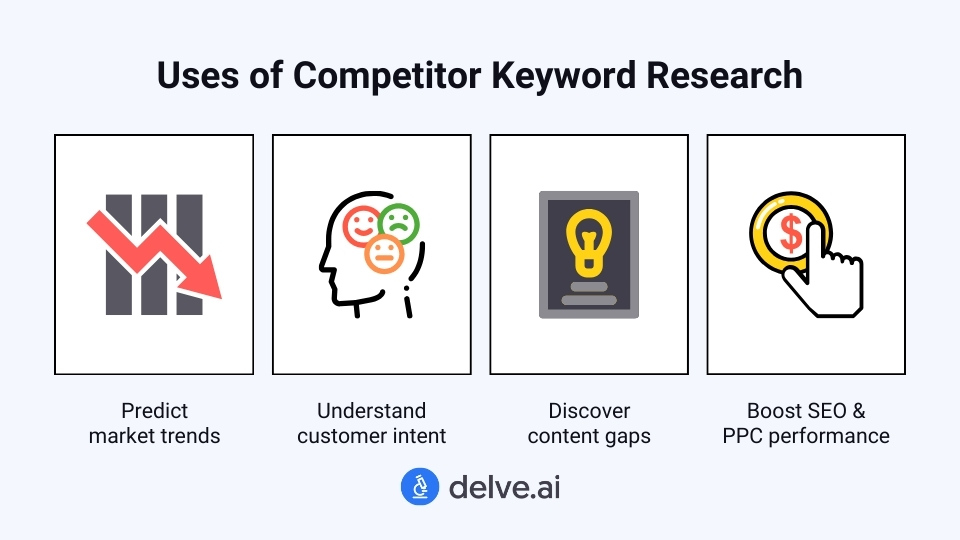
AI SEO competitor keywords represent search terms and phrases that your business rivals target through their content strategies, identified and analyzed using artificial intelligence algorithms. Unlike traditional keyword research that relies on manual analysis and basic volume data, AI-driven approaches process massive datasets to uncover patterns, intent signals, and ranking opportunities that human analysts might miss.
These keywords go beyond simple search volume metrics. AI systems evaluate competitor content structures, backlink profiles, user engagement patterns, and semantic relationships to build a comprehensive picture of the competitive keyword landscape. This intelligence enables businesses to identify gaps in their own strategies while discovering untapped opportunities that competitors have overlooked.
The Evolution from Traditional to AI-Powered Keyword Analysis
Traditional keyword research involved manual examination of search volumes, competition scores, and basic SERP analysis. SEO professionals would spend hours compiling spreadsheets and making educated guesses about user intent. The process was time-consuming, often inaccurate, and limited by human cognitive capacity to process vast amounts of data.
AI-powered systems changed this paradigm entirely. Machine learning algorithms now process millions of data points simultaneously, identifying patterns in competitor behavior, content performance, and search engine ranking factors. These systems continuously learn and adapt, providing real-time intelligence that keeps pace with the ever-changing search landscape.
Why AI-Driven Competitor Keyword Analysis Matters
The importance of AI SEO competitor keywords extends far beyond simple rank tracking. In today’s hyper-competitive digital environment, understanding what keywords your competitors target provides strategic intelligence that informs every aspect of your SEO campaign. This knowledge shapes content creation, link building strategies, technical optimization efforts, and overall digital marketing direction.
Search engines have become increasingly sophisticated in their ability to understand content relevance and user satisfaction. AI-powered analysis helps you align your content with the exact queries your target audience uses, ensuring that your pages appear for the right searches at the right time. This precision targeting leads to higher click-through rates, improved conversion metrics, and stronger return on investment.
Key Benefits of AI Competitor Keyword Intelligence
- Strategic Gap Identification: AI analysis reveals keyword opportunities your competitors have missed, allowing you to capture untapped market segments
- Content Optimization: Understanding competitor keyword usage helps you create more comprehensive, relevant content that satisfies user intent better
- Budget Efficiency: AI-driven insights prevent wasted spending on keywords that competitors already dominate with strong authority
- Predictive Insights: Machine learning algorithms forecast keyword trends and shifts in user behavior before they become obvious
- Competitive Positioning: Real-time monitoring of competitor keyword strategies enables rapid response to market changes
- Organic Traffic Growth: Monitor increases in organic sessions attributed to targeted keywords
- Keyword Ranking Improvements: Track movement in SERP positions for priority keywords
- Conversion Rate Changes: Measure how well traffic from targeted keywords converts to desired actions
- Share of Voice: Calculate your visibility compared to competitors for relevant keyword sets
- Content Engagement Metrics: Track time on page, bounce rate, and pages per session for keyword-targeted content
Core Components of AI SEO Competitor Keyword Analysis

Effective AI-driven competitor keyword analysis involves several interconnected components that work together to provide comprehensive market intelligence. Understanding these elements helps you build a robust competitive analysis framework that delivers actionable insights.
Semantic Keyword Clustering
AI algorithms group related keywords into semantic clusters based on meaning, context, and user intent. This approach moves beyond simple exact-match targeting to understand the broader topic landscape. For example, if a competitor targets “best running shoes,” AI analysis identifies related terms like “trail running footwear,” “marathon training shoes,” and “cushioned running sneakers” as part of the same semantic cluster.
Intent Classification
Modern AI systems classify keywords by search intent, distinguishing between informational, navigational, commercial, and transactional queries. This classification helps you understand which keywords drive actual conversions versus those that merely attract traffic. Competitor analysis reveals which intent categories your rivals prioritize, highlighting opportunities to capture underserved segments.
Content Gap Analysis
AI-powered tools compare your content library against competitor content to identify topics you haven’t covered or haven’t covered comprehensively. This analysis extends beyond simple keyword presence to evaluate content depth, structure, and quality. The result is a clear roadmap of content opportunities that can help you outrank competitors for valuable search terms.
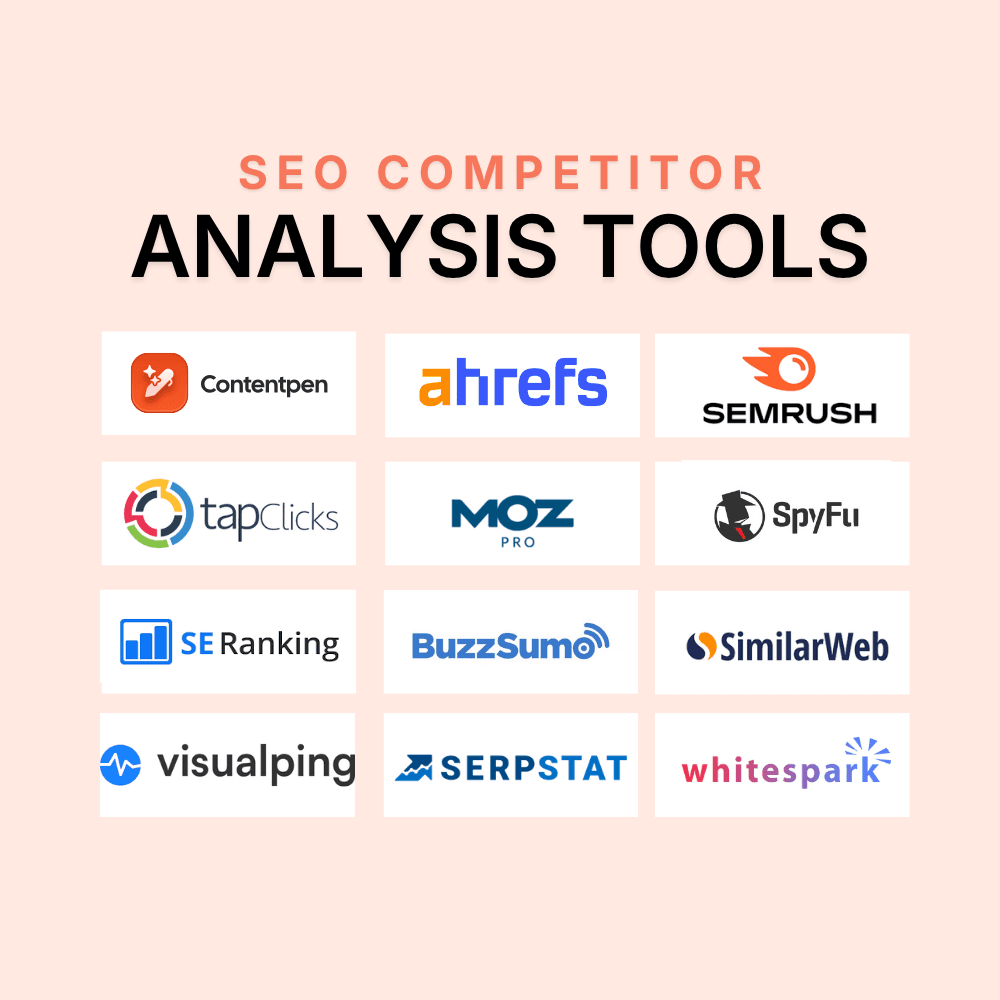
Top AI Tools for Competitor Keyword Research
The market offers numerous AI-powered tools designed specifically for competitive keyword analysis. Each platform brings unique capabilities and strengths to the table, and selecting the right combination depends on your specific needs, budget, and technical expertise.
| Tool | Key AI Features | Best For |
|---|---|---|
| Semrush | Keyword Gap Analysis, AI Content Marketing Platform | Comprehensive competitive intelligence |
| Ahrefs | Content Gap Tool, AI-Powered Keyword Suggestions | Backlink and content analysis |
| Moz Pro | Keyword Explorer with AI Recommendations | Small to medium business SEO |
| Clearscope | AI Content Optimization and Competitor Comparison | Content relevance and depth |
| Frase.io | AI-Generated Content Briefs from Competitor Analysis | Content creation workflows |
| MarketMuse | AI Content Intelligence and Competitive Scoring | Enterprise-level content strategy |
Selecting the Right AI Tool for Your Needs
When evaluating AI SEO competitor keyword tools, consider factors such as data accuracy, update frequency, user interface complexity, and integration capabilities with your existing marketing stack. Many platforms offer free trials, allowing you to test their capabilities before committing to a subscription. Look for tools that provide clear, actionable recommendations rather than overwhelming you with raw data.
Integration with other marketing tools is crucial for streamlining your workflow. The best AI keyword tools connect seamlessly with content management systems, analytics platforms, and project management software, enabling smooth data flow across your entire digital marketing operation.
Step-by-Step Process for AI Competitor Keyword Discovery
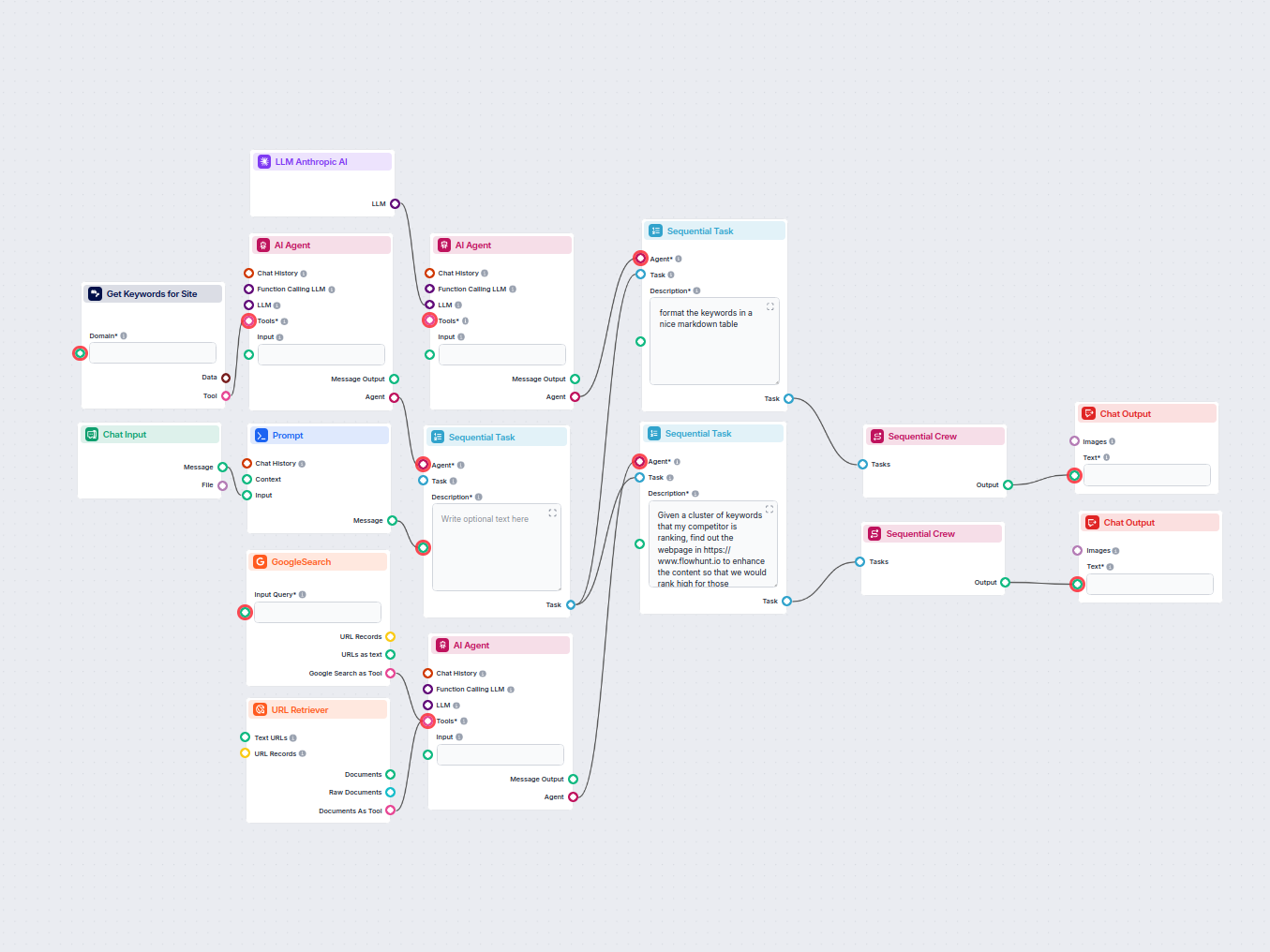
Implementing an effective AI-driven competitor keyword strategy requires a systematic approach that combines technology with strategic thinking. Follow this proven process to uncover valuable keyword opportunities and build a competitive advantage.
Step 1: Identify Your True Competitors
Begin by identifying which websites actually compete with you in search results. AI tools can analyze SERP overlap to determine which domains consistently appear for your target keywords. This analysis often reveals unexpected competitors you might not have considered, including content publishers, industry directories, and niche platforms.
Step 2: Gather Comprehensive Keyword Data
Use AI-powered tools to extract complete keyword profiles for each competitor. This includes their top-ranking keywords, newly discovered keywords, and keywords where they’re gaining or losing position. Pay special attention to keywords where competitors rank on page two or three, as these represent opportunities where you can potentially outrank them with superior content.
Step 3: Analyze Keyword Patterns and Trends
AI algorithms identify patterns in competitor keyword usage that reveal their strategic priorities. Look for clusters of related keywords that indicate content themes and topic authority. Track changes in keyword targeting over time to understand how competitors adapt their strategies to market shifts and algorithm updates.
Step 4: Identify High-Value Opportunities
Cross-reference competitor keywords with your own capabilities, resources, and business goals. Prioritize keywords that offer the best combination of search volume, commercial value, and achievable ranking difficulty. AI tools can score these opportunities based on multiple factors, helping you focus your efforts on the most promising targets.
Step 5: Develop and Execute Your Strategy
Transform your keyword intelligence into actionable content and optimization strategies. Create content that comprehensively addresses target topics, incorporating semantic variations and related concepts that AI analysis reveals. Monitor performance continuously and adjust your approach based on real-time data.
Practical Applications of AI Competitor Keyword Data
The insights gained from AI SEO competitor keyword analysis translate into numerous practical applications across your digital marketing efforts. Understanding these applications helps you maximize the value of your competitive intelligence investment.
Content Strategy Development
AI competitor keyword data directly informs your content calendar and editorial planning. Identify topics where competitors have strong content but clear gaps in coverage or quality. Create superior content that addresses user questions more comprehensively, includes more recent data, and provides better user experience through improved formatting and multimedia elements.
On-Page Optimization
Use competitor keyword intelligence to optimize existing pages and new content. Incorporate semantic keywords and related terms that AI analysis reveals as important for topic relevance. Structure your content to match the format that search engines currently favor for specific query types, whether that’s listicles, how-to guides, comparison tables, or in-depth guides.
Link Building and Digital PR
Understanding which keywords competitors target helps you identify content assets that attract high-quality backlinks. Create link-worthy resources that target the same topics but offer superior value, data, or insights. AI tools can identify which competitor pages earn the most links, revealing content formats and topics that resonate with your industry’s link-building community.
Common Mistakes in AI Competitor Keyword Analysis
Even with advanced AI tools, many businesses make critical errors in their competitive keyword analysis. Recognizing these pitfalls helps you avoid wasting time and resources on ineffective strategies.
Focusing Only on High-Volume Keywords
Many marketers make the mistake of targeting only high-volume keywords, ignoring the long-tail opportunities that often convert better. AI analysis reveals that long-tail keywords frequently have higher conversion rates because they capture users with more specific intent. Balance your strategy between head terms for visibility and long-tail terms for conversions.
Ignoring Search Intent Variations
Not all keywords with similar text have the same search intent. AI tools classify intent, but human judgment remains essential for understanding nuanced differences. A keyword like “best CRM software” might indicate research intent, while “CRM software pricing” signals commercial intent. Tailor your content to match the specific intent behind each keyword.
Copying Competitor Strategies Directly
While competitor analysis provides valuable intelligence, blindly copying their strategies rarely produces success. Competitors may have advantages in domain authority, brand recognition, or historical content that you cannot replicate quickly. Use competitor data as inspiration and guidance, but develop strategies that leverage your unique strengths and market position.
Neglecting Regular Updates
AI SEO competitor keyword landscapes change rapidly. Keywords that were valuable six months ago may have declined in importance, while new opportunities emerge constantly. Establish regular monitoring schedules to keep your competitive intelligence current and actionable.
Measuring Success and ROI
Tracking the effectiveness of your AI competitor keyword strategy requires comprehensive measurement across multiple dimensions. Establish clear metrics that connect your keyword targeting efforts to business outcomes.
Key Performance Indicators to Track
Attribution and Reporting
Connect your keyword performance data to revenue metrics whenever possible. Use analytics platforms to track the customer journey from initial keyword search through conversion. This comprehensive view demonstrates the true ROI of your AI competitor keyword strategy and justifies continued investment in competitive intelligence tools and processes.
Future Trends in AI SEO Competitor Keywords
The field of AI-driven competitive keyword analysis continues to evolve rapidly. Staying informed about emerging trends helps you prepare for future developments and maintain your competitive edge.
Predictive Keyword Intelligence
AI systems are becoming increasingly capable of predicting which keywords will gain importance before they become obvious. These predictive capabilities analyze patterns in search behavior, content consumption, and market trends to forecast future opportunities. Businesses that leverage these insights gain first-mover advantages in emerging topic areas.
Natural Language Processing Advancements
Improvements in natural language processing enable AI systems to understand context and meaning at increasingly sophisticated levels. This advancement leads to more accurate intent classification and better identification of semantic relationships between keywords. The result is more precise competitive analysis and more effective content targeting.
Integration with Voice and Visual Search
As voice search and visual search continue to grow, AI competitor keyword analysis expands to include these new search modalities. Understanding how competitors optimize for conversational queries and image-based searches provides additional competitive intelligence opportunities.
Important Notes for Successful Implementation
Implementing an AI SEO competitor keyword strategy requires careful planning and execution. Keep these important considerations in mind as you develop your approach.
Data quality directly impacts the effectiveness of your AI analysis. Ensure your tools access accurate, up-to-date data from reliable sources. Regular data validation helps maintain the integrity of your competitive intelligence.
Combine AI insights with human expertise for optimal results. While AI excels at processing large datasets and identifying patterns, human judgment remains essential for strategic decision-making and creative content development. The most successful SEO programs blend technological capabilities with experienced professional oversight.
Maintain ethical standards in your competitive analysis. While gathering publicly available information about competitor strategies is standard practice, avoid any tactics that could be considered industrial espionage or intellectual property infringement.
Frequently Asked Questions
How often should I conduct AI competitor keyword analysis?
Conduct comprehensive competitor keyword analysis at least quarterly, with lighter monitoring on a weekly or monthly basis. The frequency depends on your industry’s competitiveness and how rapidly search patterns change. Highly dynamic industries like technology and fashion may require more frequent analysis, while stable industries might only need quarterly reviews.
What is the difference between traditional and AI competitor keyword analysis?
Traditional analysis relies on manual data collection and interpretation, typically focusing on basic metrics like search volume and keyword difficulty. AI analysis processes vast datasets automatically, identifying patterns, semantic relationships, and intent signals that human analysts would miss. AI systems also continuously learn and adapt, providing more accurate and current intelligence than static traditional methods.
Can small businesses benefit from AI competitor keyword tools?
Yes, small businesses can benefit significantly from AI competitor keyword tools. Many platforms offer tiered pricing that makes advanced features accessible to smaller operations. Even basic AI-powered analysis provides valuable insights that help small businesses compete effectively against larger competitors with more resources.
How do I choose which competitor keywords to target first?
Prioritize keywords based on a combination of factors including search volume, commercial value, ranking difficulty, and alignment with your business goals. Focus initially on keywords where you have a realistic chance of ranking within a reasonable timeframe. Target low-competition keywords that directly relate to your products or services to build momentum before tackling more challenging terms.
What role does content quality play in AI competitor keyword success?
Content quality remains the foundation of successful keyword targeting, regardless of how sophisticated your AI analysis is. Search engines prioritize content that demonstrates expertise, authority, and trustworthiness. AI tools help you identify the right keywords, but you still need exceptional content that satisfies user intent and provides genuine value to rank successfully.
Conclusion
AI SEO competitor keywords represent a powerful approach to understanding and dominating your digital marketplace. By leveraging artificial intelligence to analyze competitor strategies, identify opportunities, and optimize your content targeting, you gain significant advantages in the competitive search landscape. The combination of advanced technology with strategic thinking and quality content creation positions your business for sustainable organic growth.
Success in this field requires ongoing commitment to learning and adaptation. Search algorithms evolve, competitor strategies shift, and user behaviors change. Maintaining a proactive approach to AI competitor keyword analysis ensures you stay ahead of these changes and continue capturing valuable organic traffic. Start implementing these strategies today to build a stronger competitive position and achieve your digital marketing goals.
Xem thêm:
- AI SEO Entity Based Search: The Complete Guide to Future-Proofing Your Rankings
- AI SEO AI Brand Mentions: The Complete Guide to Automated Brand Monitoring
- AI SEO Schema Markup Optimization: The Complete Guide to Structured Data in 2025
- AI SEO for Healthcare: The Complete Guide to Dominating Medical Search in 2025
- AI SEO Generative Search Strategy: The Complete Playbook for 2025
Bài viết cùng chủ đề:

AI SEO SEO Automation with Make: The Complete Workflow Guide

AI SEO SEO Automation with Zapier: The Complete Workflow Guide

AI SEO SEO Automation with n8n: The Complete Workflow Guide
AI SEO SEO Automation with Gemini: The Complete Guide to Scaling Organic Growth

AI SEO SEO Automation with Claude: The Complete Guide to Scaling Content in 2025

AI SEO SEO Automation with ChatGPT: The Complete Playbook for 2025

AI SEO & SEO Automation for Affiliate Sites: The 2025 Playbook for Passive Income Growth
AI SEO & SEO Automation for Bloggers: The Complete Guide to Scaling Your Content

AI SEO & SEO Automation for Agencies: The Complete 2025 Playbook

AI SEO and SEO Automation for Ecommerce: The Complete Playbook for 2025

AI SEO & SEO Automation for WordPress: The Complete Playbook for 2025
AI SEO SEO Automation Strategy: The Complete Playbook for 2025

Mastering the AI SEO SEO Automation Process: A Complete Guide to Scaling Organic Growth
AI SEO SEO Automation System: The Complete Guide to Scaling Organic Growth in 2025
AI SEO SEO Automation Platform: The Complete Guide to Scaling Organic Growth in 2025
AI SEO SEO Automation Software: The Complete Guide to Scaling Organic Growth in 2025















