
No products in the cart.
AI SEO Competitor Rankings: The Complete Guide to Outranking in the Age of Artificial Intelligence
10
Aug
Aug
The landscape of search engine optimization has shifted dramatically with the integration of artificial intelligence into every major search algorithm. Understanding AI SEO competitor rankings is no longer a luxury for digital marketers—it is the core requirement for maintaining visibility in search results. Traditional methods of analyzing backlinks and keyword density have given way to sophisticated machine learning models that evaluate content relevance, user engagement, and semantic authority in real time. This comprehensive guide explores how AI has transformed competitive analysis, what metrics truly matter in modern search rankings, and how businesses can leverage these insights to dominate their niche.
Understanding AI SEO Competitor Rankings
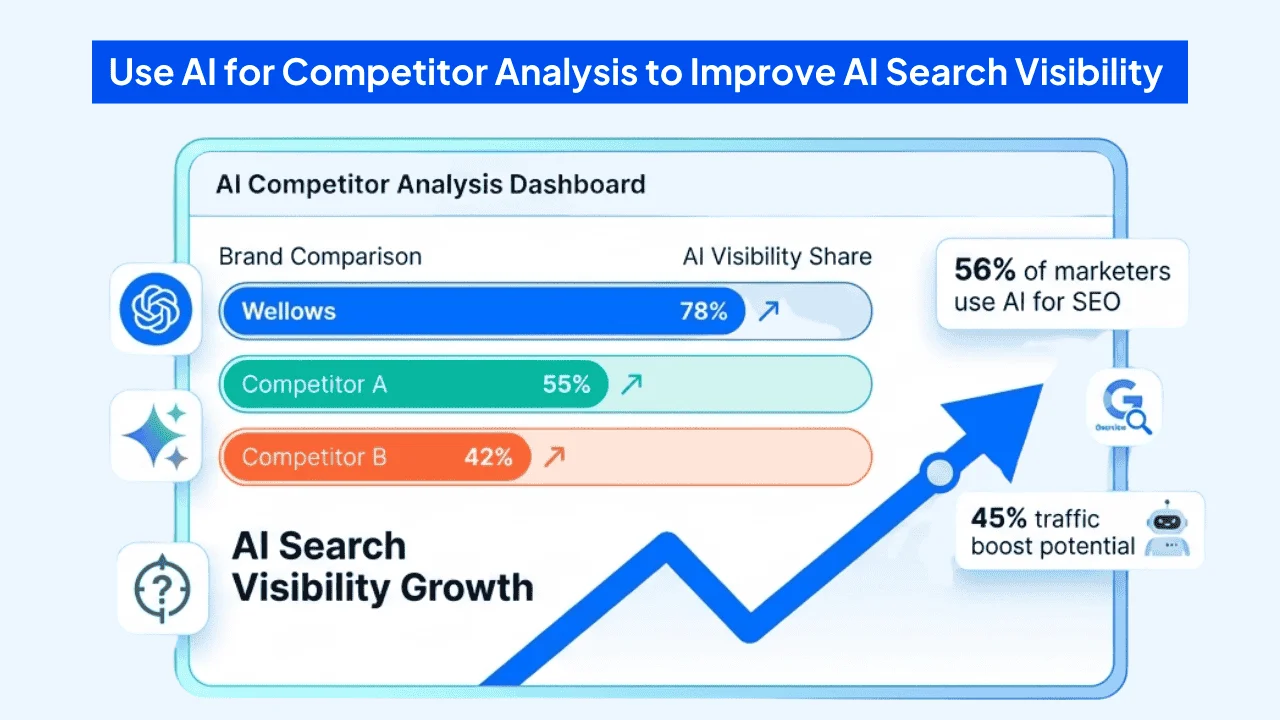
AI SEO competitor rankings refer to the systematic process of using artificial intelligence tools and algorithms to analyze, compare, and predict the search engine positions of competing websites. Unlike traditional SEO analysis that relied on manual audits and historical data, AI-powered ranking systems process millions of data points simultaneously, identifying patterns that human analysts would miss.
The core principle behind AI-driven competitor analysis is the recognition that search engines like Google now use neural networks and natural language processing to evaluate content quality. These systems assess not just what keywords appear on a page, but how comprehensively the content answers user queries, how authoritative the source appears, and how users interact with the results. When you analyze competitor rankings through an AI lens, you gain visibility into these algorithmic preferences and can adapt your strategy accordingly.
The Evolution from Manual to AI-Powered Analysis
Five years ago, SEO professionals manually reviewed competitor websites, counted backlinks, and checked keyword usage. Today, AI platforms like Semrush, Ahrefs, and Clearscope process terabytes of search data to provide real-time competitive intelligence. These tools track ranking fluctuations across thousands of keywords, monitor content updates, and even predict algorithm changes before they roll out globally.
The shift toward AI SEO competitor rankings has also changed how businesses approach content creation. Instead of simply targeting high-volume keywords, modern strategies focus on topical authority—creating comprehensive content clusters that demonstrate expertise across an entire subject area. AI tools help identify gaps in competitor content, revealing opportunities to create more thorough, more valuable resources that satisfy both users and search algorithms.
How AI Algorithms Determine Search Rankings
To effectively compete in AI-driven search environments, understanding the underlying mechanisms is essential. Google’s RankBrain and BERT systems, along with the more recent MUM (Multitask Unified Model), process queries differently than traditional keyword-matching algorithms. These systems focus on understanding user intent, contextual relationships between concepts, and the overall quality of information presented.
Key Ranking Factors in the AI Era
Modern search algorithms evaluate content across multiple dimensions simultaneously. The most critical factors include:
- Semantic relevance: How well content covers related concepts and entities beyond exact keyword matches
- User engagement signals: Click-through rates, dwell time, and bounce rates that indicate content satisfaction
- Entity authority: The perceived expertise of the website and its authors within a specific domain
- Content freshness: Regular updates that keep information current and accurate
- Technical performance: Page speed, mobile responsiveness, and Core Web Vitals scores
- Structured data: Schema markup that helps AI systems understand content context
- Time efficiency: AI tools process data in minutes that would take human analysts weeks to compile
- Accuracy and depth: Machine learning identifies subtle patterns and correlations that manual analysis misses
- Real-time monitoring: Continuous tracking provides immediate alerts when competitors make significant changes
- Predictive insights: AI models forecast future ranking changes based on historical patterns and current trends
- Comprehensive benchmarking: Compare your performance against multiple competitors across hundreds of metrics simultaneously
AI SEO competitor rankings tools now track these factors across competing domains, providing benchmarks that help businesses understand where they stand relative to industry leaders. For example, if your top competitor has an average dwell time of three minutes on their blog posts, you know that your content needs to be equally engaging to compete for the same keywords.
Essential Tools for AI SEO Competitor Rankings Analysis
The market offers numerous platforms designed to simplify competitive analysis through artificial intelligence. Each tool brings unique capabilities to the table, and choosing the right combination depends on your specific needs and budget.
Comprehensive SEO Suites
Platforms like Semrush and Ahrefs have integrated AI features that automatically identify competitor keywords, track ranking changes, and suggest content improvements. These tools provide daily updates on position changes, allowing you to respond quickly to competitive threats. Their AI-powered content optimization features analyze top-ranking pages and recommend specific improvements to match or exceed competitor quality.
Specialized AI Analysis Tools
Tools like Clearscope and MarketMuse focus specifically on content optimization using natural language processing. These platforms analyze top-ranking pages for your target keywords and generate comprehensive briefs that include related terms, questions, and subtopics that should be covered. This approach ensures your content matches the semantic depth that AI algorithms expect from authoritative sources.
Rank Tracking and Prediction Platforms
Advanced rank tracking tools now incorporate machine learning to predict future ranking changes based on current trends. These systems analyze historical data, algorithm updates, and competitor activity to forecast which pages will rise or fall in search results. This predictive capability allows businesses to adjust their strategies proactively rather than reactively.
Practical Guide to Conducting AI SEO Competitor Rankings Analysis
Implementing a systematic approach to competitive analysis using AI tools requires a structured methodology. The following process outlines how to extract maximum value from your analysis efforts.
Step 1: Identify Your True Competitors
Start by compiling a list of competitors that actually rank for your target keywords. AI tools can automate this process by analyzing search engine results pages and identifying domains that consistently appear for your desired terms. Include both direct competitors in your industry and indirect competitors that rank for related queries.
Step 2: Analyze Content Depth and Quality
Use AI content analysis tools to evaluate the structure, length, and comprehensiveness of competitor pages. Look for patterns in how top-ranking content addresses user queries. Pay attention to the use of multimedia elements, internal linking structures, and the inclusion of statistical data or expert quotes that enhance credibility.
Step 3: Evaluate Technical SEO Performance
Run technical audits on competitor websites to identify advantages they hold in site speed, mobile optimization, and crawlability. AI-powered crawlers can identify technical issues that might be holding your site back while revealing competitor strengths you need to match.
Step 4: Monitor Backlink Profiles
Analyze the quality and quantity of backlinks pointing to competitor content. AI tools can categorize links by authority, relevance, and acquisition pattern. This analysis reveals which types of content attract high-quality links and which outreach strategies are working for your competitors.
Step 5: Track User Engagement Metrics
Where possible, use tools that estimate competitor traffic and engagement metrics. Platforms like SimilarWeb provide approximations of visitor numbers, bounce rates, and average session durations. These metrics offer valuable insights into which competitor pages resonate most strongly with users.
Benefits of AI-Driven Competitive Analysis
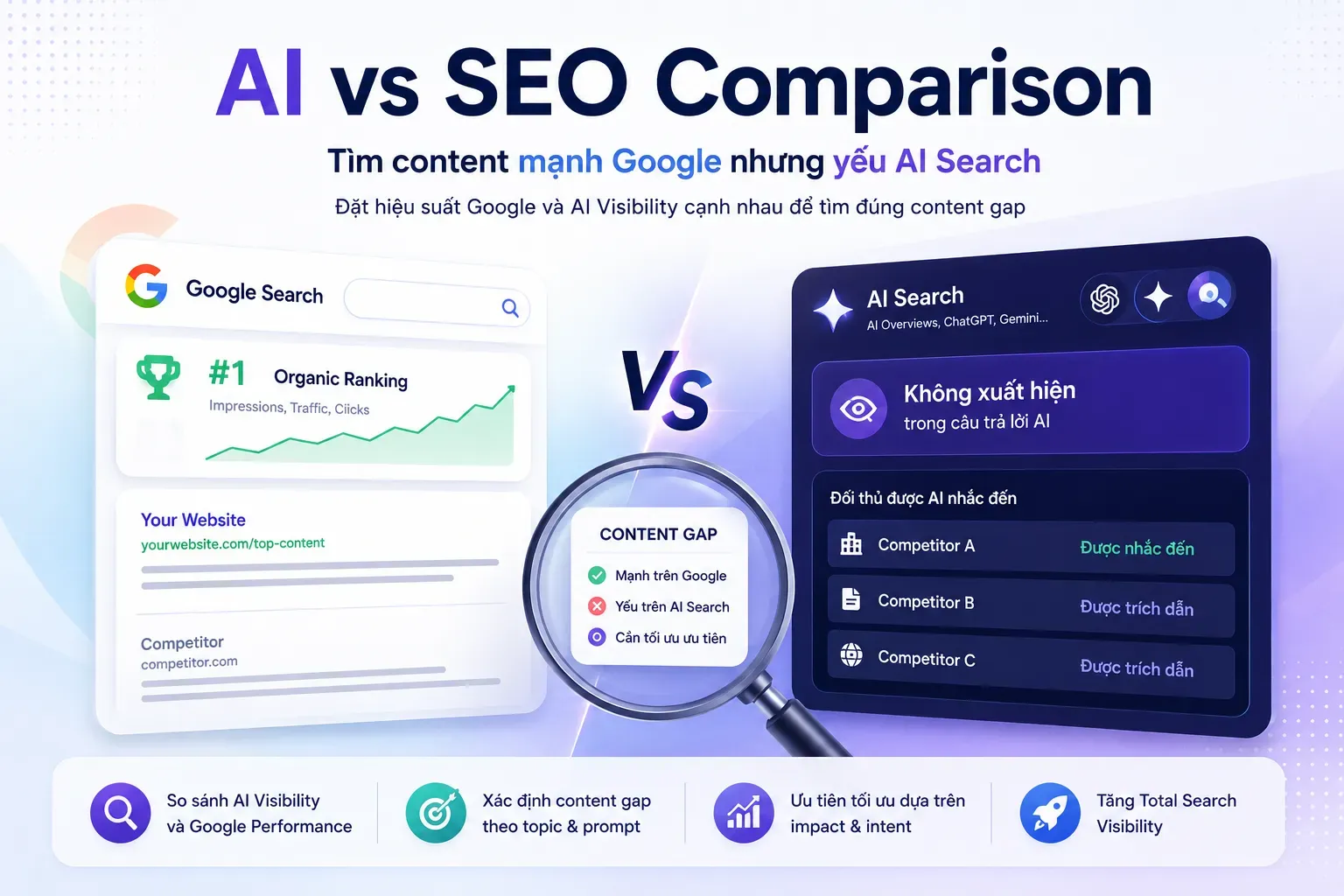
The advantages of using AI for competitor ranking analysis extend far beyond simple position tracking. Businesses that embrace these tools gain significant strategic advantages in their markets.
Limitations and Challenges of AI SEO Competitor Rankings
While AI-powered analysis offers tremendous value, understanding its limitations prevents over-reliance on automated insights. The most significant challenges include:
Data Accuracy Concerns
Many AI tools estimate competitor traffic and engagement metrics rather than measuring them directly. These estimates can vary significantly between platforms, leading to potential misperceptions about competitor performance. Always cross-reference data from multiple sources before making strategic decisions based on competitive intelligence.
Algorithm Changes and Volatility
Search engine algorithms evolve constantly, and AI models trained on historical data may not accurately predict future ranking behavior. A strategy that works today might become ineffective after the next major algorithm update. Maintain flexibility in your approach and regularly reassess your competitive position.
Over-Optimization Risks
Relying too heavily on AI recommendations can lead to content that feels formulaic and lacks genuine human insight. Search engines increasingly reward authentic, original content that provides unique perspectives. Use AI tools as guides rather than strict templates for content creation.
Common Mistakes in AI SEO Competitor Rankings Analysis
Many businesses make critical errors when implementing AI-powered competitive analysis. Recognizing these pitfalls helps you avoid wasting resources on ineffective strategies.
Focusing Only on Keyword Rankings
Obsessing over specific keyword positions ignores the broader picture of search visibility. Modern search results include featured snippets, knowledge panels, and other rich features that don’t correspond to traditional ranking positions. Analyze your overall visibility across all search features, not just organic listings.
Ignoring User Intent Differences
Not all competitors targeting the same keywords are actually competing for the same users. A competitor ranking for a keyword with informational intent might not be a threat if your target is transactional queries. Analyze the search intent behind each keyword before determining competitive threats.
Neglecting Local and Personalized Results
Search results vary based on user location, search history, and device type. AI tools typically show aggregate data that may not reflect the personalized results individual users see. Consider how local SEO factors and personalization affect your competitive position.
Important Notes for Effective Implementation
Successful implementation of AI SEO competitor rankings analysis requires attention to several key principles that maximize the value of your efforts.
First, establish clear baseline metrics before making significant strategy changes. Document your current rankings, traffic levels, and conversion rates to measure the impact of your competitive analysis efforts. Second, integrate competitive insights into your broader marketing strategy rather than treating them as isolated data points. The most successful businesses combine competitive intelligence with customer feedback, market research, and brand positioning to create comprehensive growth strategies.
Third, maintain consistent monitoring schedules. Search rankings fluctuate naturally, and reacting to every minor change creates unnecessary stress and wasted effort. Set up automated reporting that highlights significant shifts while filtering out normal volatility.
Frequently Asked Questions About AI SEO Competitor Rankings
How often should I check my AI SEO competitor rankings?
For most businesses, weekly monitoring provides sufficient insight into competitive dynamics. Daily tracking is only necessary for highly competitive niches where ranking positions change rapidly. Monthly comprehensive analysis allows you to identify broader trends without becoming overwhelmed by minor fluctuations.
What is the best free tool for AI SEO competitor rankings?
Google Search Console provides valuable data about your own site’s performance, while Google Trends offers insights into search interest patterns. For competitor analysis, limited free versions of tools like Semrush and Ahrefs provide basic functionality, though comprehensive analysis typically requires paid subscriptions.
Can AI SEO competitor rankings tools predict Google algorithm updates?
No tool can predict algorithm updates with certainty, but advanced AI platforms can detect patterns that suggest upcoming changes. These tools monitor industry-wide ranking fluctuations and identify anomalies that might indicate testing or rolling updates. This information helps businesses prepare for potential ranking changes.
How long does it take to see results from AI-driven competitive analysis?
Initial insights from competitive analysis are available immediately, but implementing changes based on those insights takes time to affect rankings. Most businesses see measurable improvements within 60 to 90 days of implementing a comprehensive AI-driven SEO strategy based on competitive intelligence.
Do AI SEO competitor rankings tools work for local businesses?
Yes, many AI tools offer local SEO features that track rankings in specific geographic areas. These tools analyze local competitors, monitor Google Business Profile performance, and identify local search opportunities that national-level analysis might miss.
Conclusion
AI SEO competitor rankings have fundamentally changed how businesses approach search engine optimization. The days of relying on intuition and manual analysis are over—modern competitive intelligence requires sophisticated AI tools that process vast amounts of data to reveal actionable insights. By understanding how AI algorithms evaluate content, leveraging the right analysis tools, and implementing a systematic approach to competitive monitoring, businesses can maintain and improve their search visibility in increasingly competitive markets.
The key to success lies in balancing AI-driven insights with human judgment. Use artificial intelligence to identify opportunities and track performance, but rely on your understanding of your audience, your industry, and your unique value proposition to create content and strategies that genuinely serve users. Search engines continue to refine their algorithms to reward authentic, valuable content, and businesses that combine technical optimization with genuine expertise will consistently outperform competitors who rely solely on automated tactics.
Start implementing AI-powered competitive analysis today, and position your business for sustained success in the evolving landscape of search engine rankings.
Xem thêm:
- AI SEO Organization Schema: The Complete Guide to Structured Data for AI Search
- The Ultimate AI SEO Checklist: 25 Steps to Rank Higher in 2025
- WP Trove AI Assistant: The Complete Guide to Smarter WordPress Content Creation
- AI Robots.txt: The Complete Guide to Controlling AI Crawlers on Your Website
- AI SEO Maps Optimization: The Complete Guide to Dominating Local Search in 2025
Bài viết cùng chủ đề:

AI SEO SEO Automation with Make: The Complete Workflow Guide

AI SEO SEO Automation with Zapier: The Complete Workflow Guide

AI SEO SEO Automation with n8n: The Complete Workflow Guide
AI SEO SEO Automation with Gemini: The Complete Guide to Scaling Organic Growth

AI SEO SEO Automation with Claude: The Complete Guide to Scaling Content in 2025

AI SEO SEO Automation with ChatGPT: The Complete Playbook for 2025

AI SEO & SEO Automation for Affiliate Sites: The 2025 Playbook for Passive Income Growth
AI SEO & SEO Automation for Bloggers: The Complete Guide to Scaling Your Content

AI SEO & SEO Automation for Agencies: The Complete 2025 Playbook

AI SEO and SEO Automation for Ecommerce: The Complete Playbook for 2025

AI SEO & SEO Automation for WordPress: The Complete Playbook for 2025
AI SEO SEO Automation Strategy: The Complete Playbook for 2025

Mastering the AI SEO SEO Automation Process: A Complete Guide to Scaling Organic Growth
AI SEO SEO Automation System: The Complete Guide to Scaling Organic Growth in 2025
AI SEO SEO Automation Platform: The Complete Guide to Scaling Organic Growth in 2025
AI SEO SEO Automation Software: The Complete Guide to Scaling Organic Growth in 2025















