
No products in the cart.
AI SEO Competitor Traffic: The Complete Playbook for Outranking Rivals in 2025
10
Aug
Aug
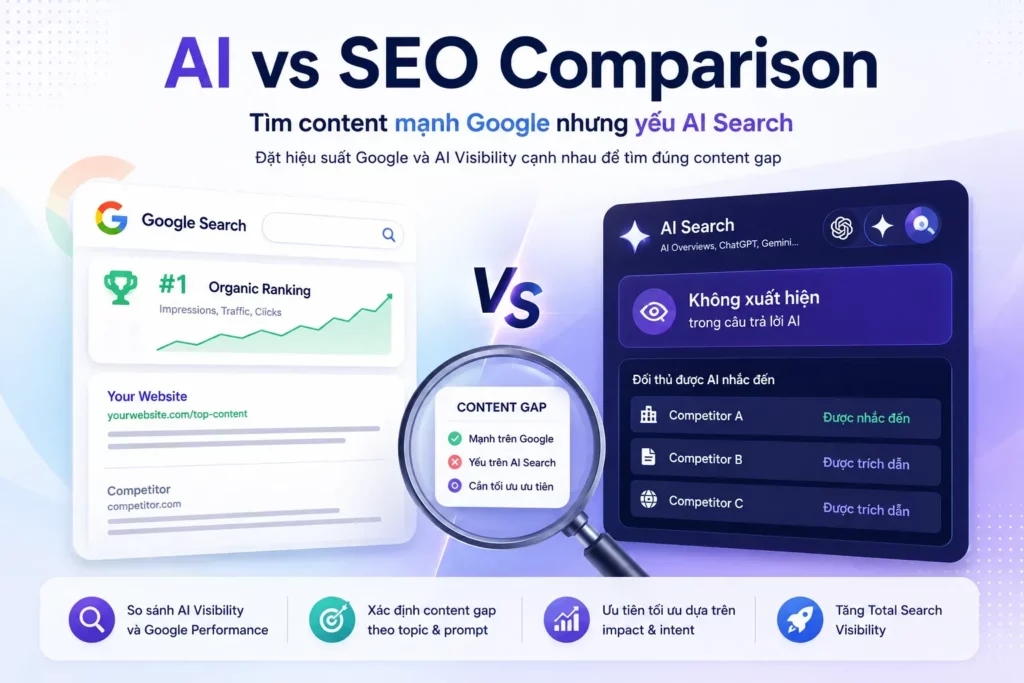
Understanding AI SEO competitor traffic is no longer a luxury for digital marketers; it is a fundamental requirement for survival in the search landscape. As artificial intelligence reshapes how search engines crawl, index, and rank content, the methods used to analyze and outperform competitors have shifted dramatically. This comprehensive guide dives deep into the mechanics of leveraging AI to dissect your rivals’ organic strategies, uncover hidden traffic opportunities, and build a data-driven roadmap to dominate your niche. You will learn how to move beyond basic backlink analysis and into predictive modeling and content gap analysis that actually moves the needle.
What is AI SEO Competitor Traffic Analysis?
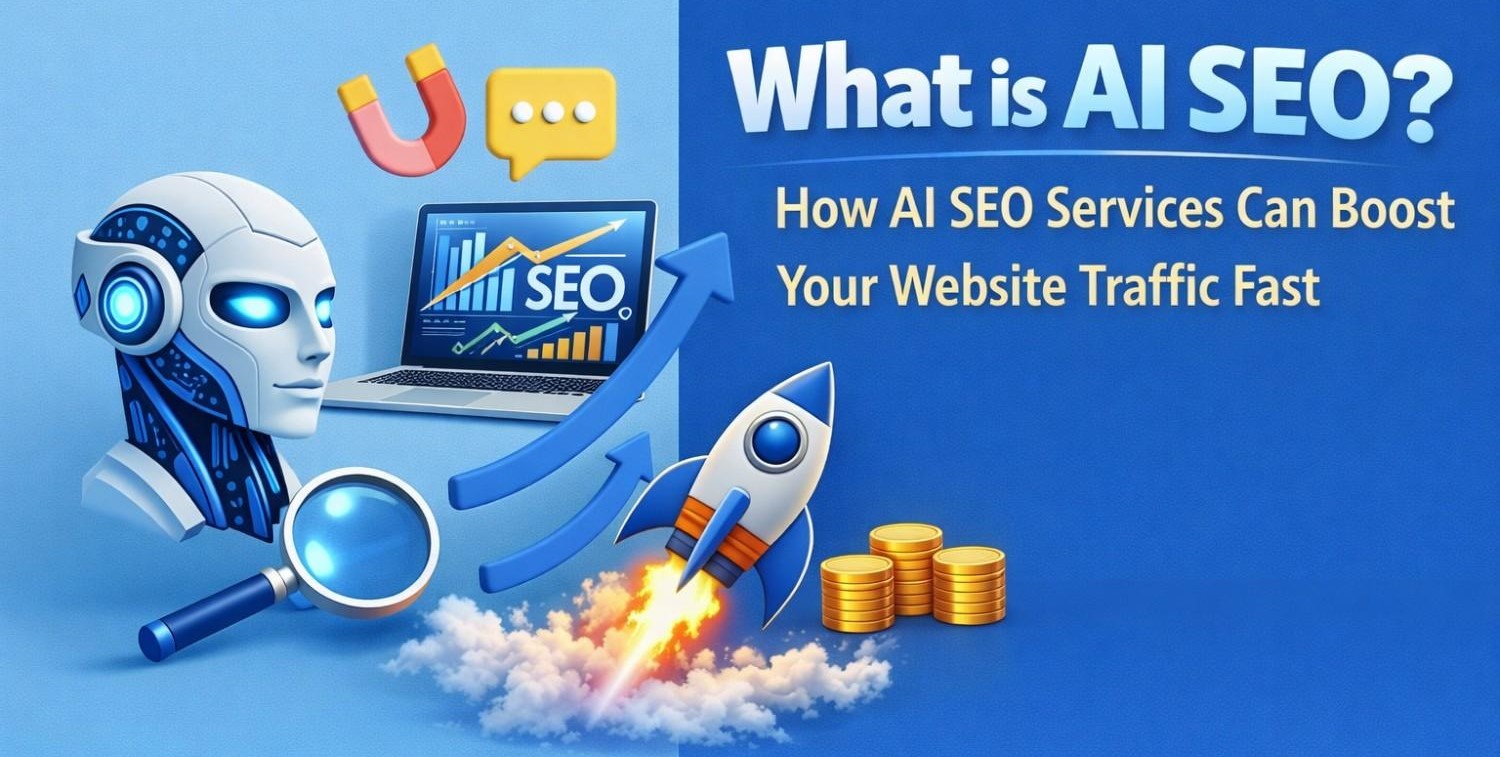
AI SEO competitor traffic analysis refers to the process of using machine learning algorithms and natural language processing to evaluate the organic search performance of competing websites. Unlike traditional manual audits, AI tools process vast datasets in real-time, identifying patterns in keyword rankings, content engagement, and user behavior that would be impossible for a human to calculate manually. The goal is to reverse-engineer the exact factors driving a competitor’s visibility and then replicate or surpass those factors on your own domain.
This approach goes beyond simply seeing which keywords a rival ranks for. It involves understanding the semantic relationships between topics, predicting algorithm updates, and forecasting traffic volatility. By analyzing the “why” behind a competitor’s success, you can create content strategies that are proactive rather than reactive. The core objective is to convert raw data into actionable intelligence that directly impacts your revenue and market share.
Why Traditional Competitor Analysis Fails in the AI Era
For years, SEO professionals relied on manual spreadsheet analysis and basic rank tracking tools. While these methods provided a baseline, they are fundamentally flawed in the current environment. Traditional tools often report on historical data, which is akin to driving a car using only the rearview mirror. They fail to account for the dynamic nature of AI-driven search results, including the rise of zero-click searches and the integration of generative AI answers.
Another critical failure is the inability to process unstructured data. Modern search results are influenced by user intent signals, video content, and entity-based optimization. A manual review of a competitor’s homepage tells you nothing about the topical authority they have built across thousands of subpages. AI tools, however, can cluster these pages into topical maps, showing you exactly where the authority resides and where the weak points are. This shift from page-level analysis to entity-level analysis is the defining difference between old-school SEO and modern AI-driven strategy.
The Rise of Predictive Traffic Modeling
Predictive modeling uses historical traffic data and algorithm behavior to forecast future performance. Instead of asking “what is my competitor doing now?”, AI allows you to ask “what will my competitor likely do next month?”. This is achieved through time-series analysis and pattern recognition. For example, if a competitor consistently gains traffic after publishing a specific type of “ultimate guide,” the A
Core Components of an AI-Driven Competitor Traffic Strategy
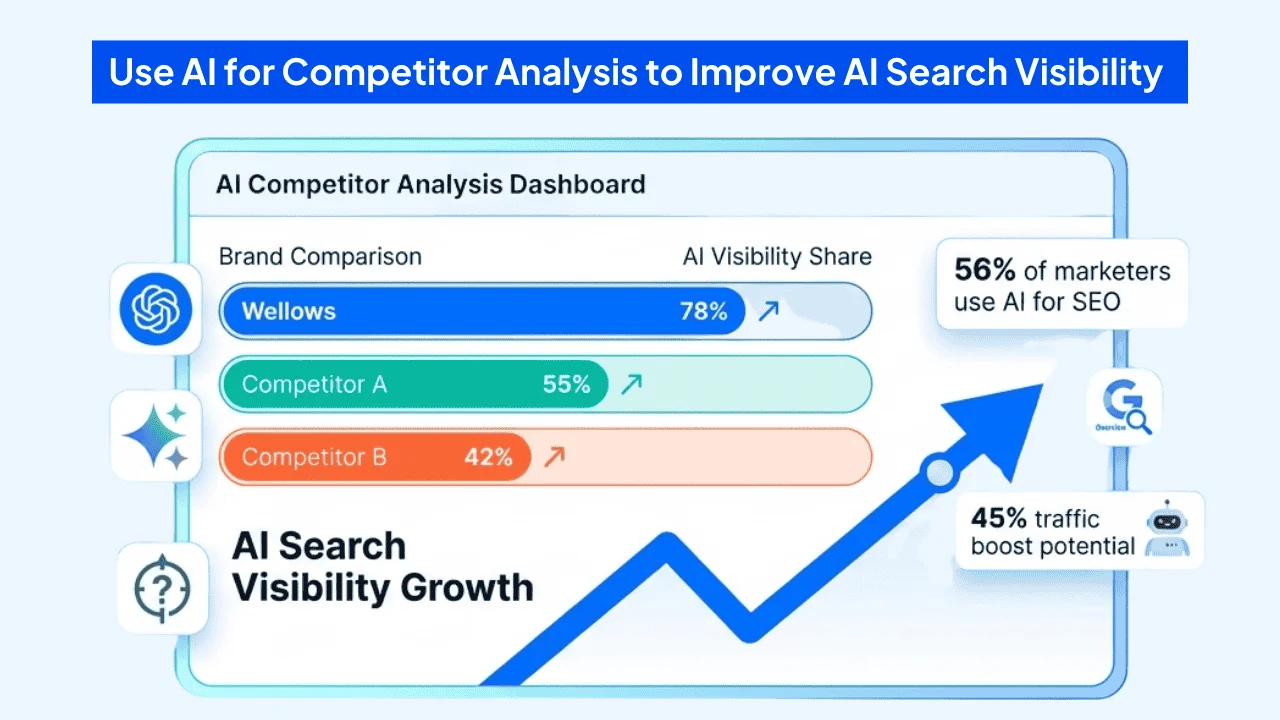
To effectively leverage AI for competitor analysis, you must understand the four core pillars that constitute a complete strategy. These components work in tandem to provide a 360-degree view of the competitive landscape. Ignoring any one of these pillars leaves a blind spot that a savvy competitor can exploit.
1. Automated Keyword Gap Identification
AI algorithms can scan millions of keywords to identify the specific terms your competitors rank for that you do not. However, the intelligence lies in the categorization of these gaps. The system should automatically segment these keywords by search intent (informational, transactional, navigational) and by difficulty level. This allows you to prioritize “low-hanging fruit” keywords that have high relevance but low competition, rather than wasting resources on impossible-to-win head terms.
2. Content Entity and Topical Authority Mapping
Search engines now use knowledge graphs to understand the relationships between entities (people, places, concepts). AI tools map your competitor’s entire content library to visualize their topical authority. This map shows you which subtopics they cover extensively and which they have neglected. By identifying the “orphan” topics—areas where their coverage is thin—you can create content that fills the void and positions your site as the definitive resource for that entire subject cluster.
3. SERP Feature Opportunity Detection
AI analyzes the search engine results pages (SERPs) to identify which features are present for specific keywords. This includes featured snippets, “People Also Ask” boxes, image packs, and video carousels. The analysis goes deeper by determining the specific format of the content that wins these features. For instance, the AI might determine that a competitor wins the featured snippet because their definition is exactly 42 words long and includes a specific list. You can then optimize your content to match that precise format to steal the position.
4. Backlink Profile Intelligence
While backlinks remain a ranking factor, AI changes how we analyze them. Instead of just counting links, AI assesses the contextual relevance of the linking page. It evaluates the sentiment of the anchor text, the authority of the linking domain, and the likelihood of that link being natural or spammy. This intelligence helps you identify link-building targets that are actually attainable and valuable, rather than chasing high-authority domains that will never link to you.
Practical Guide: How to Use AI to Steal Competitor Traffic
Understanding the theory is one thing; executing it is another. This step-by-step guide outlines a practical workflow to implement an AI-driven competitor traffic strategy using available tools and methodologies. The process is cyclical, requiring constant refinement as the market shifts.
Step 1: Identify Your True Competitors
Do not rely on your gut feeling. Use AI clustering tools to analyze the SERPs for your primary keywords. The A Include both direct competitors (same products) and indirect competitors (same audience, different products) in your analysis.
Step 2: Run a Full-Scale Traffic Audit
Input your domain and your top 5 competitors into an AI-powered SEO platform. Generate a comprehensive report that includes estimated traffic volumes, traffic value, and keyword overlap. Focus on the “Traffic Share” metric. If a competitor has a 40% share of the traffic for your niche keywords, they are the primary threat to neutralize first.
Step 3: Analyze the “Content Velocity”
Content velocity refers to the rate at which a competitor publishes and updates content. AI tools can track the publication dates of their top-performing pages. If you notice a competitor gains significant traffic from a page published six months ago, it indicates they are benefiting from “slow-burn” content. You should adjust your strategy to invest in evergreen content rather than chasing news cycles.
Step 4: Deconstruct the “Traffic Siphon” Pages
Identify the top 10 pages driving the most traffic to your competitor. Use AI to analyze the semantic structure of these pages. Look at the headings, the use of multimedia, and the internal linking structure. Create a “skyscraper” version of this content—make it longer, more detailed, and more visually appealing. Ensure your version is at least 20% more comprehensive than the original.
Step 5: Target the “Zero-Click” Opportunities
With AI-driven search, many queries are answered directly on the SERP. Use AI tools to identify which of your competitor’s keywords trigger featured snippets. These are prime targets for stealing traffic. Structure your content to directly answer the query in a concise paragraph (40-60 words) followed by a list or table. This increases your chances of winning the snippet and capturing the traffic that would have gone to your competitor.
Benefits and Limitations of AI Competitor Analysis
Adopting AI for competitor traffic analysis offers significant advantages, but it is not without its challenges. A balanced perspective is necessary to implement this strategy effectively without falling into common traps.
| Benefits | Limitations |
|---|---|
| Scalability: Analyze thousands of data points instantly. | Data Overload: Too much data can lead to analysis paralysis. |
| Accuracy: Reduces human error in data interpretation. | Cost: Advanced AI tools often come with high subscription fees. |
| Predictive Insights: Forecasts future trends and algorithm shifts. | Black Box: Some AI models do not explain why they make specific recommendations. |
| Speed: Real-time tracking of competitor movements. | Dependency: Over-reliance on AI can stifle creative thinking. |
The key to maximizing benefits is to use AI as an assistant, not a replacement for human judgment. The AI provides the data and the patterns; the human provides the strategic context and creative execution. For example, AI can tell you that a competitor’s “How-to” guide is performing well, but it takes a human to understand the cultural nuances that make that guide resonate with the audience.
Common Mistakes and How to Avoid Them
Many businesses fail to see results from AI competitor analysis due to several recurring mistakes. Recognizing these pitfalls is the first step toward avoiding them. The most common error is treating all competitors equally, which dilutes your focus and resources.
- Mistake: Copying Content Verbatim. AI can summarize competitor content, but publishing it as your own leads to duplicate content penalties. Solution: Use AI to understand the topic structure, then write original content that adds unique value, data, and personal experience.
- Mistake: Ignoring Search Intent. Ranking for a keyword is useless if the user does not convert. Solution: Use AI to analyze the “People Also Ask” data to understand the specific questions users have, and tailor your content to answer those questions thoroughly.
- Mistake: Focusing Only on High-Volume Keywords. High-volume keywords are often too competitive. Solution: Use AI to identify long-tail keywords with lower volume but higher conversion rates. These are often hidden in the “questions” section of your competitor analysis.
- Mistake: Neglecting Technical SEO. AI analysis might reveal a competitor’s content is great, but their site speed is slow. If you ignore your own technical issues, you will not outrank them. Solution: Run a technical SEO audit using AI tools to ensure your site is crawlable and fast.
Important Notes on Data Privacy and Ethics
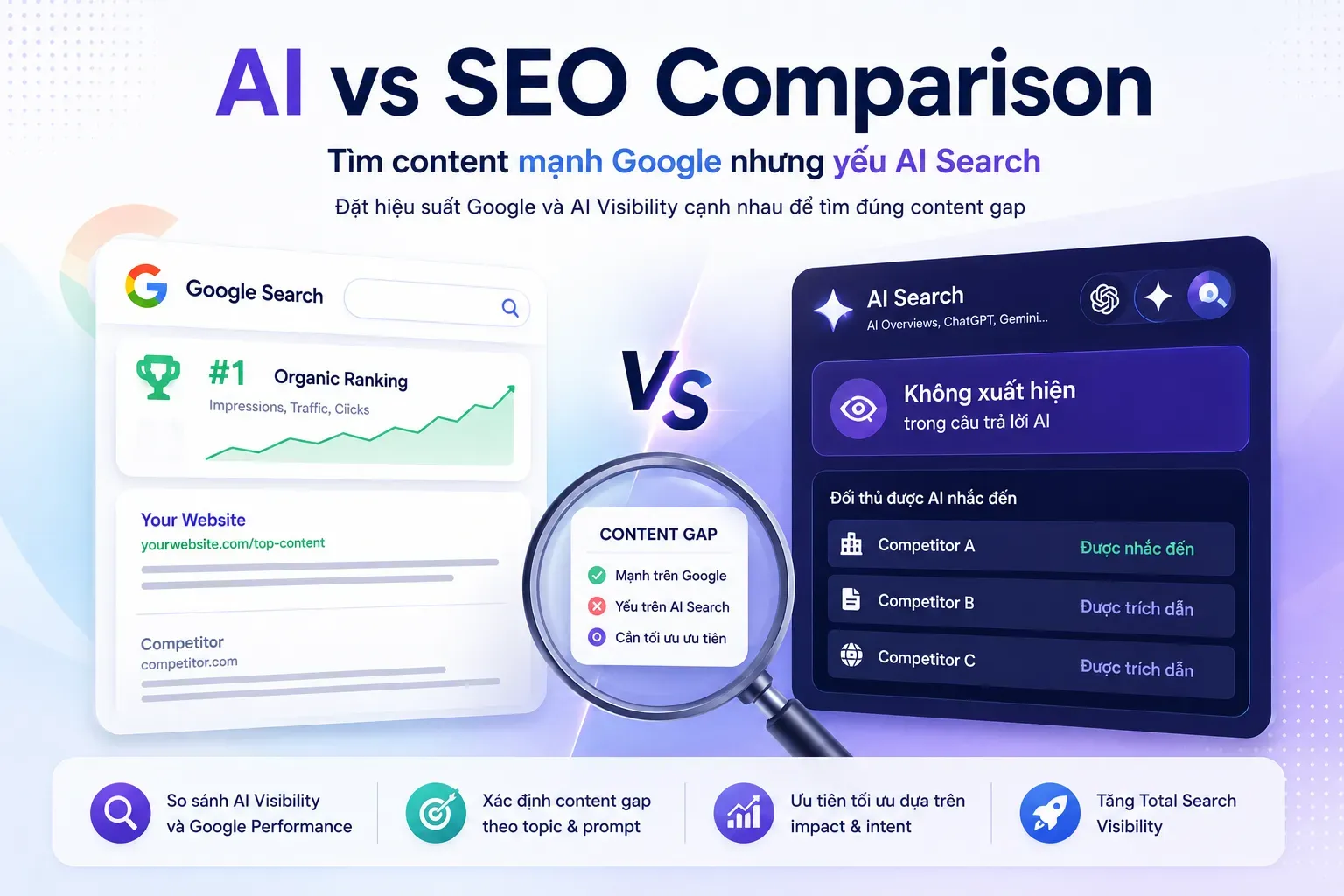
When using AI to analyze competitor traffic, it is crucial to operate within ethical boundaries. You are analyzing publicly available data, which is legal, but you should avoid any attempts to manipulate a competitor’s site or steal proprietary data. The goal is to learn from their public performance, not to sabotage them. Additionally, be aware of the data privacy laws in your jurisdiction regarding the collection of user behavior data. Always use reputable AI tools that comply with GDPR and CCPA regulations to ensure your data collection methods are sound.
Frequently Asked Questions
How accurate is AI in estimating competitor traffic?
AI tools provide estimates based on click-through rate models and ranking data, not exact server analytics. The accuracy is typically within a 10-20% margin of error. This is sufficient for strategic planning, as you are looking for trends and relative differences rather than absolute numbers. The value lies in the comparative analysis—if the AI shows Competitor A has 10x the traffic of Competitor B, the exact numbers matter less than the gap between them.
What is the best AI tool for competitor traffic analysis?
T Enterprise-level tools like Semrush and Ahrefs have integrated AI features for traffic estimation and gap analysis. Newer tools like Cognism and Similarweb offer advanced predictive analytics. For a budget-friendly option, Google Search Console combined with free AI summarization tools can provide a basic overview. The best approach is to trial multiple tools to see which interface and data models align with your workflow.
How often should I run an AI competitor traffic analysis?
For most businesses, a monthly deep-dive analysis is sufficient. However, you should set up automated alerts for significant changes. If a competitor suddenly gains or loses a massive amount of traffic, you need to know immediately to react. Weekly “snapshot” checks on your top 5 keywords are also recommended to catch short-term trends. The frequency should increase if you are in a highly volatile niche like finance or health.
Can AI predict which competitor will rank #1 in the future?
AI can provide a probability score based on current trends, backlink velocity, and content freshness. It cannot guarantee a prediction, but it can highlight the competitor with the highest momentum. By analyzing the rate of new backlinks and the consistency of content updates, the AI can flag the “rising star” in your niche. This allows you to monitor them closely and preemptively counter their strategies.
Does AI SEO competitor traffic analysis work for local SEO?
Yes, it is highly effective for local SEO. AI tools can analyze local pack rankings, Google Business Profile performance, and local citation gaps. You can compare your local visibility against competitors in your specific city or region. The AI can identify which local keywords your competitors dominate and where they have gaps in their local content, allowing you to target those areas specifically.
Conclusion
Mastering AI SEO competitor traffic analysis is the definitive way to gain a competitive edge in the modern search landscape. The shift from manual auditing to AI-driven predictive modeling is not just a trend; it is the new standard for professional SEO. By implementing the strategies outlined in this guide, you can transform raw data into a strategic asset that drives organic growth. The key is to remain agile, continuously refine your approach based on AI insights, and always prioritize the user experience over algorithmic manipulation. The future of search belongs to those who can leverage AI to understand not just where the traffic is, but where it is going next.
Xem thêm:
- AI SEO Content Research: The Complete Guide to Data-Driven Content That Ranks
- AI SEO Long Tail Keyword Research: The Complete Guide to Smarter Rankings
- AI SEO Guest Post Outreach: The Complete Guide to Scaling Link Building in 2025
- ChatGPT SEO: The Ultimate Guide to AI-Powered Search Engine Optimization
- AI SEO Bounce Rate: The Complete Guide to Decoding User Intent in 2025
Bài viết cùng chủ đề:

AI SEO SEO Automation with Make: The Complete Workflow Guide

AI SEO SEO Automation with Zapier: The Complete Workflow Guide

AI SEO SEO Automation with n8n: The Complete Workflow Guide
AI SEO SEO Automation with Gemini: The Complete Guide to Scaling Organic Growth

AI SEO SEO Automation with Claude: The Complete Guide to Scaling Content in 2025

AI SEO SEO Automation with ChatGPT: The Complete Playbook for 2025

AI SEO & SEO Automation for Affiliate Sites: The 2025 Playbook for Passive Income Growth
AI SEO & SEO Automation for Bloggers: The Complete Guide to Scaling Your Content

AI SEO & SEO Automation for Agencies: The Complete 2025 Playbook

AI SEO and SEO Automation for Ecommerce: The Complete Playbook for 2025

AI SEO & SEO Automation for WordPress: The Complete Playbook for 2025
AI SEO SEO Automation Strategy: The Complete Playbook for 2025

Mastering the AI SEO SEO Automation Process: A Complete Guide to Scaling Organic Growth
AI SEO SEO Automation System: The Complete Guide to Scaling Organic Growth in 2025
AI SEO SEO Automation Platform: The Complete Guide to Scaling Organic Growth in 2025
AI SEO SEO Automation Software: The Complete Guide to Scaling Organic Growth in 2025















