
No products in the cart.
AI SEO Keyword Intent: The Complete Guide to Search Intent Optimization in 2025
10
Aug
Aug
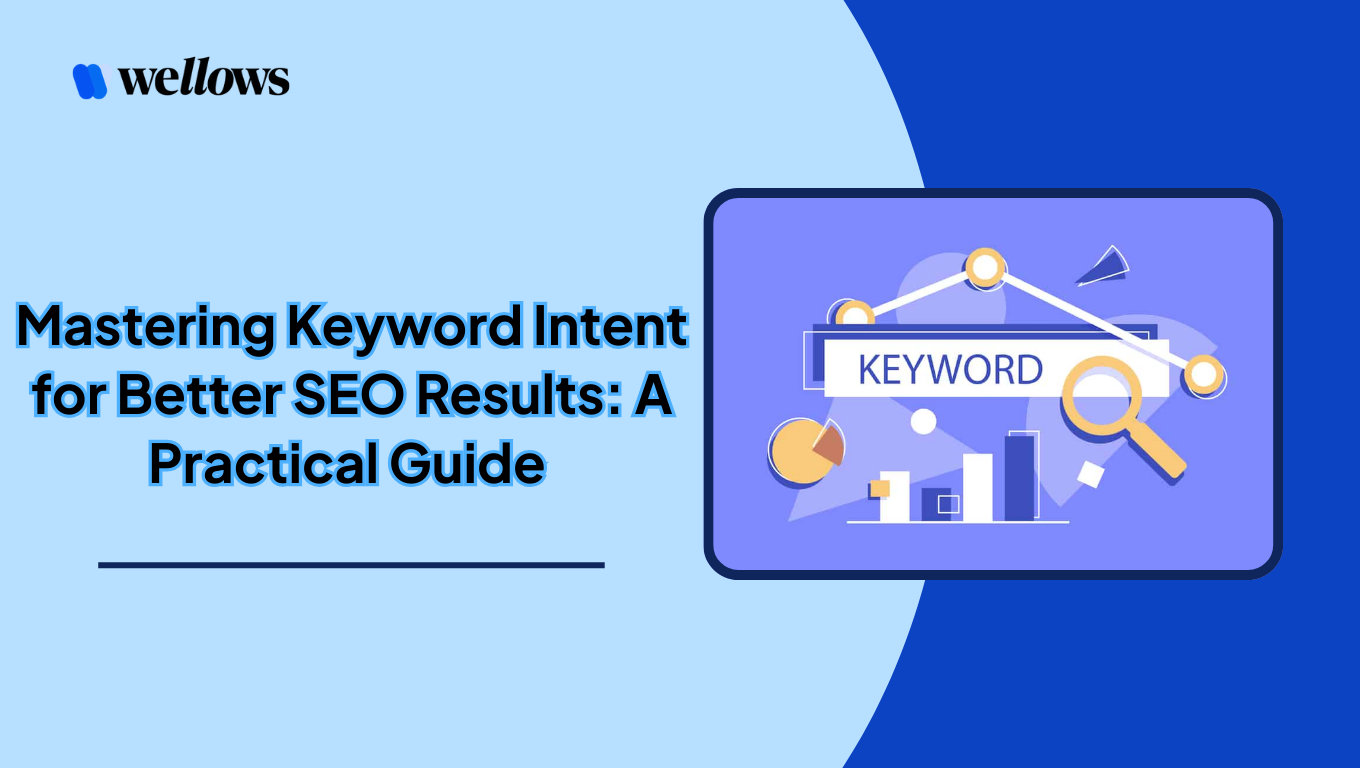
Understanding AI SEO keyword intent has become the single most important factor in modern search engine optimization. As Google’s algorithms evolve with machine learning and natural language processing, the way search queries are interpreted has shifted dramatically. Marketers who grasp the nuances of AI-driven keyword intent analysis gain a significant competitive advantage in organic search rankings. This comprehensive guide explores how artificial intelligence transforms keyword research, content strategy, and user experience optimization.
What Is AI SEO Keyword Intent?
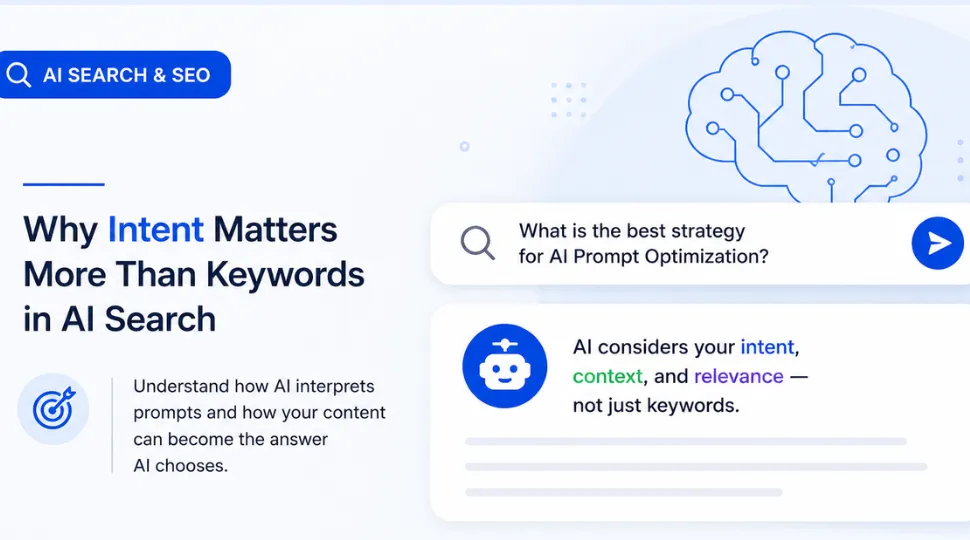
AI SEO keyword intent refers to the process of using artificial intelligence and machine learning algorithms to analyze, classify, and predict the underlying purpose behind a user’s search query. Traditional keyword research focused on matching exact phrases and measuring search volume. Modern AI-powered systems go deeper, examining context, user behavior patterns, and semantic relationships to determine whether someone wants to buy, learn, compare, or find a specific website.
The concept combines natural language processing (NLP), entity recognition, and predictive analytics. Search engines like Google use BERT and MUM algorithms to understand the intent behind queries better than ever before. This means content creators must align their material with the precise intent categories that AI systems identify for each keyword cluster.
The Evolution from Keywords to Intent
Ten years ago, SEO professionals optimized for exact-match keywords. Today, AI SEO keyword intent analysis reveals that the same keyword can have multiple meanings depending on context. For example, the query “best running shoes” could indicate commercial intent (ready to purchase), informational intent (researching options), or navigational intent (looking for a specific brand’s product page).
Machine learning models now analyze thousands of signals including click-through rates, dwell time, bounce rates, and subsequent search behavior to refine intent classification. This evolution demands a more sophisticated approach to content creation and website architecture.
Why AI Keyword Intent Matters for SEO Success
Search engines reward content that perfectly matches user intent. When your page satisfies the searcher’s underlying need, engagement metrics improve, leading to higher rankings. AI SEO keyword intent analysis helps you create content that resonates with your target audience at every stage of their journey.
The financial impact is substantial. Websites that align content with search intent see conversion rates increase by up to 300% compared to those using traditional keyword matching. Additionally, Google’s helpful content system explicitly prioritizes pages that demonstrate clear understanding of user intent over those stuffed with keywords.
How Google Uses AI to Interpret Search Queries
Google’s RankBrain and BERT systems process billions of queries daily, using neural networks to understand the relationships between words. These AI models identify entities, recognize synonyms, and interpret the searcher’s likely goal. The search giant continuously updates its algorithms to better distinguish between different intent types, making AI SEO keyword intent optimization essential for maintaining visibility.
The introduction of Search Generative Experience (SGE) further emphasizes intent understanding. AI-generated search results require content that provides comprehensive answers to specific intent categories, not just keyword matches.
Core Types of Search Intent in AI Analysis
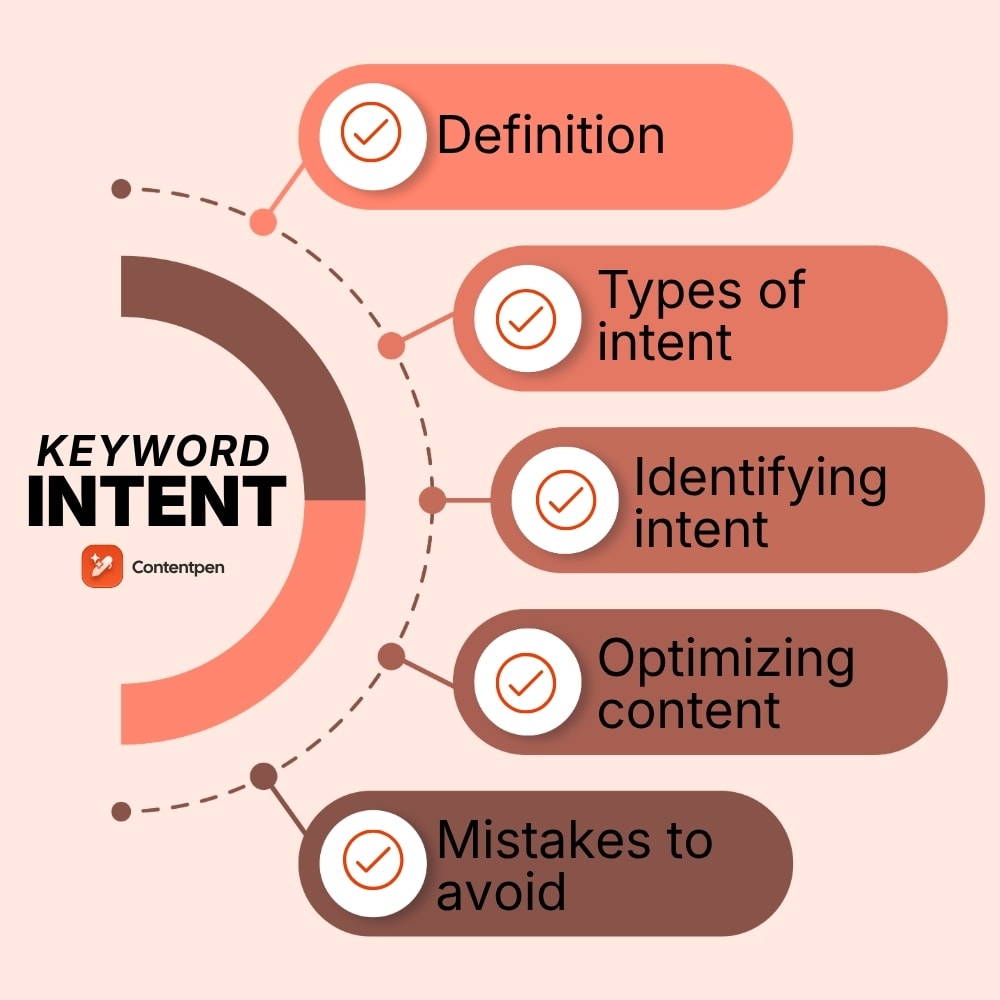
AI systems classify search queries into four primary intent categories, each requiring distinct content strategies. Understanding these classifications helps you optimize your pages effectively.
| Intent Type | User Goal | Content Format | Conversion Potential |
|---|---|---|---|
| Informational | Learn something new | Blog posts, guides, tutorials | Low immediate, high long-term |
| Commercial | Research before purchase | Comparison pages, reviews | Medium to high |
| Transactional | Complete a purchase | Product pages, landing pages | Very high |
| Navigational | Find a specific website | Brand pages, homepage | High if branded |
Informational Intent and AI Content Requirements
Informational queries typically begin with question words like “how,” “what,” “why,” or “when.” AI SEO keyword intent analysis shows these users want detailed explanations, step-by-step guides, and comprehensive answers. Content should be structured with clear headings, bullet points, and concise paragraphs that directly address the query.
Google’s featured snippet algorithm specifically selects content that best answers informational queries. To capture these positions, structure your content with direct answers in the first paragraph, followed by supporting details. Include statistics, examples, and expert insights to demonstrate authority.
Commercial Intent Optimization Strategies
Commercial intent queries often include words like “best,” “top,” “review,” “comparison,” or “vs.” Users in this stage compare options and seek validation before purchasing. AI systems look for content that provides balanced evaluations, pros and cons lists, and real user experiences.
Create comparison tables, include pricing information, and highlight unique selling points. The AI SEO keyword intent model identifies commercial queries by analyzing search patterns that show users visiting multiple pages before converting. Your content should facilitate this comparison process.
Transactional Intent for Maximum Conversions
Transactional queries contain action words like “buy,” “order,” “purchase,” “discount,” or “price.” These users have high purchase intent and expect immediate conversion opportunities. Optimize product pages with clear calls-to-action, trust signals, and streamlined checkout processes.
AI algorithms prioritize transactional pages that load quickly, provide accurate product information, and offer seamless user experiences. Include customer reviews, return policies, and secure payment icons to build trust and improve conversion rates.
How to Perform AI SEO Keyword Intent Analysis
Conducting proper intent analysis requires combining AI-powered tools with manual evaluation. Several platforms now offer machine learning-based intent classification that goes beyond traditional keyword difficulty metrics.
Using AI-Powered Keyword Research Tools
Tools like Semrush, Ahrefs, and Moz have integrated AI features that automatically classify keyword intent. These systems analyze search engine results pages (SERPs) to determine what type of content currently ranks for each query. If top results are blog posts, the intent is likely informational. If product pages dominate, transactional intent is indicated.
Advanced tools use natural language processing to examine the semantic relationships between keywords in your niche. They identify intent clusters and suggest content gaps that competitors have missed. This data-driven approach ensures your content strategy aligns with actual user behavior.
Manual SERP Analysis for Intent Verification
While AI tools provide valuable insights, manual SERP analysis remains crucial. Examine the top 10 results for your target keywords and note the content format, length, and structure. Look for featured snippets, people also ask boxes, and related searches to understand the full intent landscape.
Pay attention to the domain authority of ranking pages. High-authority informational pages may rank for commercial keywords, indicating that Google interprets the intent differently than expected. Adjust your content strategy accordingly.
Practical Applications of AI Keyword Intent in Content Strategy
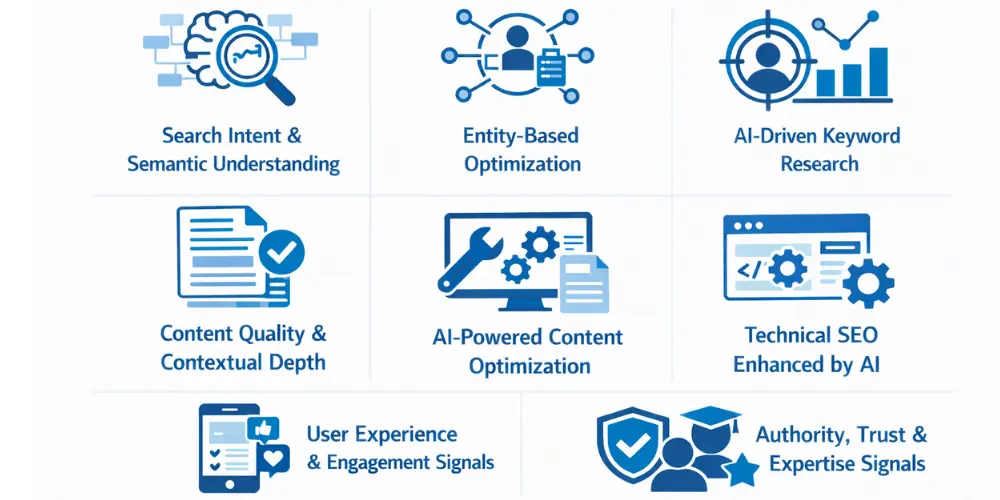
Applying AI SEO keyword intent analysis transforms your entire content marketing approach. Start by mapping keywords to specific funnel stages and creating content that addresses each intent category appropriately.
Building an Intent-Based Content Funnel
Create a content matrix that aligns with the buyer’s journey. Top-of-funnel content targets informational queries with educational blog posts and guides. Middle-of-funnel content addresses commercial intent with comparison pages and case studies. Bottom-of-funnel content captures transactional intent with optimized product pages and landing pages.
AI systems track how users move between these content types, providing insights into which combinations drive conversions. Use this data to refine your internal linking structure and guide users through the funnel naturally.
Optimizing Existing Content for Intent Alignment
Audit your current content to identify pages that target the wrong intent. A blog post optimized for informational keywords might be attracting commercial-intent traffic, resulting in high bounce rates and low conversions. Rewrite these pages to better match the actual search intent revealed by AI analysis.
Update meta descriptions, headings, and content structure to signal intent alignment to search engines. Add relevant calls-to-action that match the user’s stage in the buying journey.
Common Mistakes in AI SEO Keyword Intent Optimization
Many marketers make critical errors when implementing intent-based strategies. Recognizing these pitfalls helps you avoid wasting resources on ineffective optimization.
- Ignoring intent shifts: Search intent changes over time. Regularly re-analyze your keywords to stay current.
- Creating thin content: AI algorithms detect shallow content that fails to satisfy intent. Provide comprehensive value.
- Mixing intent types on one page: Each page should target a single intent category for optimal performance.
- Overlooking local intent: Many queries have geographic modifiers that change intent classification.
- Neglecting voice search: Voice queries often have different intent patterns than typed searches.
How to Avoid Keyword Cannibalization
When multiple pages target the same keyword with different intent interpretations, they compete against each other. Use AI SEO keyword intent tools to identify overlapping targets and consolidate or differentiate your content. Create distinct pages for each intent type and use canonical tags to prevent confusion.
Regularly monitor your search performance in Google Search Console to identify pages that compete for the same queries. Adjust your content strategy to ensure each page has a clear, unique intent focus.
Measuring the Success of Intent-Based SEO
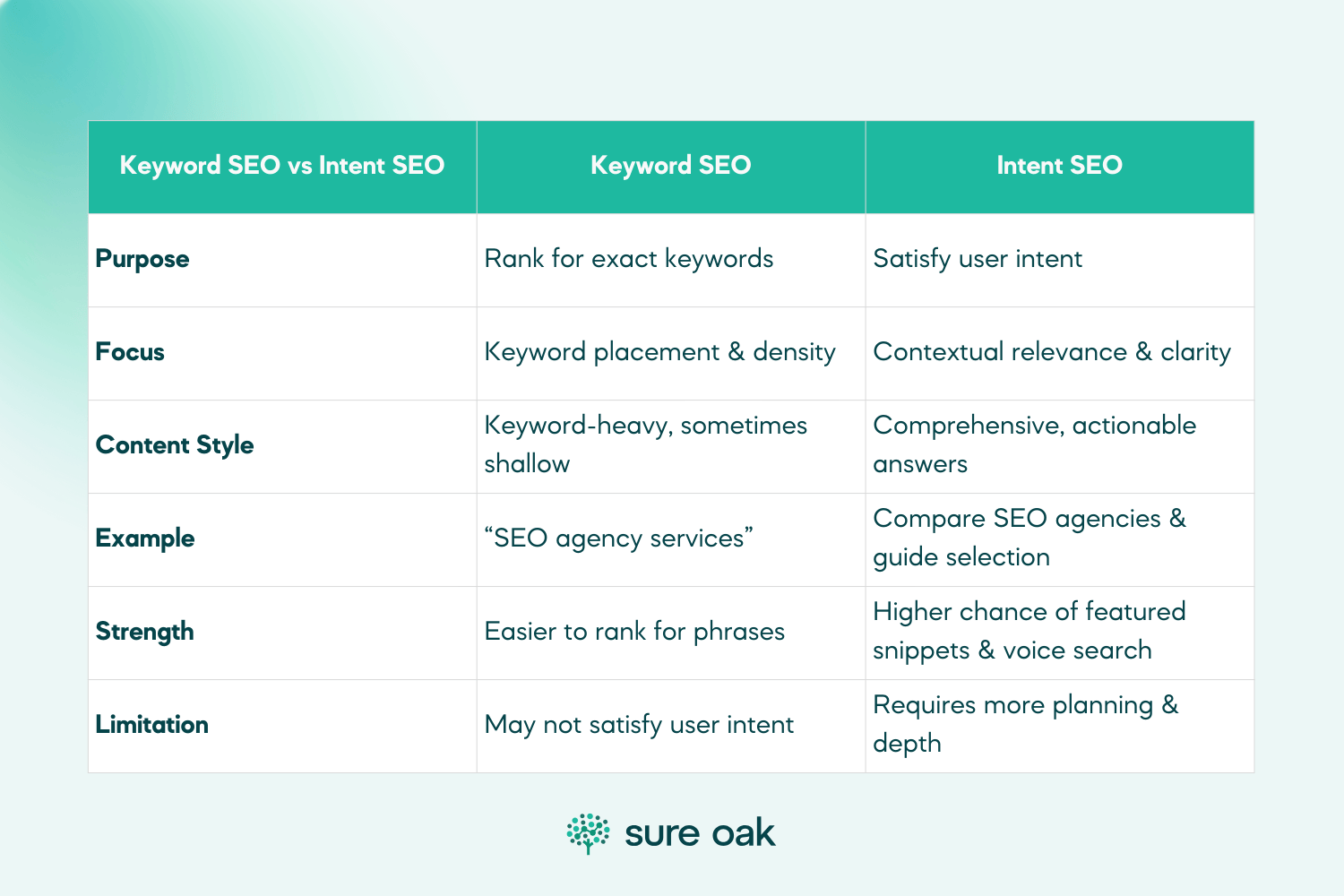
Tracking the right metrics validates your AI SEO keyword intent strategy. Beyond traditional rankings, focus on engagement and conversion metrics that reflect intent satisfaction.
Key Performance Indicators for Intent Optimization
Monitor organic click-through rates, average time on page, and bounce rates for each intent category. Informational content should show high engagement and social shares. Commercial content should demonstrate strong click-through to product pages. Transactional pages should display high conversion rates and low cart abandonment.
Use Google Analytics to set up intent-based segments and compare performance across categories. AI-powered analytics tools can automatically identify patterns and suggest optimization opportunities.
Future Trends in AI SEO Keyword Intent
The landscape of search intent analysis continues to evolve rapidly. Staying ahead of emerging trends positions your content strategy for long-term success.
Generative AI and Intent Prediction
Large language models now generate content that perfectly matches search intent. However, Google’s algorithms increasingly detect AI-generated content that lacks genuine expertise. The future lies in using AI to analyze intent while creating authentic, human-centered content that provides real value.
Multimodal search is expanding intent analysis beyond text. Visual search, voice search, and video content all require different intent optimization approaches. Prepare your content strategy for these emerging formats.
Frequently Asked Questions About AI SEO Keyword Intent
What is the difference between keyword intent and search intent?
Keyword intent refers to the purpose behind a specific search query, while search intent is the broader concept of understanding user goals across all search behaviors. AI SEO keyword intent analysis uses machine learning to classify individual keywords into intent categories, while search intent encompasses the overall user journey and context.
How does AI determine search intent for ambiguous keywords?
AI systems analyze multiple signals including user location, search history, device type, and time of day. They also examine the behavior of users who clicked on previous results for similar queries. Machine learning models continuously refine their understanding based on new data patterns.
Can AI SEO keyword intent tools replace manual analysis?
AI tools provide valuable data and automation, but human judgment remains essential. Algorithms may misinterpret nuanced queries or fail to understand industry-specific context. The most effective approach combines AI insights with expert knowledge of your niche and audience.
How often should I re-evaluate keyword intent for my content?
Re-evaluate your keyword intent classifications quarterly or whenever significant algorithm updates occur. Search behavior shifts with seasons, trends, and market changes. Regular analysis ensures your content remains aligned with current user expectations.
Does AI SEO keyword intent affect local SEO strategies?
Absolutely. Local searches often have distinct intent patterns, such as “near me” queries indicating immediate action intent. AI systems analyze geographic modifiers and user proximity to classify local intent accurately. Optimize your local content with location-specific keywords and intent-aligned calls-to-action.
Important Notes for Implementing AI Keyword Intent Strategies
Successful implementation requires a balanced approach. Avoid over-optimizing for a single intent type at the expense of user experience. Remember that Google’s ultimate goal is satisfying searchers, not rewarding algorithmic manipulation.
Invest in quality content creation that genuinely addresses user needs. AI SEO keyword intent analysis should inform your strategy, but authentic expertise and valuable information remain the foundation of sustainable SEO success.
Stay updated with Google’s official guidelines and algorithm announcements. The search landscape changes rapidly, and what works today may require adjustment tomorrow. Continuous learning and adaptation are essential for maintaining competitive advantage.
Conclusion
AI SEO keyword intent represents the convergence of artificial intelligence and search engine optimization, fundamentally changing how we approach digital marketing. By understanding and implementing intent-based strategies, you position your content to satisfy both users and search algorithms effectively.
The future belongs to marketers who embrace AI-powered analysis while maintaining human creativity and expertise. Start by auditing your current keyword strategy, implementing intent classification tools, and creating content that precisely matches user needs at every stage of their journey. Monitor your results, adapt to changing algorithms, and continuously refine your approach based on real performance data.
Remember that the ultimate goal is providing genuine value to your audience. When you align your content with true user intent, rankings, traffic, and conversions naturally follow. The integration of AI SEO keyword intent analysis into your workflow ensures you stay ahead of the competition in an increasingly sophisticated search landscape.
Xem thêm:
- AI SEO Silo Structure: The Complete Guide to Building Topically Authoritative Websites
- AI SEO AI Citation Monitoring: The Complete Guide to Protecting Your Digital Authority
- AI SEO Content Workflow: The Complete Blueprint for Scaling Organic Growth in 2025
- Mastering AI EEAT Optimization: The Strategic Blueprint for Next-Level Search Authority
- How AI B2B SEO is Redefining Lead Generation and Organic Growth
Bài viết cùng chủ đề:

AI SEO SEO Automation with Make: The Complete Workflow Guide

AI SEO SEO Automation with Zapier: The Complete Workflow Guide

AI SEO SEO Automation with n8n: The Complete Workflow Guide
AI SEO SEO Automation with Gemini: The Complete Guide to Scaling Organic Growth

AI SEO SEO Automation with Claude: The Complete Guide to Scaling Content in 2025

AI SEO SEO Automation with ChatGPT: The Complete Playbook for 2025

AI SEO & SEO Automation for Affiliate Sites: The 2025 Playbook for Passive Income Growth
AI SEO & SEO Automation for Bloggers: The Complete Guide to Scaling Your Content

AI SEO & SEO Automation for Agencies: The Complete 2025 Playbook

AI SEO and SEO Automation for Ecommerce: The Complete Playbook for 2025

AI SEO & SEO Automation for WordPress: The Complete Playbook for 2025
AI SEO SEO Automation Strategy: The Complete Playbook for 2025

Mastering the AI SEO SEO Automation Process: A Complete Guide to Scaling Organic Growth
AI SEO SEO Automation System: The Complete Guide to Scaling Organic Growth in 2025
AI SEO SEO Automation Platform: The Complete Guide to Scaling Organic Growth in 2025
AI SEO SEO Automation Software: The Complete Guide to Scaling Organic Growth in 2025















