
No products in the cart.
AI SEO Content Strategy: The Complete Blueprint for 2025 and Beyond
10
Aug
Aug
An AI SEO content strategy is no longer a futuristic concept; it is the operational standard for digital marketing teams that want to scale production without sacrificing ranking potential. The integration of machine learning into content workflows has shifted the focus from keyword stuffing to semantic relevance and user intent. This comprehensive guide explains how to build a sustainable system that leverages artificial intelligence for research, drafting, optimization, and performance analysis, ensuring your brand remains visible in an increasingly competitive search landscape.
Defining AI SEO Content Strategy
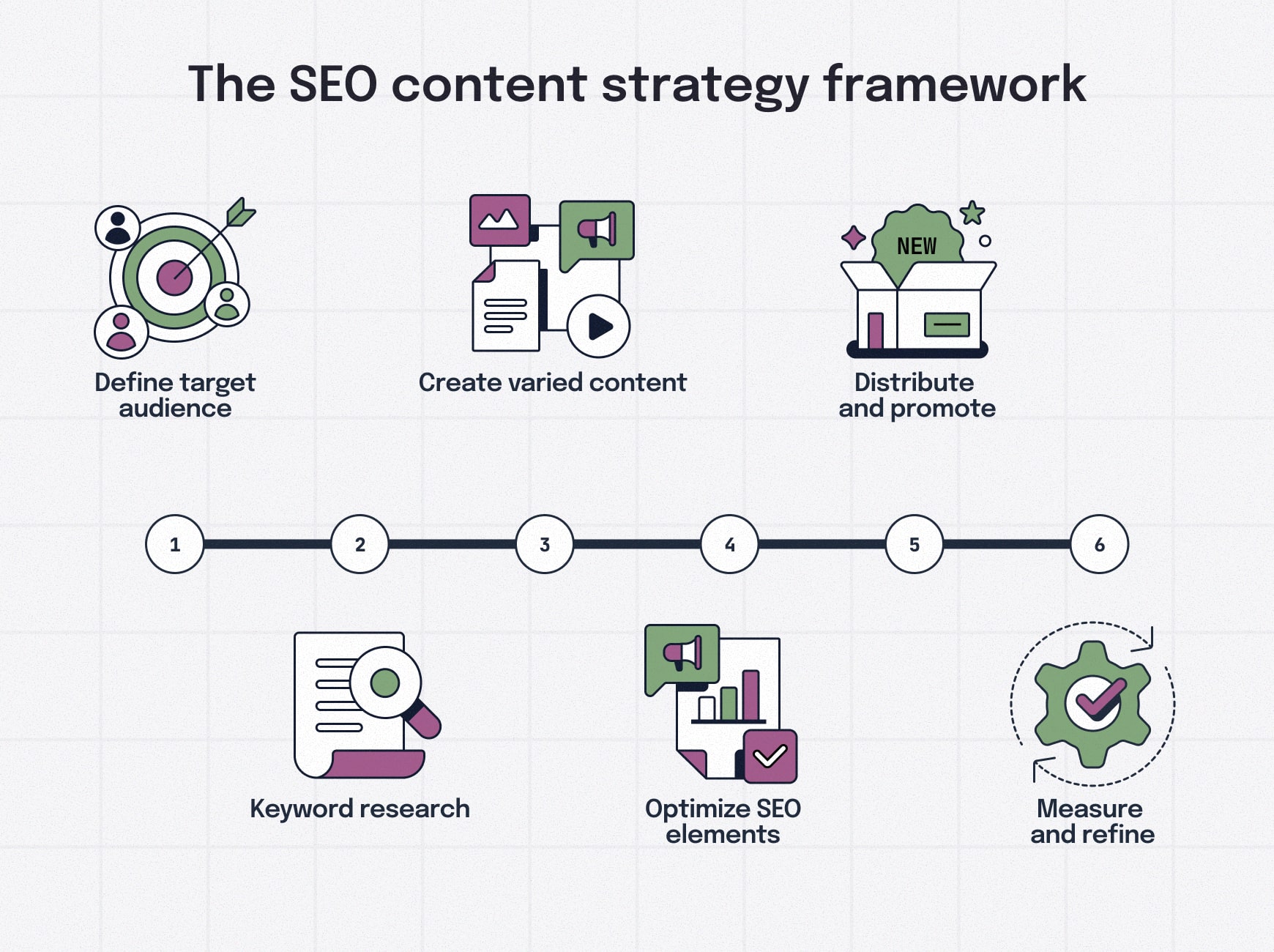
At its core, an AI SEO content strategy involves using machine learning algorithms and natural language processing tools to enhance the planning, creation, and distribution of digital content. Unlike traditional methods that rely solely on manual keyword research and human intuition, this approach uses data-driven insights to predict what users are searching for and how search engines interpret topical authority.
The strategy encompasses more than just writing articles with AI. It includes automated content audits, predictive performance scoring, dynamic internal linking suggestions, and real-time readability adjustments. The goal is to create a feedback loop where AI analyzes performance data and continuously refines the editorial calendar, ensuring every piece of content serves a specific business objective.
The Shift from Keyword Matching to Entity Optimization
Modern search algorithms, particularly Google’s MUM and BERT, process language contextually. An effective AI SEO content strategy recognizes that ranking requires covering a topic comprehensively rather than repeating a single phrase. AI tools help identify related entities, subtopics, and question patterns that build topical authority. This approach aligns with how search engines now map user queries to conceptual knowledge graphs, rewarding content that demonstrates depth and expertise.
Core Components of an AI-Driven Content Workflow
Implementing this strategy requires a structured pipeline that integrates AI at every stage. The following components form the backbone of a successful system, from initial research to post-publication analysis.
Automated Keyword Clustering and Intent Mapping
AI tools analyze thousands of search queries to group them into clusters based on user intent. Instead of targeting individual keywords, the strategy focuses on creating pillar pages and supporting articles that cover an entire topic cluster. Machine learning models can identify gaps in your existing content library by comparing your site’s coverage against top-ranking competitors, revealing opportunities for new articles or updates to existing ones.
AI-Powered Content Generation and Drafting
Large language models can generate initial drafts, outlines, and even full articles based on specific prompts. However, a sophisticated strategy uses AI for the heavy lifting of research and structuring, while human editors refine the voice, add unique insights, and verify factual accuracy. This hybrid model ensures efficiency without compromising the authenticity that builds trust with readers and search engines.
Predictive Performance Scoring
Before publishing, AI algorithms can score content based on historical data from your site and industry benchmarks. These scores predict the likelihood of ranking for target keywords, estimating traffic potential and engagement metrics. This allows editors to prioritize high-impact topics and allocate resources to pieces that are most likely to drive conversions, rather than guessing which topics will resonate.
Benefits and Limitations of AI in SEO Content

Adopting this technology brings significant advantages, but it also presents challenges that require careful management. Understanding both sides of the equation is essential for setting realistic expectations and avoiding common pitfalls.
Key Benefits for Scaling Operations
- Speed and Efficiency: AI can produce outlines and first drafts in minutes, reducing the time from ideation to publication by up to 70%.
- Data-Driven Insights: Algorithms process vast datasets to uncover search trends and user behavior patterns that manual research might miss.
- Consistency in Brand Voice: AI models can be trained on your existing content to maintain a consistent tone across all published materials.
- Scalability: Marketing teams can increase content output by 5-10x without proportionally increasing headcount, allowing for broader topic coverage.
- Improved Internal Linking: AI automatically suggests relevant internal links based on semantic similarity, distributing page authority more effectively.
- Factual Inaccuracies: AI models can generate plausible but incorrect information, requiring strict human fact-checking protocols.
- Lack of Originality: Without human input, AI-generated content can sound generic and fail to differentiate your brand from competitors.
- Algorithm Updates: Search engines are actively updating their guidelines to detect and potentially penalize low-quality AI content that lacks added value.
- Data Dependency: The quality of AI output depends heavily on the quality of the training data and the prompts provided by the user.
Limitations and Risks to Manage
Comparison: Traditional vs. AI-Powered Content Strategy
To fully appreciate the value of an AI SEO content strategy, it is helpful to compare it directly with traditional methods. The table below highlights the key differences in workflow, cost, and outcomes.
| Aspect | Traditional Strategy | AI-Powered Strategy |
|---|---|---|
| Research Time | Days of manual keyword analysis | Hours of automated data processing |
| Content Volume | 4-8 articles per month | 20-50 articles per month |
| Optimization Focus | Exact match keywords | Semantic relevance and entities |
| Personalization | Limited to manual segmentation | Dynamic content adaptation based on user data |
| Cost Efficiency | High labor costs per article | Lower cost per article after initial setup |
| Adaptability | Slow response to algorithm changes | Rapid adjustment based on real-time data |
Practical Implementation: Building Your AI Content System
Transitioning to an AI-driven workflow requires a step-by-step approach. The following guide outlines a practical framework for integrating AI tools into your existing content operations, from tool selection to performance tracking.
Step 1: Select the Right AI Tool Stack
Start by identifying tools that specialize in different parts of the content lifecycle. For research, use platforms that offer keyword gap analysis and SERP feature tracking. For drafting, choose language models that allow fine-tuning on your brand guidelines. For optimization, select tools that provide real-time readability scores and SEO recommendations. Integration with your CMS and analytics platforms is critical for a seamless workflow.
Step 2: Train Your AI on Brand Data
Feed your AI tools with your top-performing articles, customer personas, and brand voice guidelines. This training process ensures that the generated content aligns with your existing style and resonates with your target audience. Create a prompt library that standardizes how your team requests content, including specific instructions for tone, length, and target keywords.
Step 3: Establish a Human Review Process
Implement a mandatory editorial review step for all AI-generated content. This process should include fact-checking, plagiarism checks, and a final read-through for flow and originality. Assign subject matter experts to review technical or complex topics to ensure accuracy. This human-in-the-loop approach is essential for maintaining quality and avoiding penalties.
Step 4: Automate Distribution and Tracking
Use AI to automate content distribution across channels, scheduling posts at optimal times based on audience engagement data. Set up automated tracking dashboards that monitor keyword rankings, organic traffic, and conversion rates for each piece of content. This data feeds back into the AI system, allowing it to learn which topics and formats perform best.
Common Mistakes and How to Avoid Them
Many teams fail to see results from their AI SEO content strategy due to avoidable errors. Recognizing these pitfalls early can save significant time and resources, ensuring your implementation stays on track.
Publishing Unedited AI Output
The most common mistake is publishing AI-generated text without human review. This often results in content that is repetitive, factually incorrect, or lacking in unique insights. Always treat AI output as a first draft, not a final product. Implement a strict editing checklist that includes verifying statistics, adding original examples, and ensuring the content answers the user’s query completely.
Ignoring Search Intent
Focusing solely on keywords without understanding the intent behind them leads to high bounce rates. AI tools can help classify intent, but human judgment is still needed to ensure the content format matches user expectations. For example, a transactional query requires a product comparison, while an informational query requires a detailed guide. Mismatching these formats will hurt rankings regardless of how well the content is written.
Neglecting Content Updates
AI can generate new content quickly, but existing content also needs attention. Search engines favor fresh, updated information. Use AI to monitor the performance of your existing articles and automatically flag those that are losing rankings or have outdated information. Schedule regular content refreshes to maintain your site’s overall authority.
Important Notes for Long-Term Success
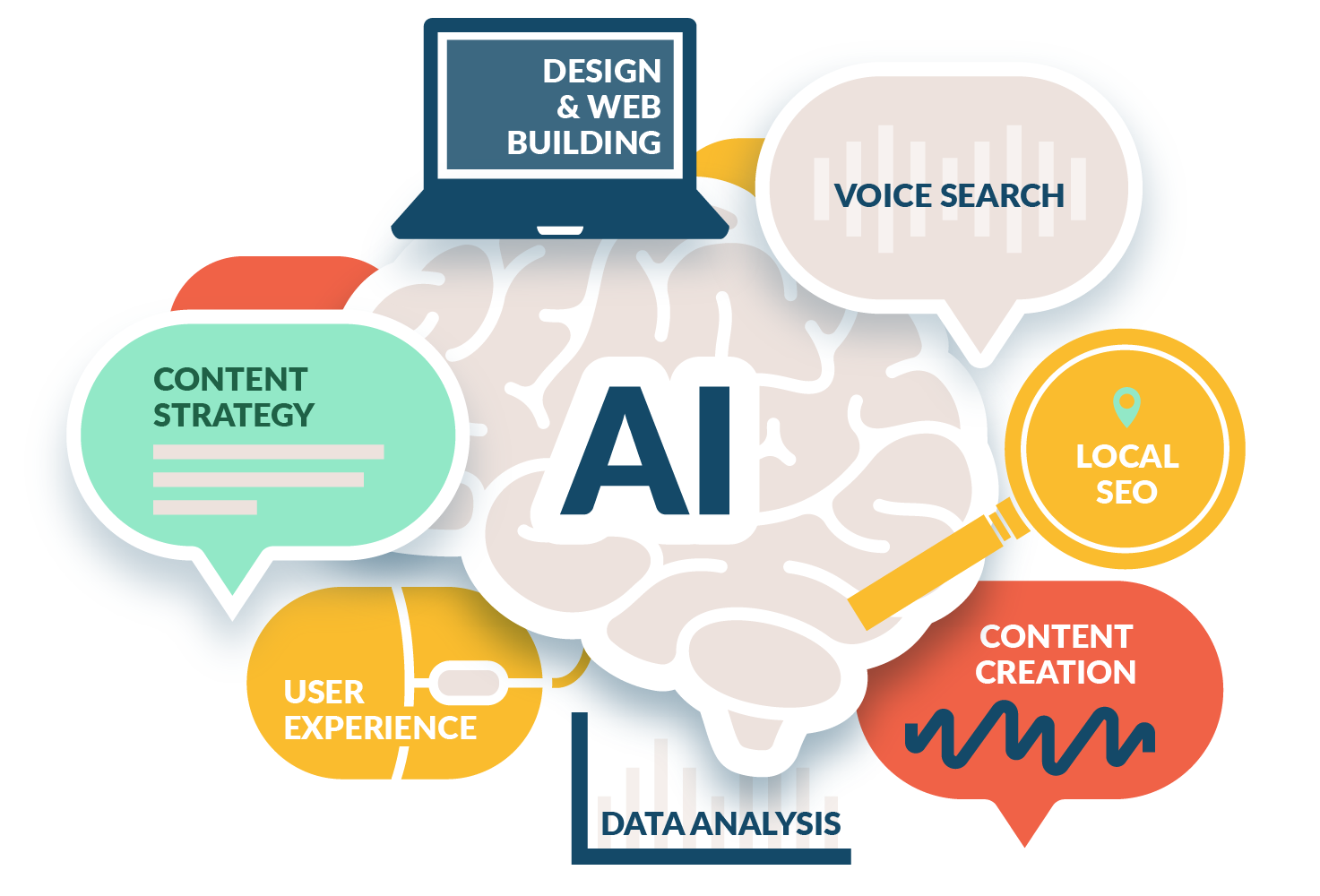
Building a sustainable AI SEO content strategy requires more than just adopting new tools. It demands a shift in organizational mindset and a commitment to continuous learning. The following notes are critical for long-term success in this evolving field.
Focus on E-E-A-T Signals
Search engines prioritize content that demonstrates Experience, Expertise, Authoritativeness, and Trustworthiness. AI can help structure content, but it cannot replace the real-world experience of your team. Include author bios, original research, and case studies to strengthen your E-E-A-T profile. Use AI to identify gaps in your content where you can add unique data or expert commentary.
Monitor Algorithm Updates
Search engine algorithms are constantly evolving, particularly regarding AI-generated content. Stay informed about updates to Google’s spam policies and quality guidelines. Adjust your strategy accordingly, focusing on adding genuine value rather than trying to game the system. A proactive approach to algorithm changes will protect your rankings.
Measure Beyond Rankings
While keyword rankings are important, they do not tell the whole story. Track engagement metrics such as time on page, scroll depth, and conversion rates. AI can analyze these metrics to provide insights into user behavior, helping you refine your content strategy to better meet audience needs. Focus on creating content that drives business results, not just traffic.
Frequently Asked Questions
What is the difference between AI content and AI SEO content strategy?
AI content refers to any text generated by artificial intelligence tools. An AI SEO content strategy is a broader framework that uses AI for the entire content lifecycle, including keyword research, topic clustering, optimization, and performance analysis. The strategy ensures that AI-generated content is aligned with search engine requirements and business goals, rather than just producing text for the sake of volume.
Will Google penalize my site for using AI-generated content?
Google’s guidelines state that they penalize spammy, low-quality content regardless of how it is produced. If AI-generated content is helpful, original, and demonstrates E-E-A-T, it will not be penalized. The key is to ensure that AI is used as a tool to enhance human creativity, not replace it. Always review and add unique value to AI output before publishing.
How much does it cost to implement an AI SEO content strategy?
The cost varies significantly based on the tools you choose and the scale of your operations. Basic AI writing assistants can cost around $20-$50 per month, while enterprise-level platforms with advanced analytics and integration can cost thousands of dollars per month. The return on investment is typically realized through reduced labor costs and increased content output, making it cost-effective for most businesses.
Can AI replace human SEO specialists?
No, AI cannot fully replace human SEO specialists. While AI excels at data processing and pattern recognition, it lacks the strategic thinking, creativity, and ethical judgment required for high-level SEO. The most effective approach is a partnership where AI handles repetitive tasks and data analysis, freeing up human specialists to focus on strategy, content quality, and relationship building.
What are the best AI tools for SEO content in 2025?
The best tools depend on your specific needs. For research, tools like Ahrefs and Semrush have integrated AI features for keyword clustering and content gap analysis. For drafting, platforms like Jasper and Copy.ai offer advanced language models. For optimization, Surfer SEO and Clearscope use AI to provide real-time recommendations. A combination of these tools often yields the best results.
Conclusion
An AI SEO content strategy is a powerful approach for businesses looking to scale their digital presence efficiently. By automating research, drafting, and optimization, teams can produce more relevant content while maintaining high standards of quality. The key to success lies in the balance between automation and human oversight, ensuring that every piece of content adds genuine value for the reader. As search algorithms continue to evolve, this data-driven, adaptive approach will become increasingly essential for maintaining competitive advantage. Start by integrating AI into one part of your workflow, measure the results, and gradually expand your use of these technologies to build a robust, future-proof content engine.
Xem thêm:
- AI SEO Ecommerce Product SEO: The Complete Playbook for 2025
- AI Title Generator: Craft Click-Worthy Headlines That Drive Traffic and Engagement
- AI SEO Optimization Workflow: The Complete Guide to Scaling Organic Growth in 2025
- AI SEO CRO Strategy: The Complete Guide to Converting Search Traffic
- AI SEO Predictive Analytics: The Complete Guide to Forecasting Search Performance
Bài viết cùng chủ đề:

AI SEO SEO Automation with Make: The Complete Workflow Guide

AI SEO SEO Automation with Zapier: The Complete Workflow Guide

AI SEO SEO Automation with n8n: The Complete Workflow Guide
AI SEO SEO Automation with Gemini: The Complete Guide to Scaling Organic Growth

AI SEO SEO Automation with Claude: The Complete Guide to Scaling Content in 2025

AI SEO SEO Automation with ChatGPT: The Complete Playbook for 2025

AI SEO & SEO Automation for Affiliate Sites: The 2025 Playbook for Passive Income Growth
AI SEO & SEO Automation for Bloggers: The Complete Guide to Scaling Your Content

AI SEO & SEO Automation for Agencies: The Complete 2025 Playbook

AI SEO and SEO Automation for Ecommerce: The Complete Playbook for 2025

AI SEO & SEO Automation for WordPress: The Complete Playbook for 2025
AI SEO SEO Automation Strategy: The Complete Playbook for 2025

Mastering the AI SEO SEO Automation Process: A Complete Guide to Scaling Organic Growth
AI SEO SEO Automation System: The Complete Guide to Scaling Organic Growth in 2025
AI SEO SEO Automation Platform: The Complete Guide to Scaling Organic Growth in 2025
AI SEO SEO Automation Software: The Complete Guide to Scaling Organic Growth in 2025















