
No products in the cart.
AI SEO Content Distribution: The Complete Playbook for 2025
10
Aug
Aug
AI SEO content distribution has transformed how brands amplify their digital footprint. In the modern search landscape, creating high-quality content is only half the battle; the other half depends on how effectively you distribute that content across the digital ecosystem. This comprehensive guide explores the strategies, tools, and workflows that define successful AI-driven distribution, ensuring your assets reach the right audience at the optimal moment.
Understanding AI SEO Content Distribution

AI SEO content distribution refers to the use of artificial intelligence to automate, optimize, and personalize the process of sharing content across multiple channels. This includes search engines, social platforms, email newsletters, and third-party publications. Unlike traditional distribution methods that rely on manual posting and guesswork, AI systems analyze user behavior, search trends, and engagement metrics to determine where and when content should be published.
The core value proposition lies in efficiency and precision. AI algorithms can process vast datasets to identify patterns that humans might miss, such as the optimal time to post on LinkedIn or the specific keyword clusters that resonate with a niche audience. This data-driven approach reduces wasted effort and increases the return on investment for every piece of content created.
The Evolution from Manual to Automated Distribution
Five years ago, content distribution involved copying links into social schedulers and sending mass emails. Today, AI platforms like MarketMuse, Clearscope, and Surfer SEO integrate directly with content management systems to automate distribution based on real-time search data. These tools can rewrite meta descriptions for different platforms, adjust tone for specific audiences, and even recommend content syndication partners based on domain authority and topical relevance.
The shift is not merely about automation but about intelligent decision-making. AI systems learn from historical performance data, continuously refining their distribution strategies. For instance, if a blog post about “local SEO tips” performs well on Reddit but poorly on Facebook, the A
Core Components of an AI-Driven Distribution Strategy
Successful AI SEO content distribution relies on several interconnected components that work together to maximize reach and engagement. Understanding these elements is crucial for implementing a system that delivers measurable results.
Predictive Analytics for Channel Selection
Predictive analytics forms the backbone of modern distribution strategies. AI tools analyze historical engagement data, competitor performance, and platform algorithm changes to predict which channels will yield the highest returns. For example, a B2B software company might discover through predictive modeling that its technical whitepapers generate more leads when distributed via industry-specific newsletters rather than general social media.
These systems also factor in seasonality and trending topics. During peak shopping seasons, e-commerce brands might shift their distribution focus toward Instagram Shopping and Pinterest, while B2B brands might prioritize LinkedIn and industry forums. The AI continuously recalibrates these recommendations based on real-time performance metrics.
Dynamic Content Personalization
One-size-fits-all distribution no longer works. AI enables dynamic personalization, where the same core content is adapted for different audience segments. This goes beyond simple name insertion in emails. AI can alter headlines, adjust examples, change the call-to-action, and even modify the content length based on user preferences and past interactions.
For instance, a financial services firm distributing an article about retirement planning might create three versions: a detailed guide for pre-retirees, a simplified summary for younger audiences, and a technical analysis for financial advisors. The AI determines which version each user receives based on their browsing history, demographic data, and engagement patterns.
Automated Syndication and Repurposing
Content repurposing is a critical component of effective distribution. AI tools can automatically transform a single blog post into multiple formats: a LinkedIn article, a Twitter thread, a YouTube video script, and an email newsletter segment. This multi-format approach ensures that content reaches users regardless of their preferred consumption method.
Automated syndication platforms like Outbrain and Taboola use AI to place content on relevant third-party sites. These systems analyze the content’s topic, readability, and engagement potential to match it with appropriate publisher audiences. This expands reach beyond owned channels and taps into established readership bases.
Benefits of AI-Powered Distribution
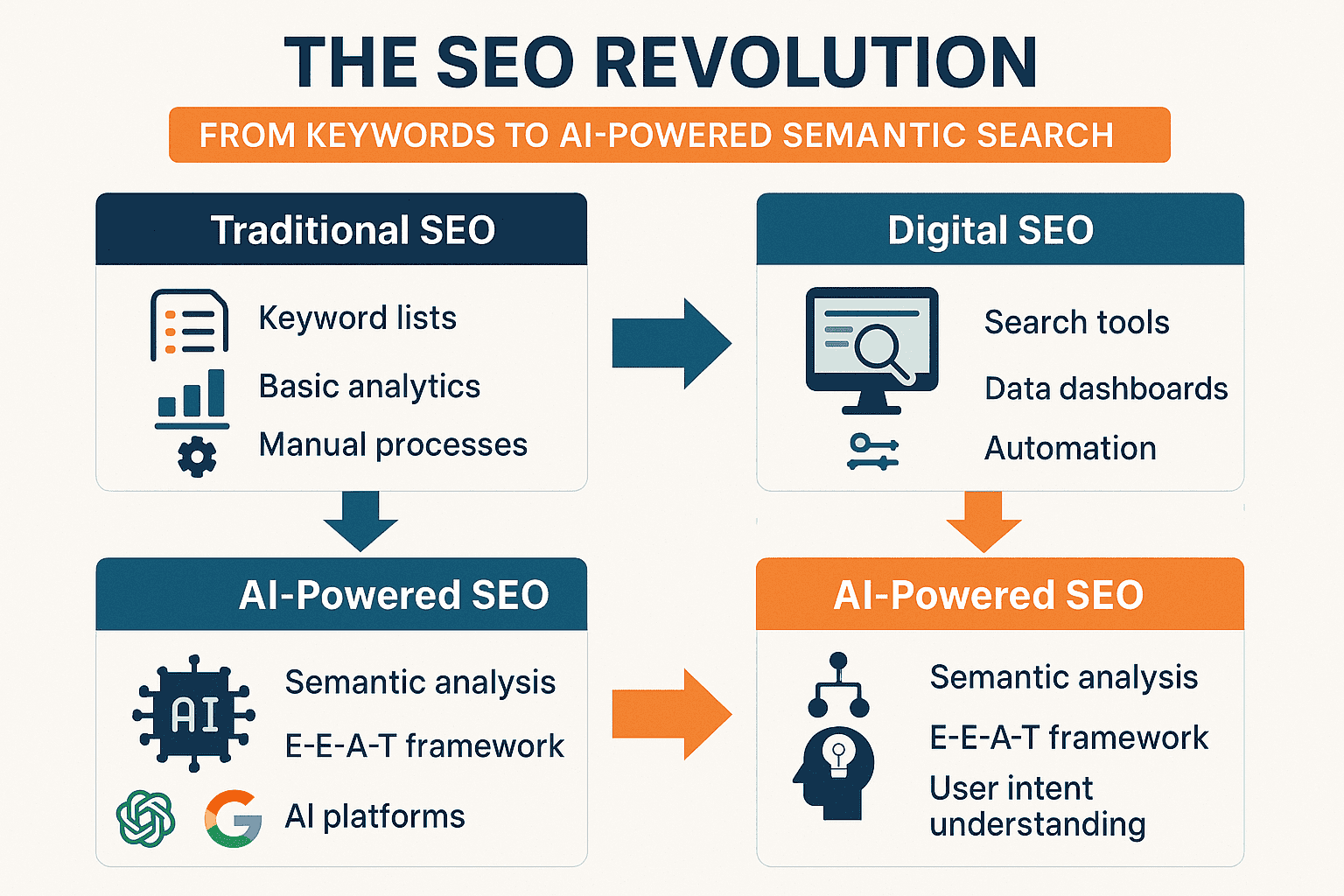
The adoption of AI in content distribution brings numerous advantages that directly impact business outcomes. These benefits extend beyond simple time savings to include strategic improvements in audience engagement and conversion rates.
Enhanced Efficiency and Scalability
Manual distribution limits the number of channels a team can effectively manage. AI removes these constraints by automating repetitive tasks such as posting, scheduling, and performance tracking. A single content team can now manage distribution across dozens of channels simultaneously, scaling their efforts without proportional increases in headcount or budget.
This scalability is particularly valuable for enterprises with global audiences. AI can automatically translate content into multiple languages, adjust for cultural nuances, and schedule posts according to local time zones. This ensures consistent global presence without requiring regional marketing teams to manually manage each market.
Improved ROI and Performance Tracking
AI-driven distribution provides granular performance data that goes beyond basic click-through rates. Advanced analytics track user journeys from initial content exposure to final conversion, attributing value to each distribution channel. This level of insight enables marketers to allocate budgets more effectively, focusing resources on channels that demonstrate the highest return on investment.
Real-time performance dashboards allow for immediate optimization. If a particular distribution channel underperforms, the AI can automatically reduce its allocation and shift resources to better-performing channels. This dynamic adjustment ensures that content distribution efforts are always optimized for maximum impact.
Challenges and Limitations of AI Distribution
While AI offers significant advantages, it is not without challenges. Understanding these limitations is essential for developing realistic expectations and implementing appropriate safeguards.
Data Privacy and Compliance Concerns
AI distribution systems rely heavily on user data to personalize content and predict behavior. This reliance raises significant privacy concerns, particularly with regulations like GDPR and CCPA. Marketers must ensure that their AI tools comply with data protection laws, obtaining proper consent for data collection and providing transparent opt-out mechanisms.
Non-compliance can result in substantial fines and reputational damage. Therefore, organizations must work closely with legal teams to audit their AI distribution practices and ensure all data handling procedures meet regulatory requirements.
Risk of Over-Automation
Excessive reliance on AI can lead to a loss of human touch in content distribution. Automated responses and generic personalization can make audiences feel disconnected, reducing engagement and brand loyalty. It is crucial to maintain a balance between automation and human oversight, ensuring that AI handles repetitive tasks while humans focus on strategic decisions and creative messaging.
Brands must also guard against algorithmic bias. AI systems trained on historical data may perpetuate existing biases in content distribution, potentially excluding certain audience segments. Regular audits of AI decision-making processes are necessary to ensure fair and inclusive distribution practices.
AI SEO Content Distribution vs Traditional Methods
Understanding the differences between AI-driven and traditional distribution approaches helps marketers make informed decisions about their strategies. The table below highlights key distinctions across several dimensions.
| Aspect | Traditional Distribution | AI-Driven Distribution |
|---|---|---|
| Channel Selection | Based on intuition and past experience | Based on predictive analytics and real-time data |
| Personalization | Basic segmentation (e.g., by location or industry) | Dynamic, behavior-based personalization |
| Scheduling | Fixed posting times determined manually | Optimized timing based on audience activity patterns |
| Performance Tracking | Manual reporting with delayed insights | Real-time dashboards with automated optimization |
| Scalability | Limited by team capacity | Highly scalable with minimal additional resources |
| Content Adaptation | Manual reformatting for different platforms | Automated repurposing and format adjustment |
The comparison clearly shows that AI-driven distribution offers superior efficiency, precision, and scalability. However, traditional methods still hold value for niche audiences where personal relationships and manual curation are important.
Practical Implementation Guide for AI Distribution
Implementing an AI SEO content distribution strategy requires careful planning and execution. The following steps provide a practical roadmap for organizations looking to leverage AI in their distribution efforts.
Step 1: Audit Your Current Distribution Channels
Begin by evaluating your existing distribution channels and their performance. Identify which channels drive the most traffic, engagement, and conversions. This baseline data will inform your AI strategy, helping you prioritize channels that deserve more attention and identify underperforming ones that may need optimization or elimination.
Use analytics tools like Google Analytics, social media insights, and email marketing platforms to gather comprehensive data. Look for patterns in audience behavior, such as which content types perform best on specific channels and what times generate the highest engagement.
Step 2: Select the Right AI Tools
The market offers numerous AI distribution tools, each with unique strengths. Consider your specific needs when selecting tools. For content optimization and distribution, platforms like MarketMuse and Clearscope provide excellent keyword insights and content recommendations. For social media automation, tools like Hootsuite and Buffer now incorporate AI features for optimal posting times and content curation.
Email marketing platforms like Mailchimp and HubSpot offer AI-powered personalization and send-time optimization. For content syndication, consider platforms like Outbrain or Zemanta that use AI to match content with relevant publisher audiences. Evaluate each tool based on your budget, technical requirements, and integration capabilities with your existing marketing stack.
Step 3: Develop a Content Distribution Workflow
Create a standardized workflow that integrates AI tools into your content production process. This workflow should outline how content moves from creation to distribution, including approval processes, channel assignments, and performance review checkpoints.
For example, your workflow might look like this: content is created and optimized with AI tools, then automatically distributed to primary channels (website, email, LinkedIn) and secondary channels (Twitter, Facebook, industry forums). The AI monitors performance and provides weekly reports, highlighting which channels need adjustment.
Step 4: Monitor and Optimize Continuously
AI distribution is not a set-and-forget system. Continuous monitoring and optimization are essential for maintaining performance. Review your analytics regularly to identify trends and anomalies. Use A/B testing to compare different distribution strategies and refine your approach based on results.
Pay attention to algorithm changes on major platforms. Search engines and social networks frequently update their algorithms, which can impact content visibility. AI tools that monitor these changes can help you adapt quickly, ensuring your distribution strategies remain effective.
Common Mistakes in AI Content Distribution
Many organizations make avoidable errors when implementing AI distribution strategies. Recognizing these mistakes can help you prevent them and achieve better results.
Ignoring Human Oversight
One of the most common mistakes is relying too heavily on AI without human supervision. While AI can automate many tasks, it cannot fully understand brand voice, cultural nuances, or complex emotional contexts. Assign human team members to review AI-generated content and distribution decisions, particularly for high-stakes campaigns or sensitive topics.
Human oversight also helps catch errors that AI might miss, such as inappropriate content placement or tone-deaf messaging. Establish clear review processes that balance automation with human judgment.
Neglecting Content Quality
AI distribution cannot compensate for poor content quality. Some organizations mistakenly believe that sophisticated distribution can make mediocre content successful. This is rarely the case. AI amplifies content reach, but if the content fails to provide value, it will not generate meaningful engagement or conversions.
Invest in high-quality content creation that addresses audience needs and provides genuine value. Use AI to enhance content quality through better keyword targeting, readability improvements, and topic research, but do not rely on distribution alone to drive success.
Failing to Adapt to Platform-Specific Requirements
Each distribution platform has unique requirements and best practices. Content that performs well on LinkedIn may not resonate on TikTok. AI tools can help adapt content for different platforms, but you must configure these tools correctly and provide them with appropriate guidelines.
Develop platform-specific strategies that consider character limits, visual requirements, audience demographics, and engagement patterns. Use AI to automate the adaptation process, but ensure your team understands the nuances of each platform.
Important Notes for Successful Implementation
Several key considerations can significantly impact the success of your AI SEO content distribution efforts. Keep these notes in mind as you develop and refine your strategy.
- Data Quality Matters: AI systems are only as good as the data they analyze. Ensure your data collection methods are accurate and comprehensive, and regularly clean your data to remove outdated or irrelevant information.
- Integration is Critical: Your AI distribution tools should integrate seamlessly with your CRM, analytics platforms, and content management systems. Disconnected tools create data silos that limit the effectiveness of your AI strategy.
- Start Small and Scale: Begin with a pilot project on one or two channels before expanding to full-scale implementation. This allows you to identify issues and refine your approach without risking significant resources.
- Stay Updated on AI Developments: The AI landscape evolves rapidly. Stay informed about new tools, features, and best practices through industry publications, webinars, and professional networks.
- Focus on Audience Value: Always prioritize delivering value to your audience over optimizing for algorithms. AI should enhance the user experience, not detract from it.
Frequently Asked Questions
What is the difference between AI content distribution and traditional content distribution?
AI content distribution uses artificial intelligence to automate and optimize the process of sharing content across channels. It leverages data analytics, predictive modeling, and machine learning to determine optimal channels, timing, and personalization strategies. Traditional distribution relies on manual processes, intuition, and historical experience, which are less efficient and less precise than AI-driven approaches.
How does AI improve content distribution ROI?
AI improves ROI by reducing wasted effort and increasing the effectiveness of distribution efforts. It identifies the most promising channels and audiences, optimizes posting times, personalizes content for different segments, and provides real-time performance data for continuous optimization. This precision leads to higher engagement rates and better conversion outcomes for the same or lower investment.
Can small businesses benefit from AI content distribution?
Yes, small businesses can benefit significantly from AI content distribution. Many AI tools offer scalable pricing models that accommodate smaller budgets. These tools level the playing field, allowing small businesses to compete with larger organizations by optimizing their distribution efforts without requiring large marketing teams. Even basic AI features, such as optimal posting time suggestions and automated scheduling, can provide meaningful improvements.
What are the best AI tools for content distribution?
The best tools depend on your specific needs and budget. For comprehensive content optimization, consider MarketMuse or Clearscope. For social media distribution, Hootsuite and Buffer offer AI-powered features. Email distribution is enhanced by Mailchimp and HubSpot’s AI capabilities. For content syndication, Outbrain and Taboola are popular choices. Evaluate each tool based on your channel priorities and integration requirements.
How do I measure the success of AI content distribution?
Measure success using a combination of quantitative and qualitative metrics. Quantitative metrics include traffic, engagement rates, click-through rates, conversion rates, and return on investment. Qualitative metrics include brand awareness, audience sentiment, and content authority. Use analytics dashboards to track these metrics over time and compare performance against your baseline and industry benchmarks.
Conclusion
AI SEO content distribution represents a fundamental shift in how brands amplify their digital content. By leveraging artificial intelligence for channel selection, personalization, and performance optimization, organizations can achieve unprecedented efficiency and effectiveness in their distribution efforts. The key to success lies in balancing automation with human oversight, maintaining content quality, and continuously adapting to evolving platform algorithms and audience behaviors.
As AI technology continues to advance, the capabilities of content distribution systems will only grow more sophisticated. Organizations that embrace these tools now will be well-positioned to maintain competitive advantages in an increasingly crowded digital landscape. Start by auditing your current distribution processes, selecting appropriate AI tools, and implementing a structured workflow that prioritizes audience value above all else. The future of content distribution is intelligent, data-driven, and undeniably powered by AI.
Xem thêm:
- AI SEO Search Behavior: The Complete Guide to Optimizing for AI-Driven Discovery
- AI SEO Trends 2028: The Complete Blueprint for Search Dominance
- AI SEO Articles: How to Rank With Intelligent Content Creation
- AI YouTube SEO: The Complete Guide to Dominating Video Search with Artificial Intelligence
- AI SEO Competitor Backlinks: The Complete Guide to Automated Link Gap Analysis
Bài viết cùng chủ đề:

AI SEO SEO Automation with Make: The Complete Workflow Guide

AI SEO SEO Automation with Zapier: The Complete Workflow Guide

AI SEO SEO Automation with n8n: The Complete Workflow Guide
AI SEO SEO Automation with Gemini: The Complete Guide to Scaling Organic Growth

AI SEO SEO Automation with Claude: The Complete Guide to Scaling Content in 2025

AI SEO SEO Automation with ChatGPT: The Complete Playbook for 2025

AI SEO & SEO Automation for Affiliate Sites: The 2025 Playbook for Passive Income Growth
AI SEO & SEO Automation for Bloggers: The Complete Guide to Scaling Your Content

AI SEO & SEO Automation for Agencies: The Complete 2025 Playbook

AI SEO and SEO Automation for Ecommerce: The Complete Playbook for 2025

AI SEO & SEO Automation for WordPress: The Complete Playbook for 2025
AI SEO SEO Automation Strategy: The Complete Playbook for 2025

Mastering the AI SEO SEO Automation Process: A Complete Guide to Scaling Organic Growth
AI SEO SEO Automation System: The Complete Guide to Scaling Organic Growth in 2025
AI SEO SEO Automation Platform: The Complete Guide to Scaling Organic Growth in 2025
AI SEO SEO Automation Software: The Complete Guide to Scaling Organic Growth in 2025















